
Wild Dagga
Wild dagga is a South African shrub (Leonotis leonurus) that gives you a mild, traditional smokeable botanical in the mint family — used for over 300 years by the Khoikhoi and Bushmen. The category covers two formats of the same plant: the raw dried flowers and a 20x concentrated extract. If you're curious about mild smokeable botanicals in the damiana/klip dagga family, this is where to start. Azarius has been shipping ethnobotanicals since 1999, with more than 25 years of sourcing experience behind the shelf.
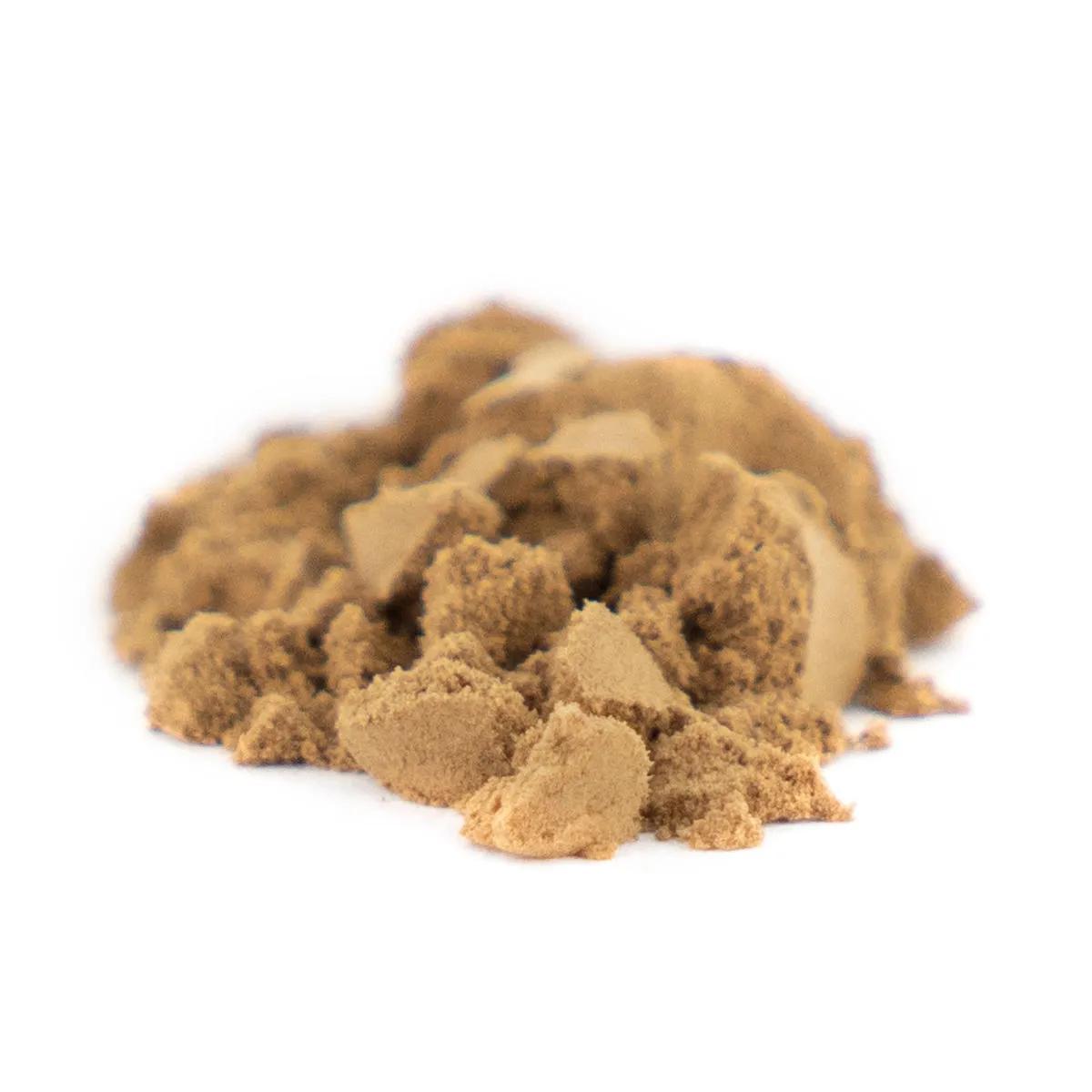
Wild dagga is a South African shrub (Leonotis leonurus) that gives you a mild, traditional smokeable botanical in the mint family — used for over 300 years by the Khoikhoi and Bushmen. The category covers two formats of the same plant: the raw dried flowers and a 20x concentrated extract. If you're curious about mild smokeable botanicals in the damiana/klip dagga family, this is where to start. Azarius has been shipping ethnobotanicals since 1999, with more than 25 years of sourcing experience behind the shelf.
Buy Wild Dagga — Flowers or Extract?
Buy the flowers if you're new, order the 20x extract if you already know the plant. Both come from the same species (Leonotis leonurus, Lamiaceae family, the same botanical family as mint and lavender), but they behave very differently once you light them or brew them. The format you pick shapes how you use it, how much you need, and what you blend it with.
Dried flowers are the traditional form — what the Khoikhoi actually smoked for centuries. You get the full bud, you can see what you're buying, and you can blend it loose with damiana, mullein, or your smoke of choice. It's the format to get if you want the authentic ritual or you're building a herbal smoking blend from scratch.
A 20x extract is the same plant reduced to a fine powder that's roughly twenty times the strength of the raw leaf. You use about 0.25 grams instead of a pipe-bowl's worth. It's the format to get if you want potency without burning through volume, or if you want to sprinkle into a joint or brew a quick bitter tea without prepping loose flower.
Wild Dagga Formats Compared
| Format | How you use it | Good for |
|---|---|---|
| Dried flowers | Smoke in a pipe, blend with other herbs, brew as tea | First-time buyers, traditionalists, herbal blend builders |
| 20x extract powder | Sprinkle into joints, mix into herbal blends, brew concentrated tea | Experienced users, anyone who wants less volume for more effect |
The flowers we stock are the traditional smokeable form. The 20x extract is the concentrated powder version — same plant, two jobs.
How Wild Dagga Compares to Adjacent Botanicals
Wild dagga sits in a small family of 4 mild smokeable herbs that aren't cannabis but occupy a similar shelf. The closest relatives on the Azarius shop floor are damiana (Turnera diffusa), klip dagga (Leonotis nepetifolia — literally the "cousin" plant), and blue lotus. Each has its own character. Damiana is softer and slightly sweet. Klip dagga is the smaller-flowered sister species. Blue lotus is more dreamy and less grassy on the smoke.
What to Weigh Before You Buy
- Volume vs potency — flowers give you bulk to smoke and share; extract gives you strength in a tiny jar
- Smoking vs tea — flowers work for both; extract is better as a sprinkle or quick infusion
- Blending — if you already have damiana or mullein at home, flowers slot in naturally
- Storage — dried flowers keep well in a sealed jar away from light for up to 12 months; extract powder keeps even longer
- First-time orientation — start with flowers to learn what the plant actually tastes and feels like, then shop the extract once you know you like it
Honest take: most people should buy the flowers first. Extract is a genuinely useful format once you know the plant, but starting on 20x concentrate without a baseline is working backwards. Limitation worth naming — wild dagga is subtle. If you're expecting cannabis-tier impact, you'll be disappointed. Get the bud, pack a small pipe, see what you think.
Frequently Asked Questions
Is wild dagga the same as cannabis?
No. "Dagga" is the South African word for cannabis, and settlers borrowed it for Leonotis leonurus because the Khoikhoi smoked it — but botanically they're unrelated. Wild dagga is in the mint family; cannabis is in its own family (Cannabaceae).
Should I buy wild dagga flowers or the 20x extract?
Start with the flowers if you've never tried the plant — you'll learn the taste, smoke character, and your own response before committing to a concentrate. Order the 20x extract once you know you enjoy it and want more impact per gram.
What do people blend wild dagga with?
Damiana is the most common partner — softer, slightly sweet, and it mellows the grassy edge of dagga smoke. Mullein is used as a lung-friendly filler. Some people blend with blue lotus or klip dagga for a fuller ethnobotanical smoking mix.
Can you brew wild dagga as a tea?
Yes — both the flowers and the extract can be brewed. Flowers make a bitter herbal infusion traditionally drunk in southern Africa; the extract dissolves quickly for a faster, more concentrated cup. Honey cuts the bitterness.
Where can I read more about wild dagga's traditional use?
The Multidisciplinary Association for Psychedelic Studies (MAPS) and academic ethnobotany journals document Leonotis leonurus use among the Khoikhoi and early Cape settlers. For botanical detail, South African National Biodiversity Institute (SANBI) records are a solid starting point.
Last updated: April 2026
Medical disclaimer. This content is for informational purposes only and does not constitute medical advice. Consult a qualified healthcare provider before use of any substance.