
Guarana
Guarana powder is ground from the roasted seeds of Paullinia cupana var. sorbilis, a climbing plant native to the Brazilian Amazon basin. With 2–4.5% caffeine by dry weight — roughly double the concentration found in coffee beans — it's one of the most potent natural caffeine sources you can buy. We've stocked it at Azarius since 1999 because it delivers what most stimulants promise but don't: steady, sustained energy without the crash. Order it as a fine powder, steep it as a tea, or blend it into your morning smoothie.
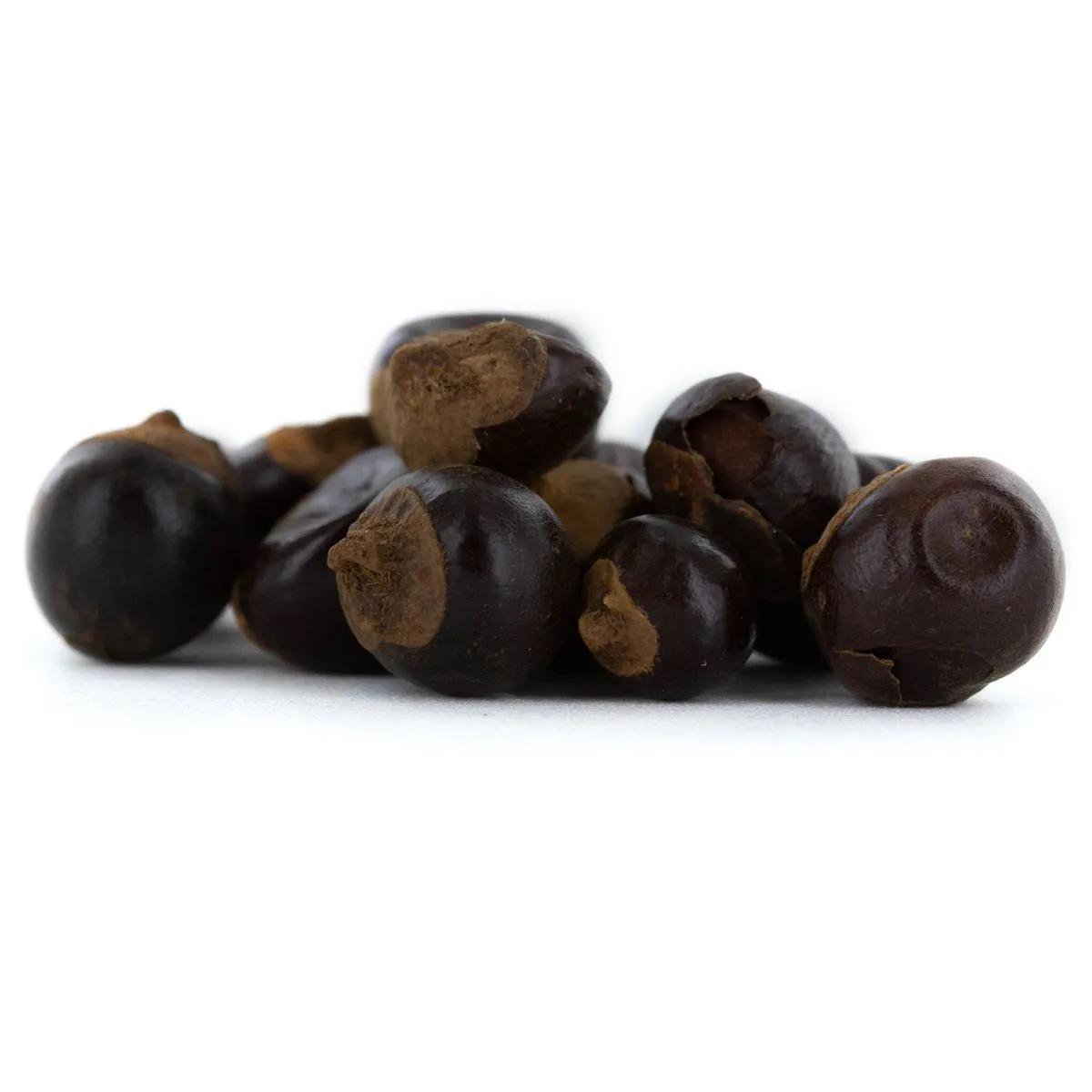
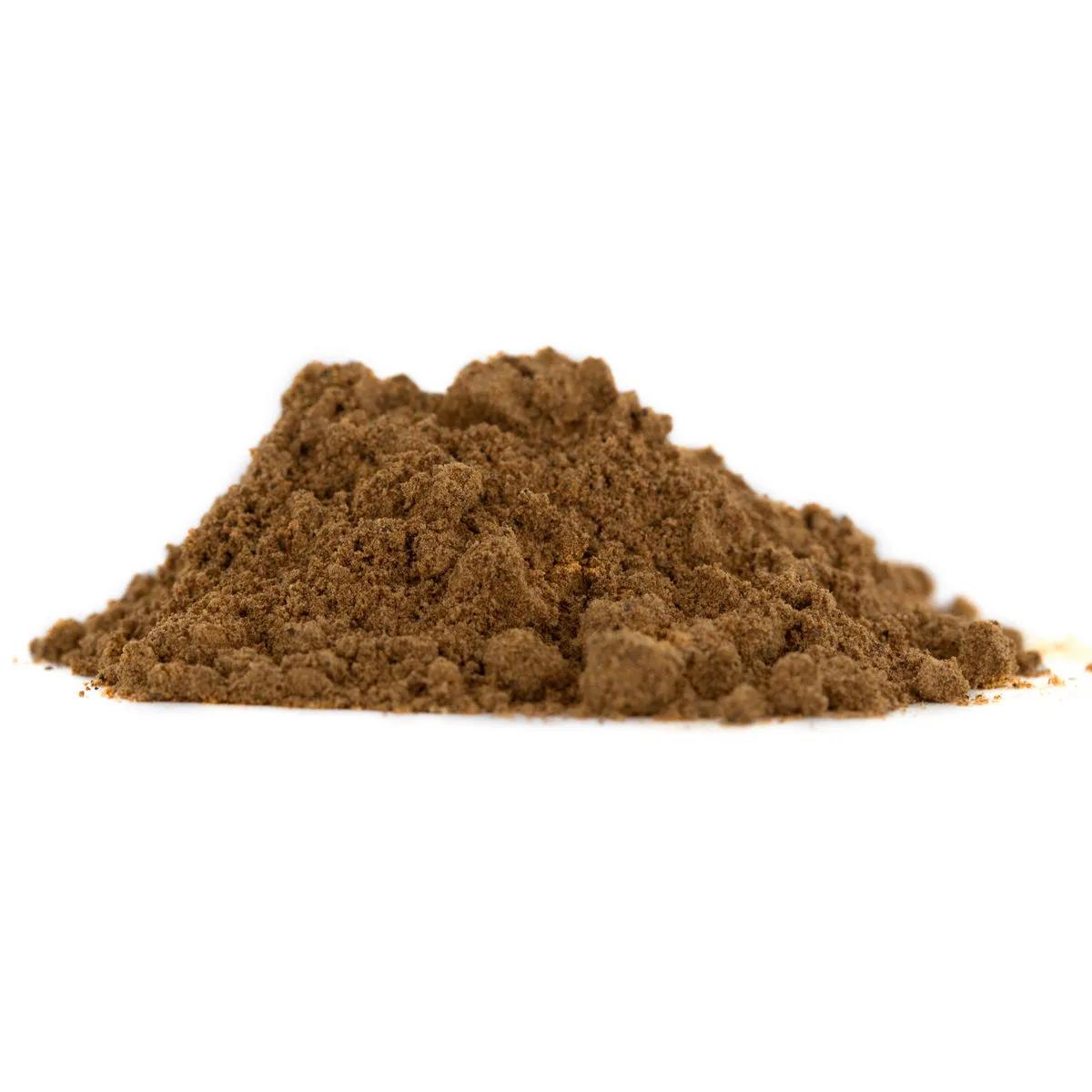
Guarana powder is ground from the roasted seeds of Paullinia cupana var. sorbilis, a climbing plant native to the Brazilian Amazon basin. With 2–4.5% caffeine by dry weight — roughly double the concentration found in coffee beans — it's one of the most potent natural caffeine sources you can buy. We've stocked it at Azarius since 1999 because it delivers what most stimulants promise but don't: steady, sustained energy without the crash. Order it as a fine powder, steep it as a tea, or blend it into your morning smoothie.
What Is Guarana Powder?
Guarana powder is the dried, roasted, and milled seed of Paullinia cupana, an Amazonian vine whose fruit contains some of the highest natural caffeine concentrations of any plant on earth. Each gram of guarana powder delivers roughly 40–80 mg of caffeine — chemically identical to the caffeine in your coffee, though historically marketed under the name "guaranine."
What makes guarana seeds different is their internal chemistry. The caffeine sits bound to tannins and plant starches within the seed matrix, which results in a 30% slower gastric absorption rate compared to isolated caffeine. That's not marketing fluff — it's why the energy curve feels flatter and longer. Our guarana powder is sustainably harvested from cooperatives in the Amazon basin, then roasted and milled in EU facilities to food-grade standards.
Open the bag and you'll notice a toasted, earthy aroma — faintly nutty, like roasted chestnuts mixed with dried leaves. Brewed, it leaves a clean, dry tannic finish on the tongue. It's not sweet. It's not mild. It's a functional seed extract that tastes like what it is.
| Property | Detail |
|---|---|
| Botanical name | Paullinia cupana var. sorbilis |
| Plant part | Roasted, ground seeds |
| Caffeine content | 2–4.5% by dry weight (40–80 mg per gram) |
| Onset time | 45–60 minutes |
| Duration | 4–6 hours sustained energy |
| Recommended dose | 0.5–1 g per serving; max 3 g daily |
| Optimal steep temperature | 75–80°C |
| Steep time | 5–7 minutes |
| Origin | Brazilian Amazon basin cooperatives |
| Processing | Roasted and milled in EU facilities |
| Shelf life | 18–24 months (airtight, 15–20°C) |
How to Use Guarana Seeds & Powder Safely
Start with 0.5 g of guarana powder — about a quarter teaspoon — and build from there once you know your tolerance. Here's the straightforward method that works best:
- Measure 0.5–1 g of guarana powder (a kitchen scale helps; eyeballing is unreliable with something this concentrated).
- Heat water to 75–80°C. If you don't have a thermometer, let a full boil settle for about 3–4 minutes.
- Add the powder to a cup and pour the water over it. Steep for 5–7 minutes.
- Stir, strain if you like (or just let the sediment settle), and drink.
- Alternatively, blend the powder directly into a smoothie or mix it into warm — not hot — water.
Now, the honest bit: if you use boiling water or steep it beyond seven minutes, the brew turns noticeably bitter and astringent. This isn't a gentle herbal tea. The tannins bite back when you push the temperature past 85°C, and the flavour goes from "earthy and dry" to "genuinely unpleasant." Keep the water cool and the steep short.
Someone buys guarana powder expecting it to hit like a double espresso — fast and hard. They brew a cup, feel nothing after fifteen minutes, and almost reach for the coffee pot. Then about 90 minutes later, they're deep into a work session, hands steady, stomach calm, and realise they've been locked in for over an hour without thinking about caffeine at all. That's the tannin-bound release doing its job. The onset takes 45–60 minutes, but the payoff is 4–6 hours of clean focus. Best for morning productivity or pre-workout endurance when you need steady output for four-plus hours, not a thirty-minute sprint.
Guarana vs Coffee: Caffeine & Energy Release
Gram for gram, guarana powder contains roughly twice the caffeine of roasted Arabica coffee beans — 2–4.5% versus coffee's 1–2%. That's the headline number, but it only tells half the story.
The caffeine in guarana seeds is bound to tannins, which slows gastric absorption by approximately 30% compared to the free caffeine you get from brewed coffee. In practice, this means a slower ramp-up, a longer plateau, and a gentler comedown. Coffee hits in 15–20 minutes and fades within 2–3 hours; guarana powder takes 45–60 minutes to kick in but sustains focus for 4–6 hours.
There's also the acidity question. Coffee is rich in chlorogenic acid, which is the main culprit behind acid reflux and stomach upset in sensitive drinkers. Guarana tea lacks that high chlorogenic acid content, so it's markedly easier on the gut.
Our blunt take on guarana vs coffee: if you need to feel awake in ten minutes, make a coffee. If you need to stay sharp through a full afternoon of work, studying, or training, shop guarana powder instead. It's not faster — it's longer.
| Factor | Guarana Powder | Roasted Coffee Beans |
|---|---|---|
| Caffeine concentration | 2–4.5% (40–80 mg/g) | 1–2% (~12–22 mg/g brewed) |
| Absorption rate | ~30% slower (tannin-bound) | Rapid (free caffeine) |
| Onset | 45–60 minutes | 15–20 minutes |
| Duration | 4–6 hours | 2–3 hours |
| Acidity | Low (minimal chlorogenic acid) | High (chlorogenic acid) |
| Crash profile | Gradual taper | Noticeable dip |
| Taste | Earthy, tannic, slightly nutty | Varies widely by roast |
Dosage, Storage & Best Practices
A safe starting dose is 0.5 g of guarana powder per cup — that gives you roughly 20–40 mg of caffeine with the slow-release profile intact. Once you're comfortable, you can increase to 1 g per serving. The daily ceiling for regular users is 3 g; going beyond that doesn't add focus, it just adds jitters.
Storage matters with this product. Keep your guarana powder in an airtight, opaque container at 15–20°C, away from moisture and direct light. Stored properly, it holds its potency for 18–24 months. A clear jar on a sunny kitchen shelf will degrade it far faster.
If you're new, start here: 0.5 g steeped in 75–80°C water for five minutes, first thing in the morning or 45 minutes before a workout. Give it a full week before adjusting your dose, and notice how the energy lands differently than coffee.
Pair your guarana powder with Yerba Mate for a layered caffeine profile, or try it alongside Gotu Kola for focus without additional stimulation. Both are available to order at Azarius.
Frequently Asked Questions
Is guarana caffeine?
Yes. The compound historically called "guaranine" is chemically identical to caffeine. The difference is delivery: in guarana seeds, caffeine is naturally bound to tannins, which slows absorption by roughly 30% and produces a smoother, longer energy curve than free caffeine from coffee or energy drinks.
How to use guarana powder?
Measure 0.5–1 g, steep in water heated to 75–80°C for 5–7 minutes, then drink. You can also blend the powder into smoothies or stir it into warm water. Avoid boiling water — it makes the brew unpleasantly bitter and astringent.
How long does guarana last?
Effects typically begin within 45–60 minutes of consumption and provide sustained focus and energy for 4–6 hours. The slow onset is due to caffeine being bound to tannins and starches in the seed, which delays gastric absorption.
What is guarana good for?
Sustained mental clarity, physical endurance, and reducing fatigue over long stretches — think study sessions, creative work, or extended training. It's a natural caffeine source that avoids the sharp spike-and-crash pattern of standard energy drinks or espresso.
Guarana vs coffee — which has more caffeine?
Guarana powder contains 2–4.5% caffeine by dry weight, compared to 1–2% in roasted coffee beans. That's roughly double the concentration per gram. Guarana also releases its caffeine about 30% more slowly, so the energy lasts longer but arrives later.
Last updated: April 2026
Medical disclaimer. This content is for informational purposes only and does not constitute medical advice. Consult a qualified healthcare provider before use of any substance.