
This article discusses psychoactive substances intended for adults (18+). If you have a health condition or take medication, consult a doctor before use. Our age policy
Calea Zacatechichi — Oaxacan Dream Herb Explained
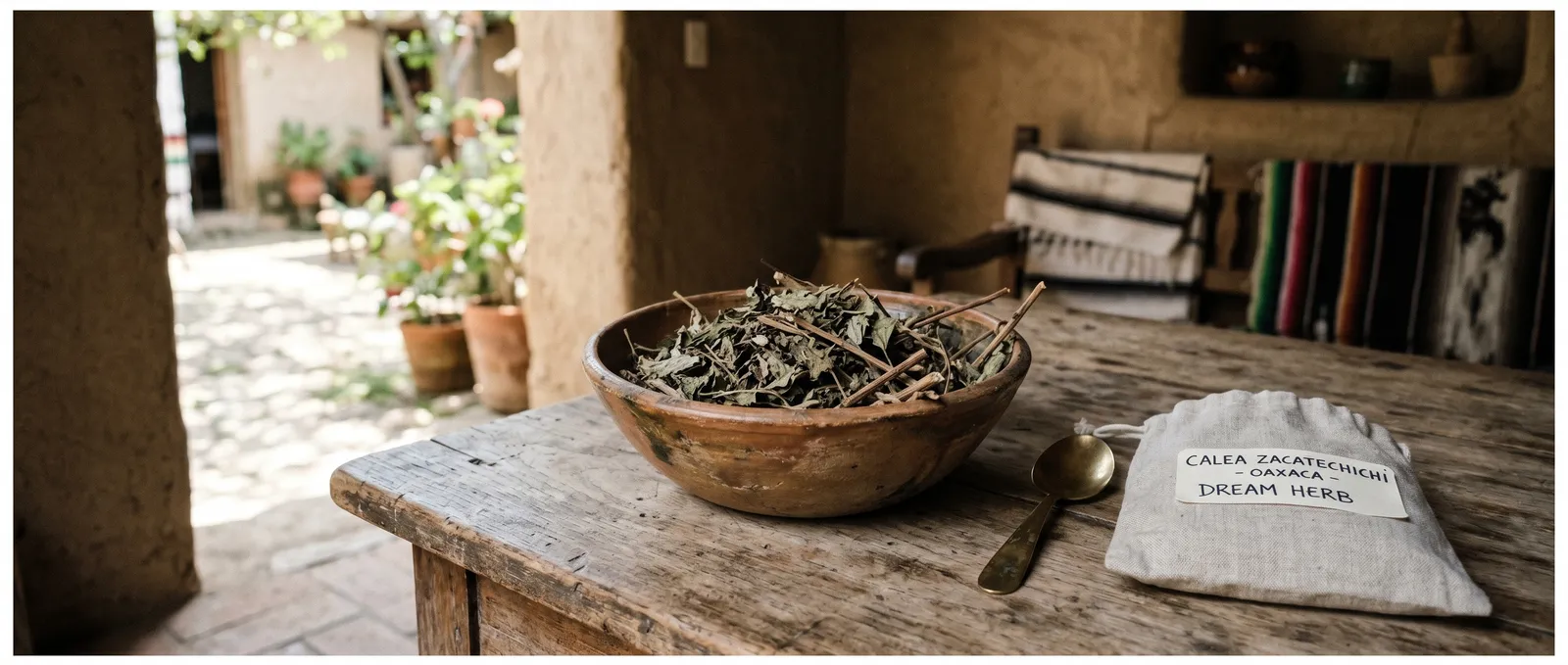
Definition
Calea zacatechichi is a bitter Asteraceae shrub used by the Chontal Maya of Oaxaca for dream divination. A 1986 sleep-laboratory study by Mayagoitia et al. reported increased hypnagogic imagery and dream recall, though no large-scale replication exists. The plant's phytochemistry centres on germacranolide sesquiterpene lactones and flavonoids including acacetin.
The Bitter Herb of Oaxacan Dreamers
Calea zacatechichi is a bitter Asteraceae shrub that has been used for centuries by the Chontal Maya of Oaxaca as a dream-divination herb, making it one of the few botanicals with dedicated sleep-laboratory research examining its effects on dream recall. Also called Calea ternifolia in revised taxonomy, this sprawling plant in the daisy family is native to southern Mexico and Central America. Its common names tell you most of what you need to know: "dream herb," "leaf of god" (thle-pelakano in Chontal), and "bitter grass" (zacatechichi derives from Nahuatl zacatl, grass, plus chichic, bitter). The Chontal Maya of Oaxaca have used the plant in oneiromantic practice — divination through dreams — for centuries, and it remains one of the few botanicals with a dedicated, if small, body of sleep-laboratory research examining its effects on dream recall.
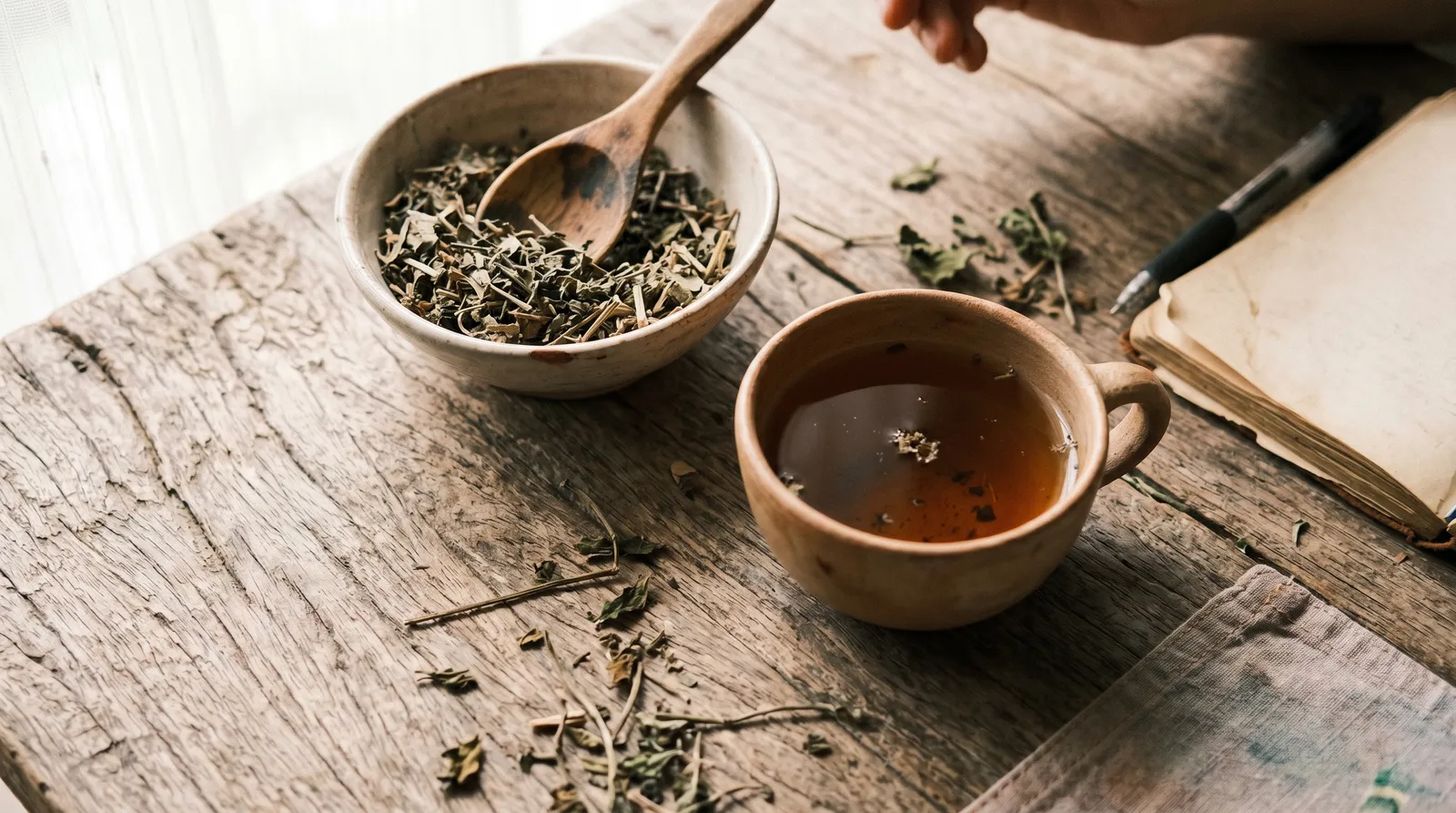
That said, the evidence base is thin. Most of what circulates online traces back to a single 1986 study and a handful of more recent papers. This article lays out the ethnobotanical record, the phytochemistry, what the laboratory work actually shows, and the practical realities of working with a herb that tastes, frankly, appalling. If you want to buy Calea zacatechichi to explore its traditional dream-enhancing reputation, understanding the actual evidence first is time well spent.
Chontal Maya Dream Divination
The Chontal Maya of the Sierra Madre del Sur in Oaxaca are the primary indigenous group documented using Calea zacatechichi in ceremonial dream practice (MacDougall, 1968). The earliest Western documentation comes from the ethnobotanical fieldwork of Thomas MacDougall in the 1960s and 1970s. MacDougall described curanderos (traditional healers) preparing an infusion of the dried leaves, drinking it before sleep, and placing additional leaves beneath the pillow or burning them as incense in a darkened room. The purpose was not recreational — it was diagnostic. A sick person's family would consult a curandero, who would drink the tea, sleep, and interpret the resulting dreams to identify the cause of illness (MacDougall, 1968).
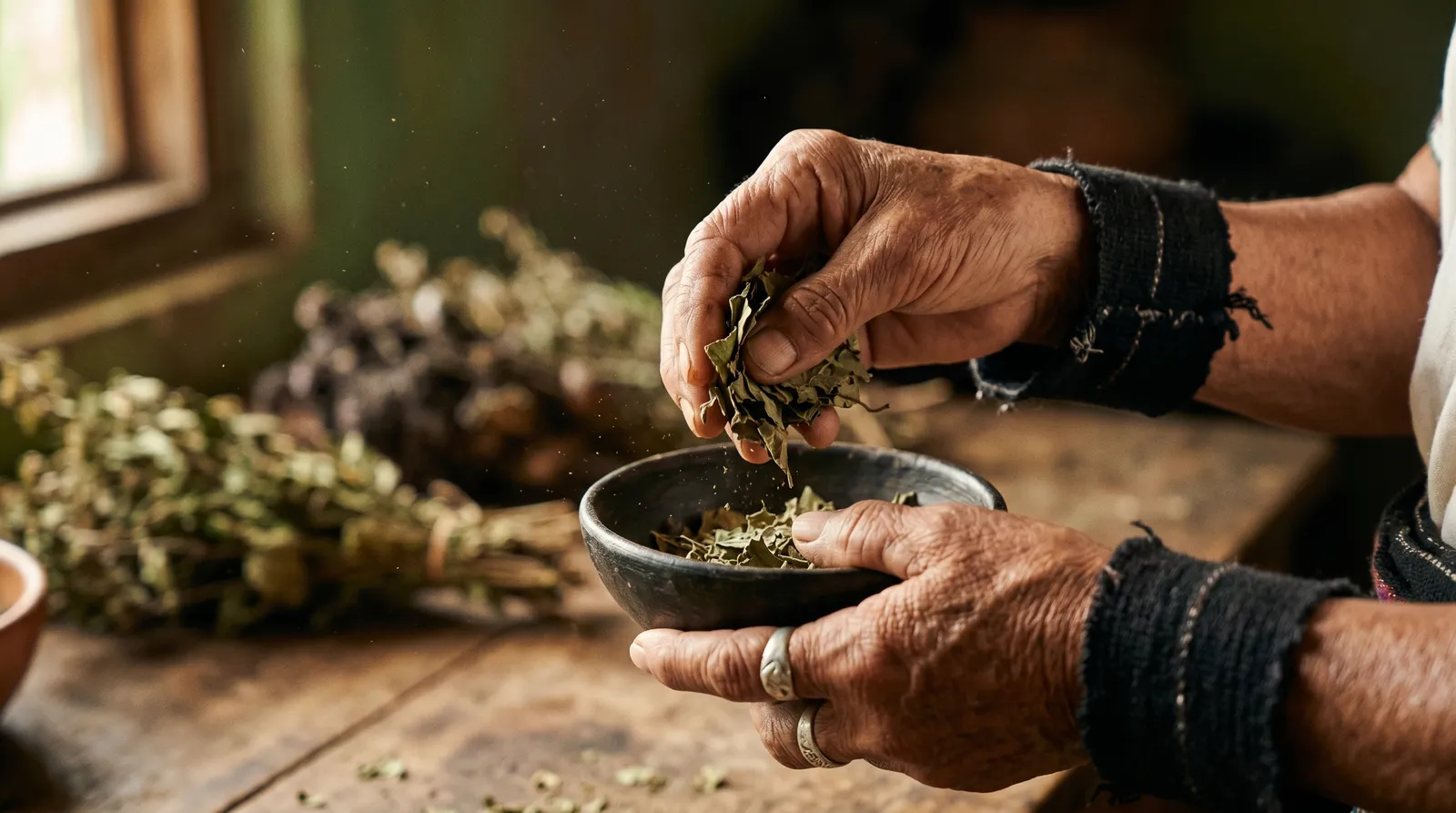
Christian Rätsch, in his Encyclopedia of Psychoactive Plants (1998), placed the dream herb within the broader Mesoamerican tradition of dream-based divination, noting that the Chontal term thle-pelakano translates roughly as "leaf of god" — a designation reserved for plants considered sacred intermediaries. The herb was not used casually; its extreme bitterness was itself considered part of the ritual discipline.
Richard Evans Schultes and Albert Hofmann mentioned the plant briefly in Plants of the Gods (1979), categorising it among the lesser-known oneirogens of southern Mexico. Their account drew on MacDougall's fieldwork and confirmed that use was geographically concentrated in the Oaxacan highlands, not widespread across Mesoamerica.
Phytochemistry: Sesquiterpene Lactones and Flavonoids
The primary bioactive compounds in Calea zacatechichi are sesquiterpene lactones — specifically germacranolides such as caleicine and calein A/B — and flavonoids including acacetin and several methylated derivatives (Herrera-Ruiz et al., 2010). A phytochemical analysis by Herrera-Ruiz et al. (2010) isolated multiple germacranolides from the aerial parts and noted that the flavonoid fraction showed mild sedative-like activity in murine models.
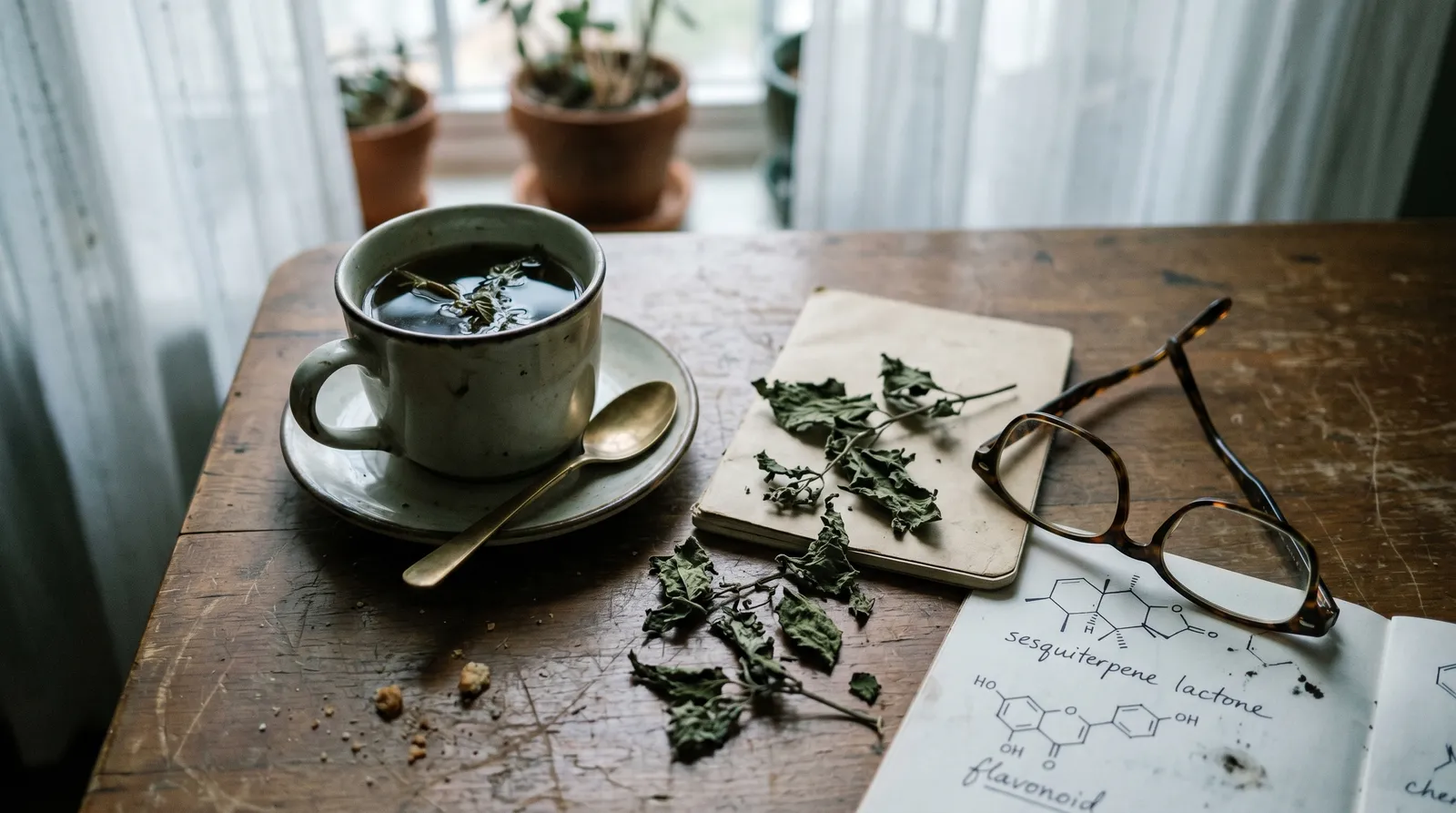
The germacranolides are largely responsible for the herb's intense bitterness — a bitterness that anyone who has brewed the tea will confirm is not an exaggeration in the literature. These compounds are structurally related to the sesquiterpene lactones found in other Asteraceae members like feverfew (Tanacetum parthenium) and wormwood (Artemisia absinthium), though the specific pharmacological profile differs.
No single "active principle" for dream enhancement has been isolated. Whether the oneiroactive reputation rests on the germacranolides, the flavonoids, a combination, or something else entirely remains an open question — the phytochemistry has been mapped in broad strokes, but mechanism-of-action work is essentially absent.
How Calea Zacatechichi Compares to Other Oneirogens
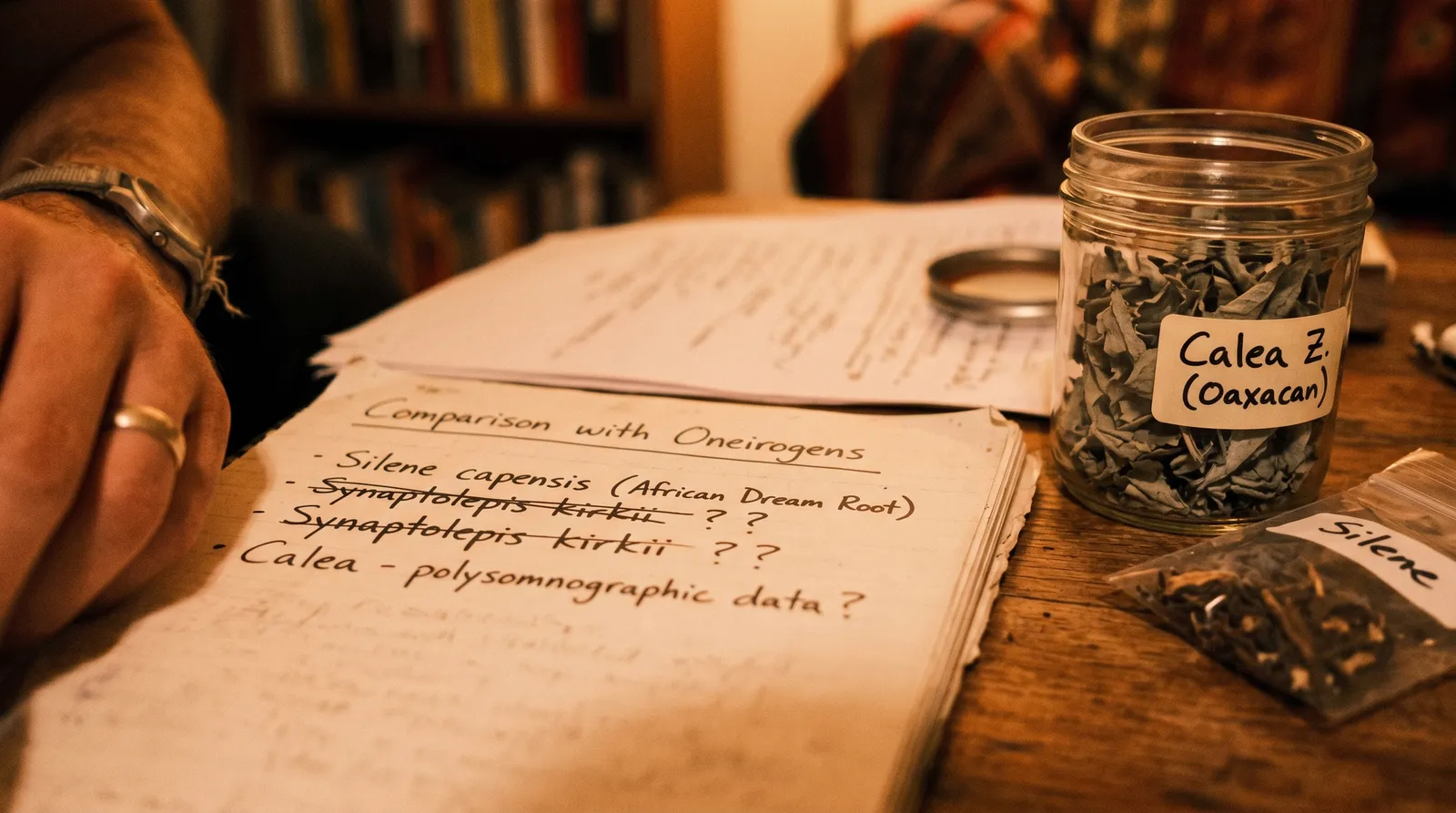
Calea zacatechichi is the only oneirogen with polysomnographic data — however limited — supporting its traditional dream-enhancing reputation. Most other oneirogens rely entirely on anecdotal or ethnobotanical evidence without any sleep-laboratory work.
| Botanical | Traditional Use | Key Compounds | Sleep-Lab Data |
|---|---|---|---|
| Calea zacatechichi | Chontal Maya dream divination (Oaxaca) | Germacranolide sesquiterpene lactones, acacetin | Yes — Mayagoitia et al. 1986 (small sample) |
| Mugwort (Artemisia vulgaris) | European and East Asian dream herb, burned or placed under pillow | Thujone, camphor, 1,8-cineole | None published |
| African dream root (Silene capensis) | Xhosa tradition — vivid prophetic dreams | Triterpenoid saponins | None published |
| Blue lotus (Nymphaea caerulea) | Ancient Egyptian ceremonial use, mild sedation | Apomorphine, nuciferine | None published |
The comparison is instructive: mugwort is far more widely available and milder in flavour, but has zero polysomnographic backing. African dream root, also known as Silene capensis, has a rich Xhosa ethnobotanical tradition but no Western laboratory data at all. Blue lotus, or Nymphaea caerulea, is primarily sedative rather than oneirogenic. For those looking to order dream-focused botanicals, Calea zacatechichi remains the only option with even preliminary clinical data behind its dream claims.
The 1986 Sleep Study — And What Followed
The 1986 Mayagoitia study is the only published polysomnographic investigation of Calea zacatechichi in human subjects. The team administered aqueous extracts to healthy volunteers and recorded EEG readings during sleep. They reported a statistically significant increase in the number of superficial sleep episodes and in hypnagogic imagery during sleep onset. Participants also reported subjective increases in dream vividness and recall (Mayagoitia et al., 1986, Journal of Ethnopharmacology, 18(3), 229–243).
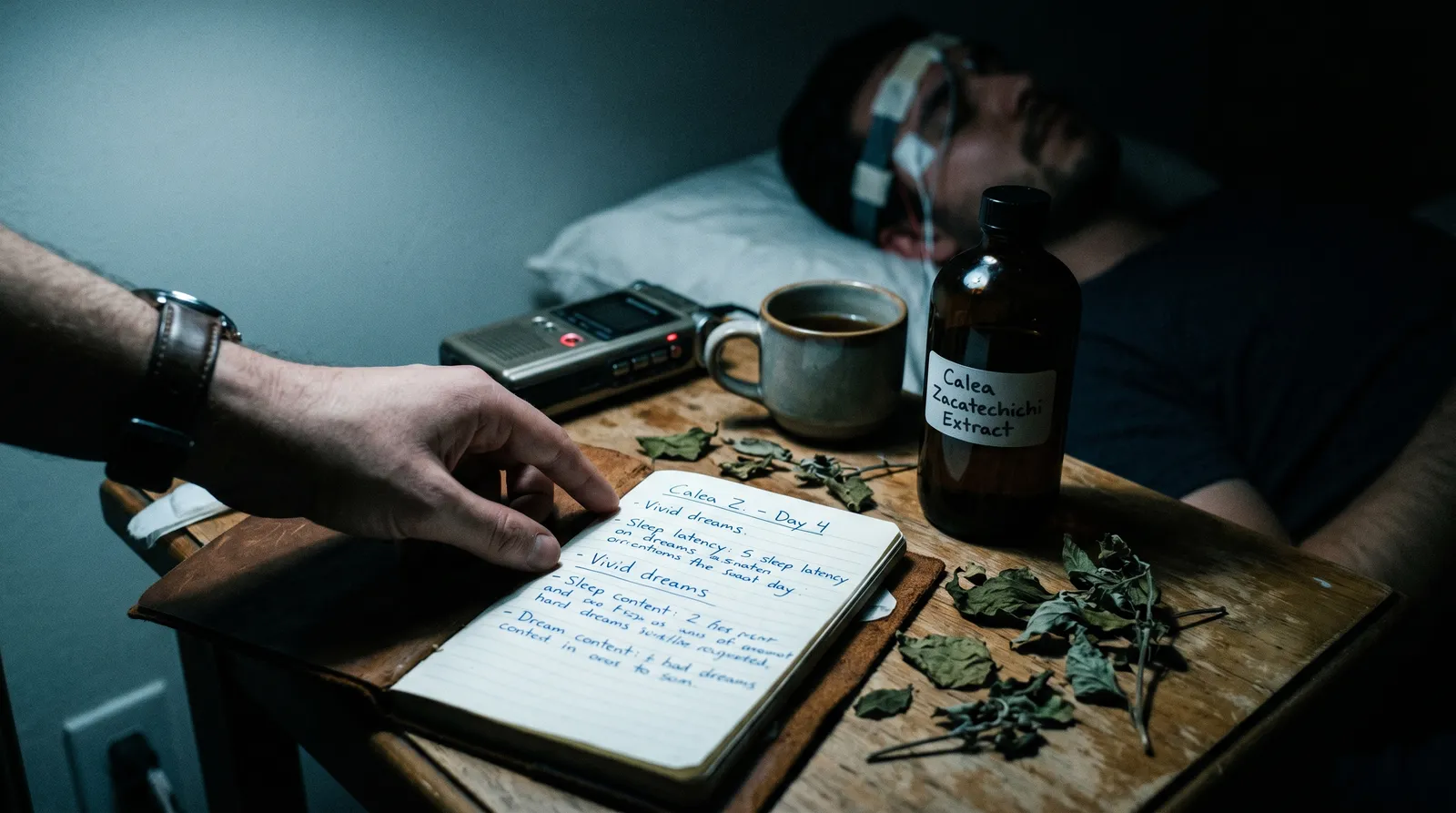
The study is frequently cited as proof that the herb "enhances dreaming," but the sample size was small (fewer than 20 subjects), and no large-scale replication has been published in the nearly four decades since. A 2022 literature review by Martínez-Vázquez et al. surveyed the accumulated evidence and concluded that while the ethnobotanical record is consistent and the 1986 data are suggestive, the clinical evidence base remains insufficient to draw firm conclusions about dream-enhancing effects in humans.
Animal studies have explored other pharmacological angles. Wu et al. (2014) examined anti-inflammatory properties of dream herb extracts in rodent models and found dose-dependent inhibition of inflammatory markers. Separately, one rodent study flagged potential nephrotoxicity at high doses — a finding that has not been replicated but serves as a reminder that "traditional" does not automatically mean "harmless at any dose."
Traditional Preparation Methods
The three documented Chontal Maya preparation methods for Calea zacatechichi are tea infusion, smoking, and pillow placement with incense — all recorded through ethnobotanical fieldwork in Oaxaca (MacDougall, 1968; Rätsch, 1998).
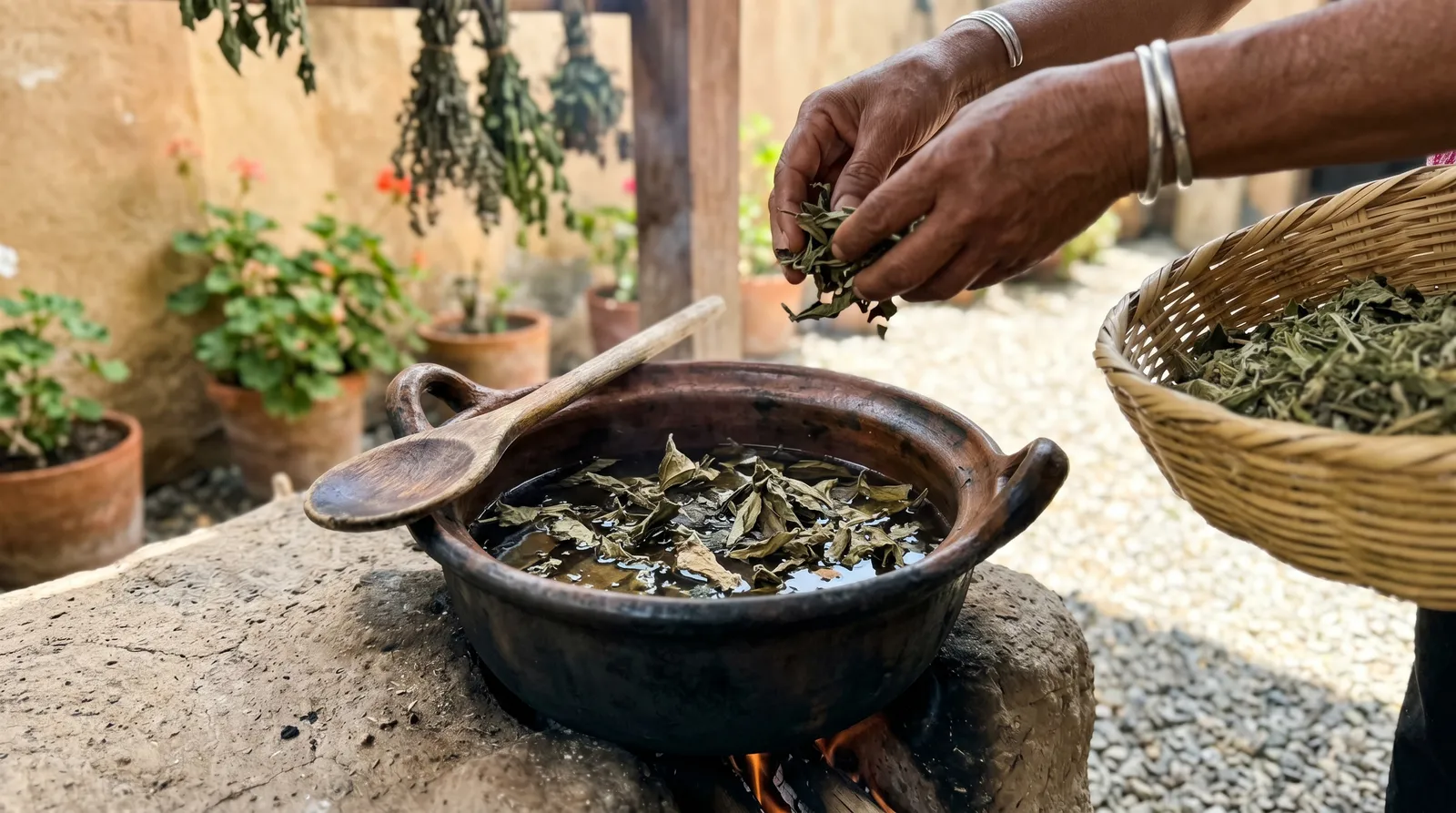
- Tea infusion: Dried leaves steeped in hot water for 10–15 minutes. The resulting brew is profoundly bitter. Traditional accounts describe drinking the tea approximately 30–60 minutes before sleep.
- Smoking: Dried leaves rolled and smoked, sometimes in combination with the tea. Combustion of the leaf produces a mildly acrid smoke. As with any smoked botanical, combustion generates tar and particulate matter — the respiratory risks are the same as for any inhaled smoke.
- Pillow placement and incense: MacDougall's fieldwork described leaves placed under the pillow or burned as incense in the sleeping room — a practice that blurs the line between pharmacology and ritual context.
Concentrated extracts (e.g. 10x) are a modern development, not part of the traditional Chontal practice. They reduce the volume of material needed but intensify the already challenging bitterness. No clinical studies have used concentrated extracts, so dosing information for these preparations comes from manufacturer labels and user reports rather than peer-reviewed data.
How Calea Zacatechichi Stacks Up Against Valerian and Passionflower for Sleep
Calea zacatechichi targets dream vividness rather than sleep induction, which distinguishes it from the better-known herbal sedatives. Valerian, or Valeriana officinalis, and passionflower, or Passiflora incarnata, both have larger clinical evidence bases for reducing sleep latency and improving subjective sleep quality, but neither has been associated with enhanced dream recall or hypnagogic imagery in any published study.
| Herb | Primary Reported Effect | Clinical Evidence Level | Dream-Specific Data |
|---|---|---|---|
| Calea zacatechichi | Dream vividness and recall | One small polysomnographic study (1986) | Yes — Mayagoitia et al. 1986 |
| Valerian (Valeriana officinalis) | Reduced sleep latency, improved sleep quality | Multiple RCTs, Cochrane review | None |
| Passionflower (Passiflora incarnata) | Mild anxiolytic, improved subjective sleep | Several small RCTs | None |
| Mugwort (Artemisia vulgaris) | Traditionally dream-enhancing | No clinical studies | Anecdotal only |
If your primary interest is falling asleep faster, valerian or passionflower have stronger evidence behind them. If your interest is specifically in dream content and recall, Calea zacatechichi is the only herb with any laboratory data in that direction — thin as it is. Many customers who get both valerian and Calea zacatechichi end up using them for different purposes entirely.
Growing and Sourcing Calea Zacatechichi
Calea zacatechichi is native to the subtropical dry forests of southern Mexico and Central America, where it grows as a sprawling, weedy shrub reaching roughly 1–1.5 metres. The plant prefers well-drained soil, moderate warmth, and partial shade — conditions that can be approximated in a greenhouse in northern European climates but are difficult to maintain outdoors year-round above roughly 35°N latitude.
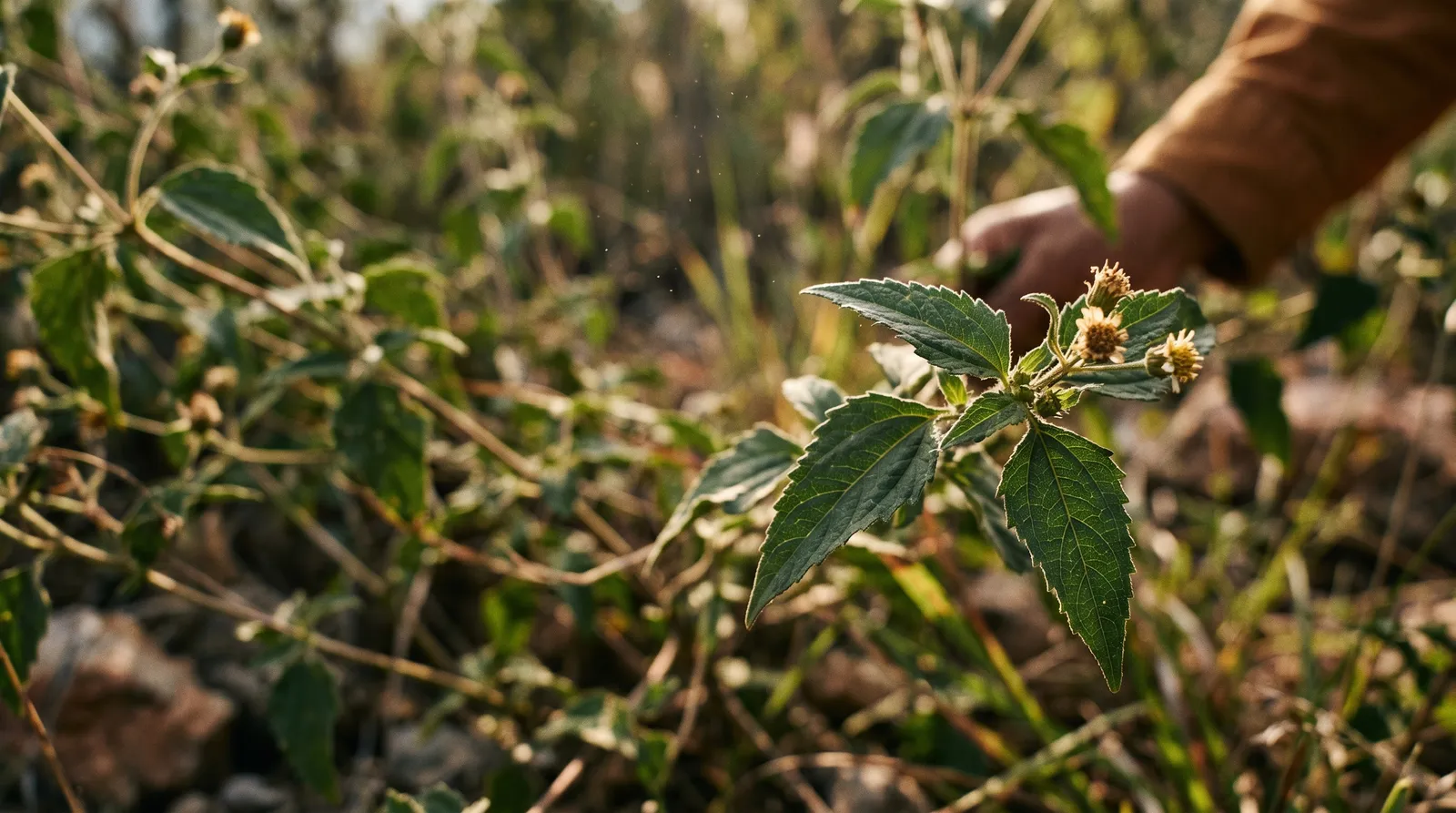
Most Calea zacatechichi available to buy in European smartshops, including our own stock, is wild-harvested or semi-cultivated in Oaxaca and dried for export. The Beckley Foundation has not published dedicated research on this species, reflecting its niche status even within the broader psychoactive-plant research field. Dried leaf and 10x extract remain the two most common product forms; fresh plant material is rarely available outside its native range. Customers who want to order Calea zacatechichi will typically find it alongside other ethnobotanicals such as Silene capensis and Mugwort in the dream herbs section of a well-stocked smartshop.
Safety Considerations
Calea zacatechichi carries allergy risk for individuals sensitive to the Asteraceae (daisy) family — including ragweed, chrysanthemum, marigold, and daisy — and a patch test before use is recommended (Herrera-Ruiz et al., 2010). Combustion of any plant material carries respiratory risk.
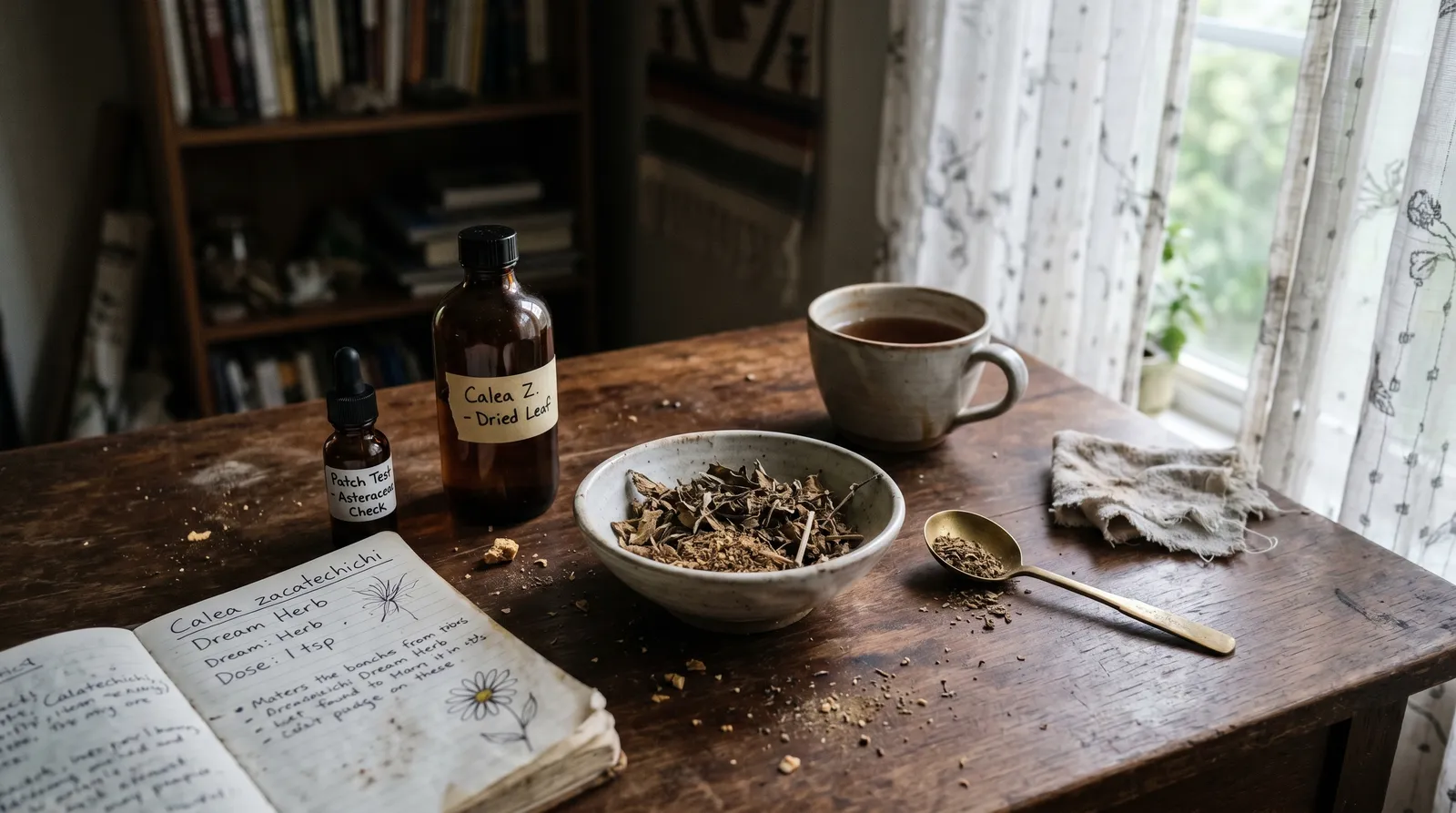
Reported side effects in user accounts include nausea (particularly at higher amounts or on an empty stomach) and occasional vomiting — likely related to the intensely bitter germacranolide content (Herrera-Ruiz et al., 2010). The single rodent study suggesting nephrotoxicity (kidney stress) at high doses has not been confirmed in human research, but it argues for caution with large or repeated doses (Wu et al., 2014). No human toxicology profile has been established.
Interactions with pharmaceutical medications have not been studied. Anyone taking sedatives, anxiolytics, antidepressants, or other CNS-active medications should consult a healthcare practitioner before combining them with dream herb. Pregnant and nursing individuals lack any safety data for this plant and should avoid it.
The herb is sometimes combined with other dream-associated botanicals like mugwort (Artemisia vulgaris) in informal "dream blends." Stacking multiple sedative-leaning herbs increases the unpredictability of the outcome — there is no research on these combinations.
User Experience Patterns: What Customers Actually Report
Roughly half of customers who order Calea zacatechichi from our shop report noticeably more vivid or memorable dreams within the first few nights, which aligns with the 1986 Mayagoitia findings. A significant minority notice no dream effects at all but do report mildly improved sleep onset — possibly related to the sedative-like flavonoid activity documented by Herrera-Ruiz et al. (2010). A smaller group abandons the tea after one attempt because the bitterness defeats them, switching to capsules or giving up entirely.
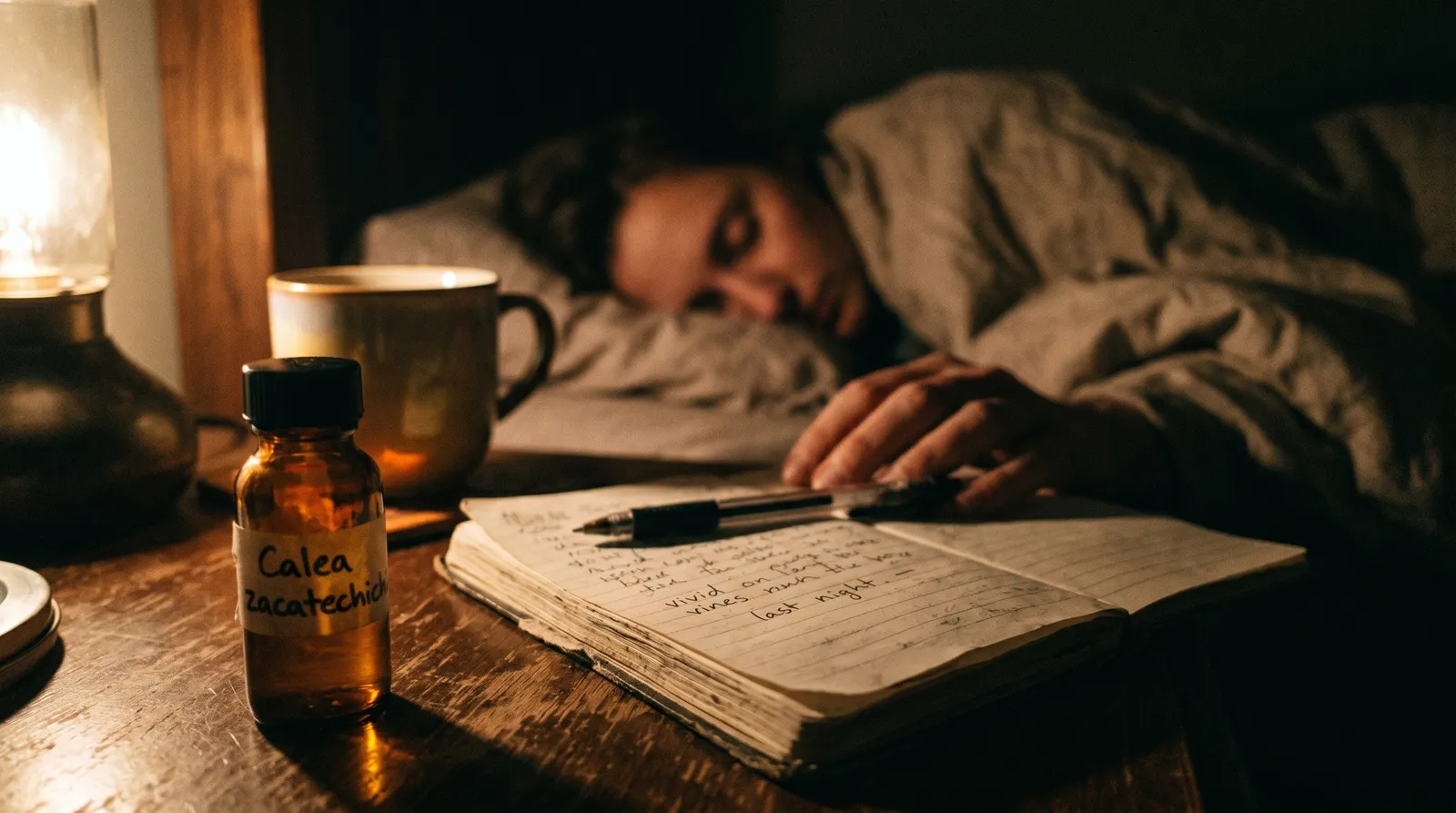
These are anecdotal patterns from customer conversations, not clinical data. They are worth mentioning because they track reasonably well with the limited published evidence: some people respond, some do not, and the bitterness is a real barrier to consistent use. Expectation effects (placebo) are also impossible to rule out when someone buys a product specifically labelled "dream herb."
What the Evidence Actually Supports
Calea zacatechichi has a well-documented ethnobotanical history concentrated among the Chontal Maya of Oaxaca, a plausible phytochemical profile involving sesquiterpene lactones and flavonoids, and one small but properly conducted sleep-laboratory study from 1986 showing increased hypnagogic imagery and dream recall (Mayagoitia et al., 1986). That single study has never been replicated at scale. Animal pharmacology has explored anti-inflammatory and analgesic angles, but human clinical data remain scarce.
The gap between the strength of the traditional record and the thinness of the clinical evidence is wide. That does not mean the traditional use is wrong — ethnobotanical traditions often precede laboratory confirmation by decades or centuries. It means that anyone approaching this herb should do so with realistic expectations and an understanding that "a 1986 study with fewer than 20 participants" is not the same as robust clinical evidence.
This article is consumer education, not medical advice. Traditional and ceremonial uses are described for cultural and historical context. Botanicals can interact with medications and are not a substitute for professional care. If you are pregnant, nursing, taking prescription medication, or managing a health condition, consult a qualified healthcare practitioner before use.
References
- MacDougall, T. (1968). Ethnobotanical fieldwork among the Chontal Maya of Oaxaca. Unpublished notes; summarised in Schultes & Hofmann (1979).
- Schultes, R.E. & Hofmann, A. (1979). Plants of the Gods: Origins of Hallucinogenic Use. McGraw-Hill.
- Mayagoitia, L., Díaz, J.L. & Contreras, C.M. (1986). Psychopharmacology of Calea zacatechichi and subjective effects on sleep and dream reports. Journal of Ethnopharmacology, 18(3), 229–243.
- Rätsch, C. (1998). The Encyclopedia of Psychoactive Plants: Ethnopharmacology and Its Applications. Park Street Press.
- Herrera-Ruiz, M. et al. (2010). Flavonoids and sesquiterpene lactones from Calea zacatechichi: anti-inflammatory and sedative-like activity. Planta Medica, 76(14), 1532–1535.
- Wu, H. et al. (2014). Anti-inflammatory activity of extracts from Calea zacatechichi. Pharmaceutical Biology, 52(10), 1302–1308.
- Martínez-Vázquez, M. et al. (2022). Phytochemistry and pharmacology of Calea zacatechichi: a critical review. Journal of Ethnopharmacology, 284, 114758.
Last updated: April 2026
Frequently Asked Questions
11 questionsDoes Calea zacatechichi actually make dreams more vivid?
Why is Calea zacatechichi tea so bitter?
Can Calea zacatechichi cause kidney damage?
What is the difference between Calea zacatechichi leaf and 10x extract?
Is Calea zacatechichi the same species as Calea ternifolia?
How long before sleep should I drink Calea zacatechichi tea?
Can I combine Calea zacatechichi with mugwort or other dream herbs?
Where does Calea zacatechichi grow naturally?
Can I buy Calea zacatechichi as capsules instead of loose leaf?
Does Calea zacatechichi help with lucid dreaming specifically?
How does Calea zacatechichi taste compared to other herbal teas?
About this article


Adam Parsons is an external cannabis and psychedelics writer and editor who contributes to Azarius's wiki as both author and reviewer. On the writing side, he authors Azarius's kratom and kanna clusters, drawing on exten
This wiki article was drafted with AI assistance and reviewed by Adam Parsons, External contributor. Editorial oversight by Joshua Askew.
Medical disclaimer. This content is for informational purposes only and does not constitute medical advice. Consult a qualified healthcare provider before use of any substance.
Last reviewed April 26, 2026
Related Articles
Blue Lotus vs Kanna: Effects & Safety
Blue lotus vs kanna compared — Nymphaea caerulea's aporphine profile against Sceletium tortuosum's mesembrine chemistry, with interaction warnings.
Lotus Clinical Research Overview
What does lotus clinical research actually show? A critical review of Nymphaea caerulea and Nelumbo nucifera pharmacology, preclinical data, and…
Kanna South Africa To West History
Sceletium tortuosum was used by San and Khoekhoe communities in southern Africa for centuries before European colonists first documented it in the 1660s.
Sceletium Tortuosum Plant
Learn about the sceletium tortuosum plant: botany, alkaloids, fermentation, safety warnings, and where to buy kanna.
Kanna Pharmacokinetics Explained
Complete guide to kanna pharmacokinetics: how Sceletium tortuosum alkaloids are absorbed, metabolised via CYP2D6, and eliminated.
Kanna Chemistry: Sceletium Alkaloids Explained
Kanna chemistry explained: mesembrine, mesembrenone, their mechanisms, how fermentation and extraction change alkaloid profiles, and why it matters…
Rapé Shamanic Snuff Guide: How to Use It Safely
A practical rapé shamanic snuff guide covering dose, kuripe technique, effects, nicotine safety, interactions and Amazonian tradition.
White Sage Salvia Apiana Cultural Smudging Guide
Salvia apiana is a non-psychoactive shrub native to southern California's coastal sage scrub, burned as ceremonial incense in Indigenous North American…
Mulungu Erythrina Traditional Amazonian Use — Bark, Alkaloids & Research
Erythrina mulungu is a Brazilian legume tree whose bark has been brewed as a calming decoction in rural folk medicine for generations.