
Buy more, pay less
We'll only email you about this product — no marketing.
Blue Lotus Powder (25x) — Concentrated Nymphaea Caerulea Extract
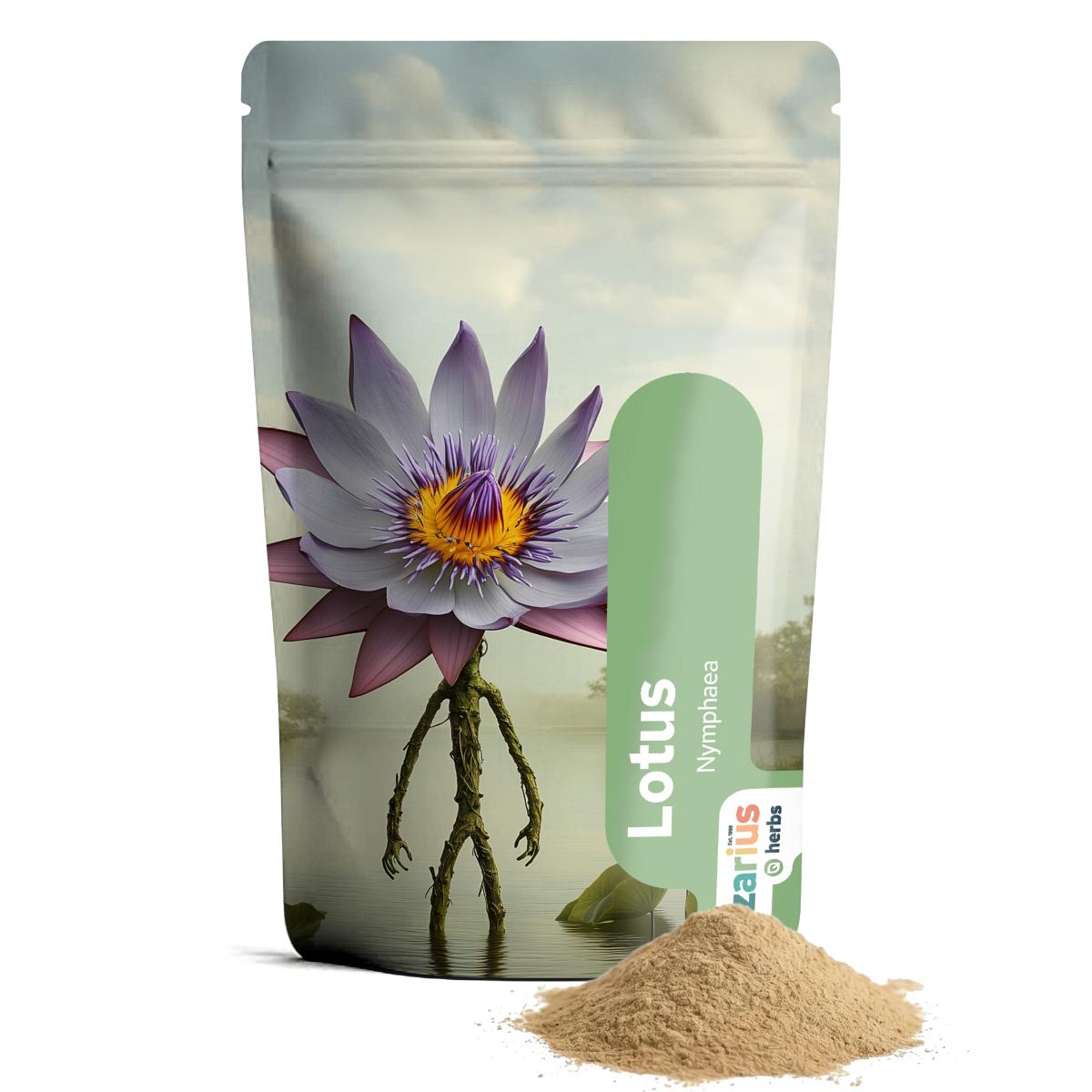
Blue Lotus Powder (25x) is a concentrated botanical extract derived from the blue lotus flower (Nymphaea caerulea) that delivers 25 times the alkaloid density of raw dried petals in a fine, easy-to-measure powder. One small scoop does the work of a hefty handful of dried flower — and it dissolves cleanly into tea, which whole petals never quite manage.
We've stocked blue lotus in various forms since the early 2000s, and the 25x concentrate remains one of the most practical options on the shelf. The powder itself has a warm, earthy scent with a faintly floral undertone — somewhere between dried hay and chamomile, though more bitter on the tongue than either. If you've tried brewing whole blue lotus petals and found yourself fishing soggy plant matter out of your cup, this solves that problem entirely.
This product is intended for adults aged 18 and over. The effects and usage information below apply to adult physiology.
What Makes Blue Lotus 25x Powder Different from Dried Petals
A 25x extract means the active alkaloids from 25 grams of raw Nymphaea caerulea have been concentrated into a single gram of powder. That concentration matters for two practical reasons: you use far less material per serving, and the powder dissolves more readily than whole or crushed petals.
Compared to our regular dried blue lotus flowers, the 25x powder is more convenient but less versatile for display or ritual use. If you want the full sensory experience of watching petals unfurl in hot water, go for the whole flowers. If you want consistency and precision in what you're actually consuming, the powder is the better pick. We'd choose the powder nine times out of ten for tea preparation — it's just cleaner and more predictable.
The honest limitation here: concentrated extracts taste more bitter than a gentle petal infusion. That earthy, slightly astringent flavour is more pronounced at 25x strength. A spoonful of honey or a squeeze of lemon sorts it out, but don't expect it to taste like a floral tisane straight from the cup.
| Specification | Detail |
|---|---|
| Botanical name | Nymphaea caerulea |
| Common names | Blue lotus, blue water lily, Egyptian lotus |
| Extract ratio | 25:1 (25x concentrated) |
| Form | Fine powder |
| Key alkaloids | Nuciferine, aporphine |
| Origin | Nymphaea caerulea flower |
| Suggested preparation | Hot water infusion (tea) |
| Storage | Cool, dry, dark place |
Blue Lotus Powder: Traditional Use and What Research Says
Blue lotus has a documented history stretching back to ancient Egypt, where Nymphaea caerulea appeared in tomb paintings, religious ceremonies, and medicinal preparations. The flower was traditionally steeped in wine or water and used for relaxation and mood. That's not marketing — it's archaeology.
The two primary alkaloids in blue lotus are nuciferine and aporphine. Nuciferine acts on dopamine receptors, while aporphine interacts with serotonin and dopamine pathways. These are the compounds responsible for the calming, gently mood-lifting character that blue lotus is traditionally associated with.
Modern research on Nymphaea caerulea is still limited. Blue lotus powder is traditionally used for relaxation and mild mood support, and preliminary pharmacological studies have identified its alkaloid profile, but large-scale clinical trials in humans are scarce. We're honest about that — the traditional use record is strong, the modern evidence base is still catching up.
How to Use Blue Lotus 25x Powder
Because this is a 25x concentrate, you need significantly less material than you would with dried petals. The standard approach used in traditional preparations and referenced in ethnobotanical literature involves 0.5 to 1 gram of 25x extract — equivalent to roughly 12.5 to 25 grams of raw flower material.
- Measure 0.5g of blue lotus 25x powder using a precision scale. A standard kitchen scale with 0.1g resolution works fine — don't eyeball it with a concentrated extract.
- Heat 200–250ml of water to just below boiling (around 90°C). Boiling water can degrade some alkaloids, so let the kettle sit for 30 seconds after clicking off.
- Add the powder to your cup and pour the hot water over it. Stir thoroughly — the fine powder dissolves more readily than crushed petals, but give it a good 15–20 seconds.
- Steep for 10–15 minutes. The longer you steep, the more alkaloids extract into the water and the more bitter the taste becomes.
- Strain through a fine mesh or tea filter if any sediment bothers you. Add honey, lemon, or a splash of milk to soften the bitter edge.
- Drink slowly over 20–30 minutes rather than gulping it down. The onset is gradual — typically 30 to 45 minutes before you notice the full character of the tea.
You can also blend blue lotus powder into smoothies, mix it into warm milk, or add it to other herbal tea blends. Some customers stir it into chamomile or passionflower tea for a layered evening drink.
Blue Lotus Powder Safety and Interactions
Blue lotus powder is traditionally considered well-tolerated at standard amounts. Mild side effects reported in ethnobotanical literature include slight sedation and occasional nausea, particularly at higher quantities. If you feel queasy, you've likely used too much — scale back next time.
Blue lotus contains alkaloids that interact with dopamine and serotonin receptors. If you're taking SSRIs, MAOIs, or other medications that affect serotonin or dopamine pathways, speak with your doctor before using blue lotus products. The same applies if you're pregnant or breastfeeding — there isn't enough research to confirm safety in those situations, and we'd rather you err on the side of caution.
Do not combine blue lotus with alcohol or other sedating substances. The sedative properties can compound, and the combination is unpredictable. We get asked about mixing it with wine — the ancient Egyptians did it, yes, but the ancient Egyptians also didn't have access to modern pharmacology or a particularly long average lifespan.
| Safety Consideration | Detail |
|---|---|
| Reported mild effects | Sedation, occasional nausea at higher amounts |
| Drug interactions | SSRIs, MAOIs, dopaminergic medications — consult a doctor |
| Avoid combining with | Alcohol, benzodiazepines, other CNS depressants |
| Not recommended for | Pregnant or breastfeeding individuals, under 18 |
| Storage | Keep sealed in a cool, dark, dry place to preserve alkaloid content |
Pair blue lotus 25x powder with our dried blue lotus flowers if you want both convenience and the full petal experience. For a broader evening ritual, our passionflower and valerian root teas complement the calming character of blue lotus nicely — brew them together for a layered herbal blend.
Frequently Asked Questions
What is blue lotus 25x powder?
It's a concentrated extract of Nymphaea caerulea (blue lotus flower) at a 25:1 ratio — meaning 1 gram of powder contains the alkaloids from 25 grams of raw dried flower. The result is a fine, soluble powder that's easier to dose and prepare than whole petals.
How much blue lotus 25x powder should I use?
Start with 0.5 grams measured on a precision scale. Because this is a 25x concentrate, that half gram represents about 12.5 grams of raw flower material. You can increase to 1 gram once you know how it sits with you.
Can I smoke blue lotus powder?
Some people do roll it into herbal smoking blends, but we'd recommend tea preparation for the 25x powder. The concentration means even a small amount in a smoke blend delivers a lot of alkaloid content, and the fine powder doesn't burn evenly. Whole dried petals work better for smoking blends.
Does blue lotus powder taste good?
Honestly, no — not on its own. The 25x concentration amplifies the earthy, bitter profile of the flower. Add honey, lemon, or blend it into a flavoured herbal tea to make it pleasant. Think of it as functional, not gourmet.
Is blue lotus the same as sacred lotus?
No. Blue lotus (Nymphaea caerulea) is a water lily native to East Africa and the Nile region. Sacred lotus (Nelumbo nucifera) is a different species entirely, with different alkaloids and traditional uses. They're often confused, but they're not interchangeable.
How should I store blue lotus 25x powder?
Keep it in a sealed container in a cool, dark, dry place. Exposure to light, heat, and moisture degrades the alkaloid content over time. Stored properly, it holds its potency for 12 months or more.
Can I combine blue lotus powder with other herbs?
Yes — chamomile, passionflower, and valerian are common pairings for evening tea blends. Avoid combining with stimulants or alcohol. If you take prescription medications, particularly those affecting serotonin or dopamine, check with your doctor first.
Last updated: April 2026
Related products
Medical disclaimer. This content is for informational purposes only and does not constitute medical advice. Consult a qualified healthcare provider before use of any substance.