
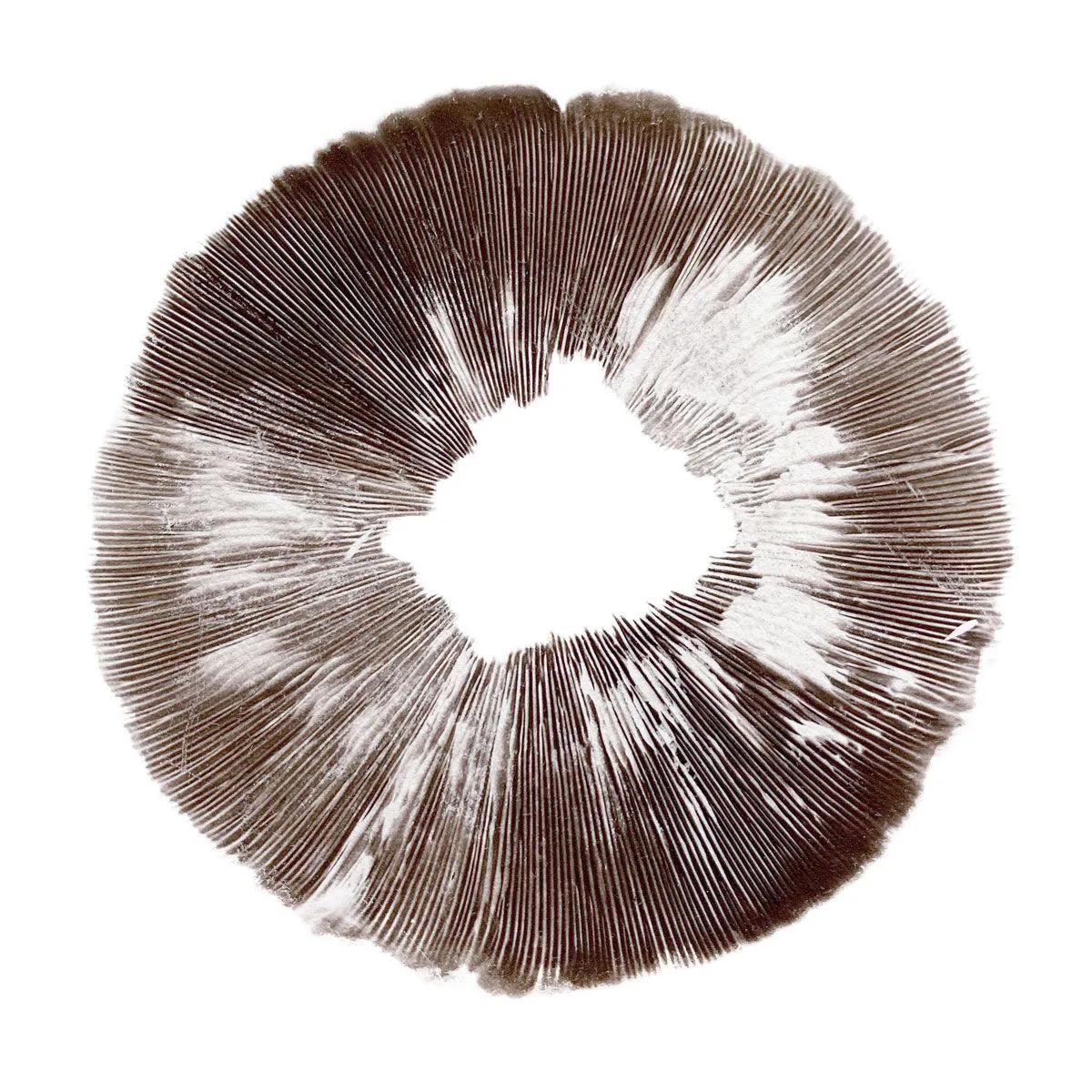
Spore Print Psilocybe cubensis McKennaii
Buy more, pay less
We'll only email you about this product — no marketing.
Spore Print Psilocybe cubensis McKennaii
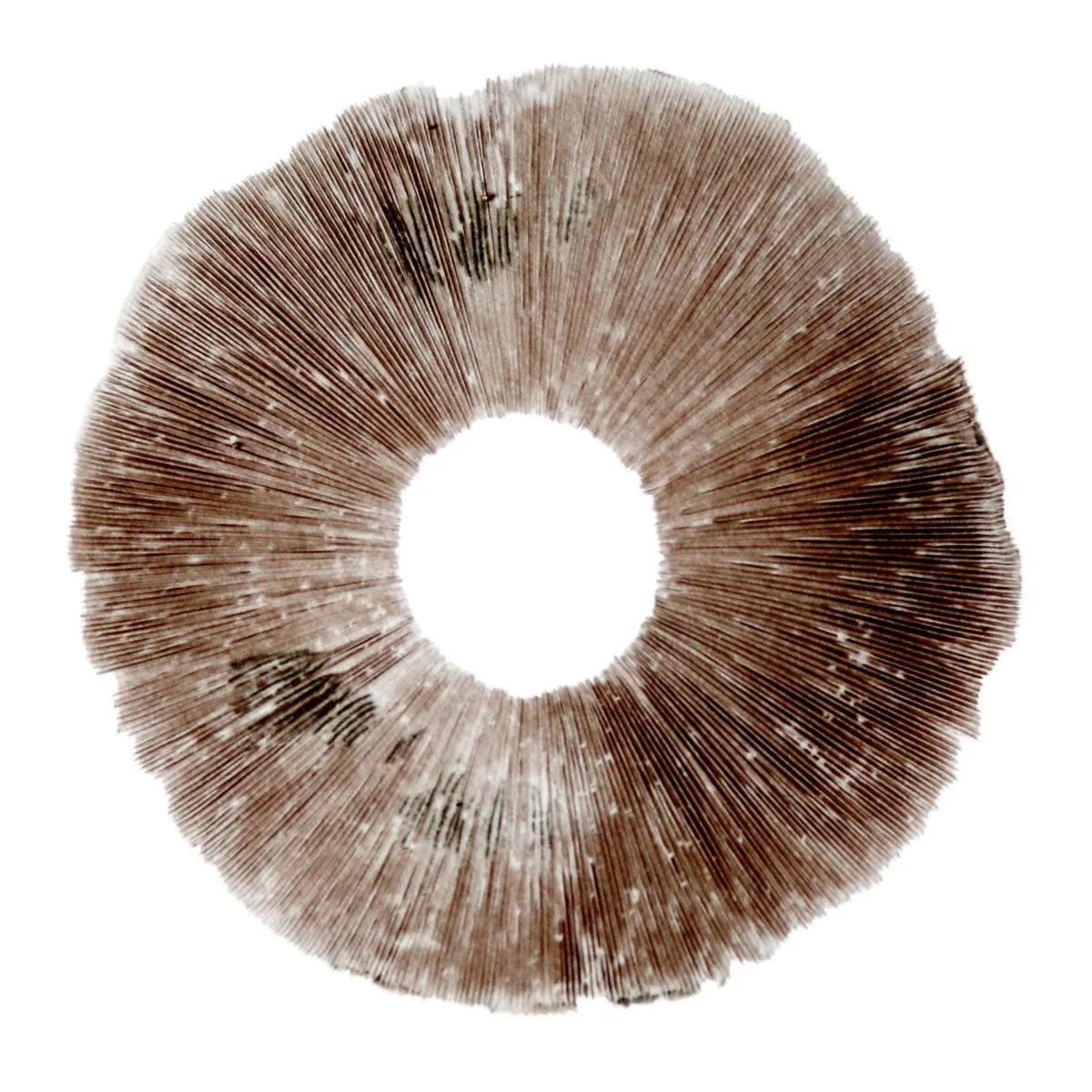
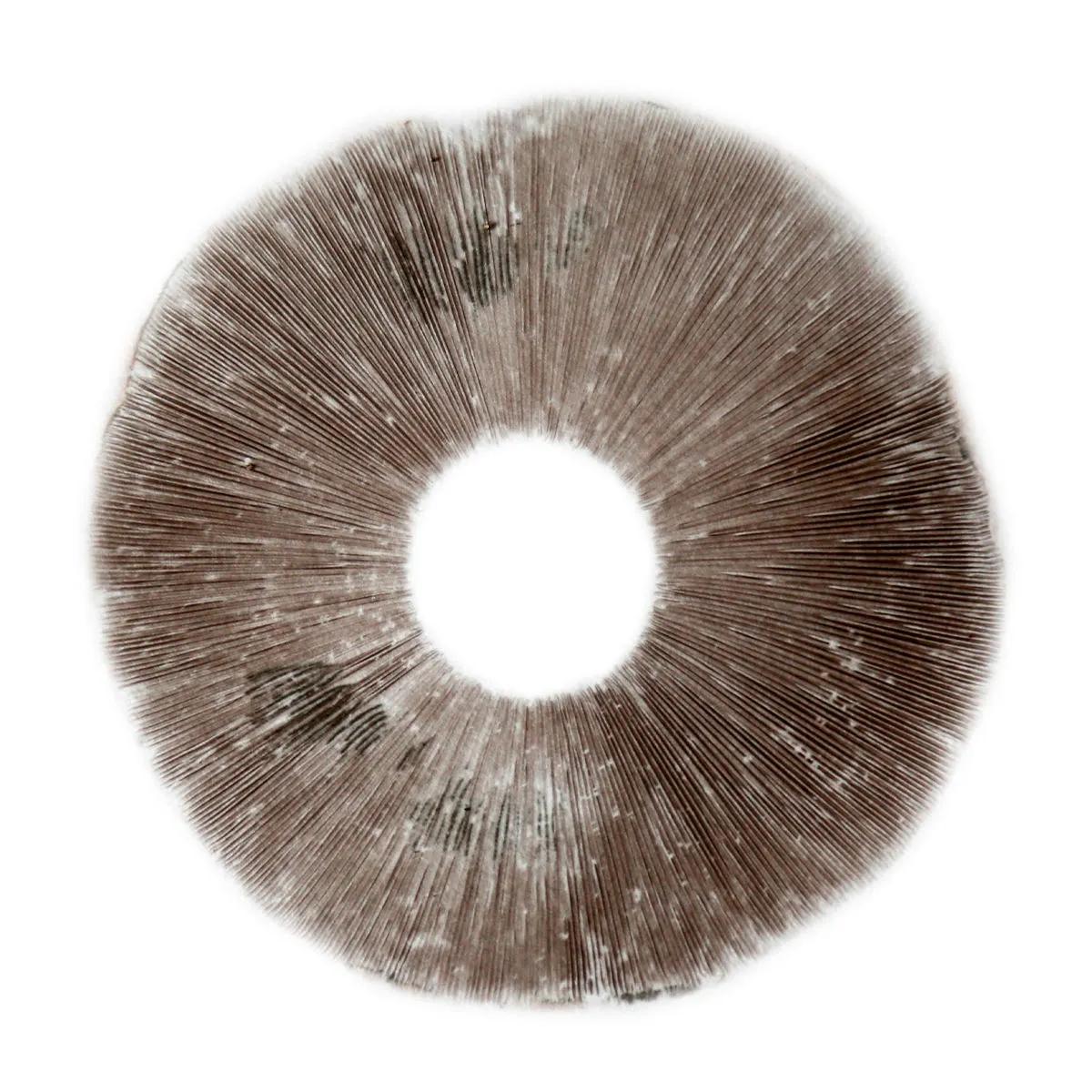
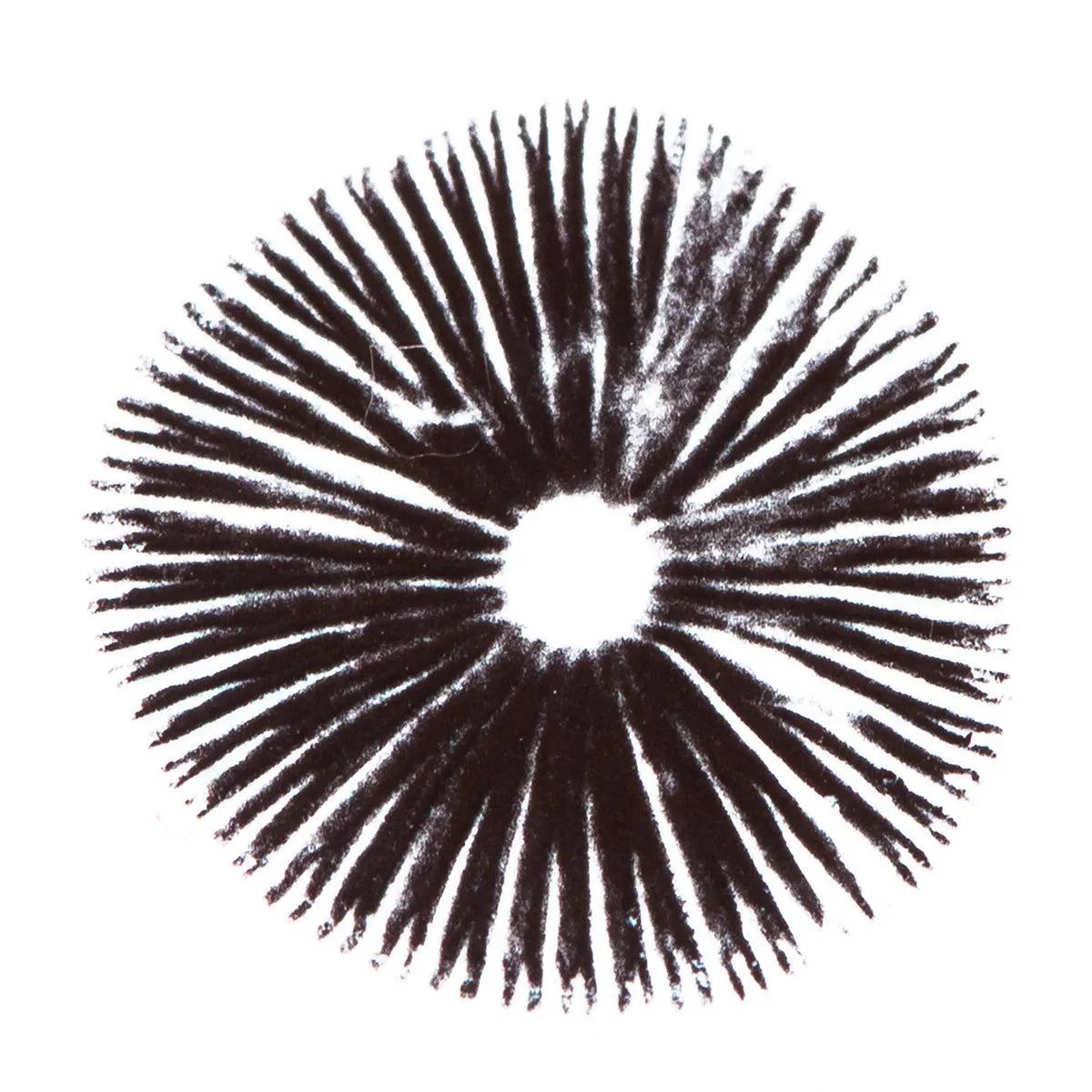
The McKennaii spore print is a single-use microscopy and cultivation tool containing millions of Psilocybe cubensis McKennaii spores deposited on foil. Named after the legendary ethnobotanist Terence McKenna, this strain has earned a reputation among growers for its rock-solid stability and vigorous colonisation — the kind of cultivar that forgives the odd mistake and still delivers dense, healthy flushes. If you've grown Golden Teacher and want something with more visual character, McKennaii is the natural next step.
Why McKennaii Spore Prints Stand Out
McKennaii is one of those strains that keeps showing up in grower forums for good reason — it colonises substrate quickly, resists contamination better than many cubensis varieties, and produces consistently across multiple flushes. We've seen first-time cultivators pull respectable harvests from McKennaii when fussier strains like Penis Envy would have stalled out on them. The fruiting bodies tend to be medium-sized with thick stems and rounded caps, often developing a slightly wavy appearance as they mature.
The spore print itself arrives on aluminium foil, sealed and ready for inoculation or microscopy work. Under a microscope at 400x magnification, McKennaii spores appear dark purple-brown, subellipsoid, typically measuring 11–14 x 7–9 micrometres. The print contains millions of spores — more than enough for multiple inoculations or research sessions.
One honest note: spore prints require a bit more handling skill than pre-loaded syringes. You'll need to scrape spores into sterile water yourself or work directly from the print onto agar. If you've never done this before, a spore syringe is more forgiving. But if you want maximum flexibility and shelf life, prints are the way to go — stored properly in a cool, dark, dry place, they remain viable for years.
McKennaii Cubensis Spore Print Specifications
| Spec | Detail |
|---|---|
| Species | Psilocybe cubensis |
| Strain | McKennaii |
| Format | Spore print on aluminium foil |
| Spore count | Millions per print |
| GMO status | Non-GMO, naturally propagated |
| SKU | SH0117 |
| Colonisation speed | Above average for cubensis |
| Contamination resistance | High — stable genetics |
| Spore colour | Dark purple-brown |
| Storage | Cool, dark, dry — viable for 2+ years |
Complete your cultivation setup with a mushroom grow kit for a fully colonised substrate that's ready to fruit. If you prefer working with liquid inoculation, pair this print with a sterile spore syringe kit — scrape your McKennaii spores into sterile water and you've got a reusable inoculation tool. For microscopy, a basic prepared slide kit rounds out your research bench.
Why Growers Keep Coming Back to McKennaii
We've been stocking cubensis spores since the early days of the shop, and McKennaii consistently ranks among the top 3 strains customers reorder. The reason is simple: reliability. Where some strains demand laboratory-grade sterile technique and precise temperature windows, McKennaii colonises rye grain, brown rice flour, and coir-based substrates with minimal fuss. Colonisation temperatures between 24–28°C work well, and fruiting happens reliably at 21–24°C with 90%+ humidity.
According to research published in Exploring Psilocybe cubensis Strains (PMC, 2025), preclinical studies have shown more pronounced effects from psilocybin-containing mushroom extracts compared to isolated psilocybin or psilocin alone, supporting the idea that the full spectrum of compounds in the fruiting body matters. This is part of what makes growing your own from spore prints interesting from a research perspective — you're working with the complete genetic profile of the organism, not an isolated extract.
The one thing McKennaii doesn't do well: outdoor cultivation in northern European climates. This is a subtropical species that wants warmth and humidity. A monotub, shotgun fruiting chamber, or grow tent with humidity control is the way to go. Trying to fruit these on a windowsill in November will end in disappointment.
How to Use a McKennaii Spore Print
- Work in a still-air box or laminar flow hood. Wipe all surfaces with 70% isopropyl alcohol. Wear nitrile gloves — we've seen growers lose entire batches to one ungloved hand touching the wrong surface.
- Open the spore print packaging carefully. The foil should have a visible dark deposit of spores. If it looks sparse, hold it at an angle under light — McKennaii prints can appear lighter than expected but still contain millions of viable spores.
- For agar work: use a sterile scalpel to scrape a small section of spores onto a pre-poured agar plate (malt extract agar or potato dextrose agar). Seal with parafilm and incubate at 25–27°C. Expect visible mycelium within 5–10 days.
- For spore syringe preparation: scrape spores into 10–12ml of sterile water in a syringe. Shake well and let hydrate for 24 hours before use. This gives you a multi-use inoculation tool from a single print.
- For direct inoculation onto grain: this is possible but less reliable than the agar or syringe method. If you go this route, use a flame-sterilised loop to transfer spores directly onto sterilised rye or millet grain jars.
- Store any unused portion of the print in its original sealed packaging, in a cool dark place. Silica gel packets in the storage container help prevent moisture damage. Properly stored prints remain viable for 2 years or more.
McKennaii Spore Print Compared to Other Formats
| Feature | Spore Print | Spore Syringe | Grow Kit (pre-colonised) |
|---|---|---|---|
| Skill level needed | Intermediate | Beginner-friendly | No experience needed |
| Shelf life | 2+ years (dry, cool) | 6–12 months (refrigerated) | Use within weeks |
| Inoculations per unit | Multiple (5–10+) | 3–5 jars per syringe | Single use |
| Sterile technique required | Yes — critical | Yes — moderate | Minimal |
| Best for | Agar work, long-term storage, microscopy | Direct grain inoculation | Fast results, no equipment |
| Flexibility | Highest — make syringes, agar plates, or direct transfers | Moderate | None — just add water |
The Science Behind Psilocybe cubensis
Psilocybe cubensis contains the psychoactive compounds psilocybin and psilocin. According to research published in The Good, the Bad and the Tasty (PMC, 2017), these compounds were first isolated and characterised decades ago and act primarily on serotonin receptors in the brain. Once ingested, psilocybin is converted by the liver into psilocin — the molecule that actually crosses the blood-brain barrier.
According to a 2020 study on Effects and Safety of Psilocybe cubensis (PMC), results support the safe use of mushrooms under controlled conditions, while cautioning against higher concentrations. And a 2023 review in Global Species Diversity and Distribution of the Psilocybe Genus (PMC) noted that psychedelic fungi have received considerable attention recently due to their promising treatment potential for several psychiatric disorders — though this research is still in relatively early stages, and most clinical work uses standardised psilocybin rather than whole mushrooms.
What does this mean for McKennaii specifically? Like all cubensis strains, the active compound profile centres on psilocybin and psilocin, with trace amounts of baeocystin and norbaeocystin. Potency varies between flushes and growing conditions — substrate nutrition, temperature stability, and harvest timing all influence the final alkaloid content. This natural variability is part of why researchers find spore prints valuable: they allow controlled cultivation from a known genetic starting point.
Frequently Asked Questions
How many inoculations can I get from one McKennaii spore print?
Typically 5–10 or more, depending on how you use it. If you scrape spores into sterile water to make syringes, a single print can produce multiple 10ml syringes. For agar work, you only need a tiny scraping per plate, so one print lasts even longer.
How should I store the McKennaii spore print?
Keep it sealed in its original packaging in a cool, dark, dry place. A cupboard or drawer at room temperature works fine. Adding a silica gel packet prevents moisture damage. Stored this way, the print stays viable for 2 years or more. Avoid refrigerators — condensation when you open the package can damage spores.
Is McKennaii a good strain for first-time growers?
McKennaii is a solid choice for growers with basic sterile technique. It colonises fast and resists contamination well. That said, if you've never worked with spore prints before, a spore syringe or pre-colonised grow kit has a gentler learning curve. McKennaii prints are best for your second or third project.
What is the difference between a spore print and a spore syringe?
A spore print is dried spores deposited on foil — long shelf life, maximum flexibility, but requires sterile handling to use. A spore syringe is spores suspended in sterile water, ready to inject directly into grain jars. Syringes are more convenient; prints give you more options and last longer.
Can I use this spore print for microscopy research?
Yes. Scrape a small amount of spores onto a glass slide with a drop of water, apply a coverslip, and examine at 400–1000x magnification. McKennaii spores are subellipsoid, dark purple-brown, measuring approximately 11–14 x 7–9 micrometres. The print contains more than enough material for dozens of slides.
How does McKennaii compare to Golden Teacher?
Both are Psilocybe cubensis, but McKennaii colonises slightly faster and produces denser fruiting bodies with more distinctive cap morphology. Golden Teacher is the more documented, gentler cultivar — better for absolute beginners. McKennaii is the step up when you want something with more character and vigour.
How long does McKennaii take to colonise substrate?
At 25–27°C, expect full colonisation of grain jars in 10–14 days — slightly faster than average for cubensis. Fruiting pins typically appear 7–10 days after introducing fruiting conditions (lower temperature, fresh air, high humidity). First flush harvests usually come within 3–4 weeks of inoculation.
Last updated: April 2026
Related products
Medical disclaimer. This content is for informational purposes only and does not constitute medical advice. Consult a qualified healthcare provider before use of any substance.