
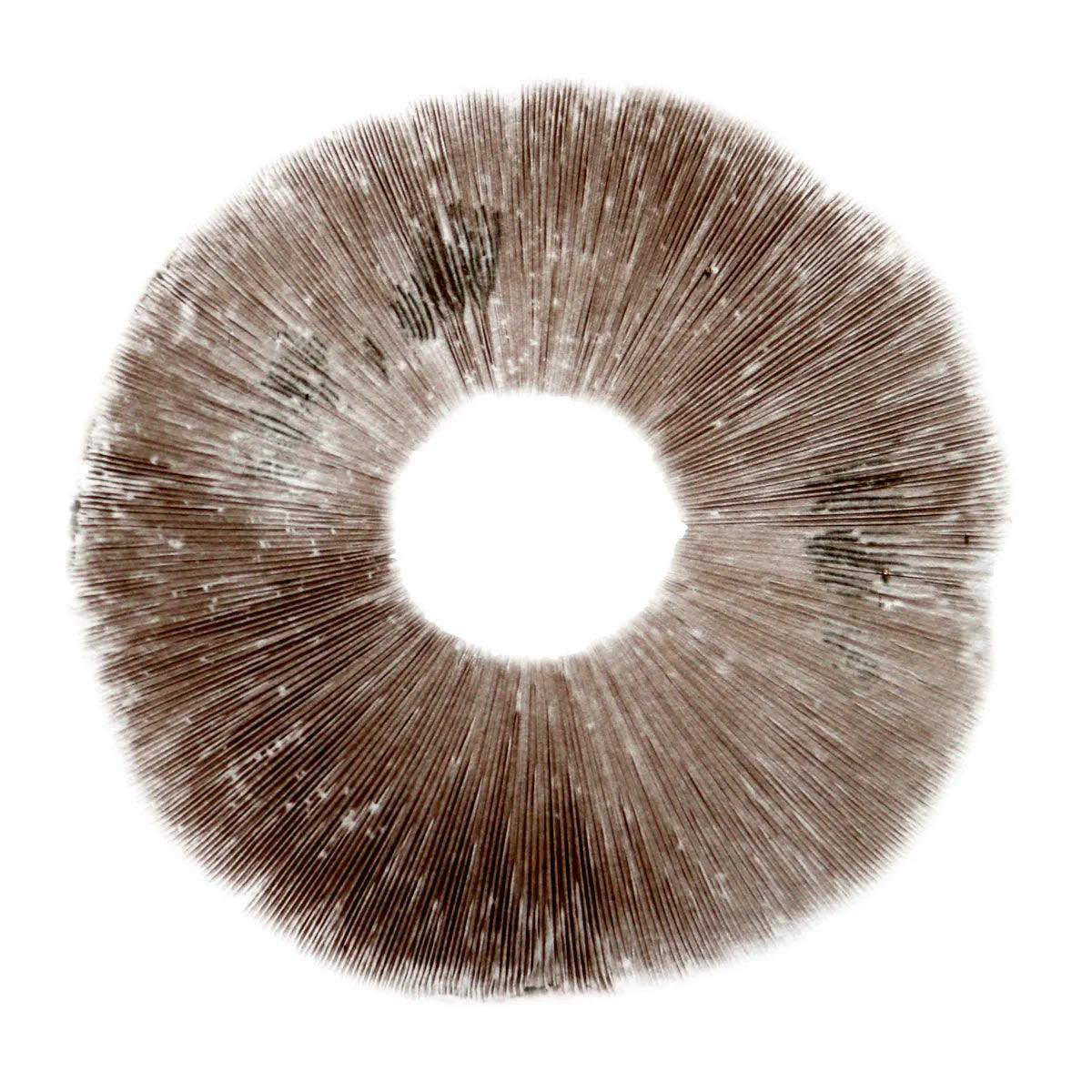
Spore Print Psilocybe cubensis Ban Hua Thai
by MRCA Mushroom Research Center Austria GmbH
Buy more, pay less
Ban Hua Thai Spore Print — Fast-Colonising Thai Cubensis Genetics on Foil
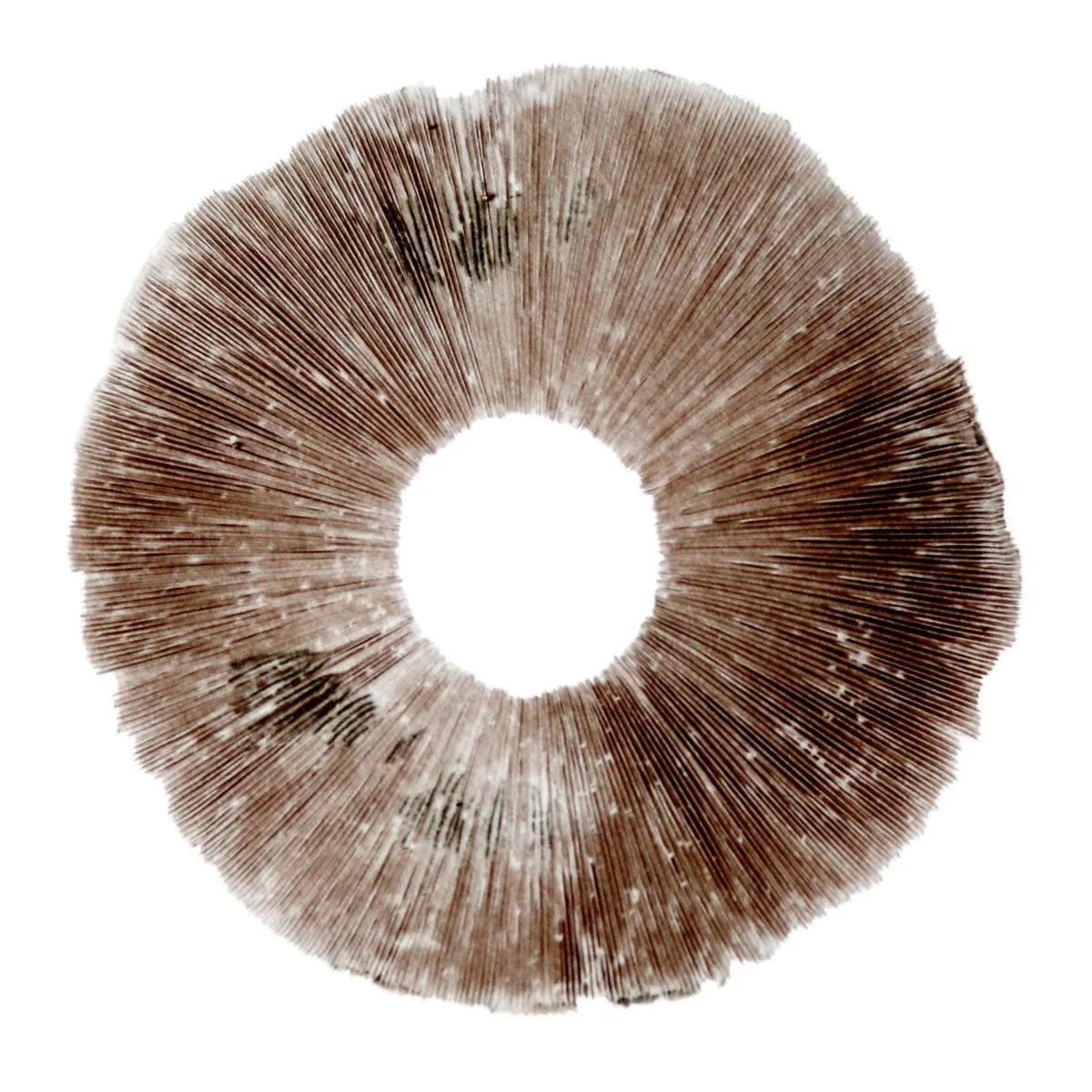
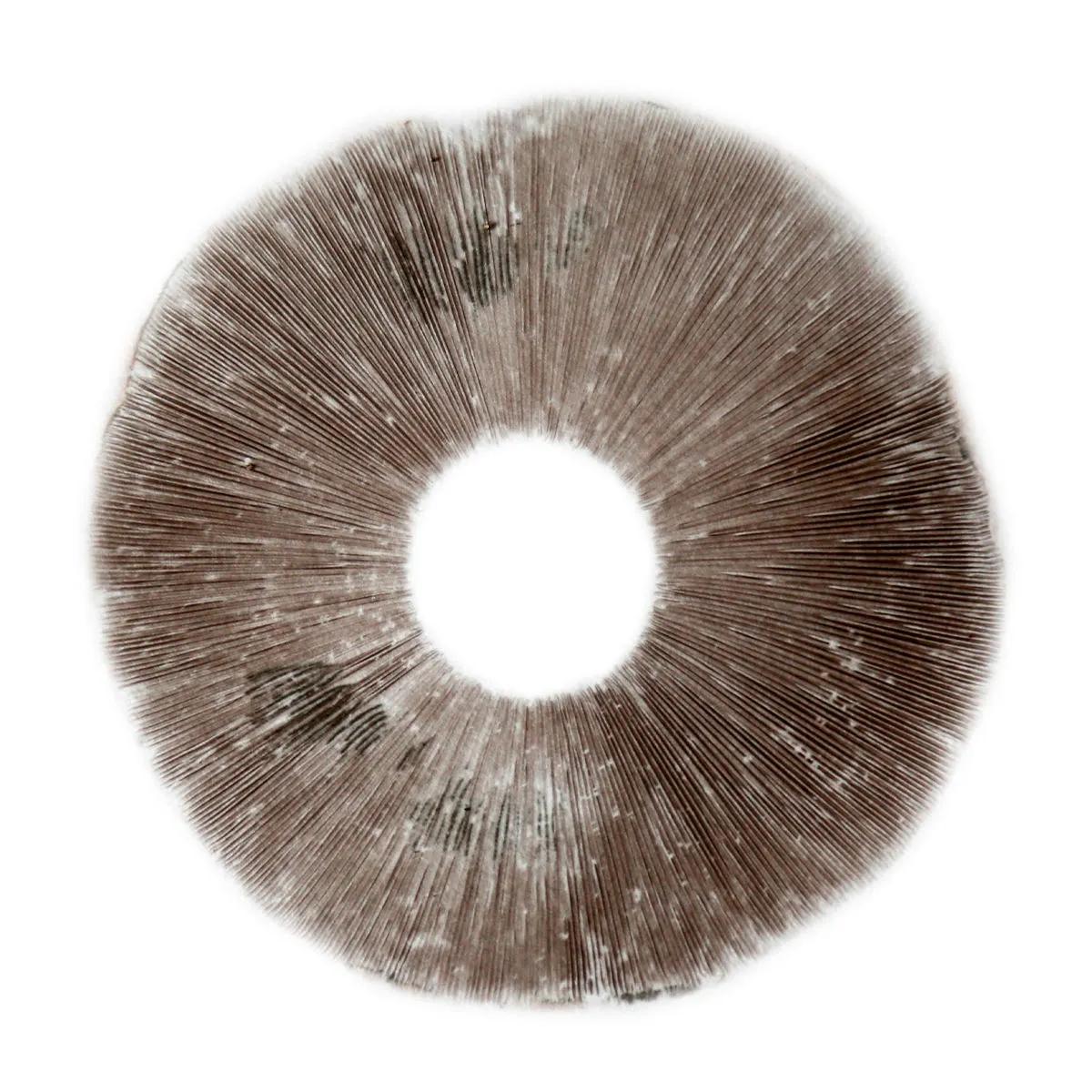
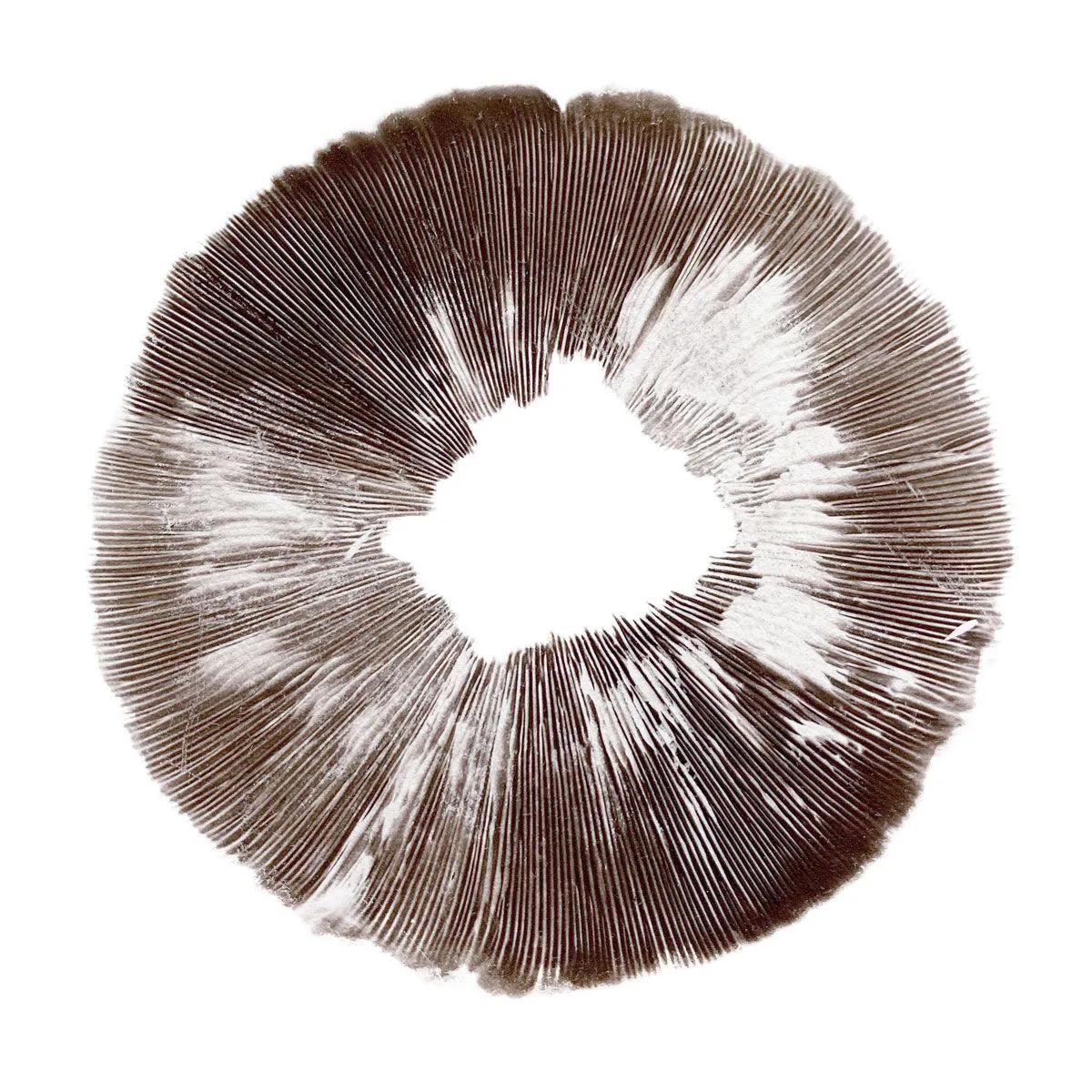
The Ban Hua Thai spore print is a Psilocybe cubensis specimen from Thailand that stands out for its rapid colonisation speed and distinctively tall, slender fruiting morphology. If you've already worked with a Golden Teacher or B+ and want something with genuine character under the microscope, this is the print to reach for. The spores arrive densely deposited on foil in that signature dark purplish-brown colour — enough material for multiple syringe preparations or agar transfers from a single print.
What Makes the Ban Hua Thai Spore Print Different
The Ban Hua Thai sits in a category of Southeast Asian Psilocybe cubensis varieties that consistently outpace many Western strains when it comes to colonisation speed. We've heard from customers over the years — and we're talking hundreds of reports across more than two decades — that Thai genetics push through substrate with noticeable speed, often visibly quicker than something like an Ecuadorian or a Cambodian.
The morphology is the other thing that sets this one apart. Where a Golden Teacher or B+ tends to produce squat, chunky fruits with broad caps, the Ban Hua Thai grows tall and slender — almost elegant, if you can say that about a mushroom. Under the microscope, the spore structure and fruit silhouette are immediately recognisable once you've seen them side by side with a standard cubensis. It's a genuinely different phenotype, not just a renamed Golden Teacher with a new label slapped on.
Thai strains carry a cultural history that stretches back generations. In parts of Southeast Asia, Psilocybe cubensis has been woven into local tradition for centuries. According to research published in Fungal Diversity (2023), the global diversity of psilocybin-producing fungi spans multiple continents, with Southeast Asian specimens contributing distinct genetic lineages to the broader Psilocybe genus (PMC10238702). The Ban Hua Thai is one of those lineages — not a lab creation, but a field-collected strain with real provenance.
Ban Hua Thai Spore Print Specifications
| Spec | Value |
|---|---|
| Species | Psilocybe cubensis |
| Strain | Ban Hua Thai |
| Origin | Thailand |
| Print medium | Aluminium foil |
| Spore colour | Dark purplish-brown |
| Colonisation speed | Fast (above average for cubensis) |
| Fruit morphology | Tall, slender |
| SKU | SH0118 |
| Contents | 1 spore print |
| Suitable for | Syringe preparation, agar transfers, microscopy |
Complete your microscopy setup with a Spore Syringe Kit for clean preparation, or grab a second spore print — the Psilocybe cubensis Golden Teacher is the obvious comparison strain to run alongside the Ban Hua Thai. If you're moving into agar work, a pack of pre-poured agar plates saves you the hassle of sterilising your own.
Why the Ban Hua Thai Deserves a Spot in Your Collection
Here's the honest truth about most cubensis spore prints on the market: about 80% of what gets sold is Golden Teacher, B+, or a renamed variant that looks and behaves almost identically. There's nothing wrong with those strains — we've sold thousands of Golden Teacher prints since 1999 and they're still the best starting point for anyone new to microscopy. But once you've examined one Golden Teacher print, the next five don't teach you much more.
The Ban Hua Thai is one of those strains that actually looks different under magnification. The spore dimensions, the print density, the morphological characteristics of the parent fruit — they're all distinct enough to make the comparison worthwhile. If you're building a reference collection or studying cubensis variation across geographic origins, a Thai strain is a gap you'll want to fill. Southeast Asian genetics represent one of the oldest documented lineages of Psilocybe cubensis interaction with humans, and the Ban Hua Thai is a solid representative of that lineage.
One honest limitation: because this is a spore print rather than a syringe, you'll need to do the hydration and preparation yourself. That's an extra step compared to buying a ready-made syringe, but it also means you get more material to work with — a single densely deposited print like this one can yield 5-10 syringe preparations depending on how heavy you load them. For the price of one print, you're set for months of microscopy work.
How to Prepare Your Ban Hua Thai Spore Print
- Work in a clean environment — a still air box or laminar flow hood is strongly recommended. We've seen countless contamination issues from people who skip this step. One ungloved hand, one sneeze, and you're starting over.
- Sterilise a scalpel or razor blade with a flame or alcohol wipe. Let it cool completely before touching the print.
- Open the foil carefully and scrape a small section of spores into a sterile container — either a syringe filled with sterile water or directly onto an agar plate.
- For syringe preparation: draw up 10-12ml of sterile water, add the scraped spores, and shake vigorously for 30-60 seconds to distribute evenly. Let the syringe sit at room temperature for 24 hours before use to allow full hydration.
- For agar transfers: use the scalpel tip to deposit a tiny amount of spore material onto the centre of your agar plate. Seal with parafilm and store at 25-28°C.
- Store any unused portion of the print in its original foil, inside a sealed bag, in a cool dark place. Properly stored prints remain viable for 12-18 months, sometimes longer.
Ban Hua Thai vs Golden Teacher — Which Spore Print to Start With
| Characteristic | Ban Hua Thai | Golden Teacher |
|---|---|---|
| Origin | Thailand | Unknown (likely Central America) |
| Colonisation speed | Fast | Moderate |
| Fruit morphology | Tall, slender | Medium height, broad cap |
| Spore density on print | Heavy | Moderate to heavy |
| Best for | Experienced microscopists wanting variety | First-time buyers, reference standard |
| Availability | Less common | Everywhere |
If you've never worked with a spore print before, start with a Golden Teacher — it's the reference standard for a reason. But if you've already got a Golden Teacher under your belt and want to see what geographic variation actually looks like in cubensis genetics, the Ban Hua Thai is the next logical step. The colonisation speed difference alone is worth observing.
Psilocybe Cubensis Research Context
Psilocybe cubensis is the most widely studied species in the Psilocybe genus, with its primary active compounds — psilocybin and psilocin — first isolated and identified by Albert Hofmann in 1958. According to a review in The Good, the Bad and the Tasty (2017), the psychotropic effects of Psilocybe mushrooms are due to the presence of psilocybin and psilocin, compounds that were first isolated and characterised over six decades ago (PMC5220184).
More recently, according to DNA Authentication and Chemical Analysis of Psilocybe spp. (2022), renewed interest in psilocybin and Psilocybe species has emerged due to increasing evidence that psilocybin may be effective in clinical settings for mood-related conditions (PMC9764976). A 2020 study on safety profiles noted that results support the safe use of mushrooms under controlled conditions, while cautioning against higher concentrations (PMC7749179). This growing body of research is part of why microscopy interest in cubensis strains has expanded so dramatically over the past 5 years — people want to understand the variation between strains, not just the species as a whole.
Frequently Asked Questions
How many syringes can I make from one Ban Hua Thai spore print?
Typically 5-10 syringes from a single densely deposited print, depending on how heavily you load each one. The Ban Hua Thai prints arrive with a thick spore deposit on foil, so you've got plenty of material to work with across multiple preparations.
How should I store the spore print if I'm not using it straight away?
Keep it in the original foil, sealed inside a ziplock bag, in a cool dark place — a cupboard or drawer at room temperature works fine. Avoid humidity and direct sunlight. Properly stored, prints stay viable for 12-18 months, sometimes well beyond that.
Is Ban Hua Thai a good first spore print for beginners?
We'd actually recommend starting with a Golden Teacher — it's the reference standard and the most documented cubensis strain available. Once you've worked with that and feel comfortable with syringe preparation or agar work, the Ban Hua Thai is an excellent second print that gives you a genuinely different morphology to compare.
What colour should the spores be on the print?
Dark purplish-brown, which is the signature spore colour for Psilocybe cubensis across all strains. If your print looks pale or patchy, that could indicate a light deposit — but the Ban Hua Thai prints we stock are consistently dense and richly coloured.
Do I need a laminar flow hood to work with spore prints?
Not strictly, but a still air box at minimum is strongly recommended. The single biggest cause of failed preparations is airborne contamination during the transfer step. A still air box costs almost nothing to build from a plastic storage tub and cuts contamination rates dramatically.
How does the colonisation speed of Ban Hua Thai compare to other cubensis strains?
Noticeably faster than most. Customers consistently report Thai genetics outpacing strains like Ecuadorian, Cambodian, and B+ during the colonisation phase. It's one of the defining characteristics of Southeast Asian cubensis varieties and a key reason microscopists seek them out.
What's the difference between a spore print and a spore syringe?
A spore print is the raw deposit on foil — you hydrate and prepare it yourself. A syringe comes pre-loaded in sterile water, ready to use. Prints give you more material for the money and more flexibility (agar or syringe), but require an extra preparation step and a clean workspace.
Last updated: April 2026
Related products
Medical disclaimer. This content is for informational purposes only and does not constitute medical advice. Consult a qualified healthcare provider before use of any substance.