
Spore Prints
Spore prints are dried impressions of mushroom spores deposited on a sterile surface — the oldest and most reliable method for preserving fungal genetics. Mycologists and collectors order spore prints for strain identification, microscopy research, and long-term storage. Azarius has stocked spore prints since our early smartshop days, and we carry prints from over a dozen Psilocybe cubensis varieties.
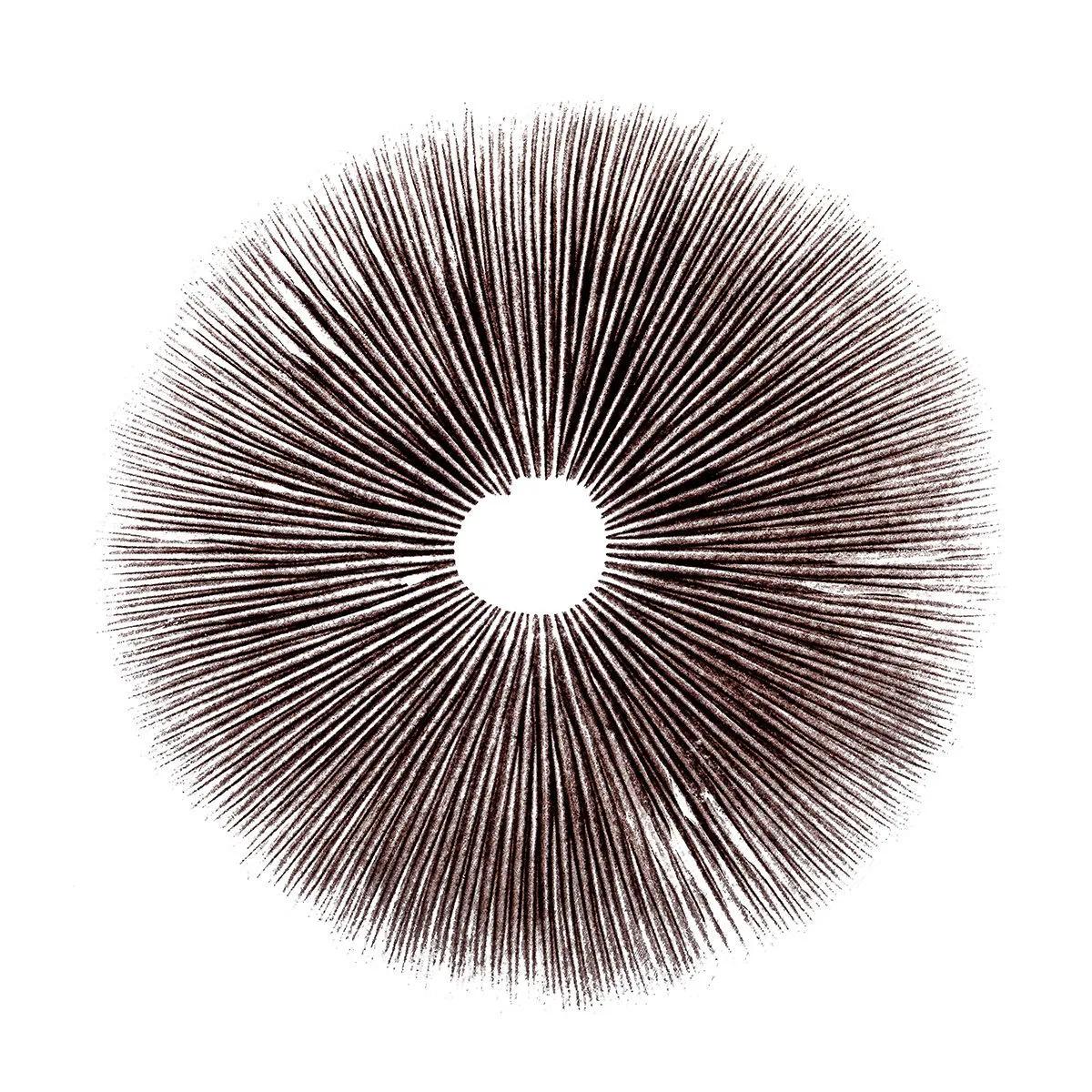
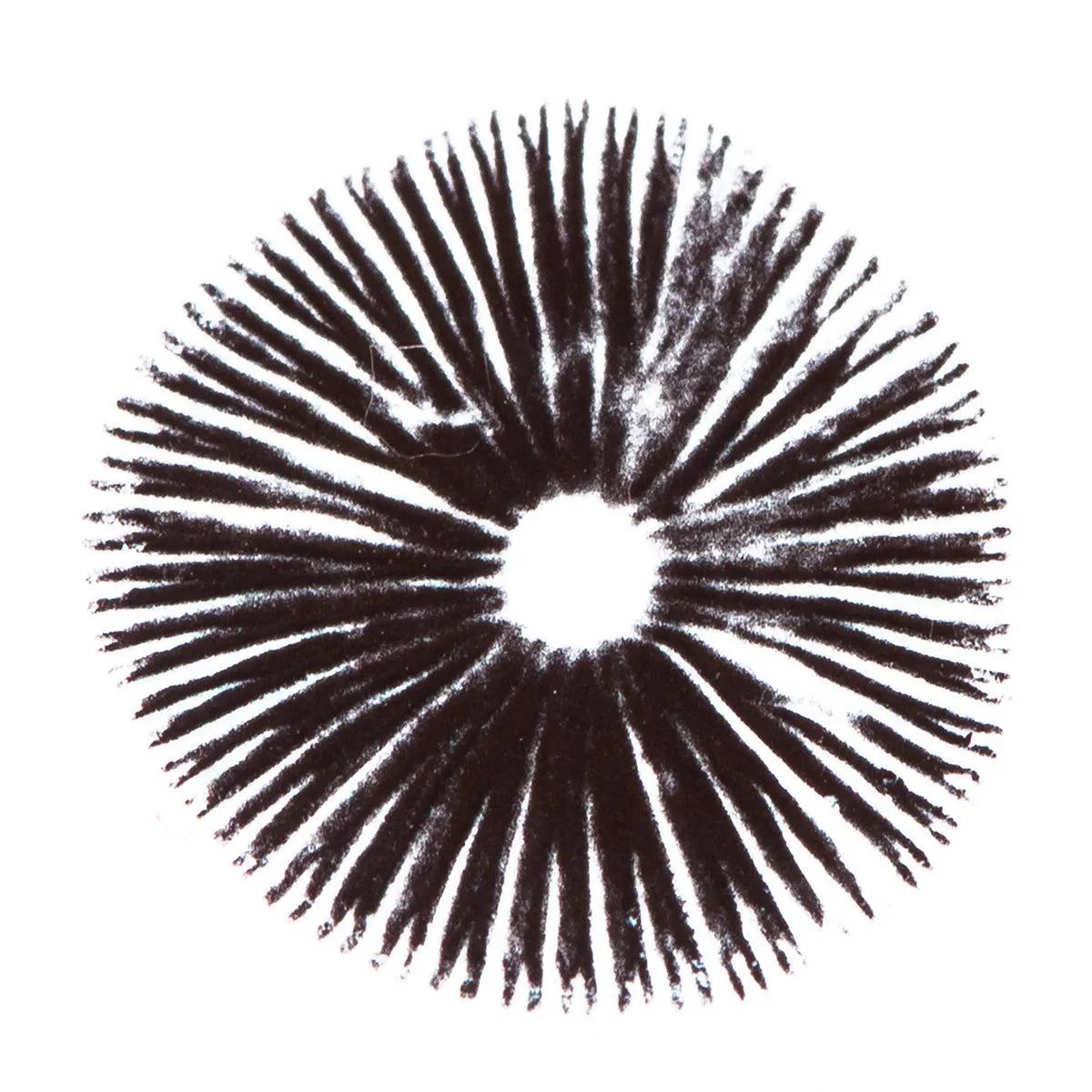
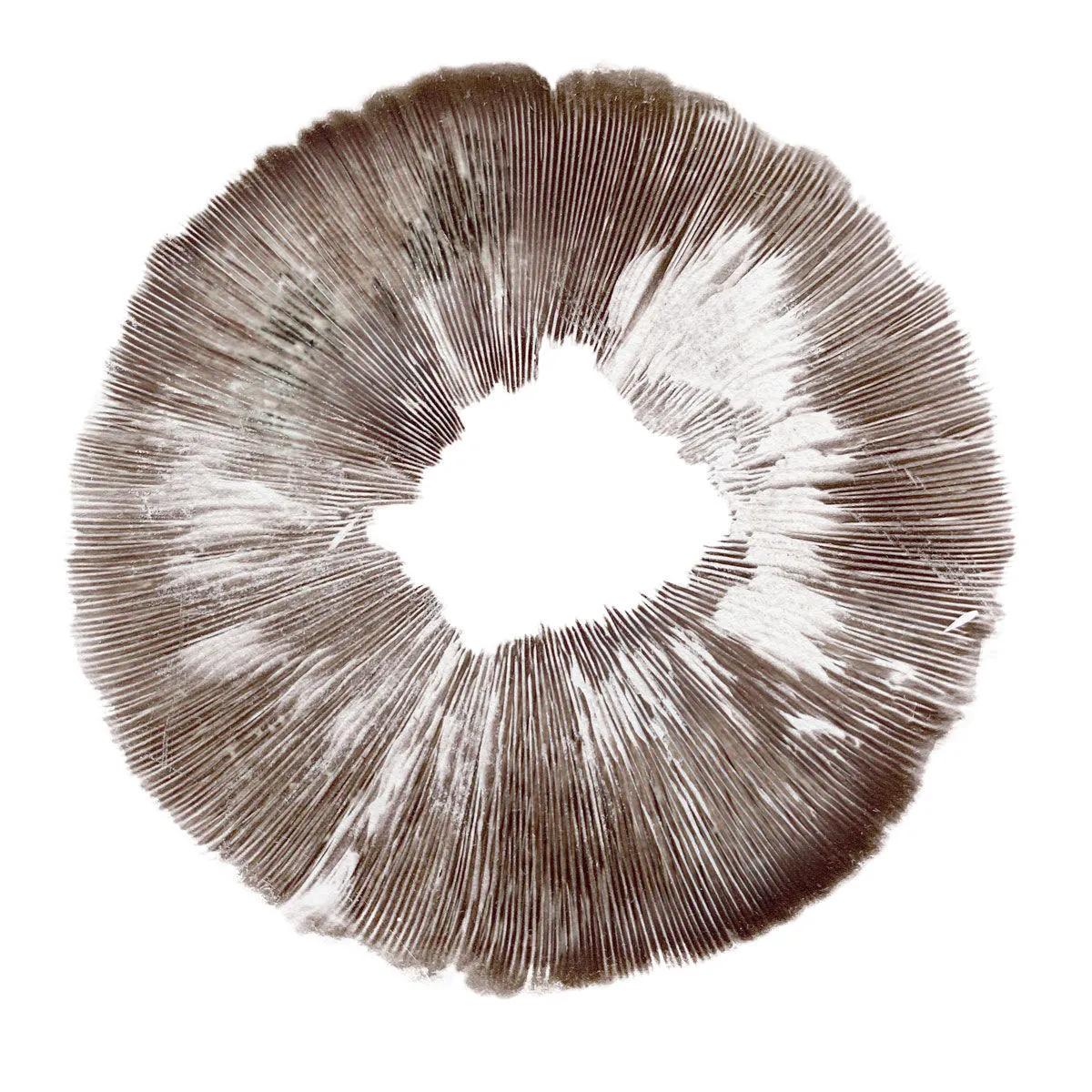
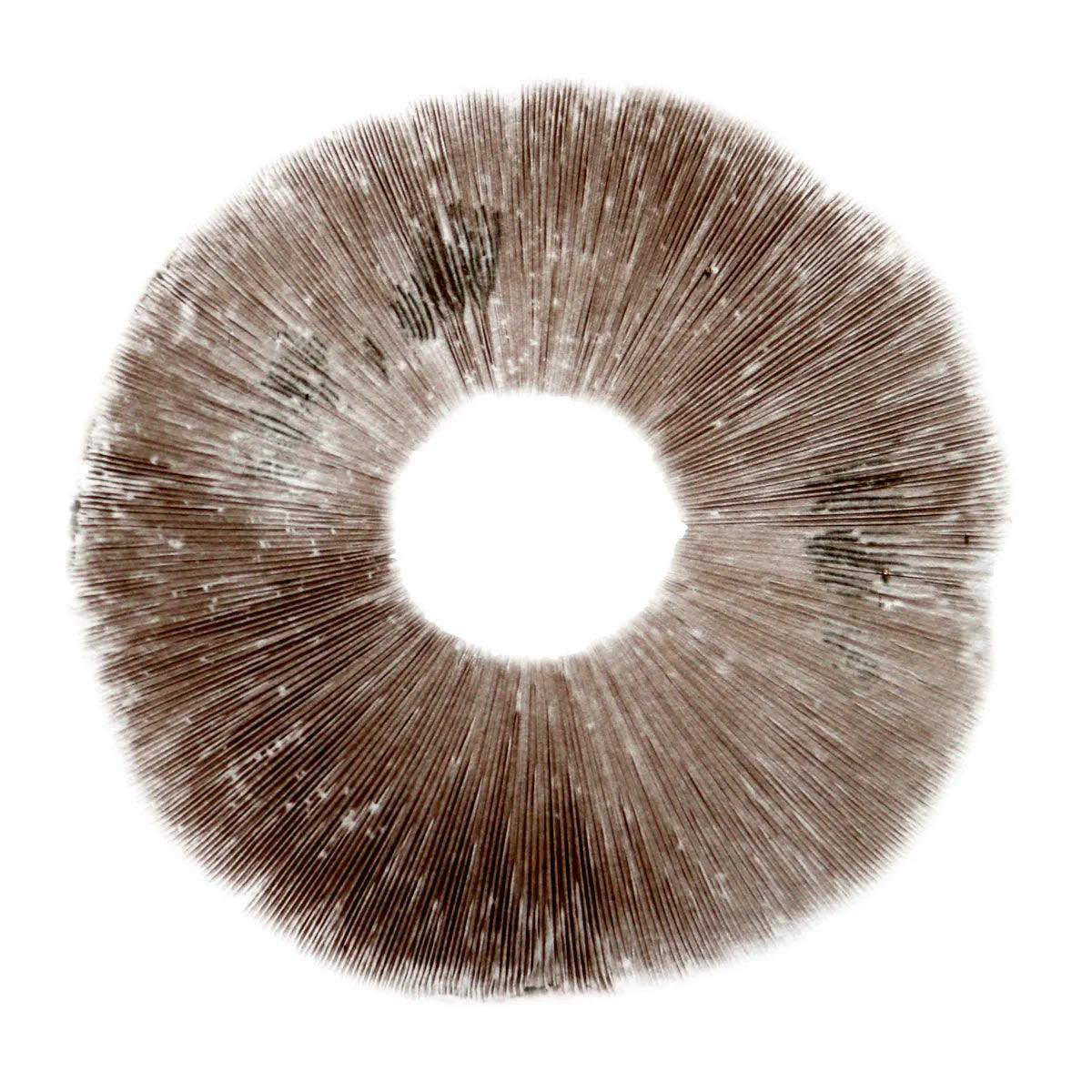
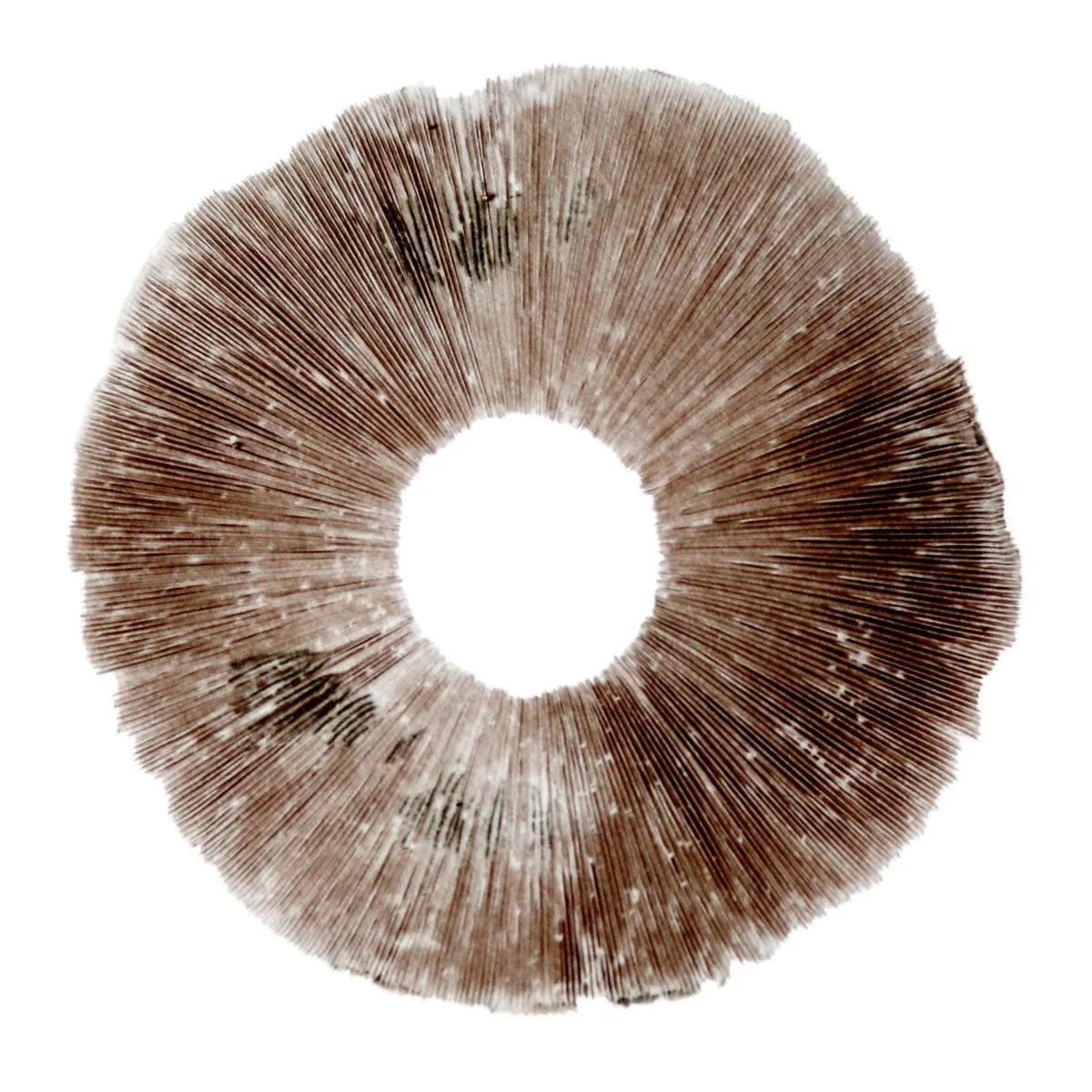
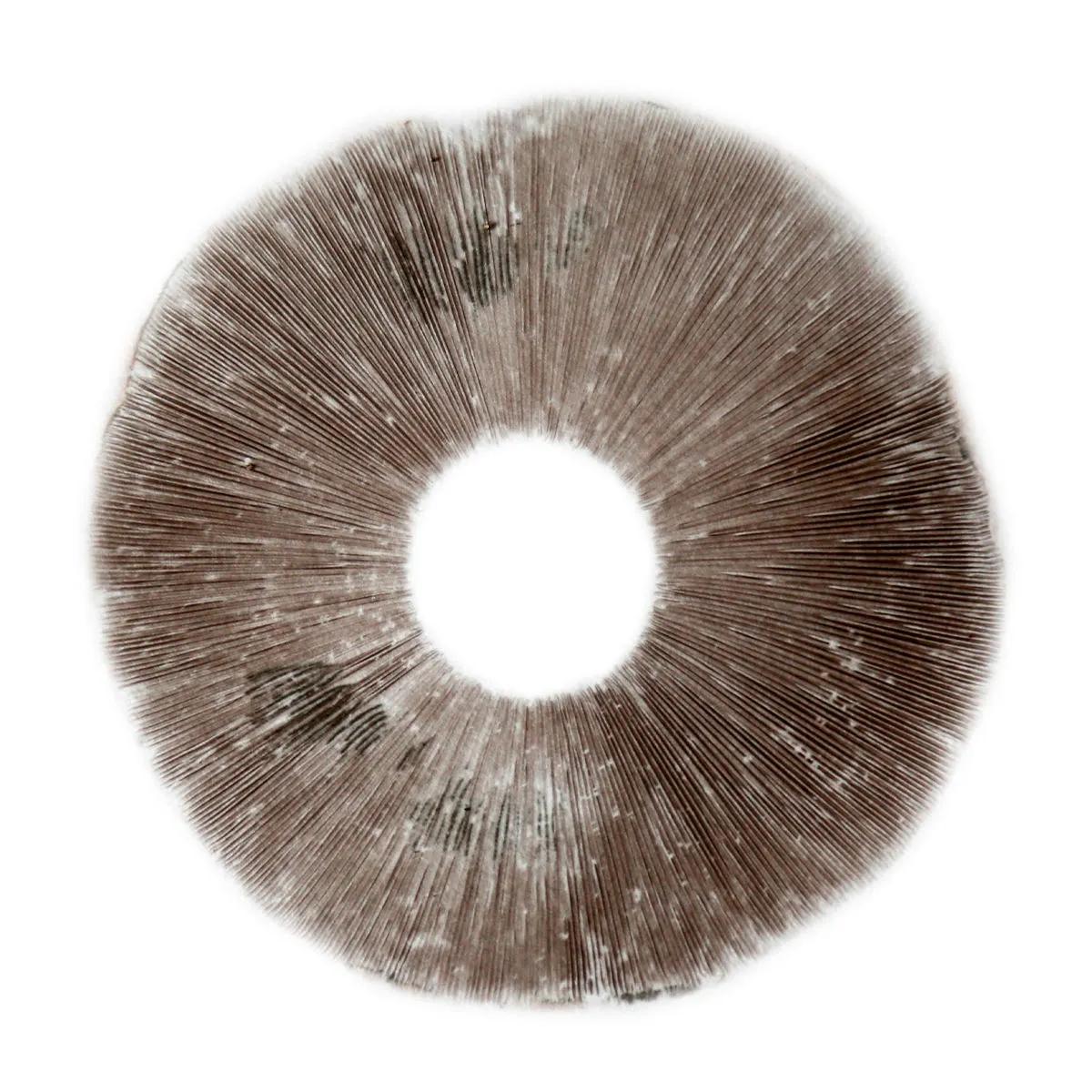
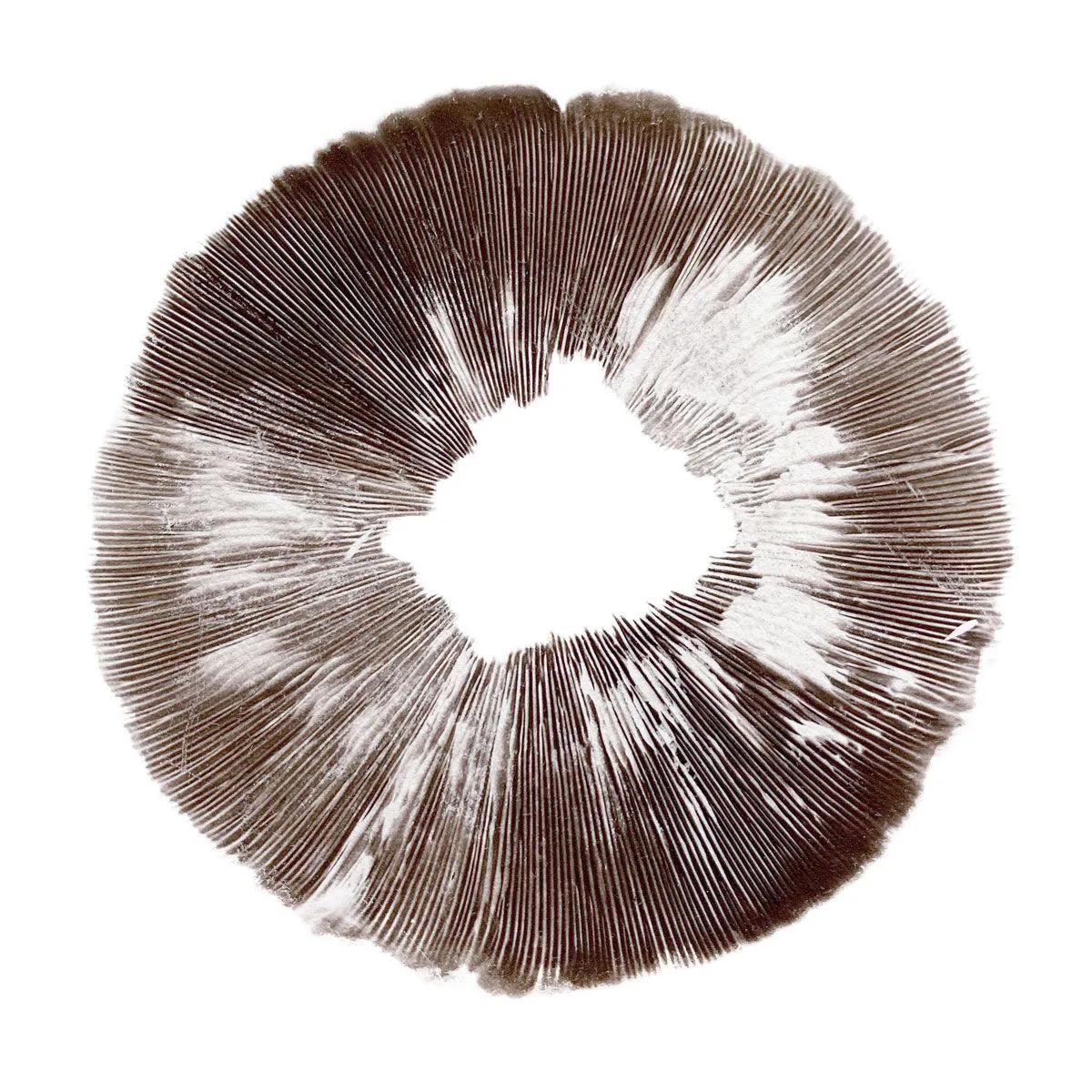
Spore prints are dried impressions of mushroom spores deposited on a sterile surface — the oldest and most reliable method for preserving fungal genetics. Mycologists and collectors order spore prints for strain identification, microscopy research, and long-term storage. Azarius has stocked spore prints since our early smartshop days, and we carry prints from over a dozen Psilocybe cubensis varieties.
Buy Spore Prints — Collector's Guide
A spore print is exactly what it sounds like: a mushroom cap placed gill-side down on a surface, left to drop millions of spores in a pattern that mirrors the gill structure. The result is a thin, dry deposit — usually on aluminium foil or paper — that preserves the genetic fingerprint of that particular strain. For anyone building a spore library or studying fungal taxonomy under a microscope, prints are the format that makes the most sense for long-term keeping.
Compared to spore syringes or spore vials, prints have one massive advantage: shelf life. A properly stored spore print stays viable for years — some collectors report success after 10+ years in a cool, dark drawer. Syringes suspend spores in sterile water, which introduces a contamination clock the moment they're made. Prints skip that problem entirely. They're flat, lightweight, and almost impossible to damage in transit. The trade-off? You need to hydrate them yourself before use under a microscope, which adds a step.
If you're new to spore collecting, start with a Golden Teacher or B+ print. Both produce dense, clearly visible spore deposits with distinctive colouration under magnification — they're the strains mycologists reach for when teaching identification techniques. More experienced collectors will find rarer varieties in our catalogue, including prints from strains with unique spore morphology worth documenting.
How to Choose Your Spore Print
Think about what you're actually doing with it. For microscopy and spore identification, pick strains with well-documented spore characteristics — Golden Teacher prints are the reference standard for a reason, with dark purple-brown deposits that photograph beautifully at 400x magnification. For building a genetic library, variety matters more than quantity: order 3-4 different prints rather than multiples of one strain. Each print contains millions of spores, so a single print goes a long way.
Storage is straightforward but worth getting right. Keep prints sealed in a ziplock bag with a silica gel packet, stored between 2-8°C. A fridge works fine. Avoid freezing — ice crystals can damage spore cell walls. At room temperature they'll last 2-3 years comfortably; refrigerated, considerably longer. We've had customers show us prints from 2012 that still produced clear microscopy samples.
| Spore Format | Shelf Life | Ease of Use | Best For |
|---|---|---|---|
| Spore Print | 5-10+ years (refrigerated) | Requires hydration step | Long-term storage, genetic libraries, collectors |
| Spore Syringe | 6-12 months | Ready to use | Immediate microscopy, beginners |
| Spore Vial | 1-2 years | Ready to use | Concentrated samples, repeat microscopy sessions |
Our honest take: if you want convenience, buy a syringe. If you want value and longevity, order the print. One spore print can produce dozens of microscopy slides — a syringe gives you maybe 10-12 before it's empty. For the price difference, prints win every time if you don't mind the extra 5 minutes of preparation.
Working with Spore Prints — Sterility Matters
- Wash your hands thoroughly and work near a still-air environment or flow hood if you have one.
- Use a sterilised scalpel or inoculation loop to scrape a small section of the print — you need far less than you think. A 2mm square holds thousands of spores.
- Transfer the scraped spores to a drop of sterile water on a microscope slide.
- Apply a coverslip and examine at 100-1000x magnification.
The number one mistake we see? Using too much material. A spore print is incredibly dense — around 1-2 billion spores per square centimetre on a good deposit. Scrape lightly. You can always go back for more.
Frequently Asked Questions
How long do spore prints last in storage?
Properly stored (sealed, dry, refrigerated at 2-8°C), spore prints remain viable for 5-10 years or longer. At room temperature, expect 2-3 years. Always store with a silica gel packet to prevent moisture damage.
What is the difference between a spore print and a spore syringe?
A spore print is a dry deposit on foil or paper — long shelf life, compact, requires hydration before microscopy. A spore syringe suspends spores in sterile water, ready to use immediately but with a shorter shelf life of 6-12 months. Prints are better for storage; syringes are better for convenience.
Which spore print should I buy as a first-time collector?
Golden Teacher. The spore deposits are dense, dark purple-brown, and well-documented in mycology literature. It's the reference strain most collectors start with, and the prints photograph clearly under magnification.
How many microscopy slides can I make from one spore print?
Dozens — easily 30-50 slides from a single print. Each square centimetre contains roughly 1-2 billion spores, and you only need a tiny scraping per slide. One print lasts most collectors months of microscopy work.
Do I need special equipment to study spore prints?
A basic compound microscope with 400x magnification is enough for spore identification. A sterile scalpel or inoculation loop, glass slides, coverslips, and sterile water complete the kit. A still-air box helps but isn't strictly necessary for casual microscopy.
Last updated: April 2026
Medical disclaimer. This content is for informational purposes only and does not constitute medical advice. Consult a qualified healthcare provider before use of any substance.