
Buy more, pay less
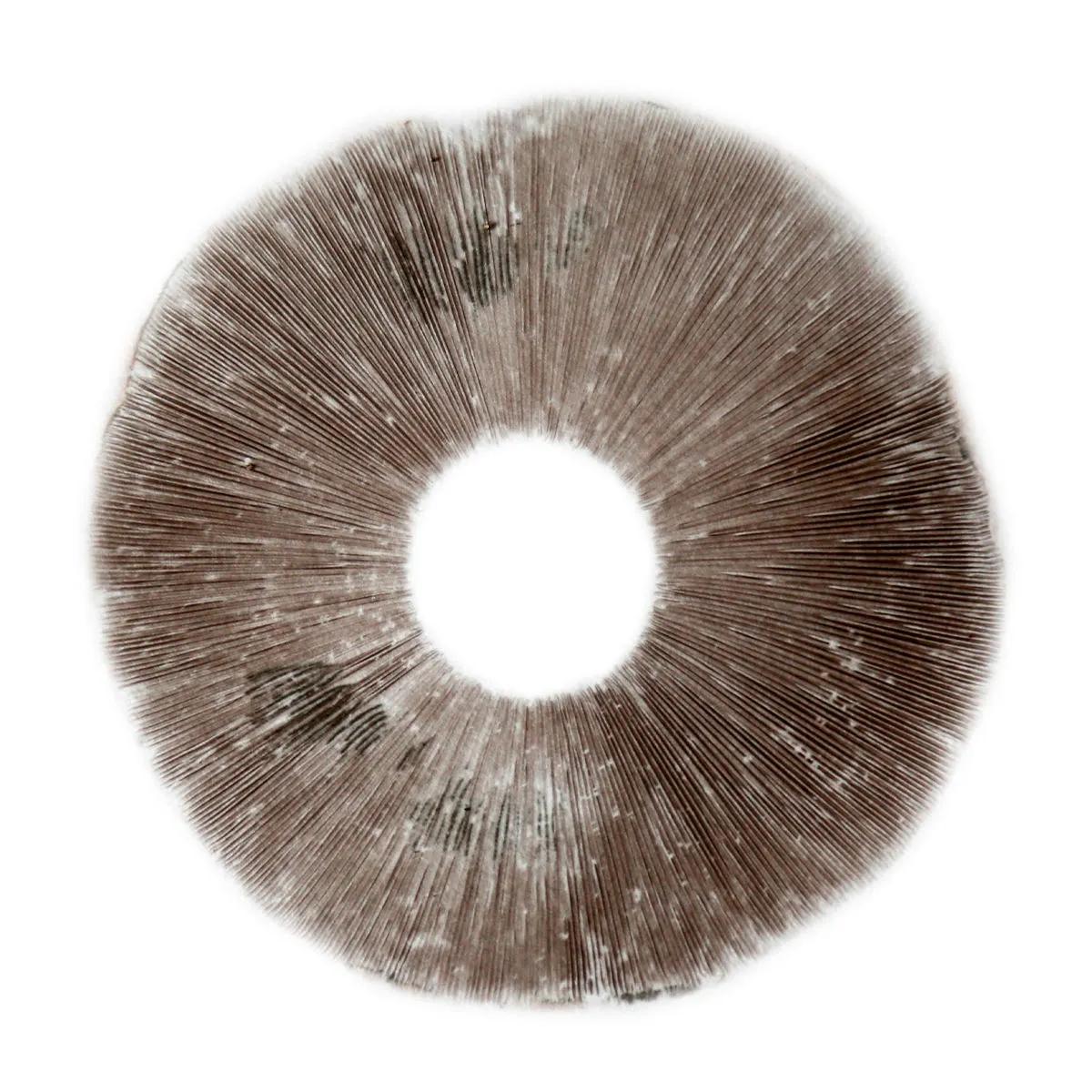
Psilocybe Cubensis Ecuador Spore Print
A Psilocybe cubensis Ecuador spore print is a laboratory-grade deposit of spores on foil, produced by one of Europe's leading mycology specialists and verified free from contamination. The Ecuador strain is known among cultivators for its reliability — consistent flushes, sturdy fruit bodies, and a forgiving growth habit that doesn't punish small mistakes.
Why the Ecuador Cubensis Spore Print Stands Out
The Ecuador strain of Psilocybe cubensis was originally collected at high altitude in the Ecuadorian Andes — above 1,000 metres — which gave it a natural resilience that translates directly to home cultivation. It colonises substrate quickly, typically showing visible mycelium within 7–10 days of inoculation, and produces dense, even flushes rather than the scattered pinning you sometimes get with fussier strains.
We've sold spore prints for over two decades, and Ecuador remains one of the most requested cubensis varieties in the shop. The reason is simple: it works. You get thick-stemmed mushrooms with golden-brown caps, and the strain doesn't stall out at the first sign of a temperature fluctuation. Where something like Penis Envy demands precise conditions and patience, Ecuador just gets on with it. That's not a knock on PE — it's a different project for a different grower. But if you want results without drama, Ecuador delivers.
The one honest limitation: because Ecuador is so widely cultivated, it doesn't carry the novelty factor of rarer genetics like Albino A+ or Amazonian. If you're collecting prints for microscopy research across multiple strains, you'll want this as your baseline, not your only specimen.
What Exactly Is a Cubensis Spore Print?
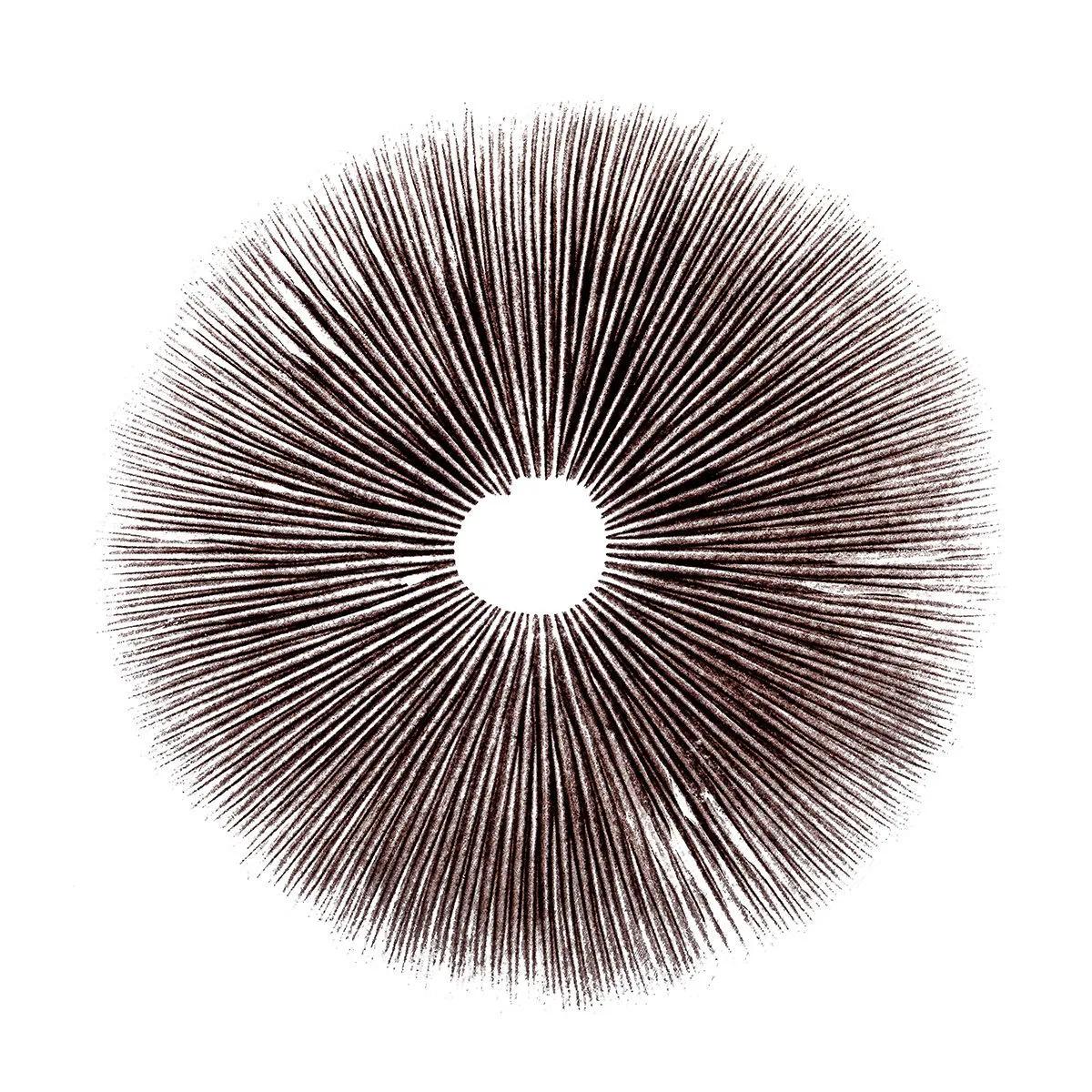
A spore print is a deposit of mushroom spores dropped onto a sterile surface — in this case, aluminium foil sealed inside a ziplock bag. When a mature Psilocybe cubensis cap is placed gill-side down on foil for 12–24 hours, millions of spores fall in a radial pattern that mirrors the gill structure. The result is a dark purple-brown print, almost like a botanical fingerprint, that contains enough genetic material for dozens of inoculations.
Compared to a spore syringe, a print gives you more flexibility. You decide how many spores to hydrate, you can take multiple samples from a single print, and dry prints stored properly last significantly longer — we're talking years in a cool, dark cupboard versus the 6–12 month window of a pre-made syringe. The trade-off is that you need to make your own syringe or use an agar transfer, which adds a step. For anyone comfortable with basic sterile technique, it's worth it.
| Specification | Detail |
|---|---|
| Species | Psilocybe cubensis |
| Strain | Ecuador |
| Format | Spore print on aluminium foil |
| Production | Laboratory grade, contamination-free |
| Origin of genetics | Ecuadorian Andes, high-altitude collection |
| Colonisation speed | Above average (visible mycelium in 7–10 days) |
| Flush consistency | High — even pinning across substrate |
| Storage | Cool, dry, dark place — sealed in original packaging |
| Shelf life | Several years when stored correctly |
| SKU | SH0030 |
Complete your mycology setup with a Supa Gro grow kit — the substrate arrives fully colonised, so you just add spores and wait. If you're working from a print, a sterile spore syringe kit makes hydration and inoculation straightforward without risking contamination.
How to Use a Psilocybe Cubensis Spore Print
- Set up a still air box or work in front of a laminar flow hood. Sterile technique is everything — we've seen growers lose entire batches to one ungloved hand.
- Sterilise a scalpel or inoculation loop with a flame until it glows red, then let it cool for 10–15 seconds.
- Open the spore print bag inside your still air box. Gently scrape a small section of the print — roughly 1 cm square is plenty — into a sterile syringe filled with 10–12 ml of distilled water.
- Shake the syringe vigorously for 30–60 seconds to distribute the spores evenly through the water. You now have a multi-spore syringe.
- Inoculate your substrate by injecting 2–3 ml of spore solution per injection point. For a standard grow kit, 4 injection points at the corners works well.
- Seal the print back into its bag, press out excess air, and return it to cool, dark storage. A fridge (2–8 degrees Celsius) is ideal but not mandatory — a dark cupboard away from heat sources works.
- Place your inoculated substrate in a warm spot (22–25 degrees Celsius) and wait. Ecuador typically shows visible white mycelium within 7–10 days. Full colonisation takes 2–4 weeks depending on temperature and substrate volume.
Psilocybe Cubensis Ecuador Spore Print vs. Spore Syringe
Both formats contain the same Psilocybe cubensis Ecuador genetics, but they suit different workflows. Here's the practical breakdown:
| Feature | Spore Print | Spore Syringe |
|---|---|---|
| Shelf life | Several years (stored cool and dry) | 6–12 months refrigerated |
| Inoculations per unit | 10–20 syringes from one print | 3–5 grow kits per syringe (10 ml) |
| Ease of use | Requires sterile syringe preparation | Ready to inject immediately |
| Contamination risk | Low at source; handling introduces risk | Low if factory-sealed |
| Flexibility | Agar work, syringe making, direct transfer | Injection only |
| Best for | Growers who want long-term genetics storage | Single-project growers who want convenience |
If you're planning one grow and want zero fuss, grab a syringe. If you're building a collection or plan to cultivate multiple batches over time, the spore print is the better investment by a wide margin.
The Science Behind Psilocybe Cubensis
Psilocybe cubensis is the most widely studied psilocybin-producing mushroom species in the world. The active compounds — primarily psilocybin and psilocin — interact with serotonin 5-HT2A receptors in the brain, which is why this genus has attracted significant research attention over the past decade.
According to a study published in PMC, "recently, a renewed interest in psilocybin and Psilocybe spp. has emerged due to increasing evidence that psilocybin is highly effective" in clinical research settings (PMC9764976). A 2024 study in PMC noted that "preclinical studies have shown more pronounced effects of psilocybin extracts than psilocin/psilocybin alone," suggesting the full spectrum of compounds in the mushroom may work in combination (PMC11856550).
According to research published in the Journal of Psychopharmacology and reviewed in PMC, "studies using psilocybin for cancer-related psychological distress have demonstrated rapid and sustained improvements in mood, anxiety, and existential distress" (PMC12565330). And a 2018 review noted that clinical trials observed psilocybin administration alongside cognitive behavioural therapy in smoking cessation research (PMC6007659). The therapeutic potential of psilocybin-producing mushrooms has also revitalised commercial and academic interest in cultivation methods, according to a 2025 study (PMC12194638).
None of this is a reason to self-medicate — these are controlled clinical settings with professional oversight. But it does explain why mycology research is booming and why spore prints like this one are in such demand among researchers and hobbyists alike.
Storage and Shelf Life of Cubensis Spore Prints
A properly stored Psilocybe cubensis spore print can remain viable for years. The enemies are moisture, heat, light, and contamination — in that order. Keep the print sealed in its original bag, inside a secondary ziplock for insurance, and store it somewhere cool and dark. A fridge set to 2–8 degrees Celsius is optimal, but a drawer in an unheated room works nearly as well.
Don't freeze spore prints. Ice crystal formation can damage spore cell walls and reduce viability. Don't store them near food — fridges are full of mould spores from cheese, fruit, and leftovers. If you're using a fridge, double-bag the print and keep it in a sealed container.
Every time you open the bag to take a sample, you introduce potential contaminants. Work in your still air box, take what you need, reseal immediately. Treat the print like the long-term genetic archive it is.
Frequently Asked Questions
What is a Psilocybe cubensis spore print?
A spore print is a deposit of millions of mushroom spores dropped onto sterile aluminium foil from a mature cubensis cap. It serves as a long-term genetic archive — you scrape spores off the print to make syringes or transfer to agar for cultivation and microscopy research.
How many grows can I get from one Ecuador spore print?
A single print contains enough spore material for roughly 10–20 spore syringes. Each 10 ml syringe can inoculate 3–5 grow kits, so one print can theoretically support dozens of separate cultivation projects.
Is the Ecuador strain good for beginners?
Yes — it's one of the most forgiving cubensis strains available. Ecuador colonises quickly (visible mycelium in 7–10 days), tolerates minor temperature fluctuations, and produces consistent, even flushes. We'd recommend it over fussier strains like Penis Envy for a first grow.
How do I make a spore syringe from a spore print?
Work inside a still air box. Flame-sterilise a scalpel, scrape roughly 1 cm square of the print into a sterile syringe filled with 10–12 ml of distilled water, and shake vigorously for 30–60 seconds. The syringe is ready to use immediately or can be refrigerated for later.
How long does a cubensis spore print last in storage?
Several years when stored correctly — sealed in its bag, inside a cool, dark, dry environment. A fridge at 2–8 degrees Celsius is ideal. Avoid freezing, direct light, and repeated opening of the bag.
What is mycelium?
Mycelium is the vegetative network of thread-like cells (hyphae) that a mushroom grows from. When you inoculate substrate with spores, the first visible sign of success is white mycelium spreading through the material — that's the organism establishing itself before it produces fruit bodies.
Spore print or spore syringe — which should I buy?
Prints offer better long-term storage (years vs. months) and more inoculations per unit, but require you to make your own syringe. Syringes are ready to inject straight away. For a single project, grab a syringe. For ongoing cultivation or strain collecting, the print is the smarter buy.
Can I see the spores on the print when it arrives?
Yes. A healthy cubensis spore print shows a visible dark purple-brown deposit on the foil, often with a radial pattern matching the gill structure. If the print appears blank or shows unusual colours (green, black spots), contact us.
Last updated: April 2026
Related products
You might also like
Medical disclaimer. This content is for informational purposes only and does not constitute medical advice. Consult a qualified healthcare provider before use of any substance.