
Spore Vials
Spore syringes, spore prints, spore vials, and spore swabs — the building blocks of mushroom microscopy and cultivation research. Azarius carries spore products from trusted suppliers, stored and shipped under controlled conditions to keep viability high. We've been stocking these since our early smartshop days, and we know what separates a reliable spore product from a dud. Order your mushroom spores here.
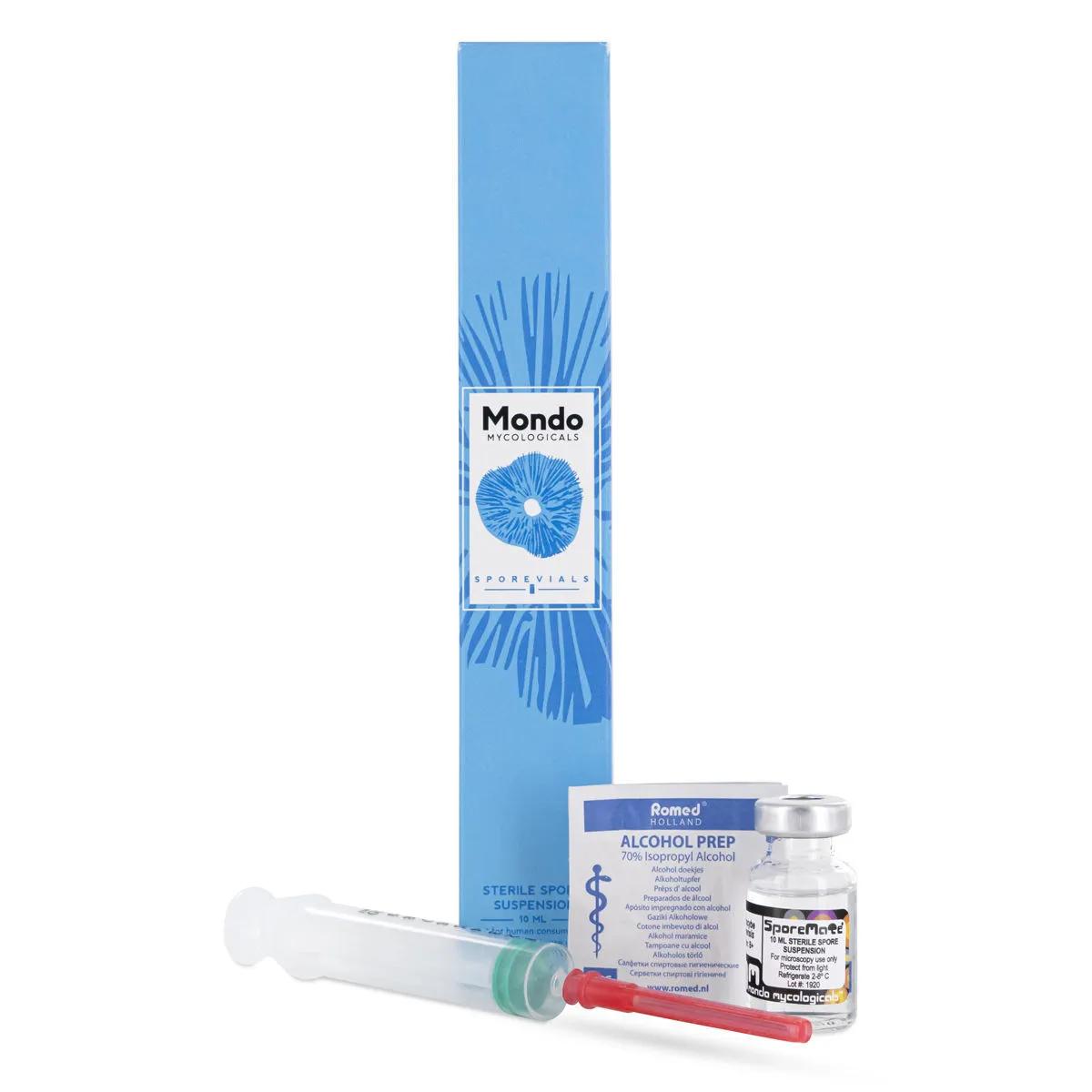
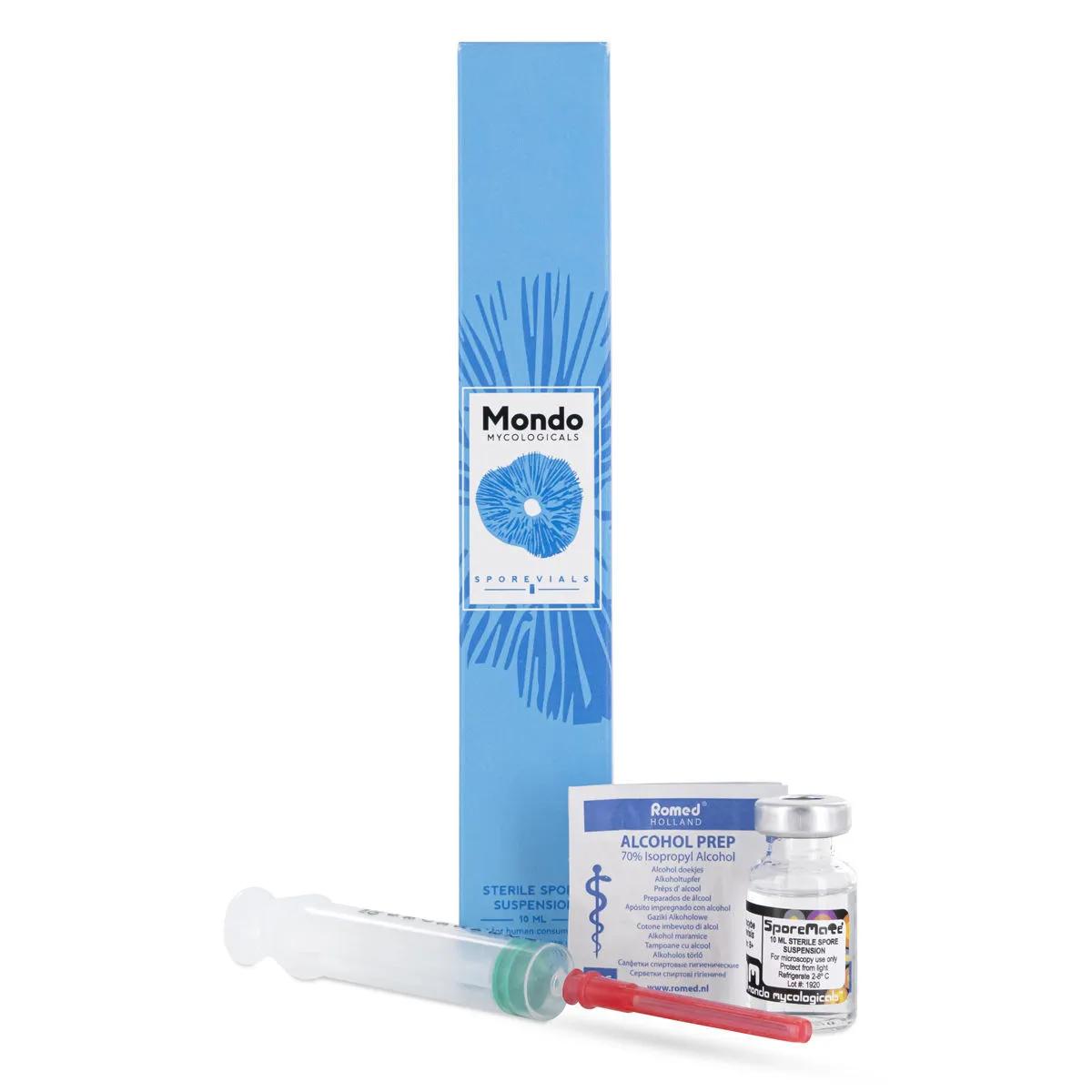
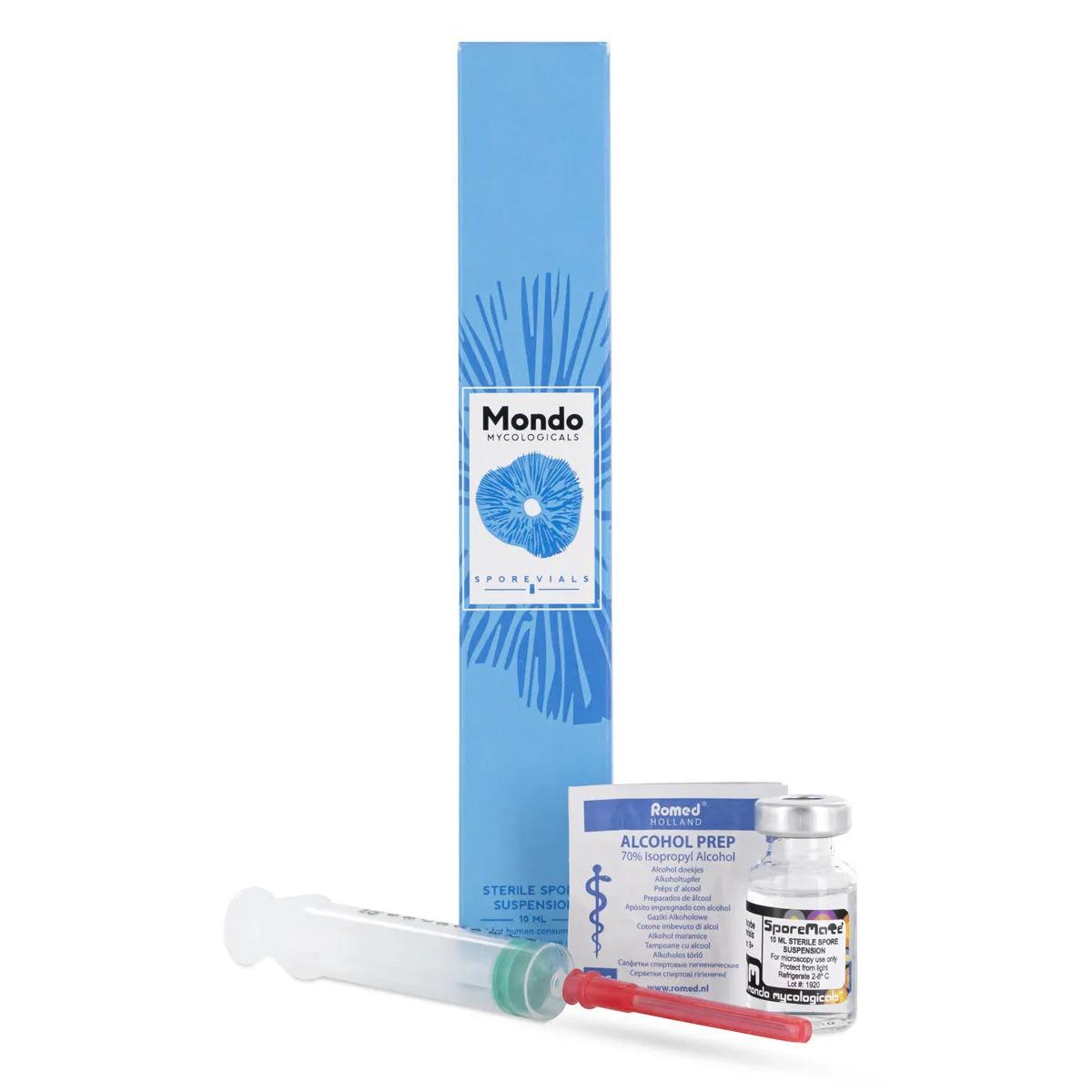
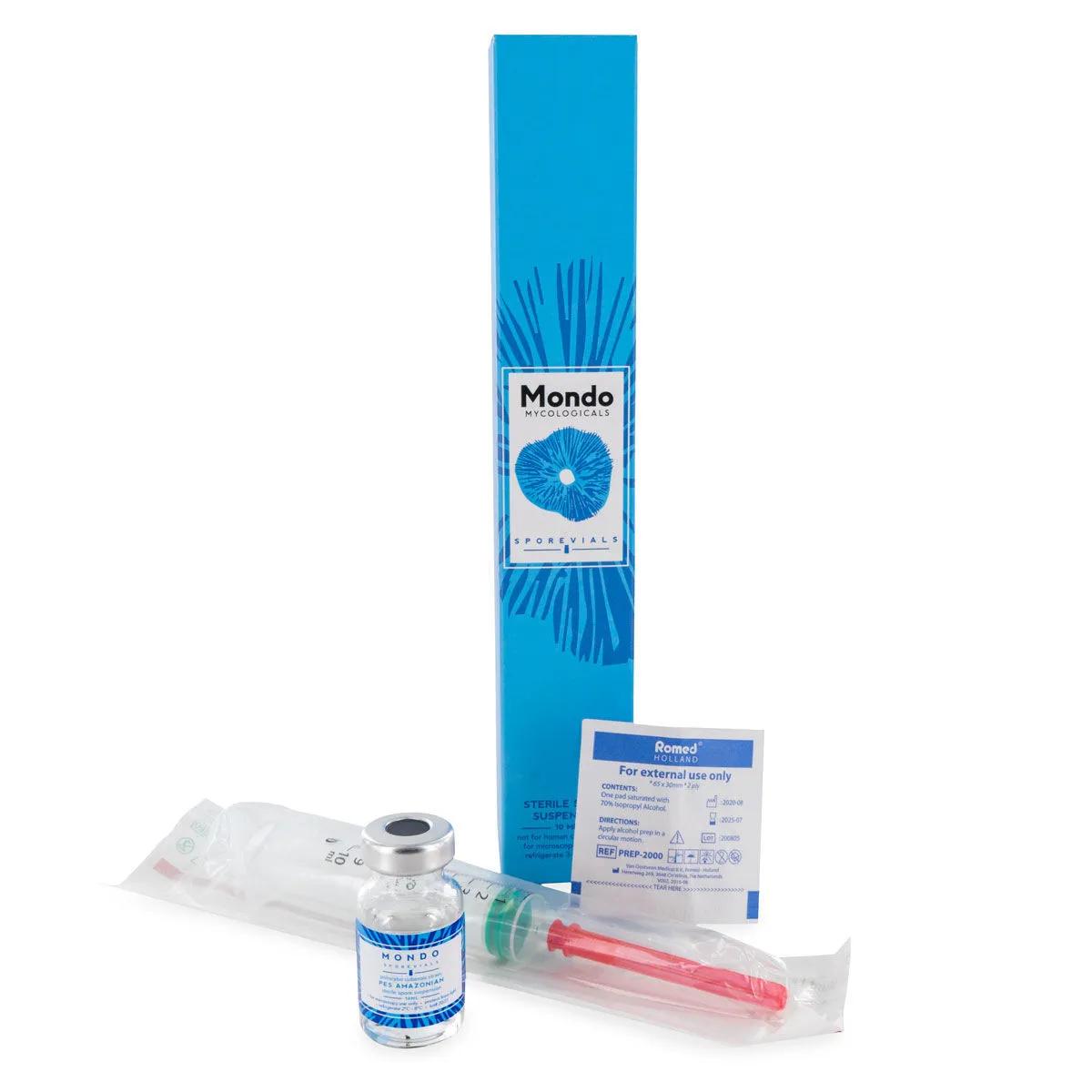
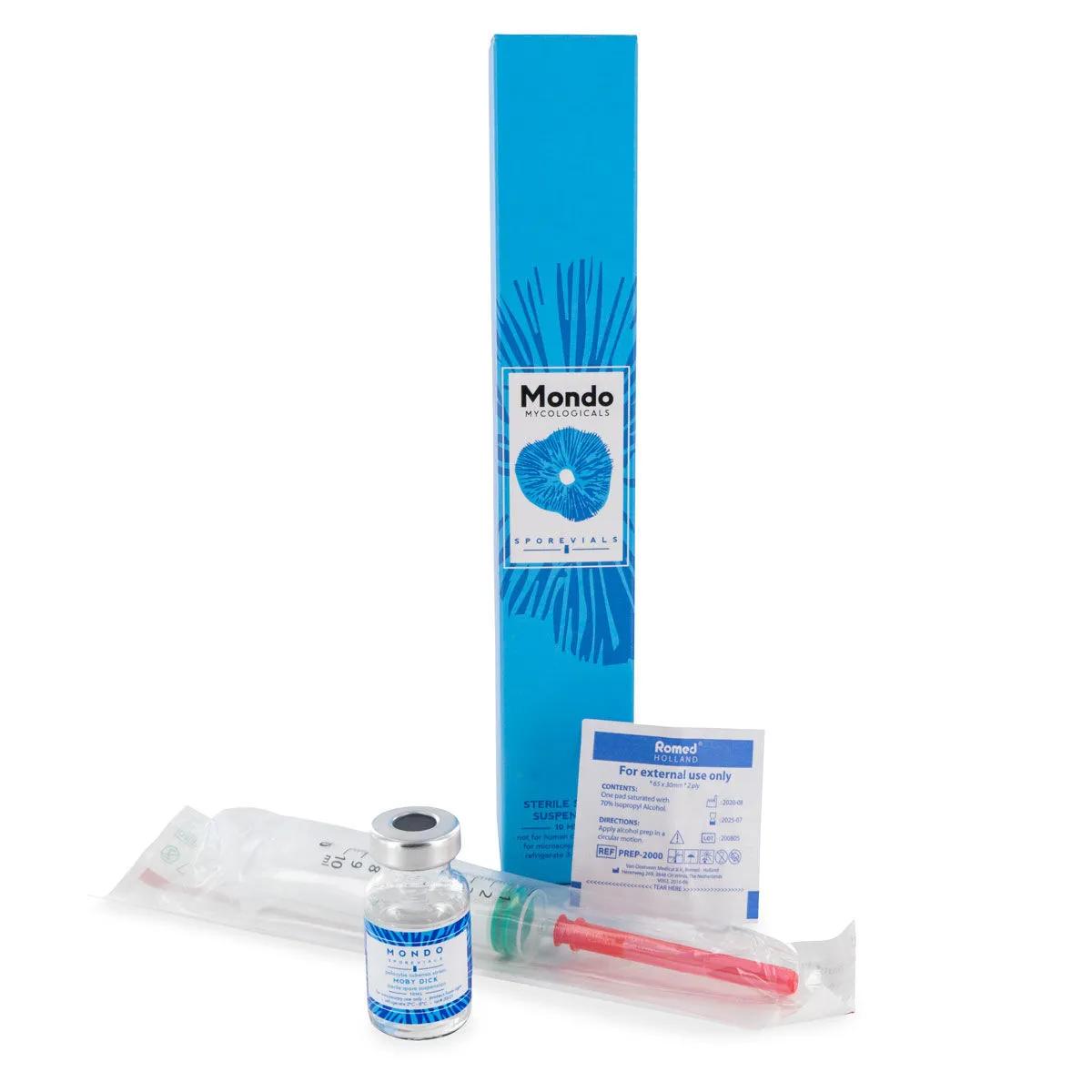
Spore syringes, spore prints, spore vials, and spore swabs — the building blocks of mushroom microscopy and cultivation research. Azarius carries spore products from trusted suppliers, stored and shipped under controlled conditions to keep viability high. We've been stocking these since our early smartshop days, and we know what separates a reliable spore product from a dud. Order your mushroom spores here.
Buy Mushroom Spores — Your Complete Guide
Mushroom spores are the reproductive cells of fungi — microscopic, single-celled structures that carry the full genetic blueprint of a mushroom strain. Think of them as seeds, except far smaller and far more numerous. A single mushroom cap can release billions of spores into the air. When collected and suspended in a sterile medium, these spores become the starting point for cultivation, strain study, and microscopy work.
We've sold mushroom spores at Azarius since 1999, and the most common question we get is still: "Which format should I buy?" The answer depends on what you're doing with them and how much experience you have. Below, we'll walk you through the different forms, what matters when choosing, and which products we'd actually recommend.
Different Forms of Mushroom Spores
| Format | What It Is | Shelf Life | Good For |
|---|---|---|---|
| Spore Syringe | Spores suspended in sterile water inside a syringe, typically 10-20ml | 6-12 months refrigerated | First-time growers — easy to inoculate jars or bags directly |
| Spore Print | Spores deposited on foil or paper from a mature cap | 1-2 years in cool, dry storage | Long-term collectors and researchers who want to make their own syringes |
| Spore Vial | Liquid suspension in a sealed vial, often with higher spore density than syringes | 6-12 months refrigerated | Experienced cultivators who want concentrated, contamination-resistant inoculation |
| Spore Swab | Sterile cotton swab rubbed across a sporulating cap | 6-12 months in sealed packaging | Rare or exotic strains where prints are difficult to obtain |
Spore syringes are the most popular format we sell — roughly 7 out of 10 orders go for syringes. They're ready to use straight out of the package, which removes the step of making your own suspension. Spore prints, on the other hand, are the archivist's choice: compact, long-lasting, and easy to store in quantity. Spore vials tend to carry a denser concentration of spores per millilitre compared to syringes, which can mean faster colonisation times. And spore swabs exist mostly for strains that don't drop prints easily — they're niche, but when you need one, nothing else will do.
How to Choose Your Mushroom Spores
If you're buying mushroom spores for the first time, get a spore syringe. Full stop. You don't need extra equipment, you don't need to make a suspension, and the risk of contamination during inoculation is lower because the needle goes straight into your substrate. Pick a well-known strain — something like Golden Teacher or B+ — because they're forgiving, colonise reliably, and there's a mountain of community knowledge if you run into trouble.
Intermediate growers who've already done a few successful flushes might want to order spore vials for the higher spore density, or start collecting spore prints to build a library of genetics. Advanced cultivators often work with spore swabs when hunting rare varieties or doing isolation work on agar. One honest note: no matter which format you buy, storage matters more than most people think. Keep your spores refrigerated at 2-8 degrees Celsius, away from light, and never freeze them. We've seen perfectly good spore syringes go dead because someone left them on a windowsill for a week.
Our blunt opinion? Don't buy the cheapest spores you can find from an unknown source. Contaminated spore products are the single most expensive mistake in mushroom growing — you won't know until two weeks in, when your jars turn green instead of white. Every spore product we stock at Azarius comes from suppliers we've vetted over years, with sterile production processes and batch testing.
Frequently Asked Questions
What are mushroom spores exactly?
Mushroom spores are microscopic reproductive cells released from the gills or pores of a mature mushroom fruiting body. Each spore contains the genetic material needed to grow a new mycelium network. They're collected onto prints, into syringes, vials, or onto swabs for research and cultivation use.
How long do spore syringes last?
Stored in a fridge at 2-8 degrees Celsius, a spore syringe stays viable for 6-12 months. Some users report success after 18 months, but viability drops noticeably past the one-year mark. Never freeze spore syringes — ice crystals destroy the spores.
How should I store mushroom spores?
Refrigerate at 2-8 degrees Celsius in a sealed bag or container, away from direct light. Spore prints last longest — up to 2 years when kept cool and dry. Syringes and vials should be used within 12 months for best results. Room temperature storage cuts shelf life roughly in half.
What is the difference between a spore syringe and a spore vial?
Both contain spores in liquid suspension, but vials typically have a higher spore concentration per millilitre. Syringes are easier to use — you inoculate directly through a needle. Vials often require a separate syringe for application. For beginners, order a spore syringe. For experienced growers wanting faster colonisation, a spore vial is worth the extra step.
How can I tell if my mushroom spores are contaminated?
Hold the syringe up to light — the liquid should be clear or slightly cloudy with visible dark spore clumps. If it's uniformly murky, has coloured particles (green, pink, orange), or smells off when you uncap it, don't use it. Contaminated spores produce contaminated grows, and you'll lose your entire batch.
Last updated: June 2025
Medical disclaimer. This content is for informational purposes only and does not constitute medical advice. Consult a qualified healthcare provider before use of any substance.