
Mushroom Growing Supplies
Mushroom growing supplies cover everything you need to take a cultivation project from spore to harvest — substrate, spawn, humidity tools, sterilisation gear, and grow containers. Whether you're setting up your first fruiting chamber or scaling up a serious home operation, Azarius has stocked growers since 1999. Browse the full range below.








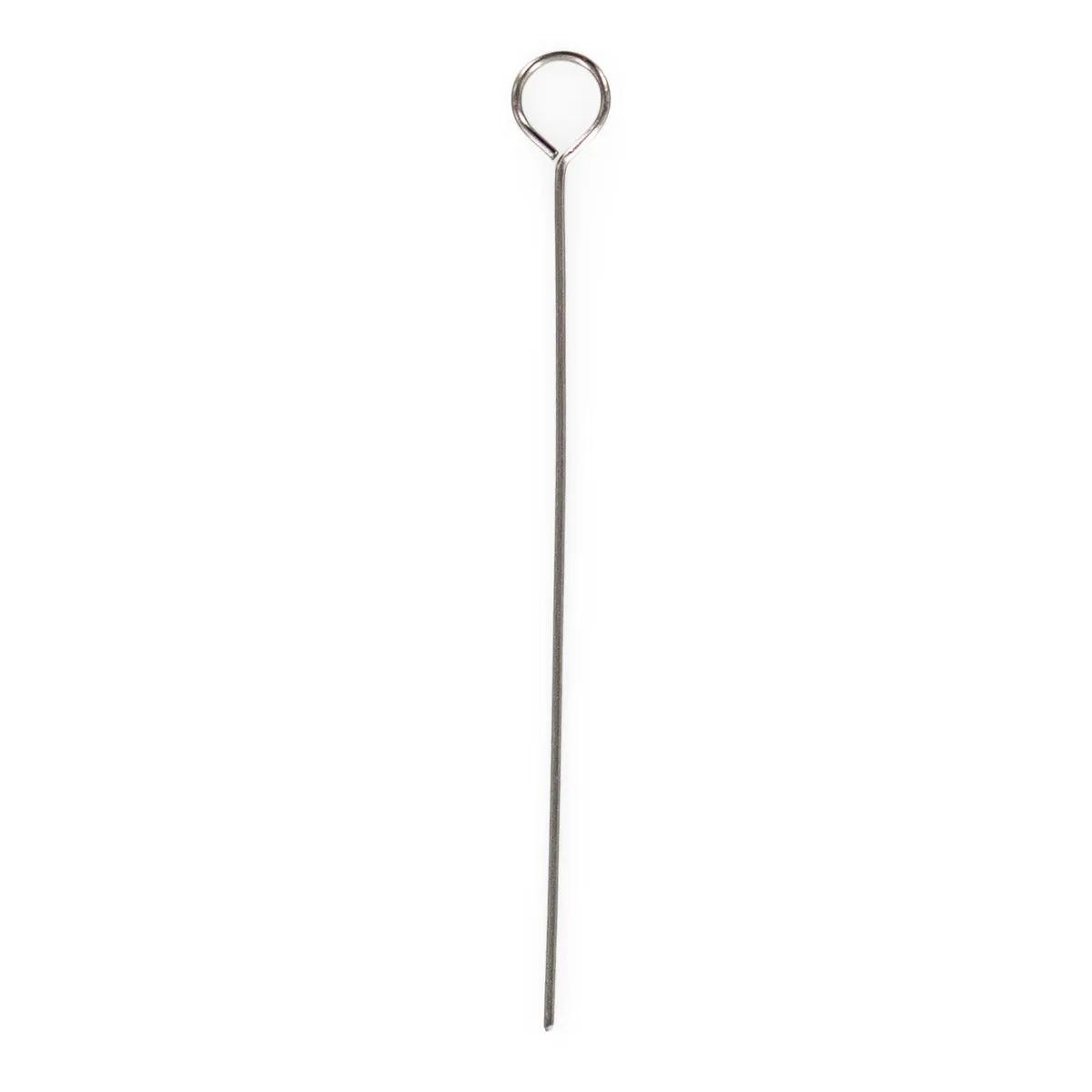
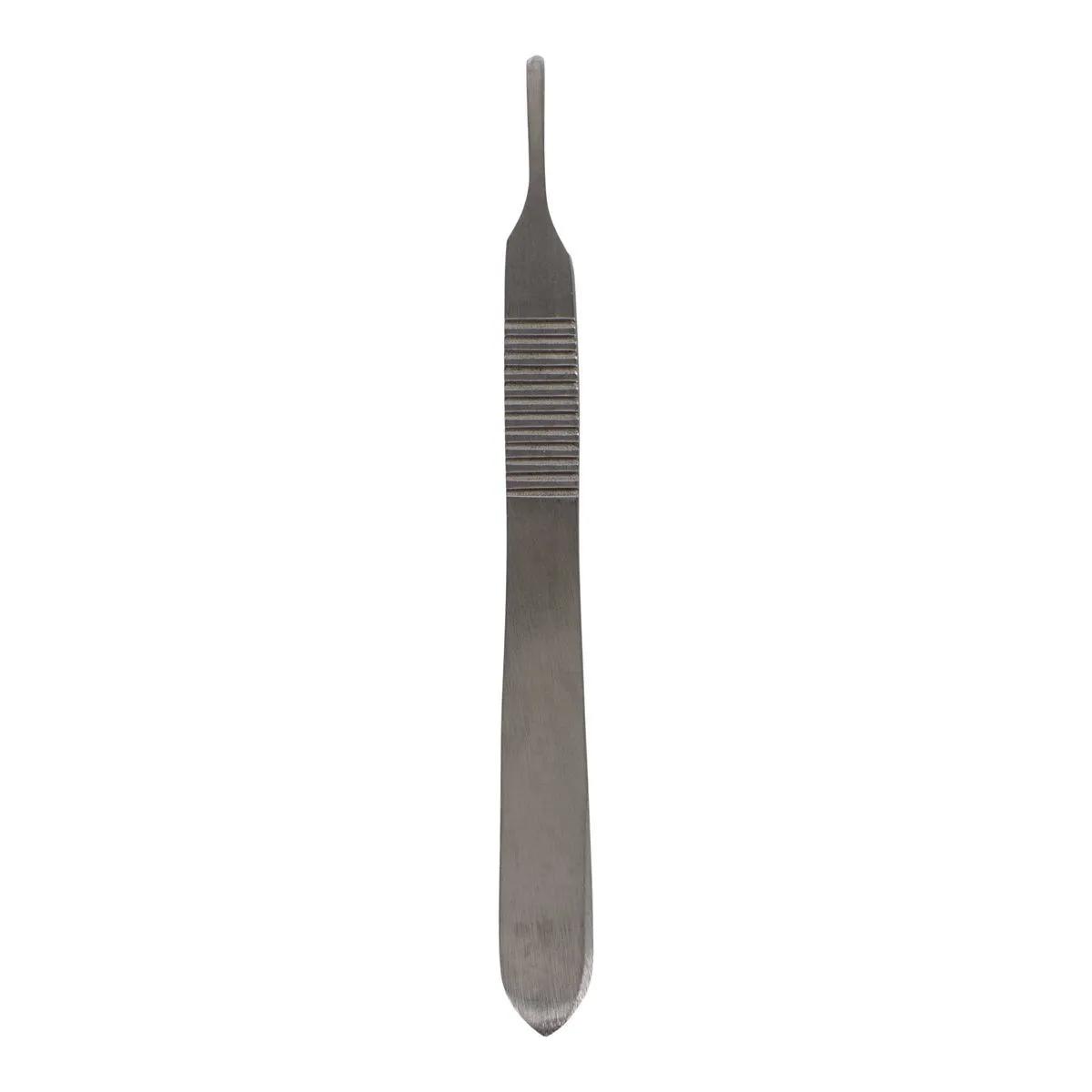
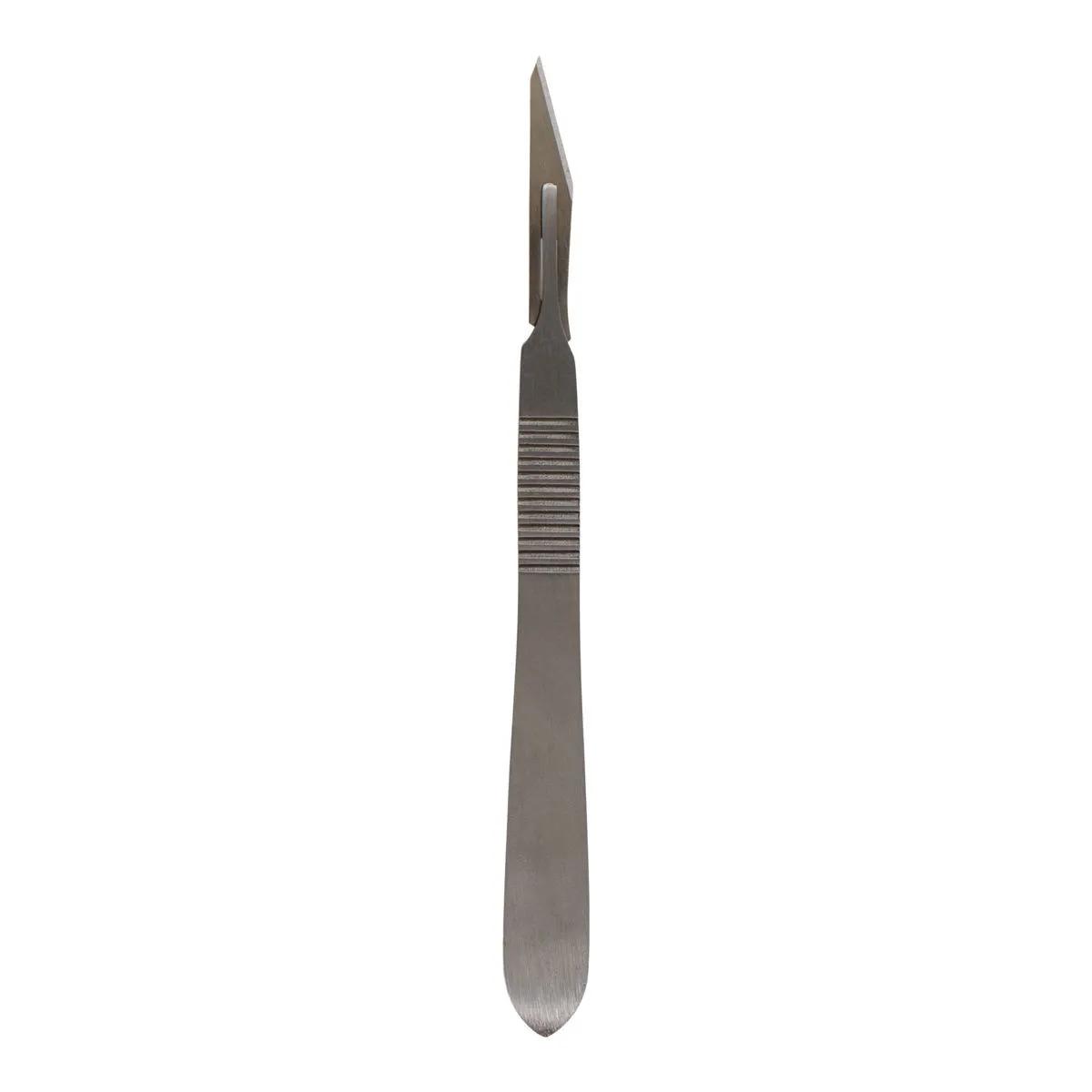
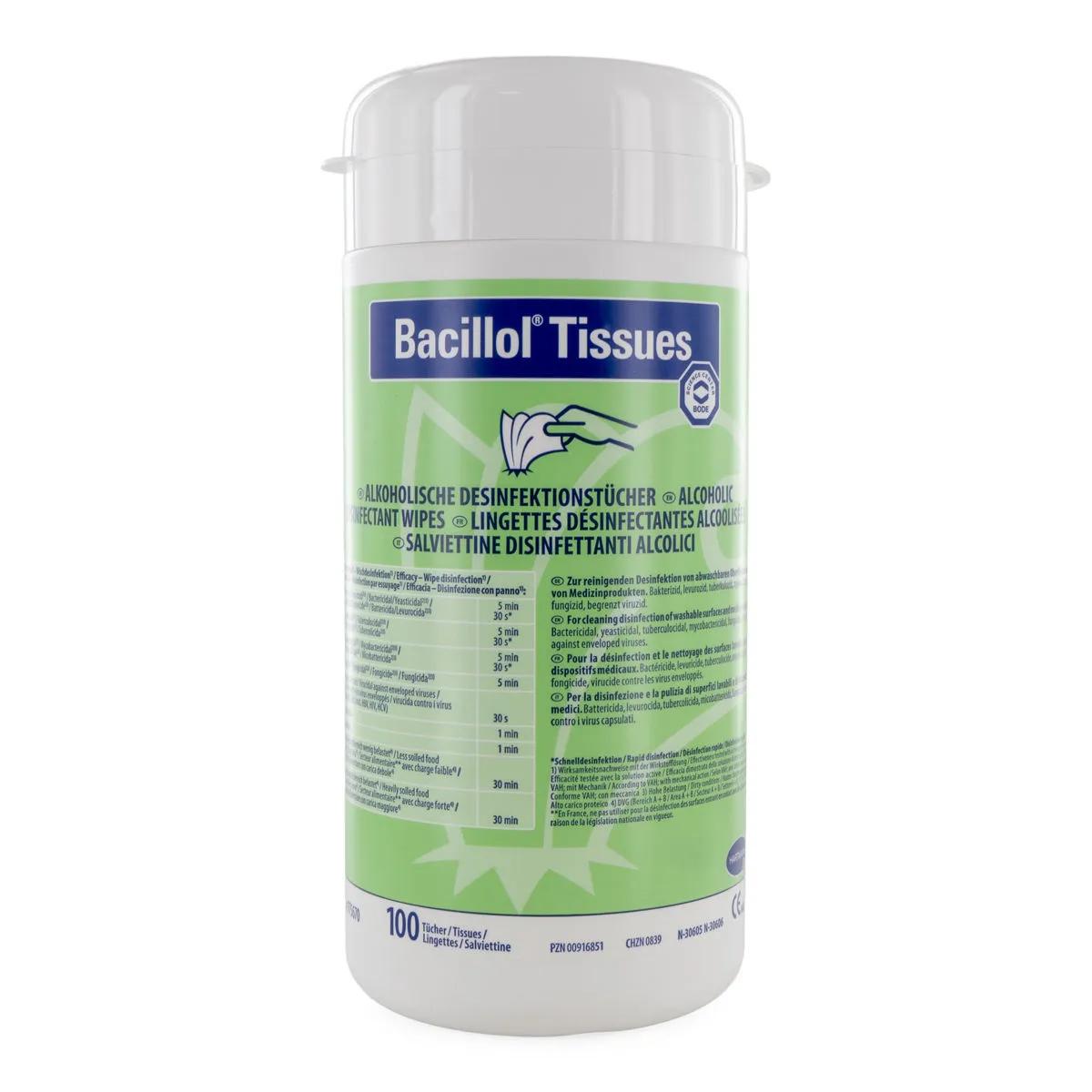


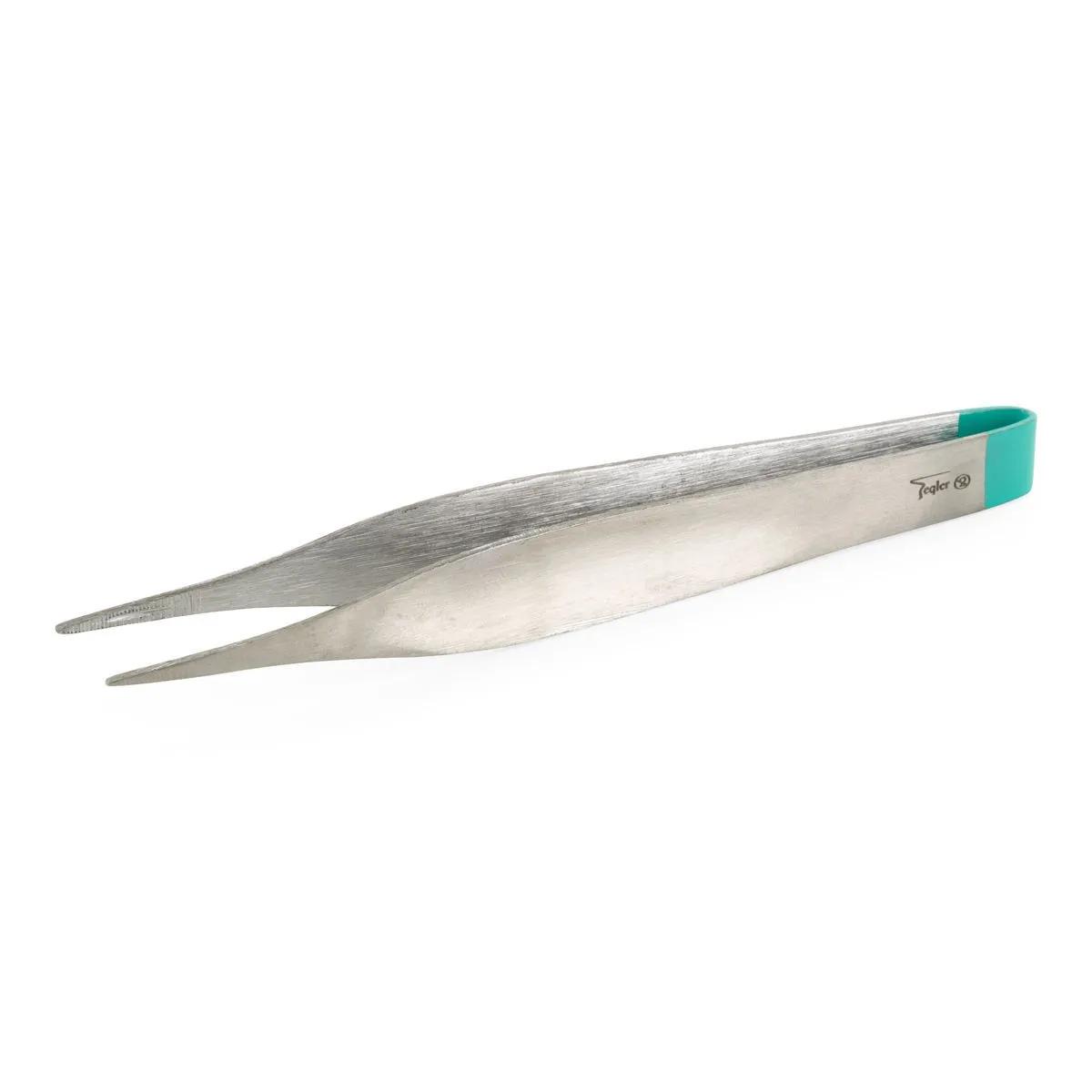
Teqler
Tweezers

Mushroom growing supplies cover everything you need to take a cultivation project from spore to harvest — substrate, spawn, humidity tools, sterilisation gear, and grow containers. Whether you're setting up your first fruiting chamber or scaling up a serious home operation, Azarius has stocked growers since 1999. Browse the full range below.
Mushroom Growing Supplies — Complete Buying Guide
The right supplies are what separate a successful flush from a bag of green mould. Growing mushrooms at home is genuinely straightforward once you understand what each component does — but cutting corners on any one of them tends to cost you the whole batch. We've seen it happen more times than we can count.
This guide covers the six supply categories you actually need, what to look for in each, and where first-time growers most often go wrong. If you're just getting started, read the buying guide section before you order anything — the order in which you set things up matters.
The Six Supply Categories You Need
- Mushroom spawn — The colonised grain or sawdust that carries your mycelium. Rye grain spawn is the most forgiving for beginners; wheat bran spawn works well for wood-loving species. Buy from a reputable supplier and use it within the printed window — old spawn contaminates faster.
- Substrate — What your mycelium eats and fruits from. Bulk substrates like coco coir, vermiculite, and pasteurised straw suit most Psilocybe cubensis grows. Hardwood pellets or supplemented sawdust are the go-to for oyster mushrooms and other gourmet species.
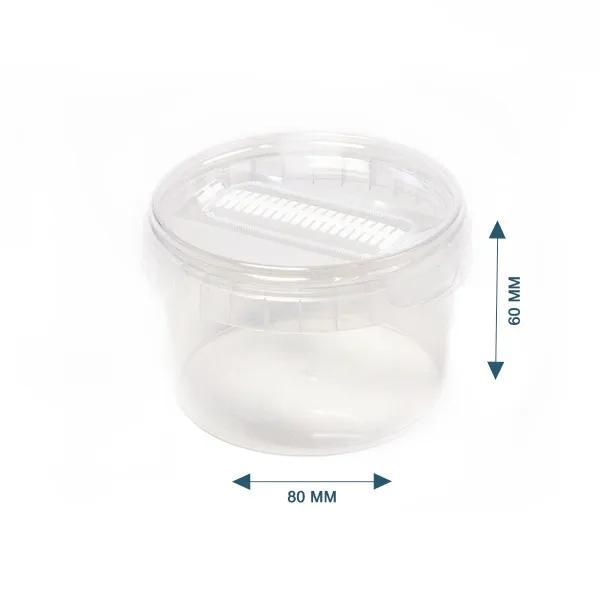
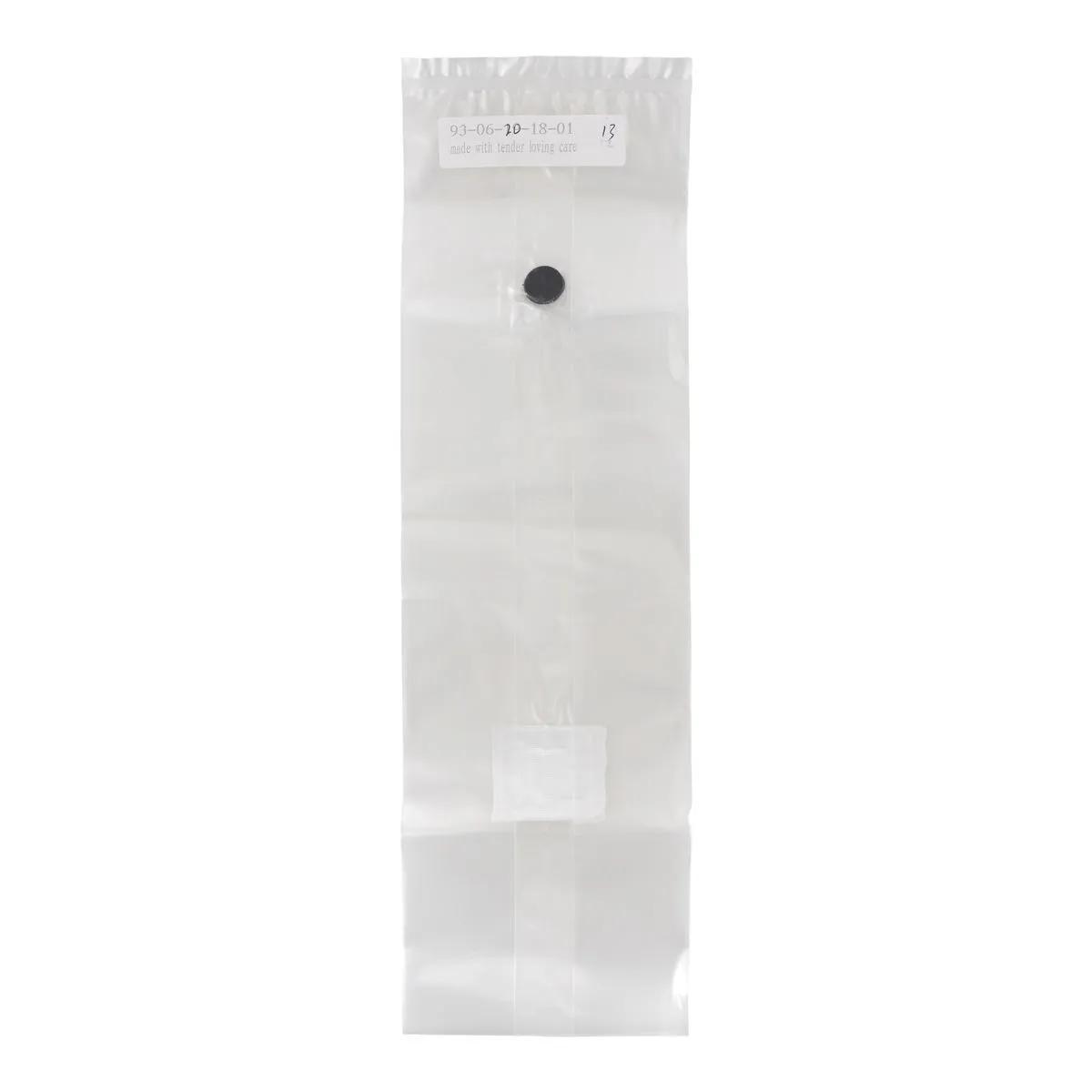
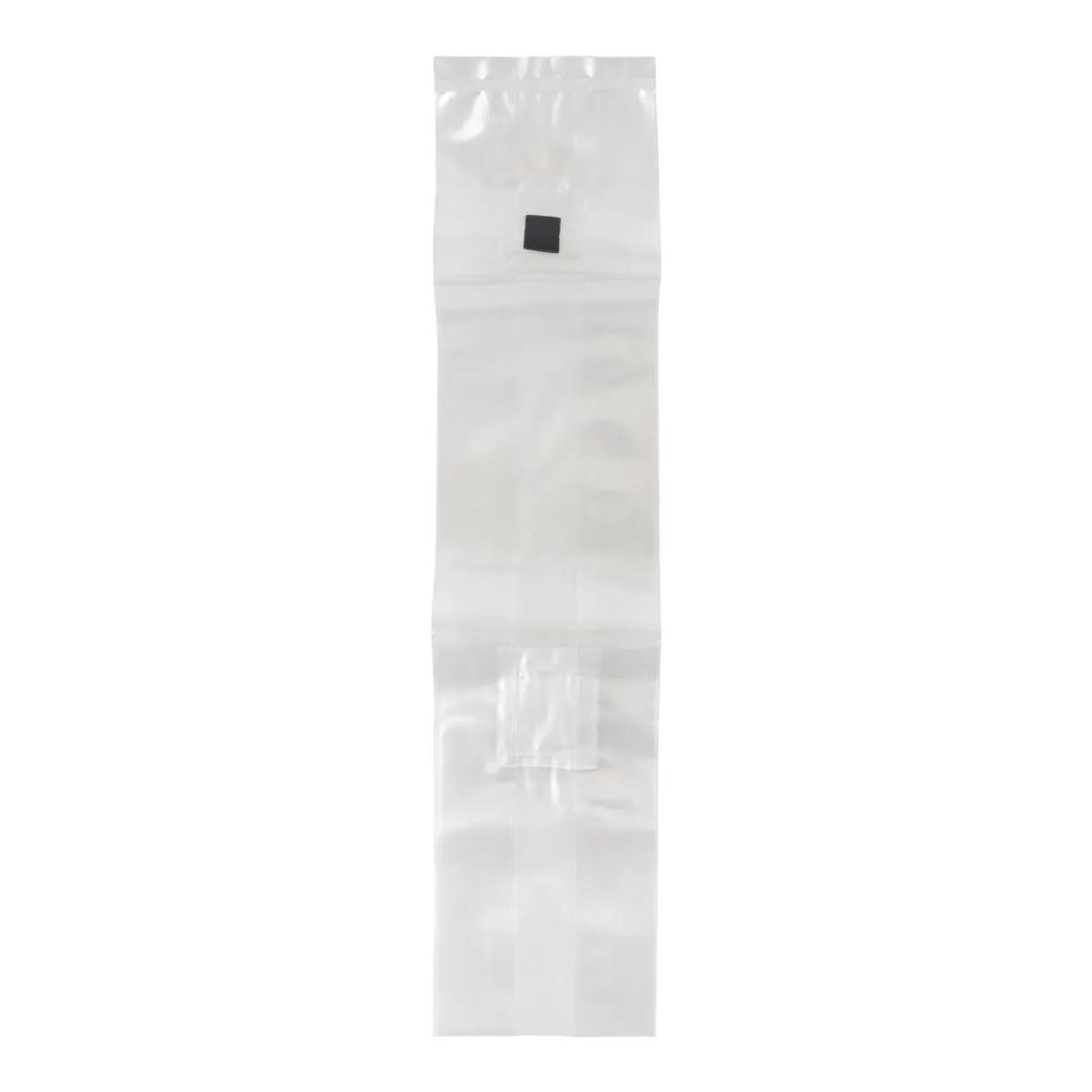
- Grow bags or containers — Polypropylene grow bags with filter patches are the standard for sterilisable grain and bulk substrate. Monotub-style containers work well for no-fuss bulk grows. The filter patch is not optional — it's how your mycelium breathes without letting contaminants in.
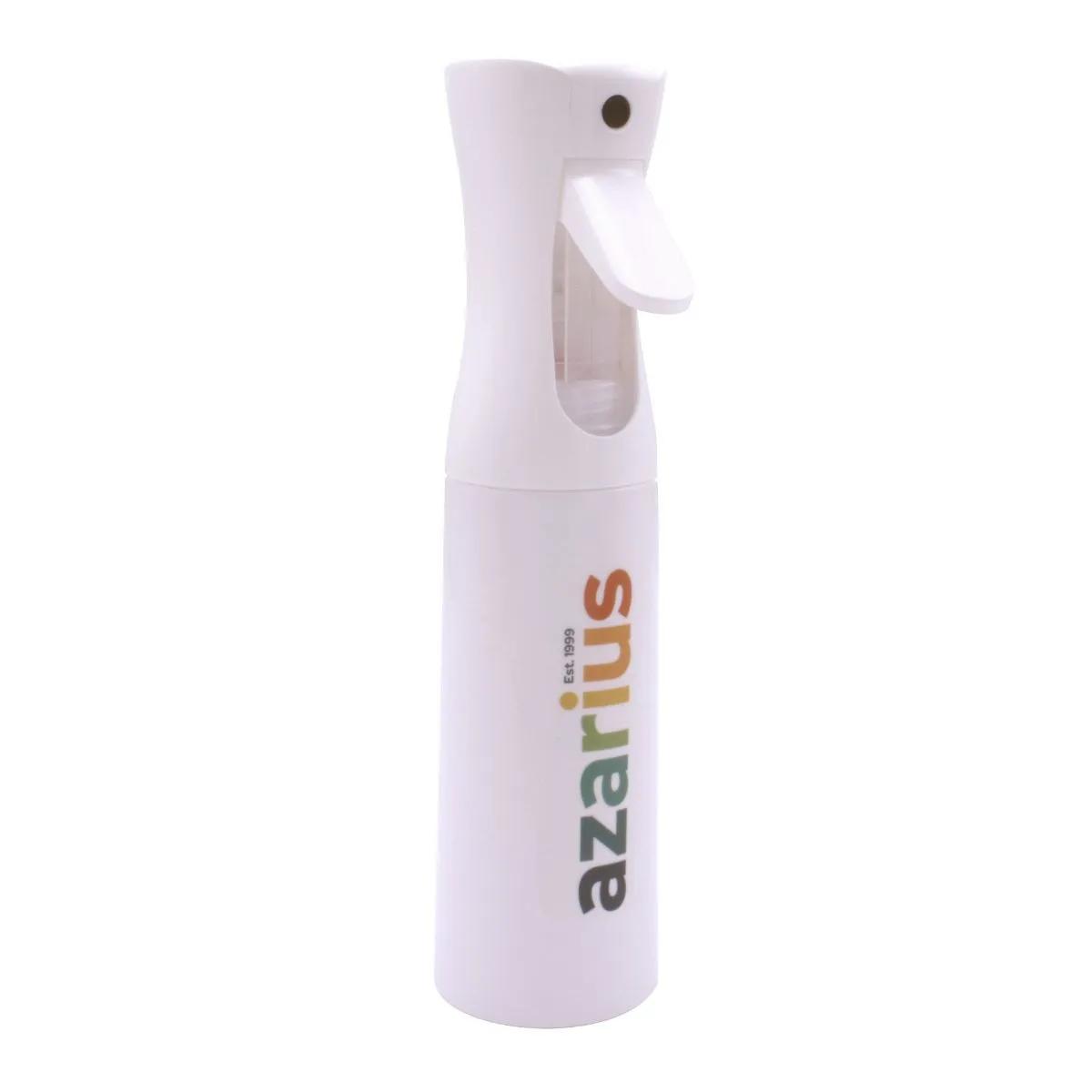
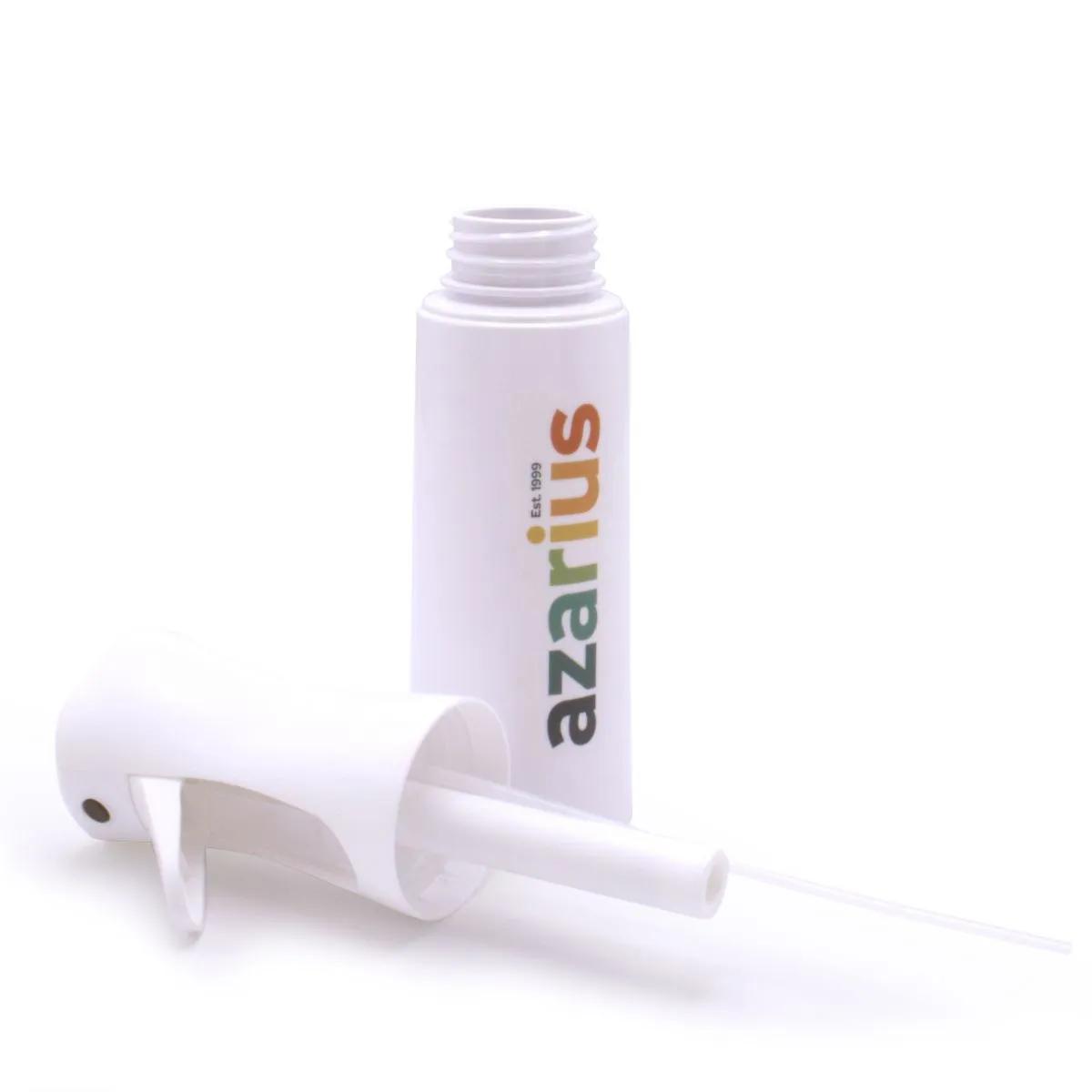
- Humidity control tools — Mushrooms fruit in 80–95% relative humidity. A hygrometer tells you where you are; a spray bottle or ultrasonic humidifier gets you there. Without consistent humidity, pins either never form or abort before they're worth harvesting.
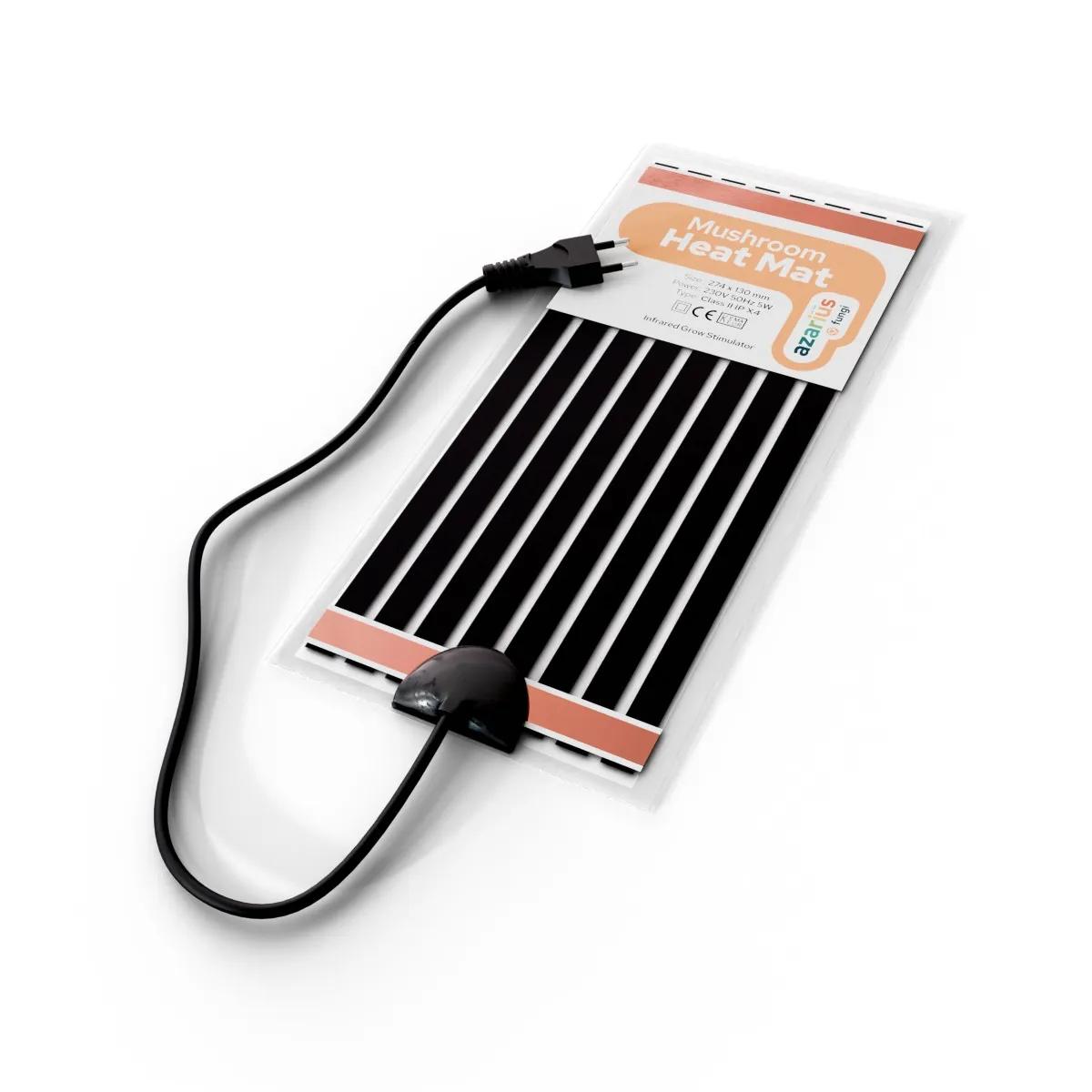
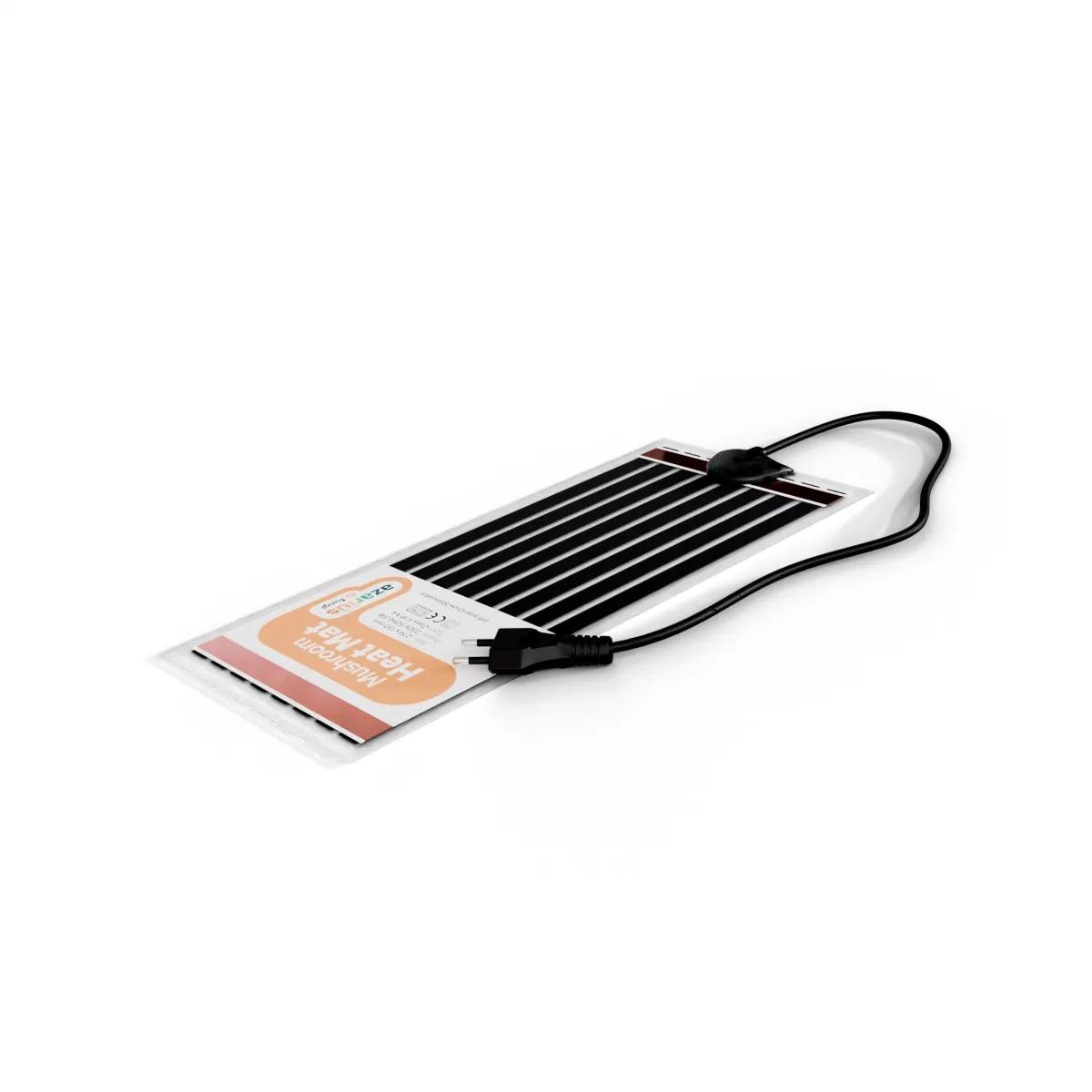
- Temperature control — Colonisation typically runs best at 24–28°C; fruiting drops to 18–24°C depending on species. A seedling heat mat with a thermostat is the cheapest way to hold colonisation temps in a cold room. Don't skip the thermostat — heat mats without one cook grain.
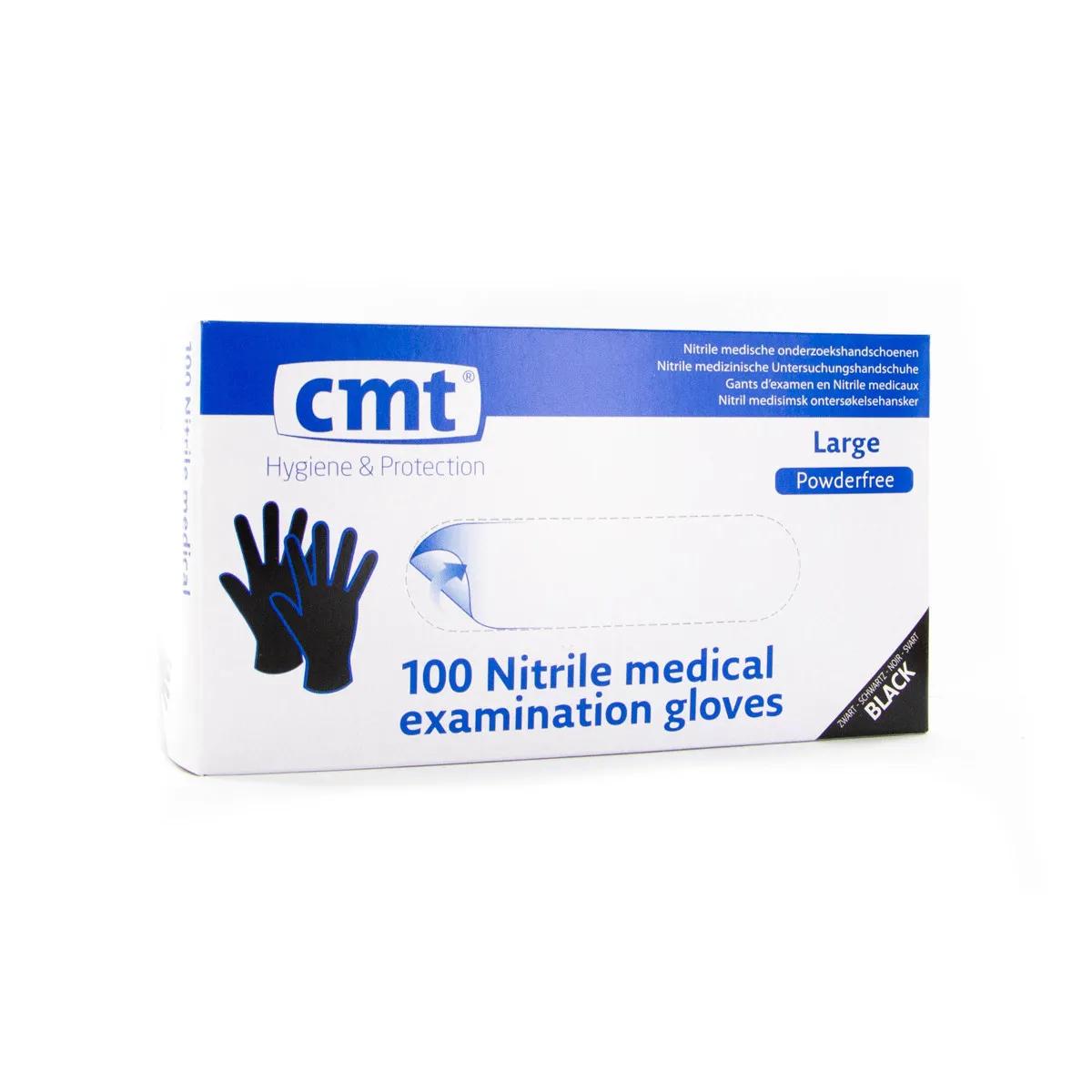
- Sterilisation supplies — A pressure cooker capable of reaching 15 PSI is the non-negotiable piece of kit for grain sterilisation. Isopropyl alcohol (70%), latex gloves, and a still-air box or flow hood round out your contamination-prevention toolkit. One ungloved hand near open grain jars can wipe out an entire batch.
How to Choose Your Mushroom Growing Supplies
If you're new to cultivation, the single most common mistake is buying too much at once. Start with a complete grow kit — fully colonised substrate included — and get one flush under your belt before you invest in bulk supplies or sterilisation equipment. Grow kits remove the substrate prep and spawn inoculation steps entirely, which are exactly where beginners lose batches to contamination. Once you've harvested once and understand what healthy mycelium looks and smells like, you're ready to step up.
Intermediate growers who want to move beyond kits should buy supplies in this order: pressure cooker first, then grain bags, then bulk substrate materials. The pressure cooker is the bottleneck — everything else is cheap and replaceable, but without reliable sterilisation you're just gambling on each batch. A 23-litre pressure cooker handles six to eight 1-litre grain jars per run, which is a sensible batch size while you're still dialling in your technique. When you're consistently hitting clean colonisation rates above 90%, that's the point to start thinking about a still-air box or a flow hood for more ambitious projects.
Experienced growers scaling up should look at bulk substrate options — pasteurised straw bales, supplemented hardwood blocks, and large-format grow bags — alongside environmental controls like inkbird temperature controllers and ultrasonic foggers on timers. At that stage the variables you're managing are temperature differentials, CO₂ levels, and fresh air exchange rates, not just humidity. Get a decent hygrometer with a logging function so you can actually see what's happening inside your fruiting chamber over 24 hours.
Frequently Asked Questions
What mushroom growing supplies do I need as a complete beginner?
Start with a fully colonised grow kit — it comes with substrate already prepared, so you skip the sterilisation and inoculation steps entirely. Add a spray bottle for humidity and a hygrometer to monitor it. That's genuinely all you need for a first flush. Buy the pressure cooker and grain bags once you've harvested successfully and want to move to bulk cultivation.
Do I need a pressure cooker to grow mushrooms at home?
Not for grow kits — they come pre-sterilised. You need a pressure cooker the moment you start preparing your own grain spawn or bulk substrate from scratch. Boiling alone doesn't reach the temperature needed to kill thermophilic bacteria in grain. A pressure cooker hitting 15 PSI for 90 minutes is the standard, and it's not something you can reliably shortcut.
What substrate works best for Psilocybe cubensis?
Coco coir mixed with vermiculite at a roughly 50/50 ratio by volume is the most reliable bulk substrate for cubensis — it pasteurises easily, holds moisture well, and has a contamination rate low enough that you don't need to sterilise it, just pasteurise it at around 80°C for an hour. Brown rice flour and vermiculite (BRF) works well for smaller grain jars.
How do I maintain humidity in a fruiting chamber?
Fan and fold twice daily — open the chamber, fan for 30 seconds to exchange CO₂, mist the walls lightly, close it up. This keeps relative humidity in the 85–95% range without waterlogging the substrate. If you want to automate it, an ultrasonic humidifier on a timer with an inkbird humidity controller is the cleanest setup. Don't mist directly onto pins — it causes blotching.
What temperature do mushrooms need to colonise and fruit?
Psilocybe cubensis colonises best at 24–28°C and fruits at 18–24°C. A seedling heat mat with a thermostat controller handles colonisation in cold rooms. Drop the temperature by 4–6°C when you're ready to trigger pinning — that temperature shift, combined with increased fresh air exchange, is often what initiates the first flush.
Last updated: April 2026
Medical disclaimer. This content is for informational purposes only and does not constitute medical advice. Consult a qualified healthcare provider before use of any substance.