
Buy more, pay less
We'll only email you about this product — no marketing.
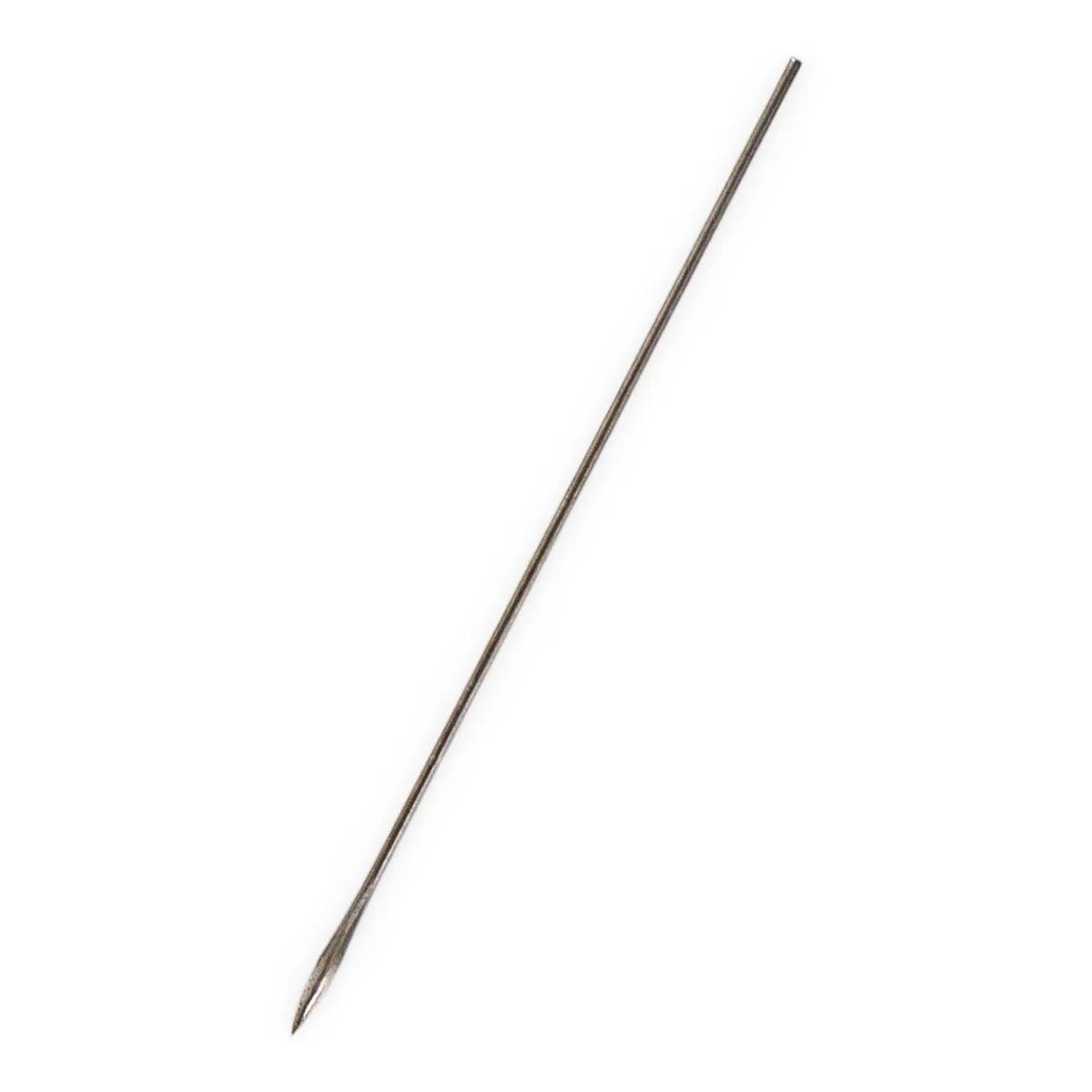
Inoculation Lancet for Mushroom Cultivation
An inoculation lancet is a precision stainless steel tool that lets you scrape spores from mushroom caps and transfer them cleanly onto agar plates. If you're working with spore prints, isolating genetics, or moving mycelium between dishes, this 50mm lancet gives you the fine-tipped control that bulky scalpels and improvised tools simply can't match. It's one of those bits of kit that costs next to nothing but saves you from contaminating an entire batch.
| Spec | Value |
|---|---|
| Blade length | 50mm |
| Primary use | Spore scraping and agar plate transfers |
| Secondary use | Mycelium transfer between dishes |
| Material | Stainless steel |
| SKU | SH0126 |
Pair this inoculation lancet with pre-poured agar plates and a still air box for a proper isolation setup. If you're starting from scratch, a mushroom grow kit gives you colonised substrate ready to fruit — no agar work needed — but once you want to select your strongest genetics, the lancet becomes your most-used tool on the bench.
Why You Need an Inoculation Lancet
We've watched people try to do agar work with kitchen knives, craft scalpels, even bent paperclips. It usually ends the same way: a contaminated plate and a week of waiting wasted. The problem isn't skill — it's the wrong tool. A kitchen knife is too wide to take a targeted scrape from a spore print without dragging half the print with it. A craft scalpel blade flexes under light pressure, so you overshoot. And a paperclip? Don't get us started.
The inoculation lancet has a rigid, narrow 50mm tip that lets you work in millimetres. You can isolate a single section of a spore print, lift a tiny wedge of colonised agar, or scrape the surface of a cap without crushing the tissue underneath. That precision matters because every unnecessary movement near an open plate is another chance for airborne contaminants to land. Faster work means less exposure time, and less exposure time means cleaner cultures.
The honest limitation: this is a manual, non-disposable tool. You need to flame-sterilise it between every single transfer — hold the tip in an alcohol lamp or lighter flame until it glows red, then let it cool for 10-15 seconds before touching any biological material. Skip that step and you're just spreading contamination with a fancier instrument. The steel holds up well to repeated flaming, but treat it like what it is: a surgical tool, not a butter knife.
How to Use Your Inoculation Lancet
- Set up your workspace. Work in a still air box or in front of a laminar flow hood. Wipe all surfaces with 70% isopropyl alcohol. Have your agar plates, spore prints, and alcohol lamp within arm's reach before you open anything.
- Sterilise the lancet. Hold the 50mm tip in the flame of your alcohol lamp until it glows orange-red. This takes roughly 5-8 seconds. Let it cool for 10-15 seconds — touching hot steel to agar will kill the very spores or mycelium you're trying to transfer.
- Scrape the spore print. Gently drag the cooled lancet tip across the surface of your spore print. You only need a thin, barely visible layer of spores on the tip. Less is more — a heavy deposit can actually slow colonisation because the spores compete for nutrients.
- Inoculate the agar plate. Lift the lid of your agar plate just enough to insert the lancet. Lightly streak the tip across the agar surface in a zigzag pattern. Replace the lid immediately. The entire plate should be open for no more than 3-5 seconds.
- For mycelium transfers, use the lancet tip to cut a small wedge (roughly 5mm x 5mm) from the leading edge of healthy mycelium growth on a colonised plate. The leading edge — the outermost white growth — is where the fastest, most vigorous mycelium lives. Transfer that wedge to the centre of a fresh agar plate.
- Re-sterilise between every transfer. Every. Single. One. Even if you're transferring from the same source plate to multiple destinations, flame the lancet between each plate. One lazy skip can cross-contaminate your entire batch.
- Label everything. Date, strain name, transfer generation number. You'll forget within 48 hours otherwise — we've seen it hundreds of times.
Related products
Medical disclaimer. This content is for informational purposes only and does not constitute medical advice. Consult a qualified healthcare provider before use of any substance.