
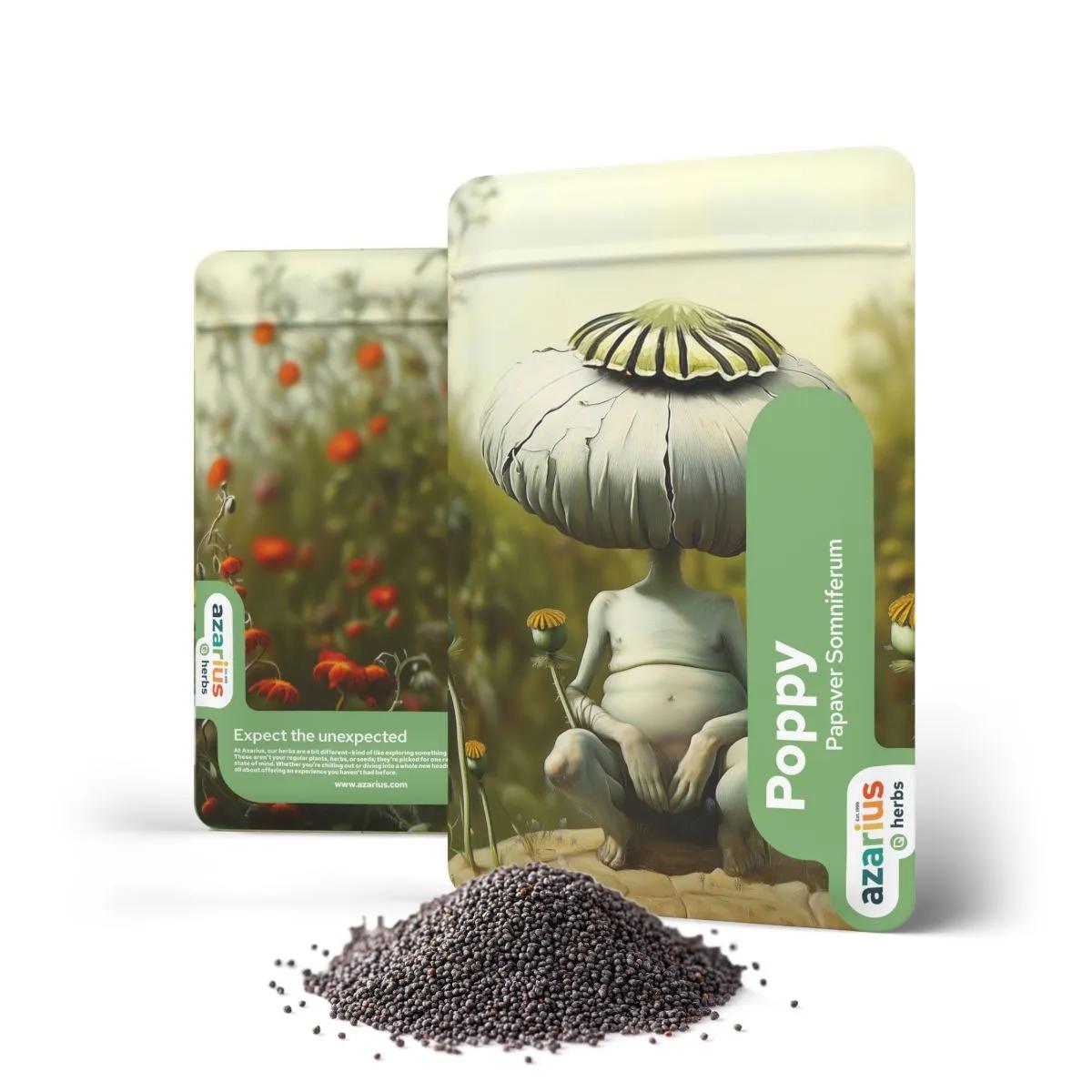
Poppy seeds
Seeds (5g)
by Azarius
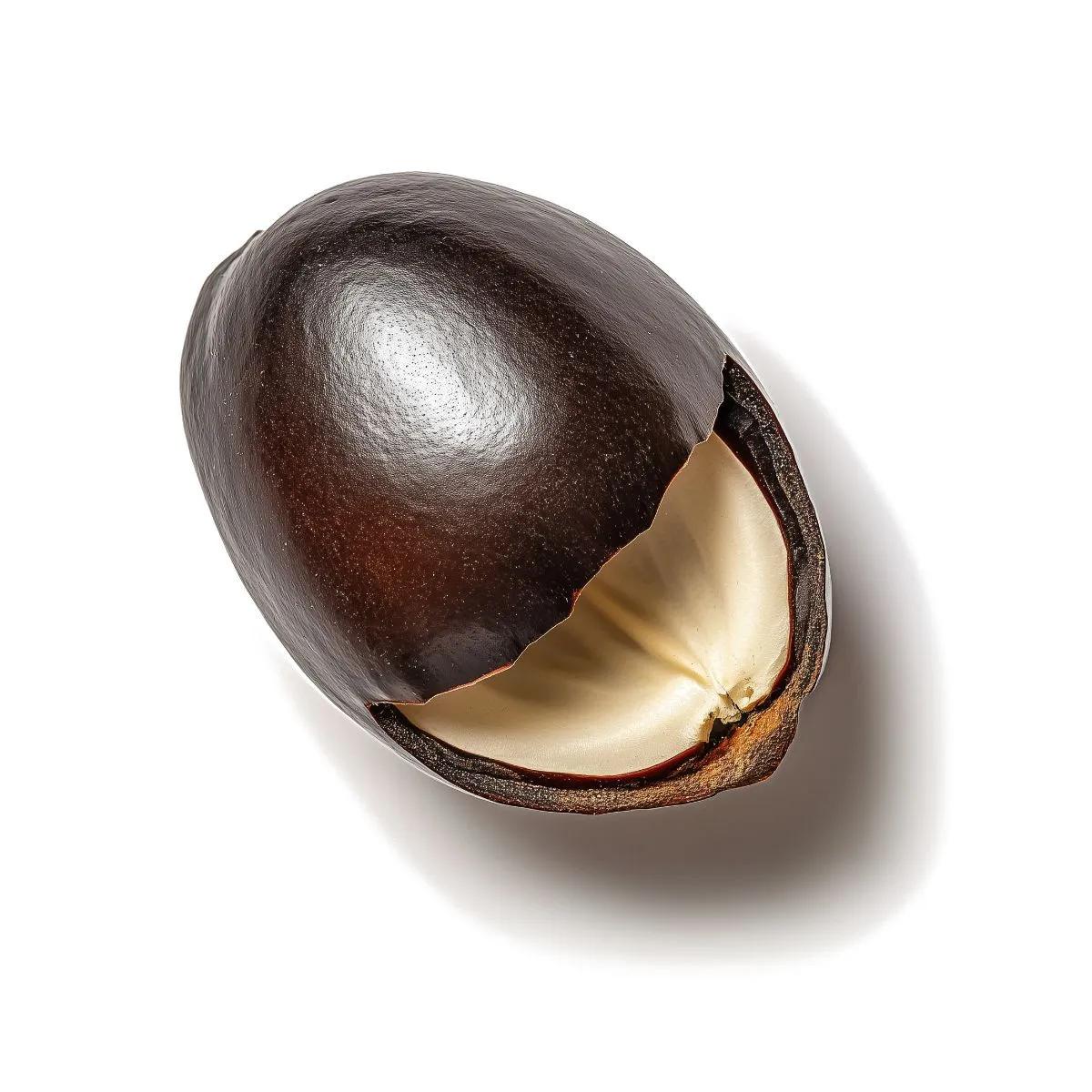
Poppy Seeds — Grow a Self-Seeding Papaver Somniferum Colony from One Packet
Poppy seeds are untreated, 100% natural seeds of Papaver somniferum that germinate in 10–14 days and produce large, papery flowers within 60–90 days. The Sumerians were growing this exact species over 5,000 years ago — they called it hul gil, the joy plant. We've stocked these poppy seeds since the early days of the shop, and two decades of customer feedback says the same thing: people are genuinely surprised how little effort goes in and how dramatic the results look. One packet, a patch of soil, and some patience. That's the entire commitment.
Why These Poppy Seeds Stop People Mid-Walk
Poppy flowers are the kind of plant that genuinely makes someone pause on the pavement. The blooms open to 10–12 cm across — sometimes wider — and when the sun hits them, the petals go almost translucent. You can see the veins running through each one like stained glass. They come up in shades of purple, white, pink, and red, and a single plant can produce hundreds of seeds inside its pod. That means one sowing gets you a colony that self-seeds and returns year after year without you lifting a finger.
From a pollinator standpoint, they're brilliant. Poppies attract bees, hoverflies, and butterflies better than almost anything else in a typical European flower bed. If you've been meaning to do something for the local wildlife, scattering a handful of poppy seeds across bare soil in early spring is about the lowest-effort, highest-reward move you can make. The flowers themselves last a few days each, but a healthy patch staggers its blooming so you get colour for weeks.
What Makes Papaver Somniferum Different from Other Poppies
Papaver somniferum is the species that humans have cultivated longer than almost any other ornamental plant. According to research published in PMC, the poppy has been cultivated as a garden and ornamental crop in Europe since the Middle Ages, used in the food industry for its unmistakable taste and nutritional profile (PMC, 2025). These aren't the small, scrappy field poppies you see on roadsides — somniferum produces substantially larger blooms, thicker stems, and those distinctive bulbous seed pods that look almost architectural once the petals drop.
The seed pods themselves are worth growing for. Once dried, they hold their shape beautifully in flower arrangements — grey-green, geometric, and about the size of a small egg. Florists charge a surprising amount for dried poppy pods. You'll have dozens of them by midsummer.
| Specification | Detail |
|---|---|
| Species | Papaver somniferum |
| Seed treatment | None — 100% natural, untreated |
| Germination time | 10–14 days |
| Time to flower | 60–90 days from sowing |
| Bloom diameter | 10–12 cm (sometimes larger) |
| Flower colours | Purple, white, pink, red |
| Life cycle | Annual, self-seeding |
| Sowing season | Early spring (direct sow) |
| Best soil | Well-drained, full sun to partial shade |
| Historical cultivation | 5,000+ years (Sumerian origin) |
How to Sow Poppy Seeds
These poppy seeds need almost nothing from you — no pre-soaking, no stratification, no seed trays. Direct sowing outdoors works best, and the whole process takes about five minutes.
- Wait until early spring, after the last hard frost. Soil temperature should be around 10°C or above — poppy seeds actually germinate better in cool conditions than in summer heat.
- Choose a spot with full sun or light partial shade. Poppies tolerate poor soil surprisingly well, but they don't like waterlogged ground. If your patch drains, you're fine.
- Scatter the seeds directly onto the soil surface. Don't bury them — poppy seeds need light to germinate. Just press them gently into the soil with your palm or the back of a rake.
- Water lightly. Keep the soil moist (not soaked) for the first 10–14 days until you see tiny green seedlings appear.
- Thin the seedlings to about 15–20 cm apart once they're a few centimetres tall. This gives each plant room to develop a proper root system and produce larger blooms.
- From here, do almost nothing. Poppies are drought-tolerant once established. Overwatering is the most common way to kill them.
- Let the seed pods dry on the plant after flowering. Once they rattle when you shake them, the seeds are ready to self-sow — or you can collect them and scatter them somewhere new.
Nutritional and Botanical Background
Poppy seeds have been a food staple across Central Europe, the Middle East, and South Asia for millennia. According to research published in PMC, nutritional characterisation of poppy seeds shows they contain notable levels of amino acids — the total amounts in some analyses exceeded those found in sesame seeds (PMC, 2022). They're rich in calcium, iron, and manganese, and the oil content runs around 40–50% by weight, predominantly unsaturated fatty acids.
According to Healthline, poppyseed oil may help lower risk of heart disease, and may also support wound healing, though more research is needed (Healthline, 2023). The culinary tradition is huge — think Polish makowiec, Austrian Mohnstrudel, or Indian posto curries. The seeds from your garden are the same species used in all of these.
| Nutritional Component | Detail |
|---|---|
| Oil content | 40–50% (mostly unsaturated fatty acids) |
| Key minerals | Calcium, iron, manganese, zinc |
| Amino acid profile | Higher total AA than sesame in some analyses (PMC, 2022) |
| Culinary use | Baking, pastries, curries, oil pressing |
| Historical food use | 5,000+ years across multiple civilisations |
Safety Notes
According to WebMD, foods containing up to about 50 grams of poppy seed can be eaten safely (WebMD, 2024). It's also worth knowing that poppy seeds can cause positive results on drug tests — according to Healthline, though poppy seeds go through thorough cleaning before being processed for consumer use, they may still contain trace amounts of opiates on the outer surface (Healthline, 2023). If you're subject to workplace testing, keep that in mind when using the seeds in cooking.
According to a case study published in PMC, poppy seed tea (made by soaking seeds in water) may be addictive and precipitate withdrawal symptoms requiring medical management (PMC, 2019). We stock these as garden seeds, and that's how most of our customers use them — but we'd rather you had the full picture than not.
Building a pollinator-friendly garden? Pair these poppy seeds with our Morning Glory seeds for a mix of ground-level colour and climbing vines. If you're after a complete ornamental setup, our Hawaiian Baby Woodrose seeds produce striking foliage that fills the gaps between poppy blooms nicely.
Poppy Seeds Compared to Other Ornamental Seeds
If you're choosing between a few different ornamental seeds from our catalogue, here's the honest breakdown. Poppy seeds are the best option for dramatic, large-scale blooms with almost zero maintenance. Morning Glory gives you vertical coverage — climbers that scramble up fences and trellises — but they need something to climb. Hawaiian Baby Woodrose is more of a foliage plant with interesting seed pods. For pure "stop-and-stare" flower power in a European garden, Papaver somniferum wins every time. The self-seeding habit means your patch gets better each year without replanting, which is something most annuals simply don't do.
Frequently Asked Questions
How long do poppy seeds take to germinate?
Expect to see seedlings in 10–14 days when sown in early spring at soil temperatures around 10°C. Don't bury the seeds — they need light to germinate. Press them gently onto the surface and keep the soil moist.
Do poppy seeds need to be soaked before planting?
No. These untreated Papaver somniferum seeds don't require soaking, stratification, or any pre-treatment. Scatter them directly onto prepared soil in early spring and water lightly. That's it.
Will poppy seeds come back every year?
Yes. Papaver somniferum is a self-seeding annual. Each pod produces hundreds of seeds that drop into the surrounding soil. The following spring, new plants appear on their own. Many of our customers haven't re-sown in years.
Can I grow poppy seeds in pots on a balcony?
You can, but use the deepest pot available — at least 25–30 cm. Poppies develop a long taproot, and shallow containers stunt growth. Full sun is critical. Drainage holes are non-negotiable; waterlogged soil kills poppies faster than anything else.
What colours do Papaver somniferum flowers come in?
These seeds produce blooms in purple, white, pink, and red. The exact shade varies plant to plant, which is part of the appeal — a single sowing gives you a mixed display of colours across 10–12 cm blooms.
Are poppy seeds safe to eat?
According to WebMD, foods containing up to about 50 grams of poppy seed can be eaten safely. They're widely used in baking across Central Europe and South Asia. Be aware that even washed seeds may contain trace opiates that can show on drug tests (Healthline, 2023).
When is the best time to sow poppy seeds?
Early spring, after the last hard frost but while nights are still cool. Sowing too late — past mid-May in most of Europe — means summer heat stresses seedlings before they establish. Cool germination conditions produce stronger plants.
Last updated: April 2026
Related products
You might also like
Medical disclaimer. This content is for informational purposes only and does not constitute medical advice. Consult a qualified healthcare provider before use of any substance.