
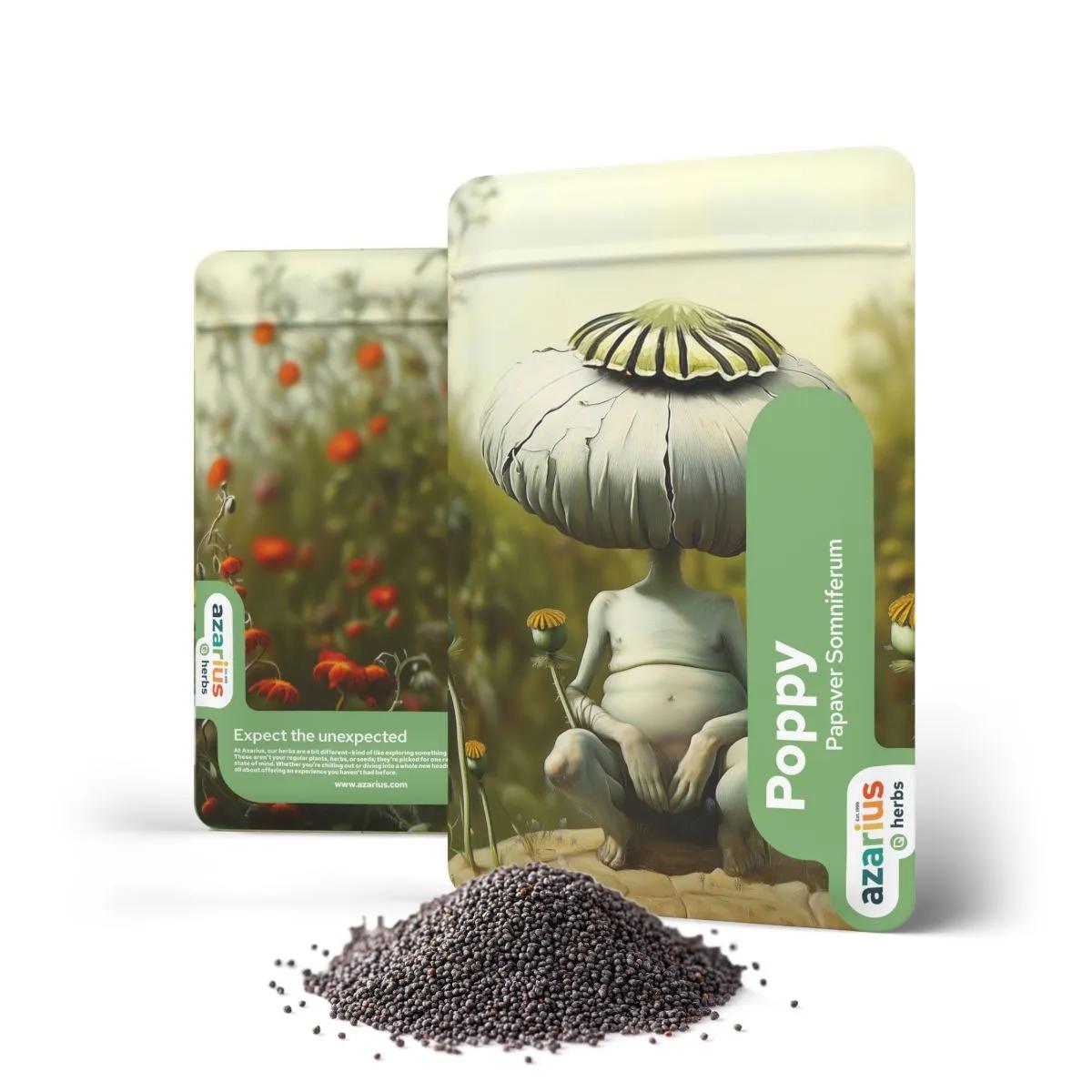
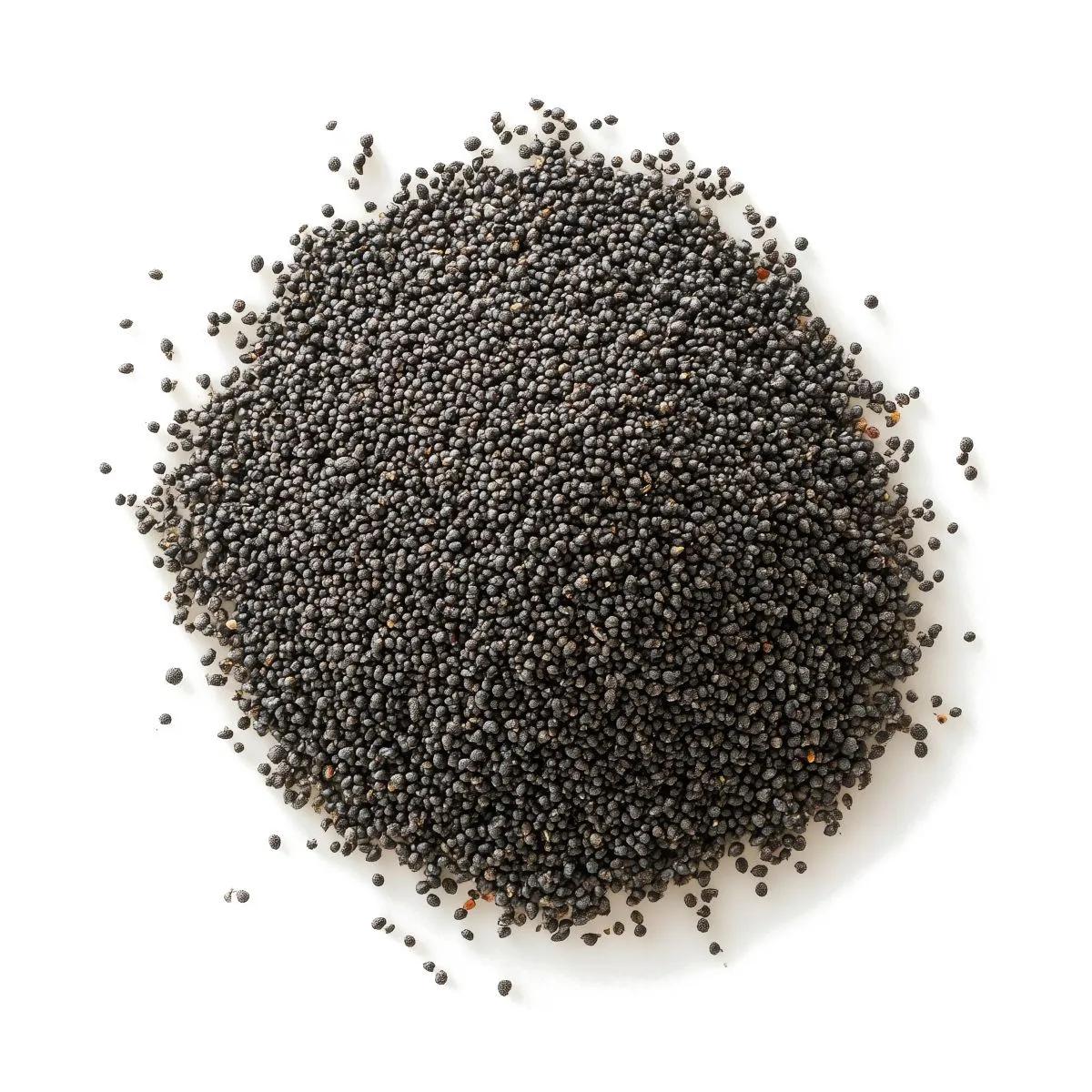
Poppy seeds — specifically untreated Papaver somniferum seeds for garden sowing — are the whole reason people end up with those towering, papery blooms and decorative seed pods you see in cottage gardens across Europe. Buy poppy seeds as live, viable garden stock and you're getting something different from the pasteurised baking poppy seeds at the supermarket. This is the ornamental gardening category, and we've been shipping seeds to EU growers since 1999.
Buy Poppy Seeds — Garden Sowing Guide
Poppy seeds for the garden are the untreated, viable form of Papaver somniferum sold for ornamental cultivation. The pasteurised seeds in your supermarket spice rack won't sprout — they've been heat-treated for food safety. Live garden seeds will. That's the whole distinction, and it's the reason this category exists separately from culinary poppy seed.
Papaver somniferum is one of the oldest cultivated ornamentals on the planet. Archaeological evidence from Neolithic sites in Switzerland puts poppy cultivation at roughly 6,000 years old, and the Sumerians called it the "joy plant" in cuneiform tablets dated to around 3400 BCE. Today it's grown across temperate Europe as a self-seeding annual — sow once, and if you let a few pods mature, you'll have volunteers popping up for years.
Our range in this category is small and focused: we stock a single packet of untreated Papaver somniferum seeds, suitable for direct sowing in well-drained garden soil. If you're after culinary seed for baking or a different poppy species (Papaver rhoeas, the Flanders poppy, or Papaver orientale, the Oriental perennial), that's a different shelf — and honestly, those are easier to find at a garden centre than from us.
Papaver somniferum vs other poppies
Worth knowing what you're actually ordering before you buy. The Papaver genus covers around 70 species, and the four you'll encounter most often behave very differently in the garden:
| Species | Type | Good for |
|---|---|---|
| Papaver somniferum | Hardy annual | Gardeners wanting large, papery blooms and decorative seed pods |
| Papaver rhoeas (Flanders) | Annual wildflower | Meadow plantings, red remembrance-style blooms |
| Papaver orientale | Perennial | Long-term border planting, comes back every year |
| Eschscholzia californica | Annual (different genus) | Dry, sunny spots with poor soil |
Somniferum is the one with the dramatic blue-green foliage, the fat seed pods, and the papery petals that drop within a day or two. It's a hardy annual, which means you sow it from seed every spring (or let it self-seed), rather than treating it as a perennial that returns from roots.
How to Choose and Sow
Start here if you've never grown poppies before: scatter the seed directly onto raked soil in early spring, press it down lightly, don't bury it. Poppy seed needs light to germinate, and it hates being transplanted — the taproot snaps. Thin the seedlings to about 20-30cm apart once they're up. Full sun, decent drainage, and otherwise leave them alone. They're drought-tolerant once established and actively prefer poor soil over rich compost, which is rare in a garden plant.
We get asked this every spring and the answer is always the same — direct sow, or don't grow them. The success rate with transplants is grim.
If you let a few pods dry on the plant and split open, you'll get hundreds of seeds per pod scattering themselves across the bed. That's how a single packet turns into a self-seeding colony that comes back year after year. Most gardeners find they only ever need to order the seed once.
Frequently Asked Questions
Can I sow supermarket poppy seeds and expect them to grow?
No. Culinary poppy seeds sold for baking are heat-treated for food safety, which kills viability. You need untreated garden seed. That's the whole reason gardeners order Papaver somniferum seed separately rather than raiding the spice rack.
When should I sow poppy seeds?
Early spring, as soon as the ground is workable. Some gardeners also sow in autumn for earlier blooms the following year — poppy seed tolerates cold stratification and often germinates better after a winter outdoors. Direct sow only; don't start in trays.
Will poppies come back every year?
Papaver somniferum is an annual — individual plants die after setting seed. But if you let the pods dry and shed, the seeds self-sow and you'll get volunteers the following spring. Functionally perennial in practice, biologically annual.
How long from sowing to flower?
Roughly 60-90 days from germination to first bloom, depending on temperature and light. Germination itself takes 10-14 days after sowing. Blooms are short-lived — a day or two per flower — but the plant keeps producing new buds for several weeks.
Last updated: April 2026