
Buy more, pay less
We'll only email you about this product — no marketing.
Cactus of the Four Winds — The Sacred Four-Ribbed Bolivian Torch
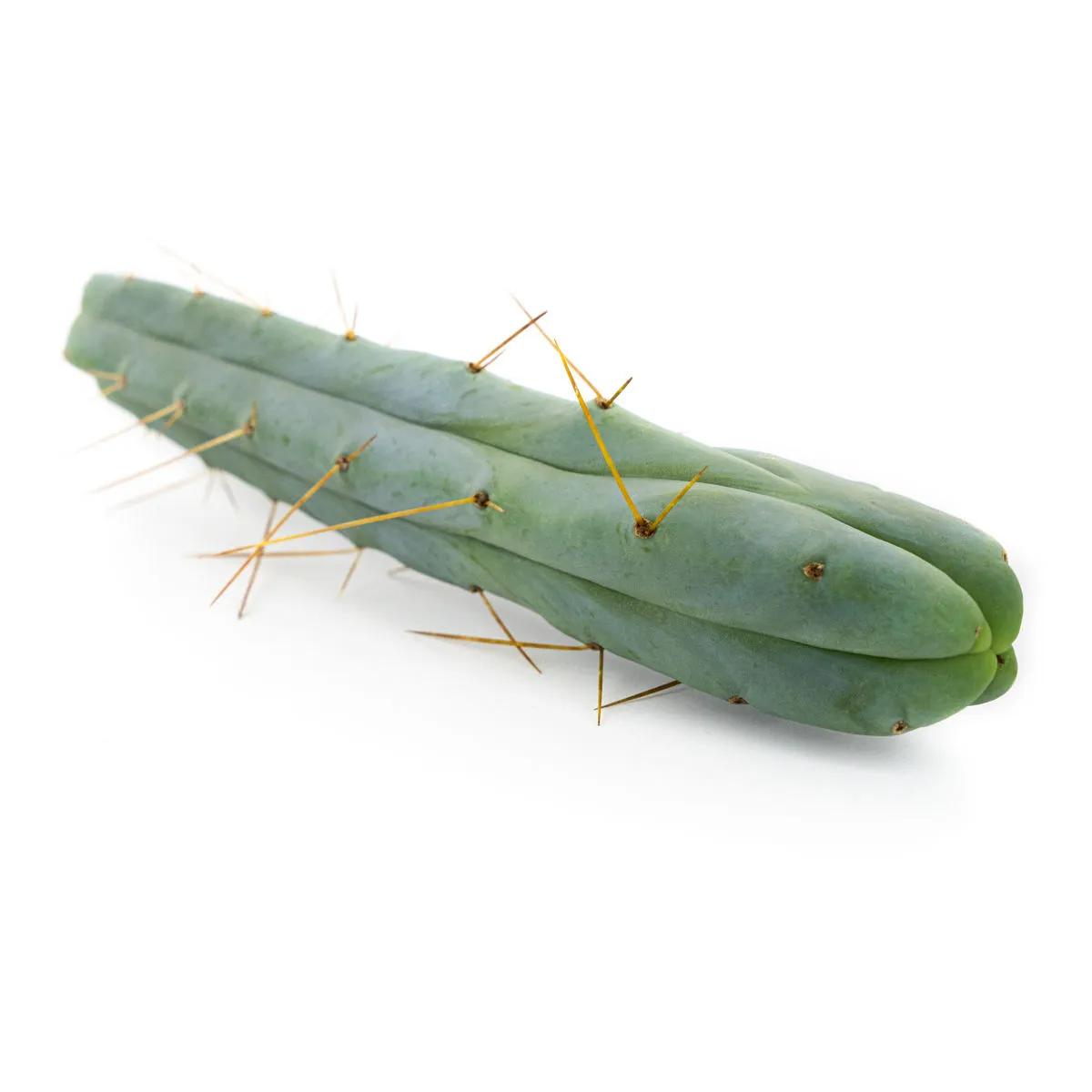
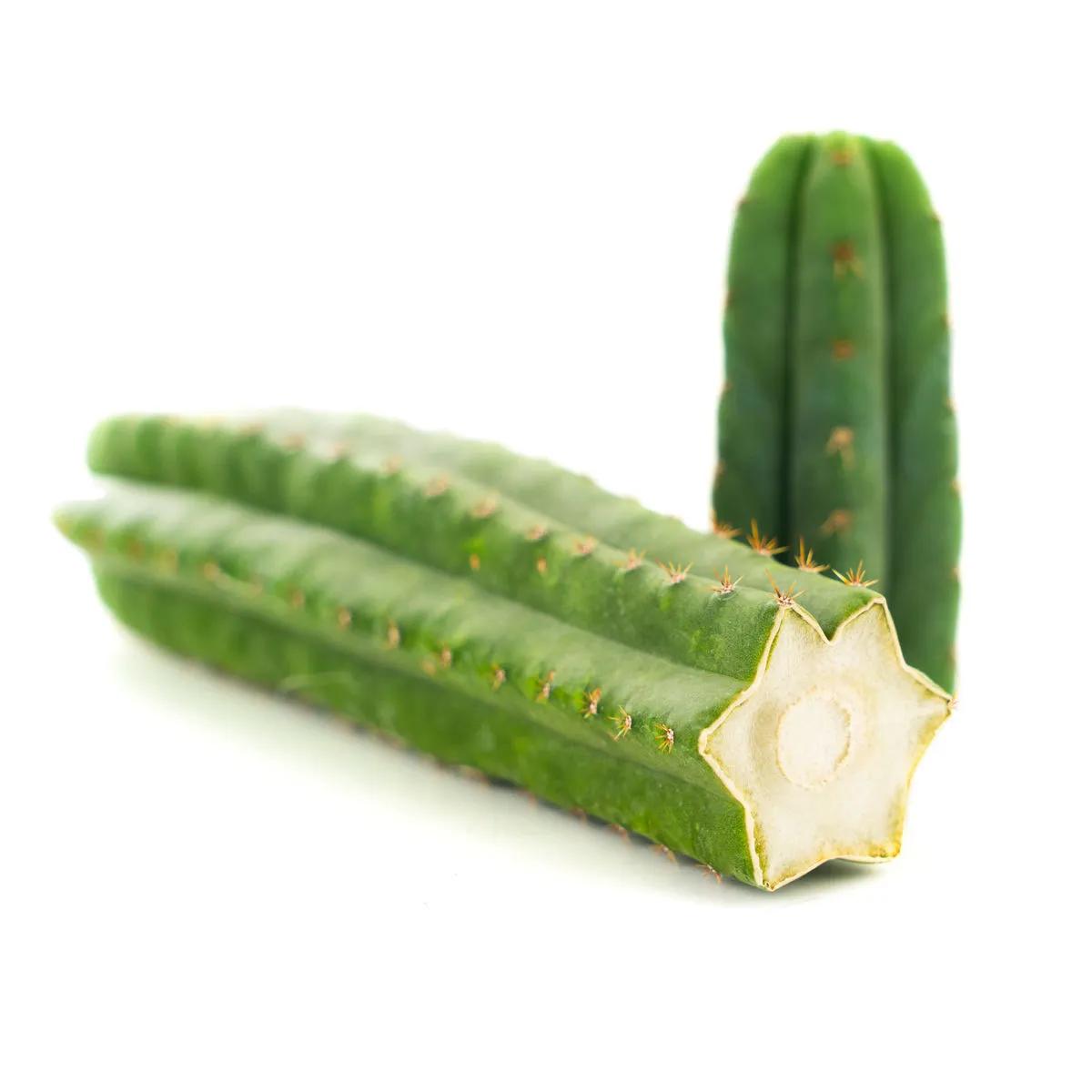
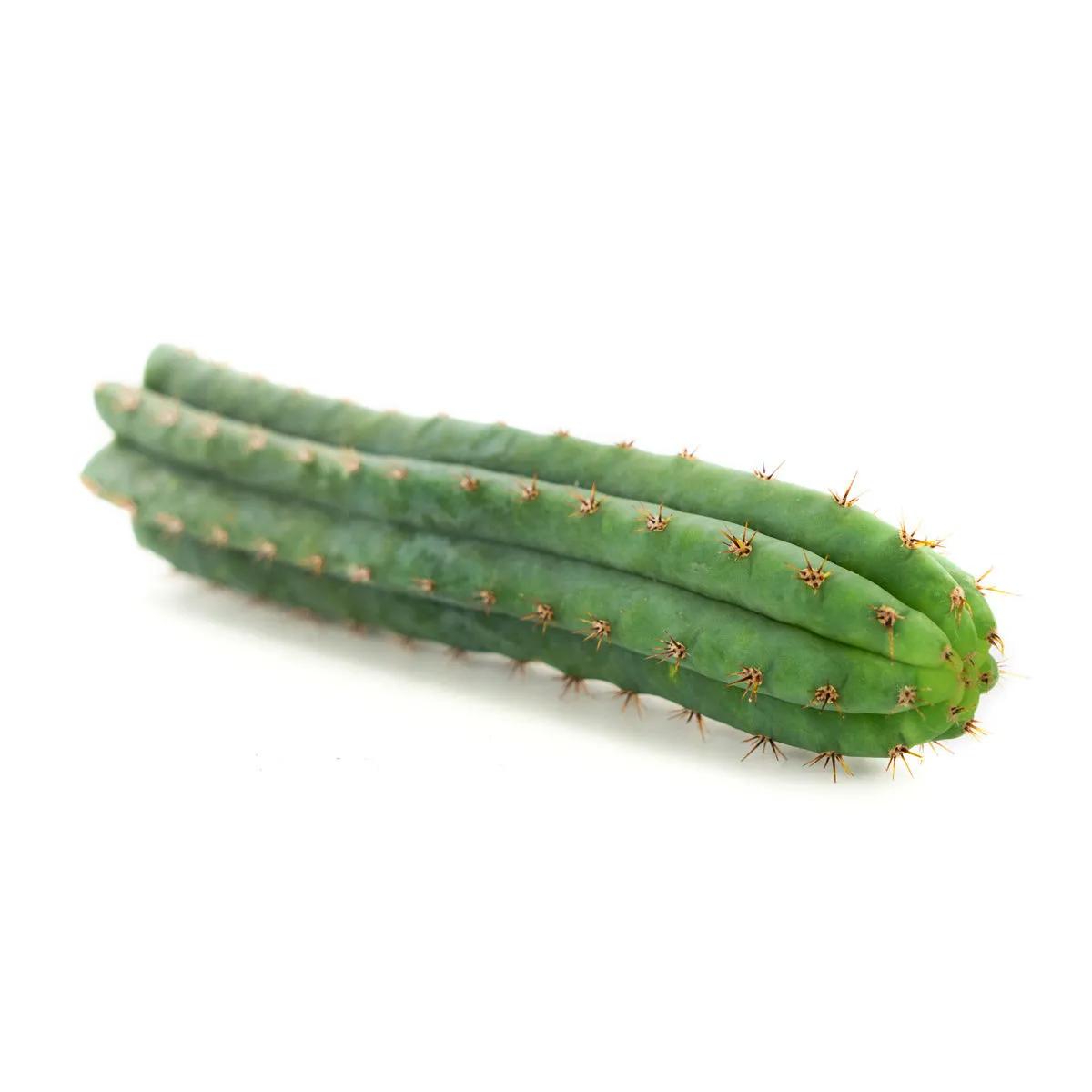
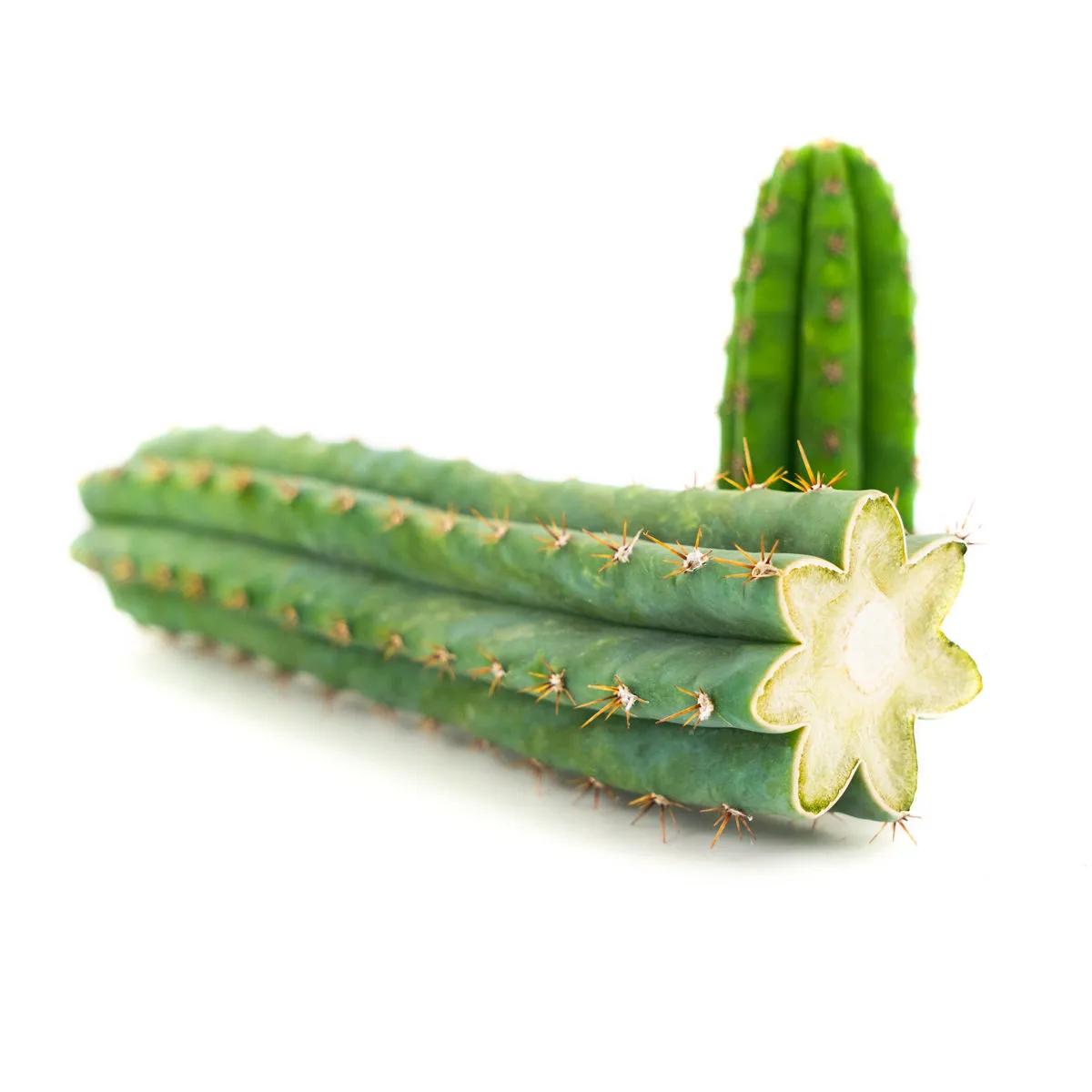
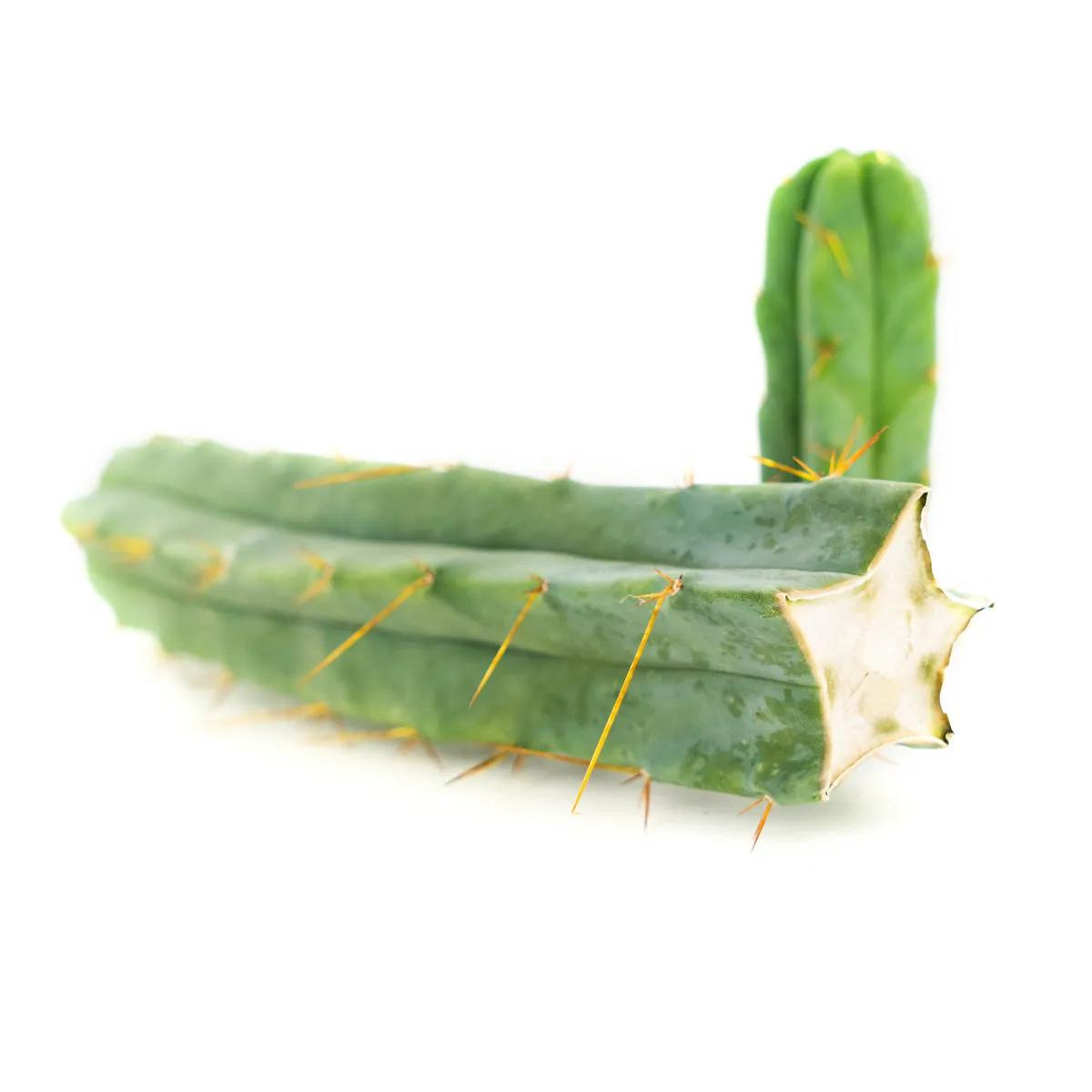
The Cactus of the Four Winds (Echinopsis lageniformis forma quadricostata) is an exceptionally rare four-ribbed variant of the Bolivian torch cactus, native to the mountains of Bolivia. Like finding a four-leaf clover in a field of thousands, stumbling across a naturally four-ribbed specimen is the kind of thing that made ancient Andean shamans sit up and take notice. The indigenous peoples of Bolivia call it Achuma or Wachuma, and according to their tradition, whoever finds one is either already a great shaman or destined to become one. We carry two sizes of healthy cuttings ready for home cultivation.
Which Size Cutting Should You Pick?
| Variant | Length | Best For |
|---|---|---|
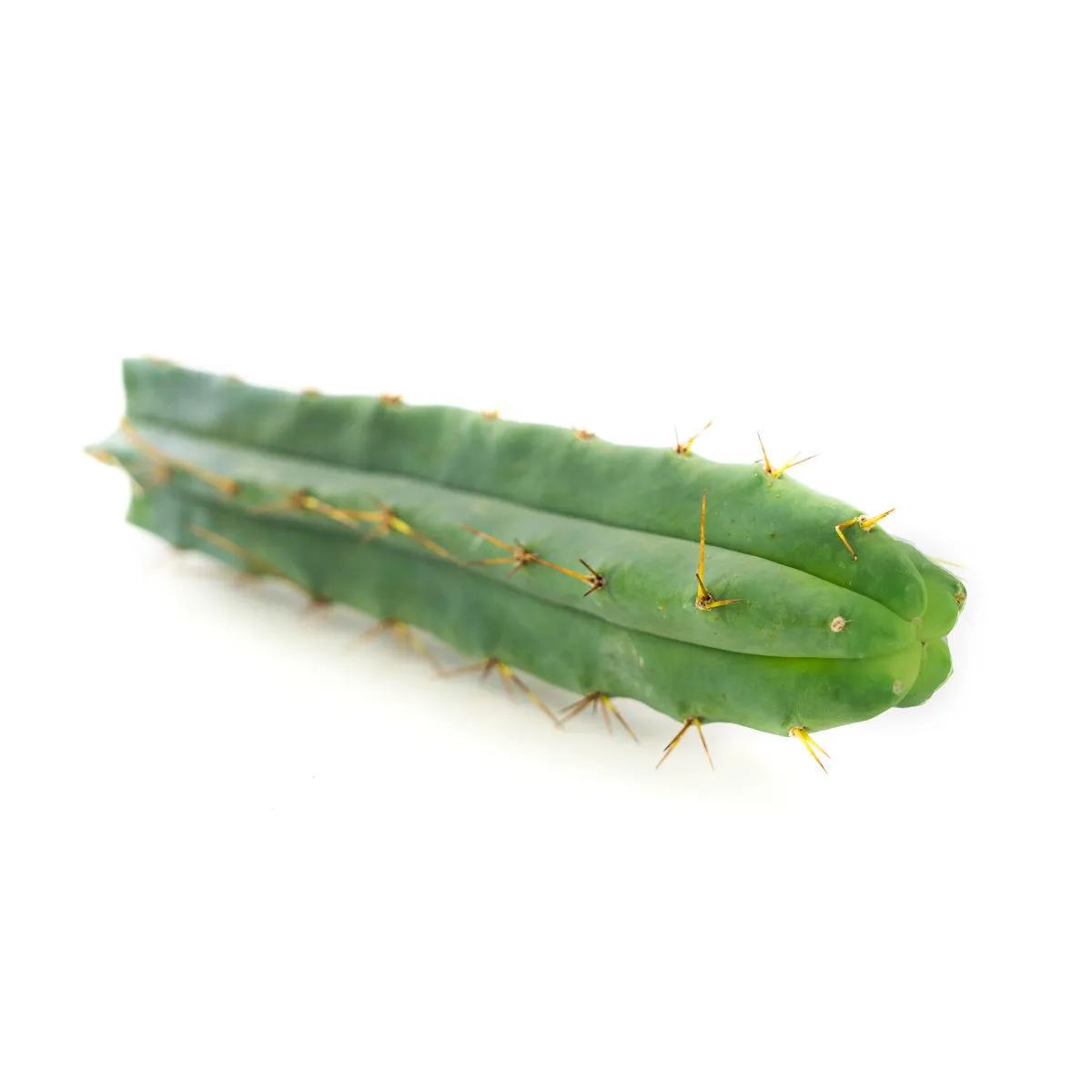
| Small (SM0065) | 10–11 cm | Starting a collection, limited windowsill space, or rooting your first cactus cutting |
| Medium (SM0066) | 25–30 cm | Faster establishment, more visible four-rib structure, stronger root development |
The medium cutting gives you a head start — more stored energy means quicker rooting and a sturdier plant within the first growing season. The small cutting is lighter on the wallet and still perfectly viable, but expect a longer wait before it really takes off. If you've never rooted a cactus before, the medium is more forgiving of minor mistakes.
Why the Four Ribs Matter — Cactus of the Four Winds Symbolism
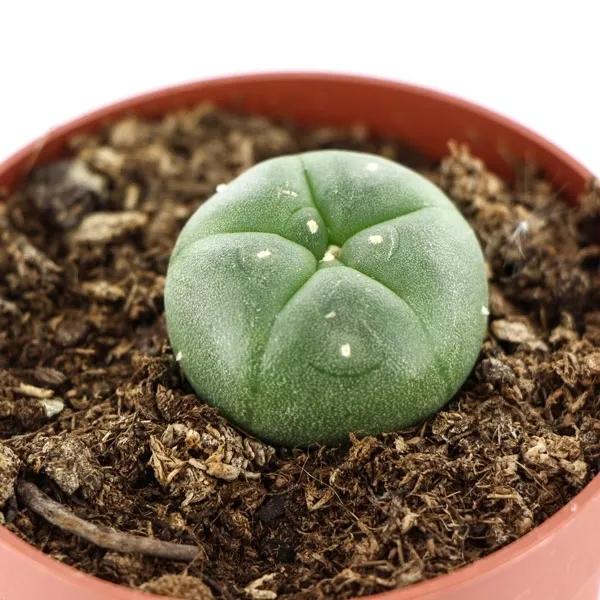
Most Bolivian torch cacti grow with 4 to 8 ribs, but the vast majority settle on 5 or more. A stable four-ribbed specimen — the Cactus of the Four Winds — is genuinely uncommon. The four ribs represent what Andean tradition calls the "four winds" or "four roads": the cosmic axis linking different worlds through which the shaman travels in vision and trance. That cross-shaped geometry, viewed from above, made this cactus a spiritual compass for indigenous Bolivian cultures.
Researchers have suggested that the sacred Cactus of the Four Winds was possibly a major source of religious impulse in ancient culture throughout the Andes region. Several cactus species can occasionally throw a four-ribbed mutation — including San Pedro (Echinopsis pachanoi) and the Peruvian torch (Echinopsis peruviana) — but the Bolivian torch variety we stock here is traditionally considered the most potent of the three. The four-ribbed form is said to contain a higher concentration of mescaline than its five- or six-ribbed siblings, though precise analytical data on this specific forma remains limited. That's the honest caveat: most of what we know about its relative potency comes from ethnobotanical tradition rather than published chromatography.
Mescaline Content — Cactus of the Four Winds Alkaloid Profile
The Cactus of the Four Winds belongs to the mescaline-containing cactus family. Echinopsis lageniformis (the Bolivian torch) has been documented to contain mescaline alongside other phenethylamine alkaloids. Among the three major mescaline cacti — San Pedro, Peruvian torch, and Bolivian torch — the Bolivian torch is traditionally regarded as the strongest, and the four-ribbed quadricostata form is said to sit at the top of that hierarchy.
We should be straight with you: published laboratory analyses specifically comparing mescaline percentages in four-ribbed versus five-ribbed Bolivian torch specimens are thin on the ground. The claim of heightened potency is rooted in centuries of Andean shamanic practice rather than peer-reviewed alkaloid assays. That doesn't make it wrong — indigenous botanical knowledge has a strong track record of being confirmed by later science — but it does mean we can't hand you a precise milligram figure for the difference. What we can tell you is that the Bolivian torch as a species consistently shows up in ethnobotanical literature as the most alkaloid-rich of the Echinopsis mescaline cacti.
| Specification | Detail |
|---|---|
| Botanical Name | Echinopsis lageniformis forma quadricostata |
| Common Names | Cactus of the Four Winds, Achuma, Wachuma |
| Species Group | Bolivian Torch |
| Rib Count | 4 (stable quadricostata form) |
| Native Region | Mountains of Bolivia |
| Primary Alkaloid | Mescaline (phenethylamine class) |
| Available Sizes | Small (10–11 cm), Medium (25–30 cm) |
| Product Type | Unrooted cuttings |
| Cultivation Difficulty | Beginner-friendly |
Complete your mescaline cactus collection: pair the Cactus of the Four Winds with a standard Bolivian Torch cutting or a San Pedro cactus to see the rib-count variation firsthand. If you're setting up for cultivation, a bag of cactus soil mix and some perlite will save you from mixing your own substrate.
Why You Want This Particular Cactus
We've been stocking mescaline cacti since the early days of the shop, and the Cactus of the Four Winds is the one that makes collectors' eyes widen. It's not just the ethnobotanical significance — though having a plant on your windowsill that Andean shamans considered a spiritual compass is admittedly quite something. It's the rarity. You can grow a hundred Bolivian torch seedlings and maybe get one or two that stabilise at four ribs. These cuttings come from mother plants that have maintained the quadricostata form consistently, which means your cutting should hold its four-ribbed geometry as it grows.
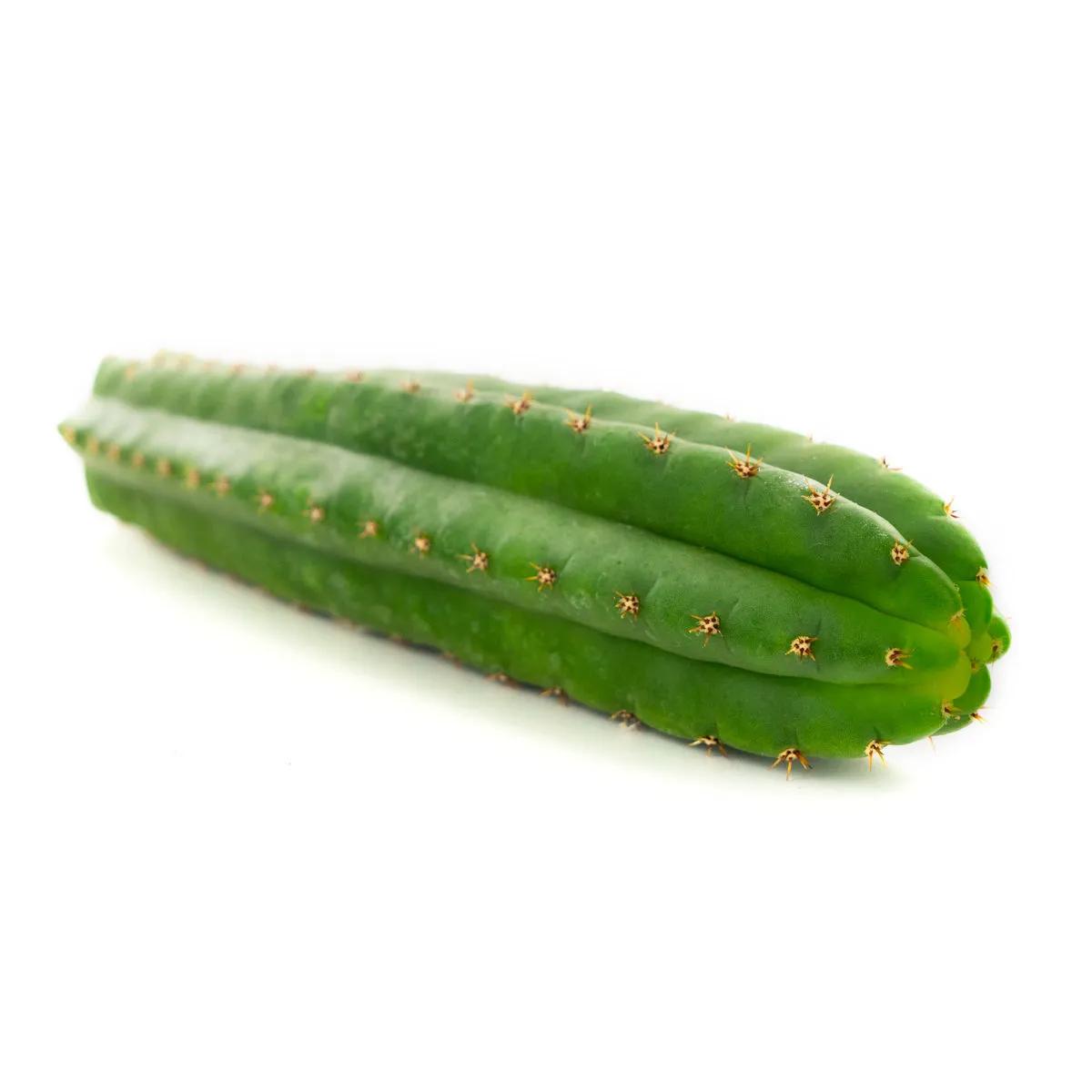
The texture is distinctive, too. Pick up a four-ribbed cutting and you immediately notice the difference from a standard Bolivian torch — the ribs are broader, more pronounced, and the areoles (the little bumps where spines emerge) are spaced further apart. It feels chunkier in the hand, almost square in cross-section. The skin has that classic waxy blue-green of a healthy Bolivian torch, and the spines are honey-coloured, short, and not particularly aggressive — you can handle it without gloves if you're reasonably careful, though we'd still recommend them.
The honest limitation: these are unrooted cuttings, not established plants. You'll need to let the cut end callous over (7–14 days in a dry, shaded spot) before planting. Once calloused, rooting takes another 2–4 weeks depending on temperature. If you skip the callousing step, the cutting can rot from the base. We see this mistake regularly — patience during the first fortnight is the single most important thing.
How to Root and Grow Your Cactus of the Four Winds
- When your cutting arrives, inspect the cut end. If it looks fresh and moist, stand it upright in a dry, shaded spot at room temperature (18–25°C) for 7 to 14 days until a firm callous forms over the wound. The callous should feel dry and slightly papery — not soft or discoloured.
- Prepare a pot with well-draining cactus soil. A 50/50 mix of cactus compost and perlite works well. The pot needs drainage holes — no exceptions. Standing water is the number one killer of cactus cuttings.
- Place the calloused end about 3–5 cm into the soil. For the small cutting, you may only need 2–3 cm. Press the soil gently around the base to keep it upright. You can use small stones or stakes for support if it wobbles.
- Do not water for the first 2 weeks after planting. The cutting needs to send out roots before it can handle moisture. Watering a rootless cutting just invites rot.
- After 2 weeks, give a light watering — just enough to dampen the top few centimetres of soil. Then wait until the soil is completely dry before watering again. In summer, this might be every 7–10 days. In winter, once a month or less.
- Place in bright, indirect light initially. Once rooted and showing new growth (you'll see the tip start to fatten and lighten in colour), gradually introduce more direct sunlight. A south-facing windowsill or a sheltered outdoor spot in summer is ideal.
- Feed sparingly during the growing season (April–September) with a low-nitrogen cactus fertiliser, once a month at half strength. No feeding in winter — the plant is dormant.
- Protect from frost. The Bolivian torch tolerates cool temperatures down to about 5°C but anything below that risks damage. Bring it indoors over winter if you're in a northern European climate.
Related products
Medical disclaimer. This content is for informational purposes only and does not constitute medical advice. Consult a qualified healthcare provider before use of any substance.