
This article discusses psychoactive substances intended for adults (18+). If you have a health condition or take medication, consult a doctor before use. Our age policy
Hops Flowers Sedative Botany: Humulus lupulus Guide
Definition
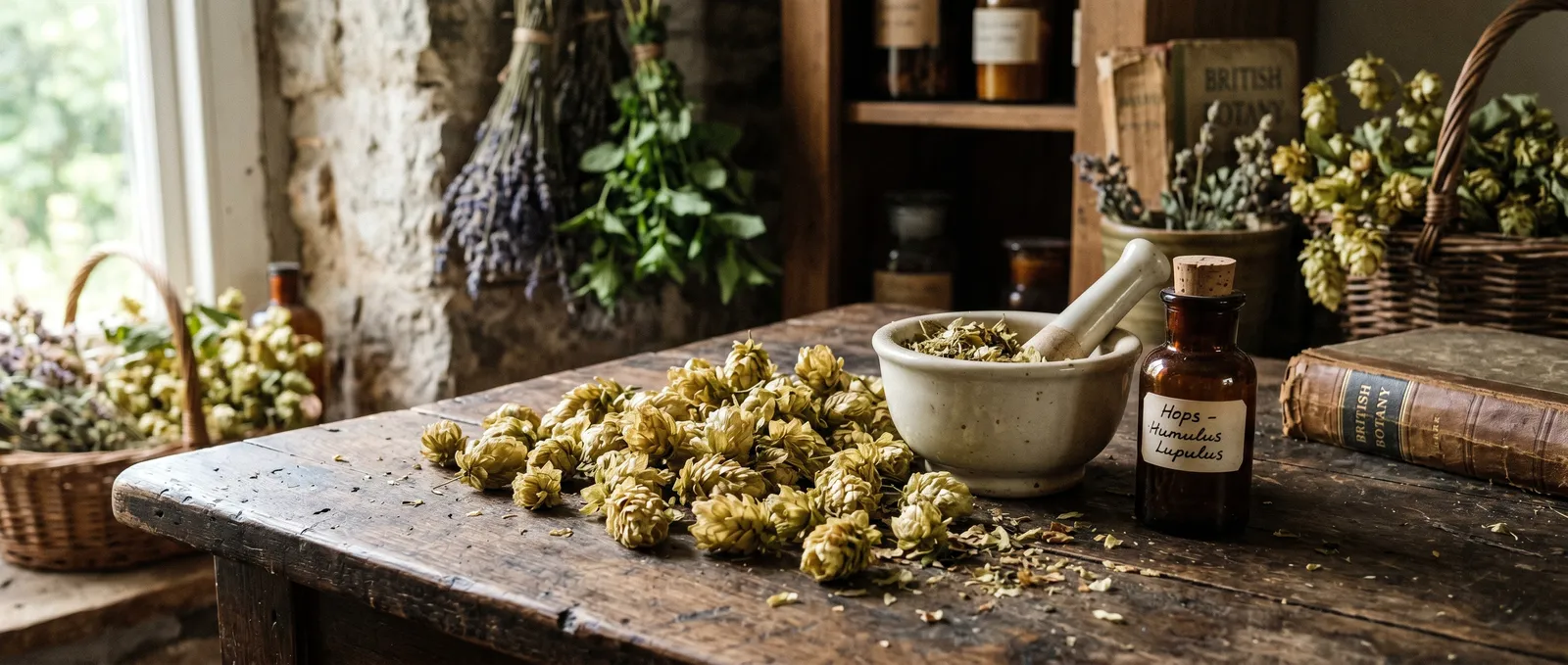
Hops flowers are the dried strobili of Humulus lupulus L. (Cannabaceae), rich in lupulin glands that contain alpha acids, prenylated flavonoids, and volatile terpenes. Oxidation of humulone yields 2-methyl-3-buten-2-ol, a compound with demonstrated sedative activity in animal models (Schiller et al., 2006). European herbal tradition pairs hops with valerian root for evening use.
More Than a Beer Ingredient
Hops flowers sedative botany is a subject that bridges brewing history and herbal medicine, covering the dried strobili of Humulus lupulus L. (Cannabaceae) — a plant almost everyone knows from beer but few people recognise as a sedative botanical. That disconnect is odd, because hop-pickers in 19th-century England noticed the calming effect long before pharmacologists did: workers harvesting the papery, cone-shaped strobili by hand kept falling asleep on the job. The observation was recorded as early as 1856 by the physician Maton, and it nudged European herbalists toward investigating what exactly the plant was doing beyond flavouring ale.
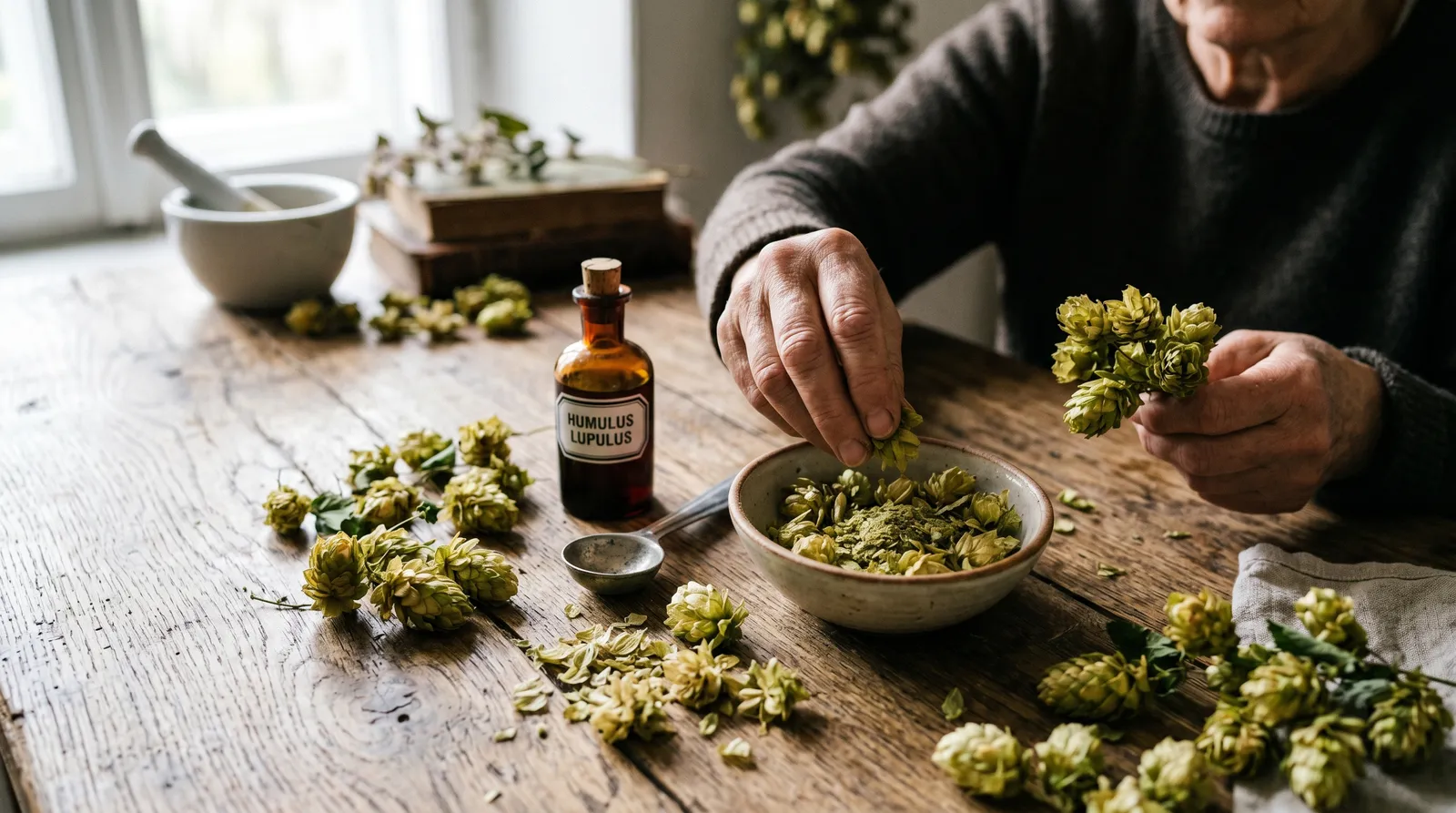
Humulus lupulus sits in the family Cannabaceae — yes, the same family as Cannabis sativa. The two genera diverged roughly 21 million years ago according to molecular-clock estimates (McPartland, 2018), and they share a surprising amount of terpenoid chemistry despite producing very different effects. Hops are native to the temperate zones of Europe, western Asia, and North America, and they've been cultivated commercially since at least the 9th century CE, when Carolingian monastery records mention hop gardens alongside vineyards.
Botany of the Strobilus
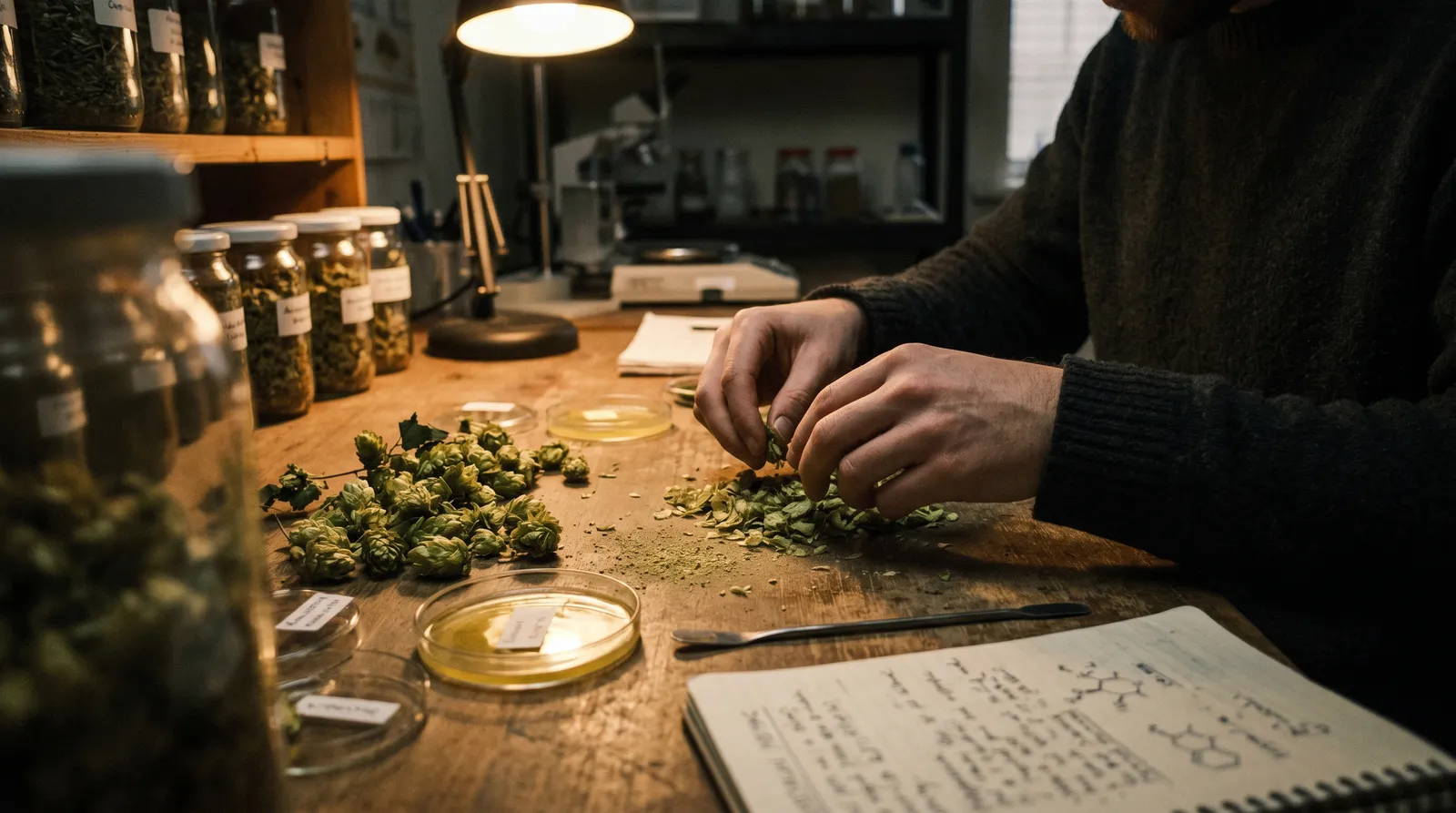
The strobilus is the functional unit of hops flowers sedative botany — a soft, layered female cone where virtually all the bioactive chemistry concentrates. The plant itself is a vigorous perennial bine — not a vine, because it climbs by wrapping its stem around supports rather than using tendrils. A single growing season can push a bine six to eight metres up a trellis. Each bract of the cone is dusted with lupulin glands — tiny golden-yellow resinous dots visible to the naked eye. Lupulin is where the chemistry lives.
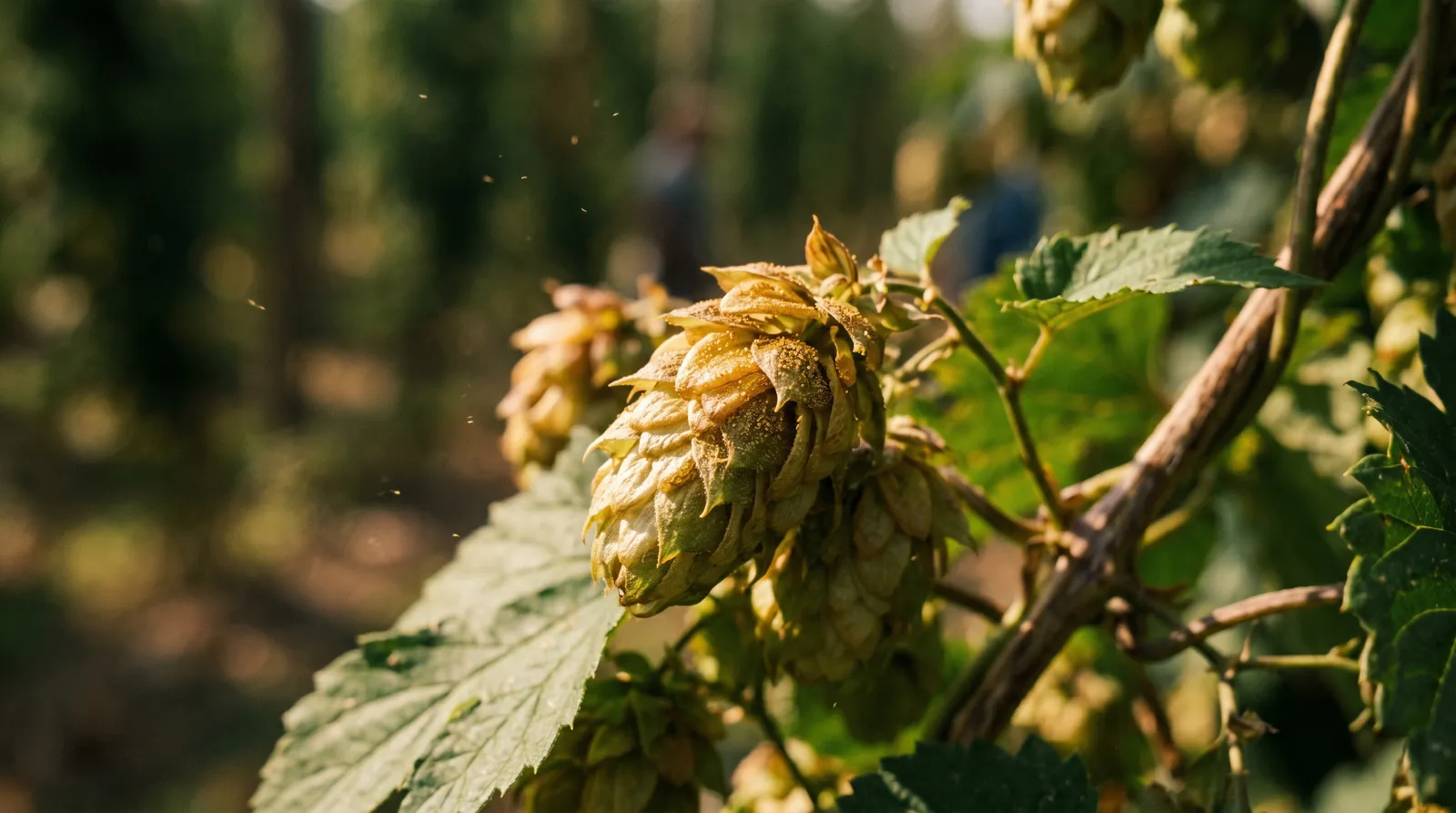
Fresh lupulin contains alpha acids (principally humulone and cohumulone), beta acids (lupulone and colupulone), and a volatile oil fraction rich in myrcene, humulene, and caryophyllene. Brewers care about the alpha acids for bitterness. Herbalists care about what happens to those alpha acids after harvest: oxidation converts humulone into 2-methyl-3-buten-2-ol (2-MBO), a simple tertiary alcohol with demonstrated sedative properties in animal models (Schiller et al., 2006). This degradation product accumulates as dried hops age, which may explain why older hop preparations were historically considered more sleep-inducing than fresh ones.
The volatile-oil profile adds another layer. Myrcene — the same monoterpene found in mangoes and lemongrass — constitutes up to 50% of hop essential oil in some cultivars. A 2002 study by Rigby and colleagues found myrcene exhibited muscle-relaxant and mild sedative activity in mice at moderate doses, though translating rodent inhalation data to human tea-drinking is a stretch that the literature hasn't fully bridged.
Traditional Use Across Europe
Hops have been formally recognised across European pharmacopoeias for restlessness and sleep-onset difficulty for well over a century. The European Pharmacopoeia includes a monograph for Lupuli flos (hop strobilus), and ESCOP (European Scientific Cooperative on Phytotherapy) lists hops under traditional indications for restlessness and difficulty falling asleep. The German Commission E — the body that evaluated herbal medicines in Germany from 1978 to 1994 — approved hops for mood disturbances such as restlessness and sleep-onset difficulty, typically in combination with valerian root.
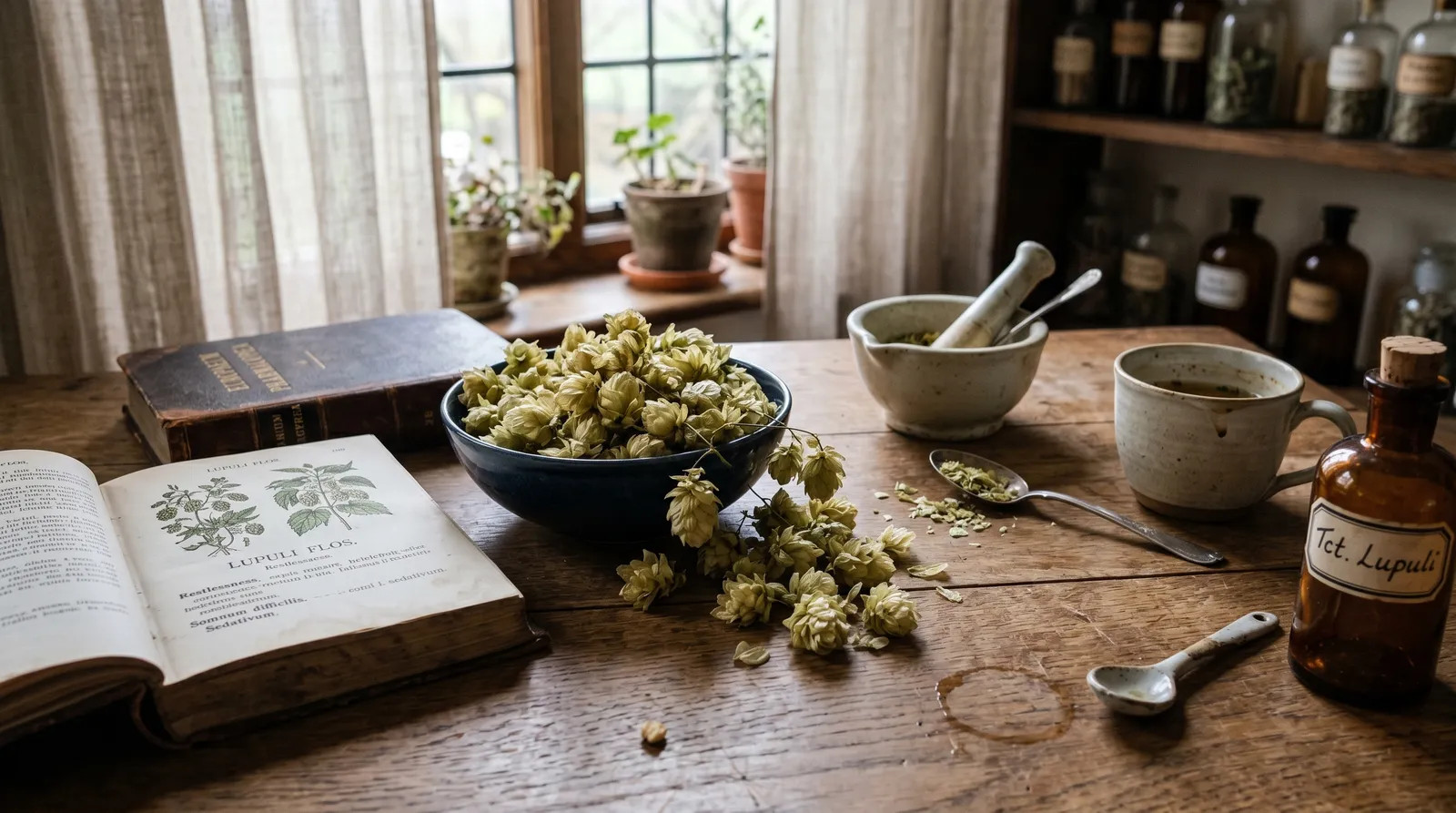
That combination is the one that stuck. Across central Europe, the valerian-hops pairing became a standard evening-tea formula by the early 20th century. The rationale was partly empirical, partly pharmacological: valerian's valerenic acid acts on GABA-A receptors via a different binding mechanism than benzodiazepines, while hops contribute the 2-MBO degradation pathway and additional terpenoid sedation. Whether the two are genuinely synergistic or simply additive remains an open question — a 2010 randomised trial by Koetter and colleagues reported that a fixed valerian-hops combination (500 mg valerian / 120 mg hops) reduced sleep latency compared to placebo, but the study design couldn't isolate the contribution of each herb individually.
Beyond central Europe, hops appear in North American folk herbalism, where Eclectic physicians of the 1890s prescribed hop poultices and "hop pillows" — small sachets of dried strobili placed inside a pillowcase. King George III of England was reportedly given a hop pillow for insomnia, though that anecdote is better documented in popular histories than in medical archives.
Phytochemistry Worth Knowing
The prenylated flavonoids are the compound class attracting the most research attention in hops flowers sedative botany, particularly 8-prenylnaringenin (8-PN) and xanthohumol. 8-PN is one of the most potent phytoestrogens identified in any plant — roughly 100-fold more oestrogenic than the soy isoflavone genistein in cell-based receptor assays (Milligan et al., 1999). This is pharmacologically relevant: it means hops are not a neutral herb for everyone. Anyone with oestrogen-sensitive conditions should approach hops cautiously, and the phytoestrogen content is a reason hops are flagged during pregnancy.
Xanthohumol, the major prenylated chalcone in hops, has attracted interest for anti-inflammatory and antioxidant activity in vitro (Stevens & Page, 2004). Most xanthohumol research uses isolated compounds at concentrations far above what a cup of hop tea delivers, so the clinical relevance for tea drinkers or capsule users is uncertain at best.
For sedation specifically, the evidence points toward a combination of mechanisms rather than a single compound: 2-MBO from degraded alpha acids, myrcene and humulene from the volatile oil, and possible GABAergic modulation from as-yet-unidentified fractions. A 2012 study by Franco and colleagues found that non-alcoholic beer (which retains hop compounds) administered at dinner improved sleep quality in a cohort of university students as measured by actigraphy — a modest but interesting finding, though the study was small (n = 17) and industry-funded.
Hops in the Relaxant-Herb Family
Hops occupy a specific niche among European relaxant herbs: they are rarely used solo and almost always appear as part of a blend. Valerian root (Valeriana officinalis) carries the heaviest research base for sleep-onset assistance. Passionflower (Passiflora incarnata) has its own body of traditional use and a small but growing clinical literature around its flavonoid apigenin. Lemon balm (Melissa officinalis) contributes rosmarinic acid and a gentler, more aromatic profile. The valerian-root-traditional-use-and-research article and the passionflower-traditional-use-and-research article cover those companion herbs in detail.
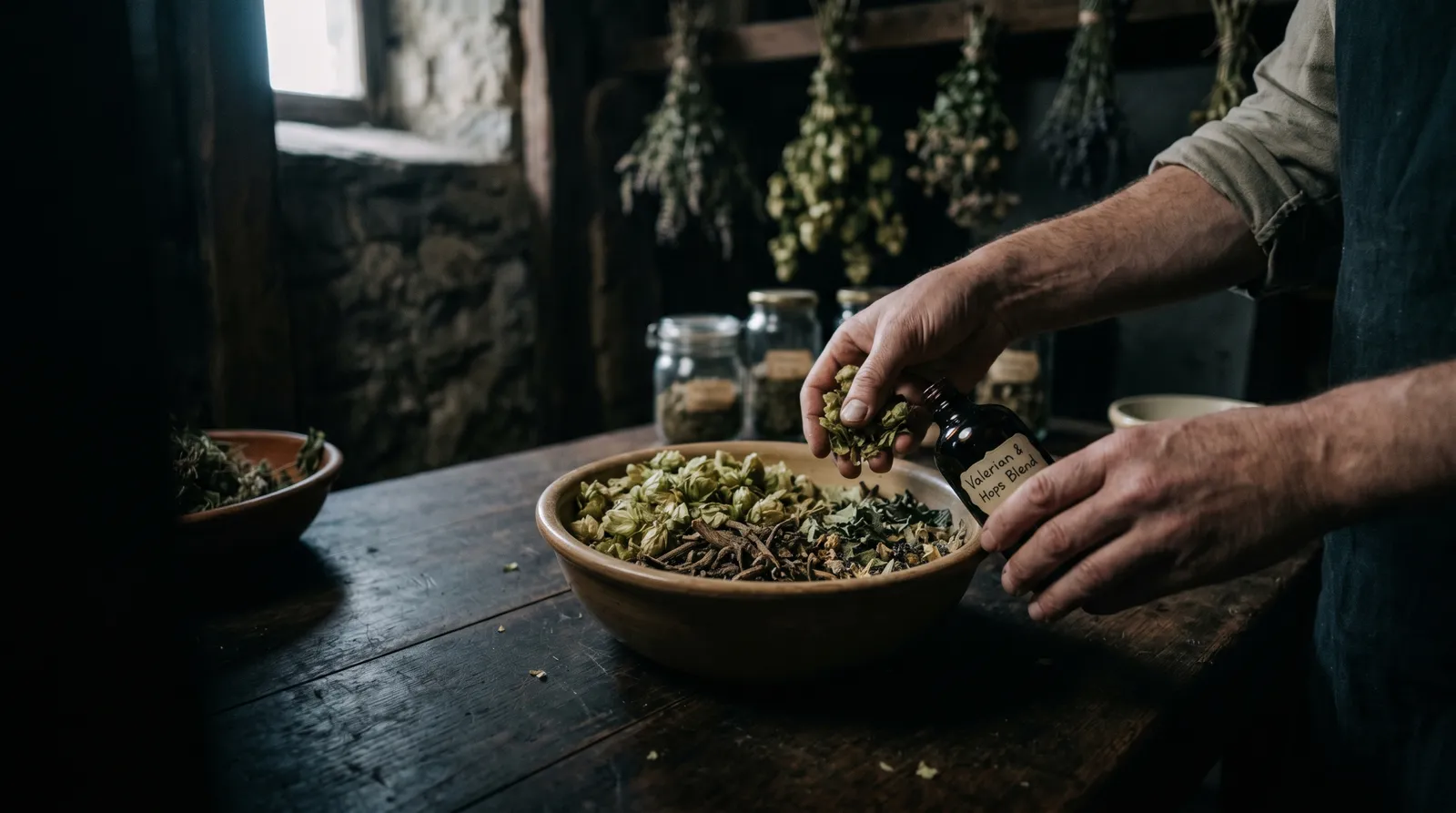
The WHO monograph on Humulus lupulus notes that most traditional-use evidence is for the combination rather than the single herb. That's a fair summary of the state of play: hops alone have limited standalone clinical data, but they appear frequently in studied multi-herb formulations.
Comparing Hop Preparations
| Preparation | Typical dose | Key compounds delivered | Notes |
|---|---|---|---|
| Dried strobili tea | 1–2 g steeped 10–15 min | 2-MBO, myrcene, humulene, bitter acids | Intensely bitter; best blended with lemon balm or passionflower |
| Hop pillow (sachet) | ~30 g in muslin bag | Volatile terpenes via inhalation | Replace every 2–3 weeks as oils dissipate |
| Valerian-hops capsule | 120 mg hops / 500 mg valerian (common ratio) | Standardised alpha acids + valerenic acid | Most-studied format; see Koetter et al. (2010) |
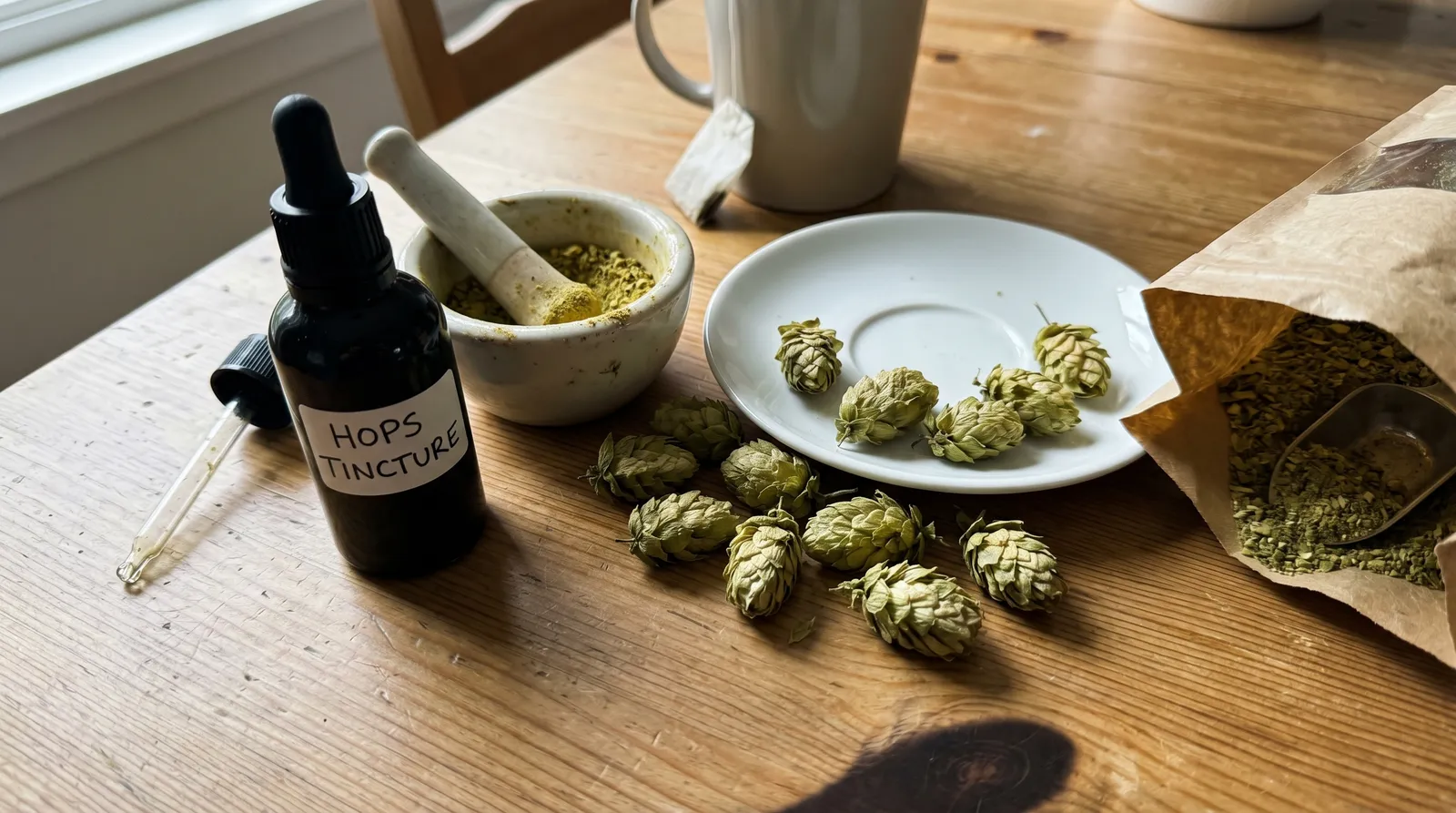
| Tincture (hydroethanolic) | 1–2 mL before bed | Broad-spectrum extract including xanthohumol | Standardisation varies widely between brands |
What We Still Do Not Know
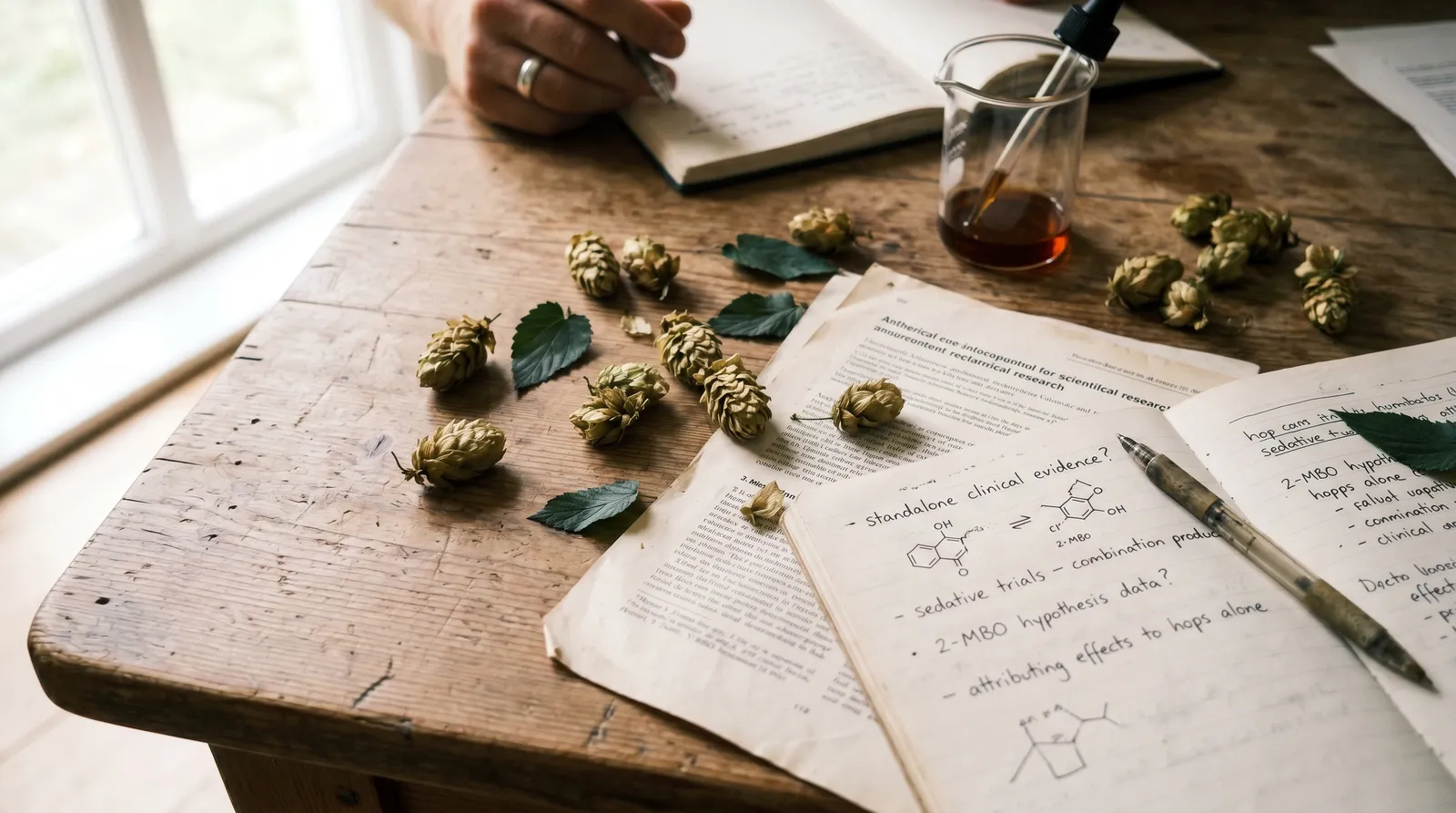
Honest assessment: the standalone clinical evidence for hops as a sedative is thin. Most positive trials use combination products, making it difficult to attribute effects to hops alone. The 2-MBO hypothesis is plausible and supported by animal pharmacology (Schiller et al., 2006), but no human trial has isolated 2-MBO as the active sedative principle in a hop-tea context. The EMCDDA's European Drug Report does not classify hops as a substance of concern, but the agency's monitoring framework provides useful context for understanding how botanical sedatives sit within the broader European field of psychoactive-plant use.
The phytoestrogen question also needs more human data. Cell-assay potency does not translate directly to in-vivo effect — first-pass metabolism, bioavailability, and dose all intervene. Until larger clinical studies clarify the oestrogenic impact of typical hop-tea doses, the precautionary stance recommended by ESCOP remains sensible.
Safety and Cautions
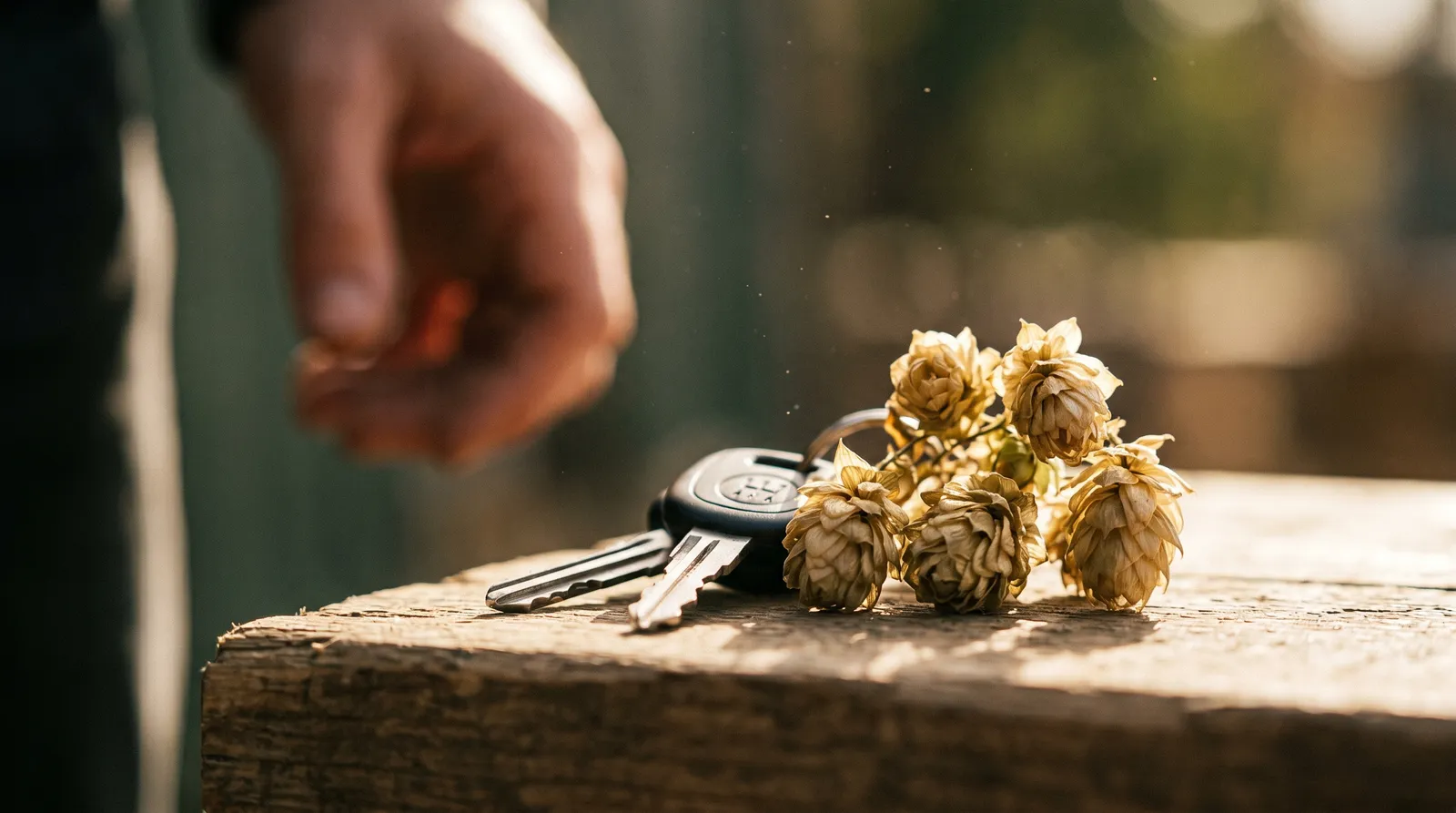
Hops have documented sedative-leaning activity according to the German Commission E and ESCOP monographs. Do not combine with alcohol or other CNS depressants. Do not drive or operate machinery after a sedative dose.
The phytoestrogenic activity of 8-prenylnaringenin means hops are not recommended during pregnancy or breastfeeding — the data is insufficient to establish safety, and the oestrogenic potency warrants caution. Anyone taking hormone-sensitive medications or managing oestrogen-sensitive conditions should consult a healthcare practitioner before using hop preparations.
Allergic reactions are uncommon but documented, particularly in people who handle fresh hops occupationally (hop-picker's dermatitis). Cross-reactivity with other Cannabaceae pollen is theoretically possible. Hops are not in the Asteraceae family, so the daisy-family allergy warning that applies to mugwort or chamomile does not apply here — but individual sensitivity is always possible.
Depression: some older herbalism texts caution against hops for people experiencing low mood, citing the plant's sedative and potentially anaphrodisiac qualities. The clinical evidence for this is thin, but the traditional caution is worth noting.
How Hops Are Used Today
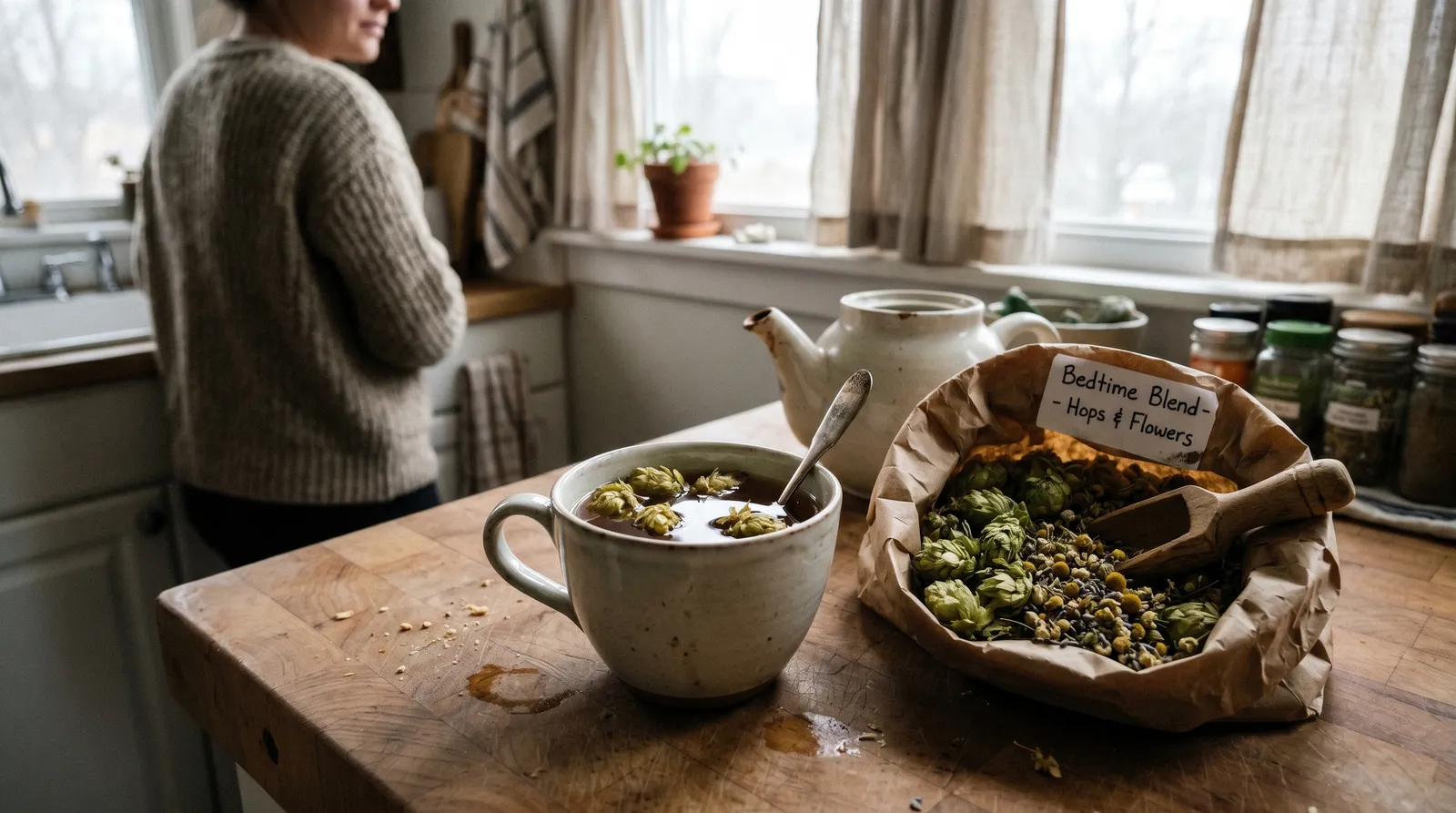
Dried hop strobili are most commonly prepared as a tea infusion — typically 1–2 g of dried cones steeped in hot (not boiling) water for 10–15 minutes. The resulting brew is intensely bitter. Blending with other relaxant herbs is standard practice across European herbal-tea traditions. Anyone looking to get started with hops flowers sedative botany in practice can order whole dried strobili from a herbal supplier and experiment with blending ratios. Hop pillows remain a folk preparation: a small muslin bag filled with dried strobili, tucked inside a pillowcase, replaced every few weeks as the volatile oils dissipate.
Tinctures and capsules exist in the supplement market, usually as part of valerian-hops combination products. Standardisation varies widely between manufacturers — some standardise to alpha-acid content, others to total flavonoid content, and many don't standardise at all.
This article is consumer education, not medical advice. Traditional and ceremonial uses are described for cultural and historical context. Botanicals can interact with medications and are not a substitute for professional care. If you are pregnant, nursing, taking prescription medication, or managing a health condition, consult a qualified healthcare practitioner before use.
References
- Franco, L. et al. (2012). Beer and sleep: a pilot study. PLoS ONE, 7(7), e37290.
- Koetter, U. et al. (2010). A randomised, double-blind, placebo-controlled trial of a fixed valerian–hops extract combination. Phytomedicine, 14(1), 2–7.
- McPartland, J.M. (2018). Cannabis systematics at the levels of family, genus, and species. Cannabis and Cannabinoid Research, 3(1), 203–212.
- Milligan, S.R. et al. (1999). Identification of a potent phytoestrogen in hops. Journal of Clinical Endocrinology & Metabolism, 84(6), 2249–2252.
- Schiller, H. et al. (2006). Sedating effects of Humulus lupulus L. extracts. Phytomedicine, 13(8), 535–541.
- Stevens, J.F. & Page, J.E. (2004). Xanthohumol and related prenylflavonoids from hops and beer. Phytochemistry, 65(10), 1317–1330.
- EMCDDA (2024). European Drug Report: Trends and Developments. European Monitoring Centre for Drugs and Drug Addiction.
Last updated: April 2026
Frequently Asked Questions
8 questionsWhy are hops almost always combined with valerian rather than used alone?
What makes hops oestrogenic and who should avoid them?
Do hops get more sedative as they age?
Can you drink hops as a tea on their own?
Are hops related to cannabis?
Where can I buy hops for herbal use rather than brewing?
What is lupulin and why is it important for the sedative effect of hops?
How is a hop bine different from a vine, and does the growth habit affect potency?
About this article


Adam Parsons is an external cannabis and psychedelics writer and editor who contributes to Azarius's wiki as both author and reviewer. On the writing side, he authors Azarius's kratom and kanna clusters, drawing on exten
This wiki article was drafted with AI assistance and reviewed by Adam Parsons, External contributor. Editorial oversight by Joshua Askew.
Medical disclaimer. This content is for informational purposes only and does not constitute medical advice. Consult a qualified healthcare provider before use of any substance.
Last reviewed April 25, 2026
Related Articles
Blue Lotus vs Kanna: Effects & Safety
Blue lotus vs kanna compared — Nymphaea caerulea's aporphine profile against Sceletium tortuosum's mesembrine chemistry, with interaction warnings.
Lotus Clinical Research Overview
What does lotus clinical research actually show? A critical review of Nymphaea caerulea and Nelumbo nucifera pharmacology, preclinical data, and…
Kanna South Africa To West History
Sceletium tortuosum was used by San and Khoekhoe communities in southern Africa for centuries before European colonists first documented it in the 1660s.
Sceletium Tortuosum Plant
Learn about the sceletium tortuosum plant: botany, alkaloids, fermentation, safety warnings, and where to buy kanna.
Kanna Pharmacokinetics Explained
Complete guide to kanna pharmacokinetics: how Sceletium tortuosum alkaloids are absorbed, metabolised via CYP2D6, and eliminated.
Kanna Chemistry: Sceletium Alkaloids Explained
Kanna chemistry explained: mesembrine, mesembrenone, their mechanisms, how fermentation and extraction change alkaloid profiles, and why it matters…
Rapé Shamanic Snuff Guide: How to Use It Safely
A practical rapé shamanic snuff guide covering dose, kuripe technique, effects, nicotine safety, interactions and Amazonian tradition.
White Sage Salvia Apiana Cultural Smudging Guide
Salvia apiana is a non-psychoactive shrub native to southern California's coastal sage scrub, burned as ceremonial incense in Indigenous North American…
Mulungu Erythrina Traditional Amazonian Use — Bark, Alkaloids & Research
Erythrina mulungu is a Brazilian legume tree whose bark has been brewed as a calming decoction in rural folk medicine for generations.