
This article discusses psychoactive substances intended for adults (18+). If you have a health condition or take medication, consult a doctor before use. Our age policy
Kratom and Sleep
Definition
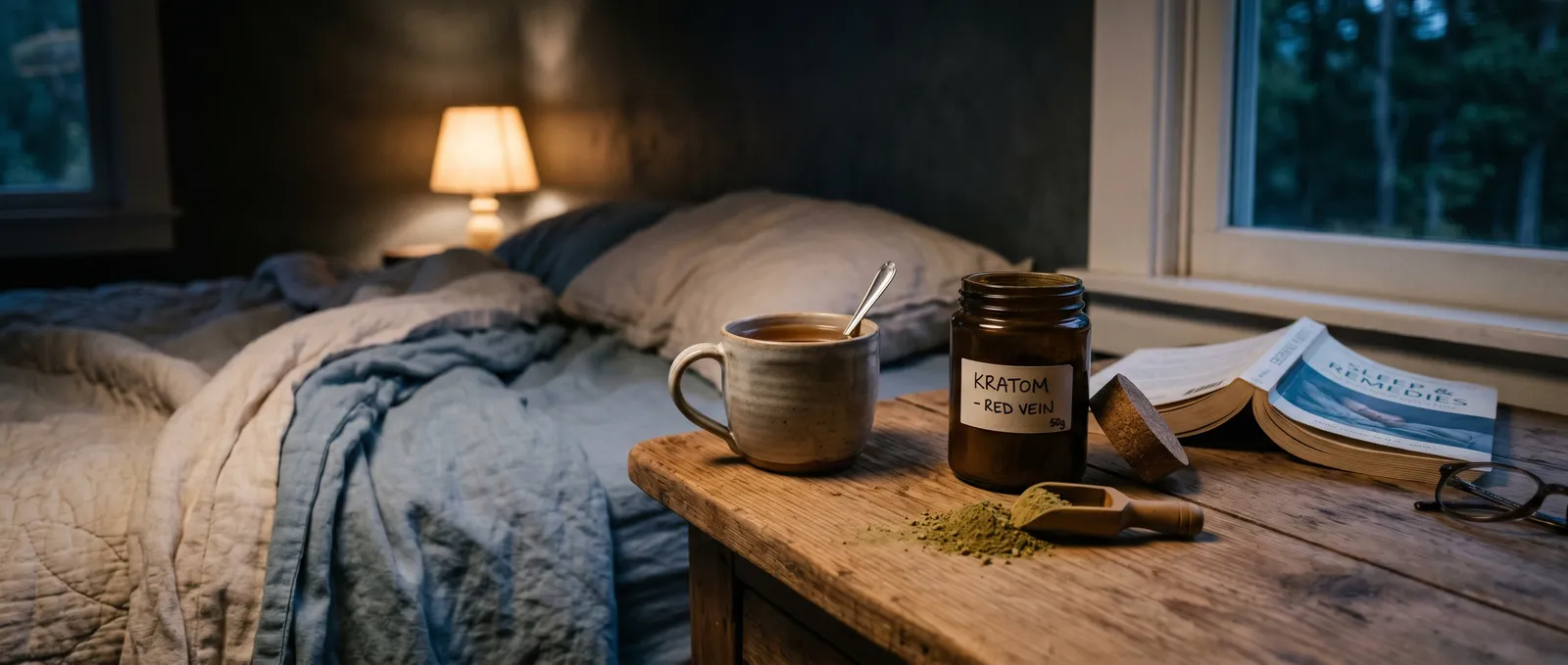
Kratom's relationship with sleep is dose-dependent: lower amounts tend to stimulate, while higher doses produce sedation through mu-opioid receptor activity. Nightly use carries real tolerance and dependence risks, and no sleep-lab studies on kratom exist as of 2026.
Kratom and sleep is a topic that draws significant interest because Mitragyna speciosa is a Southeast Asian botanical that produces dose-dependent effects ranging from stimulation to sedation through its action on mu-opioid, adrenergic, and serotonergic receptors. The relationship between kratom and sleep shifts dramatically depending on dose, alkaloid profile, timing, and individual biology. Kratom is not a sedative in the classical sense, yet many users describe it as the thing that finally let them get a full night's rest. Others find it keeps them wired until 3 a.m. Understanding why requires looking at what kratom actually does to the brain's sleep architecture, and why the dose you take matters more than the colour printed on the packet.
Adult audience (18+). The dosing ranges and effects described in this article apply to adult physiology. This content is not intended for minors.
How Kratom Interacts with Sleep Biology
Kratom interacts with sleep biology primarily through its two main alkaloids — mitragynine and 7-hydroxymitragynine — which are partial agonists at the mu-opioid receptor (Kruegel & Grundmann, 2018). At higher doses, this mu-opioid activity produces sedation and muscular relaxation, which is why traditional labourers in Southeast Asia historically used larger amounts of chewed leaf in the evening after physically demanding work (Swogger et al., 2015). At lower doses, however, mitragynine also interacts with adrenergic and serotonergic receptors, producing stimulant-like effects — increased alertness, talkativeness, and a general sense of activation. This biphasic pharmacology is the single most important thing to grasp about kratom and sleep: the same plant can wake you up or knock you out, depending on how much you take.
Sleep itself is not a single state. It cycles through light sleep, deep slow-wave sleep, and REM sleep, each regulated by different neurotransmitter systems. Opioidergic substances are known to suppress REM sleep and reduce overall sleep latency — you fall asleep faster but may dream less and wake feeling less restored. A small observational study by Singh et al. (2020) found that regular kratom users reported shorter sleep onset times but also reported more daytime drowsiness, suggesting that the quality of sleep may not match the quantity. The data here is limited, though — no polysomnographic (sleep-lab) studies on kratom have been published as of early 2026, so claims about specific sleep-stage effects remain extrapolated from broader opioid pharmacology rather than directly measured.
Dose Is Everything
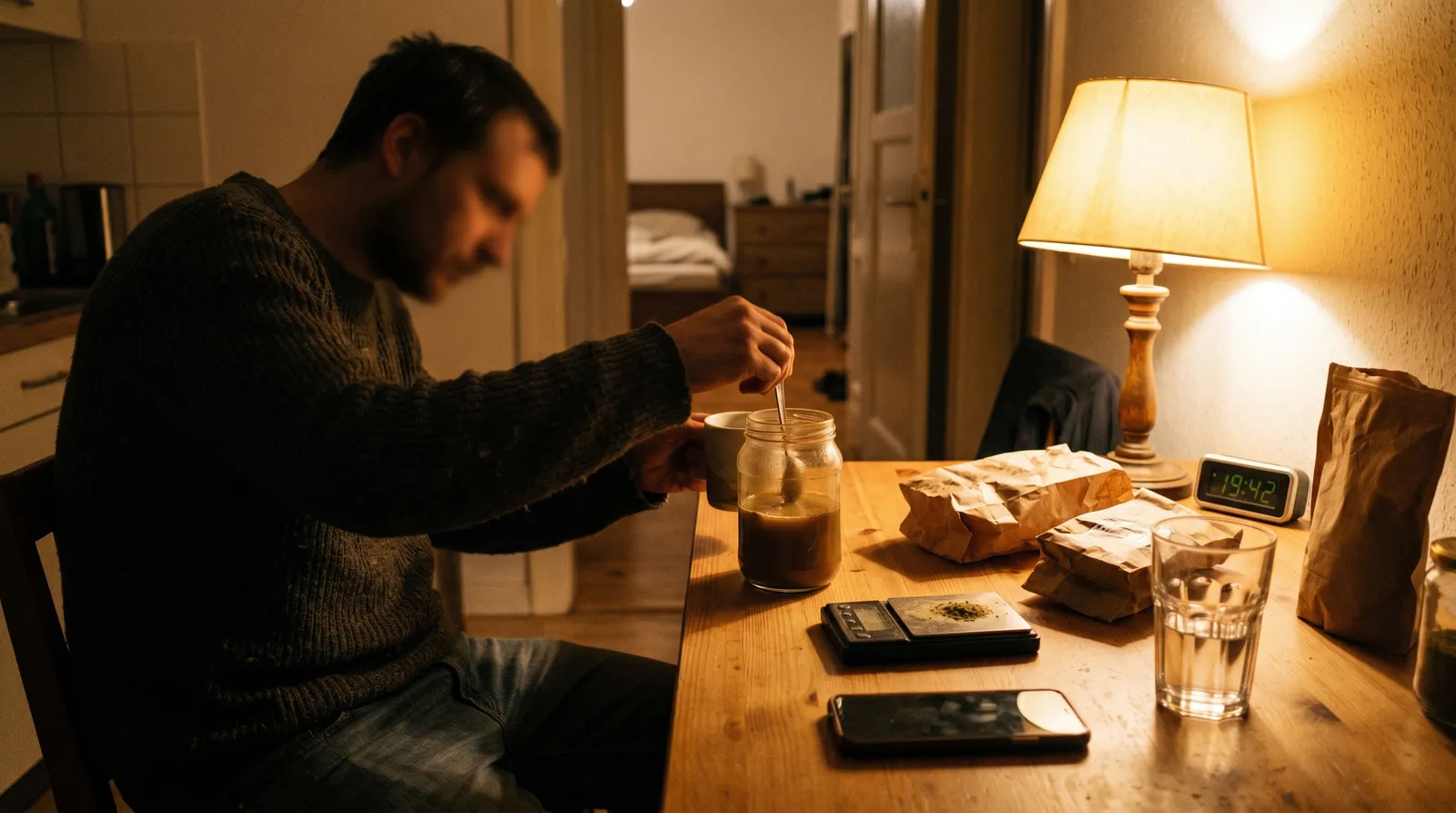
Dose is the single strongest predictor of whether kratom helps or hinders sleep, with the threshold between stimulation and sedation sitting at roughly 5 grams of dried leaf powder according to survey data (Grundmann, 2017). Users consuming under approximately 5 grams more commonly reported stimulant-type effects, while those consuming above 5 grams more frequently described sedation, relaxation, and pain relief. For sleep purposes, that means a small evening dose — the kind some people take hoping to wind down — might actually do the opposite and leave you staring at the ceiling with a racing mind.
This is where the extract-versus-leaf distinction becomes critical. Extracts concentrate mitragynine and 7-hydroxymitragynine significantly relative to plain leaf powder. A 2-gram dose of a concentrated extract is pharmacologically nothing like 2 grams of crushed leaf. If you are reading about someone's "sleep dose" online, the form they used matters enormously, and the two are not interchangeable. Extracts carry a meaningfully different risk profile for tolerance, dependence, and next-day grogginess compared to leaf powder, and dose figures for one should never be applied to the other.
Published survey research suggests that self-reported "sedating" doses of leaf powder typically fall in the range of 5–8 grams, while doses above 8 grams were associated with increased adverse effects including nausea and excessive sedation (Veltri & Grundmann, 2019). These are observational ranges from self-selected users, not clinical dosing guidelines — individual responses vary widely based on body weight, metabolic enzyme activity (particularly CYP3A4 and CYP2D6 pathways), and prior opioid exposure.
The "Red Vein" Question
No controlled study has demonstrated consistent, replicable differences in alkaloid ratios between vein colours that would predict sedating versus stimulating effects (Kruegel & Grundmann, 2018). You will find countless forum posts and product descriptions claiming that red-vein kratom strains are "the best for sleep" while white-vein varieties are stimulating. This is commercial vocabulary, not pharmacology. Batch-to-batch variation within a single "strain" often exceeds the variation between differently labelled strains. Some users do describe consistent subjective differences between their preferred red and white products — but whether that reflects genuine alkaloid variation, expectation effects, or differences in drying and fermentation processes remains genuinely unclear. Treat vein-colour claims as a rough starting heuristic, not a reliable pharmacological guide.
Timing and the Morning After
Taking kratom 3–4 hours before bedtime rather than at lights-out is the pattern most commonly described by users who report evening benefit without excessive morning fog (Trakulsrichai et al., 2015). Mitragynine has an estimated elimination half-life of roughly 23 hours based on limited pharmacokinetic data from the same study, though this figure comes from a small sample and real-world variation is likely substantial. What this means practically: if you take kratom at 10 p.m. to help you sleep, a significant amount of the alkaloid is still circulating when your alarm goes off. Some users describe a pleasant, warm grogginess in the morning; others report feeling genuinely impaired, sluggish, or foggy-headed. This next-day residual effect is one of the most commonly underestimated aspects of using kratom and sleep routines together.
Timing your dose earlier in the evening allows the sedative phase to overlap with your sleep window while giving your metabolism a head start on clearance before morning. But again, this is user-reported pattern, not clinical protocol.
Tolerance, Dependence, and Nightly Use
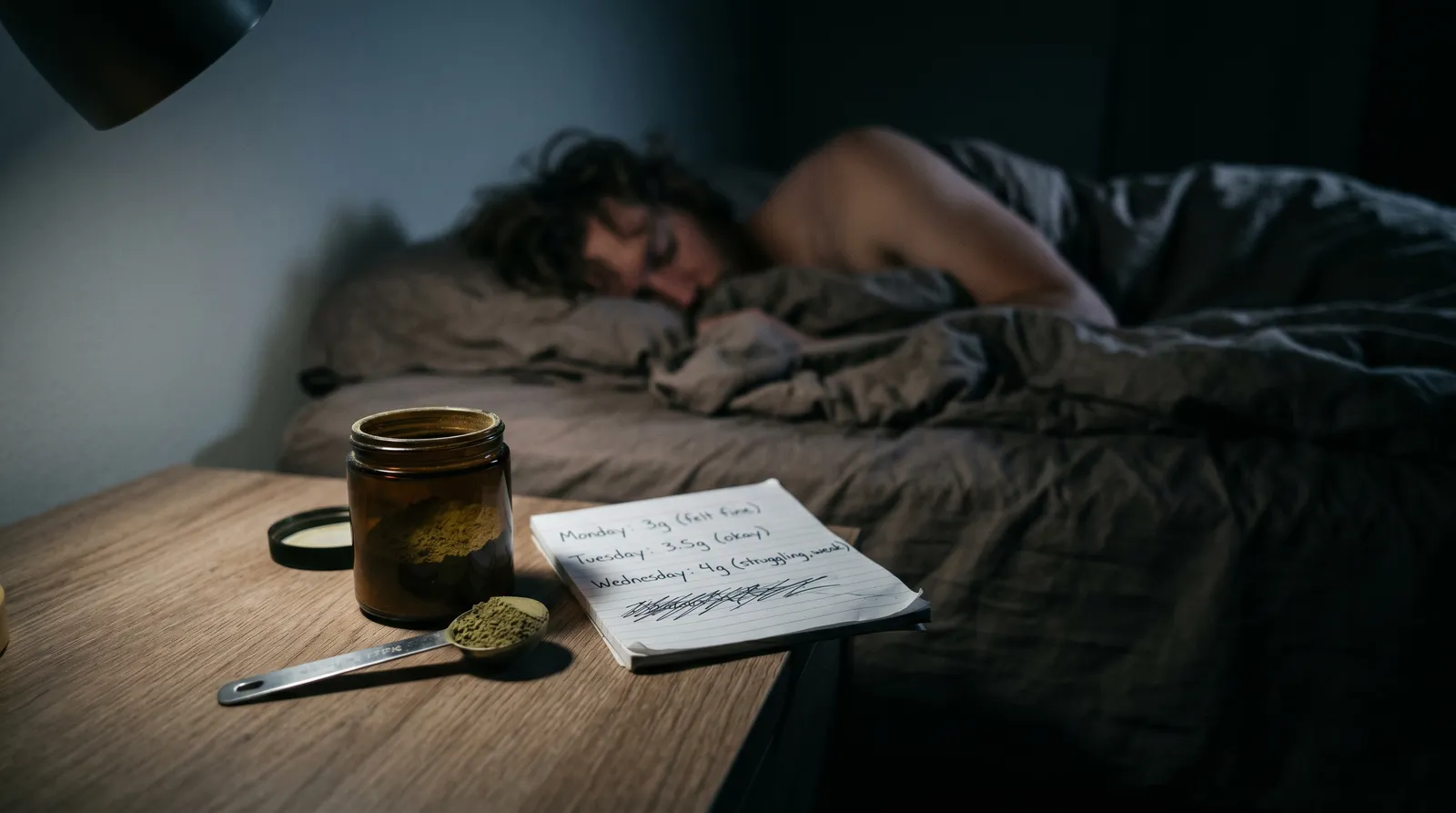
Tolerance to kratom's sedative effects develops rapidly with consecutive daily dosing, often within the first week of nightly use (Singh et al., 2014). What worked on Monday might feel noticeably weaker by Thursday, pushing users toward dose escalation. A recognised withdrawal syndrome — including insomnia, irritability, muscle aches, and restlessness — has been documented in daily heavy users (Singh et al., 2014). The cruel irony is that if you begin using kratom specifically to sleep, nightly use can create a rebound insomnia upon cessation that is worse than whatever sleep problem you started with.
Whether moderate or occasional users (say, 2–3 times per week) develop clinically meaningful dependence is still contested in the literature. But the trajectory from "occasional sleep aid" to "nightly necessity" is a pattern worth being honest about. If you find yourself increasing your dose or unable to sleep without it after a few weeks of regular use, that is a signal to reassess, not to take more.
Contraindications for Evening Use
Combining kratom with other sedating substances at bedtime is the scenario where serious risk concentrates (Veltri & Grundmann, 2019). Alcohol, benzodiazepines, other opioids, and sedating antihistamines all compound respiratory depression risk when combined with mu-opioid agonists. The European Monitoring Centre for Drugs and Drug Addiction (EMCDDA) has flagged kratom as a substance of concern in its drug monitoring reports, citing limited clinical safety data and interaction risks with CNS depressants (EMCDDA, 2021). CYP3A4 inhibitors — including grapefruit juice, ketoconazole, and clarithromycin — can increase circulating mitragynine levels unpredictably. CYP2D6 inhibitors such as fluoxetine and paroxetine may do the same. Pre-existing liver disease warrants particular caution given the hepatotoxicity case reports in the literature, even though the population-level incidence and mechanism remain under investigation. Pregnancy, breastfeeding, and a personal or family history of substance use disorder are also clear contraindications. For a complete breakdown of drug interactions, see the dedicated article on kratom drug interactions.
Kratom Versus Traditional Sleep Botanicals
Kratom is a less targeted sleep aid than several well-studied botanicals because its primary mechanism of action centres on opioid receptors rather than GABAergic or melatonergic pathways directly involved in sleep regulation (Kruegel & Grundmann, 2018). Valerian (Valeriana officinalis) acts on GABA-A receptors in a manner more analogous to how the brain naturally initiates sleep. Passionflower (Passiflora incarnata) modulates GABA uptake and was shown in a 2011 double-blind trial to improve subjective sleep quality versus placebo (Ngan & Conduit, 2011) — which is more direct sleep-specific evidence than kratom currently has. Magnolia bark contains honokiol and magnolol, both of which have demonstrated GABA-A modulation in preclinical studies.
| Botanical | Primary sleep mechanism | Clinical sleep evidence | Dependence risk |
|---|---|---|---|
| Kratom (Mitragyna speciosa) | Mu-opioid agonism (sedation at higher doses) | No sleep-lab studies; survey data only | Moderate–high with daily use |
| Valerian (Valeriana officinalis) | GABA-A receptor modulation | Multiple RCTs with mixed but generally positive results | Low |
| Passionflower (Passiflora incarnata) | GABA uptake inhibition | One double-blind RCT showing improved subjective sleep quality | Very low |
| Magnolia bark (Magnolia officinalis) | GABA-A modulation via honokiol | Preclinical data; limited human trials | Very low |
For kratom used specifically for evening relaxation, it's worth knowing that its sleep benefits are a secondary effect of its opioid activity rather than a primary pharmacological action. Valerian capsules or passionflower tea may offer a gentler, more sleep-specific profile with considerably less dependence risk. Comparing these botanicals side by side is a reasonable approach before committing to any single evening routine. You can order valerian, passionflower, and magnolia bark alongside kratom from the Azarius smartshop to compare them directly.
What We Honestly Do Not Know Yet
The evidence base for kratom and sleep remains genuinely thin compared to most botanicals sold as sleep aids (Kruegel & Grundmann, 2018). No polysomnographic study has measured kratom's effect on sleep architecture in humans. We do not know whether kratom suppresses deep slow-wave sleep, how its metabolites interact with circadian signalling, or whether chronic use permanently alters sleep homeostasis. The survey data we do have comes from self-selected users reporting subjective experiences — useful for identifying patterns, but a long way from controlled evidence. Anyone telling you they know exactly what kratom does to your sleep stages is outrunning the science.
Dose Form Comparison for Evening Use
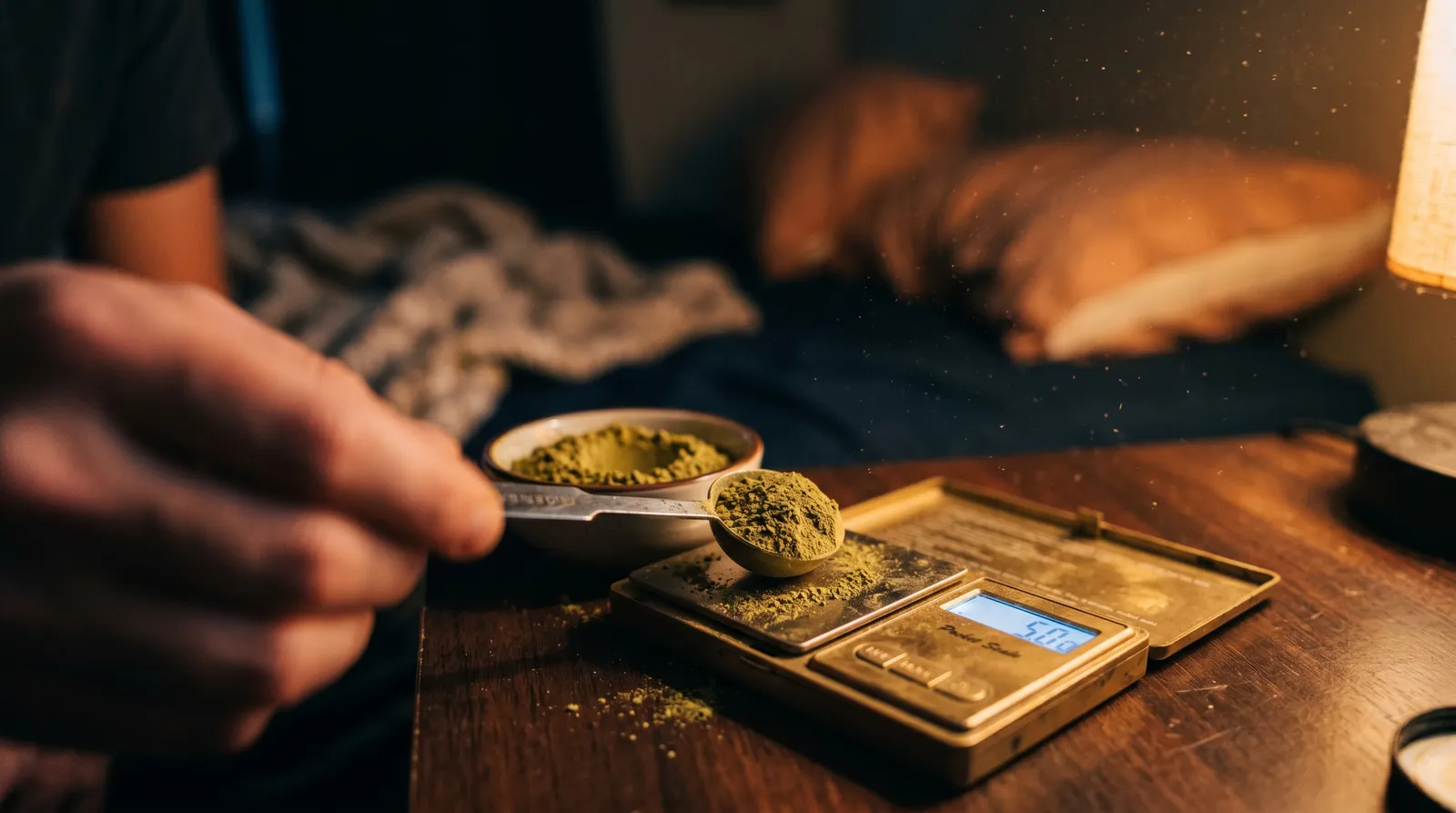
Crushed leaf tea offers the fastest and most controllable onset for evening use, typically reaching effects within 15–30 minutes, while capsules trade timing precision for convenience (Trakulsrichai et al., 2015). If you want to buy kratom specifically for evening routines, the form you choose shapes the experience significantly.
| Dose form | Typical onset | Duration of effects | Evening use notes |
|---|---|---|---|
| Crushed leaf tea | 15–30 minutes | 3–5 hours | Fastest onset; easier to time with sleep window |
| Powder (toss-and-wash) | 20–40 minutes | 4–6 hours | Most common method; onset varies with stomach contents |
| Capsules | 30–60 minutes | 4–6 hours | Slower onset due to capsule dissolution; harder to time precisely |
| Extracts | 15–30 minutes | 4–8 hours | Concentrated; much higher tolerance and dependence risk |
If you are considering which form to buy for evening use, crushed leaf brewed as tea offers the most controllable onset, while capsules trade precision for convenience. Extracts should be approached with particular caution given their concentrated alkaloid content and accelerated tolerance trajectory.
Choosing Between Leaf and Capsules
Crushed kratom leaf allows you to brew a tea and control steeping time, which gives finer control over strength (Trakulsrichai et al., 2015). Kratom capsules are more convenient but dissolve at variable rates depending on the capsule material and your stomach pH. If precise timing matters for your sleep window, leaf tea is generally the better option. Both crushed kratom leaf and kratom capsules are available to order from Azarius.
Building an Evening Botanical Routine
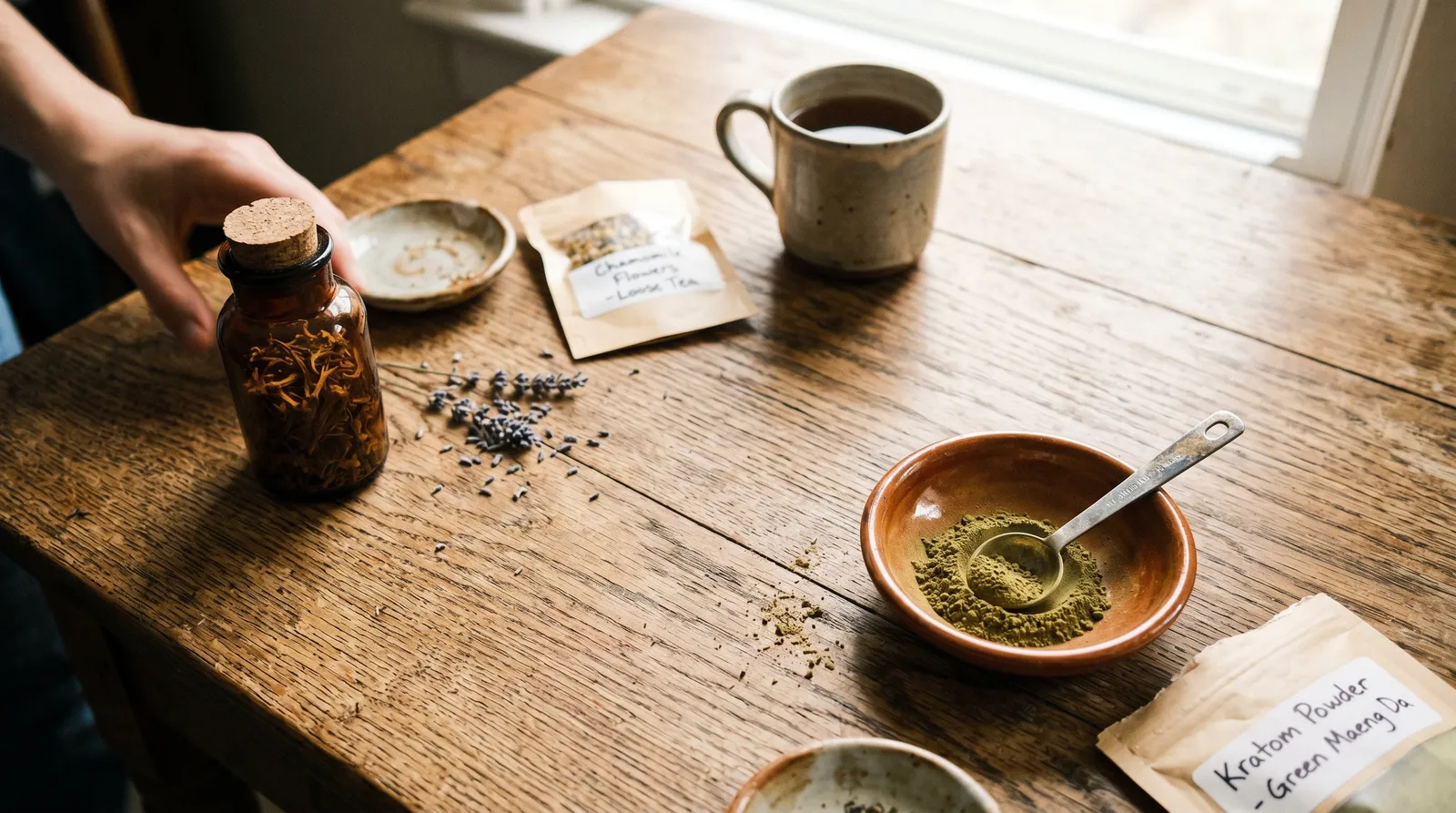
Rotating between kratom and non-opioidergic botanicals on different nights is the most practical strategy for managing tolerance while still getting evening relaxation benefits (Singh et al., 2014). Many experienced users cycle kratom with valerian root, passionflower, or magnolia bark to avoid the rapid tolerance escalation that comes with nightly kratom use. A common pattern described by customers is using kratom two or three evenings per week and filling the remaining nights with a GABA-modulating botanical like valerian or passionflower.
This rotation approach addresses the core problem: kratom's sedative tolerance builds fast, but valerian and passionflower tolerance builds slowly or not at all in most users. By alternating, you preserve kratom's effectiveness for the nights you use it while still having a reliable wind-down option on off nights. You can get kratom, valerian capsules, passionflower tea, and magnolia bark extract from the Azarius smartshop — having all four on hand makes rotation straightforward.
Where to Buy Kratom for Evening Use
Azarius stocks crushed kratom leaf, kratom powder, and kratom capsules suitable for evening routines, alongside complementary sleep botanicals like valerian root capsules, passionflower tea, and magnolia bark extract. If you want to buy kratom and compare it with gentler sleep-specific botanicals, ordering a small quantity of each lets you test different evenings before committing to a rotation schedule. All kratom products in the Azarius smartshop are lab-tested for alkaloid content and contaminants. You can also get valerian, passionflower, and magnolia bark from the same shop, which makes building a multi-botanical evening routine straightforward.
Practical Summary
Kratom can help some people fall asleep at higher doses, but it is not a targeted sleep aid and carries real dependence risk with nightly use (Singh et al., 2014). Its effects on actual sleep quality — as opposed to just falling asleep faster — are poorly understood. If you do use it in the evening, keep doses consistent, avoid combining it with other depressants, and pay close attention to whether you are escalating. Consider cycling with non-opioidergic sleep botanicals like valerian or passionflower to reduce tolerance buildup. You can order kratom, valerian, passionflower, and magnolia bark from the Azarius smartshop — useful for anyone wanting to compare these botanicals side by side.
Medical consultation note: If you have a health condition, take prescription medication, or are pregnant or breastfeeding, consult a qualified healthcare provider before using any psychoactive substance. Drug interactions are substance- and dose-dependent, and the information in this article is for educational reference only — it does not replace personalised medical advice.
Frequently Asked Questions
Does kratom suppress REM sleep?
Likely, based on broader opioid pharmacology — mu-opioid agonists are known to reduce REM sleep. No polysomnographic study has directly measured kratom's effect on sleep stages, so the claim remains extrapolated rather than proven.
How long before bed should you take kratom?
Users who report evening use often describe taking it 3–4 hours before sleep rather than at bedtime, allowing the sedative phase to coincide with the sleep window while reducing morning grogginess. This is anecdotal pattern, not clinical guidance.
Can kratom cause insomnia?
Yes — at lower doses kratom's adrenergic activity can be stimulating. Rebound insomnia is also reported when regular nightly users stop, as part of a recognised withdrawal syndrome documented by Singh et al. (2014).
Is red vein kratom actually better for sleep?
No controlled study has confirmed consistent alkaloid differences between vein colours that predict sedation. Batch-to-batch variation within a single product often exceeds differences between labelled strains. Treat colour claims as rough heuristics, not pharmacology.
Does kratom cause next-day drowsiness?
Mitragynine's estimated half-life is around 23 hours (Trakulsrichai et al., 2015), meaning significant amounts remain in circulation the morning after an evening dose. Many users report residual grogginess, sluggishness, or cognitive fog.
How quickly does tolerance build with nightly kratom use?
Tolerance to sedative effects can develop within days of consecutive nightly dosing. Users commonly report needing higher doses by the end of the first week, which accelerates dependence risk.
Can you combine kratom with valerian for sleep?
Rotating kratom and valerian on separate nights is the safer and more commonly recommended approach rather than combining them in a single dose. Using both simultaneously adds sedative load without clear benefit, and no study has examined the combination. Alternating nights helps manage kratom tolerance while maintaining a reliable wind-down routine.
Is kratom safer than prescription sleep medication?
No head-to-head safety comparison between kratom and prescription sleep medications has been published. Prescription sleep aids like zolpidem and suvorexant have undergone extensive clinical trials with known side-effect profiles, while kratom lacks equivalent controlled data. Both carry dependence risks with regular use, but the risk profiles are not directly comparable given the disparity in available evidence.
Last updated: April 2026
Frequently Asked Questions
10 questionsDoes kratom suppress REM sleep?
How long before bed should you take kratom?
Can kratom cause insomnia?
Is red vein kratom actually better for sleep?
Does kratom cause next-day drowsiness?
How quickly does tolerance build with nightly kratom use?
What is the difference between kratom leaf powder and extracts for sleep?
Can you mix kratom with melatonin or other sleep supplements?
Does kratom affect sleep apnea or snoring?
Why do I have vivid dreams or nightmares after stopping kratom?
About this article


Adam Parsons is an external cannabis and psychedelics writer and editor who contributes to Azarius's wiki as both author and reviewer. On the writing side, he authors Azarius's kratom and kanna clusters, drawing on exten
This wiki article was drafted with AI assistance and reviewed by Adam Parsons, External contributor. Editorial oversight by Joshua Askew.
Medical disclaimer. This content is for informational purposes only and does not constitute medical advice. Consult a qualified healthcare provider before use of any substance.
Last reviewed April 24, 2026
References (8)
- [1]Grundmann, O. (2017). Patterns of kratom use and health impact in the US — results from an online survey. Drug and Alcohol Dependence , 176, 63–70. DOI: 10.1016/j.drugalcdep.2017.03.007
- [2]Kruegel, A.C. & Grundmann, O. (2018). The medicinal chemistry and neuropharmacology of kratom: a preliminary discussion of a promising medicinal plant. ACS Chemical Neuroscience , 9(3), 399–410. DOI: 10.1016/j.neuropharm.2017.08.026
- [3]Ngan, A. & Conduit, R. (2011). A double-blind, placebo-controlled investigation of the effects of Passiflora incarnata herbal tea on subjective sleep quality. Phytotherapy Research , 25(8), 1153–1159. DOI: 10.1002/ptr.3400
- [4]Singh, D., Müller, C.P. & Vicknasingam, B.K. (2014). Kratom (Mitragyna speciosa) dependence, withdrawal symptoms and craving in regular users. Drug and Alcohol Dependence , 139, 132–137. DOI: 10.1016/j.drugalcdep.2014.03.017
- [5]Singh, D., Narayanan, S., Grundmann, O. et al. (2020). Long-term effects of kratom (Mitragyna speciosa) use. Journal of Psychoactive Drugs , 52(4), 295–305.
- [6]Swogger, M.T., Hart, E., Erowid, F. et al. (2015). Experiences of kratom users: a qualitative analysis. Journal of Psychoactive Drugs , 47(5), 360–367. DOI: 10.1080/02791072.2015.1096434
- [7]Trakulsrichai, S., Sathirakul, K., Auparakkitanon, S. et al. (2015). Pharmacokinetics of mitragynine in man. Drug Design, Development and Therapy , 9, 2421–2429.
- [8]Veltri, C. & Grundmann, O. (2019). Current perspectives on the impact of kratom use. Substance Abuse and Rehabilitation , 10, 23–31. DOI: 10.2147/sar.s164261
Related Articles
Blue Lotus vs Kanna: Effects & Safety
Blue lotus vs kanna compared — Nymphaea caerulea's aporphine profile against Sceletium tortuosum's mesembrine chemistry, with interaction warnings.

Lotus Clinical Research Overview
What does lotus clinical research actually show? A critical review of Nymphaea caerulea and Nelumbo nucifera pharmacology, preclinical data, and…
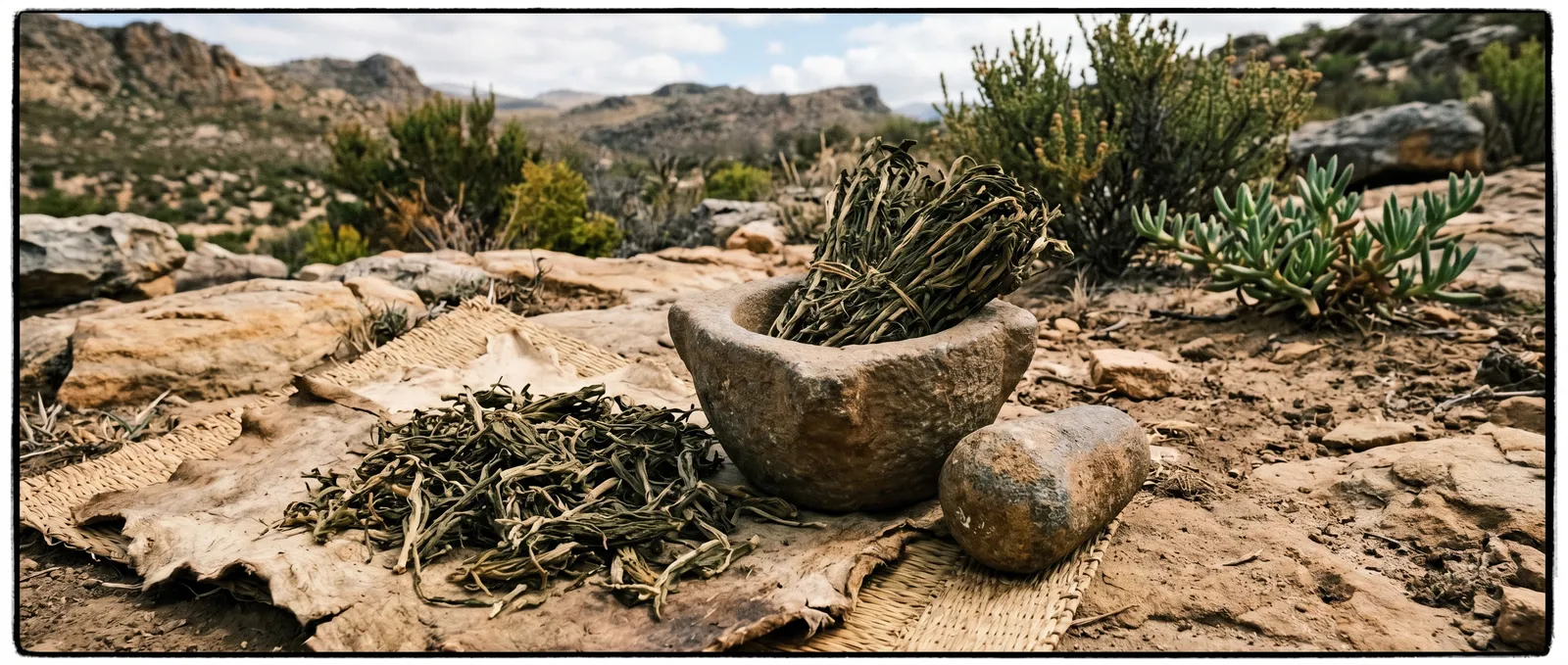
Kanna South Africa To West History
Sceletium tortuosum was used by San and Khoekhoe communities in southern Africa for centuries before European colonists first documented it in the 1660s.
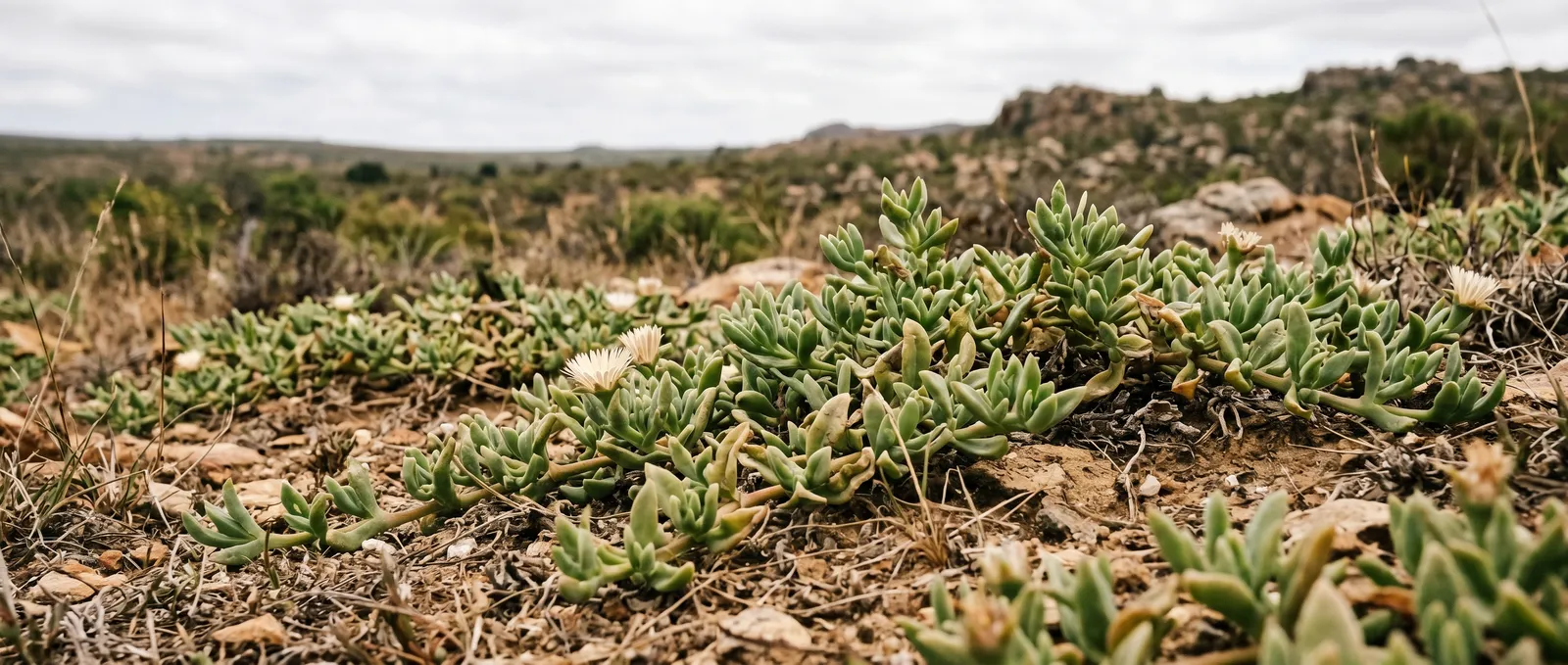
Sceletium Tortuosum Plant
Learn about the sceletium tortuosum plant: botany, alkaloids, fermentation, safety warnings, and where to buy kanna.
Kanna Pharmacokinetics Explained
Complete guide to kanna pharmacokinetics: how Sceletium tortuosum alkaloids are absorbed, metabolised via CYP2D6, and eliminated.
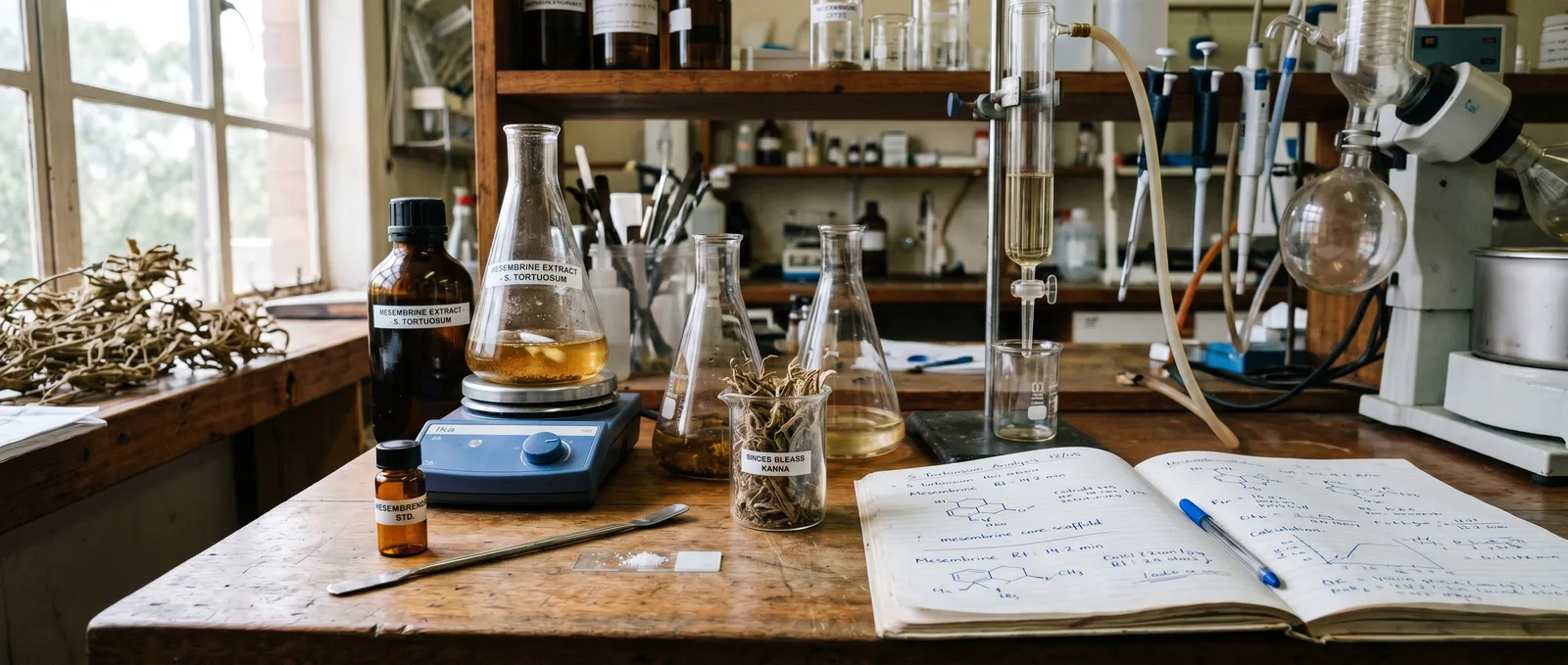
Kanna Chemistry: Sceletium Alkaloids Explained
Kanna chemistry explained: mesembrine, mesembrenone, their mechanisms, how fermentation and extraction change alkaloid profiles, and why it matters…

Rapé Shamanic Snuff Guide: How to Use It Safely
A practical rapé shamanic snuff guide covering dose, kuripe technique, effects, nicotine safety, interactions and Amazonian tradition.
White Sage Salvia Apiana Cultural Smudging Guide
Salvia apiana is a non-psychoactive shrub native to southern California's coastal sage scrub, burned as ceremonial incense in Indigenous North American…
Mulungu Erythrina Traditional Amazonian Use — Bark, Alkaloids & Research
Erythrina mulungu is a Brazilian legume tree whose bark has been brewed as a calming decoction in rural folk medicine for generations.