
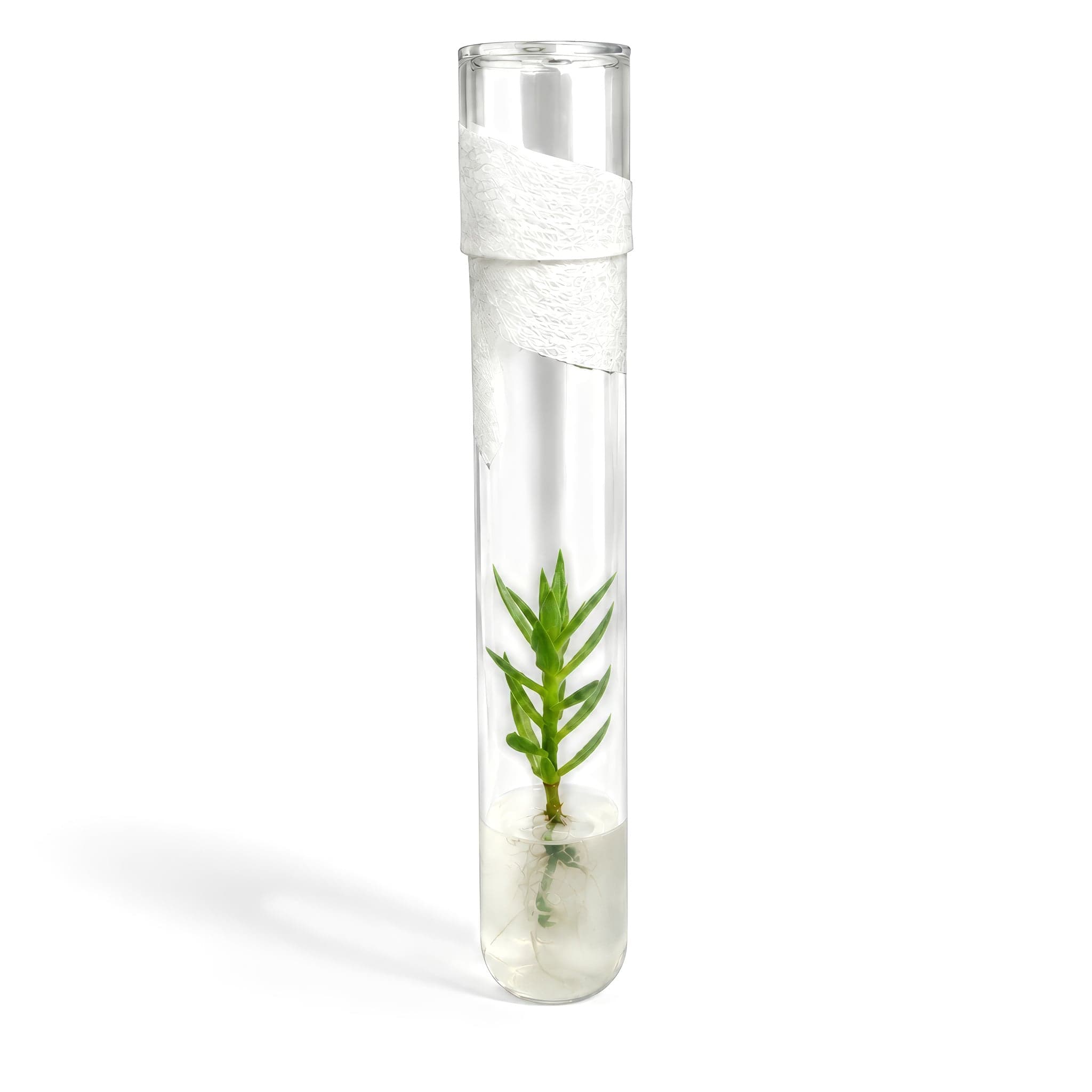
Pereskiopsis Plant
We'll only email you about this product — no marketing.
Pereskiopsis Plant: the Fast Rootstock for Grafting Cactus Seedlings
Pereskiopsis is a leafy cactus that growers use as a rootstock, so tiny, slow cactus seedlings grow far faster than they would on their own roots. This one comes as a tissue-cultured plantlet in a sealed culture tube, ready to acclimatise, pot up and turn into your first grafting stock.
In short: if you sow peyote, Ariocarpus or Astrophytum and you're tired of seedlings that barely move in their first year, a Pereskiopsis plant is the tool most growers reach for. It's a working plant more than a showpiece.
| Spec | Value |
|---|---|
| Genus | Pereskiopsis |
| Family | Cactaceae (cactus family) |
| Origin | Mexico and Central America |
| Supplied as | Living plantlet in a sealed culture tube on nutrient gel (agar) |
| Main use | Rootstock for grafting young cactus seedlings |
| Light | Bright but filtered, 6-8 hours a day |
| Soil | Rich, organic mix opened up with perlite, pumice or sharp sand |
| Water | Freely in spring and summer once the top 2-3cm is dry; less in autumn and winter |
| Temperature | Frost-free all year |
| SKU | SM0942 |
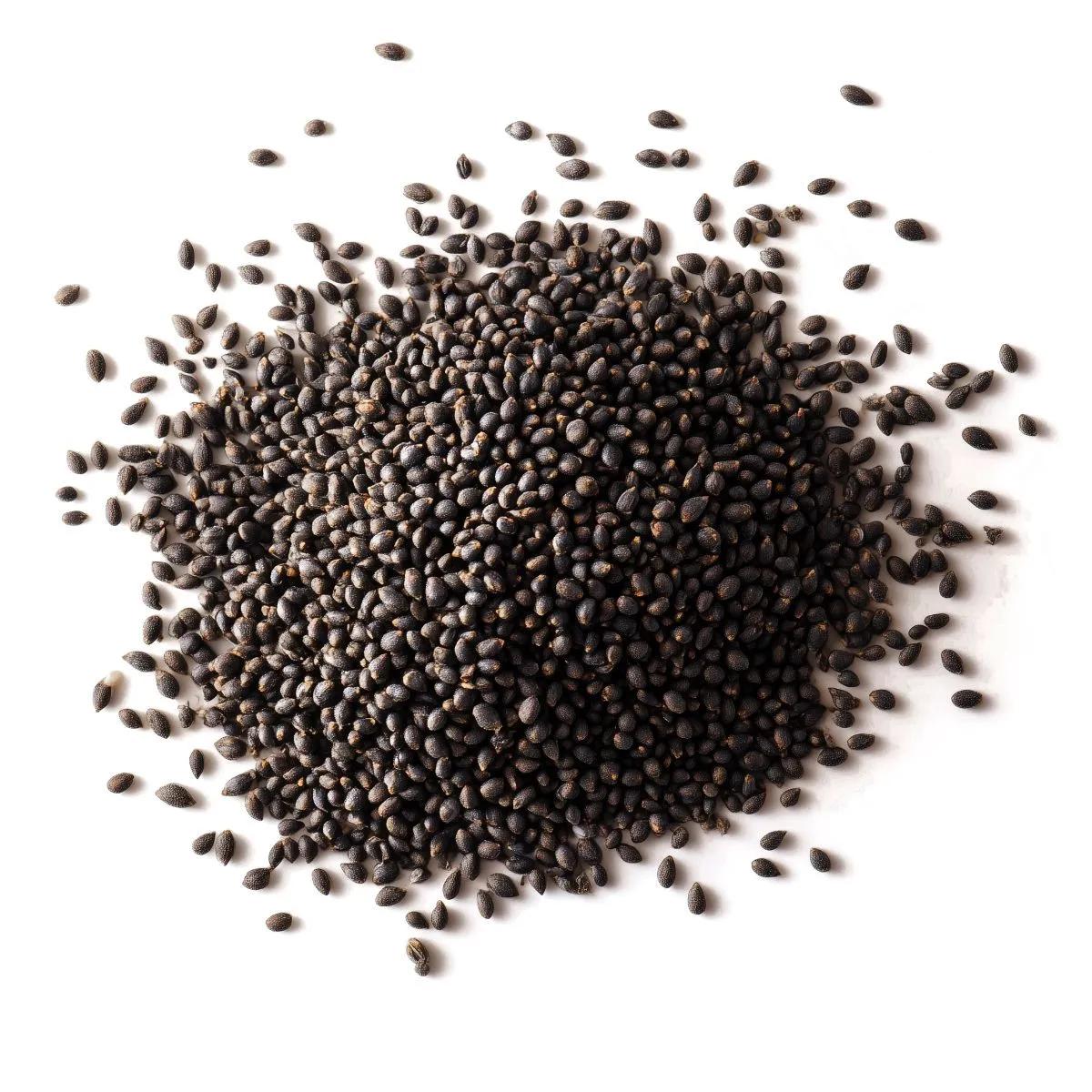
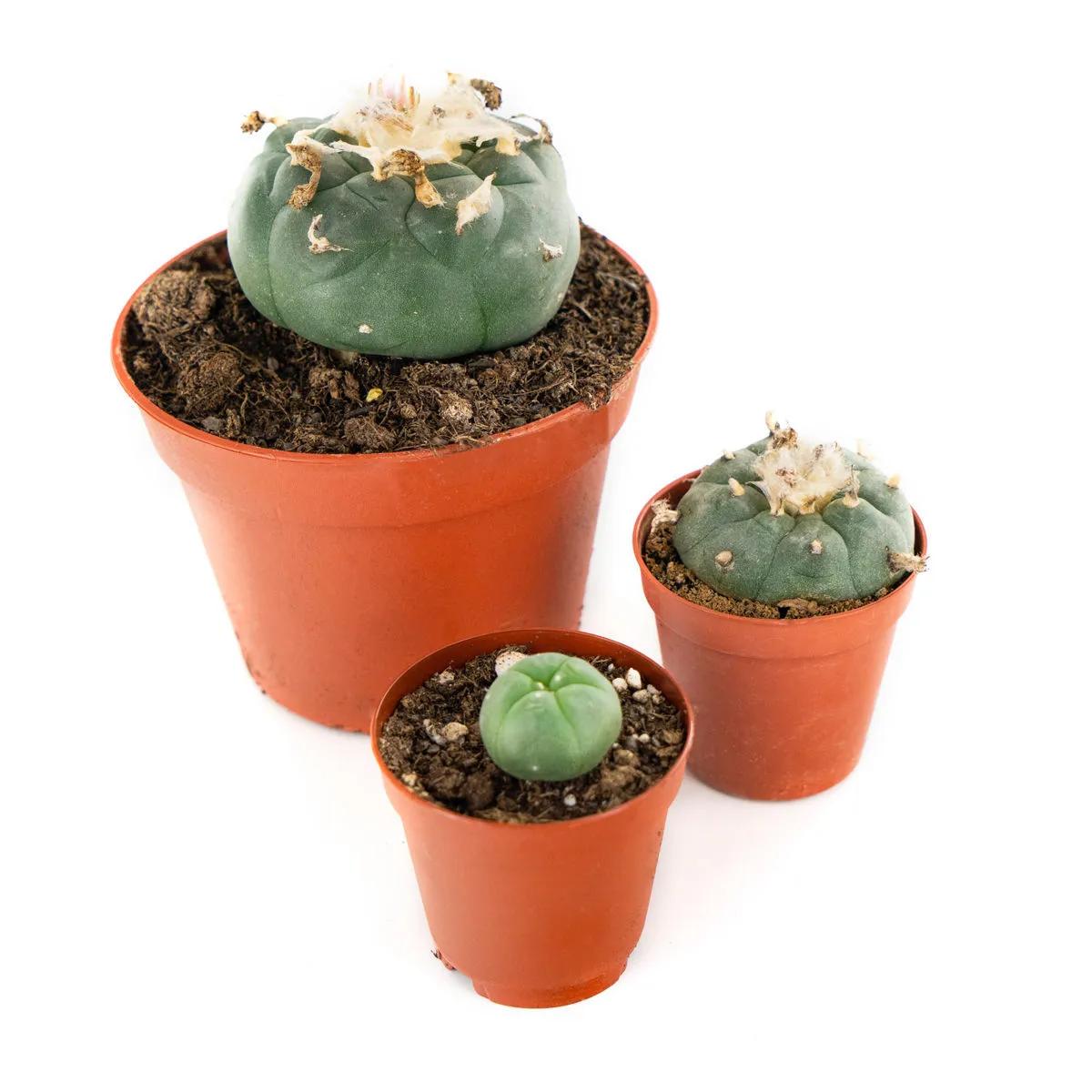
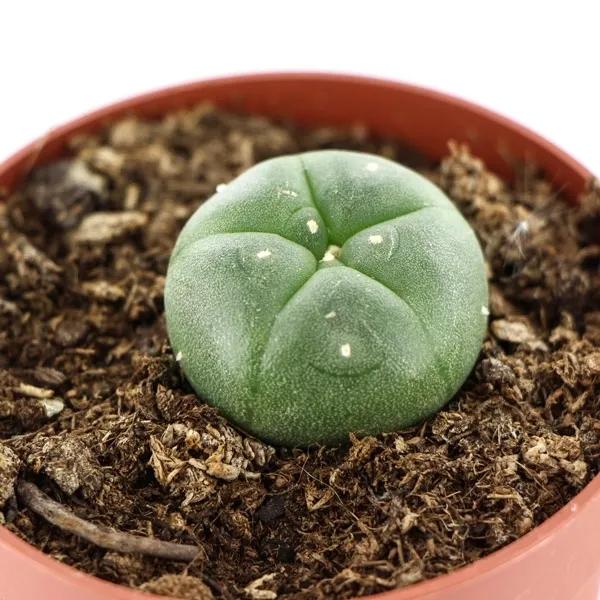
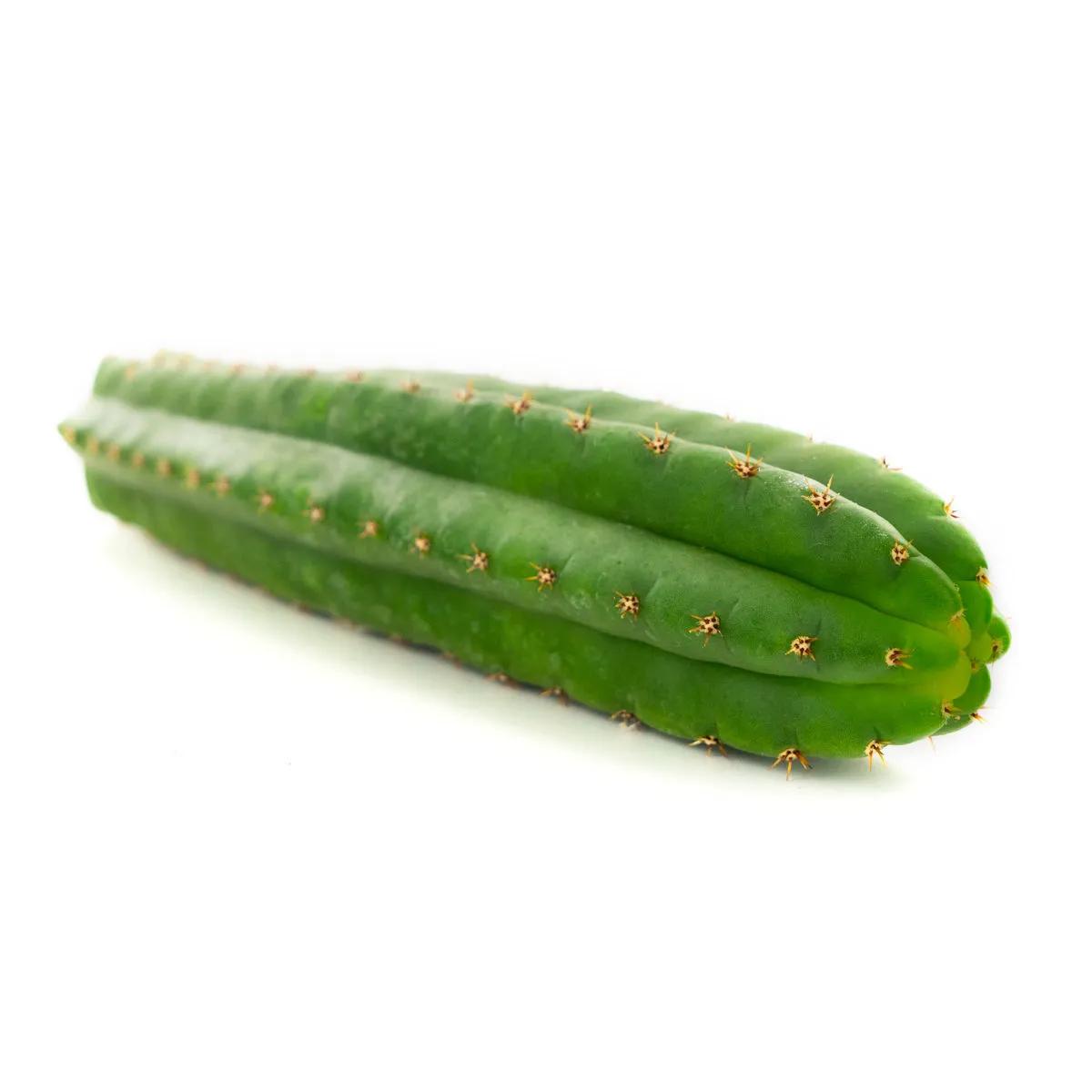
Pereskiopsis needs something to carry. Pair it with Peyote Seeds or San Pedro Seeds and you have seedlings to graft within reach. Rather grow on a plant that already has some size? Azarius also sells Peyote as a live cactus.
Pereskiopsis Grafting: Why Growers Use It
Pereskiopsis speeds up slow cacti. Many collectors' cacti spend their first years as green pinheads, and every month at that size is a month they can rot or dry out. Graft one of those seedlings onto a vigorous stem of this rootstock and the scion draws on a root system and leafy stem that grow much faster than any cactus seedling could on its own.
Few people would guess it's a cactus at all. You get green stems with small, fleshy leaves that feel soft and cool between your fingers. Brush a stem too casually, though, and you'll find the catch: tiny spines and hair-fine glochids that lodge in your skin and itch for hours. Use tweezers or gloves every time.
Compared with a Trichocereus (Echinopsis pachanoi) stock, Pereskiopsis is the sprinter. San Pedro stock is sturdy and lasts for years, but its thick stem is clumsy for a seedling a few millimetres across. Its thin stem matches a tiny seedling. The trade-off is that it isn't a lifelong home: once the scion gets heavy, most growers re-graft it onto a sturdier stock or let it root on its own.
Pereskiopsis vs Other Common Rootstocks
Each rootstock has its own job. Here is how the three most common ones compare:
| Pereskiopsis | Trichocereus / Echinopsis pachanoi | Hylocereus | |
|---|---|---|---|
| Growth speed of the scion | Very fast | Steady | Fast |
| Best for | Very young, tiny seedlings | Larger seedlings and long-term grafts | Small to medium seedlings |
| Lifespan as a stock | Short-term; scions are usually moved on | Long-term | Medium-term; dislikes cold |
Our verdict: start on Pereskiopsis for seedlings that are too small for anything else, then move the survivors to a Trichocereus stock or onto their own roots once they've grown.
How to Acclimatise and Grow Your Pereskiopsis
Your plantlet has spent its life in a sterile tube, so it needs a gentle move into room air. Tissue culture means it starts free of soil pests and pathogens.
- Open the tube on a clean surface and ease the plantlet out with tweezers.
- Rinse the gel off the roots with room-temperature water. Be gentle; the roots are delicate.
- Pot it into a fresh, pre-moistened, airy mix: a rich organic soil opened up with perlite, pumice or sharp sand. Don't press the mix down, and keep the growing point above the surface.
- Put a propagation lid or a pinholed plastic bag over the pot so the air stays saturated, and shade it from direct sun: a closed cover heats up quickly.
- Check it daily and open the cover for gradually longer spells until the plant copes with ordinary room air.
- Once established, place it at a west- or south-facing window where it gets 6-8 hours of filtered brightness a day, shaded from the harsh midday sun.
- Water freely in spring and summer whenever the top 2-3cm has dried out. Water less from autumn through winter, but never let the pot dry out completely, and keep it frost-free.
- Graft once the stem has grown on and firmed up: cut it straight across with a clean, sharp blade, slice the base off your seedling, set it on the fresh cut with gentle pressure and keep it shaded and humid while it takes.
Wash your hands after handling the roots and growing medium, and keep the plant away from children and pets. From Azarius, smartshop since 1999, one piece of advice: be patient in the first weeks out of the tube. That stretch decides everything that follows.
Frequently Asked Questions
What is Pereskiopsis used for?
It is used mainly as a grafting rootstock. Growers graft tiny cactus seedlings, such as peyote (Lophophora), Ariocarpus or Astrophytum, onto its stems so they grow much faster than on their own roots.
Why graft cactus seedlings onto Pereskiopsis?
Because it speeds them up. A fast-growing, leafy stem feeds the seedling far more than its own tiny roots can, so slow species spend less time at the fragile seedling stage.
How do you graft a seedling onto Pereskiopsis?
Cut the stock straight across with a clean, sharp blade, slice the base off the seedling, and press the seedling onto the fresh cut so the two meet. Keep the graft humid and out of direct sun until it has clearly taken.
How long can a scion stay on Pereskiopsis?
Until it gets too heavy for the thin stem. It is a short-term stock: once the scion has grown well, most growers re-graft it onto a sturdier stock such as Trichocereus or cut it off and let it root on its own.
Does Pereskiopsis need cactus soil?
No. Unlike most cacti, it prefers a richer, organic soil. Open it up with perlite, pumice or sharp sand so water still drains freely and the roots get air.
Why is my Pereskiopsis dropping its leaves?
Usually because of cold, drying out or too little light, and sometimes as a reaction to being moved. Keep it frost-free, give it a bright spot out of direct midday sun and don't let the pot dry out completely, even in winter.
Can you grow more Pereskiopsis from cuttings?
Yes. It roots readily from stem cuttings, so one established plant can give you several extra grafting stocks.
Last updated: November 2026
Related products
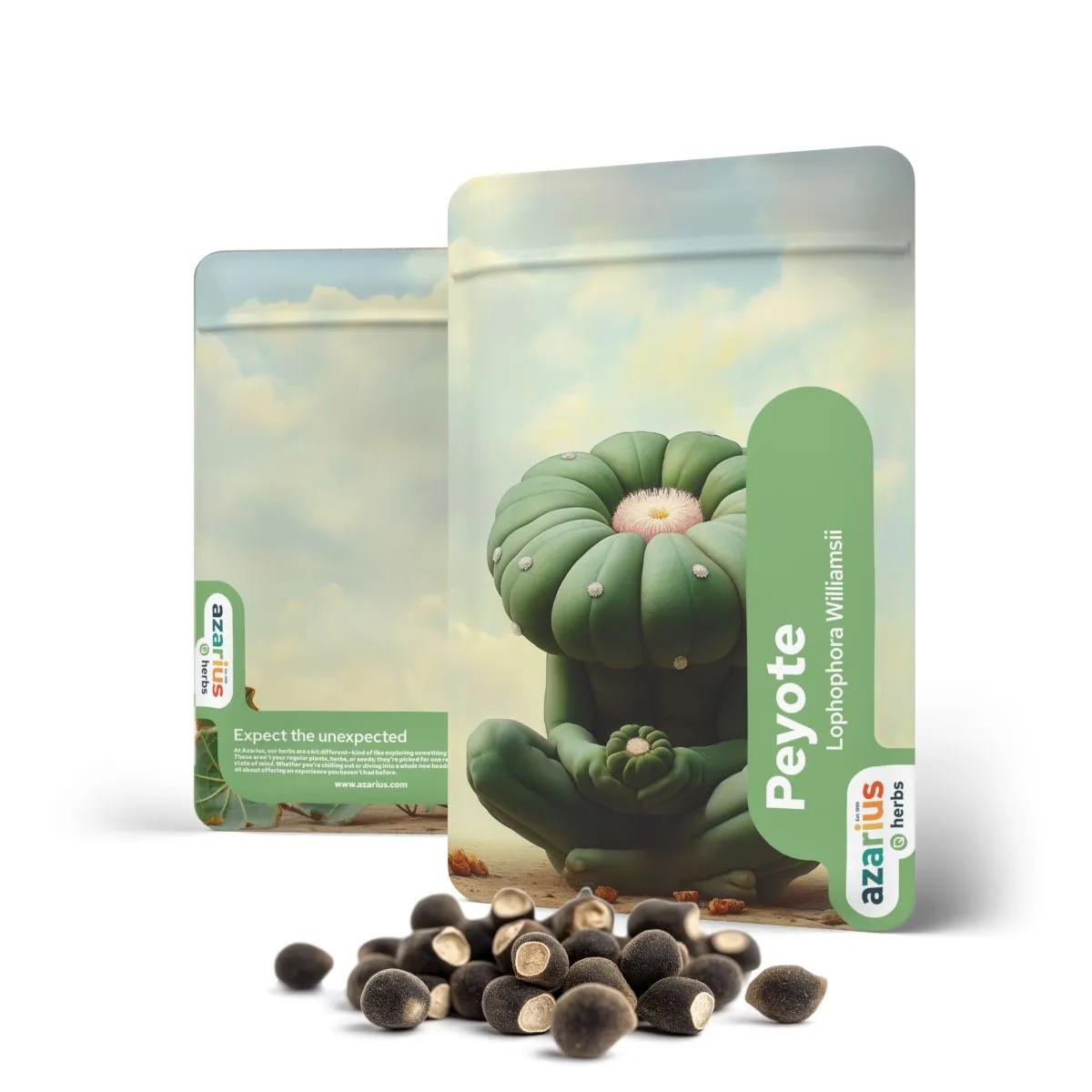
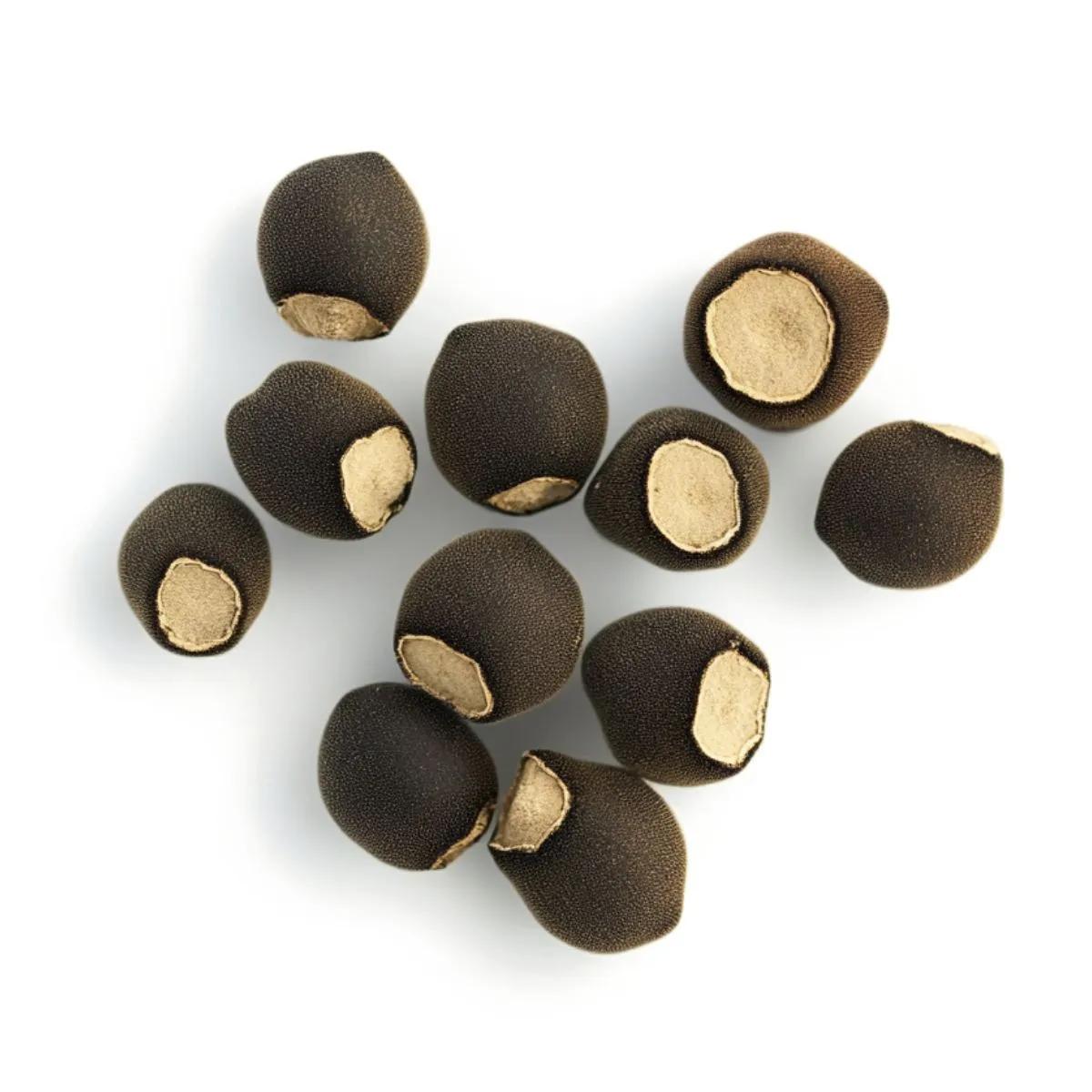
Azarius
Peyote seeds
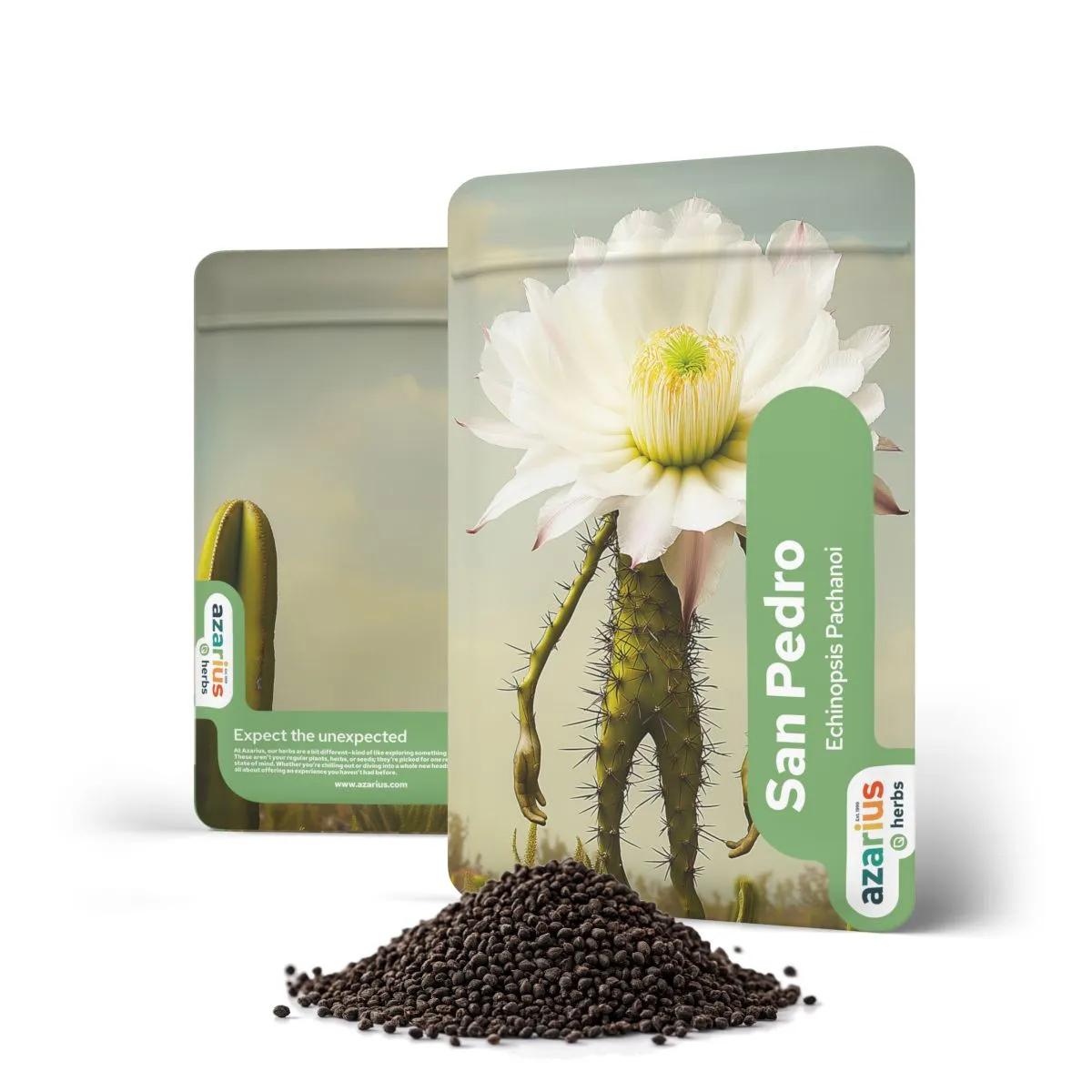
Azarius
San Pedro seeds
You might also like
Medical disclaimer. This content is for informational purposes only and does not constitute medical advice. Consult a qualified healthcare provider before use of any substance.