
Echinopsis Hybrids
Echinopsis hybrid mescaline cacti are crosses between two stable Echinopsis species — usually E. pachanoi (San Pedro) paired with E. peruviana or E. lageniformis (Bolivian torch) — bred for faster growth, distinctive rib counts, or stronger alkaloid profiles. Growers buy them for ornamental cultivation and collection. Azarius has shipped cacti cuttings across the EU since 1999, and this page rounds up the hybrid-adjacent Echinopsis stock worth ordering.
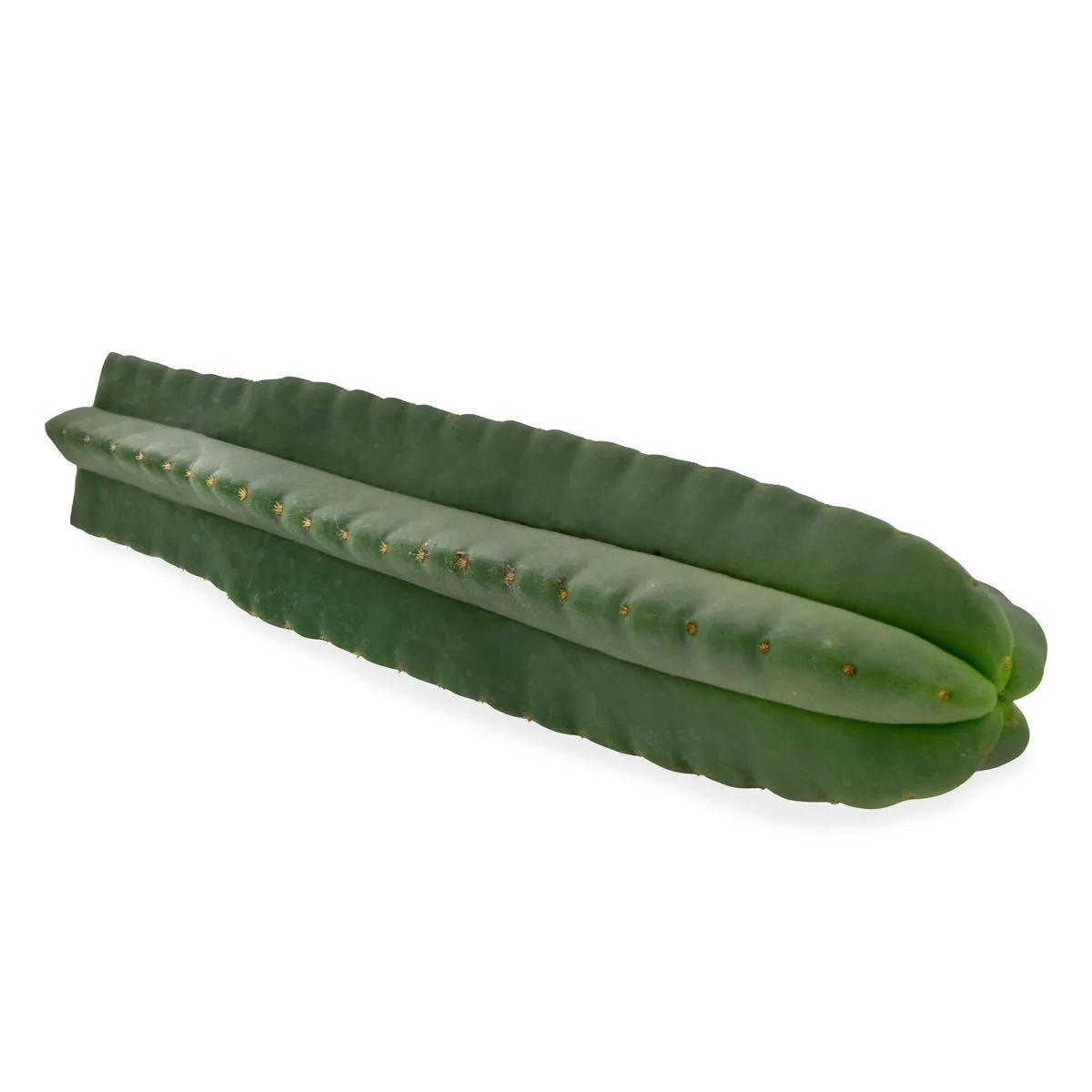
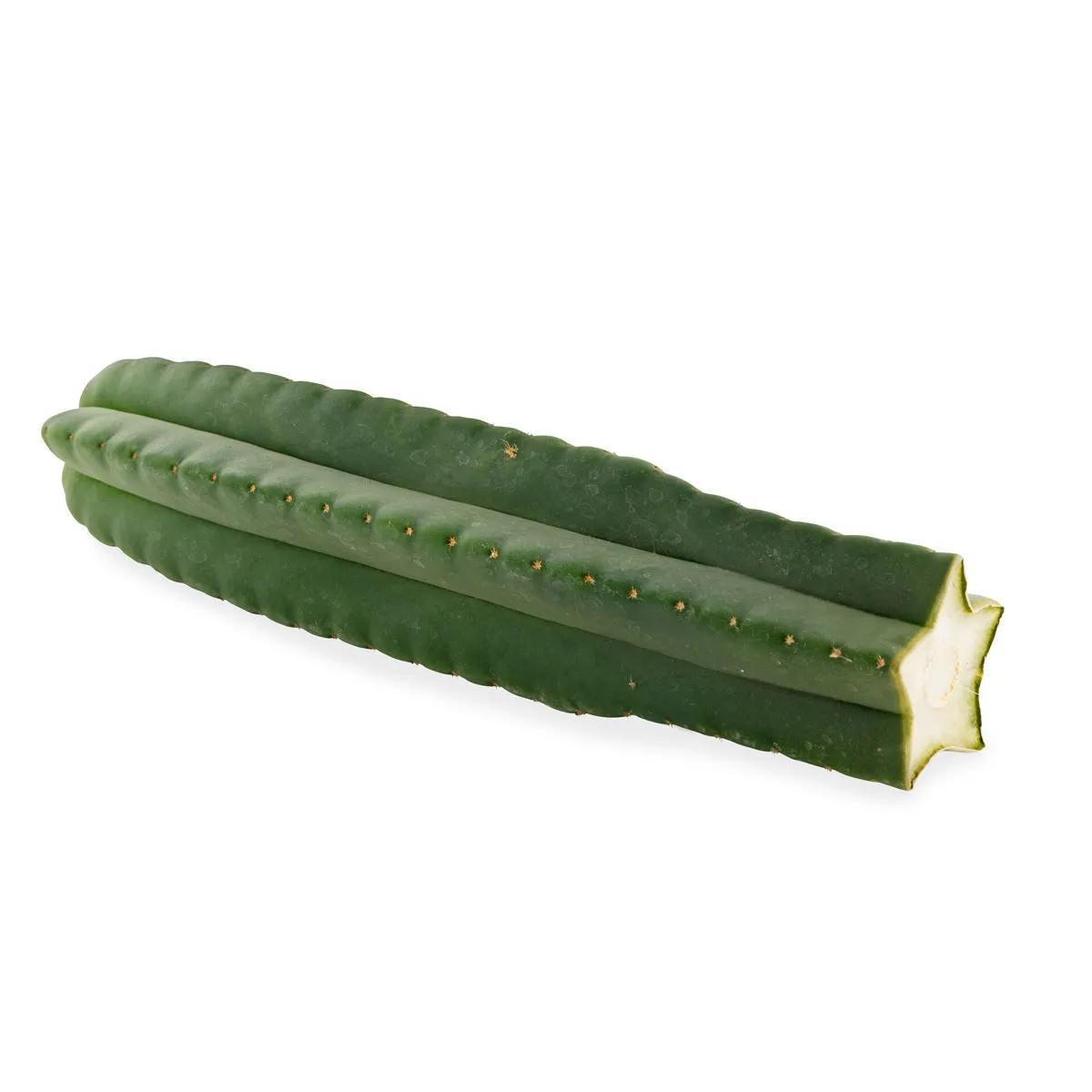
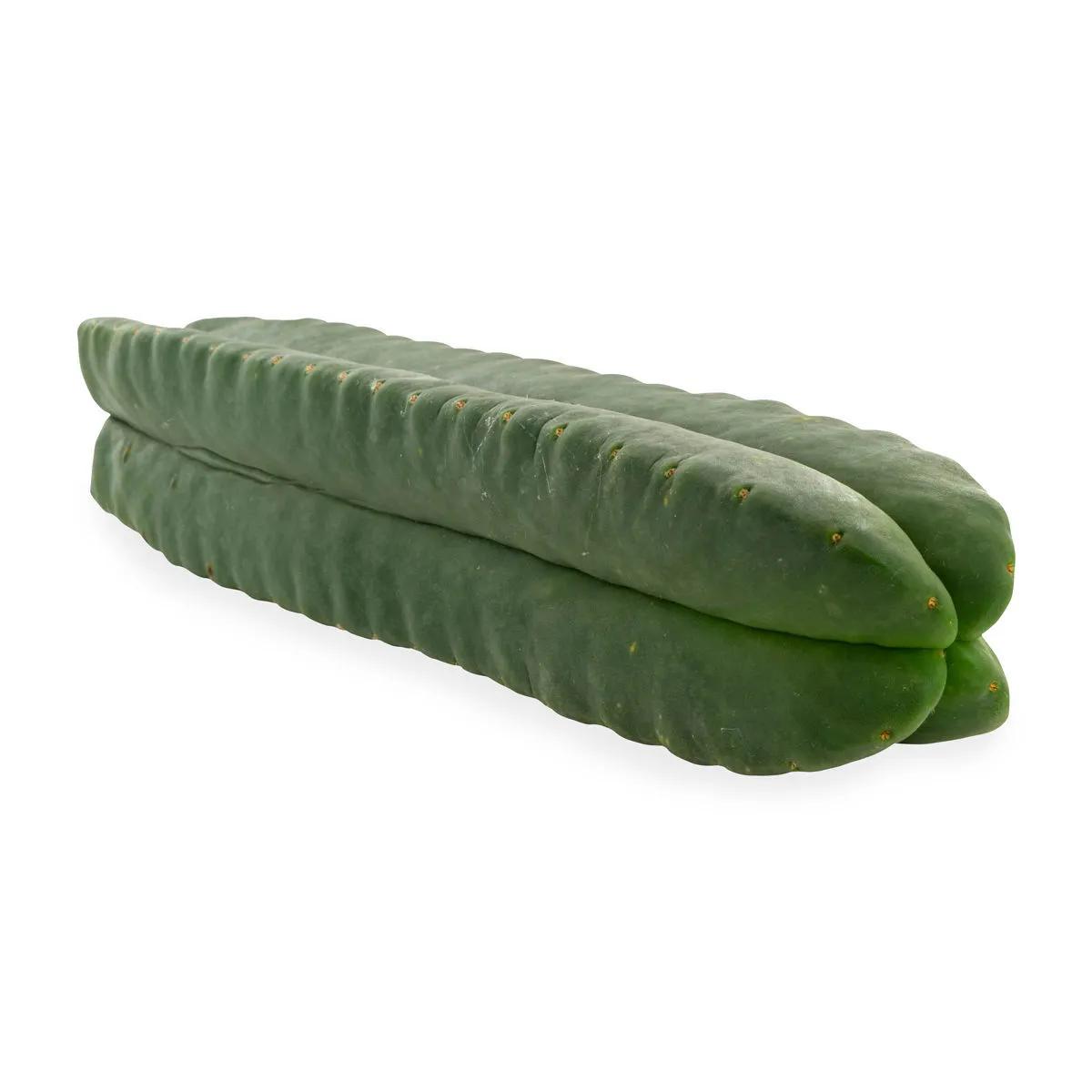
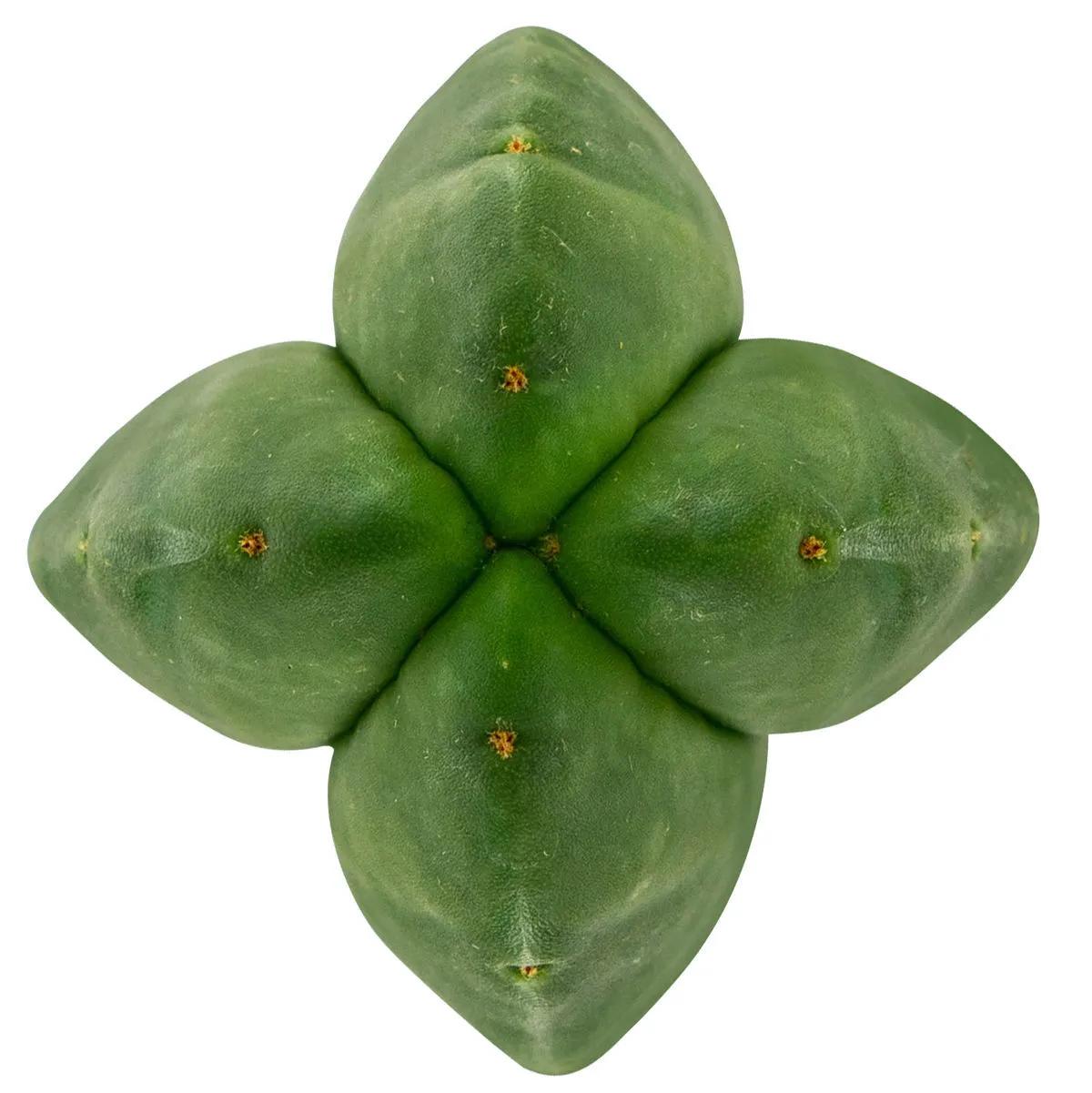
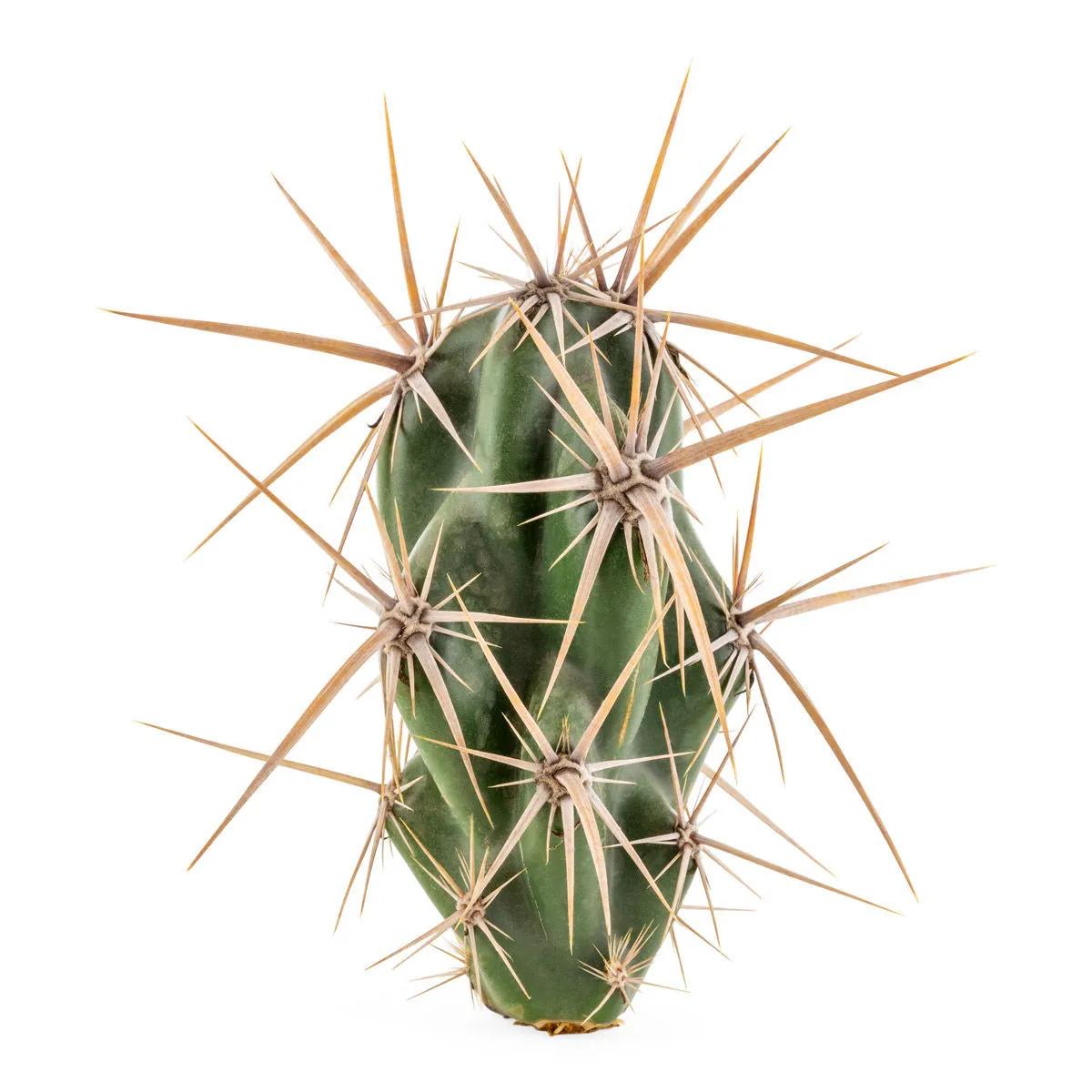
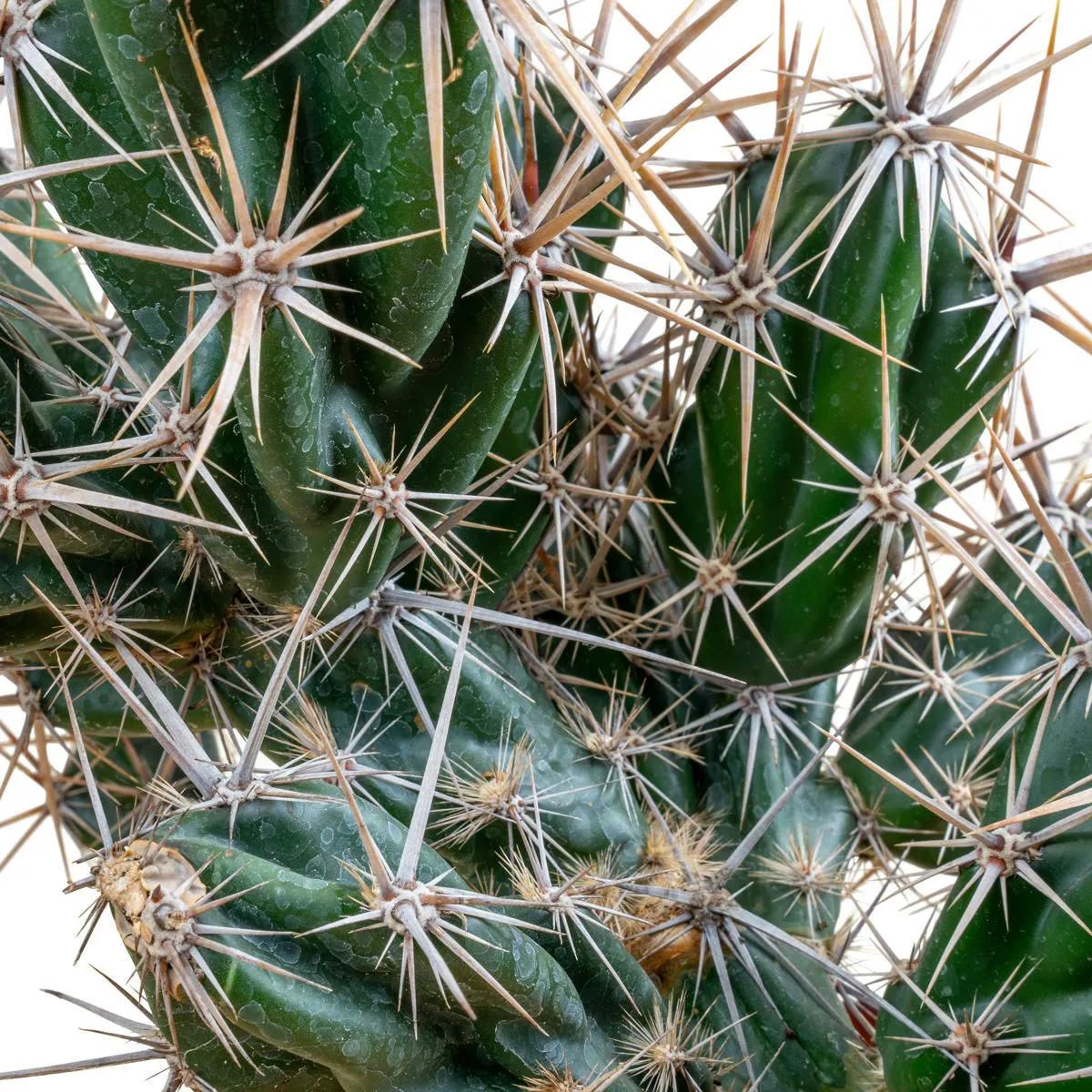
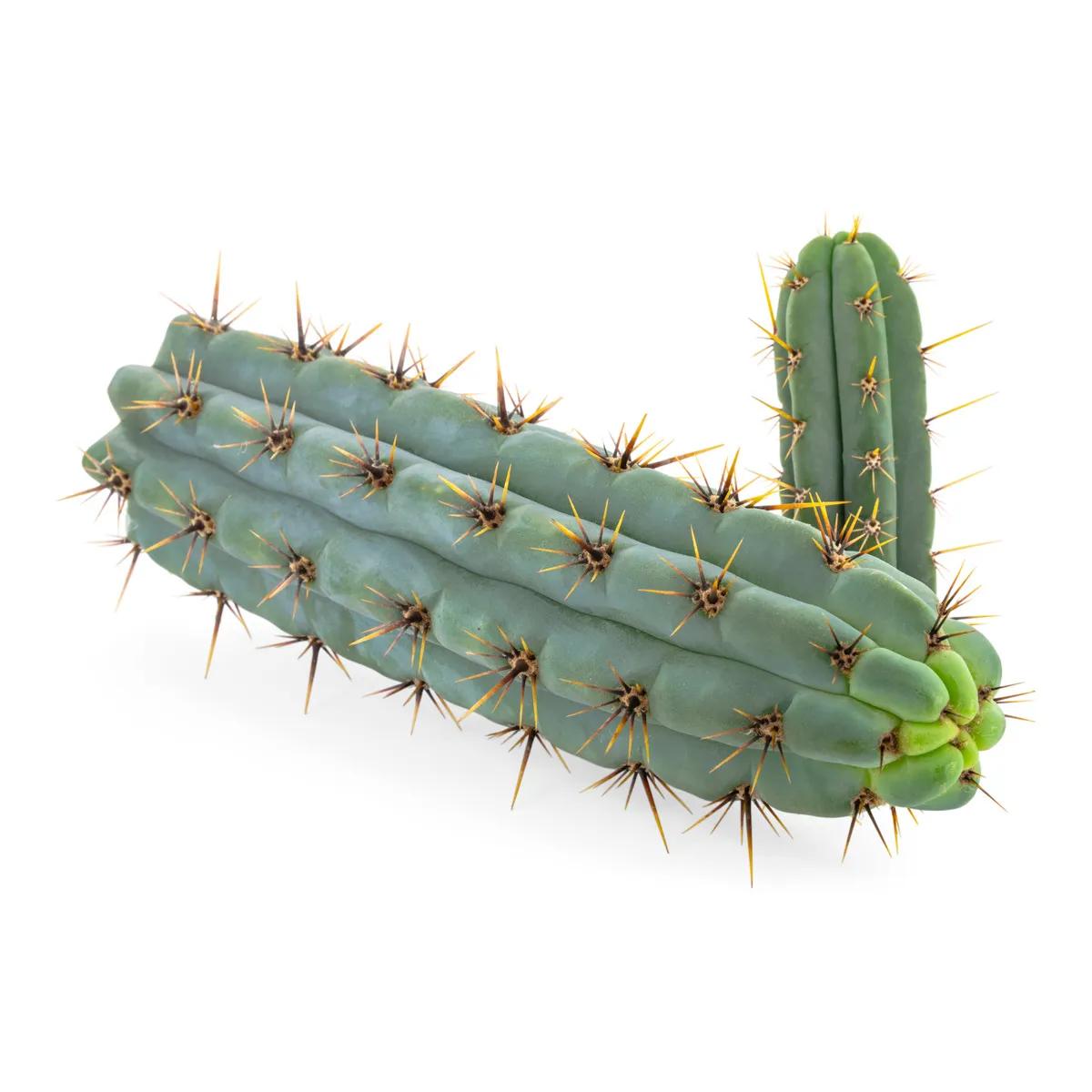
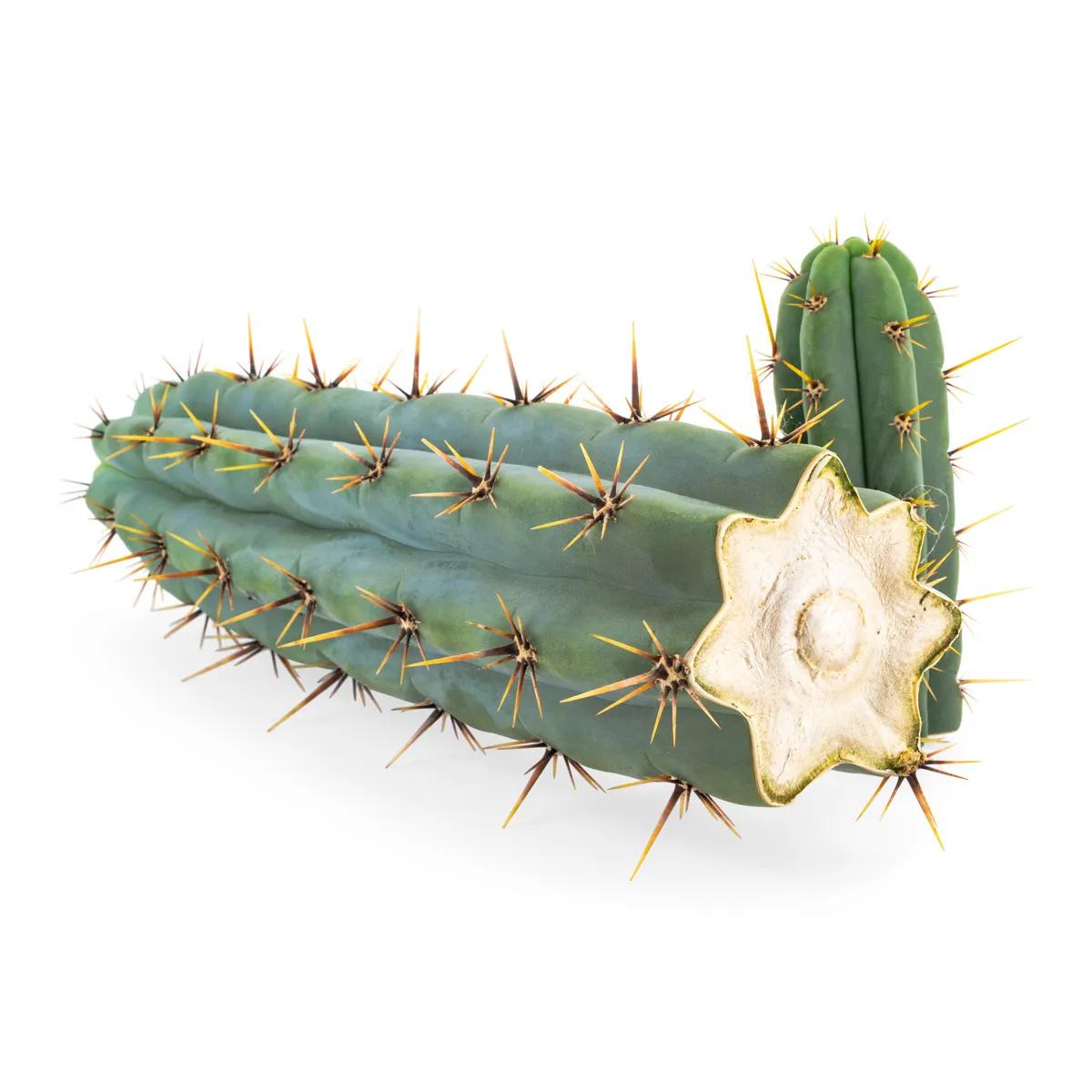
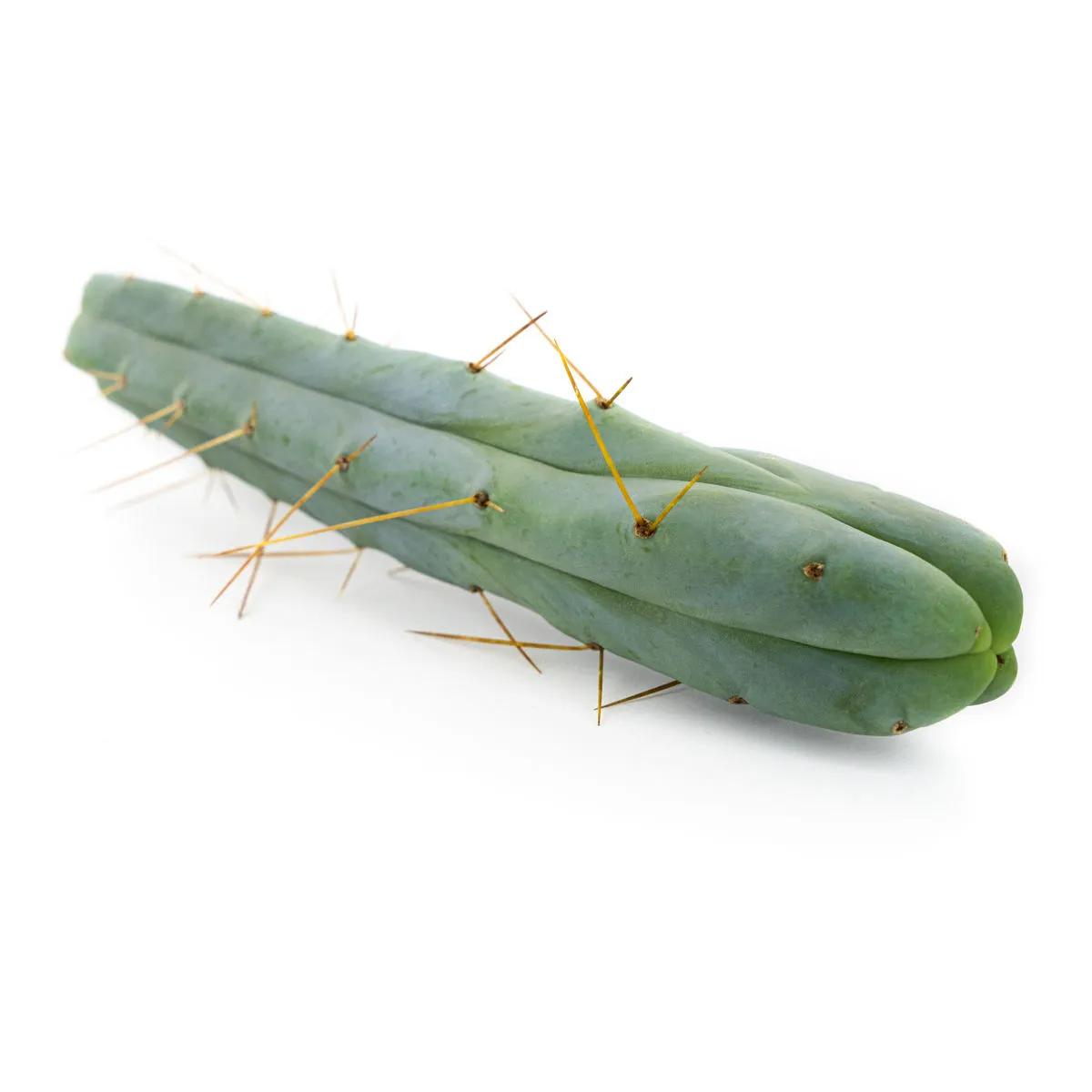
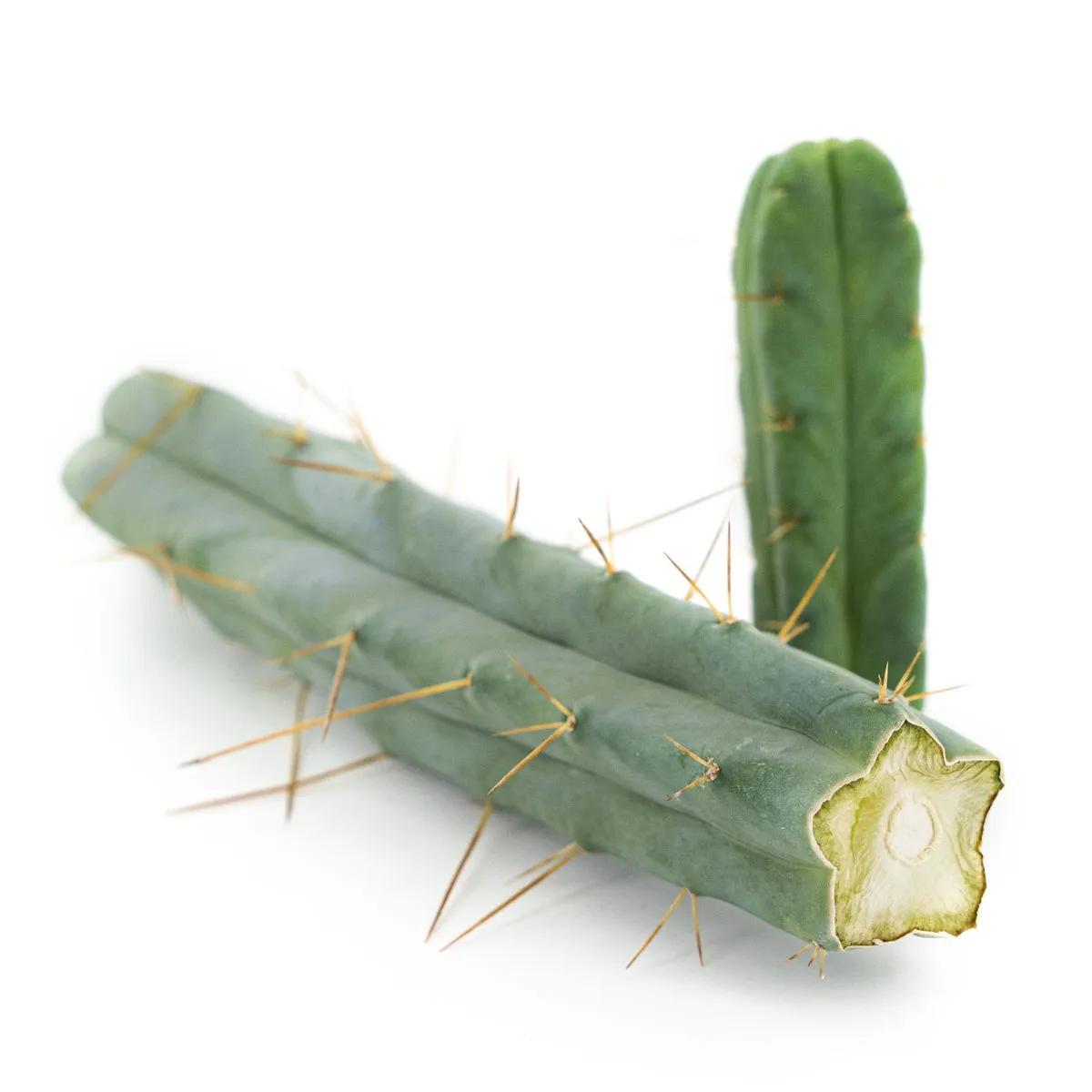
Echinopsis hybrid mescaline cacti are crosses between two stable Echinopsis species — usually E. pachanoi (San Pedro) paired with E. peruviana or E. lageniformis (Bolivian torch) — bred for faster growth, distinctive rib counts, or stronger alkaloid profiles. Growers buy them for ornamental cultivation and collection. Azarius has shipped cacti cuttings across the EU since 1999, and this page rounds up the hybrid-adjacent Echinopsis stock worth ordering.
Echinopsis Hybrid Mescaline Cactus — Buying Guide
A hybrid Echinopsis is what you get when two stable Echinopsis species are cross-pollinated and the resulting seed grown out — the goal is usually to combine the fat ribs and vigour of one parent with the alkaloid profile or spine pattern of another. The most common crosses you'll see are E. pachanoi × E. peruviana (San Pedro × Peruvian torch) and San Pedro × Bridgesii (E. pachanoi × E. lageniformis). Collectors also chase stable oddities like the four-ribbed Echinopsis lageniformis forma quadricostata — the Cactus of the Four Winds — which isn't technically a hybrid but sits in the same "rare Echinopsis" shelf.
If you're new to this corner of the shop, start with a straight species cutting before you chase hybrids. Our Echinopsis macrogona and Echinopsis cuzcoensis are both forgiving, grow fast, and teach you what a healthy Echinopsis looks like. Once you can keep those alive through a Dutch winter, move on to the rarer stuff like Super Pedro 4 Ribs or the Cactus of the Four Winds.
Echinopsis Range at a Glance
Reading the table: pick by rib count and size first, growth speed second. Four-ribbed specimens are rarer because they only appear on aged mother plants or as stable botanical forms.
| Cutting | Ribs | Sizes | Good for |
|---|---|---|---|
| Echinopsis macrogona | 7–8 | 10–11, 25–30, 50–60 cm | First-time Echinopsis buyers — frosty blue skin, easy rooter |
| Echinopsis cuzcoensis | 7–8 | 10–11, 25–30, 50–60 cm | Outdoor growers — cold-hardy to -9°C |
| Super Pedro (E. scopulicola) | 5–6 | Standard cutting | Fast vertical growth, nearly spineless |
| Super Pedro 4 Ribs | 4 | 25–30 cm | Collectors chasing rare rib counts |
| Cactus of the Four Winds | 4 | 10–11, 25–30 cm | Rarity hunters — stable quadricostata form |
| Opuntia invicta | N/A (mat-forming) | 10–11 cm | Collectors who want a non-columnar oddity |
Why Hybrids and Rare Forms Exist
Hybridisation in Echinopsis isn't new — European cactus nurseries have been crossing pachanoi, peruviana, lageniformis, and scopulicola since the mid-20th century. The motivations split three ways: faster columnar growth (commercial nursery angle), ornamental flower form (the Echinopsis flower hybrids you see in garden centres), and specific morphology like reduced spines or unusual rib counts. Rib count matters to collectors because it's stable, visible, and rare — most Echinopsis cuttings produce 6–8 ribs, so anything with 4 or 5 stands out on a shelf.
Morphological tells to watch for when you're buying: a pachanoi × peruviana cross usually shows the bluish skin of peruviana with shorter spines inherited from pachanoi. A pachanoi × bridgesii cross tends to carry the deeper rib notches of lageniformis with the faster vertical growth of pachanoi. These crosses are sold for ornamental cultivation across the EU — alkaloid extraction sits in a different rulebook entirely, and that's not what cuttings are sold for.
How to Choose Your Echinopsis Hybrid Cactus
If you've never rooted a columnar cactus before, get a small (10–11 cm) cutting of Echinopsis macrogona or Echinopsis cuzcoensis. They're the two most forgiving Echinopsis we carry — let the cut end callus for 1–2 weeks, pot in gritty cactus mix, and leave it alone. Water once a month in summer, not at all in winter.
Intermediate growers who already have columnar cacti rooting happily should order the Super Pedro — E. scopulicola is one of the fastest vertical growers in the genus and the night-blooming flowers are a proper showpiece. If you want a rarity on your windowsill, the Super Pedro 4 Ribs or Cactus of the Four Winds are the two hardest-to-find forms in the shop — four-ribbed cuttings come from aged mother plants and we don't get them often.
When in doubt, buy the medium (25–30 cm) size. Small cuttings root faster but take years to look impressive; large 50–60 cm cuttings are harder to establish and ship. Medium is the sweet spot.
Care Basics for Echinopsis Cuttings
- Let the cut end callus for 1–2 weeks in a dry, shaded spot before potting
- Use a gritty cactus mix — roughly 50% mineral grit, 50% cactus soil
- Pot into a terracotta pot with drainage; no saucer of standing water
- Place in bright indirect light for the first month, then gradually move into full sun
- Water once a month in spring/summer, stop watering completely October to March
- Expect 5–15 cm of vertical growth per year once established; scopulicola pushes the upper end
Frequently Asked Questions
What is an Echinopsis hybrid mescaline cactus?
It's a columnar cactus bred by cross-pollinating two stable Echinopsis species — most often E. pachanoi with E. peruviana or E. lageniformis. Hybrids are grown for faster vertical growth, unusual rib counts, or ornamental flowers. They're sold as cuttings for ornamental cultivation.
How do I tell a San Pedro × Peruvian torch hybrid from a pure species?
Look at skin colour, spines, and rib notches together. A pachanoi × peruviana cross usually shows the bluish waxy skin of peruviana with shorter, sparser spines closer to pachanoi. Pure pachanoi is bright green with very short spines; pure peruviana is blue with long spines.
Why do some hybrid cuttings only have 4 ribs?
Four-ribbed Echinopsis are genuinely rare — most cuttings produce 6–8 ribs. The four-ribbed trait usually shows on aged mother plants or in stable botanical forms like E. lageniformis forma quadricostata (Cactus of the Four Winds). Our Super Pedro 4 Ribs comes from mother plants old enough to throw consistent four-ribbed growth.
Do Echinopsis hybrids grow faster than pure species?
Sometimes. Crosses involving E. pachanoi and E. scopulicola tend to grow fastest — Super Pedro is known for pushing 30+ cm per year in ideal conditions. Crosses with slower parents like E. lageniformis sit in the middle range, around 10–20 cm a year once rooted.
What size cutting should I order first?
Order a medium 25–30 cm cutting. Small 10–11 cm cuttings root easily but look like pencils for a couple of years; large 50–60 cm pieces are harder to callus and establish. Medium is the size we'd buy for our own windowsill.
Last updated: April 2026
Medical disclaimer. This content is for informational purposes only and does not constitute medical advice. Consult a qualified healthcare provider before use of any substance.