
Buy more, pay less
Opuntia invicta (Grusonia invicta) — A Mat-Forming Cactus With Spines That Change Colour
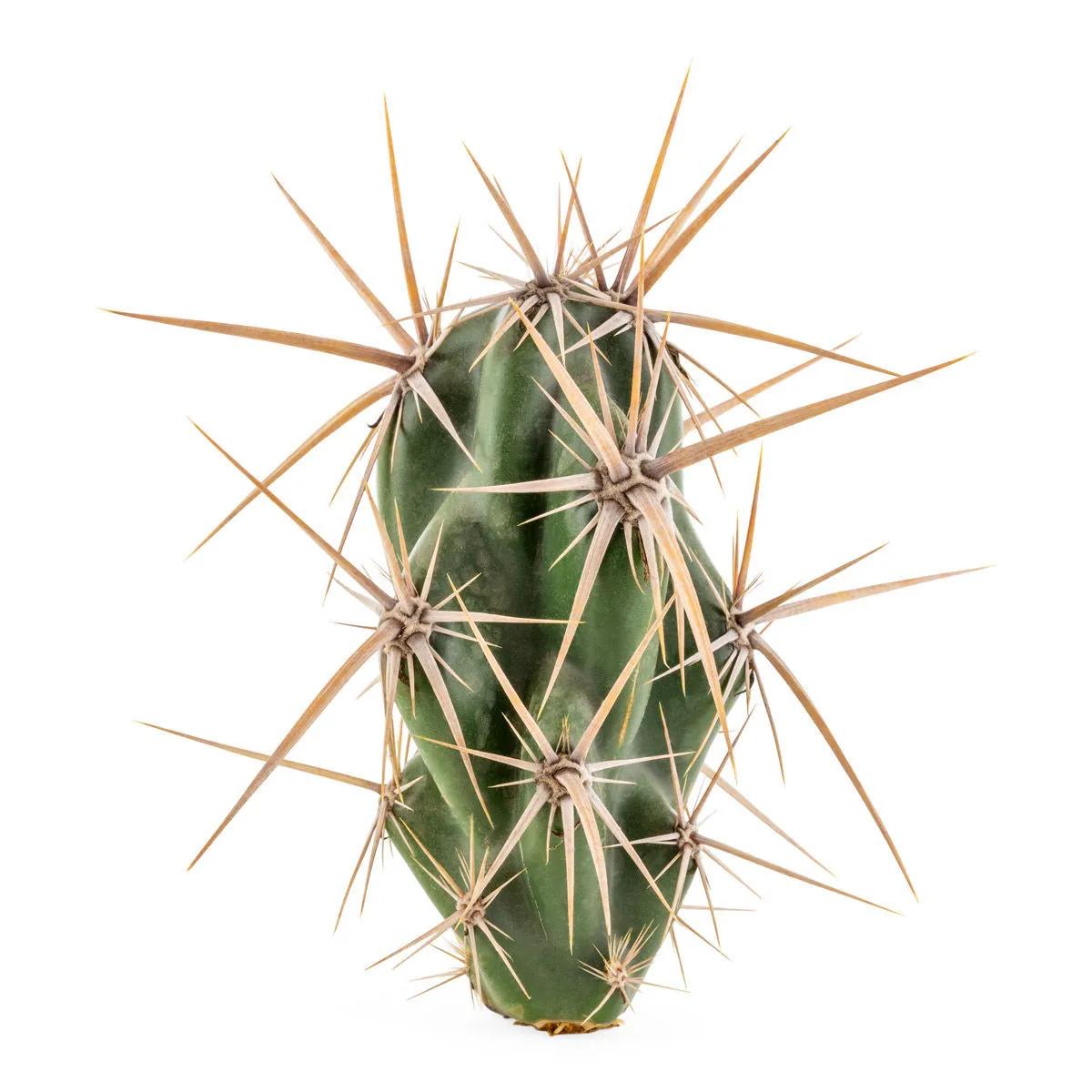
Opuntia invicta is a low-growing, mat-forming cactus native to Baja California, Mexico, prized for its club-shaped tubercles, woolly white areoles, and thick spines that shift from vivid pink-purple-red through to grey and black as they age. This is a collector's cactus — visually dramatic, compact enough for a windowsill or rockery, and tough as old boots once established. Our cutting measures 10–11 cm and arrives ready to root.
What You Receive
One fresh Opuntia invicta cutting, 10–11 cm in length. The cutting needs to callous over for 7–14 days before planting. No rooted specimen — you're growing this one from scratch, which is half the fun.
| Specification | Detail |
|---|---|
| Botanical name | Opuntia invicta (syn. Grusonia invicta) |
| Family | Cactaceae |
| Origin | Baja California, Mexico |
| Growth habit | Low, mat-forming |
| Maximum height | ~50 cm |
| Maximum spread | Up to 200 cm |
| Flower colour | Yellow with reddish acicular spines at centre |
| Flower size | ~5 cm diameter |
| Flowering period | April–May |
| Spine colour (young) | Pink, purple, red |
| Spine colour (mature) | Grey to black |
| Cutting size | 10–11 cm |
| Mescaline content | None |
| SKU | SM0732 |
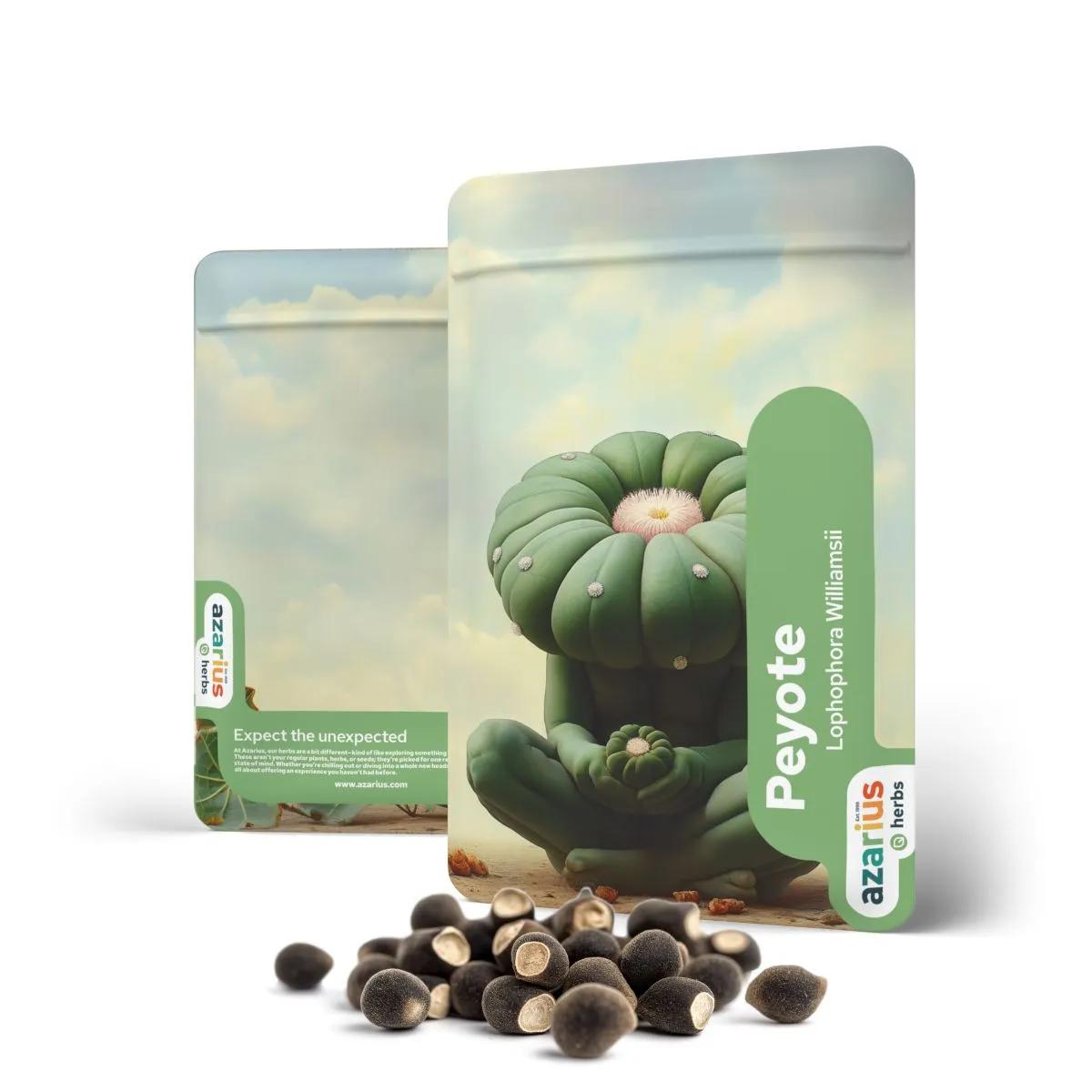
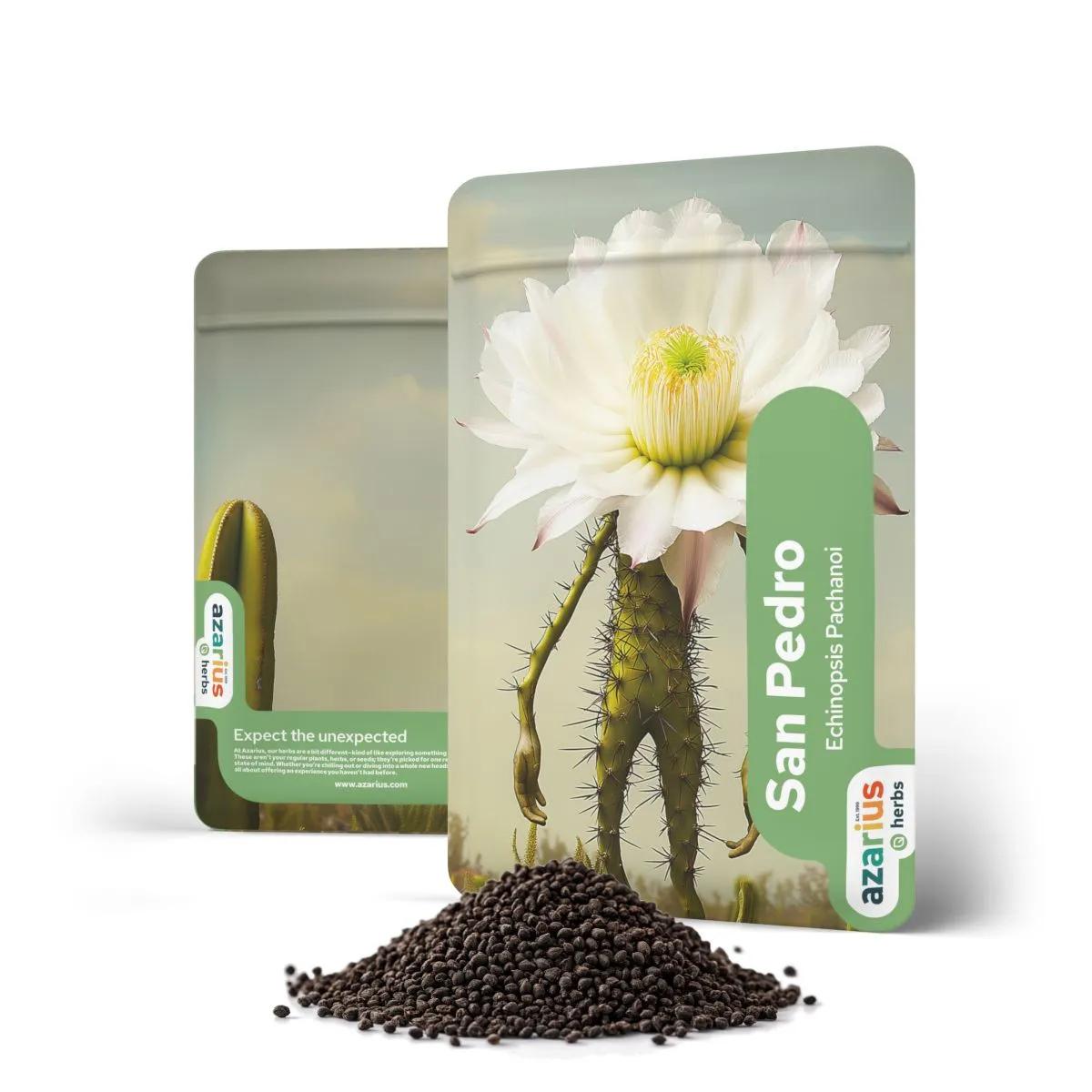
Building a cactus collection? Pair your Opuntia invicta with a San Pedro cutting or a Peyote seedling for a trio of distinct growth forms — mat-forming, columnar, and globular. A bag of perlite and some cactus potting mix will sort out the substrate for all three.
Why Opuntia invicta Deserves a Spot in Your Collection
Most cacti grow upward. Opuntia invicta grows outward, forming dense mats that can eventually spread to 200 cm across. That horizontal habit gives it a completely different silhouette from the columnar San Pedro or the squat little Peyote — and it makes it a brilliant centrepiece for a shallow terracotta tray or a rockery arrangement.
The real draw, though, is the spines. When they first emerge, they're a deep reddish-purple — genuinely striking, not just "slightly tinted." Over time they fade through grey to near-black, so a mature plant carries several generations of spine colour at once. Combined with the intense dark green stems and those big, woolly white areoles, you get a cactus that looks almost hand-painted. We've had customers come back months later just to tell us how much the colour shift surprised them.
Then there are the flowers. Between April and May, Opuntia invicta produces bright yellow blossoms roughly 5 cm across, each one sprouting tiny reddish acicular spines from the centre. It's a short window, but when they open, the contrast against those dark stems is genuinely stunning.
One honest limitation: this is a slow grower. Don't expect it to fill a 200 cm tray within a year — or even five. Opuntia invicta rewards patience. It also has seriously aggressive spines. Thick gloves aren't optional when handling this one; those spines will go straight through a thin garden glove without slowing down.
How to Root and Grow Your Opuntia invicta Cutting
- Let the cutting dry in a warm, shaded spot for 7–14 days. You want the cut end to form a hard, dry callous — this prevents rot once you plant it. A windowsill out of direct sun works well.
- Prepare a small pot (10–12 cm diameter) with a fast-draining cactus mix. A 50/50 blend of cactus soil and perlite is a good starting point. Make sure the pot has drainage holes — waterlogged roots will kill this cactus faster than neglect ever could.
- Set the calloused end about 2–3 cm into the soil. You can prop it up with a few small stones if it won't stand on its own. Don't water yet.
- Wait another 5–7 days before giving it a light watering. After that, water only when the soil is completely dry — roughly every 10–14 days in summer, once a month or less in winter.
- Place in bright, direct sunlight. Opuntia invicta is a desert species from Baja California. It wants full sun, and it can handle temperatures down to about 5°C, though it prefers 15–30°C during the growing season.
- Feed sparingly. A diluted cactus fertiliser once a month during spring and summer is plenty. No feeding in winter — the plant is dormant.
- Handle with thick leather or rubber-coated gloves at all times. The spines are long, rigid, and barbed. Minor skin irritation from handling is common even with protection.
What Makes Opuntia invicta Different From Other Opuntia Species
The Opuntia genus is massive — over 150 recognised species — and most of them look like the classic flat-padded prickly pear you see in cartoons. Opuntia invicta breaks that mould completely. Instead of flat pads, it produces cylindrical, club-shaped tubercles covered in those oversized woolly areoles. The spine density and colour range are unusual too: most Opuntia species have relatively thin, pale spines, while invicta's are thick, prominent, and cycle through pink, purple, red, grey, and black.
Compared to something like Opuntia microdasys (the bunny ears cactus), Opuntia invicta is a different beast entirely. Microdasys has tiny glochids that get under your skin and irritate for days. Invicta has proper spines — you see them, you respect them, and you wear gloves. We'd actually call invicta the more honest cactus: it looks dangerous, and it is. No hidden surprises.
| Feature | Opuntia invicta | Opuntia microdasys |
|---|---|---|
| Growth habit | Mat-forming, up to 200 cm wide | Upright shrub, up to 60 cm tall |
| Stem shape | Cylindrical, club-shaped tubercles | Flat, oval pads |
| Spines | Long, thick, colour-shifting | Tiny glochids (nearly invisible) |
| Flowers | Yellow, 5 cm, April–May | Yellow, 4–5 cm, summer |
| Max height | ~50 cm | ~60 cm |
| Handling difficulty | Thick gloves required | Glochids embed in skin — arguably worse |
Related products
Medical disclaimer. This content is for informational purposes only and does not constitute medical advice. Consult a qualified healthcare provider before use of any substance.