
Pink Lotus Shredded
20g
by Azarius
Buy more, pay less
Pink Lotus Shredded (20g) — Dried Nelumbo nucifera Petals
Pink lotus (Nelumbo nucifera) is a sacred aquatic flower traditionally used across South and East Asian cultures for relaxation and ceremonial purposes. This 20g pouch of shredded petals gives you enough material for roughly 10–15 cups of floral tea, depending on how strong you brew it. The shred is fine enough to steep directly in a strainer without turning to mush, but coarse enough that you're not fishing powder out of your teeth.
What Makes Pink Lotus Worth Trying
Pink lotus sits in the same family as blue lotus (Nymphaea caerulea), but the two are actually different genera entirely. Blue lotus is a water lily; pink lotus is a true lotus. The alkaloid profiles overlap in places — both contain compounds associated with mild calming properties in traditional herbalism — but the flavour and aroma are distinctly different. Pink lotus tea has a lighter, more floral character: think dried rose petals with a slightly earthy, almost hay-like undertone. Blue lotus leans sweeter and more musky by comparison.
If you've already tried our Blue Lotus and enjoyed it, pink lotus is the obvious next step. It's a subtler experience — less heady, more gentle. We've had customers tell us they prefer pink lotus as an evening wind-down tea precisely because it doesn't demand attention the way blue lotus sometimes does.
Pink Lotus Tea Specifications
| Spec | Value |
|---|---|
| Botanical name | Nelumbo nucifera |
| Common names | Pink lotus, sacred lotus, Indian lotus |
| Part used | Petals (shredded) |
| Net weight | 20g |
| Suggested amount per cup | 1.5–2g |
| Approximate servings | 10–13 cups |
| Preparation | Hot water infusion, 10–15 minutes |
| Storage | Cool, dry place away from direct sunlight |
Pink Lotus vs Blue Lotus — Quick Comparison
| Feature | Pink Lotus (Nelumbo nucifera) | Blue Lotus (Nymphaea caerulea) |
|---|---|---|
| Botanical family | Nelumbonaceae (true lotus) | Nymphaeaceae (water lily) |
| Flavour profile | Light, floral, hay-like | Sweet, musky, slightly bitter |
| Aroma | Dried rose, honey | Sweet floral, heavier |
| Traditional use | Relaxation, ceremonial tea | Relaxation, ceremonial wine |
| Intensity | Gentle, subtle | More noticeable |
| Best for | Evening wind-down, blending | Standalone tea or smoke blend |
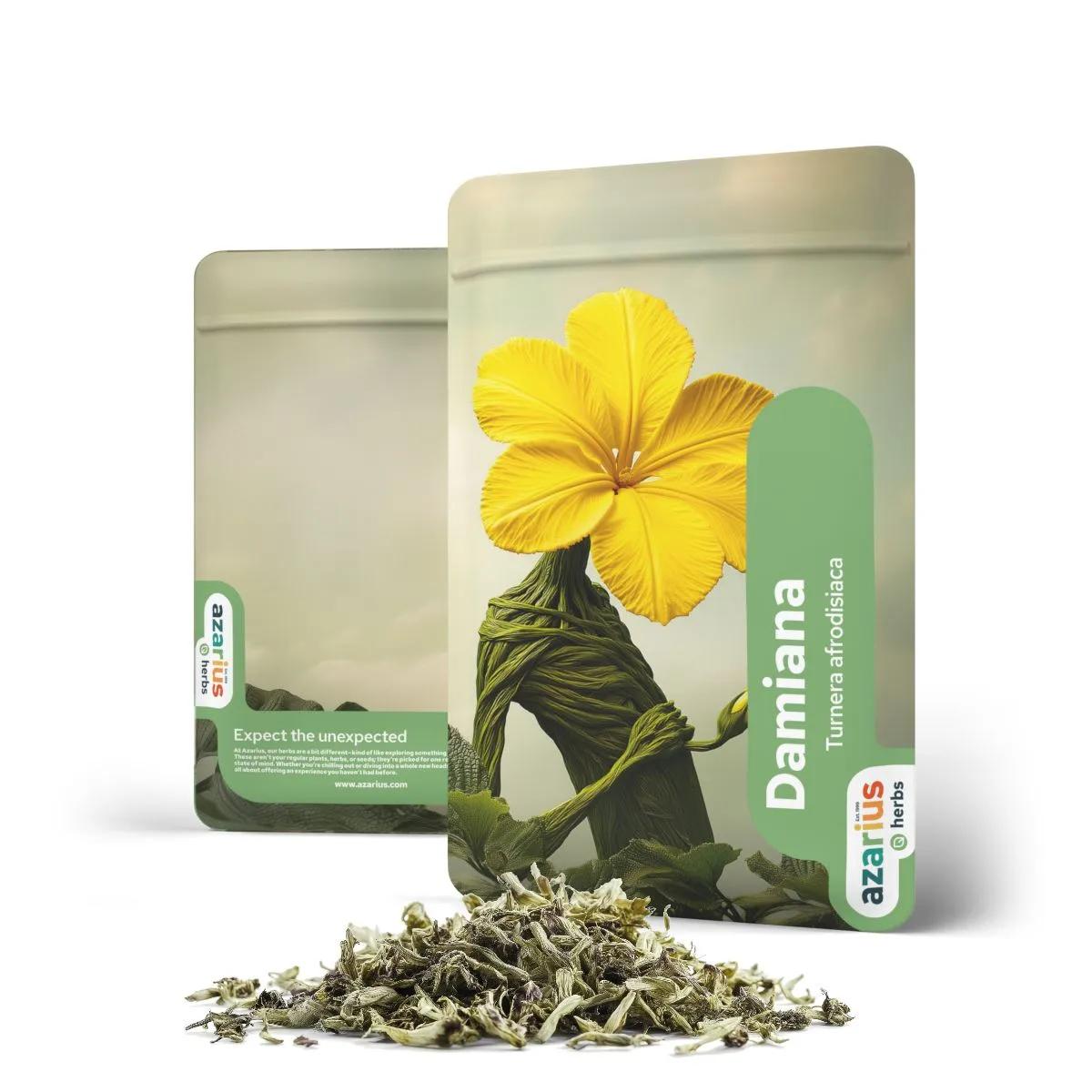
Already a blue lotus fan? Grab a pouch of Blue Lotus Shredded alongside this one and brew them 50/50 — the combination brings out the best of both flowers. If you're building an evening tea ritual, Damiana pairs nicely as a base herb that adds body to the cup without overpowering the lotus flavour.
Why Pink Lotus Deserves a Spot in Your Tea Shelf
Most herbal teas you'll find in a supermarket taste like they were designed by committee — inoffensive, bland, forgettable. Pink lotus is none of those things. It has actual character. The floral notes are genuine, not artificial, and the slightly dry finish means it doesn't outstay its welcome in your mouth. It's the kind of tea that makes you slow down for 10 minutes, which — let's be honest — is half the point.
Traditionally, Nelumbo nucifera has been used in Ayurvedic and traditional Chinese herbalism for centuries. According to traditional Asian medicine systems, the lotus flower was valued for its calming properties and used in teas and preparations intended to promote relaxation. Modern research on Nelumbo nucifera remains limited, though some preliminary studies suggest the plant contains alkaloids and flavonoids of pharmacological interest. We'd love to cite a landmark clinical trial here, but the honest truth is that robust human studies on pink lotus petals specifically are thin on the ground.
One thing to watch out for: if you're on any medication — particularly anything affecting the central nervous system — have a chat with your doctor before adding new herbal teas to your routine. Same goes if you're pregnant or breastfeeding. This applies to pretty much every herb we sell, not just this one.
How to Brew Pink Lotus Tea
- Measure out 1.5–2g of shredded pink lotus petals. That's roughly one heaped teaspoon — no need for a scale, though one helps if you want consistency.
- Place the petals in a tea strainer or infuser ball. A French press works well too if you have one handy.
- Pour freshly boiled water (around 90–95 degrees Celsius) over the petals. Don't use a rolling boil straight off the kettle — let it sit for 30 seconds first.
- Steep for 10–15 minutes. This is longer than your average green tea. Pink lotus needs time to release its compounds, so don't rush it. The colour should turn a pale golden-amber.
- Remove the strainer and sip slowly. Add honey, lemon, or blend with chamomile if you want to soften the flavour. Some customers steep it a second time with fresh water — the second brew is lighter but still pleasant.
Frequently Asked Questions
What does pink lotus tea taste like?
Light and floral with a dry, slightly hay-like finish. Think dried rose petals with a faint honey sweetness. It's mild — not bitter, not overpowering. Most people enjoy it plain, though honey or chamomile make good additions.
Is pink lotus the same as blue lotus?
No. Pink lotus (Nelumbo nucifera) belongs to the Nelumbonaceae family, while blue lotus (Nymphaea caerulea) is a water lily from the Nymphaeaceae family. They share some traditional uses but differ in flavour, aroma, and alkaloid composition. Pink lotus is generally considered milder.
How many cups can I make from 20g of pink lotus?
At 1.5–2g per cup, you'll get roughly 10–13 servings. If you re-steep the petals for a second, lighter brew, you can stretch that a bit further.
Can I smoke pink lotus petals?
Some people do include pink lotus in herbal smoking blends. The shred size works for rolling. That said, we'd recommend brewing it as tea first to get a feel for the flavour and effects before committing to a smoke blend.
How should I store pink lotus shredded petals?
Keep the pouch sealed in a cool, dry place away from direct sunlight. A kitchen cupboard works fine. Stored properly, dried petals maintain their aroma and quality for 12 months or more. If it starts smelling musty or looks discoloured, it's time for a fresh pouch.
Can I mix pink lotus with other herbs?
Absolutely — it blends well. Chamomile, damiana, and blue lotus are the most popular pairings we see. Pink lotus has a light enough flavour that it won't compete with stronger herbs, making it a solid base or complement in any herbal tea blend.
Last updated: April 2026
Related products
Medical disclaimer. This content is for informational purposes only and does not constitute medical advice. Consult a qualified healthcare provider before use of any substance.