
This article discusses psychoactive substances intended for adults (18+). If you have a health condition or take medication, consult a doctor before use. Our age policy
Valerian Capsules Drops Tea: Format Comparison Guide
Definition
Valerian root comes as capsules, tincture drops, loose tea, and tea bags — and the format changes onset speed, dose precision, and taste more than most people realise. A 2020 meta-analysis by Shinjyo et al. (2020) found modest but statistically significant sleep-quality improvements across formats, though no trial has directly compared one preparation against another.
Format Comparison at a Glance
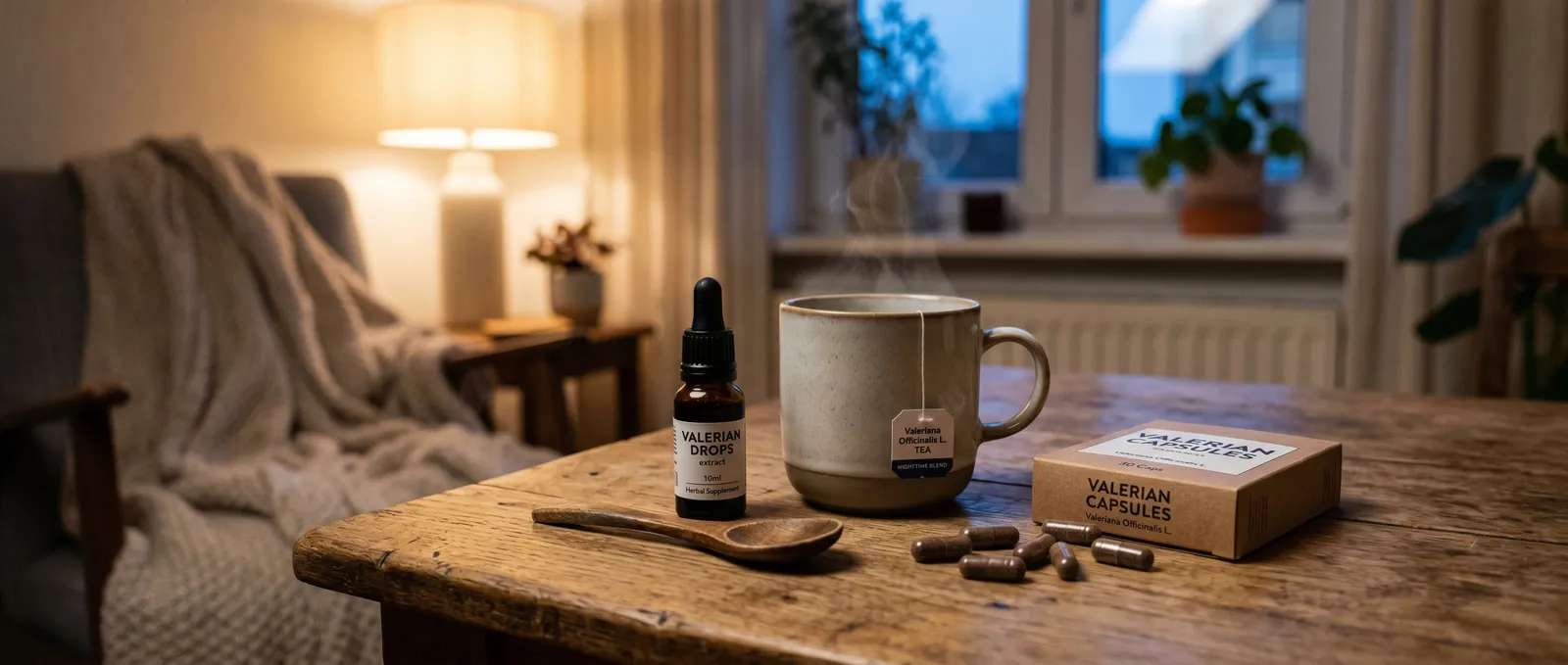
Valerian capsules drops tea is a product-format comparison guide that helps you choose the right valerian root preparation for your evening routine. Valerian root (Valeriana officinalis L.) has been brewed, tinctured, and swallowed in capsule form for centuries — but the format changes the experience more than most people expect. Whether you want to buy valerian capsules for travel, order a tincture for sublingual dosing, or get loose root for a bedtime brew, the table below lays out what actually differs between the four common preparations, then the sections that follow unpack each column so you can match a format to the moment you plan to use it.
| Format | Typical onset | Typical use moment | Strength notes |
|---|---|---|---|
| Capsules (dried root or standardised extract) | 30–60 minutes | Taken with water 30–60 min before bed; convenient for travel or workplace | Dose is fixed per capsule (commonly 250–600 mg dried root equivalent); standardised extracts may state valerenic-acid content on the label |
| Drops / tincture (alcoholic or glycerin extract) | 15–30 minutes | Dropped under the tongue or into a small glass of water in the evening | Faster absorption via sublingual mucosa; alcohol-based tinctures typically 1:5 ratio; dose is adjustable drop by drop |
| Loose-leaf tea (dried root) | 20–45 minutes | Brewed as an evening ritual, often blended with other relaxant herbs | Strength depends on steep time and water temperature; 2–3 g dried root per cup is the range used in European Pharmacopoeia monographs |
| Tea bags (pre-portioned, often blended) | 20–45 minutes | Quick evening cup; no weighing or straining required | Fixed dose per bag (usually 1.5–2 g); blends may include passionflower, hops, or lemon balm at lower individual amounts |
What the Onset Column Really Means
Onset times are rough estimates, not precise measurements, and they vary by format and individual metabolism. A 2010 systematic review by Fernández-San-Martín and colleagues, covering 18 randomised controlled trials, noted that most studies instructed participants to take valerian 30–60 minutes before bed, but the review could not isolate onset as a separate variable because trial designs varied so widely (Fernández-San-Martín et al., 2010). What the research does suggest is that the route of absorption matters: a tincture held under the tongue bypasses first-pass liver metabolism, which is why drops tend to act faster than capsules that need to dissolve in the stomach first.
Tea sits somewhere in between. The hot water extracts volatile sesquiterpenes — including valerenic acid and its derivatives — during steeping, and the liquid reaches the stomach quickly, but the concentration per cup depends on variables like steep time and root particle size. A study at the University of Rouen found that a ten-minute steep in 150 ml of near-boiling water extracted significantly more valerenic acid than a five-minute steep (Bos et al., 2002). So a rushed brew genuinely delivers less.
Capsules: Fixed Dose, No Taste
Capsules deliver a pre-measured amount of valerian root or extract with zero taste and zero preparation time. For people who find the smell of valerian root off-putting — and it is pungent, an earthy-musty funk caused by isovaleric acid, the same volatile fatty acid found in aged cheese and sweaty socks — capsules sidestep the issue entirely.
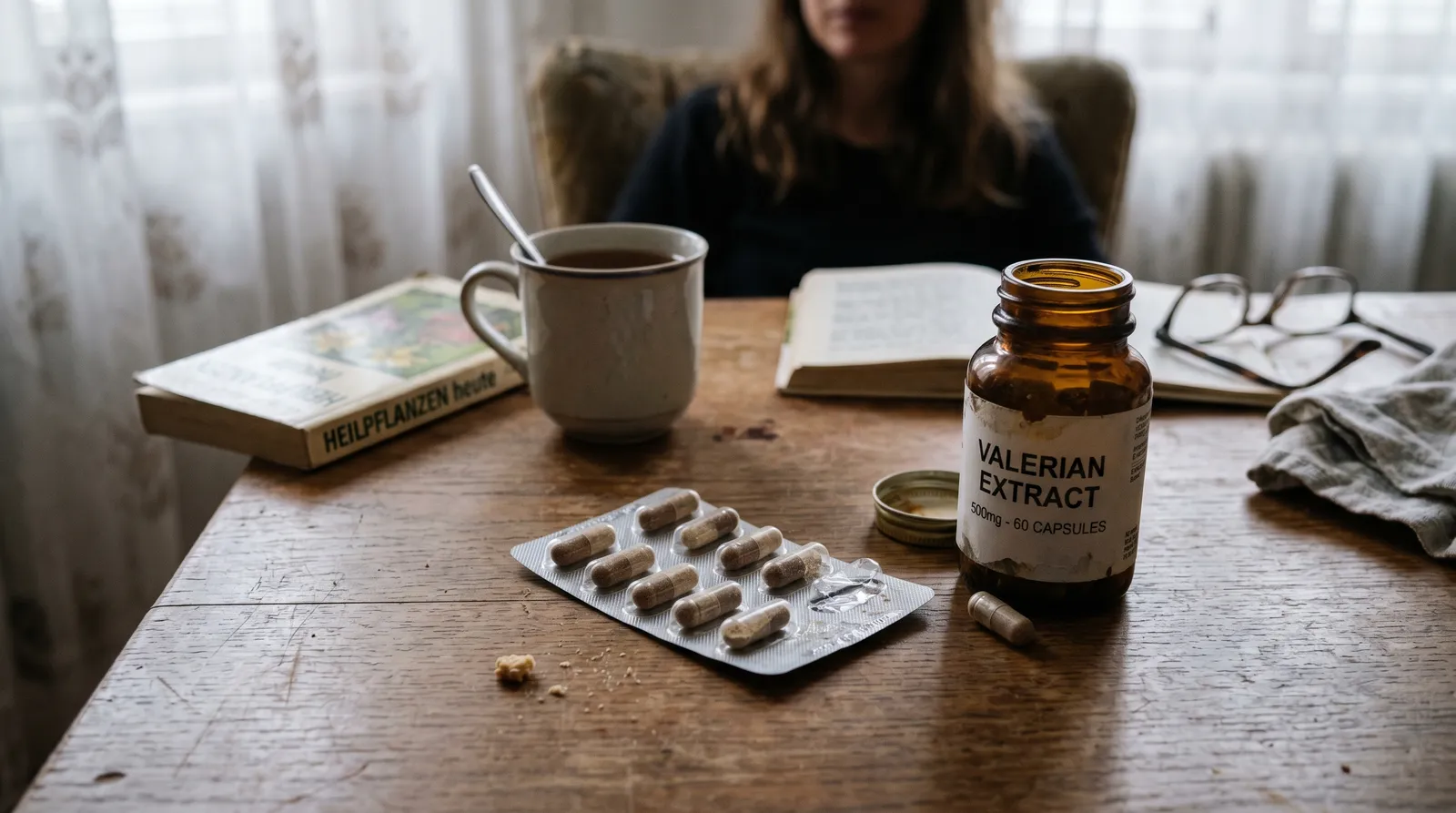
The trade-off is speed. A gelatin or cellulose capsule shell needs to break down in gastric fluid before the contents can be absorbed. That adds time compared to a liquid preparation. Clinical trials have commonly used doses between 300 mg and 600 mg of aqueous or ethanolic extract, taken 30–60 minutes before sleep (Bent et al., 2006). Some capsules contain crude dried root powder rather than a concentrated extract; the per-capsule weight may be higher, but the valerenic-acid content can be lower and more variable. Checking the label for whether the product is "extract" or "dried root" matters more than the milligram number alone.
Capsules also travel well. A blister pack in a washbag does not spill, does not smell, and does not require a kettle — a genuine consideration for shift workers or anyone whose evening routine happens in a hotel room.
Drops and Tinctures: Flexible and Fast
Tincture drops are the fastest-acting common valerian format, typically reaching noticeable effect within 15–30 minutes when held sublingually. A valerian tincture is typically an alcohol-based extract (sometimes glycerin-based for those avoiding ethanol). The standard ratio for many commercial tinctures is 1:5 — one part dried root to five parts solvent — though concentrated versions exist. The liquid format allows sublingual dosing: holding the drops under the tongue for 30–60 seconds lets some of the active compounds absorb through the oral mucosa, reaching the bloodstream without passing through the liver first.
The practical upside is adjustability. With capsules, the dose comes in fixed increments. With a dropper, it is possible to nudge the amount up or down by a few drops. The European Pharmacopoeia monograph for valerian tincture (Valerianae tinctura) describes a preparation using ethanol 70% v/v, with the finished tincture containing identifiable valerenic acid and acetoxyvalerenic acid on thin-layer chromatography (European Pharmacopoeia, 10th ed.).
The downside is taste. Valerian tincture tastes exactly like it smells — bitter, earthy, and lingering. Mixing the dose into a small amount of juice or water helps, but nobody is going to describe it as pleasant. Alcohol-free glycerin-based tinctures are milder in flavour, though the extraction profile may differ slightly because glycerin is a less efficient solvent for certain sesquiterpene acids than ethanol.
Loose-Leaf Tea: The Ritual Factor
Loose-leaf valerian tea extracts the broadest range of water-soluble compounds and gives you full control over dose and steep time. Dioscorides described the plant as phu (a Greek onomatopoeia for its smell) in De Materia Medica around 70 CE, and the standard preparation was a decoction or infusion of the root. The European Pharmacopoeia monograph for valerian root (Valerianae radix) lists 2–3 g of dried, comminuted root per 150 ml of hot water as the traditional single dose for a tea infusion.
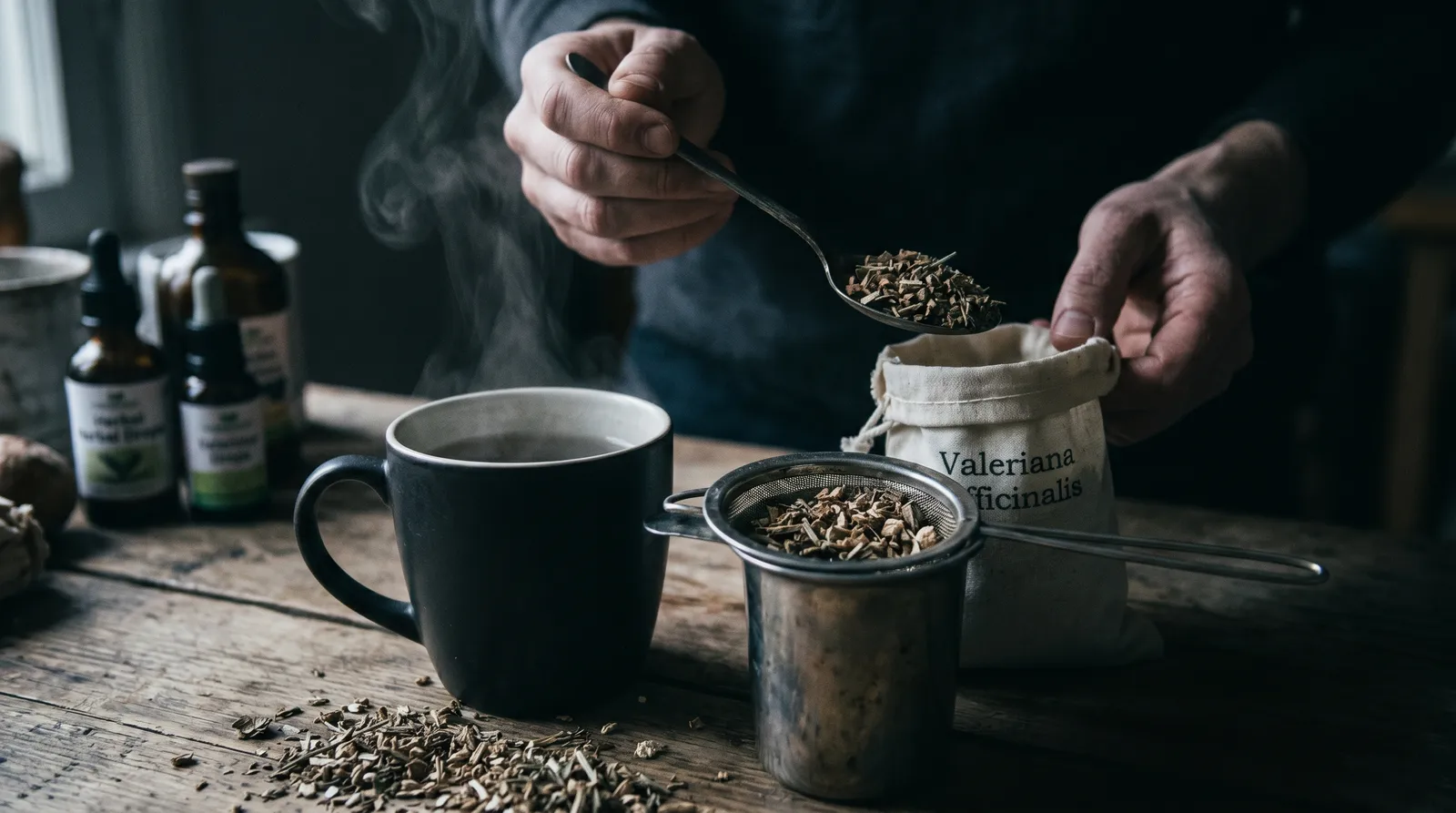
Steeping technique genuinely affects what ends up in the cup. Valerenic acid is poorly water-soluble at low temperatures, so lukewarm water produces a weak brew. Near-boiling water (90–95 °C) and a covered steep of at least ten minutes extract more of the sesquiterpene fraction (Bos et al., 2002). Covering the cup matters because the volatile compounds — iridoids, monoterpenes — evaporate readily; a lid keeps them in the liquid rather than in the kitchen air.
The ritual element is not trivial. A Cochrane review by Leach and Page (2015) examined valerian for anxiety and noted that the act of preparing and drinking a warm beverage before bed is itself a behavioural cue for sleep onset — a confound that makes it difficult to separate the pharmacological effect of valerian from the ritual context. That is not a criticism of the tea format; it is an honest observation that the two effects layer on top of each other.
Blending is common. Valerian root on its own is not a crowd-pleasing flavour. Mixing it with passionflower (Passiflora incarnata), lemon balm (Melissa officinalis), or hops (Humulus lupulus) — all relaxant herbs with their own traditional evening-use histories — softens the taste and adds complementary botanical compounds. The article on passionflower traditional use and research covers that plant's profile in detail.
Tea Bags: Convenience with Caveats
Tea bags are the lowest-effort valerian format, offering a fixed dose with no weighing or straining required. They are the path of least resistance for anyone who does not own a kitchen scale or a tea strainer: tear open, pour water, steep, drink.
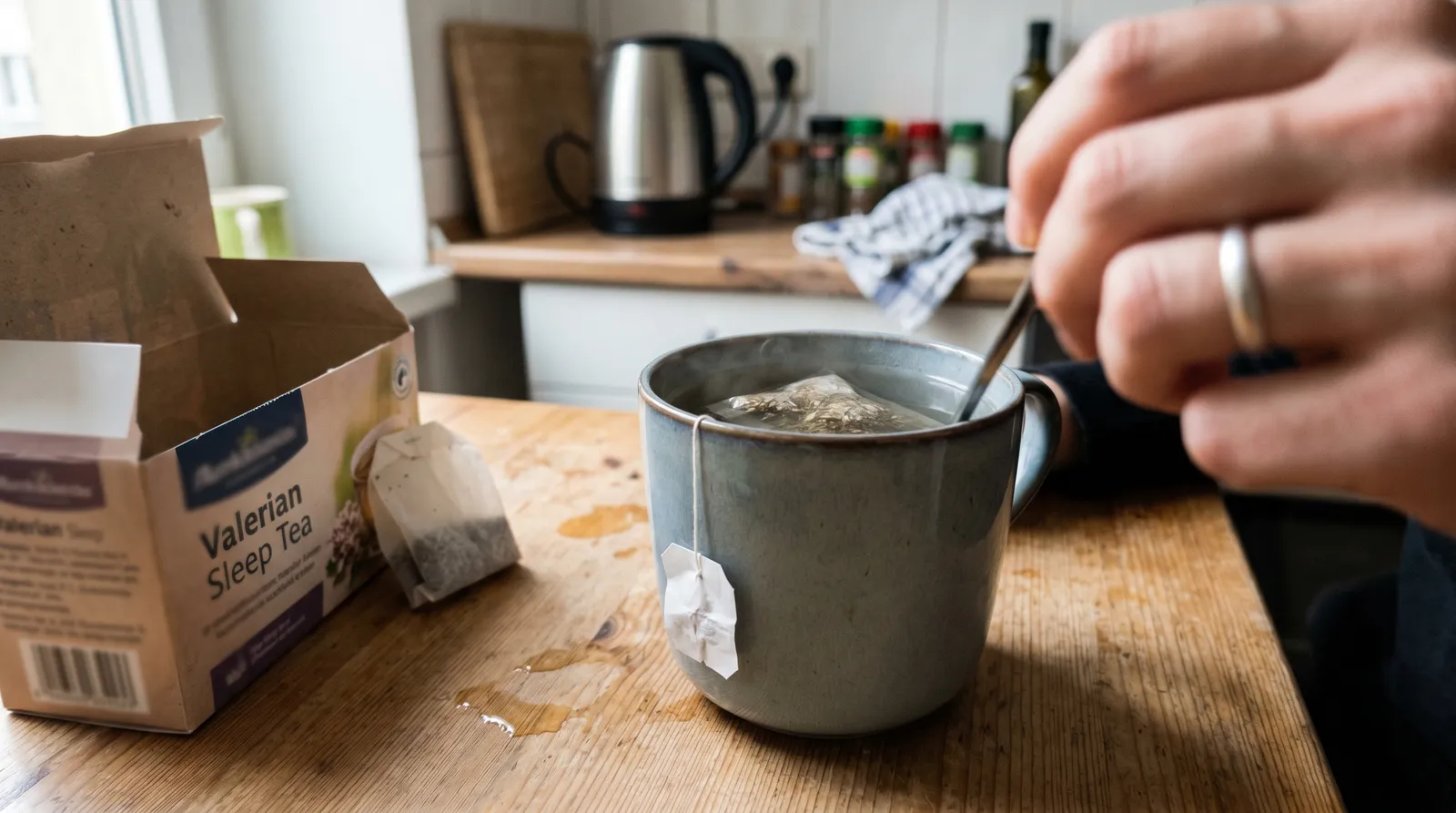
The caveat is transparency. Many commercial valerian tea bags are blends, and the label may list valerian alongside three or four other herbs without specifying the weight of each. A bag labelled "2 g" that contains valerian, passionflower, lemon balm, and chamomile may deliver only 0.5 g of actual valerian root — well below the 2–3 g single-dose range in the European Pharmacopoeia monograph. Reading the ingredient list in order (ingredients are listed by weight, heaviest first) gives a rough idea of whether valerian is the lead herb or a supporting player.
Single-herb valerian tea bags do exist, and those tend to contain 1.5–2 g of dried root per bag — closer to a standalone dose, though still at the lower end of the traditional range.
Which Format for Which Situation
The right format depends entirely on your context — there is no single best preparation across the board. A few practical decision points:
- Travelling or no kitchen access: capsules. No preparation needed, no smell, no spillage.
- Wanting faster onset: tincture drops held sublingually. The absorption route is more direct than swallowing a capsule.
- Enjoying an evening wind-down ritual: loose-leaf tea, ideally steeped covered for ten minutes. The ritual itself is part of the signal to the body that the day is ending.
- Minimal fuss, moderate dose: a single-herb tea bag. Check the label to confirm valerian is the primary ingredient by weight.
- Sensitive to alcohol: capsules or tea. Alcohol-based tinctures contain ethanol; glycerin-based alternatives exist but are less common.
A 2020 meta-analysis by Shinjyo, Waddell, and Green examined nine randomised controlled trials and found that valerian supplementation was associated with a statistically significant improvement in self-reported sleep quality, though the effect size was modest and the authors flagged high heterogeneity across studies — different doses, different extracts, different populations (Shinjyo et al., 2020). Format was not isolated as a variable in any of the included trials, so the evidence does not favour capsules over tea or vice versa at the level of clinical outcomes.
What the Research Does Not Yet Tell Us
No head-to-head clinical trial has directly compared valerian capsules against drops against tea in the same study population. That is an honest gap in the literature. The EMCDDA drug profiles database does not list valerian (it is not a monitored substance), but the absence of institutional monitoring also means there is less incentive for large-scale comparative format studies. Most trials use a single extract type — usually an ethanolic or aqueous capsule — and generalise the findings to "valerian" as a category. Until a well-powered crossover trial tests capsules, tincture, and tea against each other and against placebo, format recommendations remain grounded in pharmacokinetic reasoning and traditional practice rather than direct comparative evidence.
The Beckley Foundation's broader work on plant-based psychoactive compounds has highlighted how preparation method can alter bioavailability across many botanicals, not just valerian. This principle — that the same plant processed differently is not pharmacologically identical — deserves more research attention than it currently receives.
Safety and Sedative Stacking
Valerian preparations have sedative-leaning activity regardless of format. Do not combine with alcohol or other CNS depressants. Do not drive or operate machinery after a sedative dose.
This applies whether you use capsules, a tincture, or a strong cup of valerian tea — all deliver the same class of compounds: valerenic acid, isovaleric acid, iridoids (valepotriates), and GABA-related constituents. Stacking valerian with other relaxant herbs (passionflower, hops, lemon balm) increases the cumulative sedative load. That combination is traditional and widely sold in blended products, but it is still worth being aware of the additive effect, especially if alcohol is also in the picture. The hops flowers sedative botany article and the lemon balm traditional use article cover those individual herbs in more depth.
Pregnancy and breastfeeding: insufficient safety data exists for valerian use during pregnancy or lactation. A 2006 systematic review by Bent and colleagues noted the absence of controlled pregnancy studies (Bent et al., 2006). The cautious position is to avoid valerian in those contexts without guidance from a qualified healthcare practitioner.
This article is consumer education, not medical advice. Traditional and ceremonial uses are described for cultural and historical context. Botanicals can interact with medications and are not a substitute for professional care. If you are pregnant, nursing, taking prescription medication, or managing a health condition, consult a qualified healthcare practitioner before use.
References
- Bent, S., Padula, A., Moore, D., Patterson, M., & Mehling, W. (2006). Valerian for sleep: a systematic review and meta-analysis. American Journal of Medicine, 119(12), 1005–1012.
- Bos, R., Woerdenbag, H. J., & Pras, N. (2002). Analytical aspects of phytotherapeutic valerian preparations. Phytochemical Analysis, 13(3), 150–160.
- European Pharmacopoeia, 10th edition. Monographs: Valerianae radix; Valerianae tinctura.
- Fernández-San-Martín, M. I., Masa-Font, R., Palacios-Soler, L., Sancho-Gómez, P., Calbó-Caldentey, C., & Flores-Mateo, G. (2010). Effectiveness of Valerian on insomnia: a meta-analysis of randomized placebo-controlled trials. Sleep Medicine, 11(6), 505–511.
- Leach, M. J., & Page, A. T. (2015). Herbal medicine for insomnia: a systematic review and meta-analysis. Sleep Medicine Reviews, 24, 1–12.
- Shinjyo, N., Waddell, G., & Green, J. (2020). Valerian root in treating sleep problems and associated disorders — a systematic review and meta-analysis. Journal of Evidence-Based Integrative Medicine, 25, 1–31.
Last updated: April 2026
Frequently Asked Questions
8 questionsDo valerian drops work faster than capsules?
How long should I steep valerian root tea?
Why does valerian root smell so bad?
Can I combine valerian tea with passionflower or hops?
How much valerian root is in a typical tea bag?
Is valerian safe to take every night?
Can I take valerian capsules during the day without feeling drowsy?
What is the difference between a valerian alcohol tincture and a glycerin extract?
About this article


Adam Parsons is an external cannabis and psychedelics writer and editor who contributes to Azarius's wiki as both author and reviewer. On the writing side, he authors Azarius's kratom and kanna clusters, drawing on exten
This wiki article was drafted with AI assistance and reviewed by Adam Parsons, External contributor. Editorial oversight by Joshua Askew.
Medical disclaimer. This content is for informational purposes only and does not constitute medical advice. Consult a qualified healthcare provider before use of any substance.
Last reviewed April 25, 2026
Related Articles
Blue Lotus vs Kanna: Effects & Safety
Blue lotus vs kanna compared — Nymphaea caerulea's aporphine profile against Sceletium tortuosum's mesembrine chemistry, with interaction warnings.
Lotus Clinical Research Overview
What does lotus clinical research actually show? A critical review of Nymphaea caerulea and Nelumbo nucifera pharmacology, preclinical data, and…
Kanna South Africa To West History
Sceletium tortuosum was used by San and Khoekhoe communities in southern Africa for centuries before European colonists first documented it in the 1660s.
Sceletium Tortuosum Plant
Learn about the sceletium tortuosum plant: botany, alkaloids, fermentation, safety warnings, and where to buy kanna.
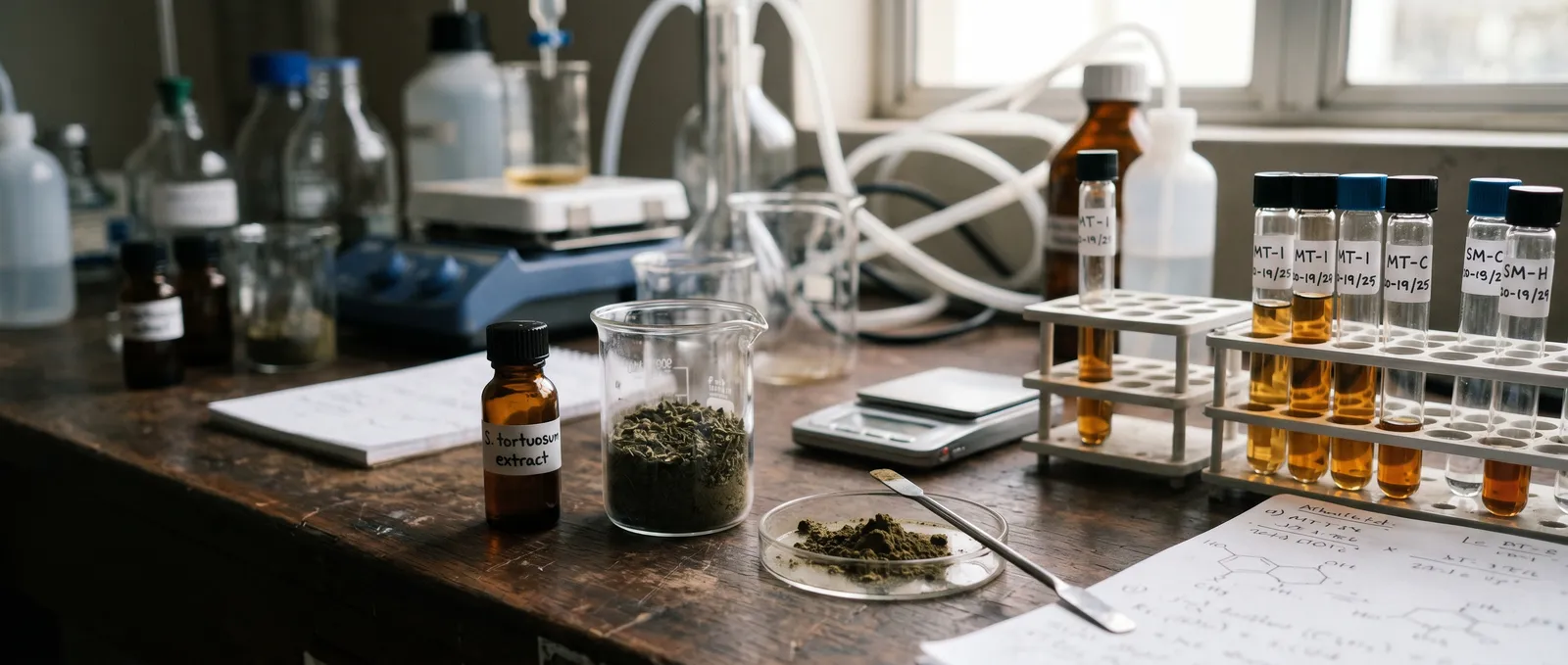
Kanna Pharmacokinetics Explained
Complete guide to kanna pharmacokinetics: how Sceletium tortuosum alkaloids are absorbed, metabolised via CYP2D6, and eliminated.
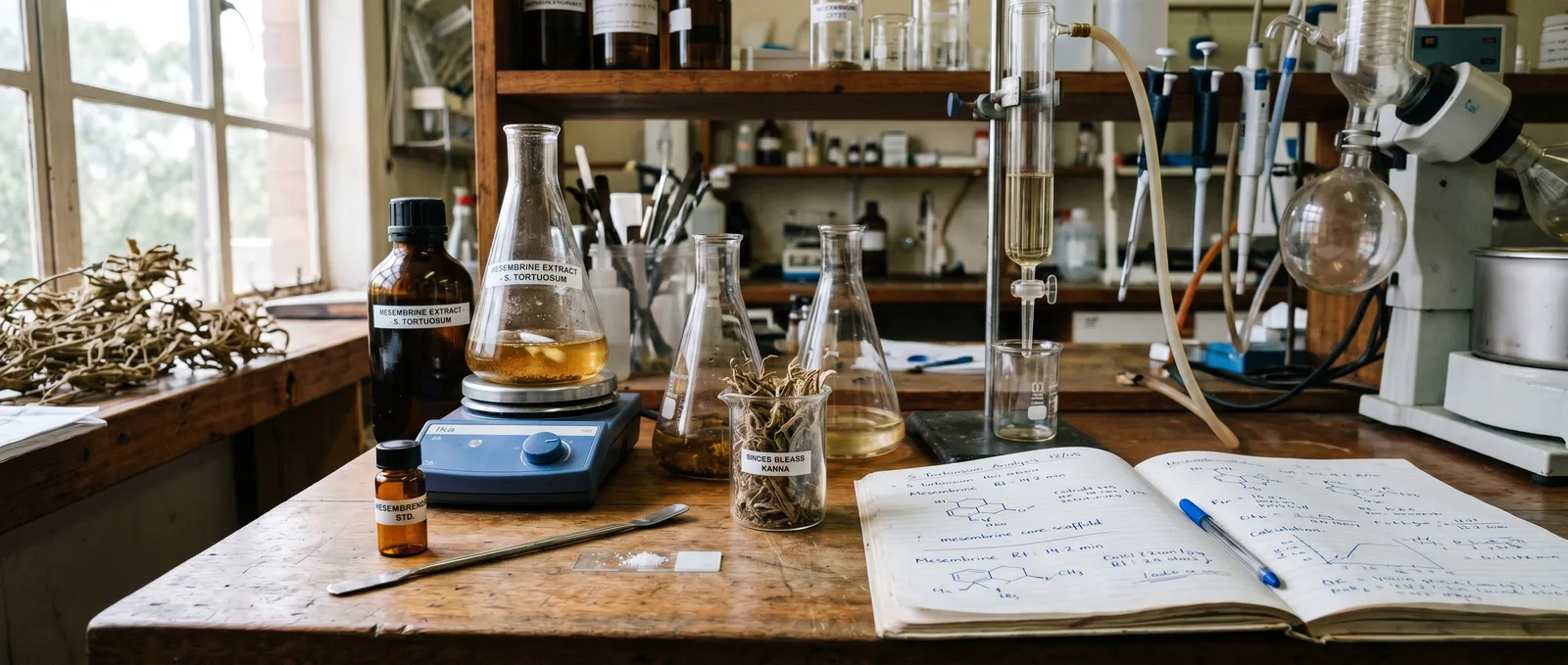
Kanna Chemistry: Sceletium Alkaloids Explained
Kanna chemistry explained: mesembrine, mesembrenone, their mechanisms, how fermentation and extraction change alkaloid profiles, and why it matters…
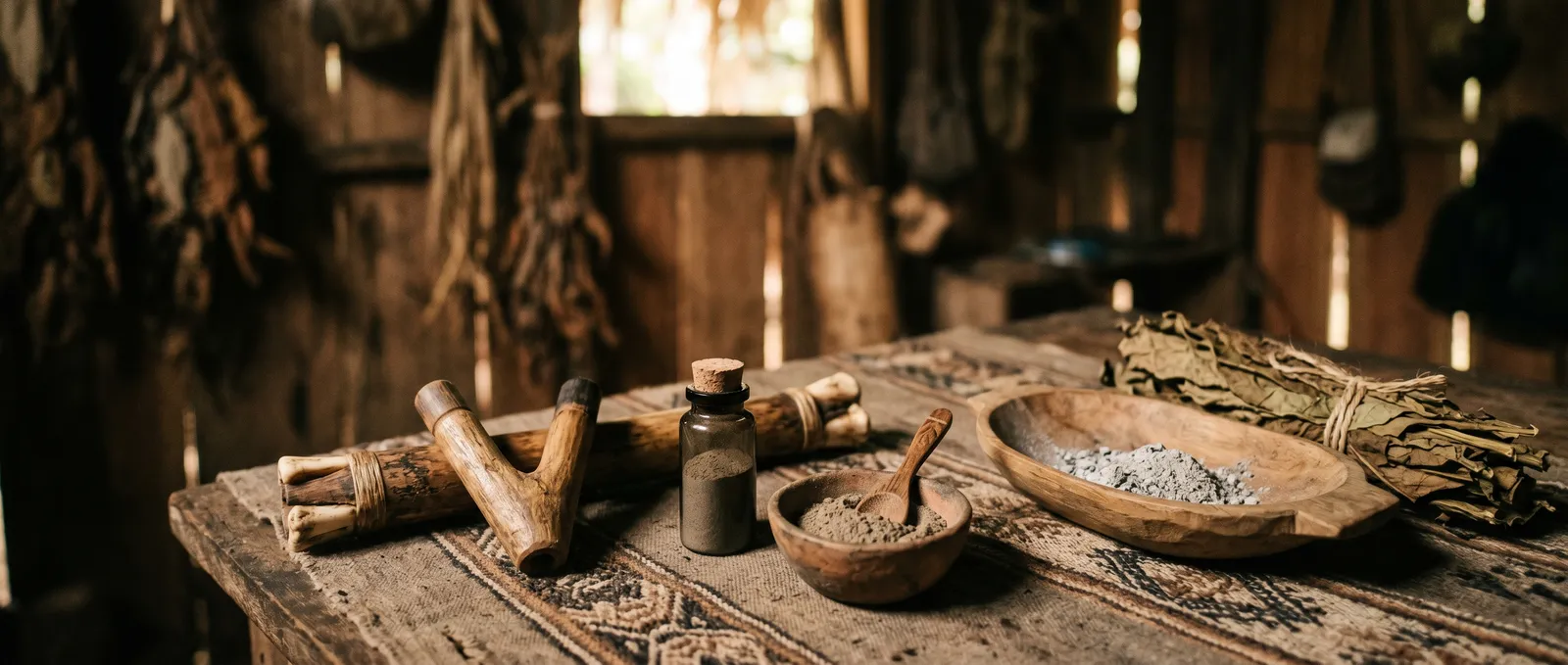
Rapé Shamanic Snuff Guide: How to Use It Safely
A practical rapé shamanic snuff guide covering dose, kuripe technique, effects, nicotine safety, interactions and Amazonian tradition.
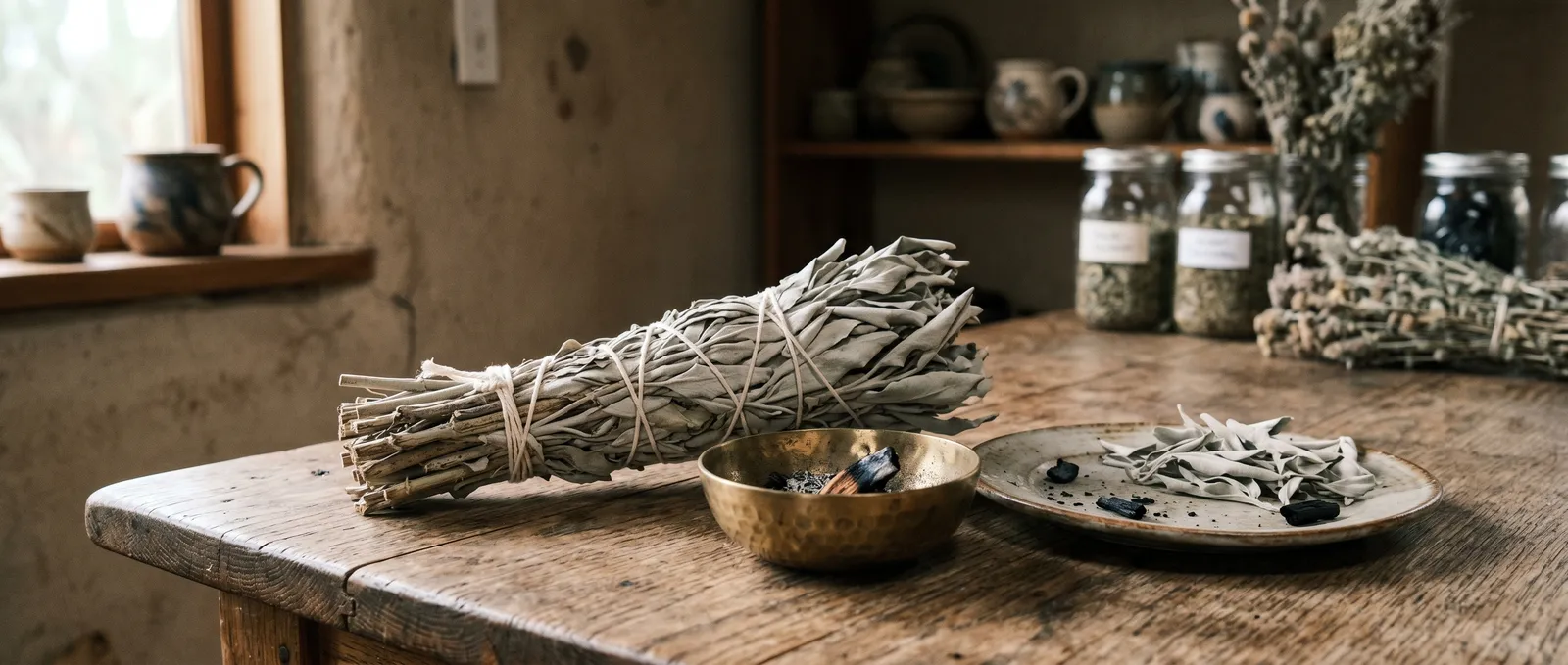
White Sage Salvia Apiana Cultural Smudging Guide
Salvia apiana is a non-psychoactive shrub native to southern California's coastal sage scrub, burned as ceremonial incense in Indigenous North American…
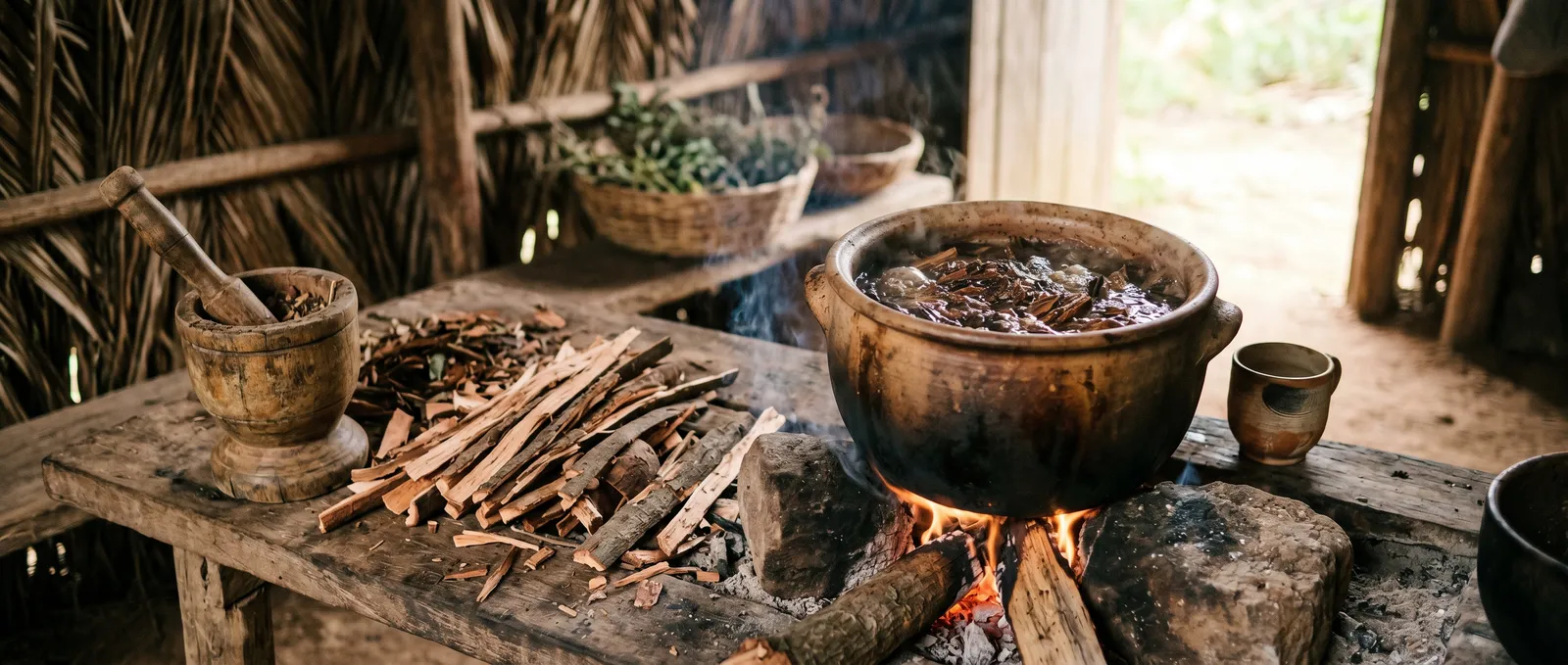
Mulungu Erythrina Traditional Amazonian Use — Bark, Alkaloids & Research
Erythrina mulungu is a Brazilian legume tree whose bark has been brewed as a calming decoction in rural folk medicine for generations.