
This article discusses psychoactive substances intended for adults (18+). If you have a health condition or take medication, consult a doctor before use. Our age policy
Maca (Lepidium meyenii) — Andean Traditional Use & Buy Guide
Definition
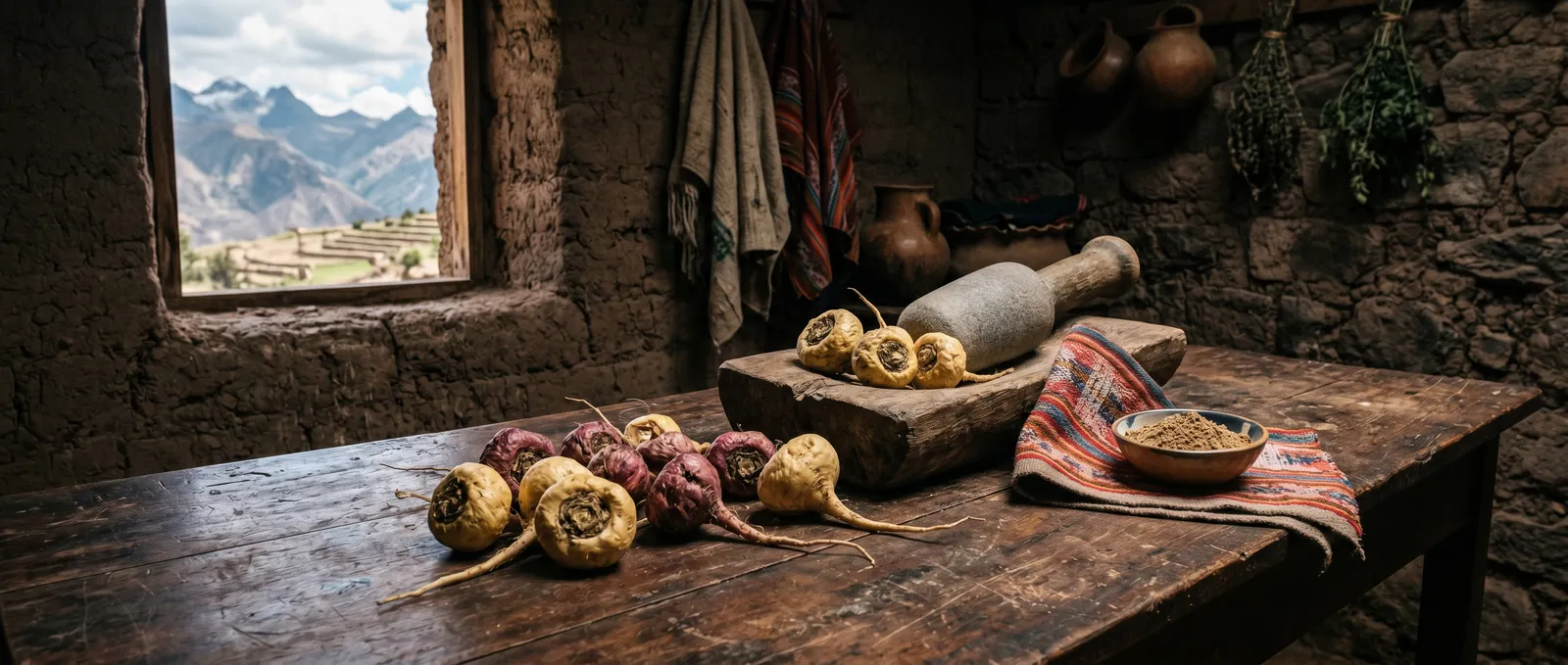
Maca (Lepidium meyenii Walp.) is a brassica root crop cultivated above 3,800 metres in the Peruvian Andes for at least two millennia. Andean communities traditionally consumed it as a calorie-dense dietary staple — sun-dried, cooked, or fermented — with associations around vitality and fertility documented since the colonial era (Gonzales, 2012).
A Root Crop Above the Clouds
Maca Lepidium meyenii Andean traditional use stretches back over two millennia, making it one of the oldest cultivated crops in the high Andes. Maca (Lepidium meyenii Walp.) is a brassica root crop that supports vitality and fertility in communities living above 3,800 metres in the Peruvian highlands. It belongs to the same plant family as broccoli, radish, and mustard. It grows at altitudes between 3,800 and 4,500 metres in the Junín plateau and Puna grasslands of central Peru, one of the harshest agricultural environments on Earth. Temperatures swing from below freezing at night to intense UV exposure during the day. Wind is constant. Almost nothing else cultivated by humans thrives up there. Maca does, and it has done so for at least two thousand years.
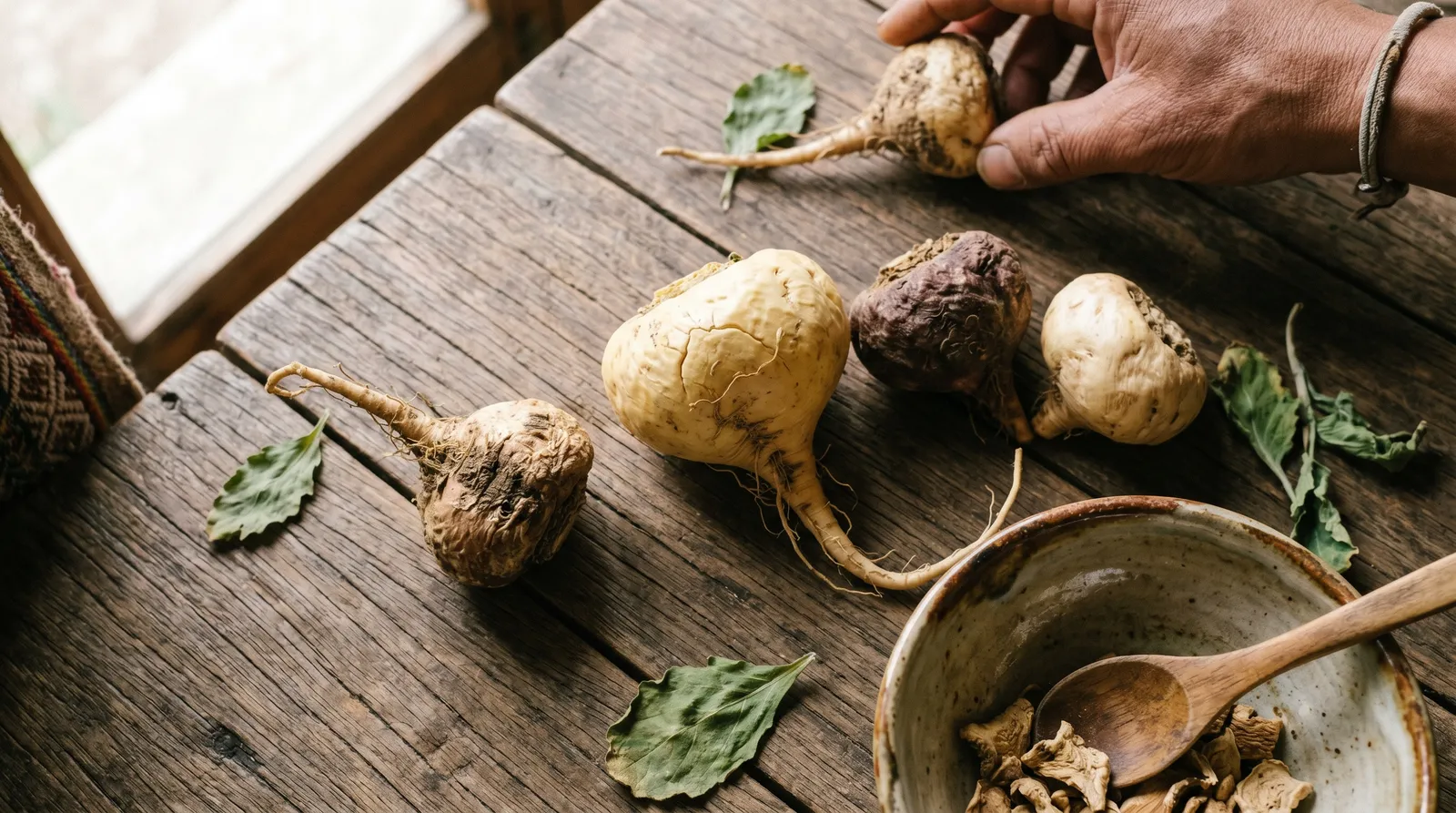
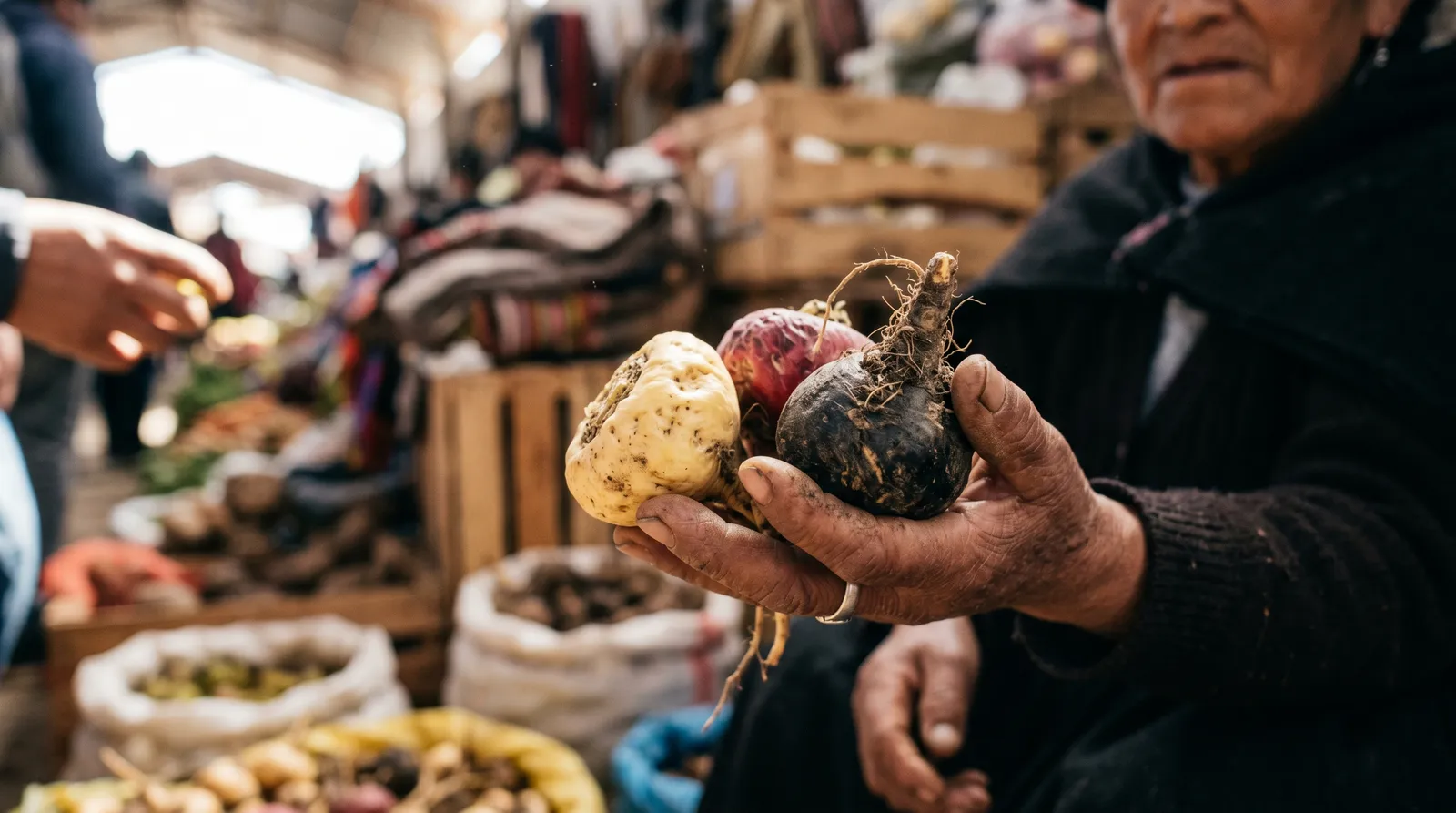
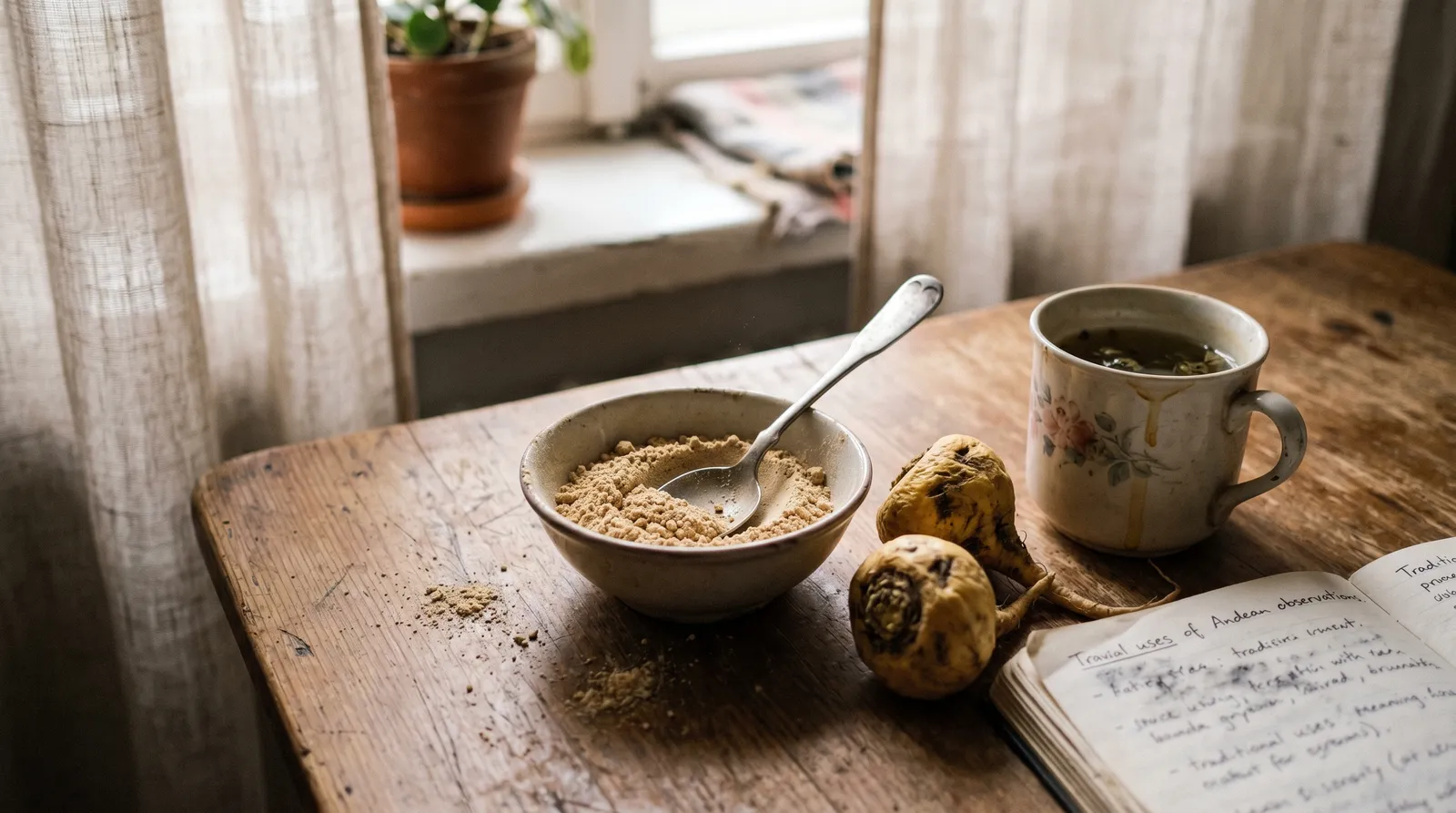
The edible part is the hypocotyl — a swollen, turnip-shaped structure that develops underground. Fresh, it looks a bit like a lumpy radish, ranging in colour from cream-yellow through red and purple to near-black. After harvest, Andean communities traditionally sun-dry the roots on the altiplano for weeks, reducing moisture content to around 10%, which allows storage for years. That dried root is what eventually gets ground into the powder most people outside Peru encounter today. Those looking to buy maca powder will most commonly find the yellow ecotype, which is the variety with the longest maca Lepidium meyenii Andean traditional use history.
Quechua and Pre-Inca Origins
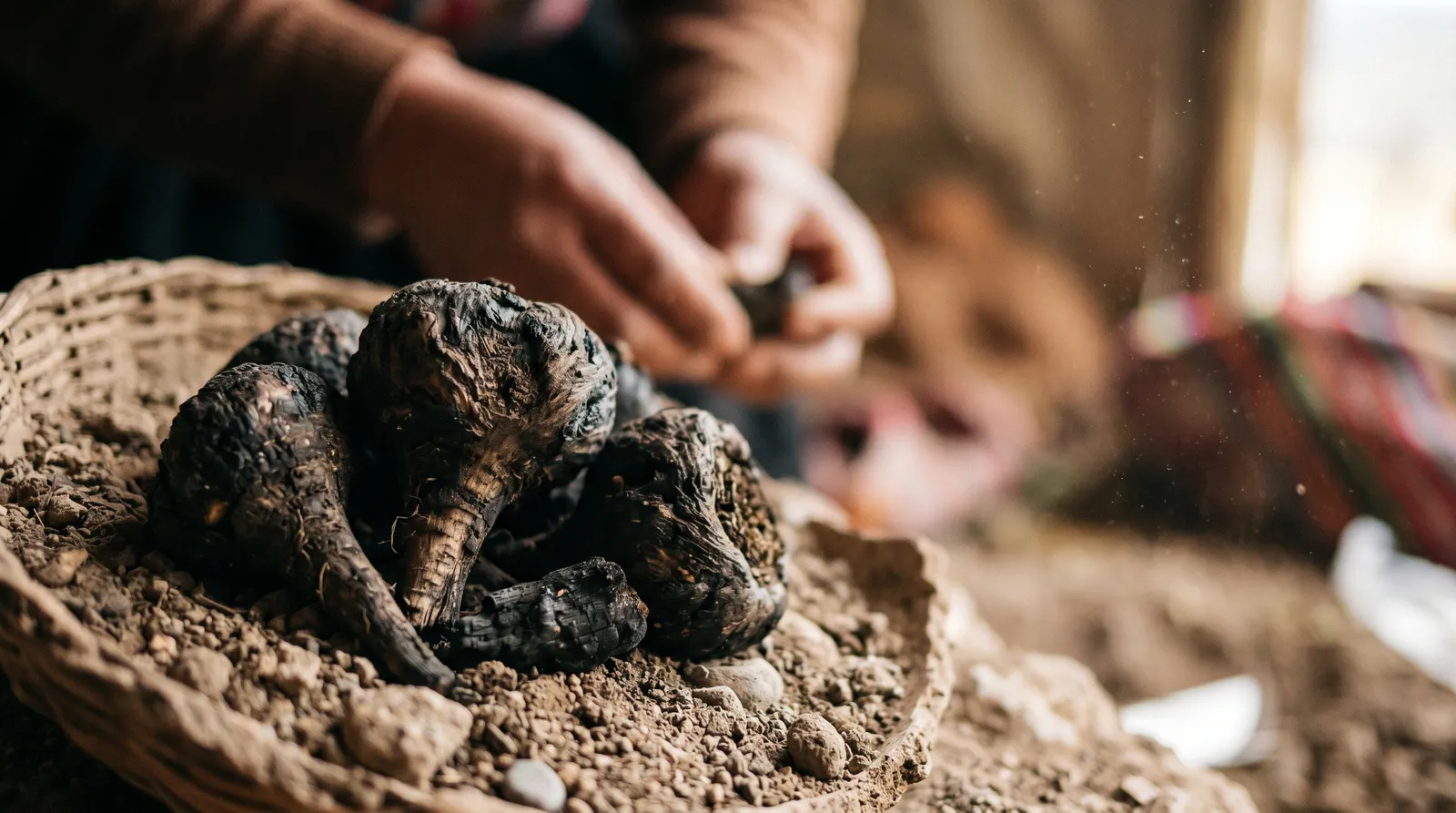
Archaeological evidence places maca cultivation in the Junín region well before the Inca Empire. Charred hypocotyl remains recovered from archaeological sites in the Chinchaycocha area date to roughly 1600 BCE, placing maca among the oldest cultivated crops in the Andes (Quiroz & Aliaga, 1997). By the time the Inca consolidated power in the fifteenth century, maca was already well established as both a staple food and a valued trade item.
Spanish colonial chroniclers provide the earliest written records. Father Bernabé Cobo, writing in 1653, described maca as a root consumed by highland populations for sustenance and vigour. Pedro Cieza de León, in his Crónica del Perú (1553), noted that indigenous communities in the Junín highlands relied on dried maca and chuño (freeze-dried potato) as dietary staples where grain cultivation was impossible. These accounts consistently frame maca as a food crop first — not a medicine, not a ritual plant, but something people ate daily because the altitude left few alternatives.
Quechua-speaking communities in the Junín and Pasco regions traditionally consumed maca in several forms: boiled fresh as a vegetable, dried and rehydrated in soups, fermented into a mildly alcoholic drink called maca chicha, or ground and mixed into porridges. Ethnobotanist Hermann Busse documented in the 1930s that Andean families might consume 20 grams or more of dried maca per day as a routine part of their diet — a figure echoed in later ethnobotanical surveys (Gonzales, 2012). That daily intake is roughly seven to thirteen times the typical supplement dose of 1,500–3,000 mg found in capsules or powder sachets today.
Traditional Uses: Fertility, Livestock, and Altitude
Fertility support for both humans and livestock is the traditional use most frequently cited in ethnobotanical literature on maca Lepidium meyenii Andean traditional use. Andean herders reportedly fed maca to cattle, sheep, and llamas before breeding season, a practice documented by Chacón de Popovici in her 1961 thesis at the Universidad Nacional Mayor de San Marcos in Lima. She recorded interviews with herding communities in the Junín plateau who described improved conception rates in livestock fed dried maca root.
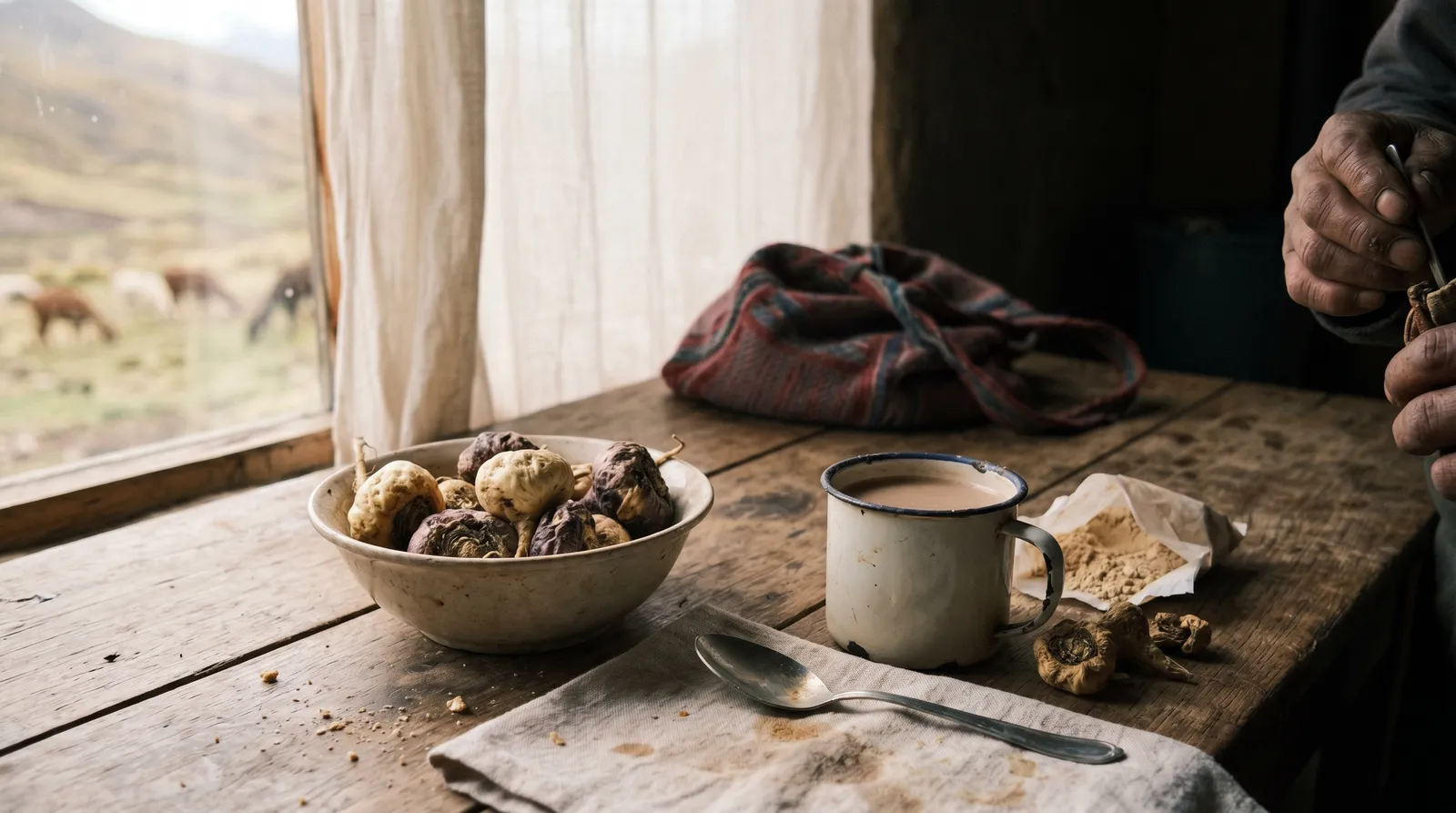
For humans, the traditional association between maca and reproductive vitality is deeply embedded in Quechua oral culture, though it sits alongside more prosaic uses. Maca was given to children as a calorie-dense food. It was consumed by miners and labourers for stamina at altitude. The fertility angle is real but often overstated in modern marketing — Andean communities did not treat maca as a specialist reproductive herb the way, say, European herbalists used Vitex agnus-castus. It was closer to how a Scottish crofter might view oats: everyday sustenance that also happened to keep people robust.
Colour distinctions matter in Andean tradition. The cream-yellow ecotype (maca amarilla) is the most commonly grown and consumed. Red maca and black maca are less abundant and carry different traditional associations — black maca for energy and stamina, red maca for female reproductive health — though these colour-specific attributions are difficult to trace in pre-colonial sources and may reflect more recent folk categorisation (Gonzales et al., 2006).
Phytochemistry: What Is Actually in the Root
Dried maca root is roughly 60% carbohydrate, 10% protein, 8.5% fibre, and 2.2% lipid, making its chemical profile more interesting as a food than as a drug (Dini et al., 1994). It contains meaningful amounts of iron, copper, manganese, and vitamin C — not surprising for a calorie-dense root vegetable consumed as a dietary staple.

The compounds that attract pharmacological attention are the macamides and macaenes — a class of polyunsaturated fatty acid amides and alkenes unique to Lepidium meyenii. Zheng et al. (2000) first characterised these from lipid fractions of dried maca, and subsequent work has identified over 20 distinct macamide structures. Their biological activity is still being mapped; some in-vitro and animal studies suggest interaction with the endocannabinoid system via fatty acid amide hydrolase (FAAH) inhibition (Wu et al., 2013), though translating in-vitro enzyme inhibition to any meaningful human effect is a large leap that the current evidence does not support.
Glucosinolates — the same sulphur-containing compounds found in broccoli and cabbage — are also present, which makes taxonomic sense given maca's membership in the Brassicaceae. The specific glucosinolate profile varies by ecotype colour, with benzyl glucosinolate being the most abundant (Li et al., 2001).
What maca does not contain is worth noting: no caffeine, no significant alkaloid load, no compounds with obvious acute psychoactive or hormonal activity. Multiple studies have confirmed that maca does not directly alter testosterone, oestrogen, or other sex hormone levels in serum (Gonzales et al., 2003). Whatever traditional effects communities observed likely operate through mechanisms other than direct hormonal modulation — or through the simple nutritional advantage of a calorie- and micronutrient-dense food consumed at high altitude where dietary options are limited.
| Nutrient / Compound | Amount per 100 g dried root | Notes |
|---|---|---|
| Carbohydrate | ~60 g | Primarily starch and sugars |
| Protein | ~10 g | Rich in leucine and arginine |
| Fibre | ~8.5 g | Comparable to other root vegetables |
| Lipid | ~2.2 g | Contains unique macamides and macaenes |
| Iron | ~15 mg | Significant for a plant source |
| Glucosinolates | Variable by ecotype | Benzyl glucosinolate predominant |
How Maca Compares to Other Adaptogens
Maca is primarily a food crop rather than a herb used in small medicinal doses, which sets it apart from most plants marketed as adaptogens. Ashwagandha (Withania somnifera) and rhodiola (Rhodiola rosea) are typically consumed in extract form at doses of a few hundred milligrams; maca, by contrast, was traditionally eaten in quantities of 20 grams or more per day. This distinction shapes both its safety profile and the way its effects manifest — gradually, as part of overall nutrition, rather than as an acute pharmacological intervention.
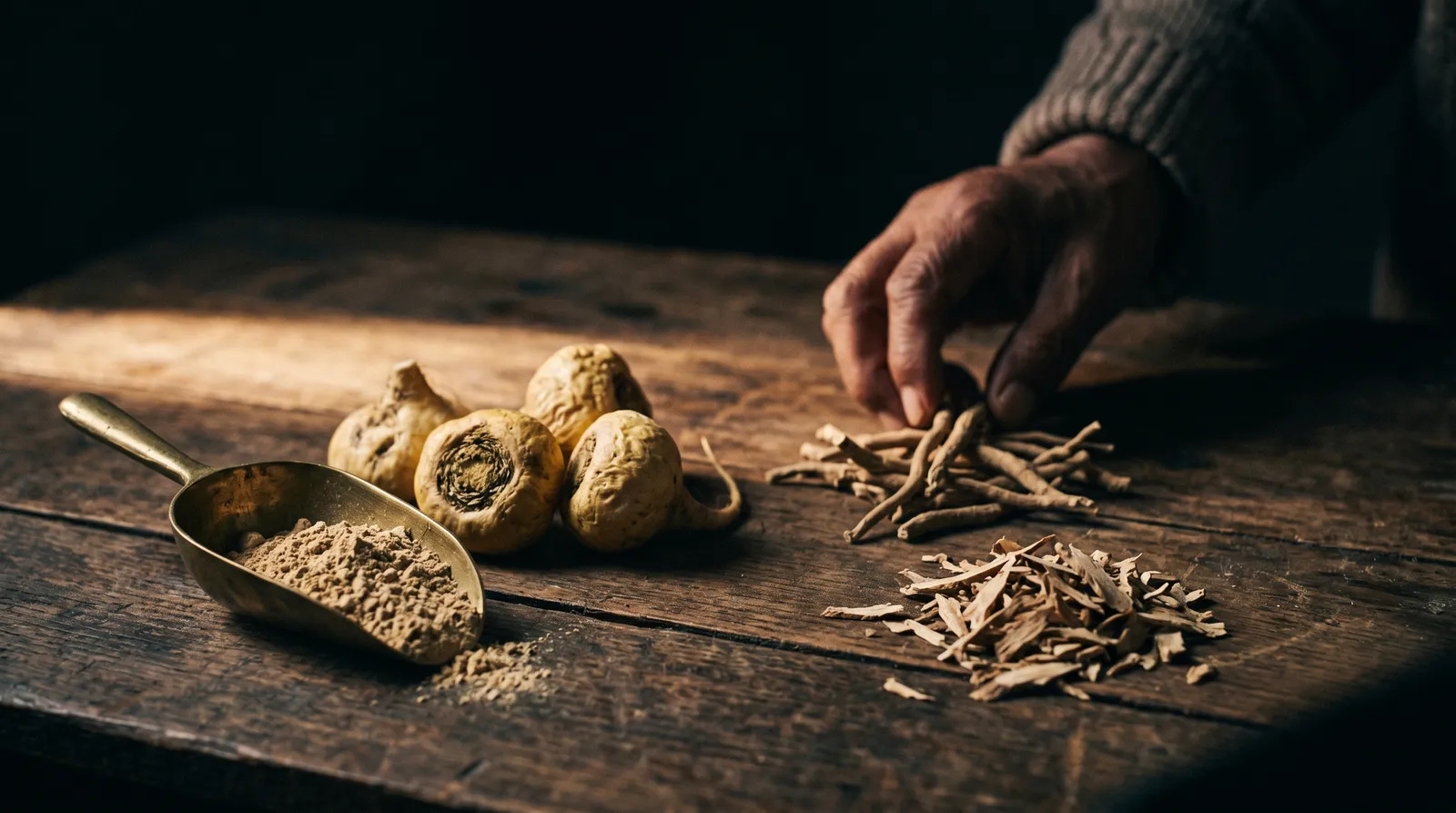
Compared to ashwagandha, which has a larger body of clinical trial data supporting effects on cortisol and anxiety, maca's evidence base is thinner and more focused on self-reported sexual desire and menopausal comfort. Compared to rhodiola, which has documented effects on fatigue in controlled settings, maca's energy-related claims rest more heavily on ethnobotanical tradition than on rigorous clinical measurement. The EMCDDA does not classify maca alongside psychoactive substances, reflecting its status as a food-grade botanical rather than a compound with acute central nervous system effects.
| Property | Maca | Ashwagandha | Rhodiola |
|---|---|---|---|
| Traditional daily dose | 20 g+ (as food) | 3–6 g (as powder) | Decoction, variable |
| Typical supplement dose | 1,500–3,000 mg | 300–600 mg extract | 200–600 mg extract |
| Primary traditional context | Andean food staple | Ayurvedic rasayana | Siberian/Scandinavian folk medicine |
| Key bioactives | Macamides, glucosinolates | Withanolides | Rosavins, salidroside |
| Hormonal modulation | Not detected in trials | Some cortisol data | Limited data |
| RCT evidence strength | Preliminary | Moderate | Moderate |
Modern Research: A Mixed Picture
Clinical research on maca has produced suggestive but inconclusive results, with most published trials being small and short-duration. The majority have been conducted by a handful of research groups — predominantly Gustavo Gonzales and colleagues at the Universidad Peruana Cayetano Heredia in Lima.
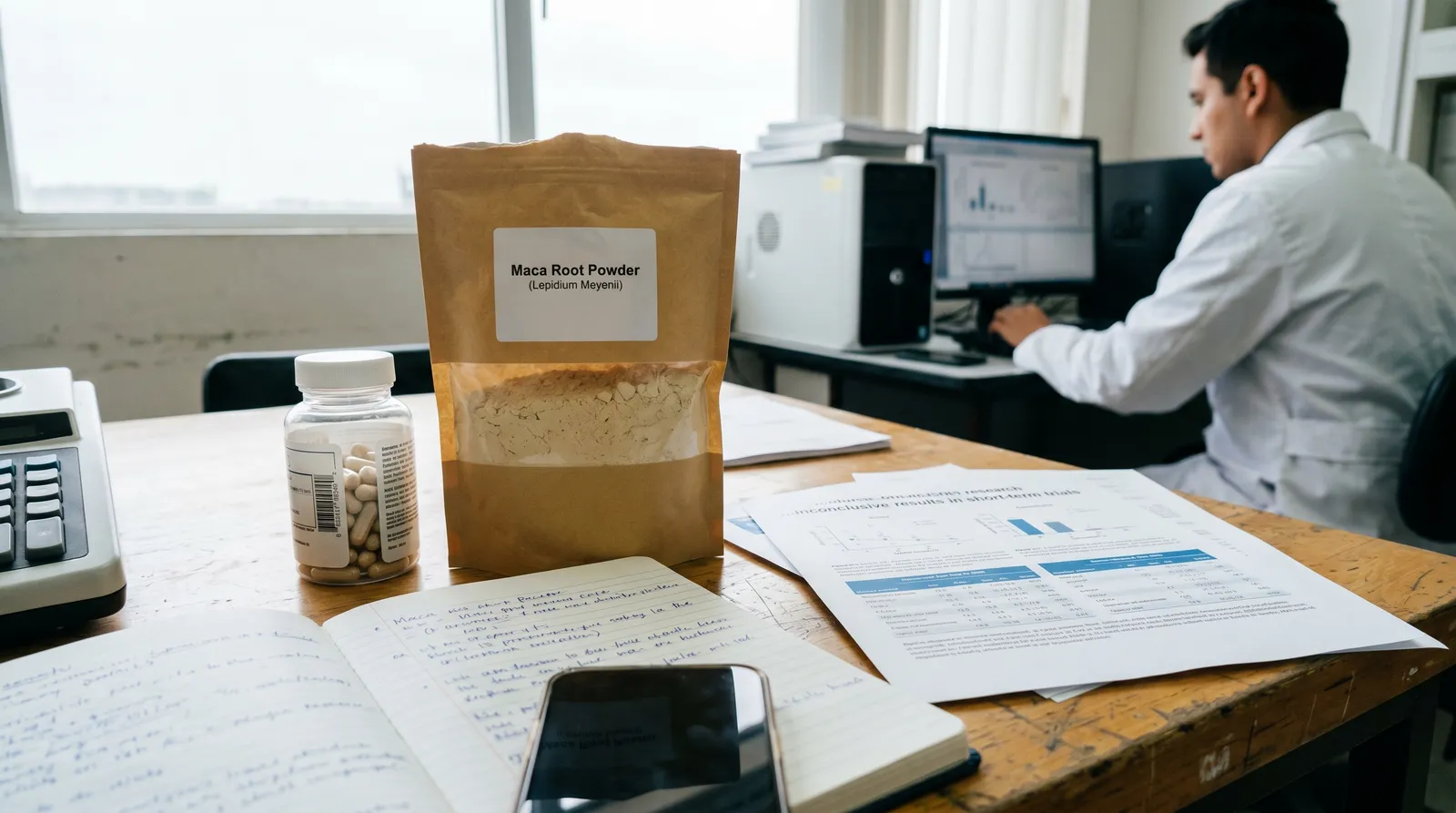
A frequently cited pilot study by Gonzales et al. (2002) gave 1,500 mg or 3,000 mg of dried maca powder daily to nine men for four months and reported increased seminal volume and sperm motility, with no change in serum hormone levels. The sample size — nine participants — limits what can be drawn from this. A later randomised, double-blind trial by the same group (Gonzales et al., 2003) found that 1,500–3,000 mg daily improved self-reported sexual desire after eight weeks compared to placebo, again without measurable hormonal shifts.
A 2010 systematic review by Lee et al. in BMC Complementary and Alternative Medicine identified four RCTs examining maca and sexual function. The authors concluded that "the evidence is limited" and that the trials were too small and too few to draw firm conclusions — a judgement that still holds. A more recent systematic review by Shin et al. (2018) in Maturitas reached a similarly cautious verdict, noting some positive signals for menopausal symptom scores but calling for larger, longer trials.
Research into maca and mood is even earlier-stage. A small 2008 pilot by Brooks et al. in Menopause reported reduced anxiety and depression scores in postmenopausal women taking 3,500 mg maca daily for six weeks, but with only fourteen participants and no long-term follow-up, the finding remains preliminary.
The honest summary: maca has a long, well-documented history as an Andean food crop with traditional associations around vitality and fertility. Modern research has produced some suggestive findings, particularly around self-reported sexual desire and menopausal comfort, but the evidence base is not strong enough to support specific health claims. Larger, independent, multi-centre trials are needed — and as of 2026, they have not been published.
Maca as Food Versus Maca as Supplement
Gelatinised maca powder is the supplement form closest to traditional Andean preparation, because it has been pre-cooked under pressure. In Peru, maca is cooked or processed — boiled, roasted, dried, fermented. Raw maca root contains glucosinolates and other compounds that are partially broken down by heat, which is one reason traditional preparation almost always involves cooking. The gelatinised maca powder sold in supplement form has had starch removed and glucosinolates broken down, making it more digestible and arguably closer to traditional preparation than raw maca powder.
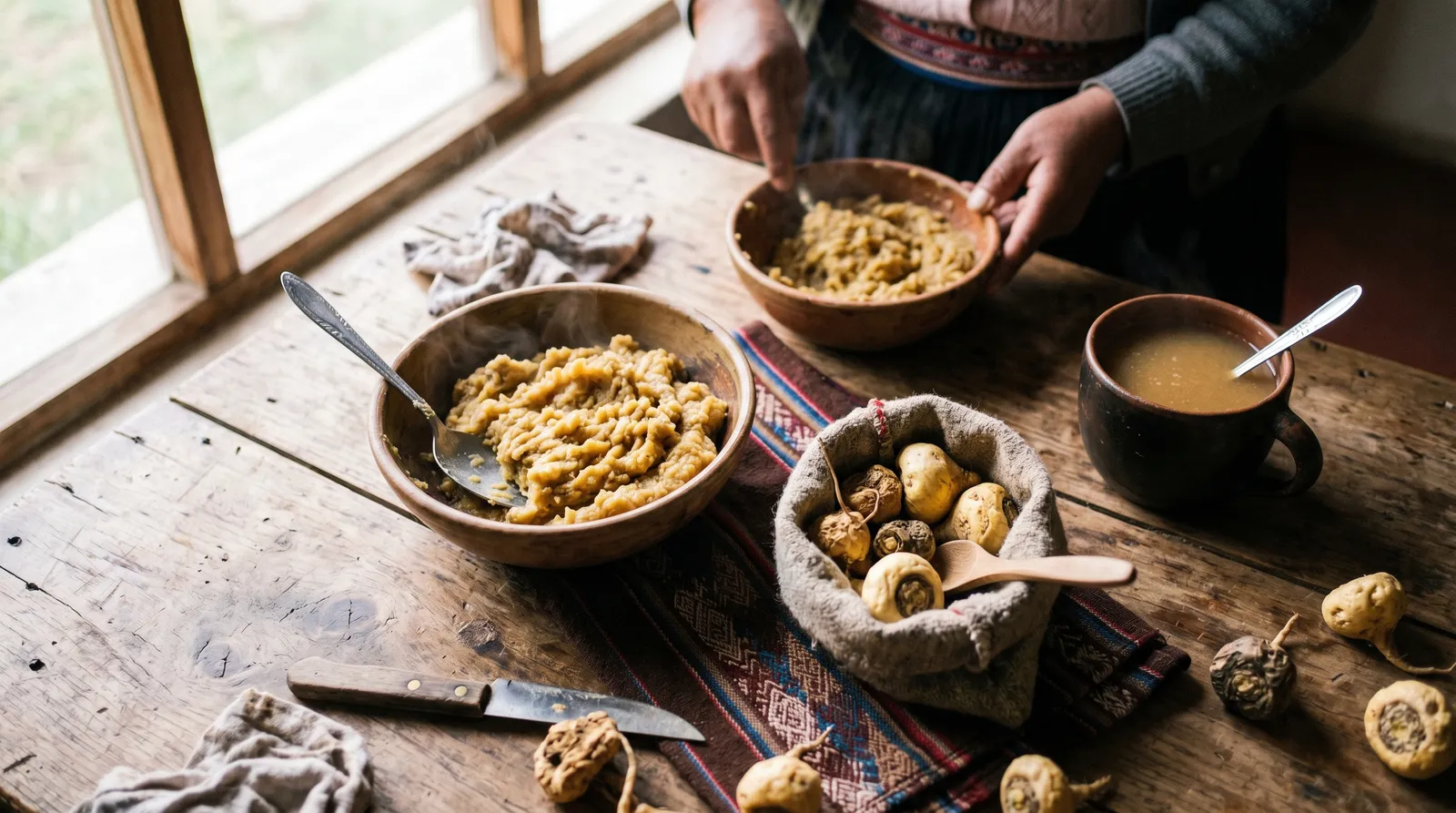
The distinction matters because some gastrointestinal discomfort reported by supplement users — bloating, gas — may relate to consuming raw or minimally processed maca powder in quantities that Andean populations would never eat without cooking first. If maca is consumed as a food-grade powder stirred into porridge or a warm drink, the preparation at least partially mirrors traditional use. Customers who want to buy maca in a form that respects this heritage should consider gelatinised maca powder or maca capsules containing the gelatinised form.
Where to Buy Maca and What to Look For
Choosing a quality maca product starts with understanding origin and processing method. Maca sourced from the Junín plateau in Peru, grown at altitude, is considered the benchmark — lowland-cultivated maca or Chinese-grown Lepidium meyenii may differ in phytochemical profile due to the absence of extreme altitude stress during growth. Azarius stocks both gelatinised maca powder and raw maca powder, as well as maca capsules for those who prefer a measured dose without the taste.
When deciding whether to buy maca powder or maca capsules, consider how you plan to use it. Powder is more versatile — it can be stirred into smoothies, porridge, or warm drinks — and allows flexible dosing. Capsules offer convenience and avoid the flavour entirely, which matters for people who find the malty-earthy taste off-putting. Either form delivers the same macamides and glucosinolates, though gelatinised versions of both have improved digestibility.
Safety and Cautions
Maca has a strong safety profile as a food, supported by centuries of daily consumption in Andean communities without documented adverse effects. Acute toxicity studies in animal models have not identified harmful thresholds at dietary-relevant doses (Gonzales, 2012). No serious adverse events have been reported in published human trials at doses up to 3,500 mg daily for periods up to twelve weeks.
That said, data on long-term supplementation in non-Andean populations is limited. People with thyroid conditions should be aware that maca contains glucosinolates, which can influence iodine metabolism — a concern flagged in a 2006 review by Valentová et al. in Chemické Listy. Whether this is clinically relevant at typical supplement doses is unclear, but it is worth discussing with a doctor if thyroid function is already compromised.
This article is for informational purposes only and does not constitute medical advice. The statements in this article have not been evaluated by any medical authority. Maca products are not intended to diagnose, treat, cure, or prevent any disease. Consult a qualified healthcare professional before using maca supplements, especially if you have a pre-existing medical condition, are pregnant, or are taking medication.
References
- Brooks, N.A. et al. (2008). Beneficial effects of Lepidium meyenii (Maca) on psychological symptoms and measures of sexual dysfunction in postmenopausal women. Menopause, 15(6), 1157–1162.
- Chacón de Popovici, G. (1961). Estudio fitoquímico de Lepidium meyenii. Thesis, Universidad Nacional Mayor de San Marcos, Lima.
- Dini, A. et al. (1994). Chemical composition of Lepidium meyenii. Food Chemistry, 49(4), 347–349.
- EMCDDA (European Monitoring Centre for Drugs and Drug Addiction). Maca is not listed among monitored psychoactive substances. Referenced for context on classification status.
- Gonzales, G.F. et al. (2002). Effect of Lepidium meyenii (MACA) on sexual desire and its absent relationship with serum testosterone levels in adult healthy men. Andrologia, 34(6), 367–372.
- Gonzales, G.F. et al. (2003). Effect of Lepidium meyenii (Maca), a root with aphrodisiac and fertility-enhancing properties, on serum reproductive hormone levels in adult healthy men. Journal of Endocrinology, 176(1), 163–168.
- Gonzales, G.F. et al. (2006). Effect of different varieties of Maca (Lepidium meyenii) on bone structure in ovariectomized rats. Forschende Komplementärmedizin, 13(1), 6–10.
- Gonzales, G.F. (2012). Ethnobiology and ethnopharmacology of Lepidium meyenii (Maca), a plant from the Peruvian Highlands. Evidence-Based Complementary and Alternative Medicine, 2012, 193496.
- Lee, M.S. et al. (2010). Maca (L. meyenii) for improving sexual function: a systematic review. BMC Complementary and Alternative Medicine, 10, 44.
- Li, G. et al. (2001). Glucosinolate contents in maca (Lepidium peruvianum) seeds, sprouts, mature plants and several derived commercial products. Economic Botany, 55(2), 255–262.
- Quiroz, C.F. & Aliaga, R. (1997). Maca (Lepidium meyenii Walp.). In: Hermann, M. & Heller, J. (eds.), Andean Roots and Tubers. IPGRI, Rome.
- Shin, B.-C. et al. (2018). Maca (L. meyenii) for menopausal symptoms: a systematic review. Maturitas, 70(3), 227–233.
- Valentová, K. et al. (2006). Maca (Lepidium meyenii) and yacon (Smallanthus sonchifolius) in combination with silymarin as food supplements. Chemické Listy, 100, 522–527.
- Wu, H. et al. (2013). Macamides and their synthetic analogs: evaluation of in vitro FAAH inhibition. Bioorganic & Medicinal Chemistry, 21(17), 5188–5197.
- Zheng, B.L. et al. (2000). Effect of a lipidic extract from Lepidium meyenii on sexual behavior in mice and rats. Urology, 55(4), 598–602.
Last updated: April 2026
Frequently Asked Questions
8 questionsDoes maca affect hormone levels?
What is the difference between yellow, red, and black maca?
Why is gelatinised maca different from raw maca powder?
How much maca do people in Peru actually eat?
Can maca affect thyroid function?
Is maca safe to take every day?
What does maca taste like?
Where can I buy maca powder?
About this article


Adam Parsons is an external cannabis and psychedelics writer and editor who contributes to Azarius's wiki as both author and reviewer. On the writing side, he authors Azarius's kratom and kanna clusters, drawing on exten
This wiki article was drafted with AI assistance and reviewed by Adam Parsons, External contributor. Editorial oversight by Joshua Askew.
Medical disclaimer. This content is for informational purposes only and does not constitute medical advice. Consult a qualified healthcare provider before use of any substance.
Last reviewed April 26, 2026
Related Articles
Blue Lotus vs Kanna: Effects & Safety
Blue lotus vs kanna compared — Nymphaea caerulea's aporphine profile against Sceletium tortuosum's mesembrine chemistry, with interaction warnings.
Lotus Clinical Research Overview
What does lotus clinical research actually show? A critical review of Nymphaea caerulea and Nelumbo nucifera pharmacology, preclinical data, and…
Kanna South Africa To West History
Sceletium tortuosum was used by San and Khoekhoe communities in southern Africa for centuries before European colonists first documented it in the 1660s.
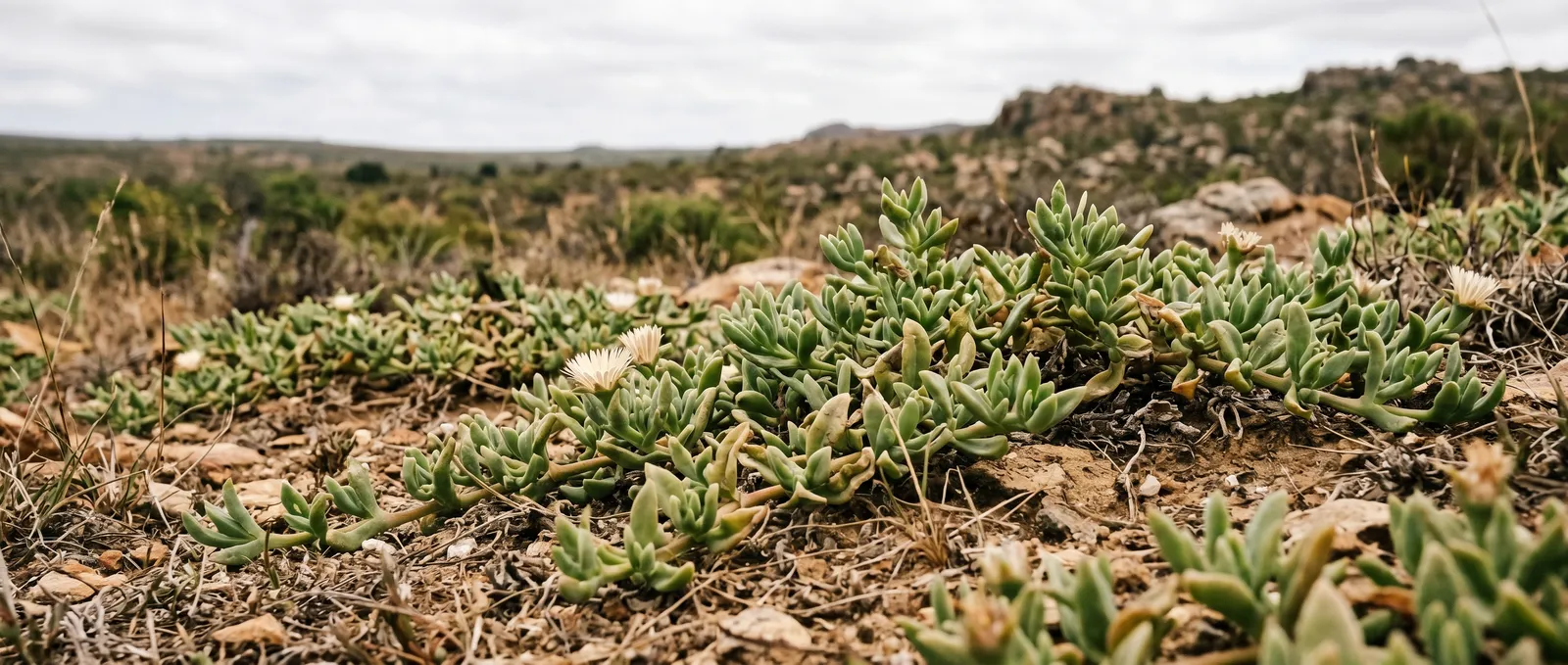
Sceletium Tortuosum Plant
Learn about the sceletium tortuosum plant: botany, alkaloids, fermentation, safety warnings, and where to buy kanna.
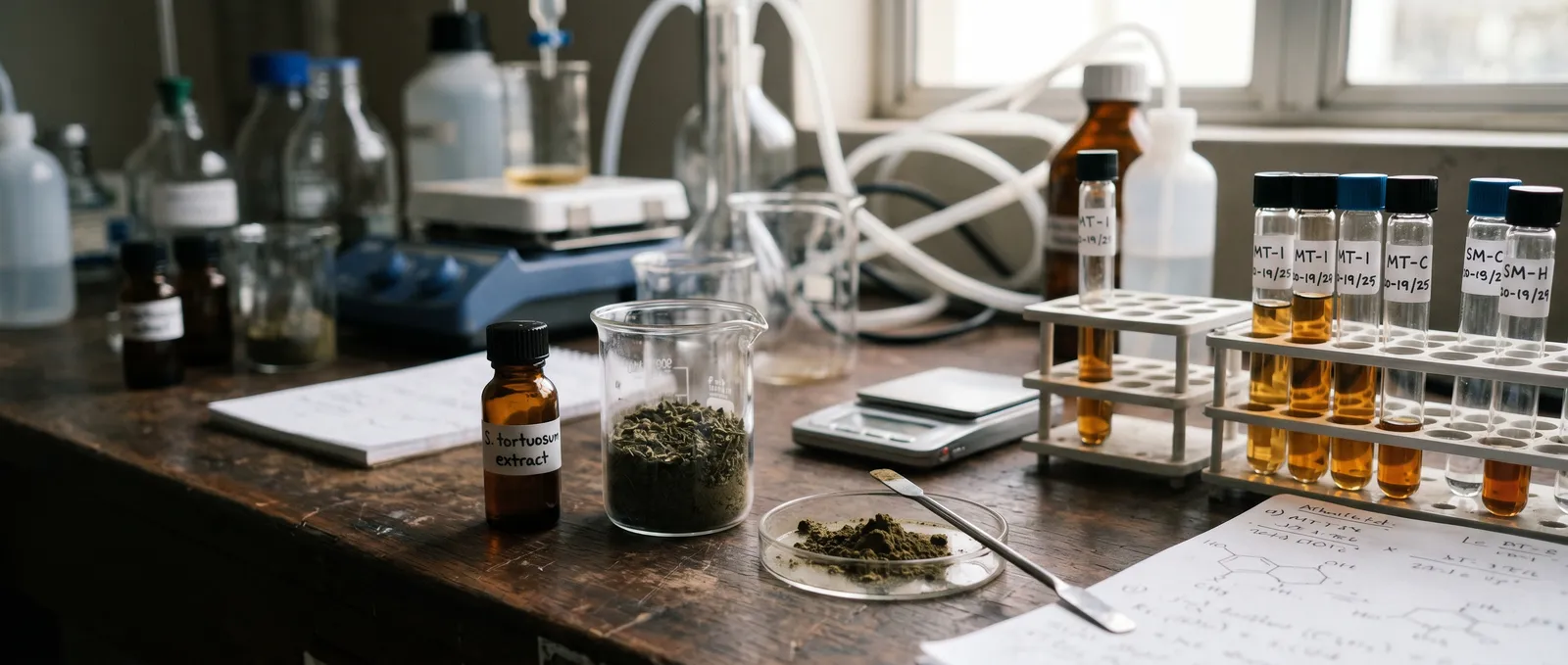
Kanna Pharmacokinetics Explained
Complete guide to kanna pharmacokinetics: how Sceletium tortuosum alkaloids are absorbed, metabolised via CYP2D6, and eliminated.
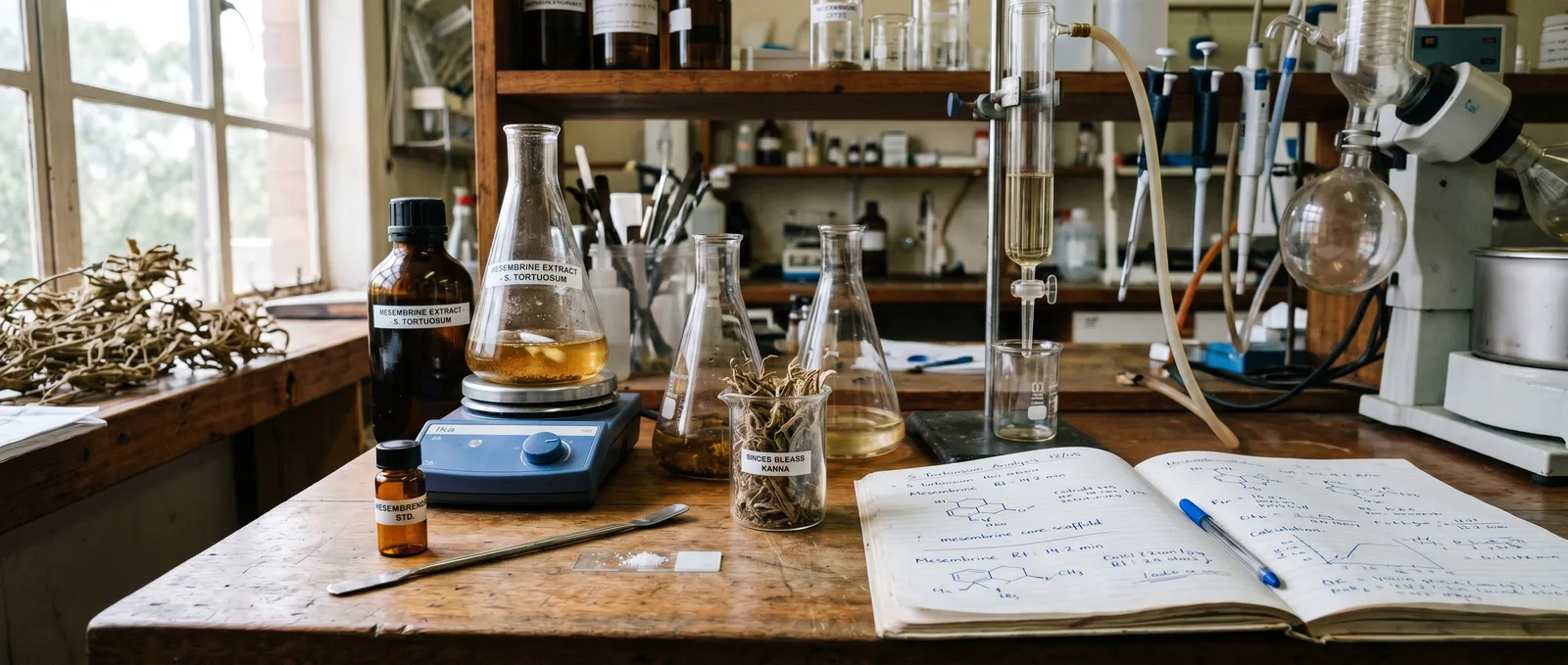
Kanna Chemistry: Sceletium Alkaloids Explained
Kanna chemistry explained: mesembrine, mesembrenone, their mechanisms, how fermentation and extraction change alkaloid profiles, and why it matters…
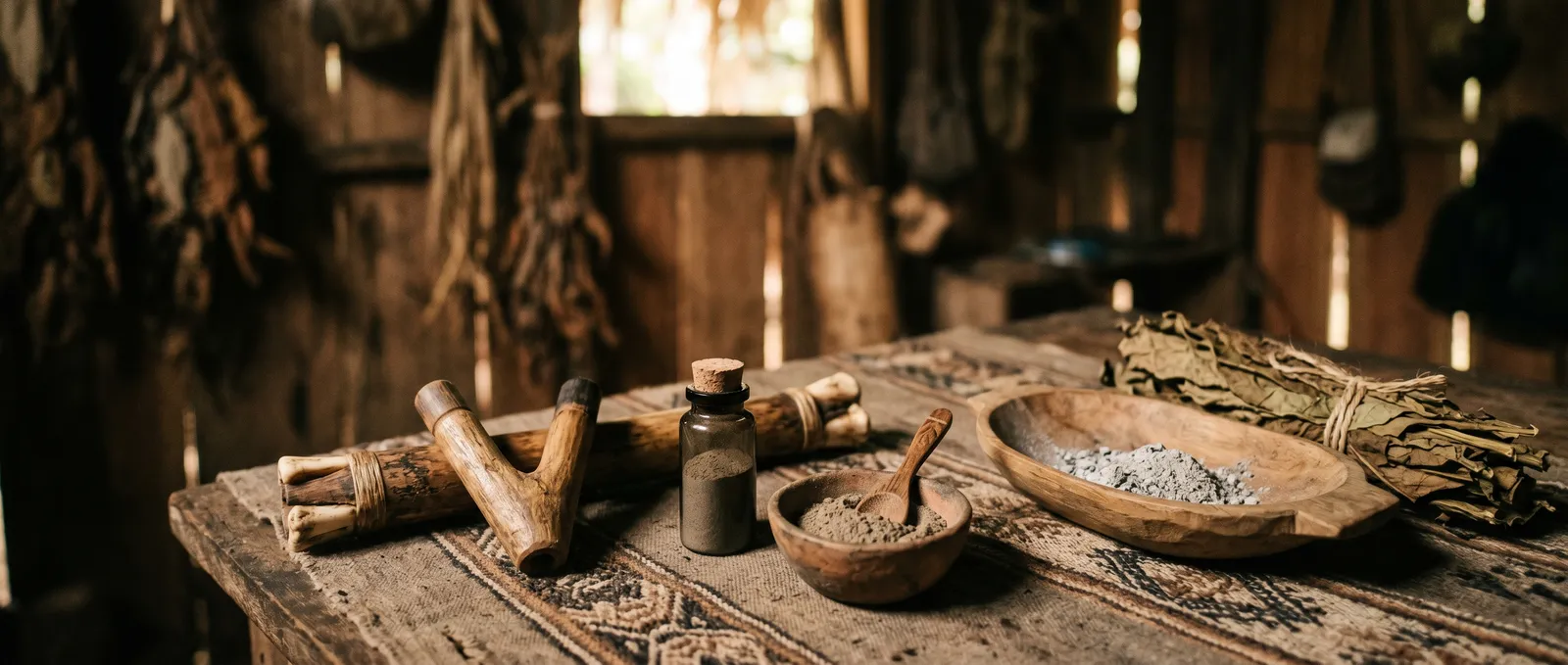
Rapé Shamanic Snuff Guide: How to Use It Safely
A practical rapé shamanic snuff guide covering dose, kuripe technique, effects, nicotine safety, interactions and Amazonian tradition.
White Sage Salvia Apiana Cultural Smudging Guide
Salvia apiana is a non-psychoactive shrub native to southern California's coastal sage scrub, burned as ceremonial incense in Indigenous North American…
Mulungu Erythrina Traditional Amazonian Use — Bark, Alkaloids & Research
Erythrina mulungu is a Brazilian legume tree whose bark has been brewed as a calming decoction in rural folk medicine for generations.