
This article discusses psychoactive substances intended for adults (18+). If you have a health condition or take medication, consult a doctor before use. Our age policy
Limonene Effects and Aroma Profile Explained
Definition
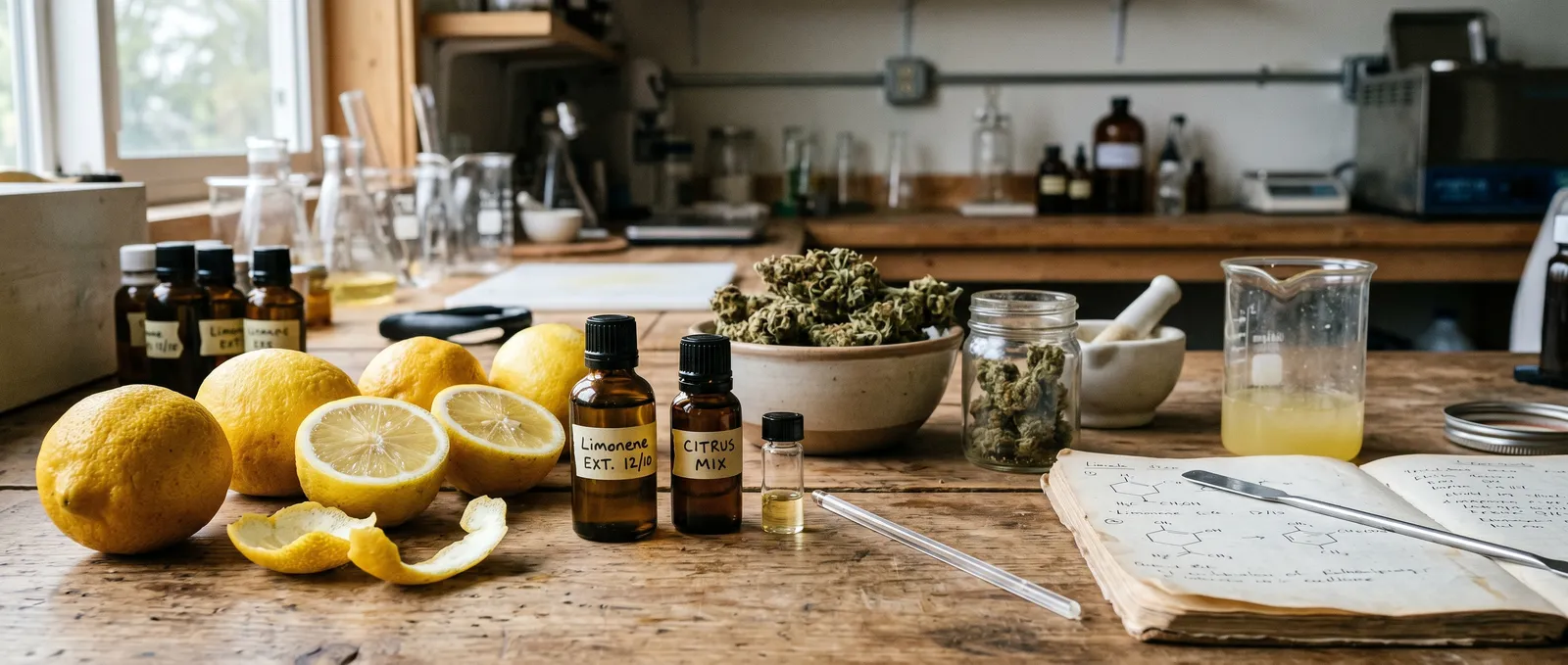
Limonene is a cyclic monoterpene responsible for the bright citrus aroma in lemon peel, orange rind, and many cannabis cultivars. It boils at approximately 176 °C and typically appears as the second or third most abundant terpene in citrus-forward cannabis lines. Preclinical research suggests anxiolytic-like activity in rodent models (Lima et al., 2013), though human clinical evidence remains limited.
What Is Limonene?
Limonene is a cyclic monoterpene — one of the most abundant aromatic compounds in nature and the second or third most common terpene in many cannabis cultivars. Its IUPAC name is (R)-(+)-1-methyl-4-(prop-1-en-2-yl)cyclohex-1-ene (PubChem CID 22311), and it belongs to the same biosynthetic family as pinene and myrcene: all three are built from the same geranyl pyrophosphate (GPP) precursor inside plant trichomes. If you've ever peeled an orange and had that sharp, bright mist hit your face, you've met limonene in its highest natural concentration. It boils at approximately 176 °C, which places it in the middle of the terpene volatilisation range and right around the temperature where most cannabinoids begin to vaporise — a detail that matters if you use a temperature-controlled vaporiser.
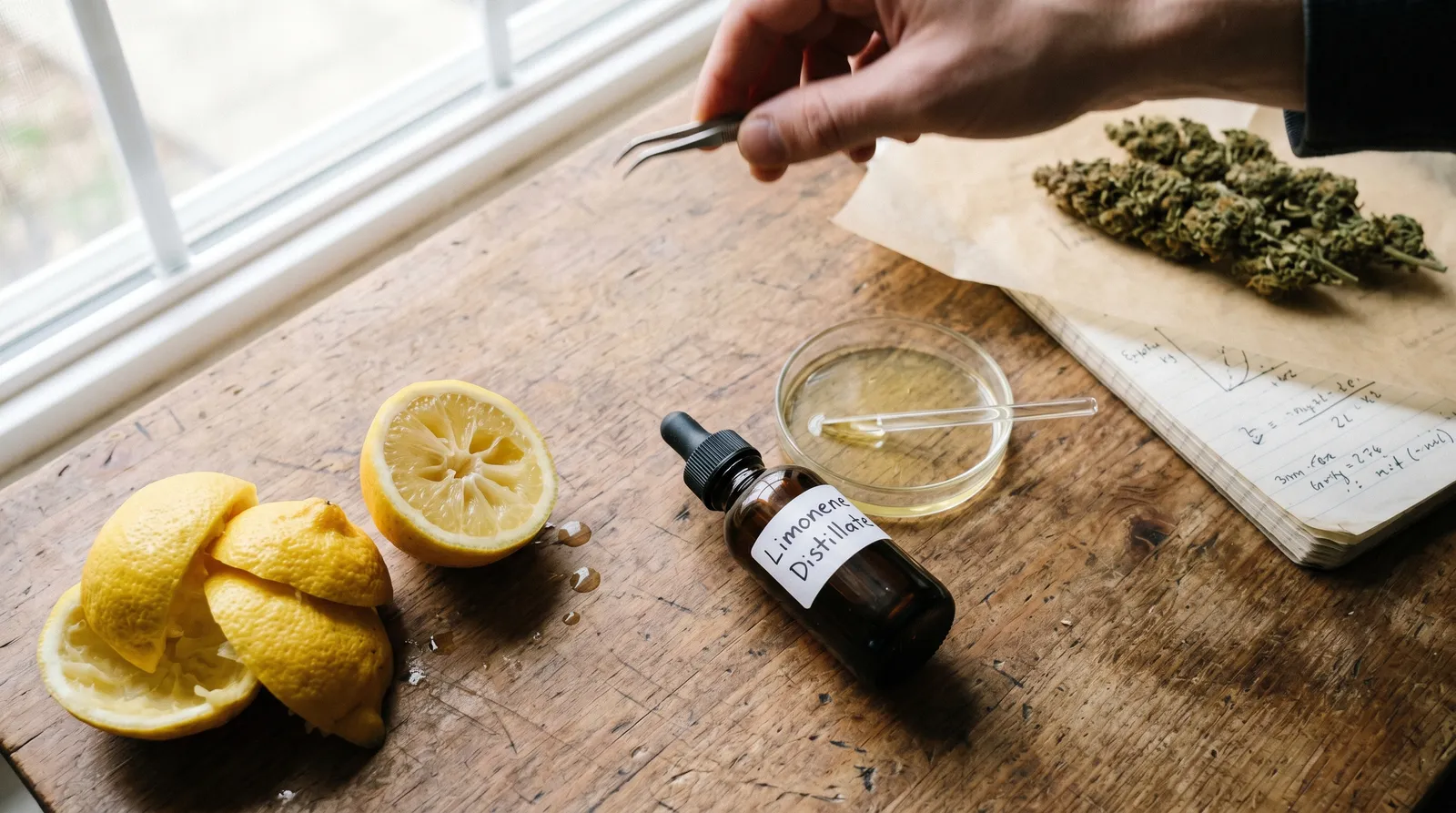
The compound exists as two mirror-image isomers. D-limonene (the R-enantiomer) is the one responsible for the classic citrus-peel aroma and accounts for the vast majority of limonene encountered in both cannabis and the food industry. L-limonene smells more piney and turpentine-like. When cannabis lab reports list "limonene" without specifying the isomer, they almost always mean D-limonene.
Aroma and Sensory Profile
Bright citrus, lemon zest, orange peel, with a sweet, slightly resinous undertone — that is the core of limonene's aroma. It sits at the opposite end of the terpene spectrum from earthy myrcene or woody humulene. In cannabis cultivars where limonene is dominant or co-dominant, users frequently describe the nose as "lemony," "tangerine-forward," or "citrus cleaning product" (meant as a compliment, usually). The sweetness underneath separates it from pinene's sharper, coniferous brightness.

When you encounter a cannabis cultivar with a pronounced lemon or orange character, limonene is almost certainly a major contributor — though it rarely works alone. Cultivar aroma is a blend: limonene often pairs with myrcene, beta-caryophyllene, or linalool, and the ratio shifts the overall impression. A limonene-plus-myrcene profile reads as "tropical citrus"; limonene-plus-caryophyllene leans more "spicy lemon." The terpene profile overview article covers how these combinations interact in more detail.
Where Limonene Shows Up in Nature
Limonene is everywhere. It is one of the most widely distributed terpenes in the plant kingdom, and its presence in everyday life is hard to overstate.
| Natural source | Typical limonene content (% of essential oil) | Common-name plant |
|---|---|---|
| Citrus peel (lemon) | 65–70% | Lemon (Citrus limon) |
| Citrus peel (orange) | 90–96% | Sweet orange (Citrus sinensis) |
| Citrus peel (grapefruit) | 84–96% | Grapefruit (Citrus × paradisi) |
| Juniper berry | 2–12% | Common juniper (Juniperus communis) |
| Rosemary | 1–3% | Rosemary (Salvia rosmarinus) |
| Peppermint | 1–5% | Peppermint (Mentha × piperita) |
| Cannabis flower | 0.1–1.5% of dry weight (varies by cultivar) | Cannabis (Cannabis sativa L.) |
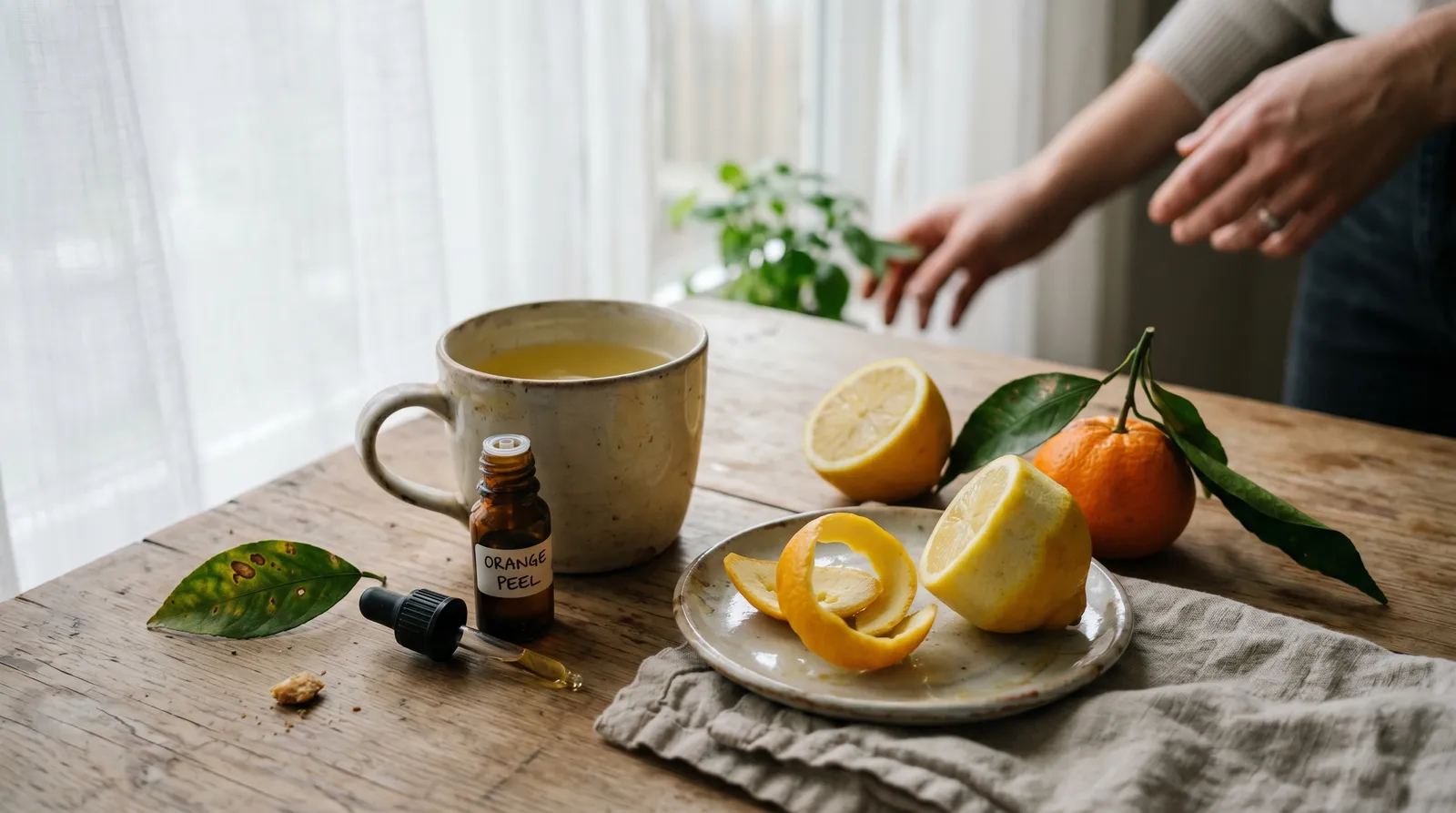
Orange peel essential oil is essentially a limonene delivery system — over 90% of it is this single compound. That concentration is worth keeping in mind when comparing "limonene in a cannabis cultivar" (typically under 1.5% of dry flower weight) with "limonene in an isolated terpene product." The numbers are not remotely the same, and neither is the experience.
Limonene in Cannabis Cultivars
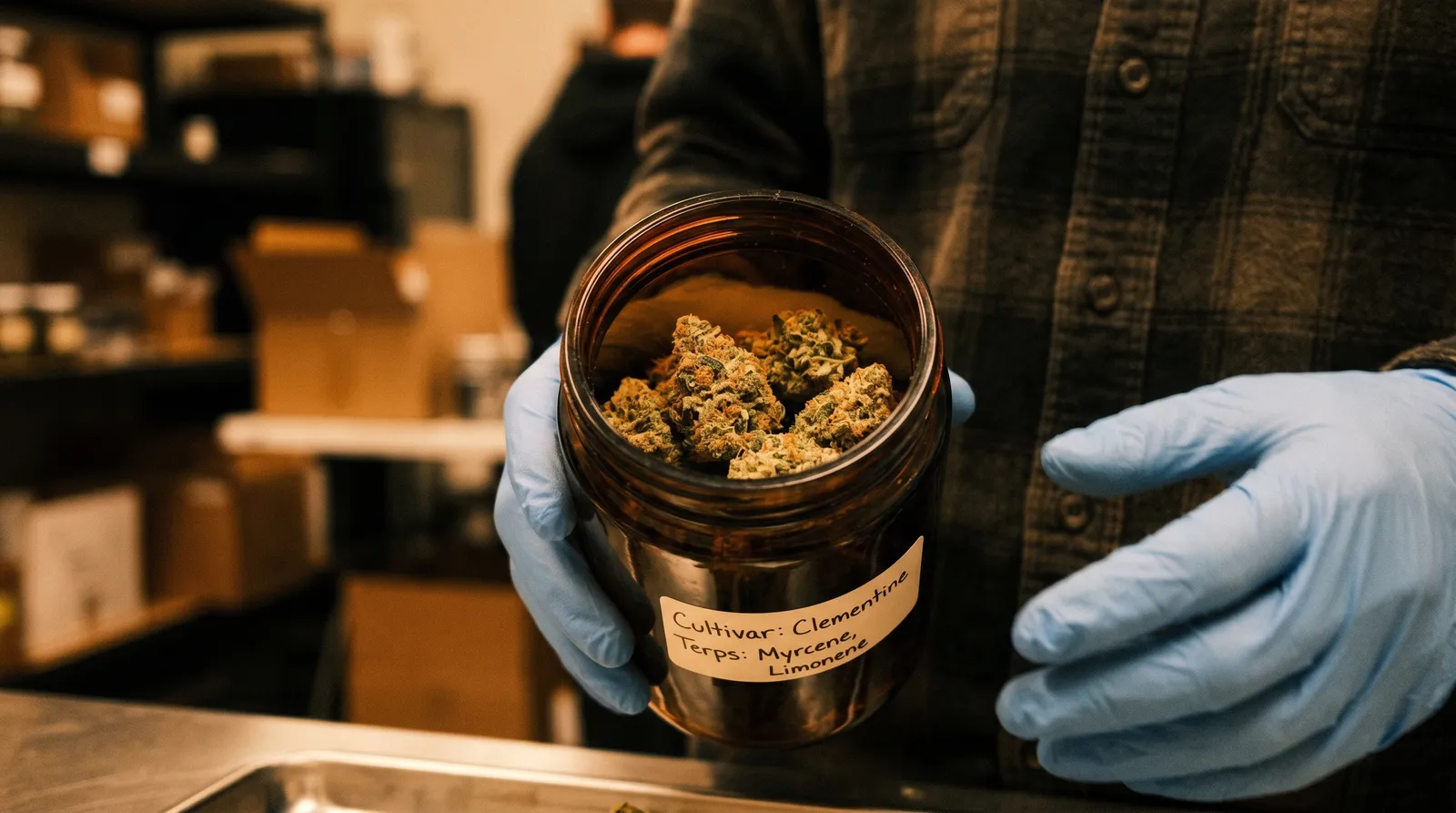
In cannabis, limonene rarely dominates the terpene profile outright — myrcene holds that position in most cultivars. Limonene more commonly appears as the second or third most abundant terpene, particularly in cultivars with citrus-forward names and aromas.
| Dominant terpene | Generic cultivar archetype | Reported aroma | Reported sensory effect |
|---|---|---|---|
| Limonene (co-dominant with myrcene) | Certain Super Lemon Haze lines | Sharp lemon zest, sweet candy undertone | Users frequently describe an upbeat, clear-headed sensory impression |
| Limonene (co-dominant with caryophyllene) | Certain Do-Si-Dos phenotypes | Citrus peel with peppery spice | Users report a balanced, not overtly sedating character |
| Limonene (co-dominant with linalool) | Certain Wedding Cake lines | Tangerine and floral lavender | Users note a calmer citrus profile compared to pure lemon cultivars |
A common piece of folk wisdom says "limonene cultivars are energising." That association is real in user reports, but the mechanism is not established. Cultivars high in limonene also tend to carry specific cannabinoid ratios and other terpenes, so isolating limonene as the cause of a particular sensory effect from whole-flower use is not straightforward — the terpene entourage effect article covers why that distinction matters.
Vaporisation and Boiling Point
Limonene's boiling point of ~176 °C places it in a useful sweet spot for vaporisation. At the lowest vape temperature band (around 155–170 °C), you will capture the more volatile terpenes — myrcene (~167 °C), pinene (~155 °C) — but limonene will only partially volatilise. Pushing the temperature to 175–185 °C brings limonene fully into play alongside the first wave of THC (~157 °C boiling point, but efficient vaporisation typically requires slightly higher). Above 200 °C, you extract more cannabinoid but sacrifice some terpene character, as the lighter monoterpenes have already left the material.
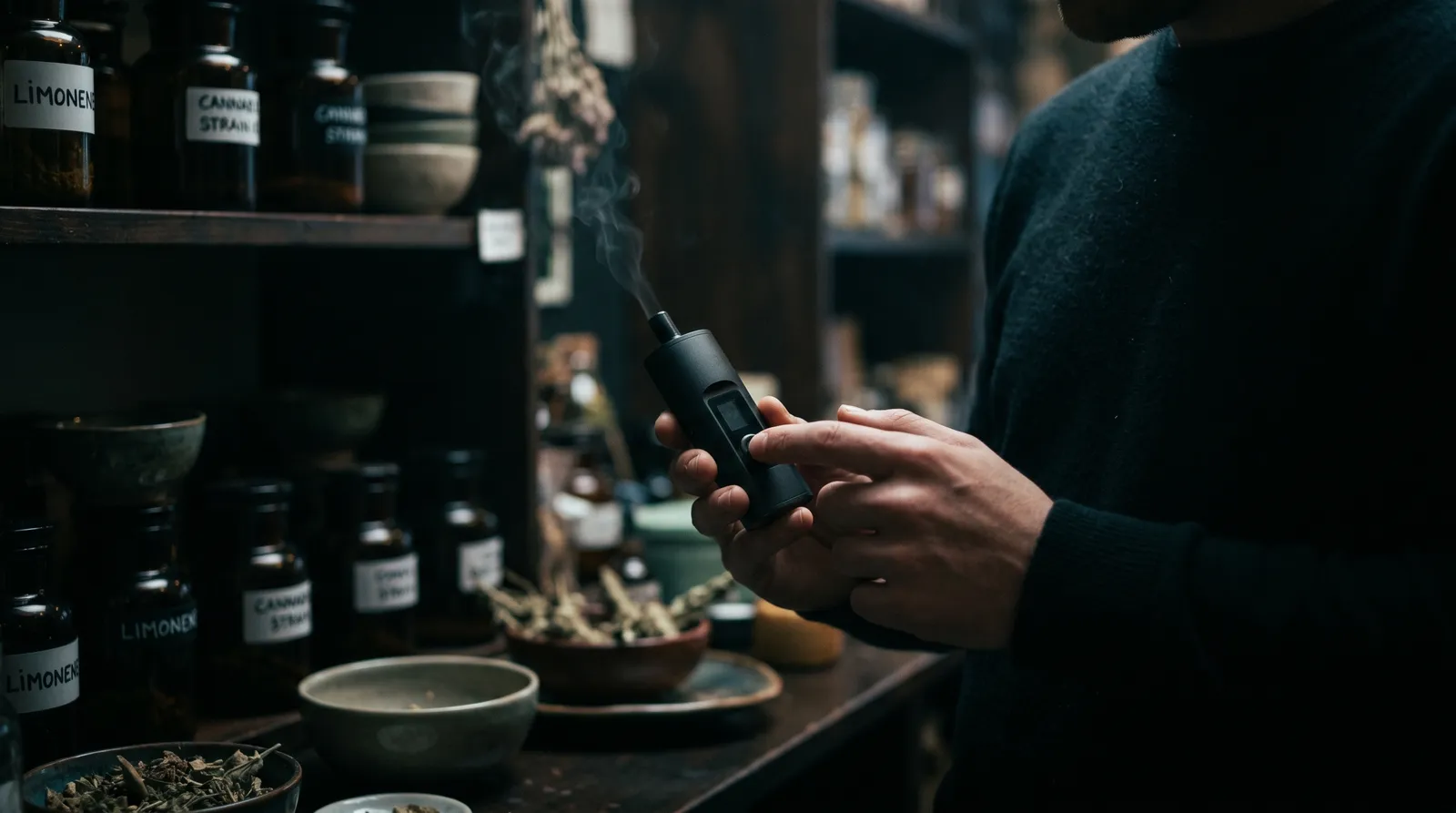
If you use a device with temperature control, starting a session at 170 °C and stepping up to 185 °C across two or three draws is a common approach for preserving citrus aroma while still extracting cannabinoid content. The vaporiser guides on this wiki cover device-specific temperature strategies in more detail.
What the Research Says (and Doesn't Say)
Limonene has attracted research interest across several areas, but the critical point is this: most of the pharmacological data comes from cell cultures and rodent models, not human clinical trials. The gap between "limonene reduced anxiety-like behaviour in mice" and "limonene has an anxiolytic effect in humans" is wide, and the evidence has not yet crossed it convincingly.
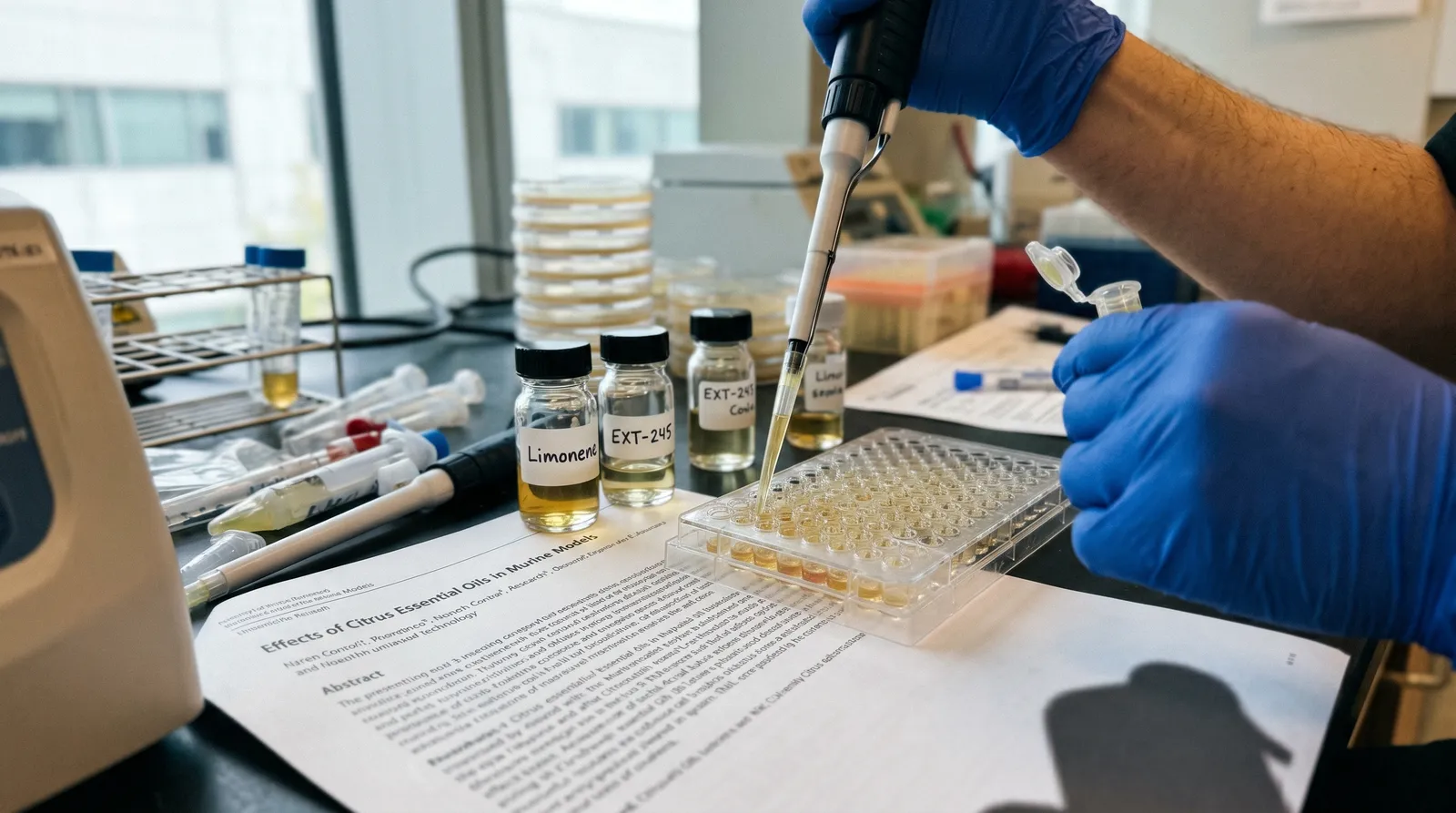
Preclinical research on limonene suggests anxiolytic-like activity in rodent models. Lima et al. (2013) reported that D-limonene inhalation reduced anxiety-related behaviours in mice, with effects comparable to diazepam at certain concentrations. A small human inhalation study by Lehrner et al. (2005) found that exposure to orange odour (predominantly limonene) in a dental waiting room was associated with lower self-reported anxiety and improved mood compared to controls — though the sample was small and the setting-specific context limits generalisation.
Anti-inflammatory activity has been observed in vitro. D'Alessio et al. (2013) reported that D-limonene inhibited pro-inflammatory cytokine production in cell culture models. Whether this translates to a meaningful effect at the concentrations present in cannabis flower — typically well under 1.5% — remains an open question with no clear human data.
Some rodent studies have examined limonene's effects on gastric acid and digestive function. Sun (2007) reported gastroprotective effects of D-limonene in a rat model of gastric ulcer, but again, the leap from rodent stomach to human digestion at terpene concentrations found in cannabis is speculative at best.
The honest summary: limonene is one of the most studied terpenes, yet the human clinical evidence remains thin. The rodent data is interesting, not conclusive. If someone tells you "limonene is the anti-anxiety terpene," they are running well ahead of what the published literature supports.
Oxidation and Skin Sensitisation
One area where the evidence is considerably stronger — and less often discussed in cannabis circles — is limonene's behaviour as a skin sensitiser when oxidised. Fresh limonene is not a significant allergen. But when exposed to air and light, it oxidises into limonene hydroperoxides, and these oxidation products are well-documented contact allergens in dermatological literature. Karlberg et al. (1992) identified oxidised limonene as a common cause of contact dermatitis in patch-test studies, and subsequent research has confirmed this finding across multiple populations.
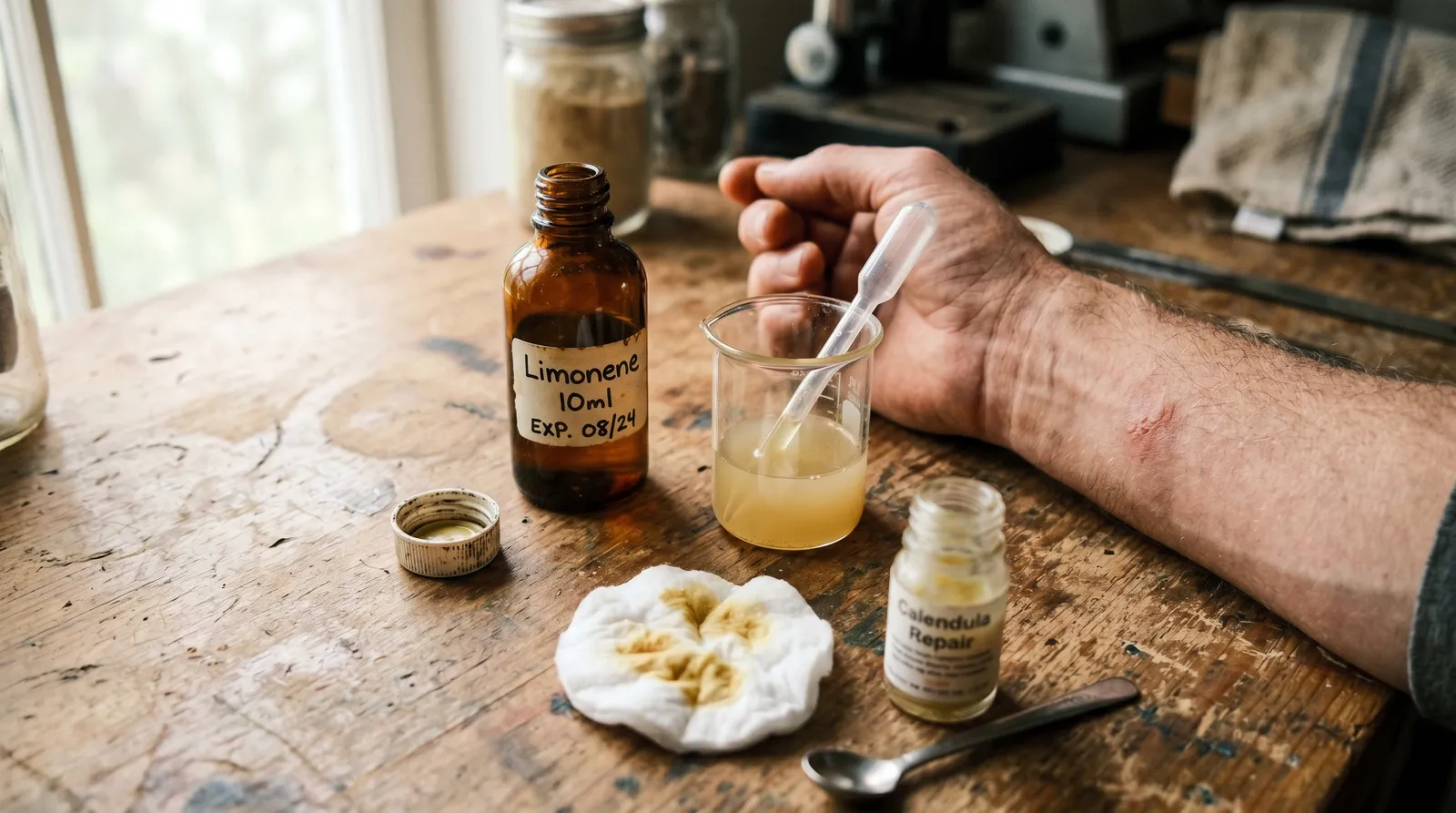
This is primarily relevant to topical exposure — handling concentrated essential oils, using cosmetics containing aged limonene, or applying cannabis topicals with high terpene content. Inhalation of limonene at concentrations found in whole cannabis flower is a different exposure route and dose, and the dermatological sensitisation data does not directly apply. Still, anyone working regularly with concentrated citrus essential oils or terpene isolates should be aware of the oxidation risk.
Isolated Limonene vs. Whole-Flower Limonene
This distinction matters more than most terpene content online acknowledges. Limonene in a cannabis cultivar exists at roughly 0.1–1.5% of dry weight, blended with dozens of other terpenes, cannabinoids, and flavonoids. Isolated limonene in a terpene-fortified vape liquid can be present at 5–15% or higher — concentrations that simply do not occur in nature. The sensory experience, the dose delivered per inhalation, and the safety profile are not the same thing.
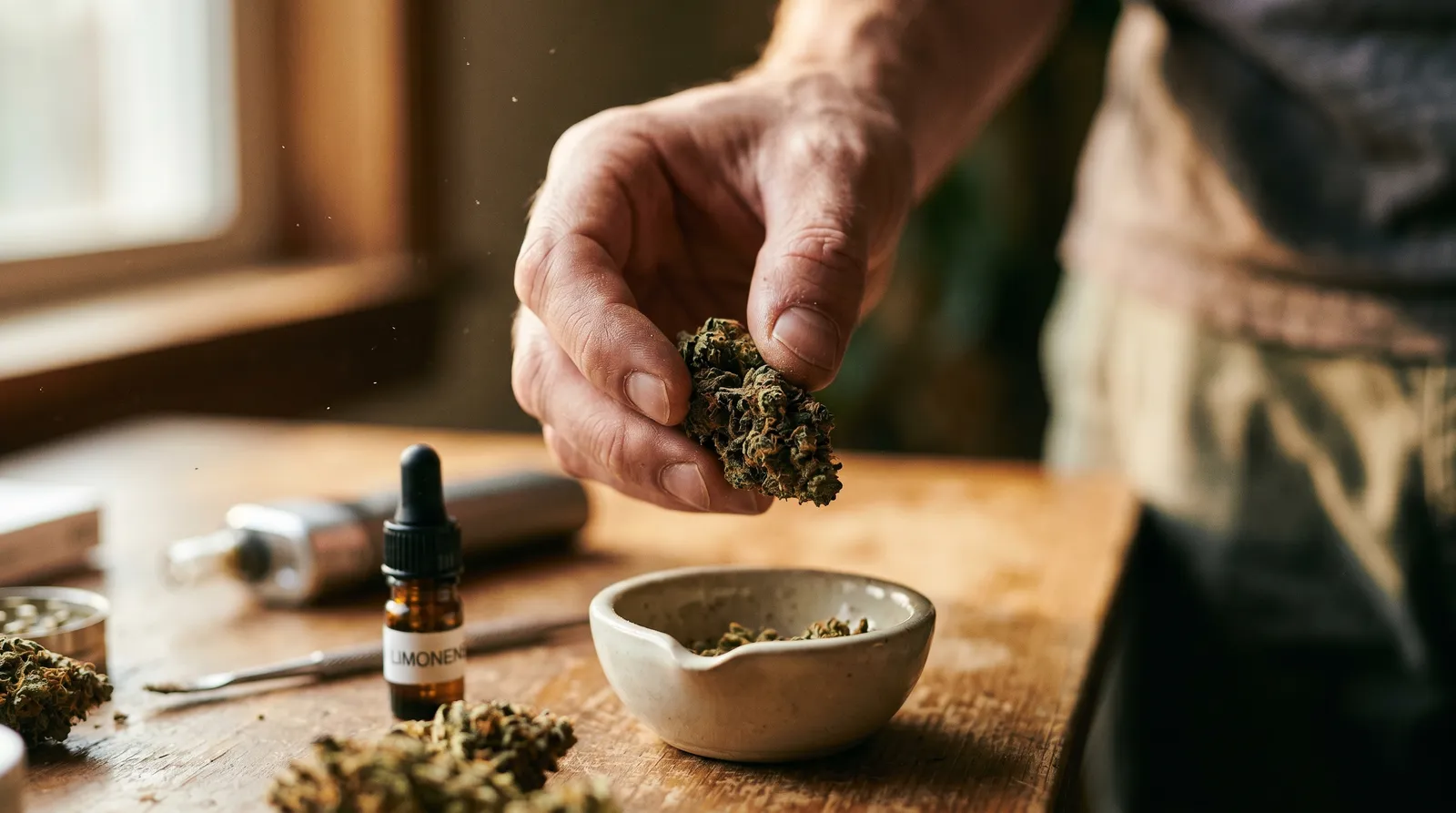
When you read that "limonene-dominant cultivars are associated with upbeat, citrus-forward sensory experiences," that observation comes from whole-flower use. Extrapolating it to a product containing isolated limonene at ten times the natural concentration is not supported by evidence — and the long-term safety data on inhaling concentrated isolated terpenes is limited.
References
- D'Alessio, P.A. et al. (2013). Anti-stress effects of d-limonene and its metabolite perillyl alcohol. Rejuvenation Research, 16(2), 105–109.
- Karlberg, A.T. et al. (1992). Allergic contact dermatitis from oxidised d-limonene. Contact Dermatitis, 26(5), 332–340.
- Lehrner, J. et al. (2005). Ambient odors of orange and lavender reduce anxiety and improve mood in a dental office. Physiology & Behavior, 86(1–2), 92–95.
- Lima, N.G. et al. (2013). Anxiolytic-like activity and GC-MS analysis of (R)-(+)-limonene fragrance, a natural compound found in foods and plants. Pharmacology, Biochemistry and Behavior, 103(3), 450–454.
- Sun, J. (2007). D-Limonene: safety and clinical applications. Alternative Medicine Review, 12(3), 259–264.
- PubChem CID 22311 — Limonene compound summary. National Center for Biotechnology Information.
This article describes terpene chemistry, aroma profiles, and natural sources for educational purposes. Information about preclinical research is provided for context only and does not constitute medical advice or claims of efficacy. Consult a qualified professional before using any botanical product to address a health concern.
Last updated: April 2026
Frequently Asked Questions
7 questionsWhy do some cannabis cultivars smell like lemons?
Can limonene cause allergic reactions?
What temperature should I vape at to taste limonene?
Is limonene the same in a vape cartridge as in cannabis flower?
Does limonene actually reduce anxiety?
Does limonene interact with other terpenes in the entourage effect?
Is limonene found in other plants besides cannabis?
About this article


Luke Sholl has been writing about cannabis, cannabinoids, and the broader benefits of nature since 2011, and has personally grown cannabis in home grow tents for more than a decade. That first-hand cultivation experience
This wiki article was drafted with AI assistance and reviewed by Luke Sholl, External contributor since 2026. Editorial oversight by Toine Verleijsdonk.
Medical disclaimer. This content is for informational purposes only and does not constitute medical advice. Consult a qualified healthcare provider before use of any substance.
Last reviewed April 25, 2026
Related Articles

Pinene Alpha and Beta: Aroma, Chemistry & Vaporisation Guide
Pinene is a bicyclic monoterpene occurring as two isomers — α-pinene and β-pinene — and ranks as the most abundant terpene in the plant kingdom.

CBD and Recovery: What the Research Actually Shows
CBD and recovery is a research topic spanning exercise-induced muscle damage, sleep quality, and perceived soreness. As McCartney et al.

CBD Pet Dosing Vet Consultation: Prepare for Your Visit
Veterinary CBD dosing is not a scaled-down version of human dosing — dogs and cats metabolise cannabidiol through different enzymatic pathways and at…

CBD for Cats Veterinary Considerations: Feline Research, Safety and Guidance
Cats metabolise cannabinoids differently from dogs and humans, lacking key glucuronidation enzymes that affect CBD clearance. Deabold et al.
EU Novel Food Regulation CBD: Country Status, EFSA Safety & Guide
EU novel food regulation CBD is a policy framework under EU rule 2015/2283 that classifies cannabidiol extracts as a novel food, requiring safety assessment…
CBD Topical Creams Medical Grade: CE-Marked Class I Explained
CBD topical creams deliver cannabidiol directly to the skin rather than the bloodstream.
Humulene Effects and Aroma Profile | Terpene Guide
Humulene (α-humulene) is a monocyclic sesquiterpene named after Humulus lupulus — hops.
Terpene Entourage Effect: Current Evidence Reviewed
The terpene entourage effect proposes that cannabis terpenes modulate cannabinoid activity, producing different outcomes than isolated compounds alone.
CBD and Skin Conditions: What Research Shows
Cannabidiol (CBD) interacts with the endocannabinoid system expressed in human skin — including CB1 and CB2 receptors on keratinocytes, sebocytes, and…