
Bongs & pipes
Bongs and water pipes are filtration smoking devices that cool and smooth combusted herb by pulling smoke through water before it hits your lungs. If you're after a smoother smoke without switching to vapour, this is your shelf. Azarius has been stocking glass and silicone since 1999 — we've seen what survives a kitchen-tile drop and what doesn't.
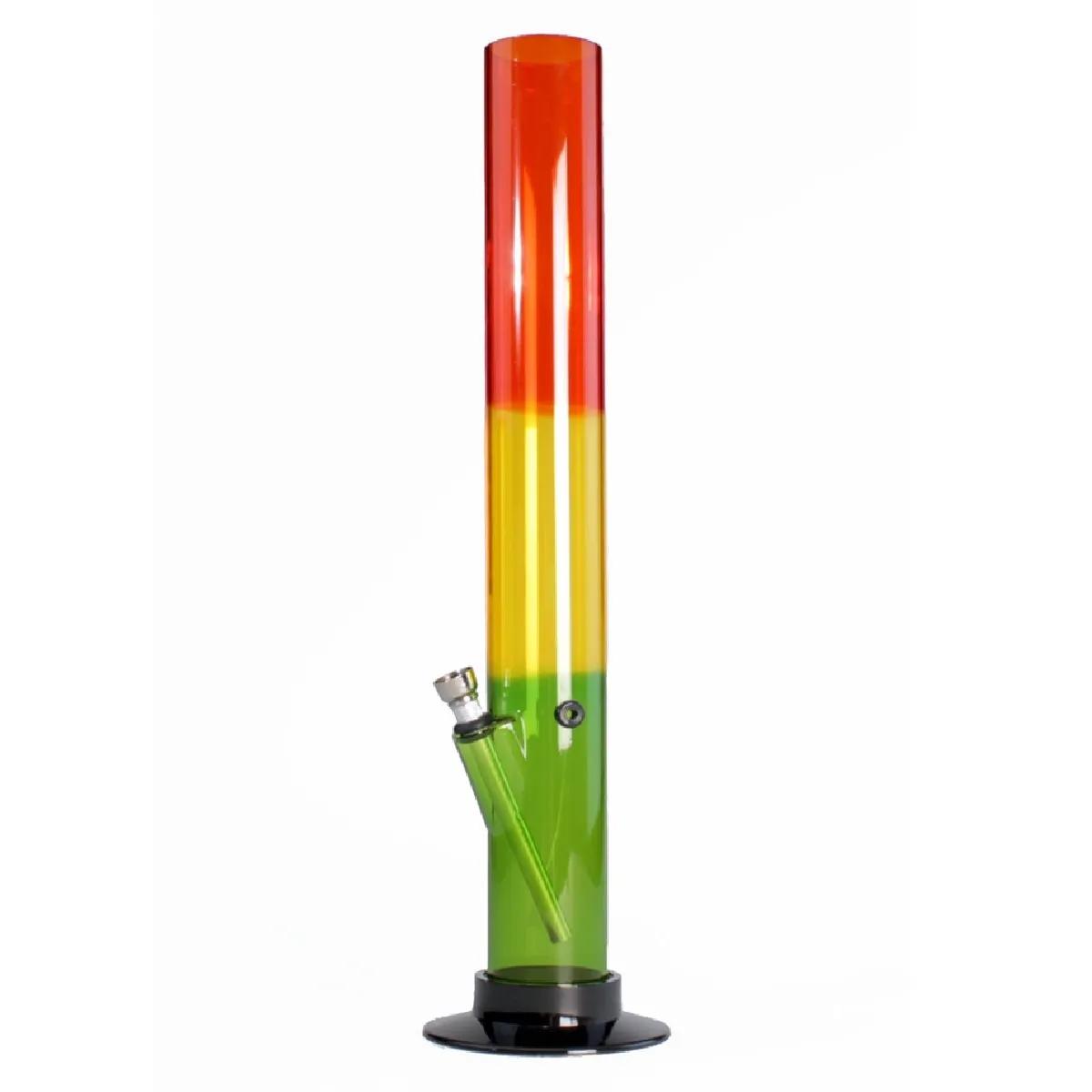
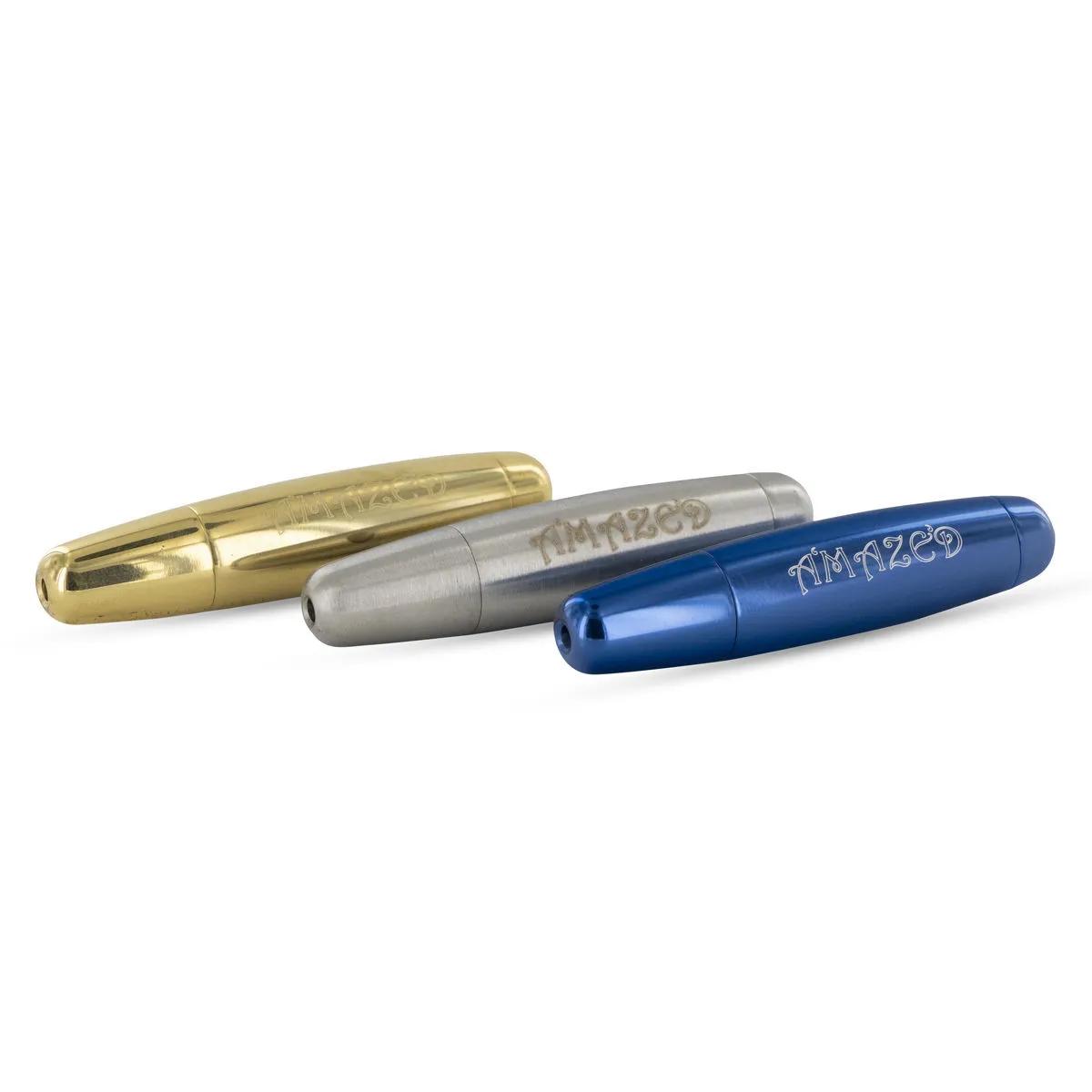
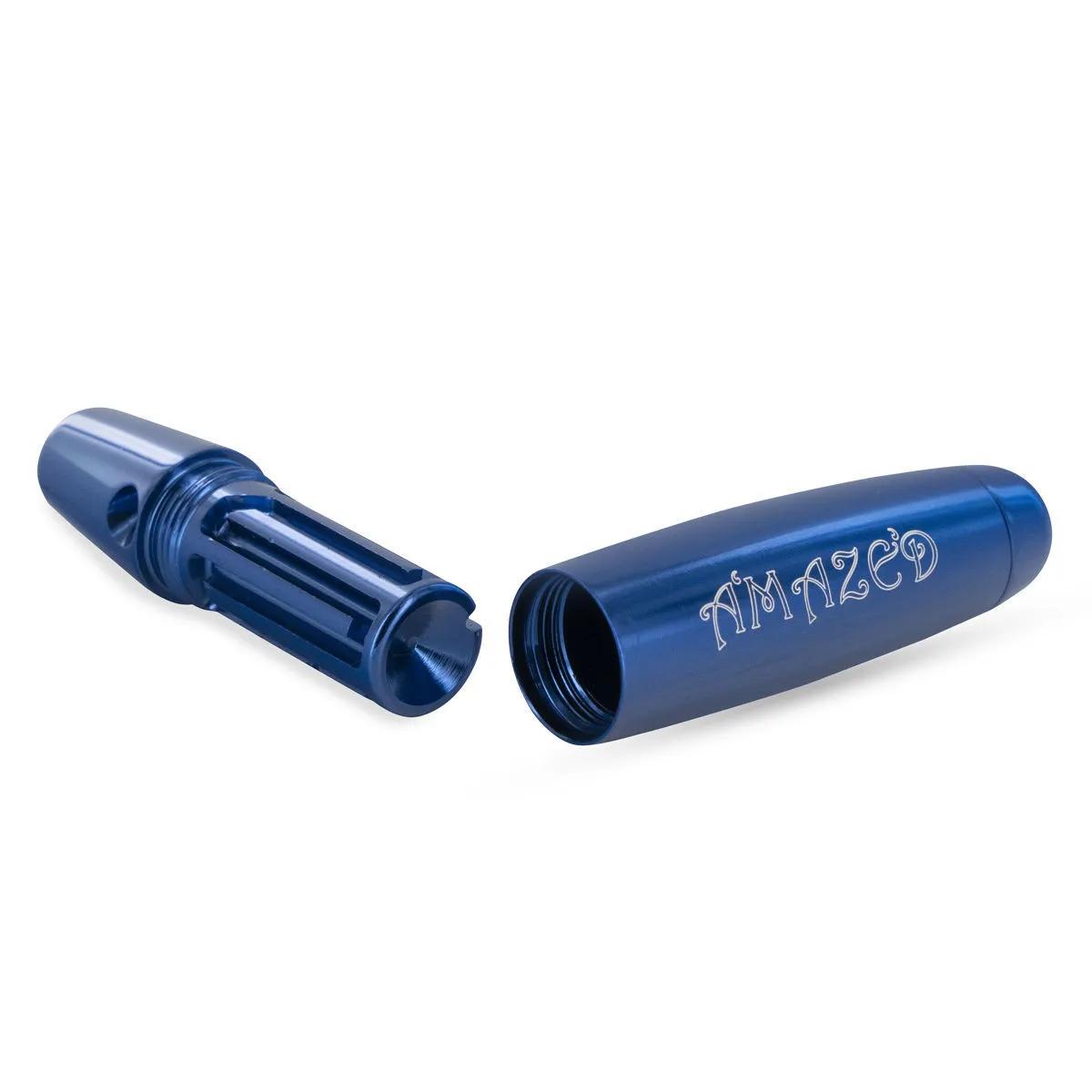
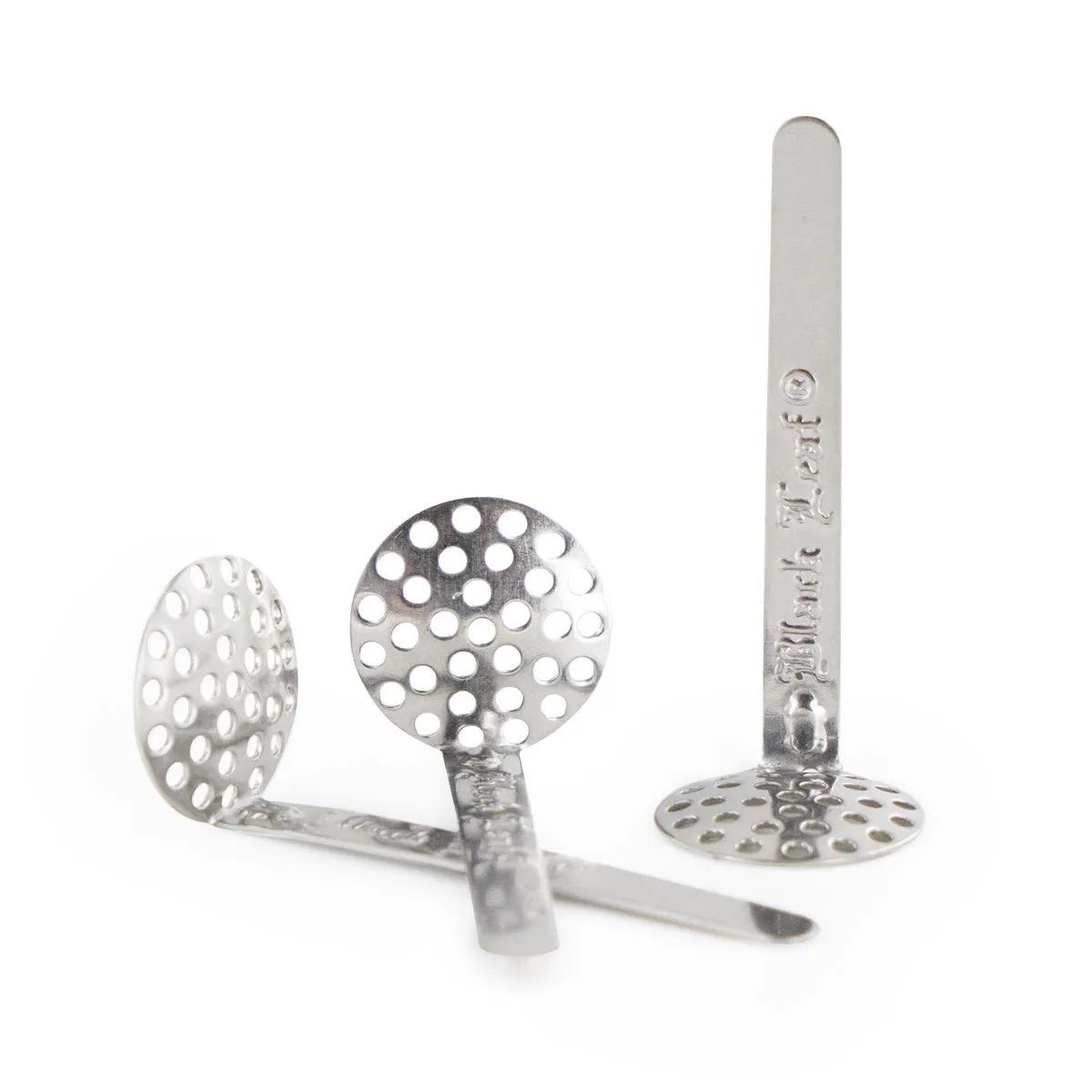
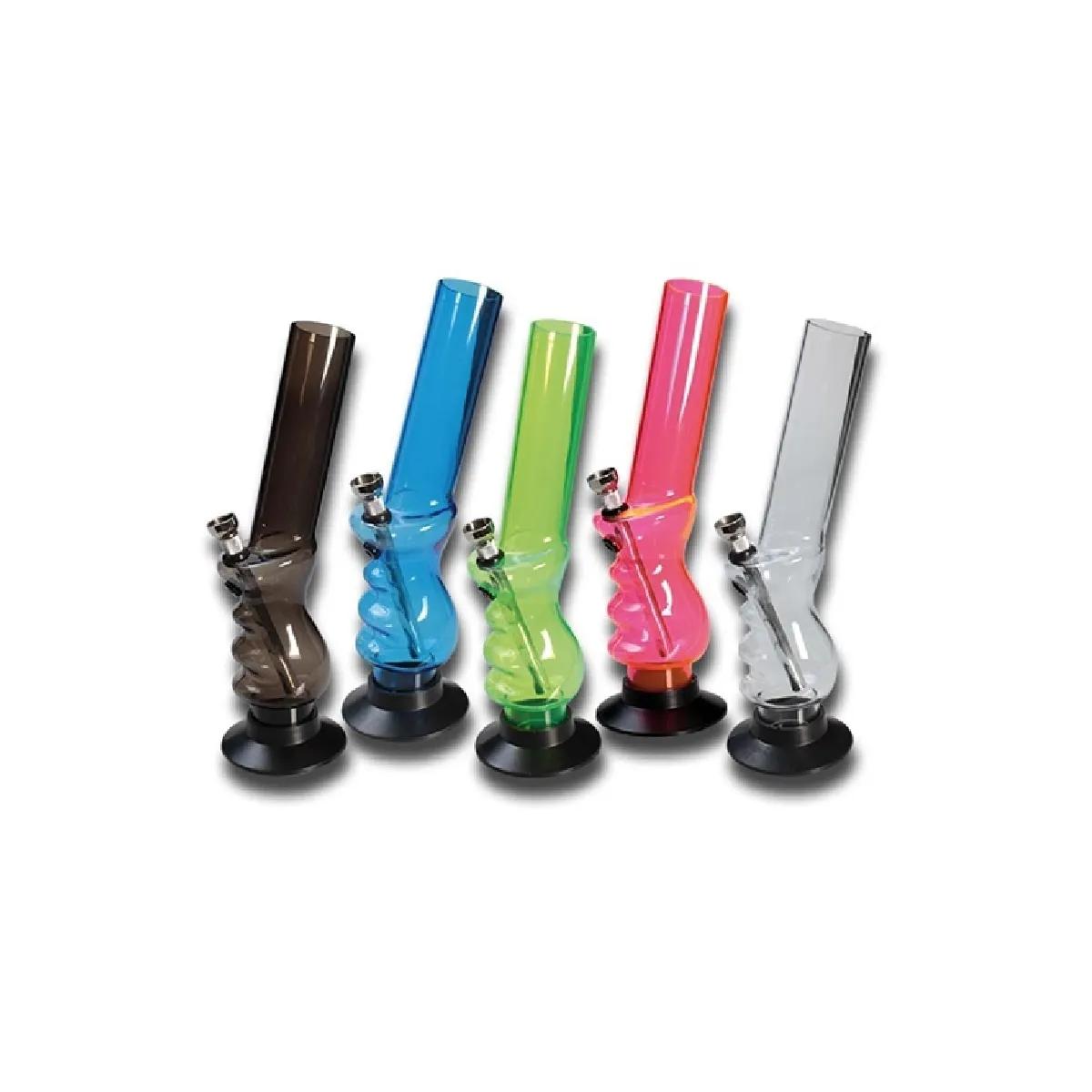
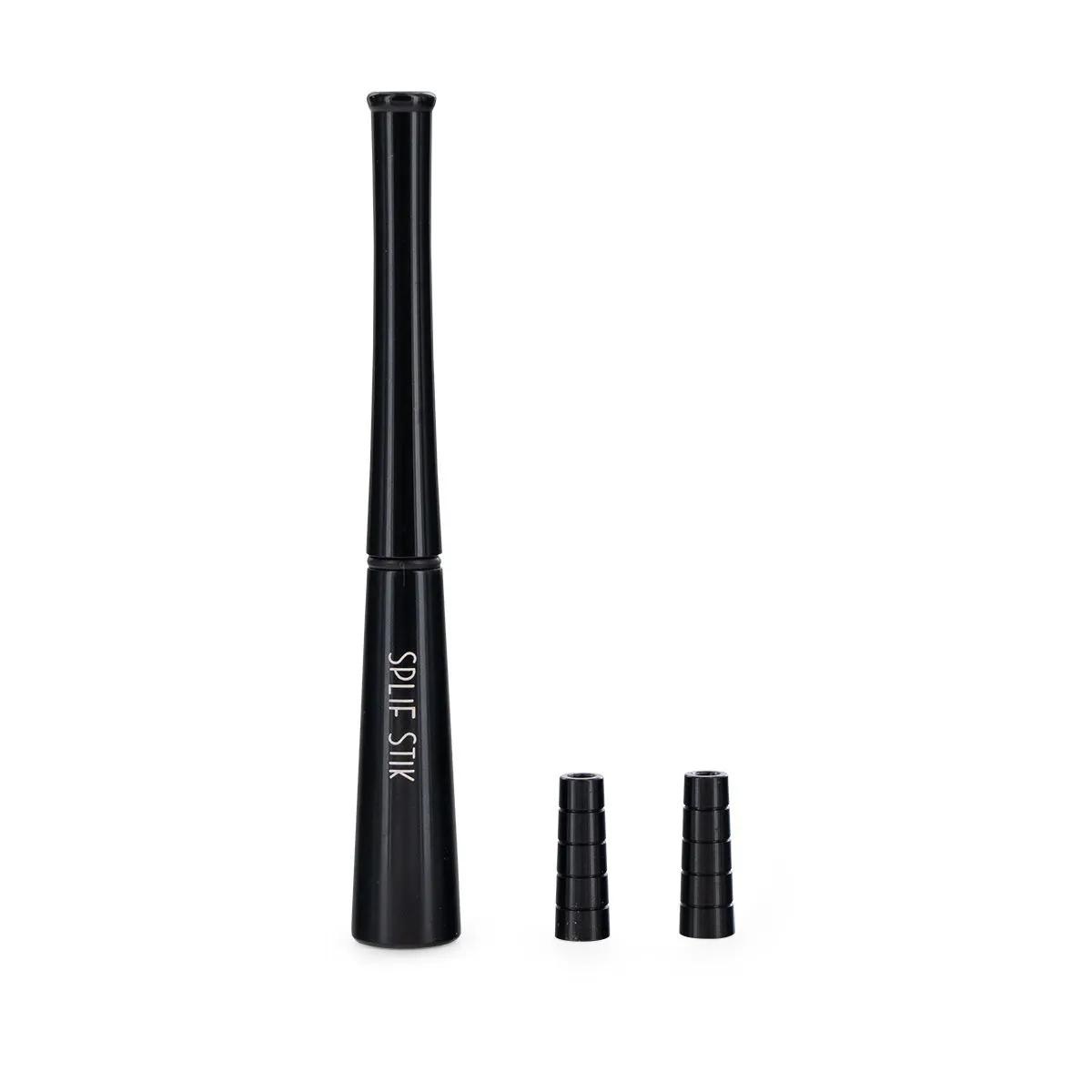
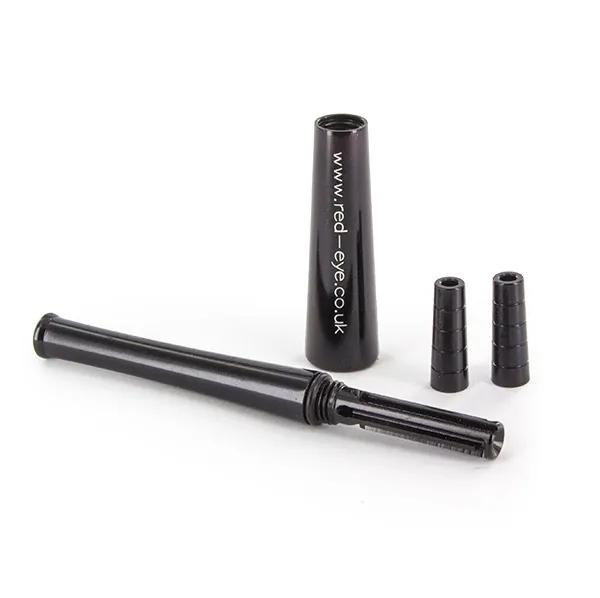
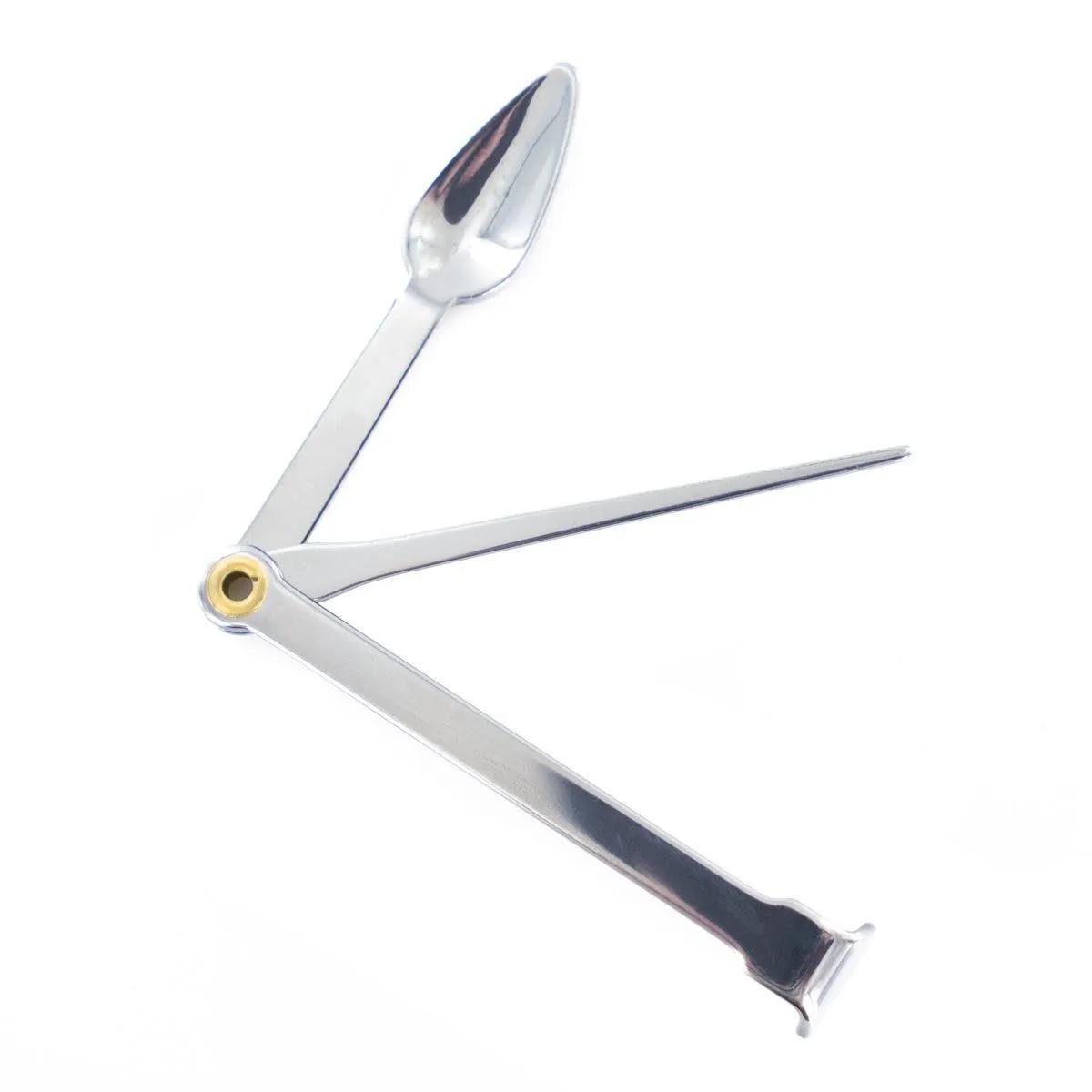
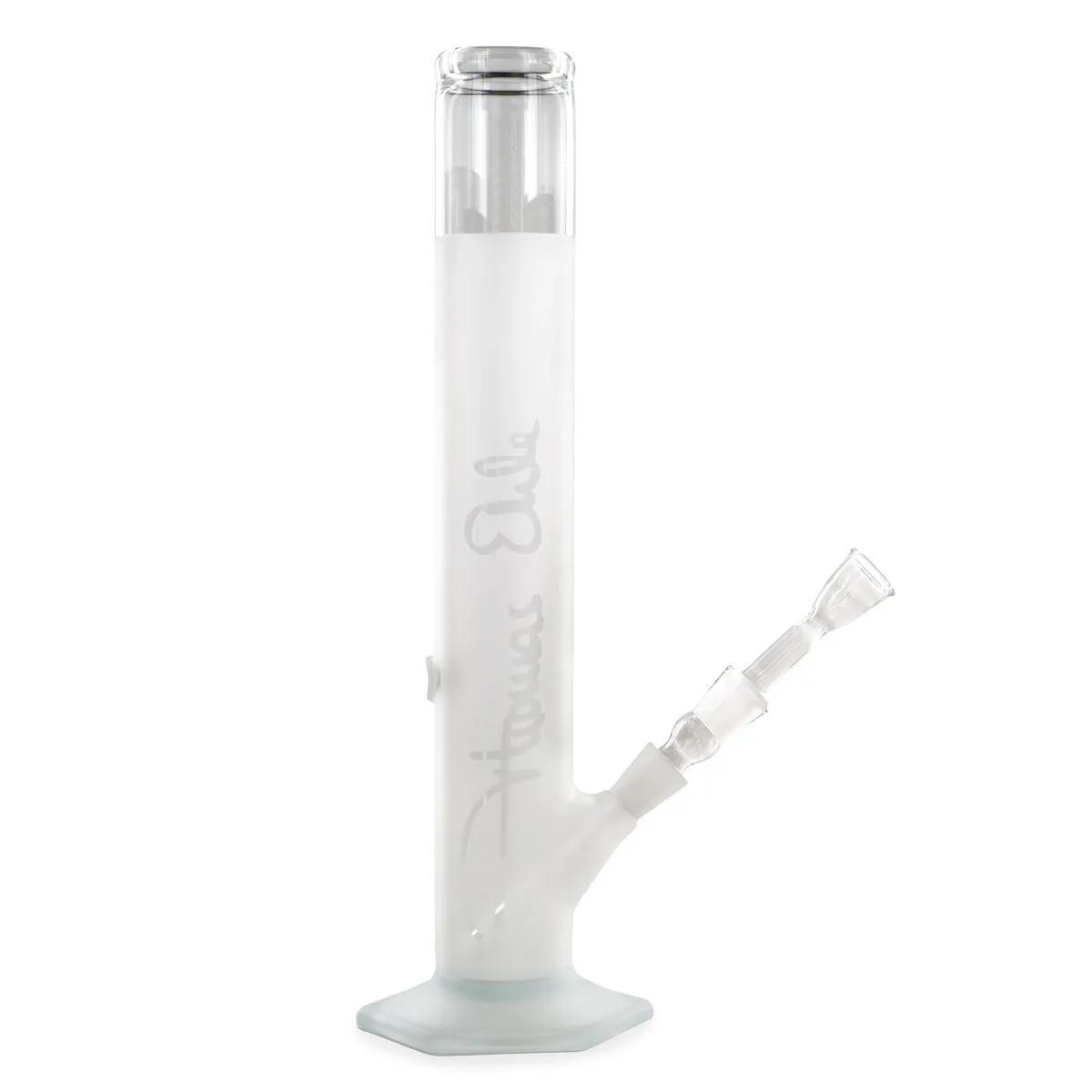
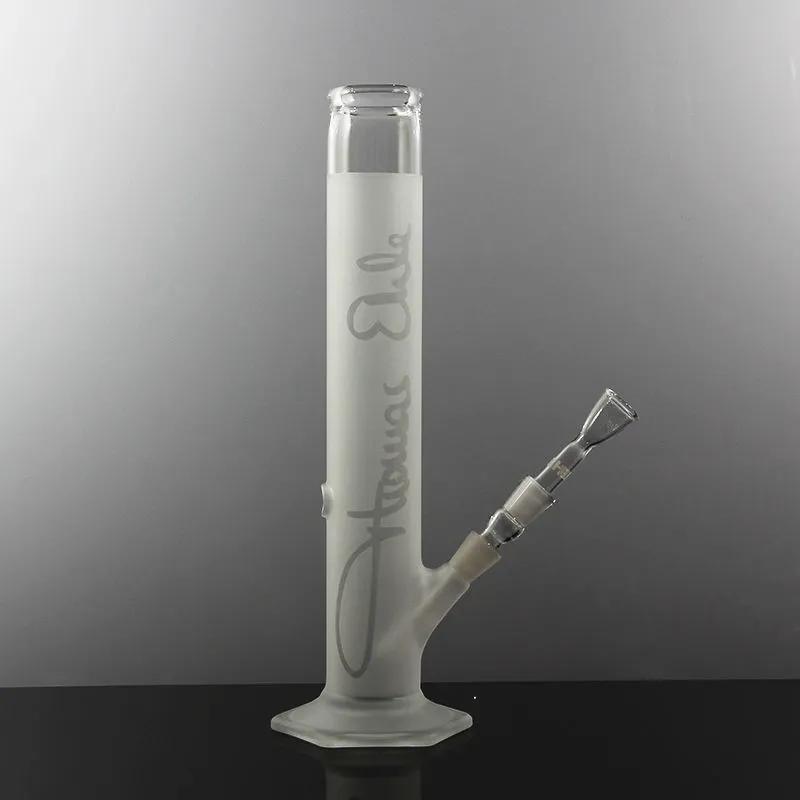
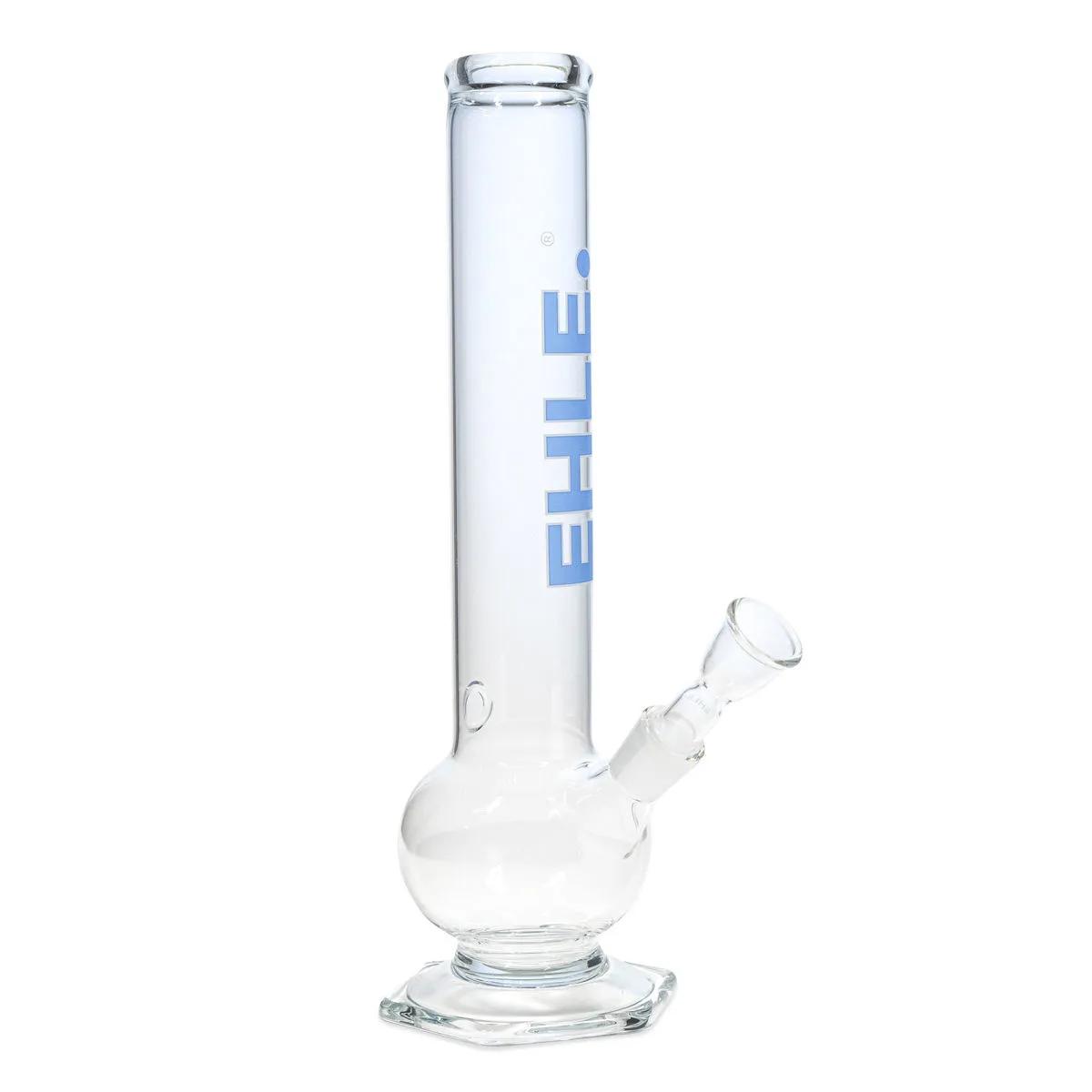
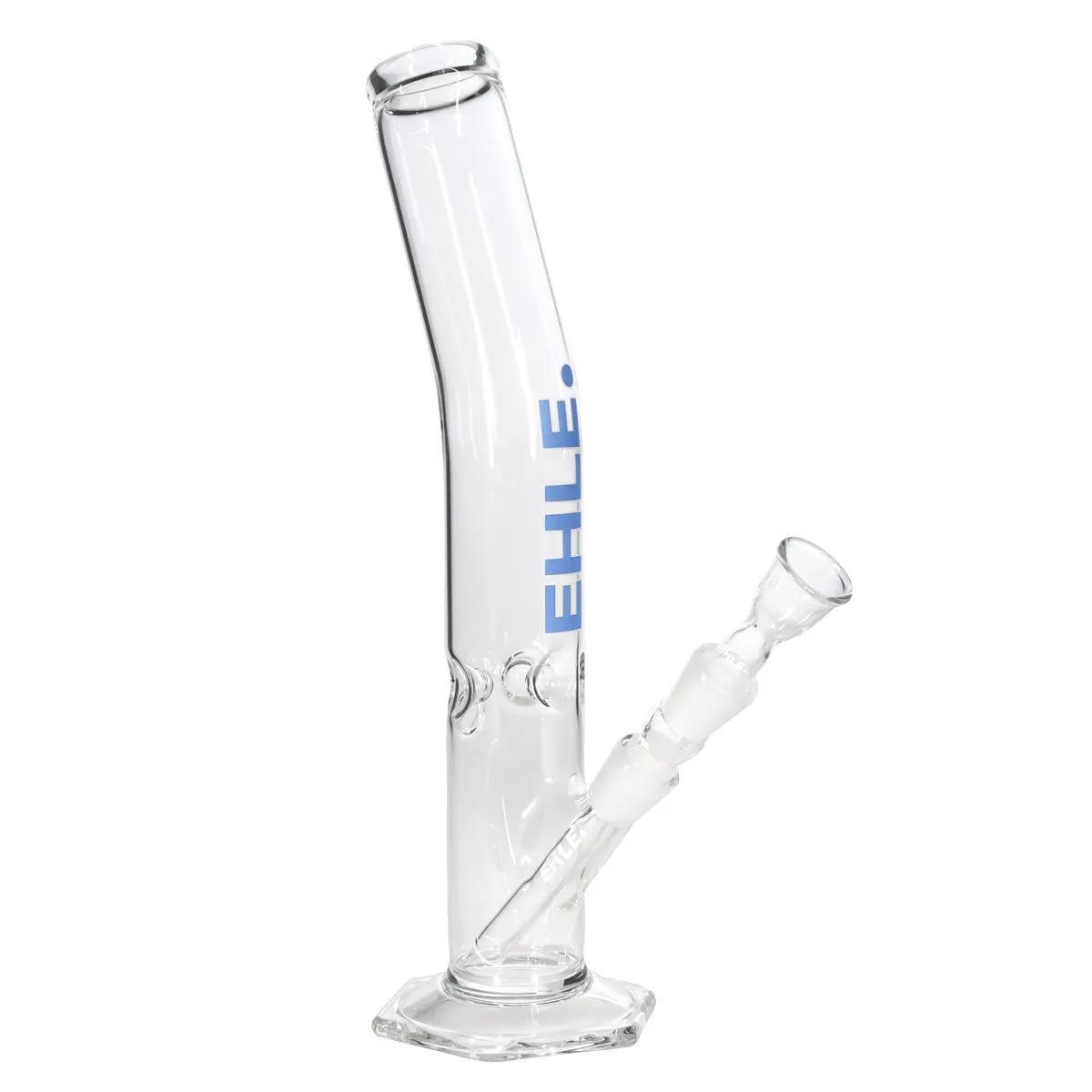
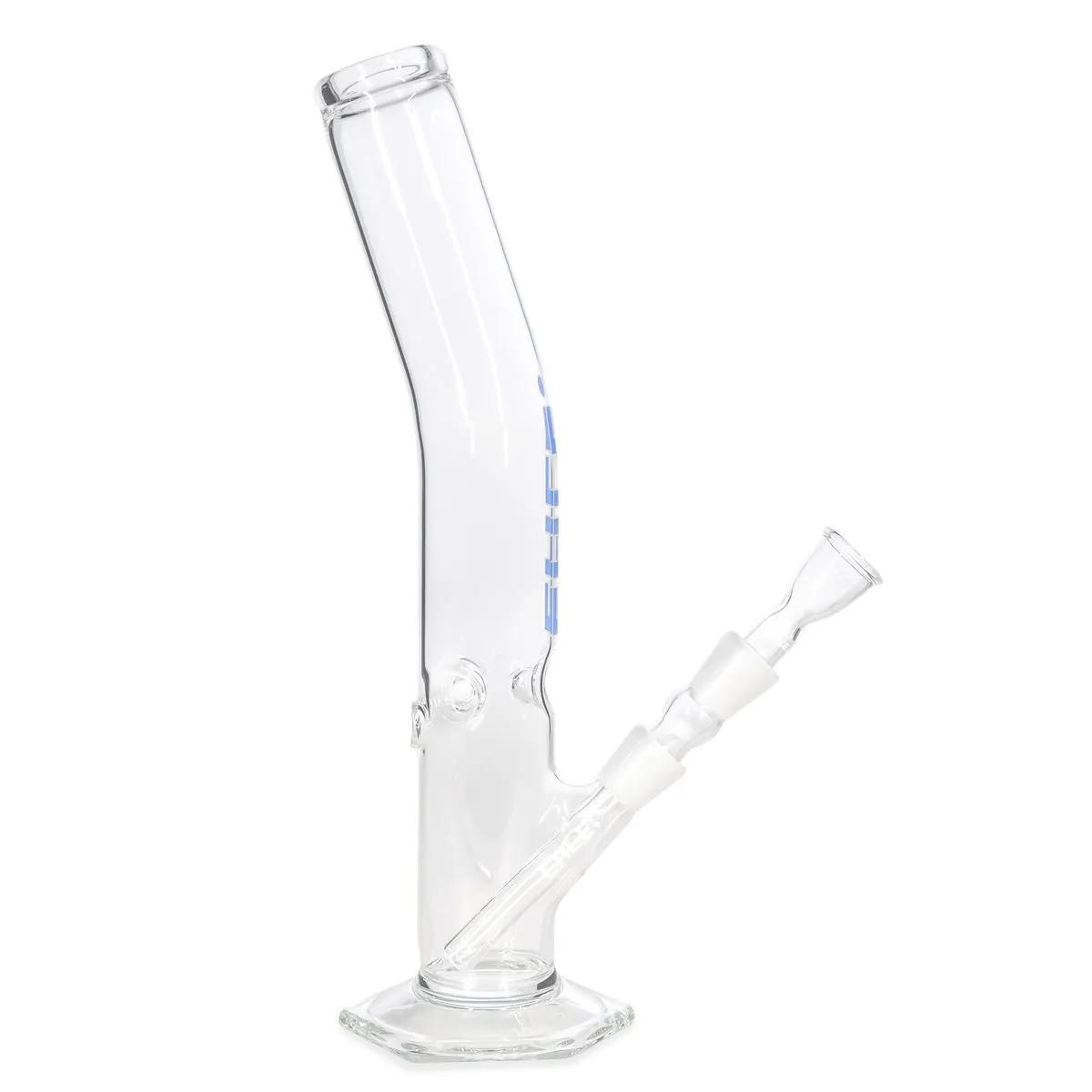
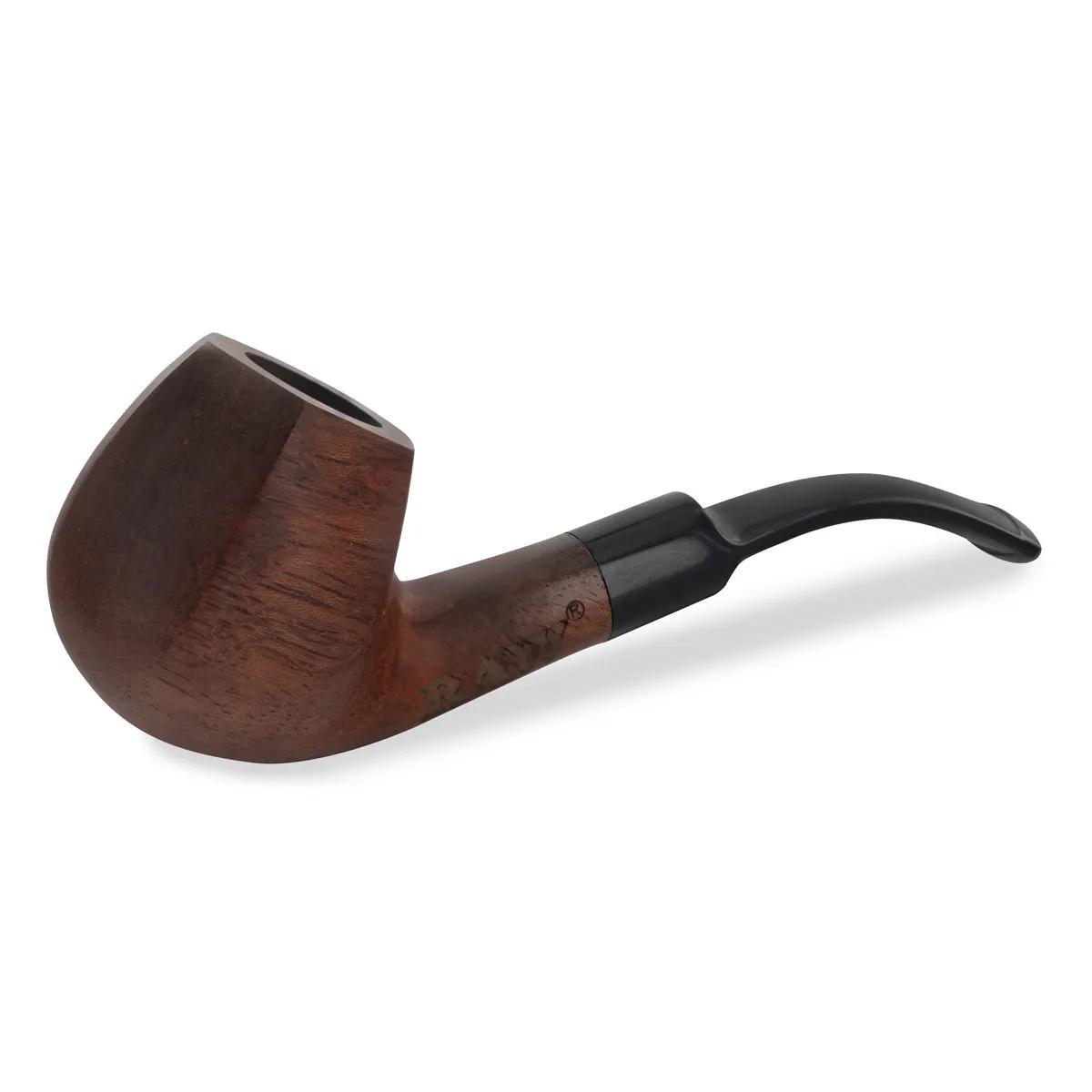
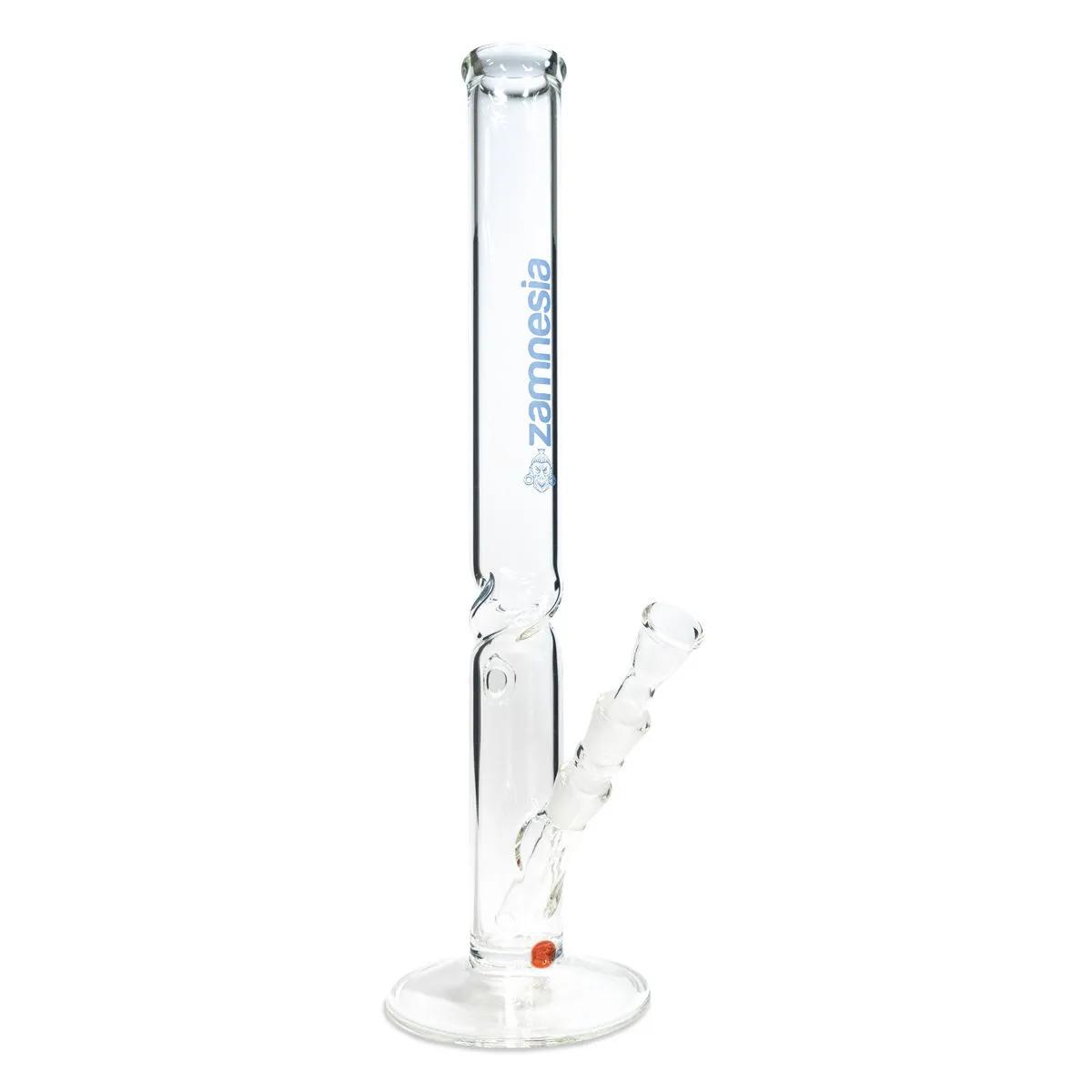
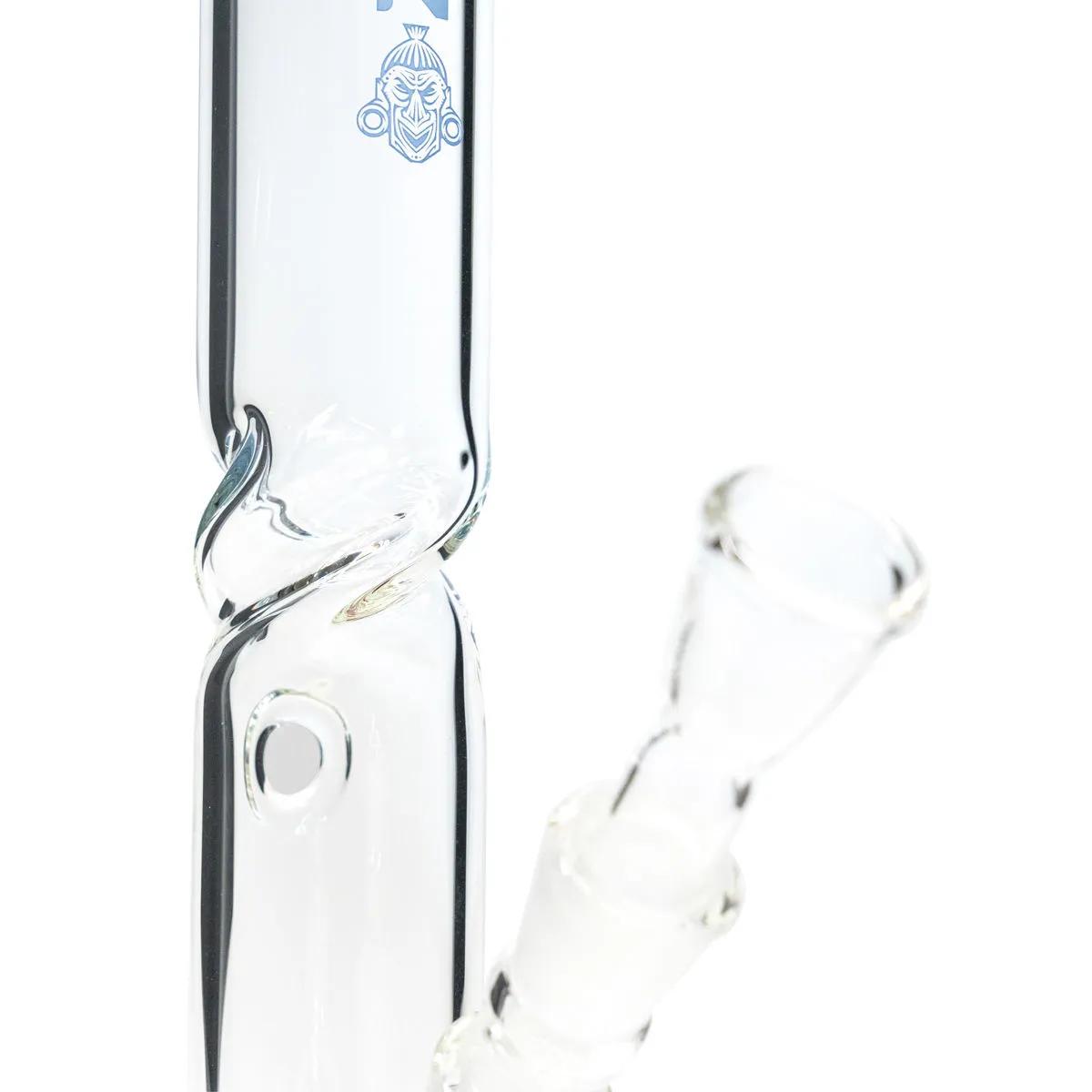
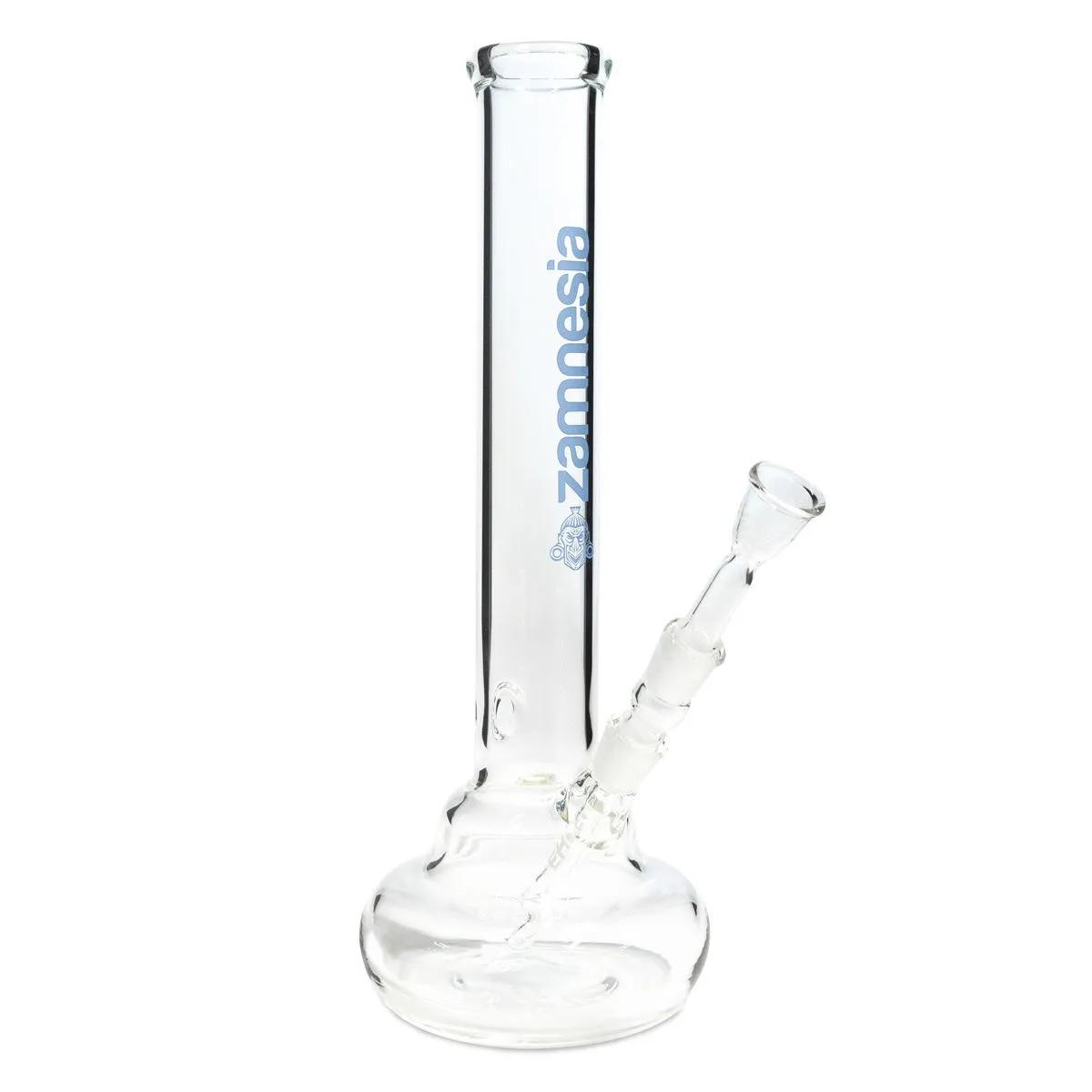
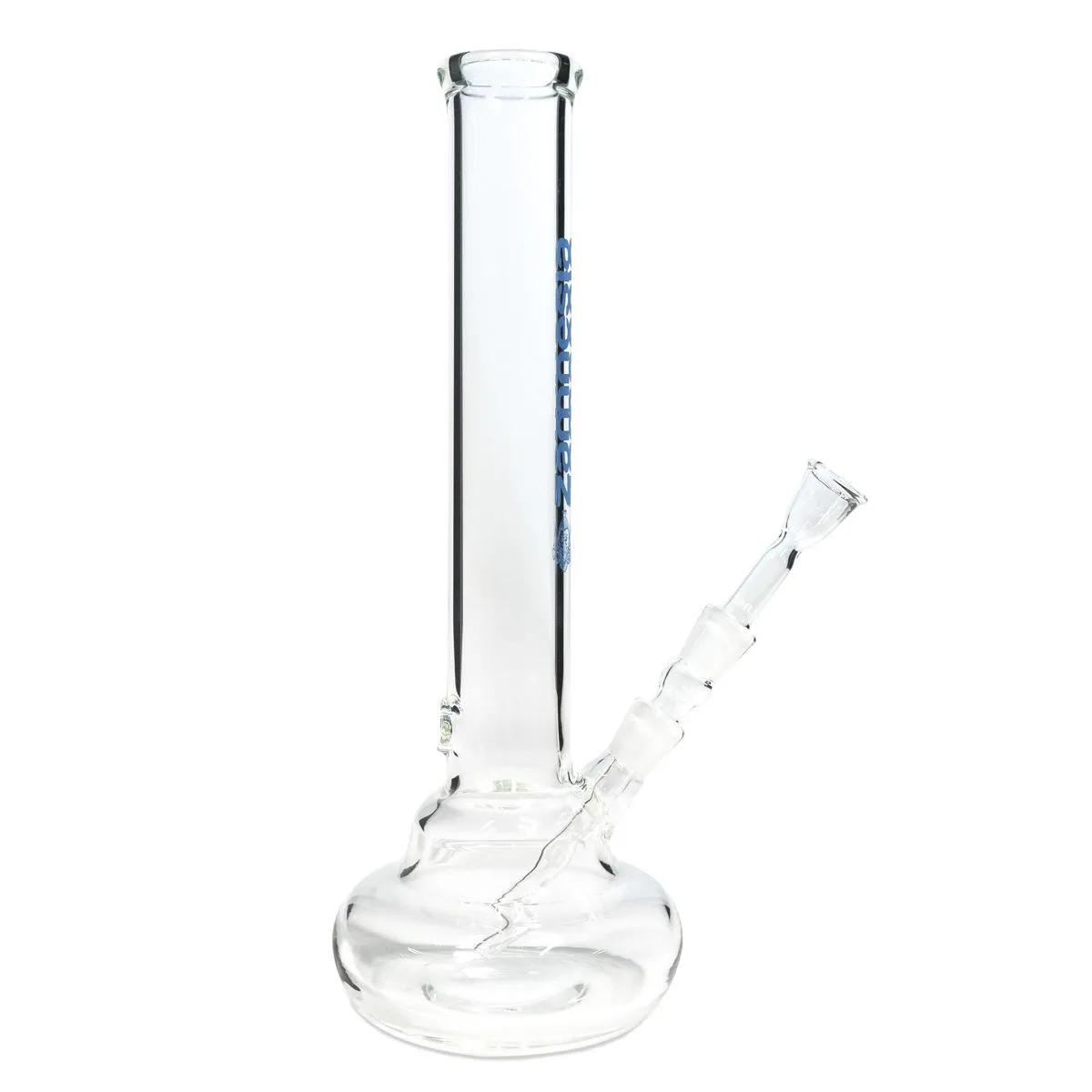
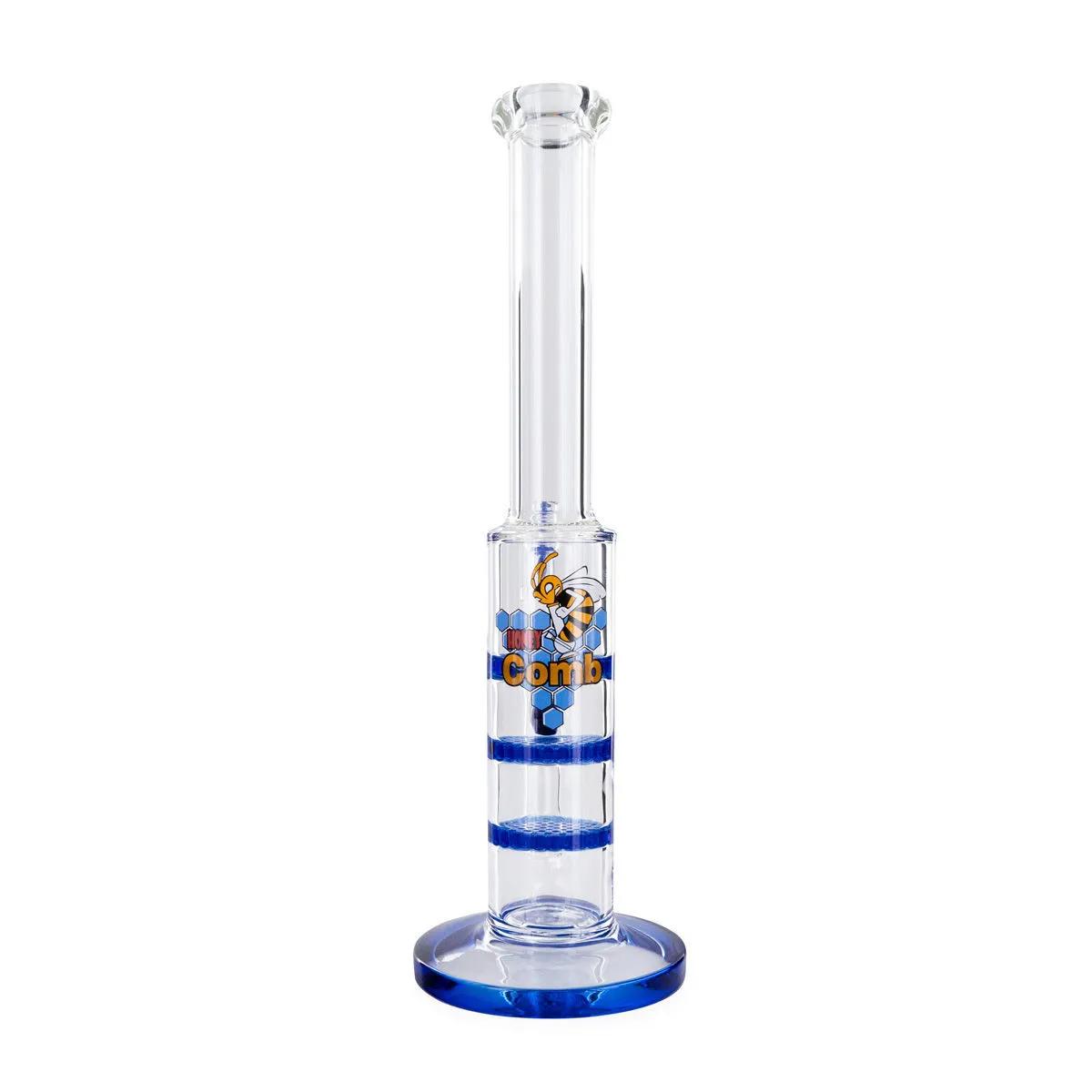
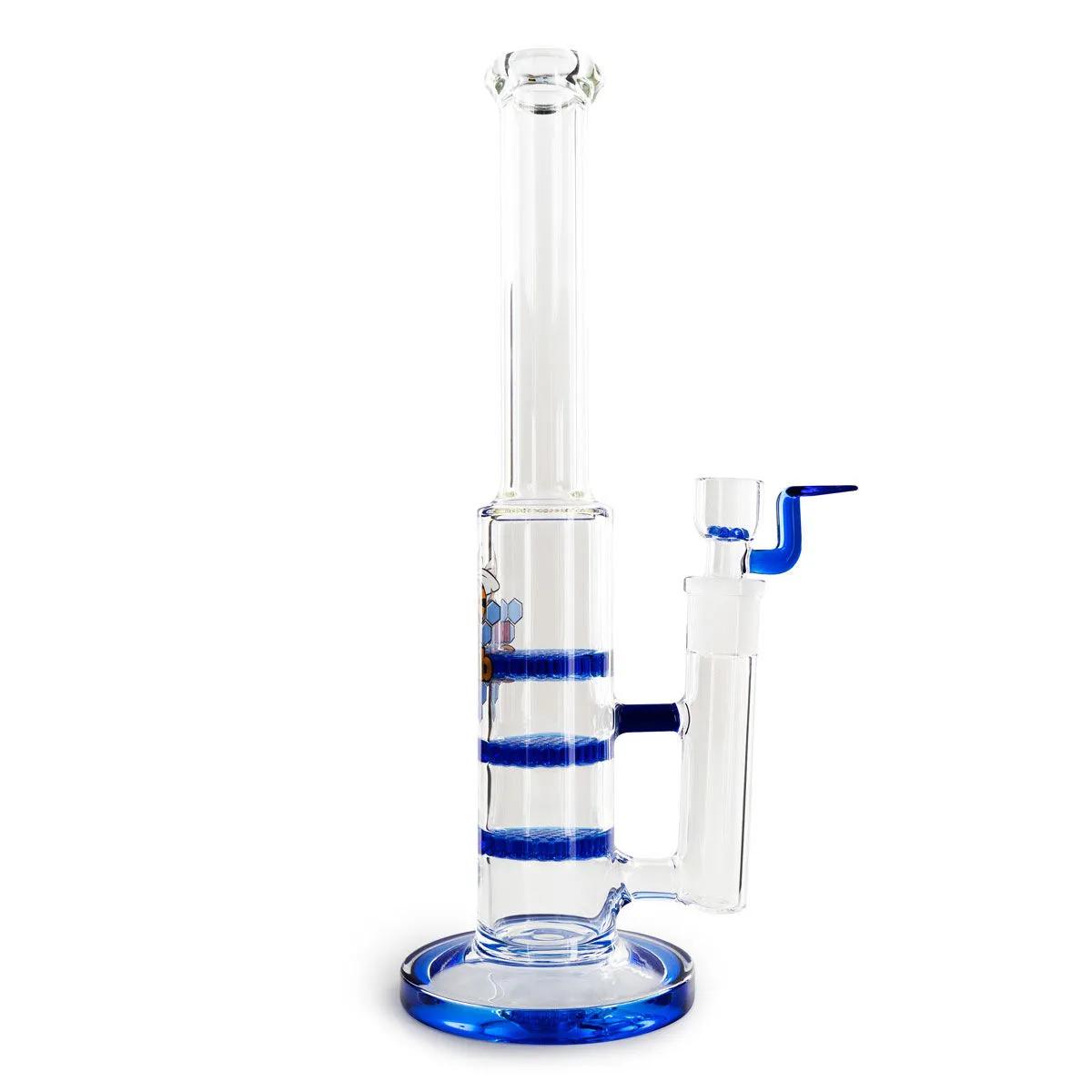
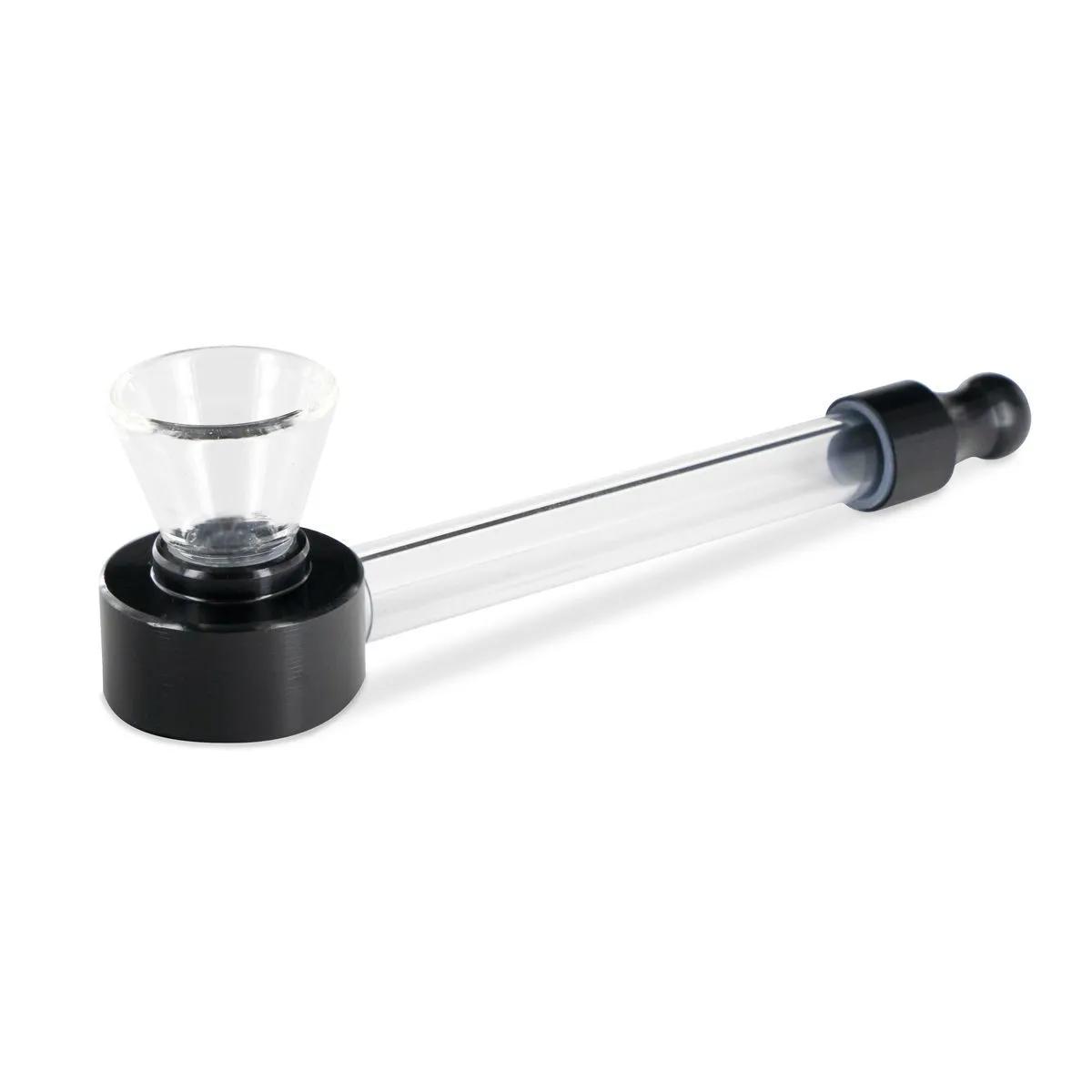
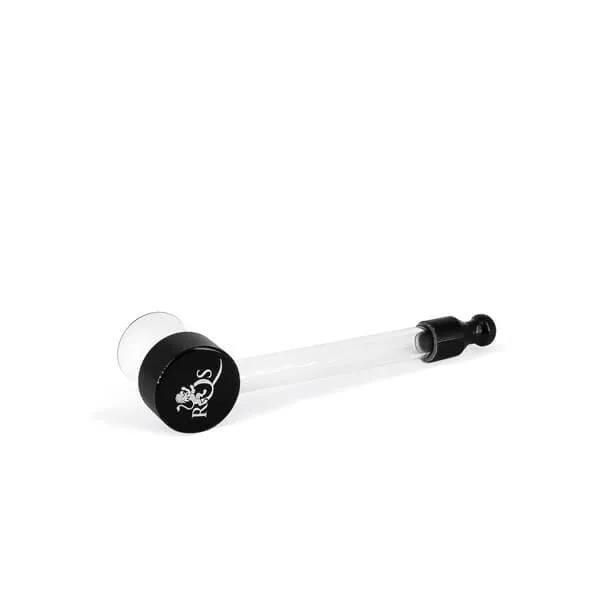
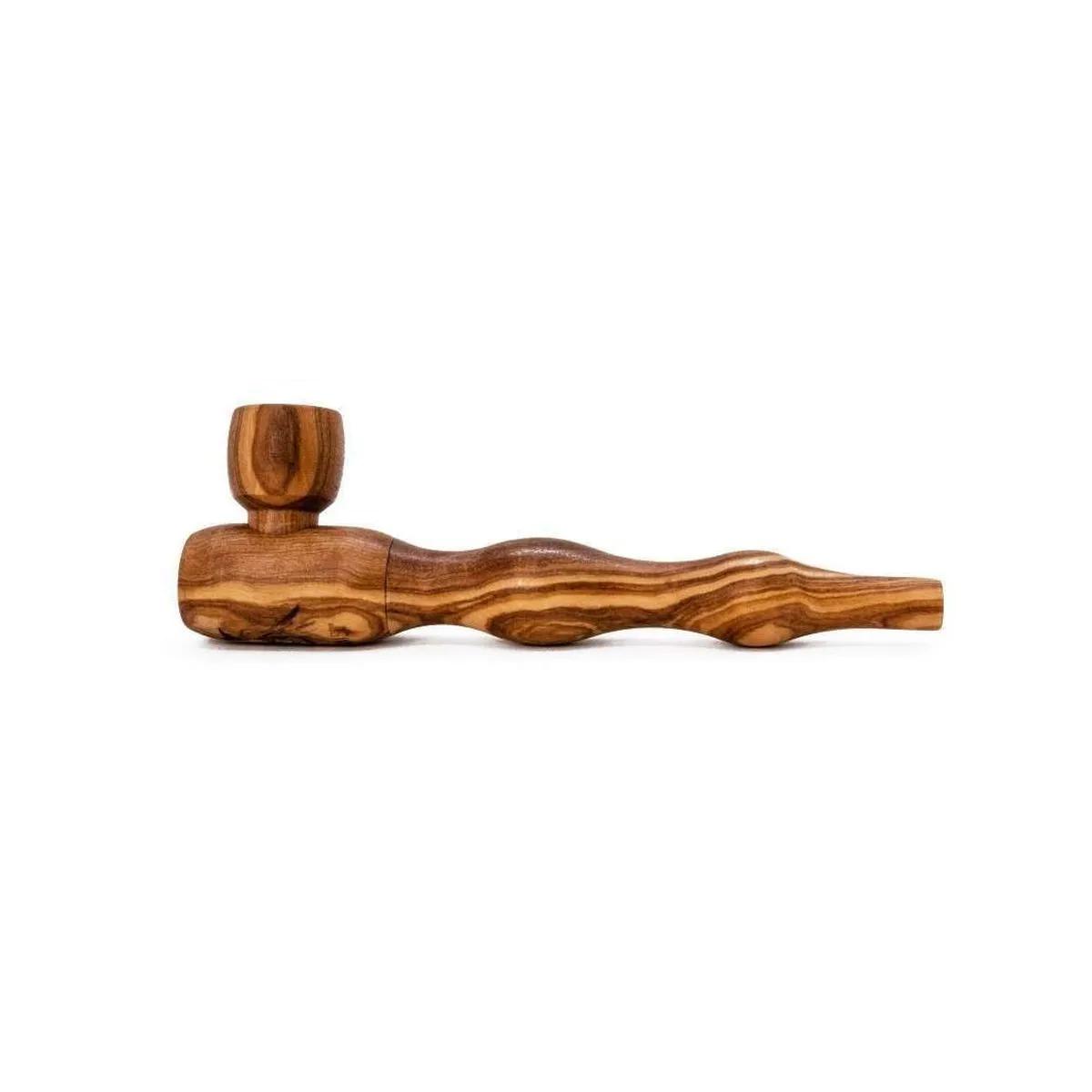
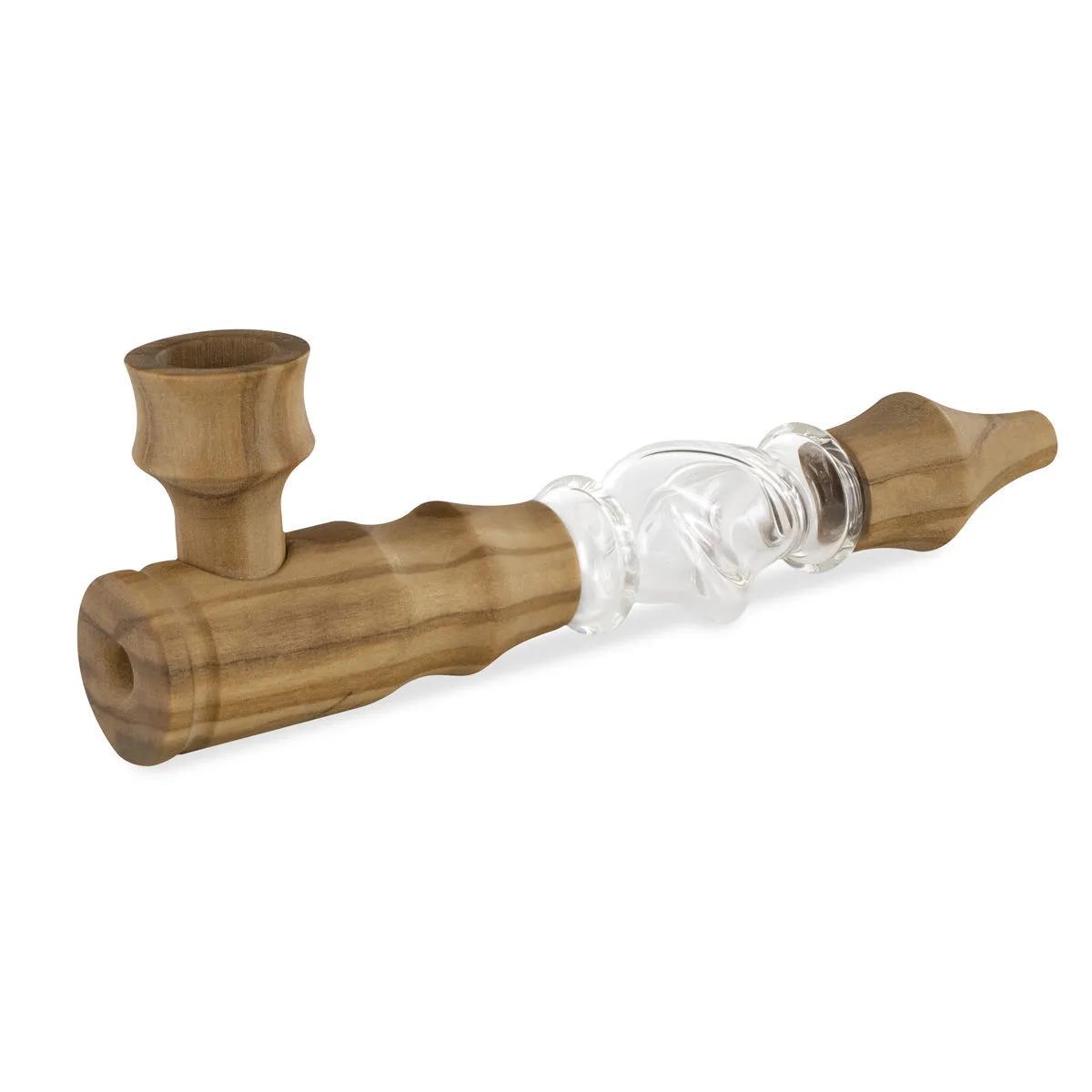
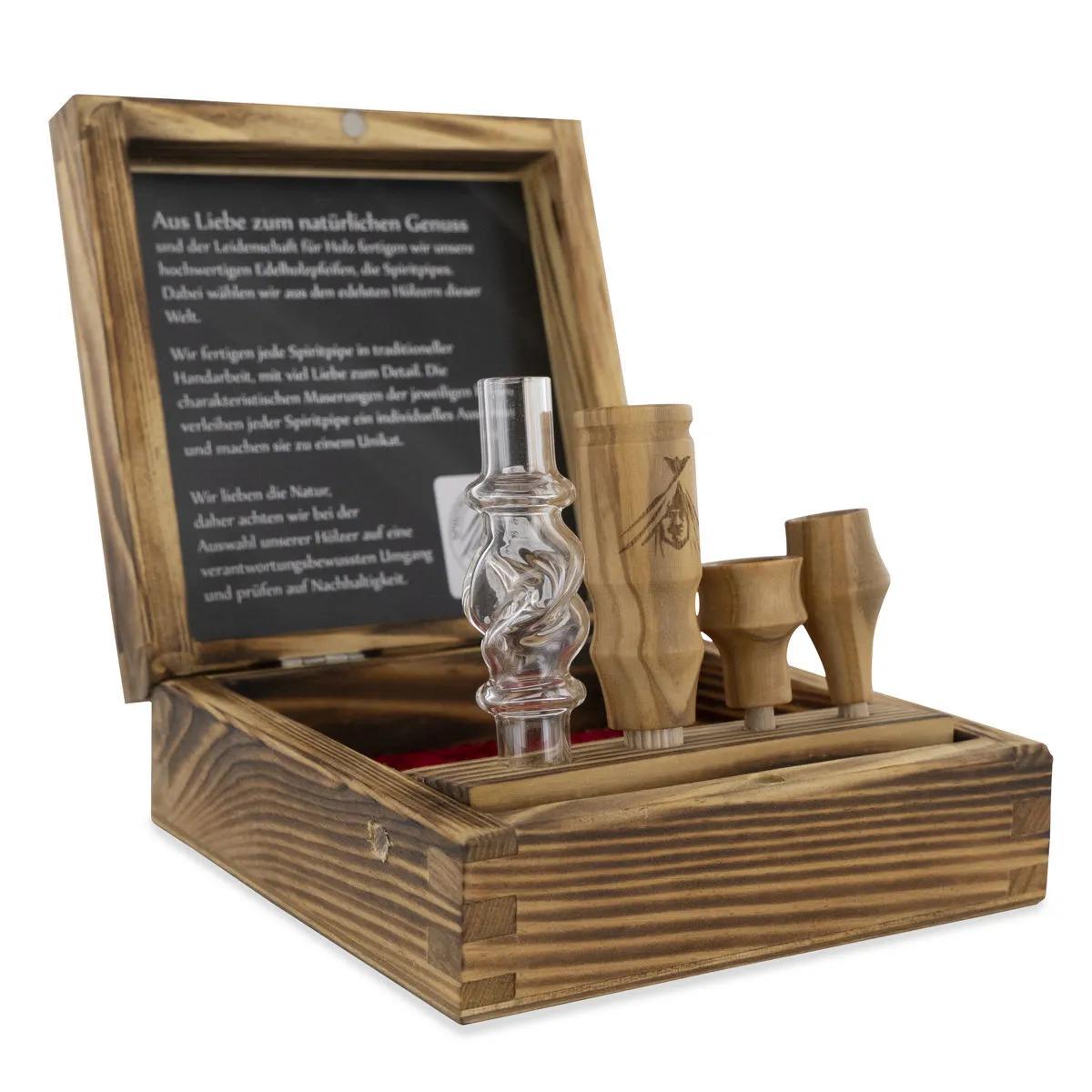
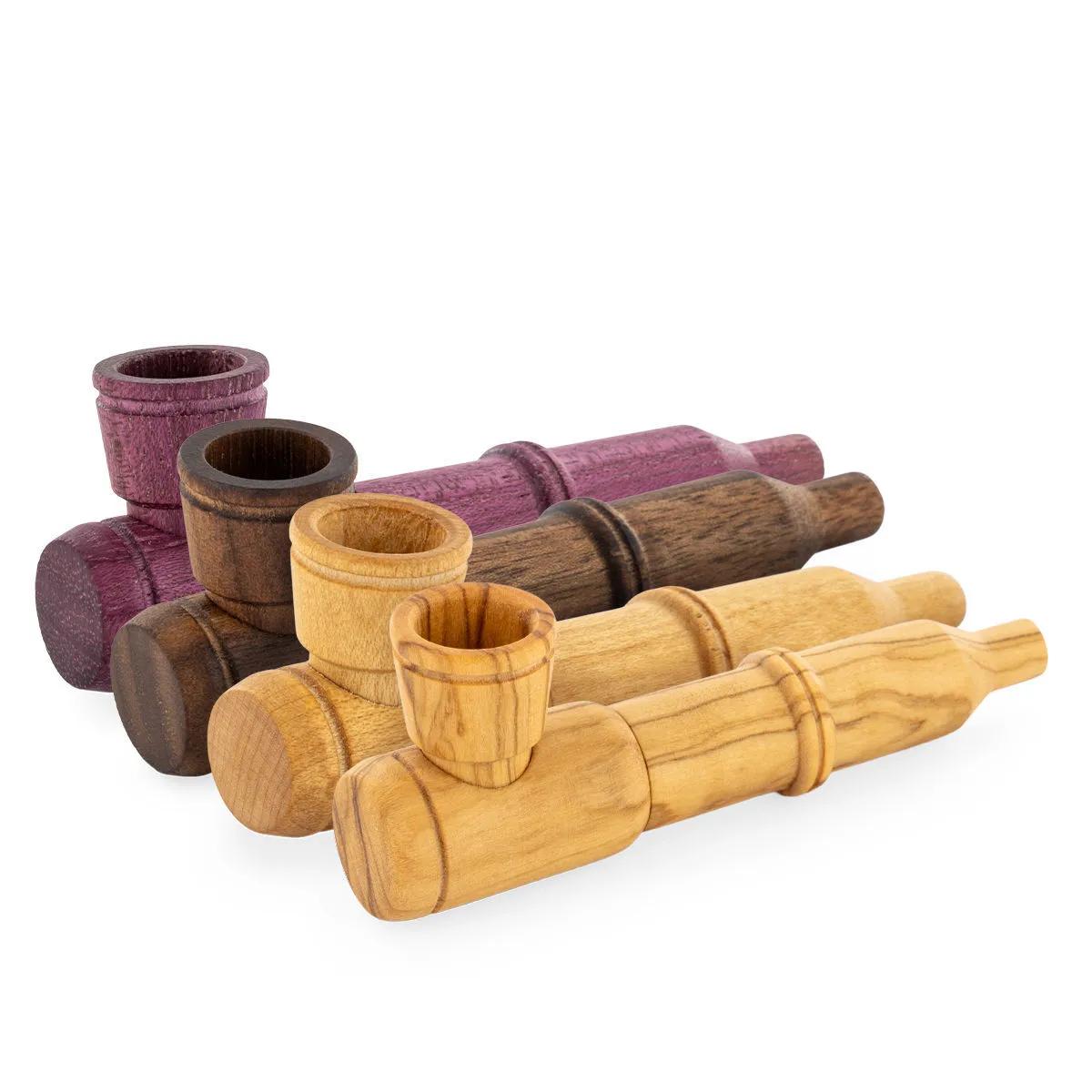
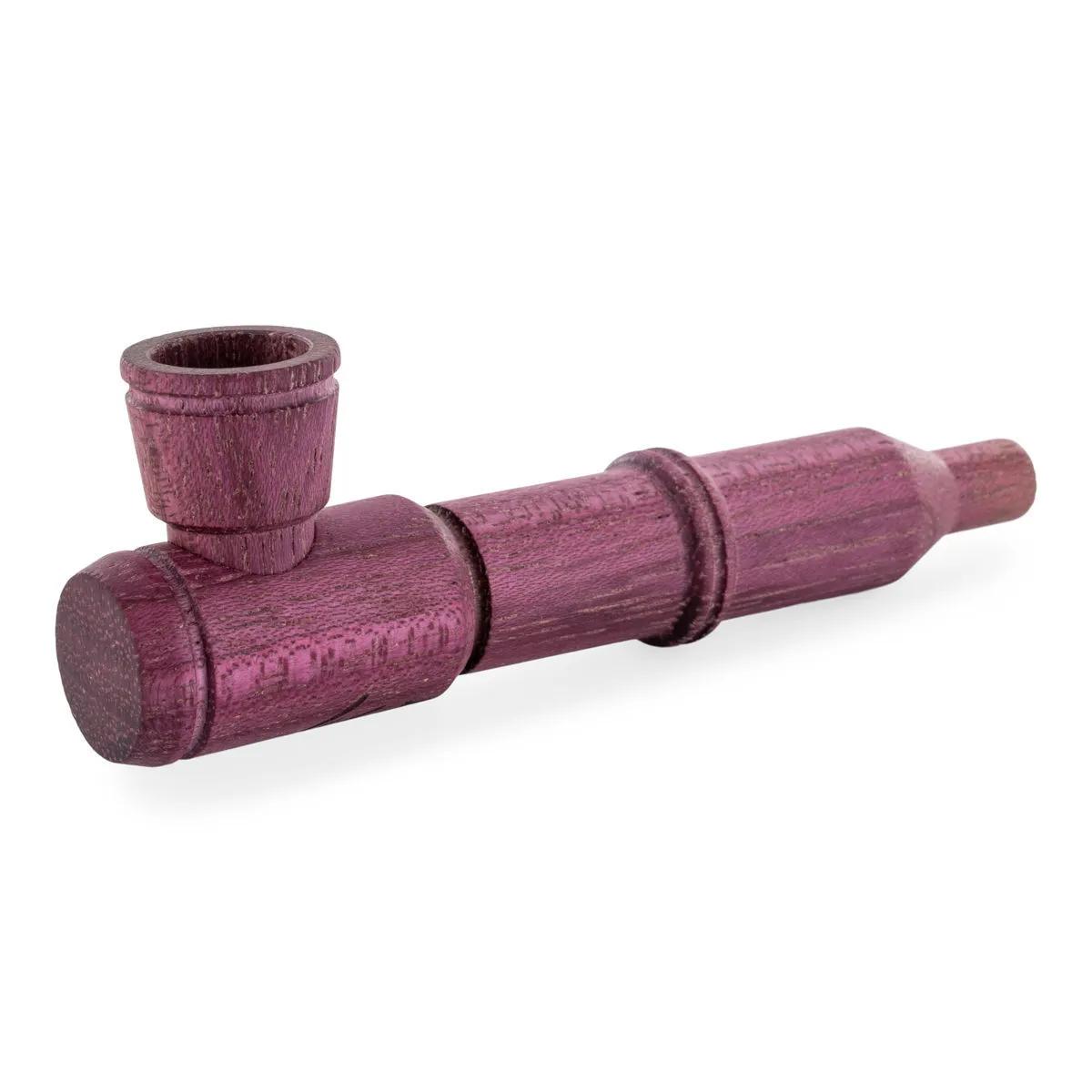
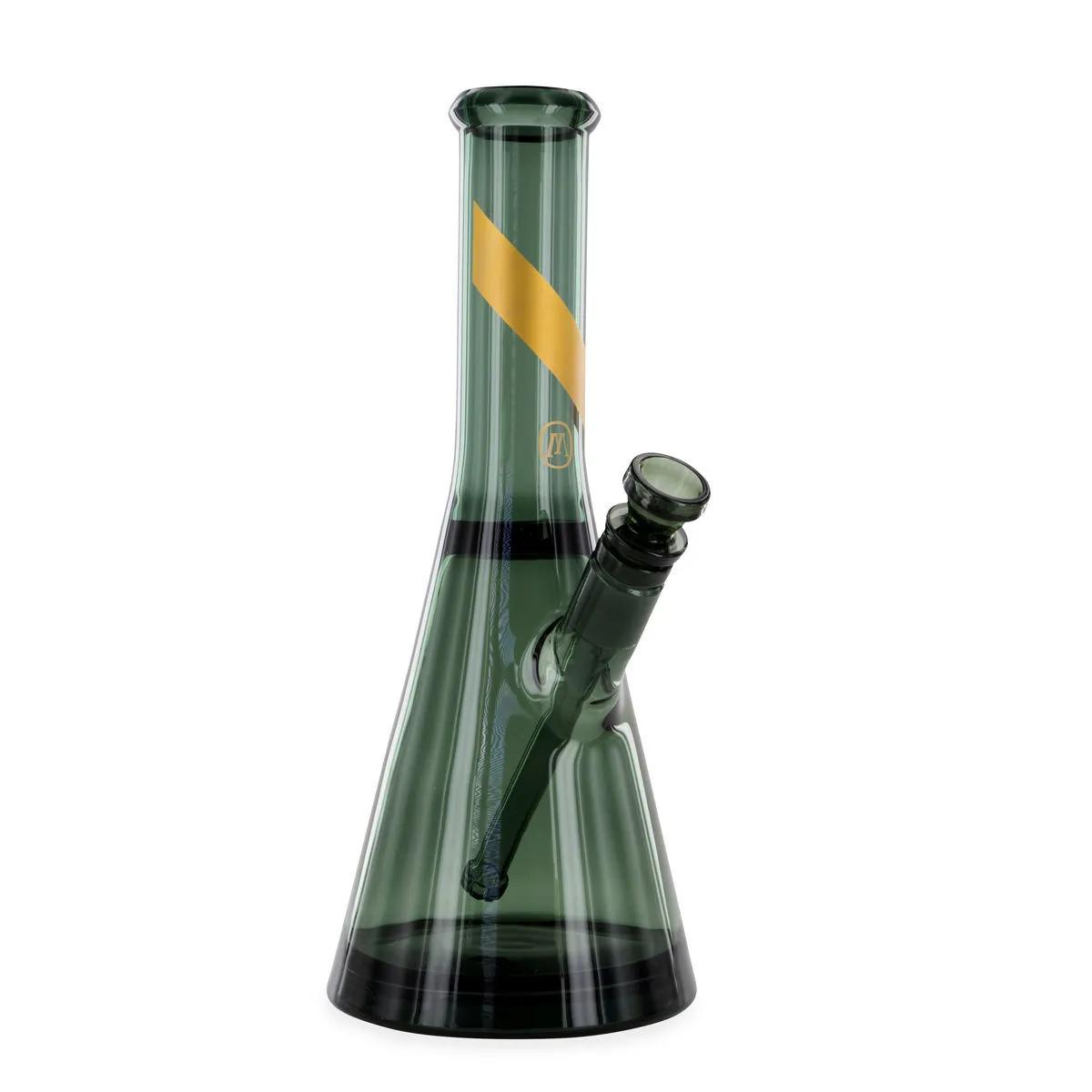
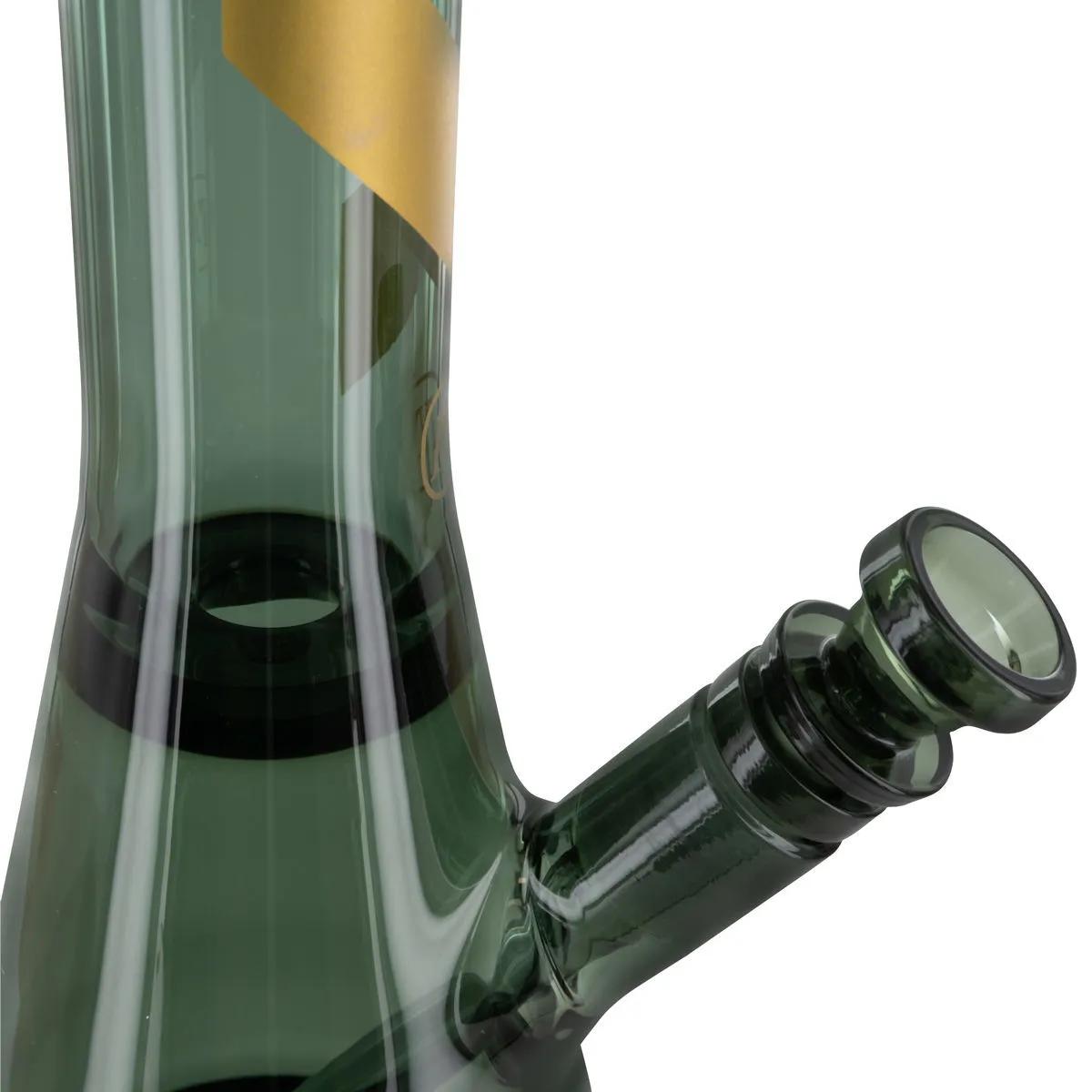
Bongs and water pipes are filtration smoking devices that cool and smooth combusted herb by pulling smoke through water before it hits your lungs. If you're after a smoother smoke without switching to vapour, this is your shelf. Azarius has been stocking glass and silicone since 1999 — we've seen what survives a kitchen-tile drop and what doesn't.
Buy Bongs & Water Pipes — What This Category Actually Covers
A bong is a water pipe. The names get used interchangeably, and that's fine — "bong" tends to describe the taller beaker or straight-tube format, while "water pipe" is the broader umbrella that also includes bubblers and percolator rigs. What unites the category: smoke travels through water, which cools it by roughly 20–40°C and filters out a chunk of the particulates that make dry-pipe hits feel rough on the throat. According to a 2024 Smoke Cartel buyer survey, around 68% of smokers who switch from dry pipes to water pipes cite throat comfort as the main reason. That's the whole pitch.
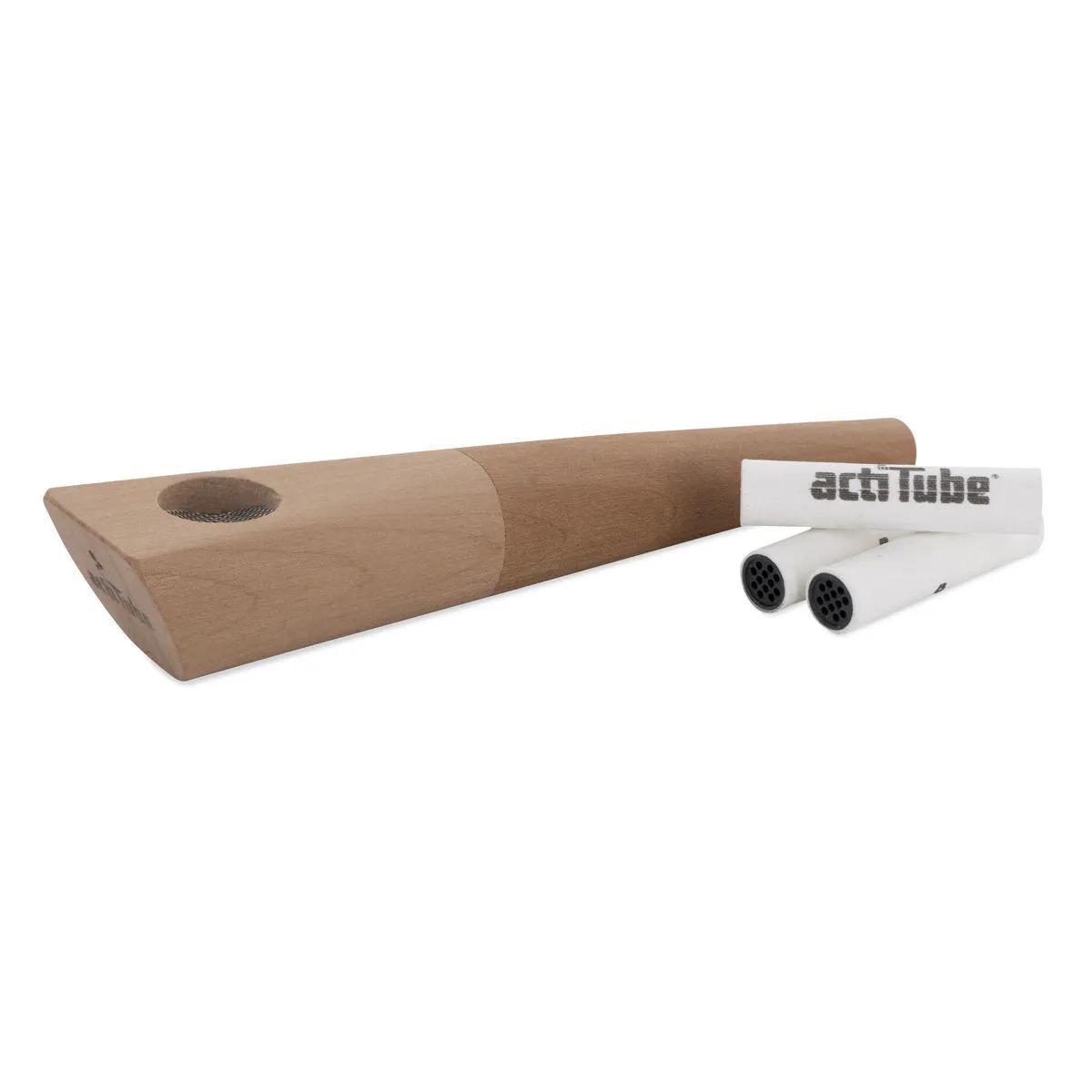
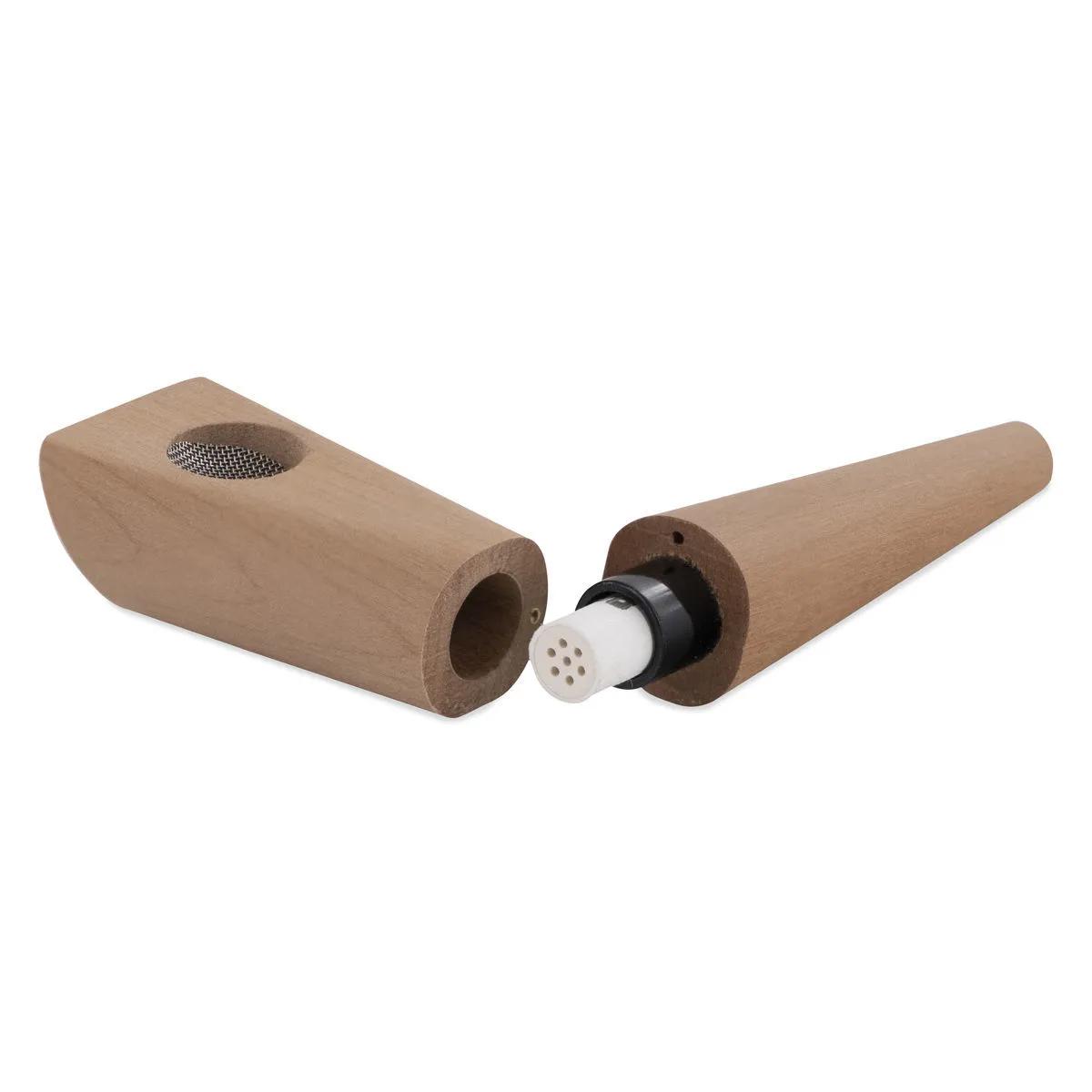
Where this category ends and another begins matters for your wallet. A bong combusts your herb — same as a joint or a pipe — so you still get tar and combustion byproducts, just cooler and smoother. If your goal is to skip combustion entirely, you want a vaporiser, not a bong. If your goal is portability with mild filtration, a bubbler (small, handheld, water inside) sits between a dry pipe and a full bong. We stock all three lanes; this shelf is specifically the bigger filtration rigs and their parts.
How to Choose a Bong or Water Pipe
Four decision points cover 90% of what a buyer needs to weigh before they order. Skip the rest until you've used your first one for a month.
| Decision point | What to consider | Good for |
|---|---|---|
| Material | Borosilicate glass = best taste, fragile. Silicone = drop-proof, slight taste trade-off. Acrylic = cheapest, worst taste. | First-time buyers should shop silicone; flavour-focused users buy glass. |
| Size | 20–30cm = desk-friendly, easier to clean. 40cm+ = smoother hits, bigger chambers, harder to store. | Shared-flat smokers pick smaller; solo home users go bigger. |
| Percolation | Single downstem (basic), diffuser slits (smoother), tree/honeycomb percs (smoothest, fiddly to clean). | Get a diffused downstem if you want the upgrade without the maintenance. |
| Joint size | 14mm is the European standard. 18mm exists but limits accessory options. | Stick with 14mm unless you already own 18mm gear. |
A €40 silicone rig you actually scrub every fortnight will deliver a better experience than a €150 glass piece you let go cloudy after two weeks. Resin buildup wrecks taste faster than any material difference. Budget for isopropyl, coarse salt, and a brush — those three things matter more than the second percolator.
Bong vs Bubbler vs Dry Pipe — The Quick Version
- Dry pipe — no water, harshest hit, most portable, cheapest. Good for outdoors and quick sessions.
- Bubbler — handheld with a small water chamber. Smoother than dry, less smooth than a full bong, still pocket-ish.
- Bong / water pipe — desk-sized, biggest water chamber, smoothest hit, least portable. Home use.
- Vaporiser — different category entirely. No combustion, no smoke, just vapour. Buy this if your priority is lungs, not ritual.
Accessories Worth Ordering With Your Bong
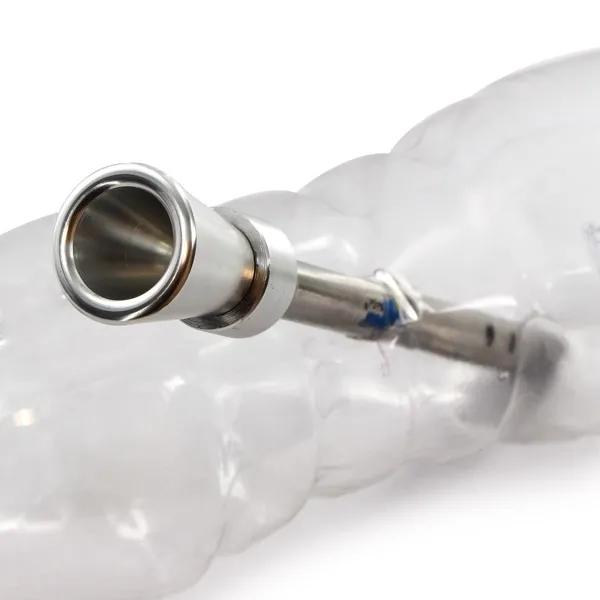
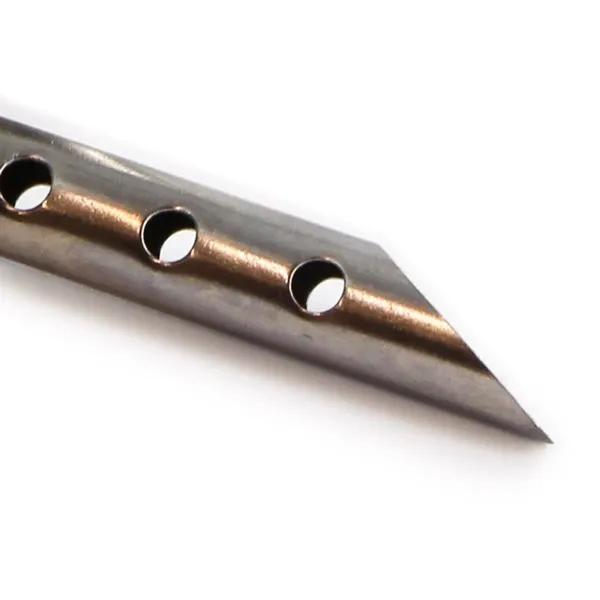
A bong without maintenance kit is a bong that ends up in a drawer after six weeks. The two accessories nobody warns first-time buyers about: pipe cleaners (the bristly flexible ones, 60-pack lasts months) and a small bristle brush for the chamber. A clogged downstem is the single most common reason customers come back asking "why does my hit feel weak?" — the answer is almost always residue, not the rig. We also stock 14mm diffuser downstems as upgrade parts if your stock downstem feels too restrictive.
What's Currently On The Shelf
Our bong range right now leans towards drop-proof silicone and standard glass formats, plus the parts you need to keep them running. Worth knowing by name:
- PieceMaker Kali Silicone Bong — full silicone build, survives drops that would shatter glass.
- PieceMaker Kermit Silicone Bong — smaller silicone format from the same maker.
- Downstem with Diffuser (14mm) — upgrade part with slit diffusion for smoother pulls.
- Pipe Dreamz Pipe Cleaners — 60-count flexible bristle cleaners that fit downstems and stems.
- Small Bristle Brush — for chamber and bowl scrubbing.
If you want the full breakdown of how bubblers, bongs and dry pipes differ in airflow and percolation, our wiki article on Bubblers vs Bongs vs Pipes covers the technical side. This page is for buyers — that one's for the curious.
Frequently Asked Questions
What's the difference between a bong and a water pipe?
None, functionally. "Water pipe" is the umbrella term for any pipe that filters smoke through water; "bong" is the common name for the larger, upright versions of that. Bubblers are also technically water pipes — just smaller and handheld.
Is a silicone bong worth buying over glass?
If you've broken a glass bong before, yes. Silicone takes drops, tucks into a bag, and cleans up in the dishwasher. Trade-off: glass gives a cleaner taste, especially on the first few hits of fresh herb. We'd shop silicone for shared spaces and glass for solo home setups.
How often should I change the bong water?
Every session, ideally. Old water tastes foul and breeds bacteria within 24 hours. At minimum, change it before each smoke and do a full isopropyl-and-salt clean every one to two weeks depending on use.
Do bongs filter out the harmful stuff?
Partially. Water removes some particulates and cools the smoke, which makes hits feel smoother on the throat. It does not remove tar or carbon monoxide in any meaningful amount — a 1991 MAPS/NORML study found water pipes filter out more THC by ratio than tar. If you want a cleaner inhalation, shop a vaporiser instead.
What joint size should I buy — 14mm or 18mm?
Get 14mm. It's the European standard, fits the widest range of bowls, downstems and accessories, and is what most of our stock and replacement parts are sized for. Only go 18mm if you already own 18mm gear.
Last updated: April 2026