
Buy more, pay less
Organic Chaga Mushroom Extract — Concentrated Birch-Grown Power
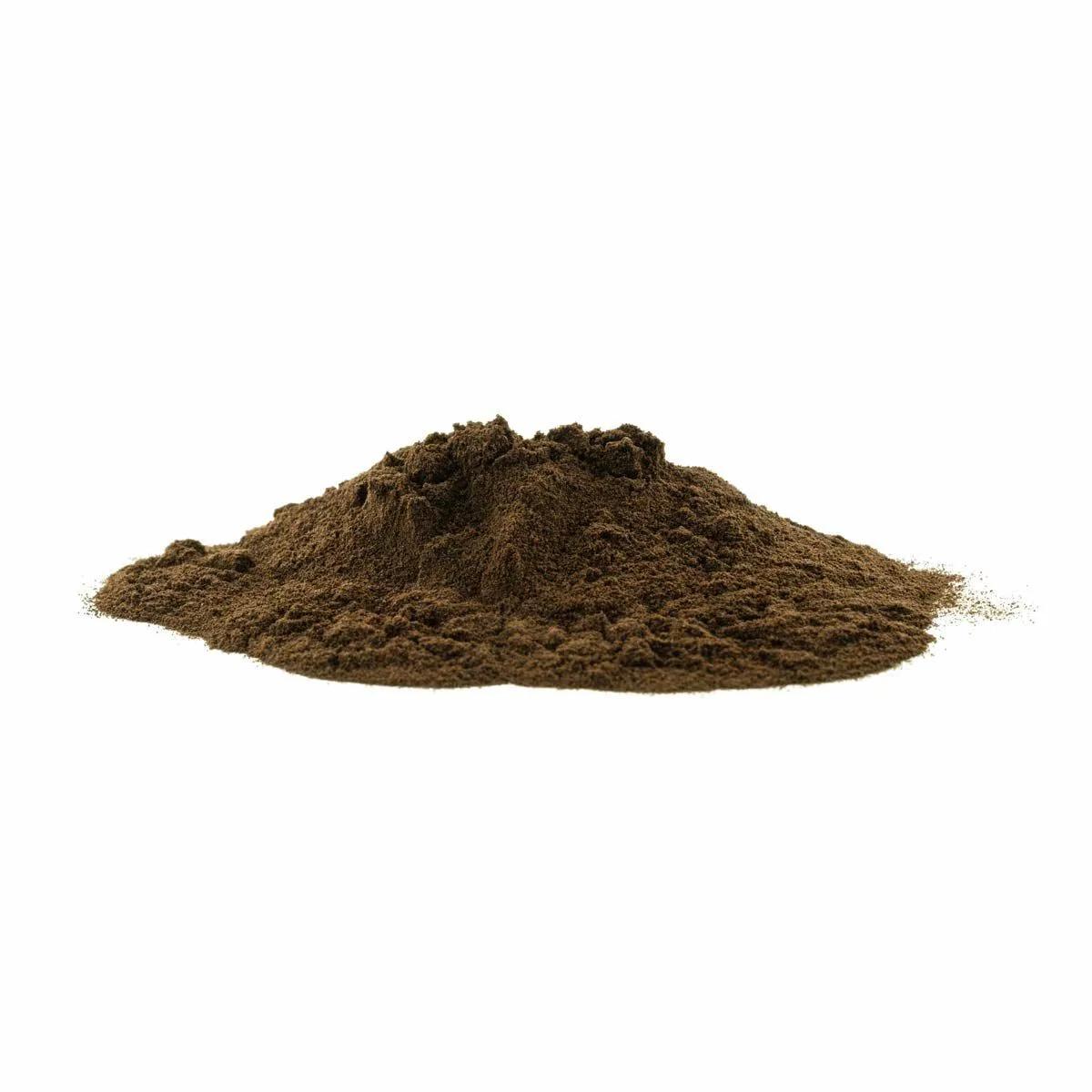
Chaga mushroom extract is a concentrated powder supplement made from Inonotus obliquus, the dark, craggy fungus that grows as a parasitic conk on birch trees across Northern Europe, Russia, and North America. This organic extract delivers a minimum 30% polysaccharide content, requiring 9–11 kg of raw chaga powder to produce just 1 kg of finished product. That concentration ratio alone tells you what you're getting — the active compounds from nearly ten kilograms of wild-harvested mushroom, compressed into a jar you can keep on your kitchen shelf.
What Makes This Chaga Extract Worth Your Attention
Not all mushroom extracts are created equal, and the concentration ratio here is the thing to focus on. A 9–11:1 ratio means you're getting the polysaccharides, antioxidants, and dietary fibre from a serious volume of raw material in every half-teaspoon. The mushrooms are organically collected from cold-climate birch forests — the environment where chaga naturally thrives and develops its dense nutritional profile.
The taste is earthy with a slightly sweet edge. Honestly, it's one of the more palatable functional mushroom extracts we carry. You won't need to mask it in a triple-chocolate smoothie (though you absolutely can). Dissolved in warm water, it makes a dark, tea-like drink that sits somewhere between black tea and coffee in character — minus the caffeine jitters. If you've tried reishi extract and found it bitter, chaga is considerably friendlier on the palate.
One honest limitation: chaga extract is hygroscopic, meaning it absorbs moisture from the air. If you leave the bag open on a humid day, you'll end up with clumps. Store it sealed, in a dark and dry spot, and it'll keep for up to 4 years. That's a genuinely long shelf life for a food-grade supplement.
| Specification | Detail |
|---|---|
| Species | Inonotus obliquus (Chaga) |
| Extract type | Powdered extract |
| Concentration ratio | 9–11:1 |
| Polysaccharide content | Minimum 30% |
| Certification | Organic |
| Origin | Wild-harvested, cold-climate birch forests |
| Flavour profile | Earthy, slightly sweet |
| Shelf life | Up to 4 years (stored cool, dark, dry) |
| Ingredients | 100% chaga mushroom (Inonotus obliquus) extract |
Chaga Mushroom Research — What the Science Actually Says
Chaga has been used across Asia, Russia, and the Baltic countries for centuries, and the research is starting to catch up with the folk tradition. Here's what's been published so far — and what it means in plain language.
According to a review in PMC (2024), Inonotus obliquus has been used for therapeutic purposes since the sixteenth century, with collections of bioactive compounds including polysaccharides, triterpenoids, and polyphenols identified as the primary active constituents (PubMed, 2024). According to the same review, studies found that chaga was able to exert anti-fatigue effects in several animal model studies (PMC, 2024).
According to a 2021 review published in PMC, extracts of chaga mushroom were historically used in Asia, Russia, and Baltic countries due to their reported beneficial effects on plasma lipid profiles (PMC, 2021). And a 2004 study noted that chaga mushroom extract inhibited oxidative DNA damage in human lymphocytes, with the authors describing claimed properties including anti-bacterial, anti-allergic, and anti-inflammatory activity (PubMed, 2004).
Research into anti-inflammatory properties has also shown promise. According to a 2022 study, chaga collected in Maine, USA, demonstrated anti-inflammatory properties in laboratory conditions (PMC, 2022).
We'll be straight with you: most of this research is either in vitro (lab dishes) or animal models. Human clinical trials are still limited. That's the state of the science right now — promising but not conclusive. We've been selling functional mushroom extracts since the early 2000s, and chaga is one of the ones customers come back for most consistently. Make of that what you will.
Chaga Extract Dosage — Clinical Context and Manufacturer Guidance
The manufacturer recommends half a teaspoon (approximately 0.5 g) taken once daily, with a maximum of 0.5 g taken 3 times daily. Published dosage ranges in the broader literature vary: typical ranges cited are 250–500 mg of concentrated extract two to three times per day, while some sources reference 1–3 g of chaga powder daily, depending on concentration.
Given this is a 9–11:1 concentrated extract (not raw powder), the lower end of that range applies. Stick with the manufacturer's guidance: start with half a teaspoon daily and see how you feel over a couple of weeks before adjusting.
| Detail | Value |
|---|---|
| Recommended daily serving | Half a teaspoon (~0.5 g), once daily |
| Maximum daily intake | 0.5 g, up to 3 times daily (1.5 g total) |
| Concentration ratio | 9–11:1 (equivalent to ~4.5–5.5 g raw chaga per 0.5 g serving) |
| Format | Powder — dissolve in water, tea, smoothies, or food |
Safety, Interactions, and Who Should Be Careful
Chaga extract is generally well tolerated, and there aren't widespread reports of side effects from typical use. That said, there are specific groups who should exercise caution.
Chaga mushrooms may interact with blood-thinning medications such as aspirin and clopidogrel, given the mushroom's reported effects on platelet aggregation. If you're on anticoagulant or antiplatelet therapy, speak to your doctor first. The same applies if you're taking immunosuppressive or anti-diabetic medication — chaga's bioactive compounds may interfere with how those drugs work.
Chaga is also high in oxalates. A 2022 case study documented oxalate nephropathy (kidney damage) associated with chaga mushroom consumption (PMC, 2022). If you have a history of kidney stones or kidney disease, this one isn't for you. Contraindications also include pregnancy, breastfeeding, and age under 18.
Nutritional supplements are no substitute for a varied diet. Don't exceed the recommended dose — more isn't always better with concentrated extracts.
How to Use Chaga Mushroom Extract
- Measure out half a teaspoon of chaga extract powder (approximately 0.5 g). A small kitchen scale helps if you want precision.
- For chaga tea: dissolve the powder in a mug of warm water (not boiling — around 70–80°C works well). Stir until fully dissolved. The result is a dark, earthy brew with a slightly sweet finish.
- For smoothies or juices: add the powder directly to your blender with your other ingredients. It pairs well with cacao, banana, and nut milks.
- For food: stir into porridge, soups, or sauces. The flavour is mild enough that it won't overpower savoury dishes.
- Take once daily to start. If you want to increase, work up to a maximum of 0.5 g three times per day (1.5 g total).
- Store the powder in its sealed container, in a cool, dark, dry place. Avoid leaving it open — it clumps when exposed to humidity.
Building a functional mushroom stack? Lion's Mane extract pairs well with chaga — different bioactive profiles that complement each other. If you're after a complete daily ritual, consider adding Reishi extract for the evening. All three dissolve easily into the same morning tea or smoothie.
Related products
You might also like
Medical disclaimer. This content is for informational purposes only and does not constitute medical advice. Consult a qualified healthcare provider before use of any substance.