
How To Brew Chaga Tea
Definition
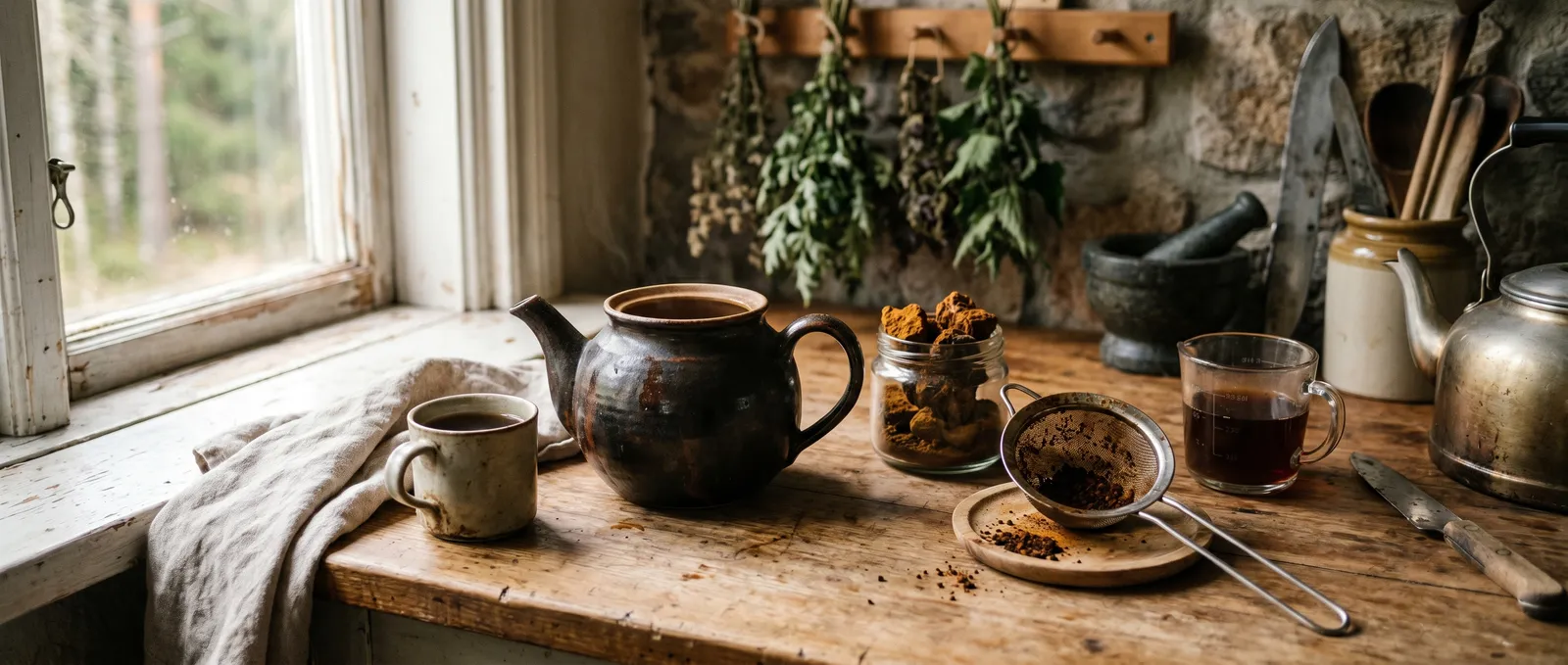
Chaga tea is a hot-water extraction made from Inonotus obliquus, a dense, birch-parasitic fungus traditionally brewed as a daily tonic across Siberia and Scandinavia. A gentle simmer at 70–80°C — not a boil — draws out beta-glucans and melanin over 30 minutes to 3 hours depending on particle size (Shashkina et al., 2006). The resulting tea tastes earthy, mildly vanilla-like, and pairs well with honey or spices.
18+ only — this guide covers preparation of a bioactive fungal extract and applies to adults.
Chaga tea is a hot-water extraction made from Inonotus obliquus, a parasitic fungus that grows on birch trees across boreal forests in Russia, Scandinavia, Canada, and northern parts of the US. The hard, black, cracked exterior — technically a sclerotium, not a fruiting body — hides a dense, rust-coloured interior packed with melanin, betulinic acid, and beta-glucans. Learning how to brew chaga tea properly is the oldest and most common way to extract these compounds, and the method you choose affects what actually ends up in your cup. This guide walks you through every step, from raw chunk to finished brew, so you get a proper extraction rather than lightly flavoured hot water.
This article is for informational purposes only and does not constitute medical advice. Chaga tea is not intended to diagnose, treat, cure, or prevent any disease. If you are taking medication or have a pre-existing health condition, consult a qualified healthcare professional before use. The EMCDDA and other European regulatory bodies have not approved chaga as a medicinal product.
What You Need Before You Start
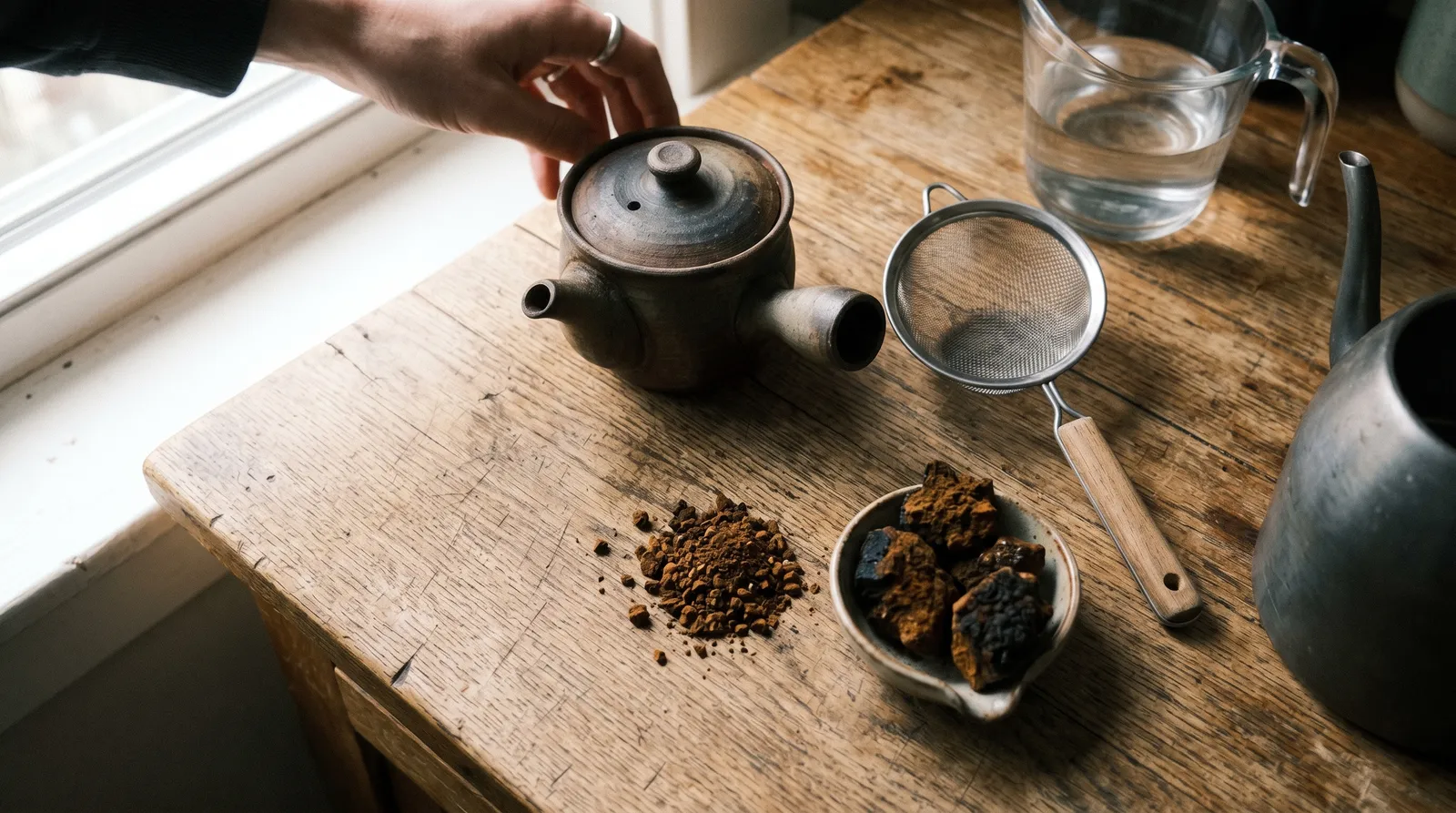
To brew chaga tea you need dried chaga, a suitable pot, a strainer, and filtered water — nothing more. Chaga comes in three common forms, and each one brews differently. Your starting material determines your method, your timing, and your result.
| Form | Particle Size | Brew Time | Best For |
|---|---|---|---|
| Whole chunks (2–5 cm) | Large | 1–3 hours simmer | Reusable batches, strongest extraction |
| Ground / coarse powder | 1–3 mm granules | 30–45 minutes simmer | Single-batch brewing, balanced flavour |
| Fine powder | Sub-millimetre | 10–15 minutes steep | Quick cups, smoothies, blending |
You also need a stainless steel or enamel pot (avoid aluminium — the slightly acidic brew can react with it), a fine-mesh strainer or cheesecloth, and filtered water. That's it. No special equipment required. If you want to buy chaga in chunk or powder form, Azarius stocks wildcrafted chaga chunks and chaga powder in the mushroom supplements category.
Step 1: Measure Your Chaga
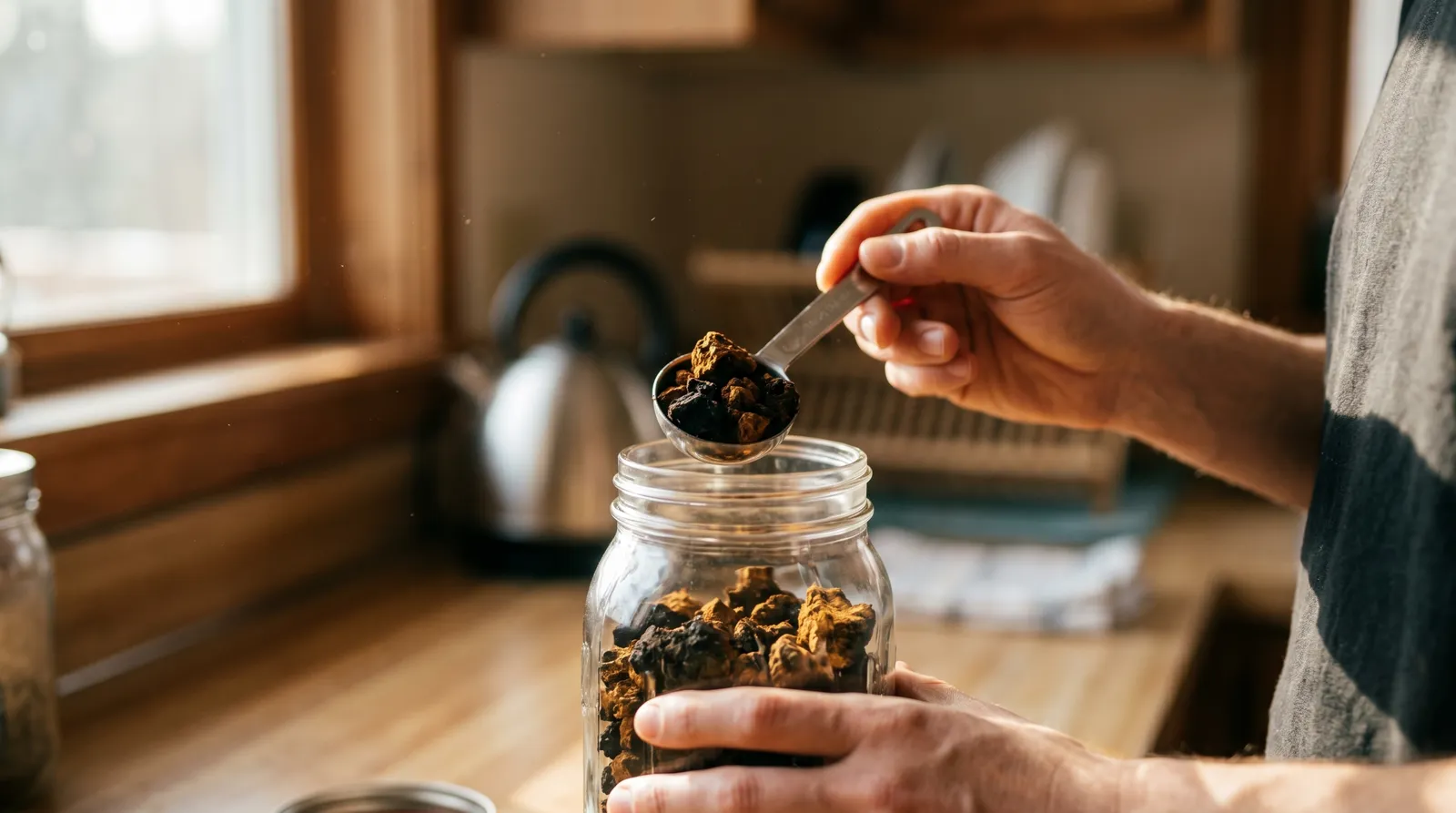
The right ratio for brewing chaga tea is roughly 1 tablespoon of ground chaga per litre of water. If you're working with chunks, aim for about 10–15 g per litre — roughly a small handful. The European Medicines Agency doesn't maintain a formal monograph for Inonotus obliquus, so these ratios come from traditional Siberian and Finnish practice rather than a clinical guideline. Ethnobotanical sources typically reference 1–2 cups daily as the standard traditional dose (Shashkina et al., 2006).
If the resulting tea is too dark or bitter for your taste, dilute with hot water after brewing rather than reducing the chaga. Under-extraction wastes material; dilution costs nothing.
Step 2: Cold-Soak (Optional, but Worth It)
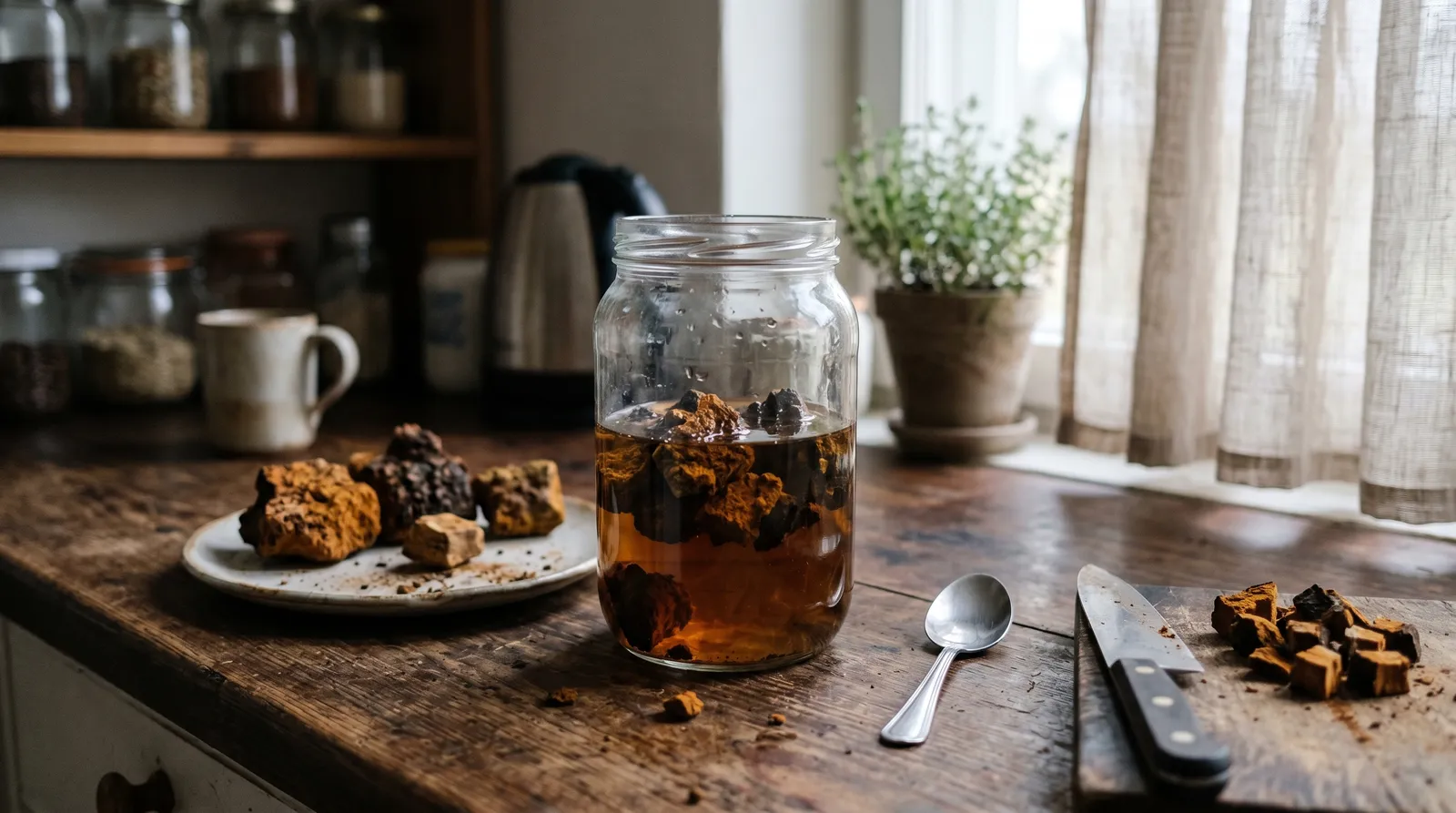
A cold soak for 1–4 hours softens dense sclerotial tissue and gives heat extraction a measurable head start. This applies to chunks specifically. Some traditional Russian preparations soak chunks overnight in cold water before any heating — the logic being that certain water-soluble polysaccharides begin leaching at lower temperatures. If you're using ground or powdered chaga, skip this step entirely. The particle size is small enough that heat alone does the job.
Step 3: Simmer, Not Boil
The ideal temperature to brew chaga tea is a gentle simmer at 70–80°C — small bubbles at the bottom, not a rolling boil. Place your pot on the hob and bring the water up slowly. A 2012 study by Glamočlija et al. found that water extraction temperature significantly affected the antioxidant profile of Inonotus obliquus extracts, with prolonged high-temperature boiling degrading certain heat-sensitive compounds (Glamočlija et al., 2015).
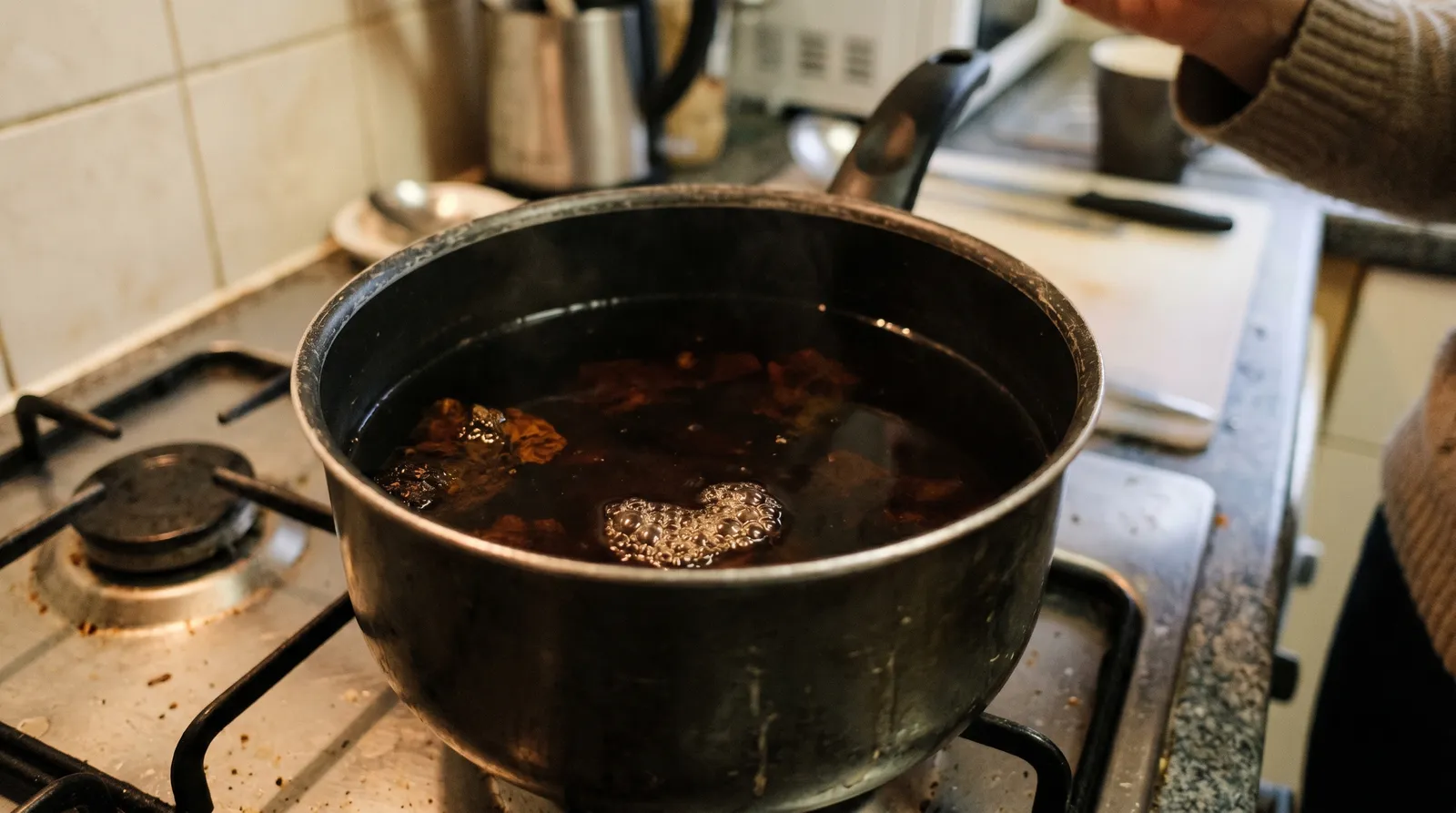
Timing depends on your form:
- Chunks: Simmer for 1–3 hours. The longer you go, the darker and more concentrated the brew. A 90-minute simmer is a solid middle ground for most people.
- Ground chaga: 30–45 minutes at a gentle simmer. Watch the colour — you're looking for a deep reddish-brown, somewhere between strong black tea and espresso.
- Fine powder: Pour hot (not boiling) water over the powder and steep for 10–15 minutes. Stir occasionally. This method extracts less of the deep-locked beta-glucans but works in a pinch.
Keep the lid on. You're losing volatile compounds and water volume every minute that steam escapes.
Step 4: Strain and Serve
Strain the finished brew through a fine-mesh strainer or doubled cheesecloth into your cup or storage jar. If you used fine powder, you may want to strain twice — nobody enjoys gritty sediment at the bottom of their mug. The finished chaga tea should be a rich, dark brown. It tastes earthy and slightly vanilla-like, with a mild bitterness that's nothing like coffee bitterness — more like a roasted grain. Some people describe it as "birch-flavoured," which makes sense given that chaga metabolises birch bark compounds, including betulin, during its growth cycle.
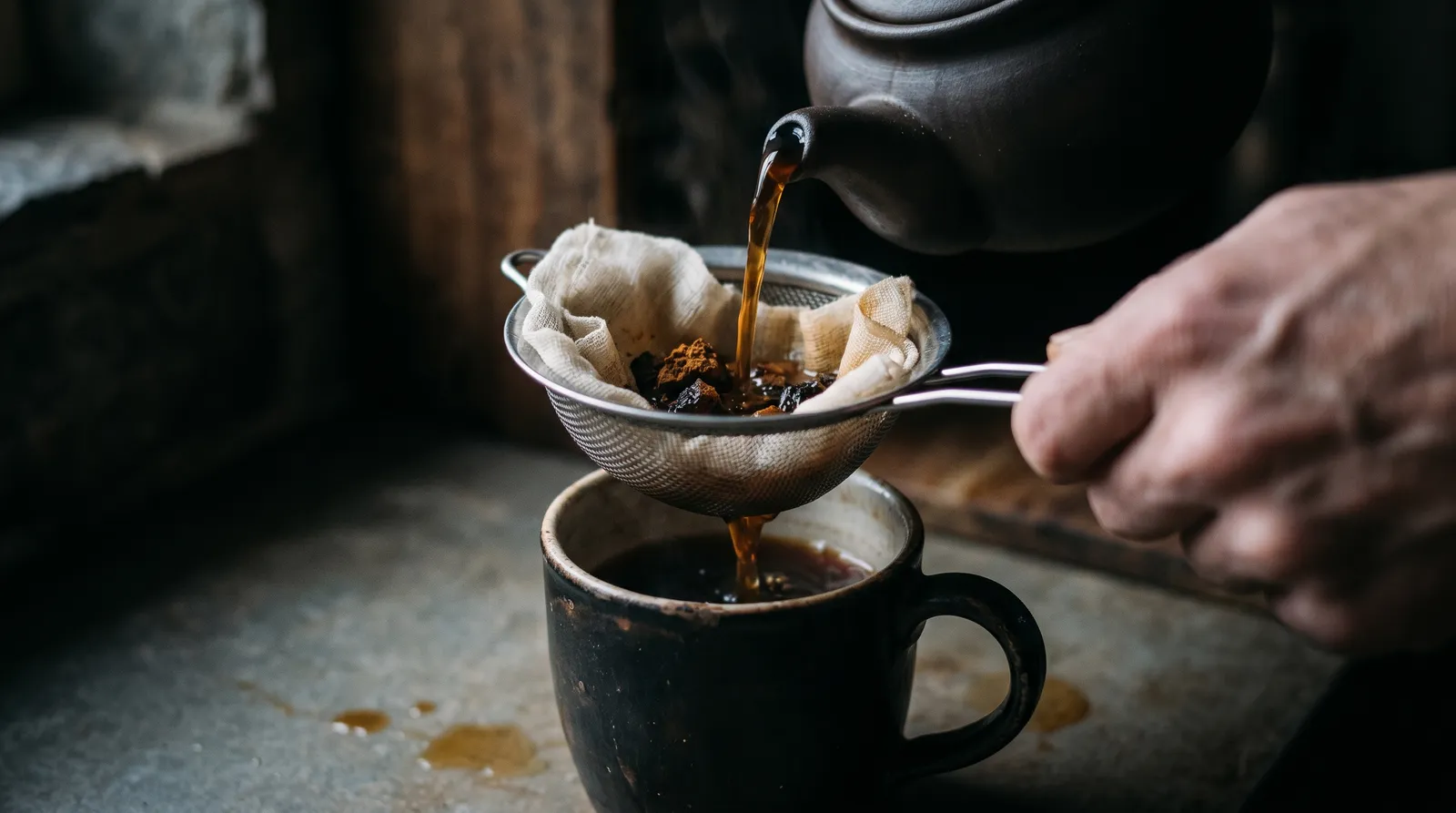
You can drink it straight, or add honey, maple syrup, or a splash of oat milk. Cinnamon and ginger pair well if you want something closer to a chai-style drink.
Step 5: Reuse Your Chunks
Chaga chunks can be brewed 3–5 times before they're spent — this is the trick that separates casual chaga drinkers from people who actually know what they're doing. After straining, set your chunks on a clean plate and let them dry at room temperature. Store them in a paper bag (not plastic — they need airflow to avoid mould). Each subsequent brew will be lighter in colour and milder in flavour, but you're still extracting useful compounds. When the brew comes out pale gold instead of dark brown, the chunks are done.
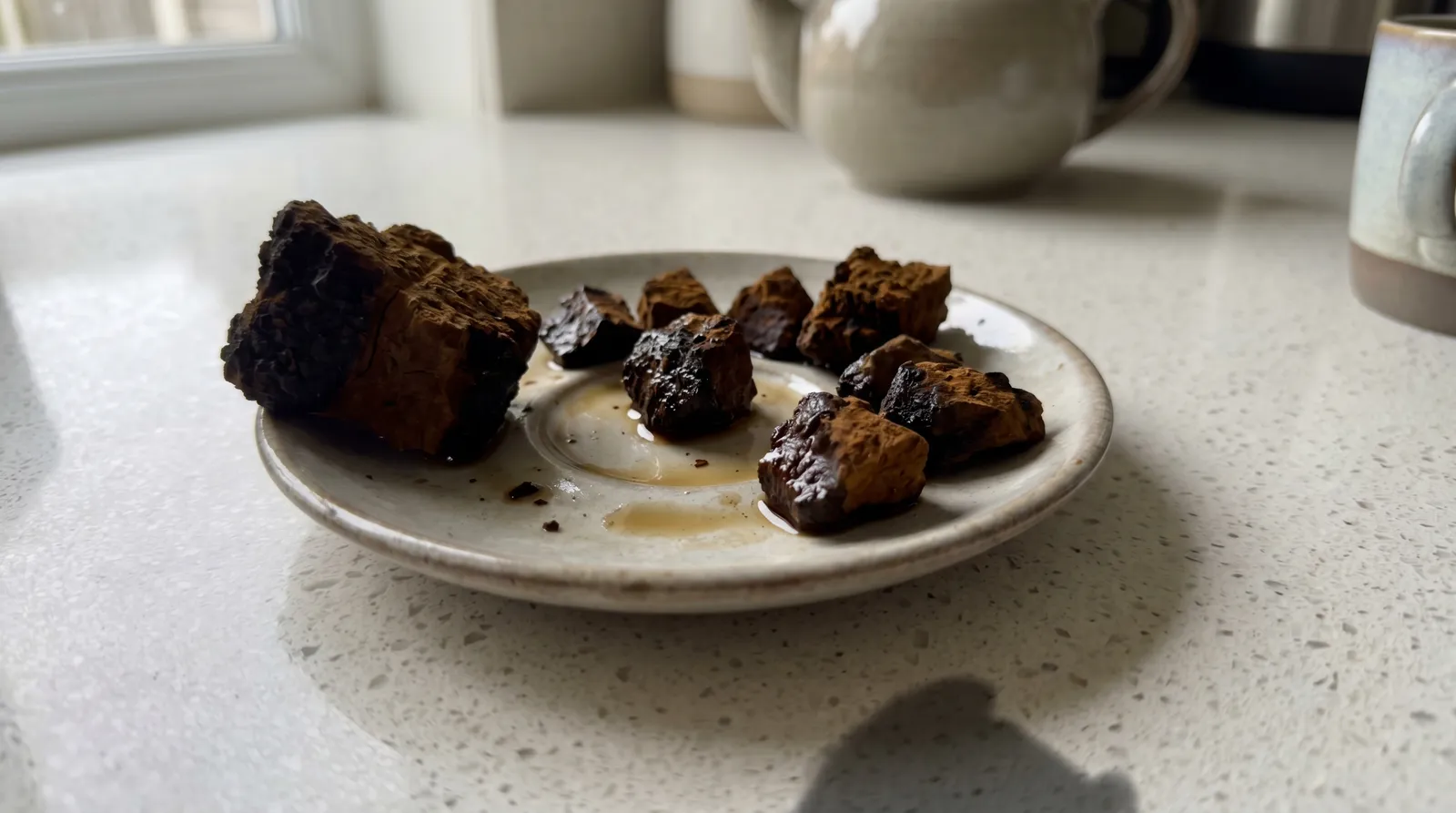
Ground and powdered chaga are single-use. Once brewed, compost them or discard.
How To Store Brewed Chaga Tea
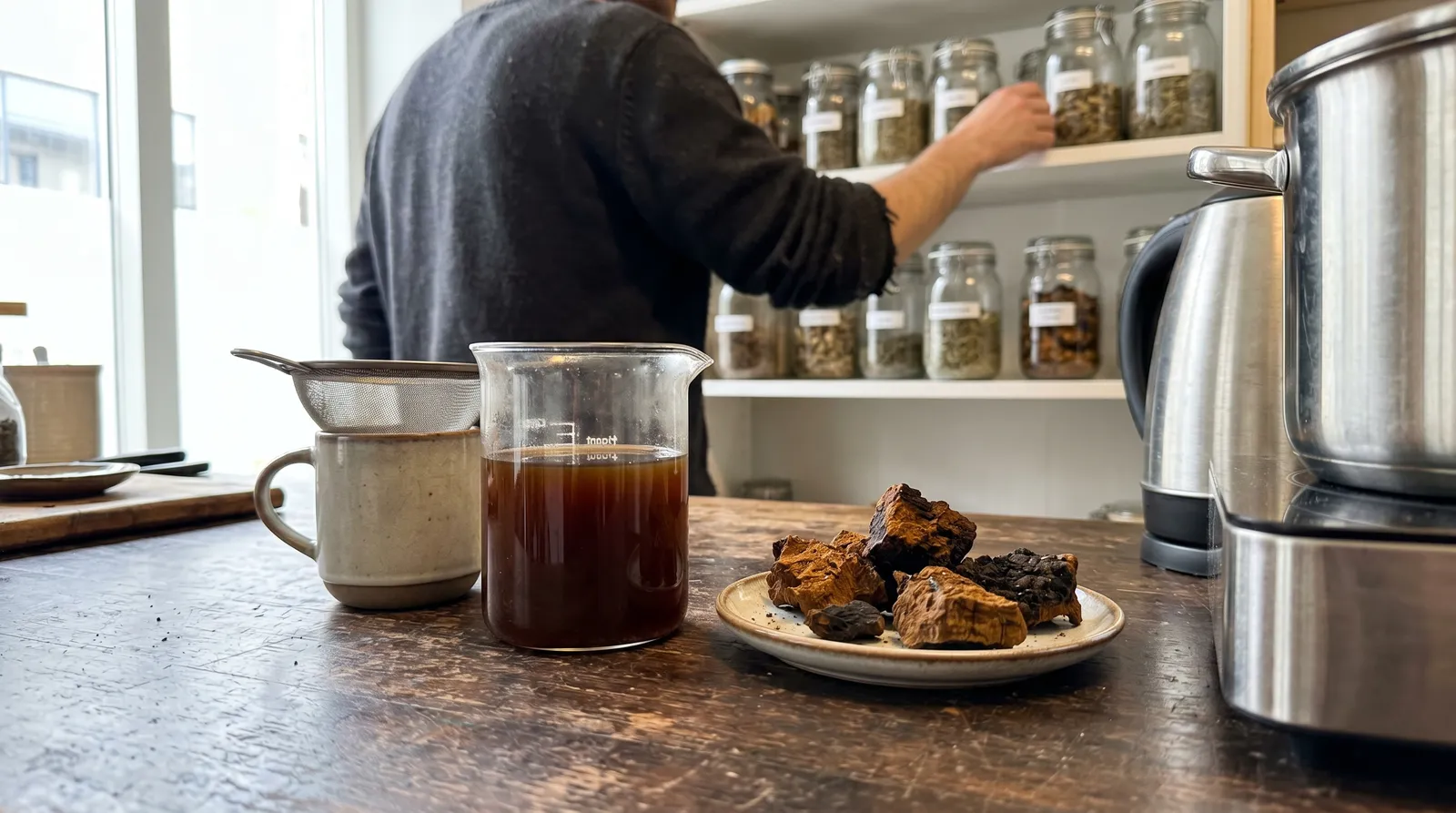
Brewed chaga tea keeps in the fridge for up to 3 days in a sealed glass jar. Beyond that, microbial growth becomes a real concern — there's no preservative in this brew. You can also freeze it in ice cube trays for longer storage. Pop a couple of cubes into hot water when you want a quick cup, or toss them into smoothies.
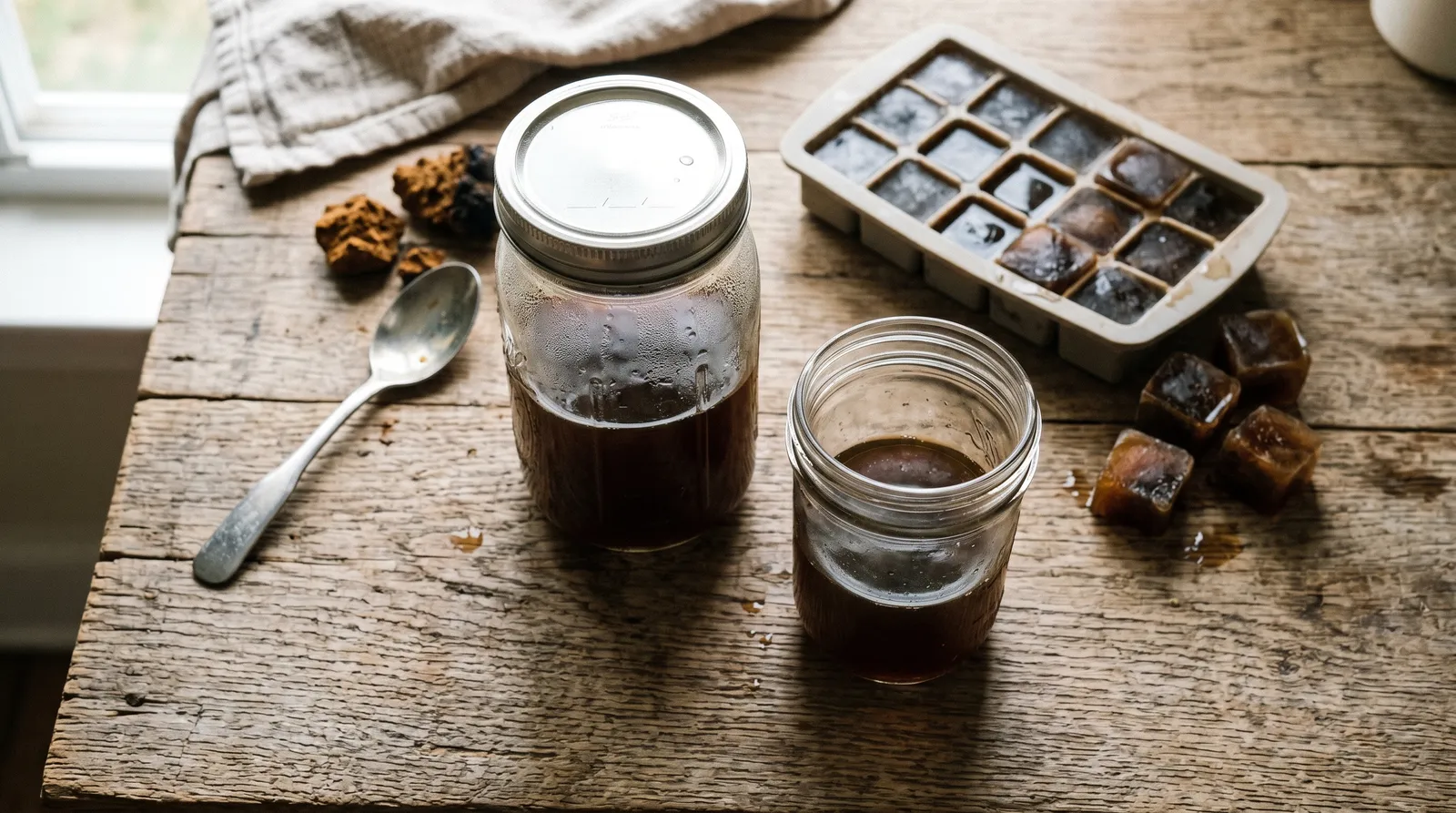
Dry, unbrewed chaga — whether chunks or powder — stores well for 12+ months in a cool, dark, dry place. Airtight containers work best. Moisture is the enemy: any dampness and you'll get mould, and mouldy chaga goes in the bin, no exceptions.
Chaga Tea vs. Reishi Tea: How They Compare
Chaga tea and reishi tea are the two most popular medicinal mushroom brews, but they differ in flavour, preparation, and compound profile. Reishi (Ganoderma lucidum) produces a noticeably more bitter brew — genuinely unpleasant to some palates — while chaga tea is milder and more approachable. Reishi is a true fruiting body and breaks down faster in hot water, typically needing only 30–60 minutes of simmering even for sliced pieces. Chaga's sclerotial density demands longer extraction. On the chemistry side, reishi is richer in ganoderic acids (a class of triterpenoids), while chaga leads in melanin content and betulinic acid derivatives. If you want to explore both, Azarius carries reishi extract alongside chaga in the functional mushroom range — many customers order both and alternate week by week.

Common Mistakes and How To Avoid Them
The most frequent mistake when brewing chaga tea is using a rolling boil instead of a gentle simmer. Here are the errors we see most often:

- Boiling hard. A rolling boil doesn't extract more — it degrades heat-sensitive compounds and evaporates your water. Gentle simmer, lid on.
- Too little time. Steeping chunks for 10 minutes like a teabag does almost nothing. The sclerotial tissue is incredibly dense. You need sustained heat to break it open. If you're short on time, use powder.
- Using too little chaga. A single small chunk in a full kettle produces birch-tinted water, not tea. Use the ratios above as a baseline and adjust upward if needed.
- Storing wet chunks in a sealed bag. This creates a mould incubator. Always dry chunks fully between uses and store with airflow.
- Expecting instant effects. Chaga is traditionally used as a long-term tonic, consumed daily over weeks or months. A single cup won't produce a noticeable shift in anything. According to Shashkina et al. (2006), traditional Siberian use involved daily consumption over extended periods, sometimes months at a time.
What About Dual Extraction?
Dual extraction combines hot water and alcohol to capture compound classes that neither solvent gets alone. Hot water extracts polysaccharides (mainly beta-glucans), while alcohol extracts triterpenoids like betulinic acid and inotodiol. A 2015 review by Zheng et al. noted that the triterpenoid fraction of Inonotus obliquus showed distinct bioactivity compared to the polysaccharide fraction, suggesting that water extraction alone doesn't capture the full chemical profile (Zheng et al., 2015).
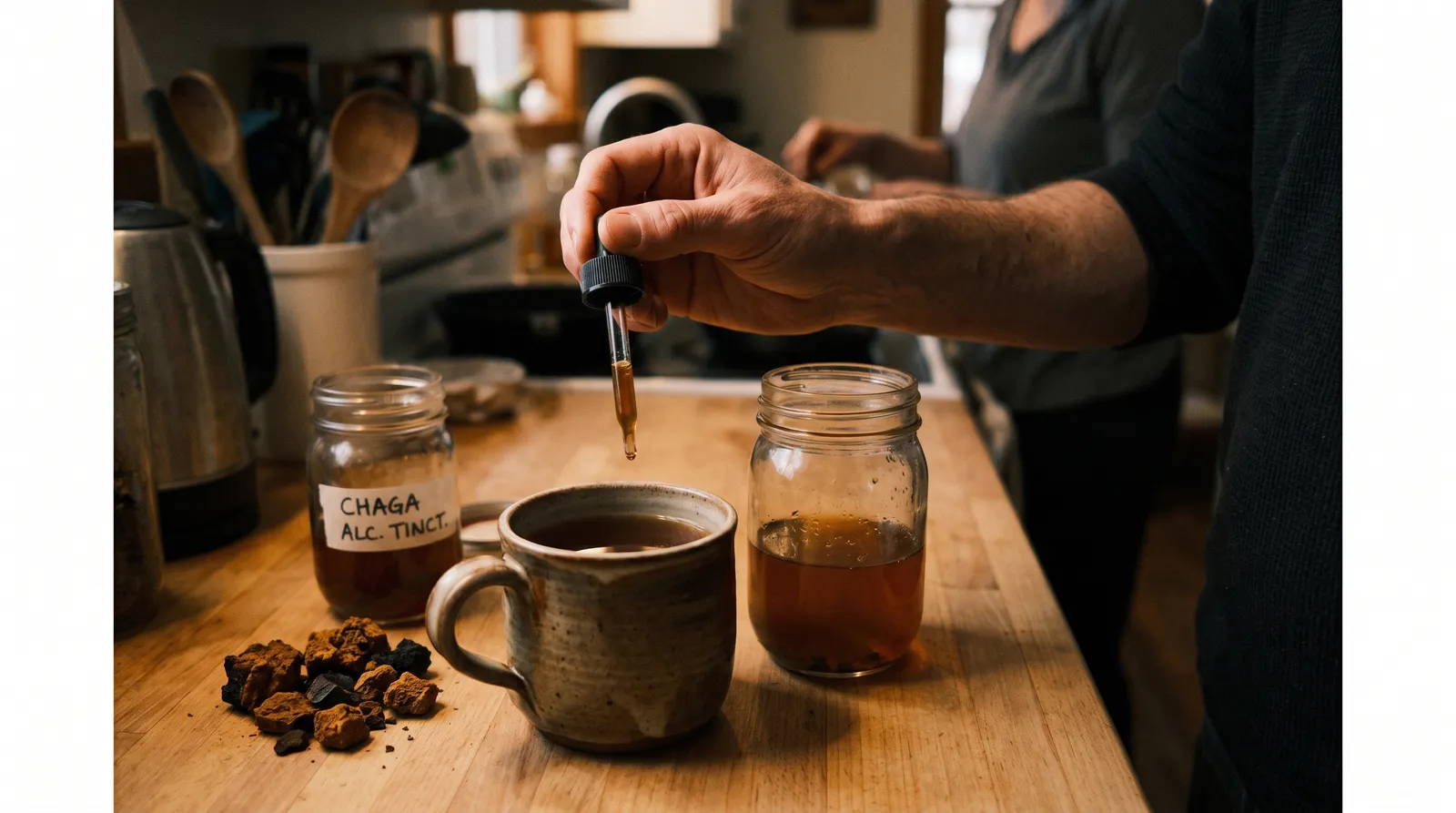
For tea purposes, though, you're doing a water extraction — and that's fine. Most traditional use is water-based. If you want the triterpenoid fraction too, that's a separate project involving high-proof ethanol and weeks of maceration, which is covered in more detail in the Azarius wiki article on chaga preparation methods. Alternatively, you can buy a ready-made dual-extract chaga tincture from the Azarius smartshop if you'd rather skip the DIY route.
Water vs. Dual Extraction at a Glance
| Method | Compounds Extracted | Time Required | Difficulty |
|---|---|---|---|
| Water only (tea) | Beta-glucans, melanin, some phenolics | 30 min – 3 hours | Easy |
| Dual (water + alcohol) | All above + betulinic acid, inotodiol, triterpenoids | Weeks (maceration phase) | Intermediate |
A Note on Safety
Chaga tea is generally well-tolerated at the amounts described above, but two specific interactions deserve attention. Chaga contains compounds that may lower blood sugar — a 2017 animal study by Wang et al. observed hypoglycaemic effects in diabetic mice — so if you're on insulin or oral diabetes medication, the combination could push blood glucose lower than expected. Chaga also contains oxalates in significant concentrations; a 2014 case report documented oxalate nephropathy in a patient consuming large daily amounts of chaga powder over several months (Kikuchi et al., 2014). If you have a history of kidney stones or kidney disease, this is worth discussing with a doctor. The EMCDDA does not currently list chaga among monitored substances, but no EU-wide health claim has been approved for it either. For a complete overview of contraindications and medication interactions, see the dedicated chaga safety and interactions article on the Azarius wiki.

What We Don't Know Yet
Most research on chaga's bioactive compounds comes from in-vitro or animal studies — not human clinical trials. We sell chaga and we brew it daily, but we'd be dishonest if we pretended the science is settled. There are no large-scale randomised controlled trials confirming specific health outcomes from drinking chaga tea in humans. The traditional evidence from Siberian and Finnish use is compelling and spans centuries, but tradition isn't the same as clinical proof. We think chaga tea is worth exploring, and we drink it ourselves, but we won't overstate what current research actually supports.
Last updated: April 2026
Frequently Asked Questions
10 questionsHow many times can you reuse chaga chunks for tea?
What does chaga tea taste like?
Can you boil chaga or does it destroy the compounds?
How long does brewed chaga tea last in the fridge?
Is chaga tea safe for people with diabetes?
What is the difference between chaga tea and dual extraction?
How much chaga should you use per cup of tea?
Should you cold-soak chaga before brewing?
Can you drink chaga tea on an empty stomach?
Should chaga tea be strained before drinking?
About this article


Joshua Askew serves as Editorial Director for Azarius wiki content. He is Managing Director at Yuqo, a content agency specialising in cannabis, psychedelics and ethnobotanical editorial work across multiple languages. Th
This wiki article was drafted with AI assistance and reviewed by Joshua Askew, Managing Director at Yuqo. Editorial oversight by Adam Parsons.
Medical disclaimer. This content is for informational purposes only and does not constitute medical advice. Consult a qualified healthcare provider before use of any substance.
Last reviewed April 19, 2026
References (5)
- [1]Glamočlija, J. et al. (2015). Chemical characterization and biological activity of Chaga (Inonotus obliquus), a medicinal "mushroom." Journal of Ethnopharmacology, 162, 323–332.
- [2]Kikuchi, Y. et al. (2014). Oxalate nephropathy caused by daily intake of Inonotus obliquus (chaga mushroom). Clinical Nephrology, 81(6), 440–444.
- [3]Shashkina, M.Y. et al. (2006). Chemical and medicobiological properties of chaga (review). Pharmaceutical Chemistry Journal, 40(10), 560–568.
- [4]Wang, J. et al. (2017). Hypoglycaemic activity of polysaccharides from Inonotus obliquus in streptozotocin-induced diabetic mice. International Journal of Biological Macromolecules, 96, 565–572.
- [5]Zheng, W. et al. (2015). Chemical diversity of biologically active metabolites in the sclerotia of Inonotus obliquus. Mycological Progress, 14(3), 1–11.
Related Articles
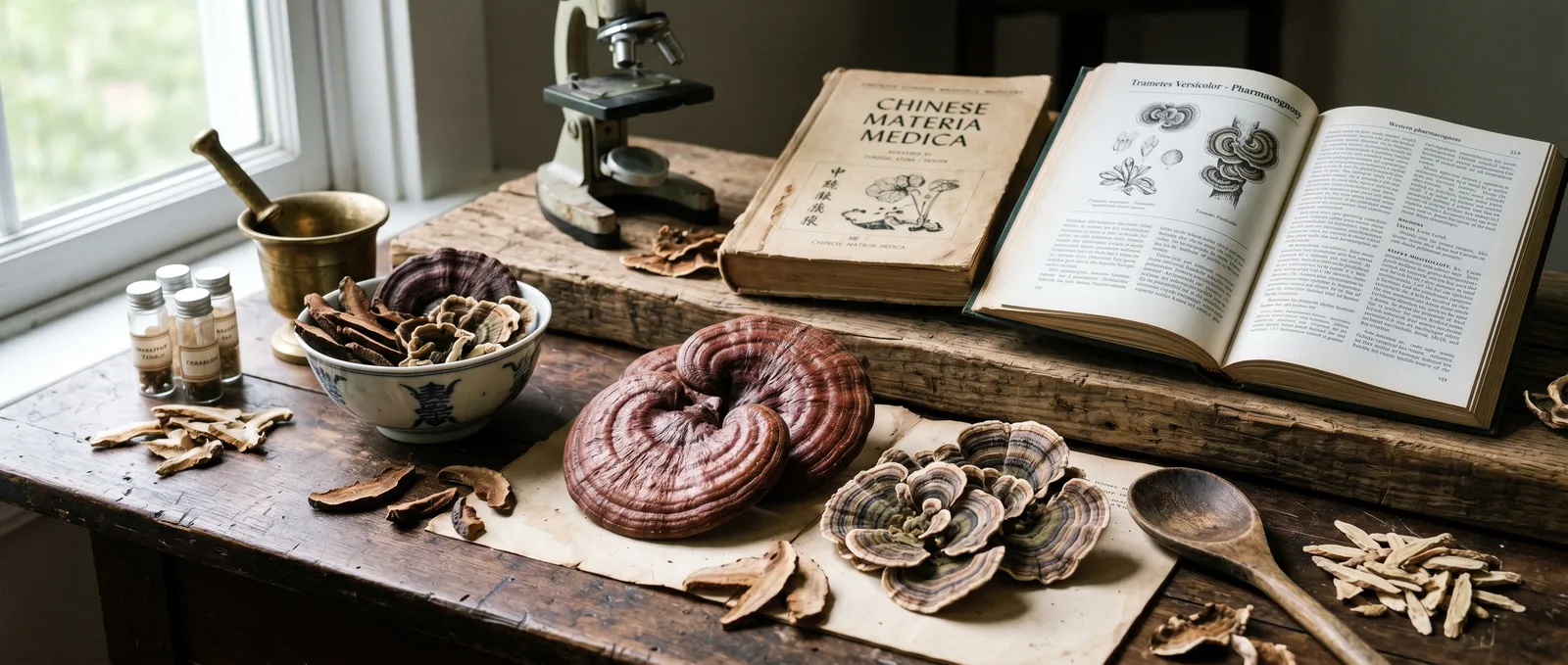
Medicinal Mushrooms TCM Western Pharmacognosy Guide
Guide to medicinal mushrooms TCM Western pharmacognosy — how reishi, lion's mane, cordyceps are classified, extracted, and studied.
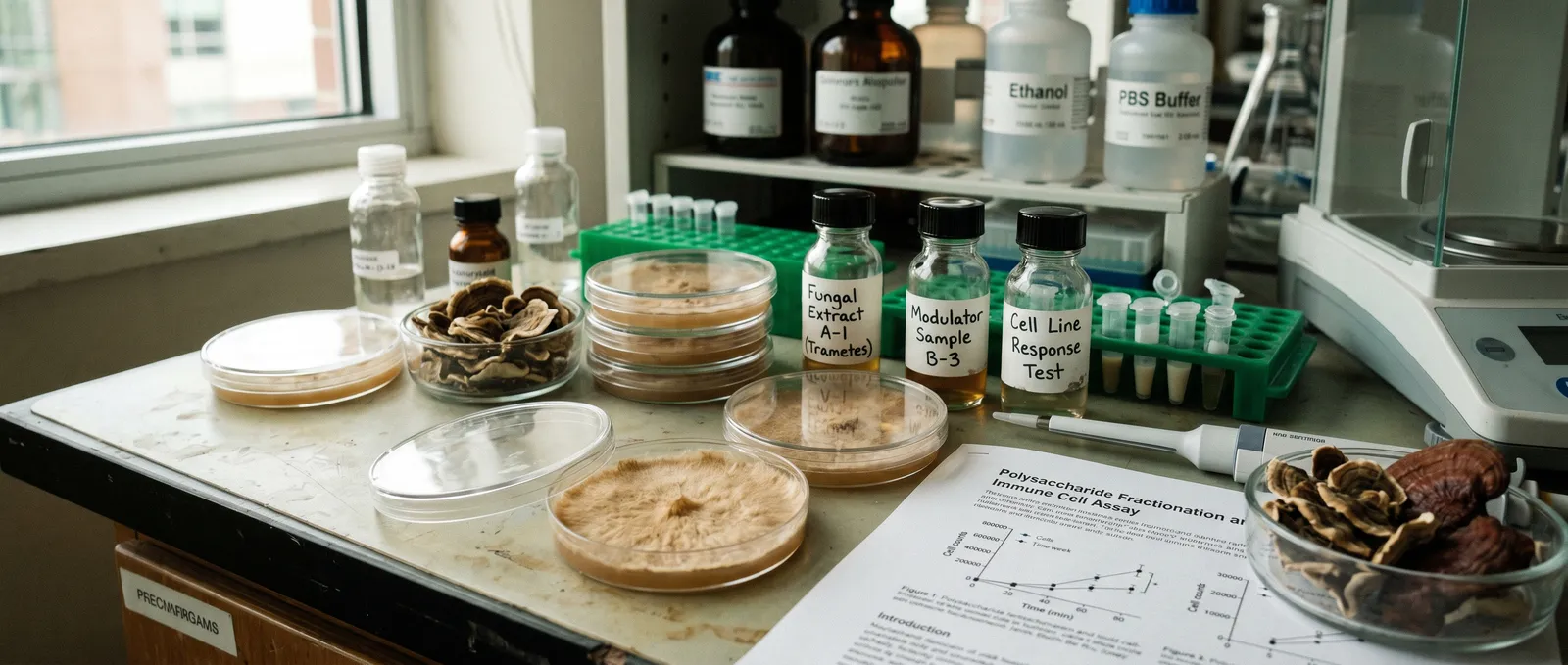
Research on Immune Modulation by Functional Mushrooms
What does research on immune modulation by functional mushrooms actually show? Beta-glucans, Dectin-1 signalling, human trials, and the honest gap...
Allergic Reactions & Mushroom Sensitivities
Understand allergic reactions and mushroom sensitivities: mould cross-reactivity, shiitake dermatitis, species-specific risks, and safer product…
Turkey Tail Trametes versicolor — Buy Supplements
Buy turkey tail Trametes versicolor supplements at Azarius. PSK and PSP evidence, beta-glucan dosage, extraction methods, and safety.
Triterpenes In Medicinal Mushrooms
Triterpenes in medicinal mushrooms are a class of 30-carbon terpenoid compounds produced as secondary metabolites by several functional mushroom species…
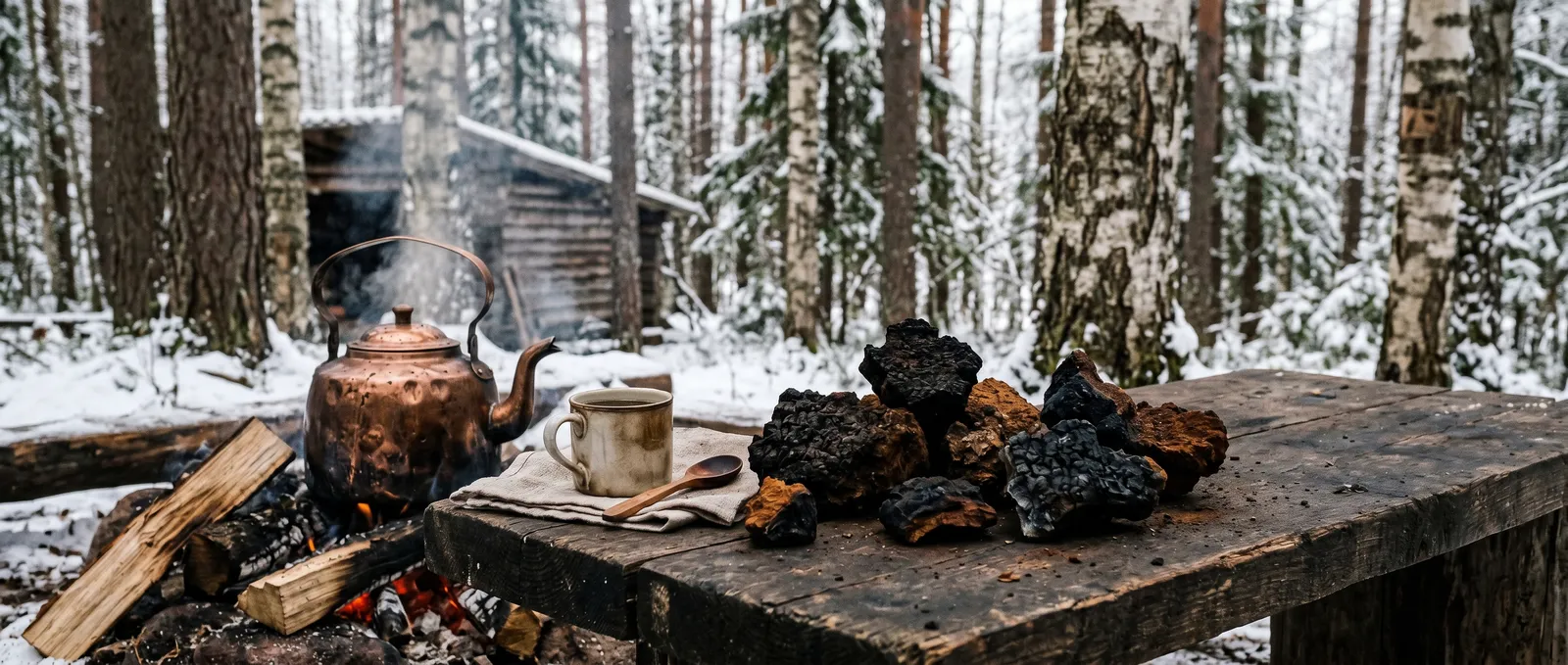
Chaga Siberian Nordic Folk Use
Chaga Siberian Nordic folk use is a centuries-old tradition in which indigenous Siberians and Nordic communities brewed the birch-parasitising fungus…
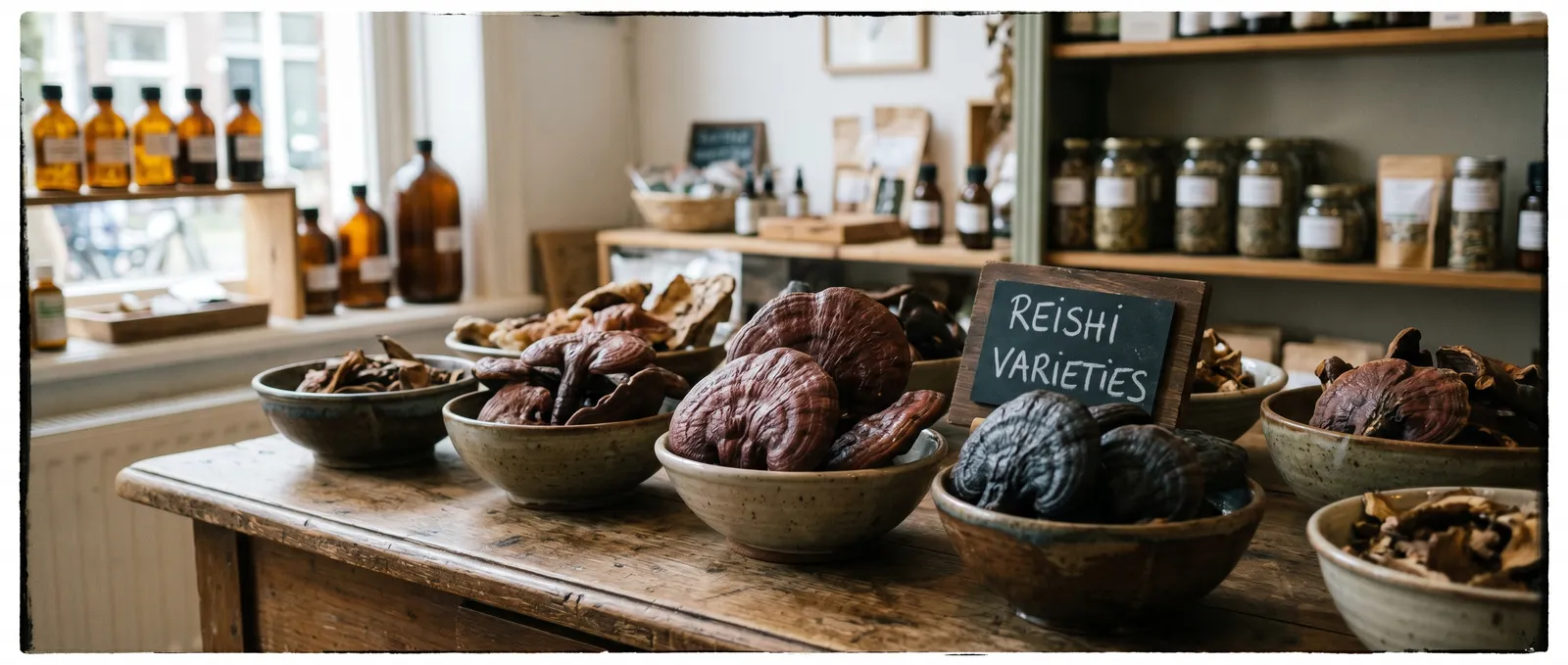
Red and Black Reishi Varieties
Red reishi (Ganoderma lucidum) and black reishi (Ganoderma sinense) both fall under the lingzhi umbrella in traditional Chinese medicine, but they differ in…
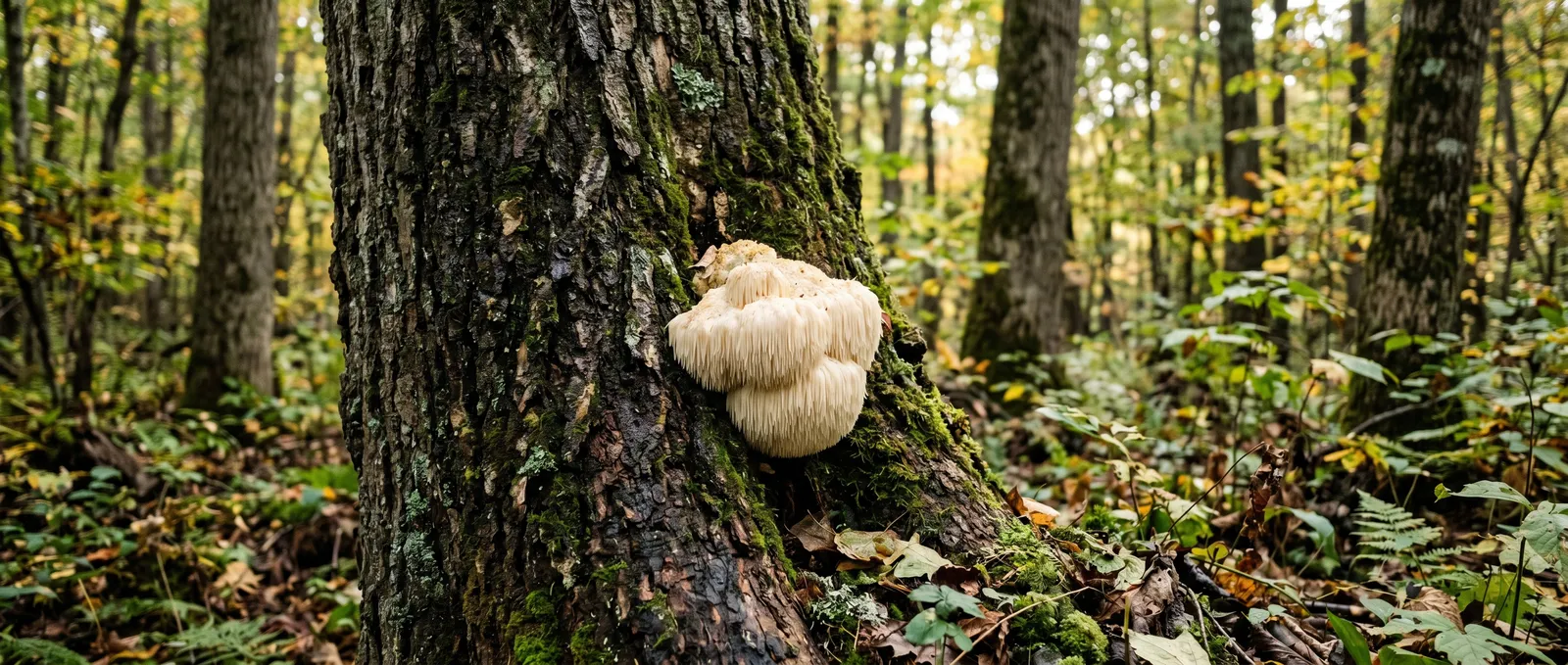
Lion's Mane Identification & Habitat
Hericium erinaceus is a tooth fungus that fruits as a single white, spine-covered mass on wounded or dead hardwood trees.
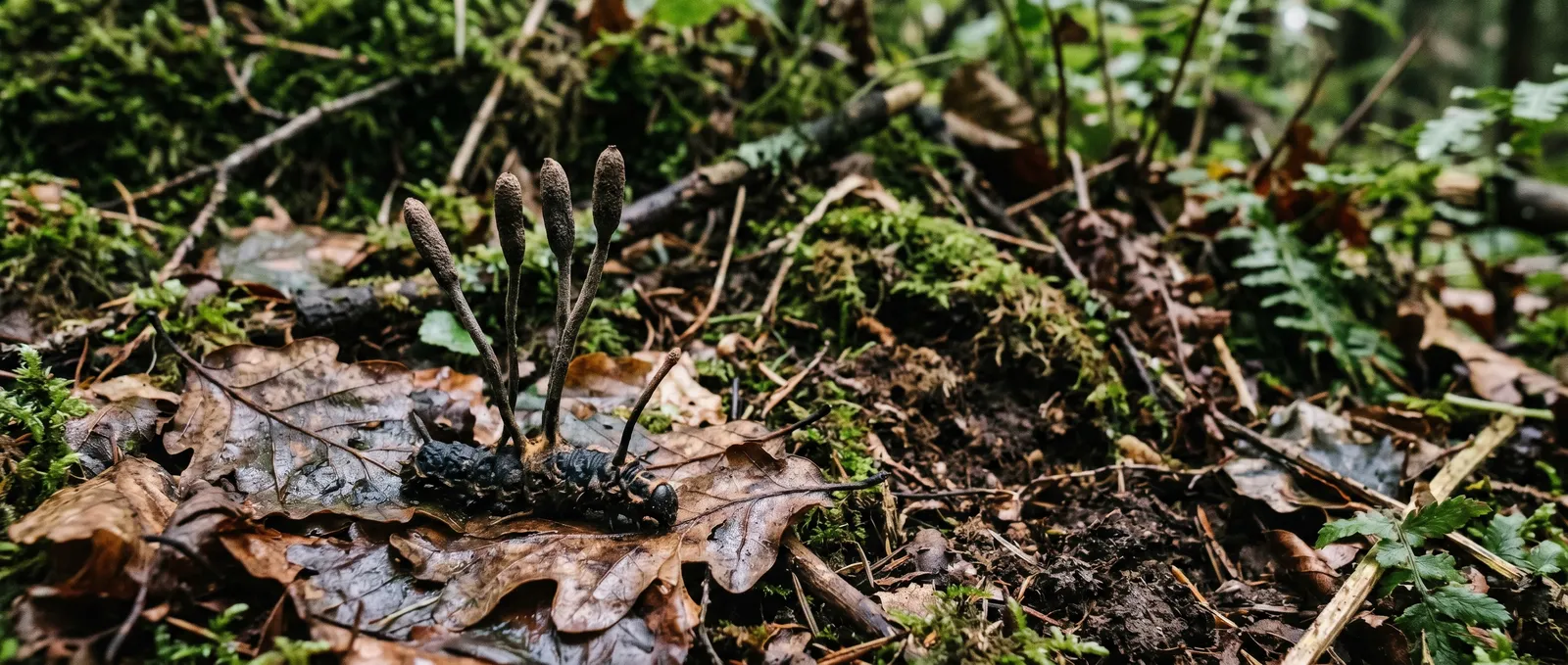
Cordyceps Lifecycle
The cordyceps lifecycle is a parasitic biological sequence in which a fungus infects an insect host, colonises its body from within, and erupts as a…