
Chaga and the Birch Tree Connection
Definition
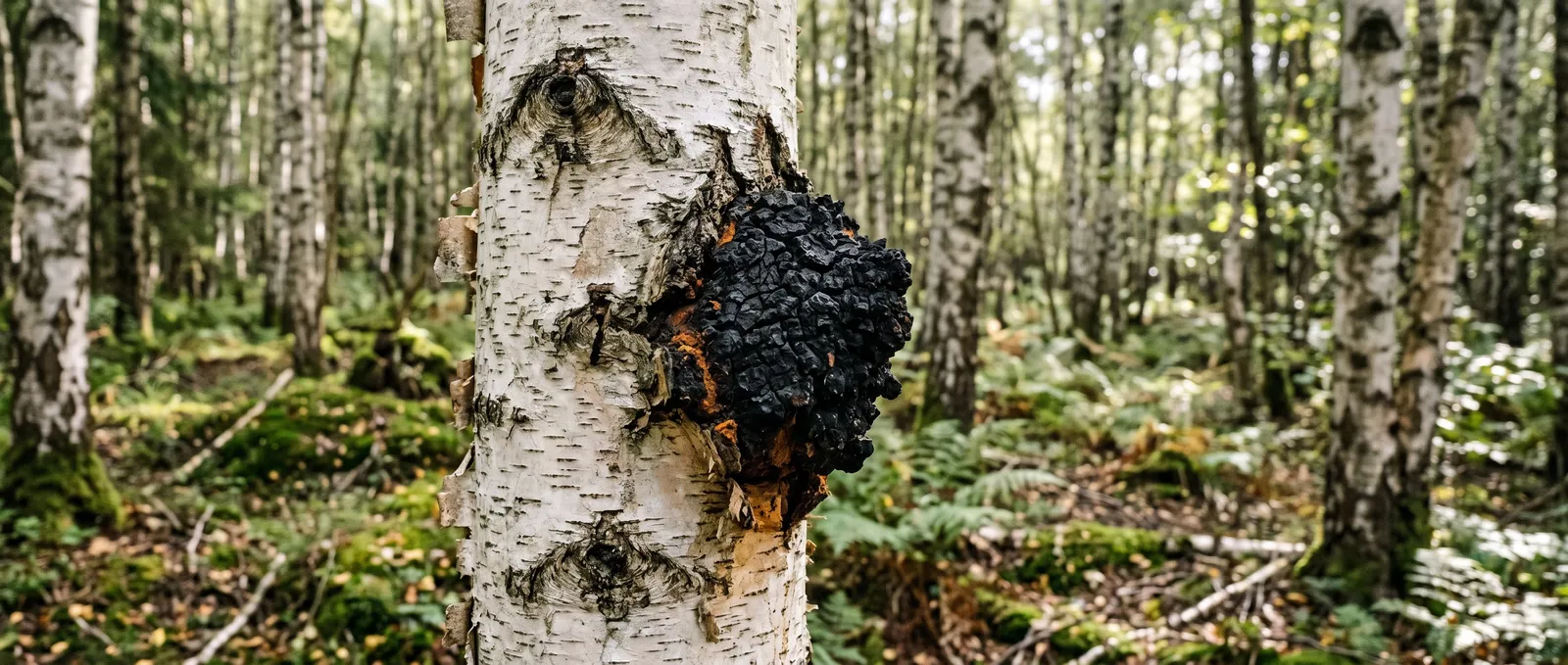
Chaga (Inonotus obliquus) depends on living birch trees for its most studied compounds, including betulinic acid and melanin. Without the parasitic relationship with birch, the fungal conk lacks the triterpene and antioxidant profile found in wild specimens (Shin et al., 2011). This chaga birch tree connection makes it one of mycology's clearest examples of substrate-dependent chemistry.
The chaga birch tree connection is fundamental to understanding why this fungus produces the compounds people seek. Chaga (Inonotus obliquus) isn't just a fungus that happens to grow on birch trees — the birch tree is the entire reason chaga contains most of the compounds people care about. Without that parasitic relationship with a living birch, chaga is a fundamentally different organism in terms of chemical composition. This article is written for adults interested in the biology and practical implications of that connection. Below, we'll walk through what actually happens between fungus and tree, why the chaga birch tree connection matters for the stuff you might buy or order, and where the science stands.
This article is for informational purposes only and does not constitute medical advice. Chaga products are not intended to diagnose, treat, cure, or prevent any disease. If you are taking medication — particularly anticoagulants — or have a medical condition, consult a qualified healthcare professional before using chaga. The research cited below is primarily based on in-vitro and animal studies; clinical evidence in humans remains limited.
What is chaga, exactly — a mushroom?
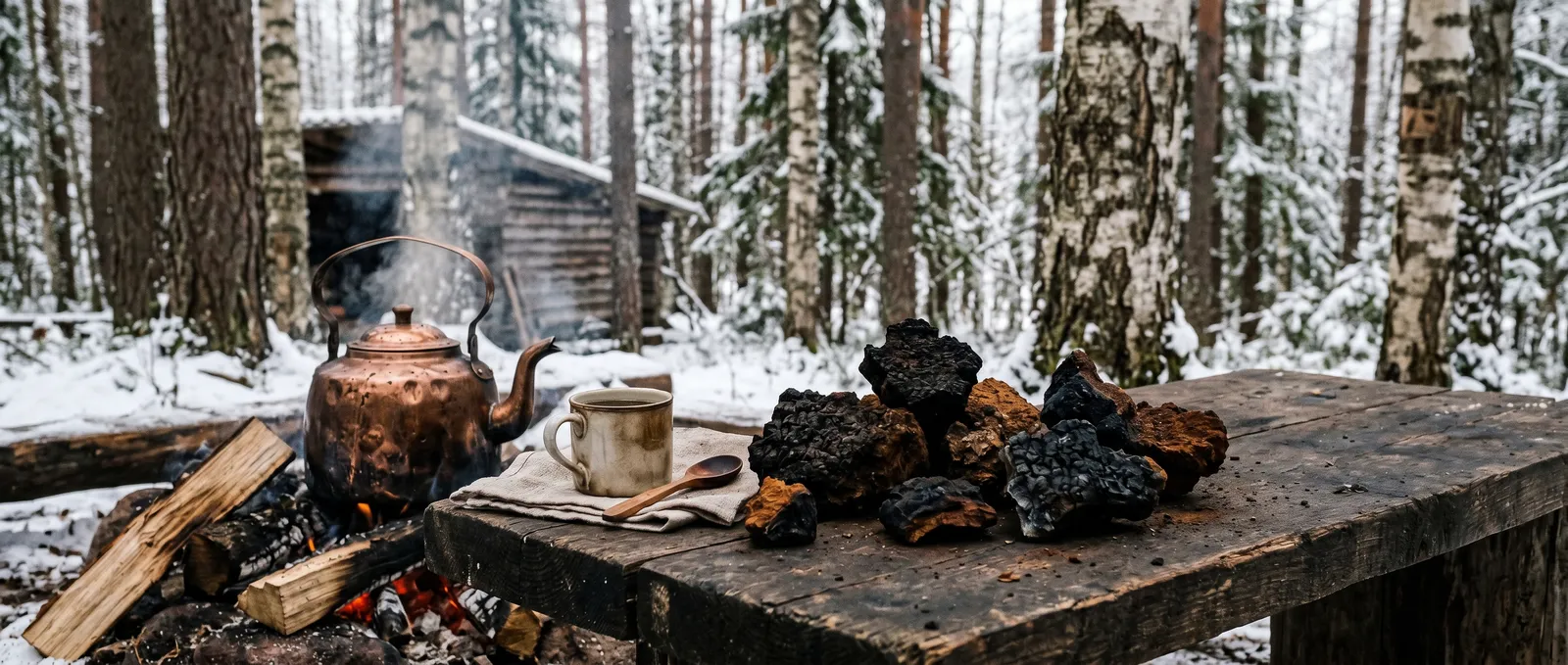
Chaga is not technically a mushroom but a sclerotium — a dense clump of fungal mycelium and wood tissue called a conk. The dark, cracked mass you see bulging from the side of a birch trunk is not a fruiting body the way a cap-and-stem mushroom is. The actual fruiting body of Inonotus obliquus rarely appears until after the host tree dies, and it looks nothing like the conk: a flat, resupinate crust hidden under bark. So when people say "chaga mushroom," they're talking about the sterile conk, which is the part traditionally harvested and the part that accumulates bioactive compounds from the birch.
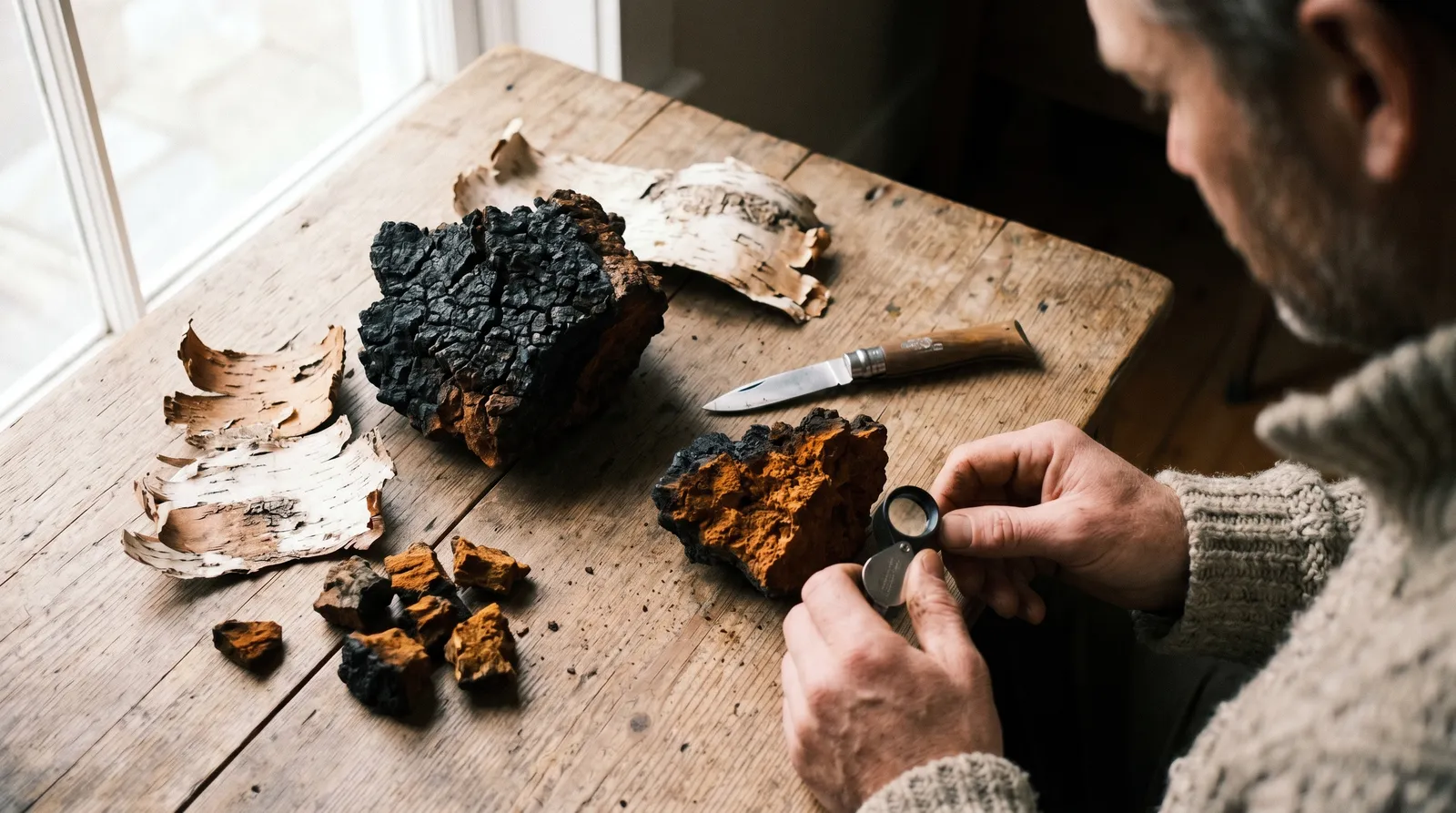
Chaga grows almost exclusively on birch species — primarily Betula pendula (silver birch) and Betula pubescens (downy birch) in northern Europe, and Betula papyrifera (paper birch) in North America. It occasionally appears on alder, beech, or elm, but these specimens are chemically distinct and rarely collected. According to Glamočlija et al. (2015), the host tree species significantly influences the metabolite profile of the conk, meaning chaga from a non-birch host is not the same product. The chaga birch tree connection, in other words, begins at the species level.
Why does the birch host matter so much chemically?
The birch host matters because several of chaga's most studied compounds don't originate from the fungus at all — they come from the birch tree, or they're produced by the fungus specifically in response to birch chemistry. This is the core of the chaga birch tree connection.
Betulin and betulinic acid are the headline examples. Betulin is a triterpene found in birch bark — it's literally what makes birch bark white. The fungus absorbs betulin from its host and enzymatically converts a portion of it into betulinic acid. A 2011 analysis by Shin et al. found that betulinic acid concentrations in wild birch-grown chaga ranged from 1.5 to 6.2 mg/g of dry weight, while lab-cultured mycelium grown on grain substrates contained either trace amounts or none at all (Shin et al., 2011). Betulinic acid has been studied for its cytotoxic properties against certain cancer cell lines in vitro — though translating petri dish results to human health is a long road, and no clinical trials have confirmed anti-cancer effects in humans.
Melanin is another birch-dependent compound. The dark outer layer of the chaga conk is packed with melanin complexes, which contribute to the antioxidant activity measured in ORAC assays. This melanin forms as part of the fungal response to the host tree's defence mechanisms. Lab-grown chaga on rice or oat substrates doesn't produce the same melanin-rich exterior, because there's no immune battle happening between fungus and tree.
Polysaccharides and beta-glucans are present in both wild and cultivated forms, but their structural profiles differ. Zheng et al. (2010) reported that polysaccharides extracted from wild birch-grown chaga showed stronger immunomodulatory activity in murine splenocyte assays than those from cultured mycelium, though the mechanisms behind this difference aren't fully resolved.
What happens biologically between chaga and the birch tree?
Chaga is a parasitic white rot fungus that enters birch trees through wounds — a broken branch, bark damage from frost or insects — and colonises the heartwood. Over years (typically 5 to 20), the mycelium breaks down lignin and cellulose in the wood while simultaneously forming the sclerotium on the exterior of the trunk. The conk grows slowly, sometimes reaching 30–40 cm across, and the tree mounts a continuous defence response involving phenolic compounds and reactive oxygen species.
This ongoing chemical warfare is precisely what makes wild chaga interesting and reinforces the chaga birch tree connection at a biochemical level. The fungus produces antioxidant compounds — superoxide dismutase (SOD), melanin, polyphenols — partly to protect itself from the tree's defences. Remove the tree from the equation, and you remove the stimulus for much of that chemistry. It's a bit like expecting calluses to form on hands that never grip anything.
The infection eventually kills the tree. A single chaga conk can persist for decades, but the birch typically dies within 20–80 years of initial colonisation, depending on the tree's vigour and the extent of heartwood decay.
Does cultivated chaga contain the same compounds as wild?
No — lab-grown chaga mycelium is a categorically different product from wild birch-grown chaga. Cultivated mycelium (typically cultured on grain, rice, or liquid media) produces some of the same beta-glucans and polysaccharides, but it lacks the birch-derived triterpenes — betulin, betulinic acid, and inotodiol concentrations are dramatically lower or absent. A comparative study by Zheng et al. (2010) found that wild chaga extracts had 2–5 times higher total phenolic content and correspondingly higher antioxidant activity than cultured mycelium extracts.
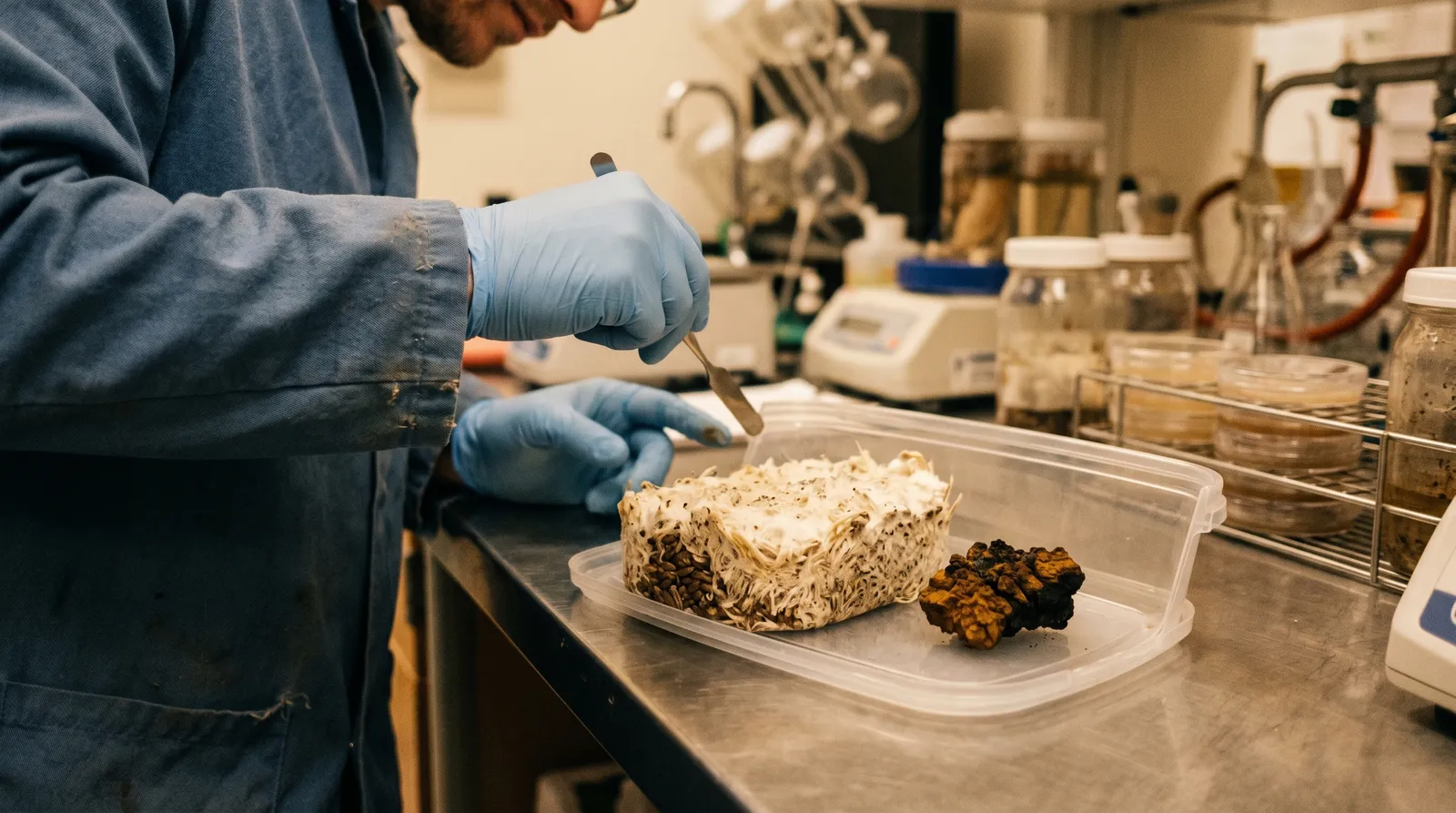
This doesn't mean cultivated chaga is worthless — it contains fungal polysaccharides that may have immunomodulatory properties. But it is a categorically different product. If a supplement label says "chaga mycelium" or "chaga mycelial biomass" without specifying wild harvest from birch, the triterpene profile will be minimal. Some products blend cultivated mycelium with ground-up grain substrate, which dilutes the fungal compounds even further — a 2017 analysis by Realmushrooms found that some commercial "chaga" products contained over 60% starch from the grain substrate.
The practical takeaway: if betulinic acid and melanin content matter to you, wild-harvested birch-grown chaga is what the traditional use and the in-vitro research are based on. Cultivated mycelium is a different thing with a different chemical fingerprint. When you buy chaga or order chaga products, always check whether the label specifies wild birch-grown origin.
Comparing chaga product forms: chunks, powder, and extract
Wild birch-grown chaga is available in several forms, each with trade-offs worth understanding before you get any chaga product. The table below summarises the key differences:
| Form | Betulinic acid retention | Melanin intact | Ease of preparation | Shelf life |
|---|---|---|---|---|
| Raw chunks | High (unprocessed) | Yes — outer layer visible | Requires simmering 30–60 min | 2+ years if kept dry |
| Ground powder | Moderate (some oxidation) | Partially — mixed with inner tissue | Steeps faster, 10–20 min | 12–18 months |
| Dual extract (water + alcohol) | High (alcohol extracts triterpenes) | Reduced — melanin less soluble | Ready to use | 1–2 years |
| Water extract only | Low (triterpenes not water-soluble) | Partially dissolved | Ready to use | 1–2 years |
| Cultivated mycelium powder | Negligible or absent | No | Ready to use | 12–18 months |
If the chaga birch tree connection and its triterpene chemistry are what you're after, dual extraction is the method that captures both the water-soluble polysaccharides and the alcohol-soluble triterpenes like betulinic acid. Water-only preparations miss the triterpenes almost entirely.
Is wild chaga being overharvested?
Yes, and this is a genuine concern backed by conservation monitoring. Chaga's popularity has surged over the past decade, and wild populations in accessible forests — particularly in Finland, Russia, and the northeastern United States — are under pressure. United Plant Savers listed Inonotus obliquus on their Species At-Risk list, noting that commercial demand is outpacing natural regeneration in several regions.
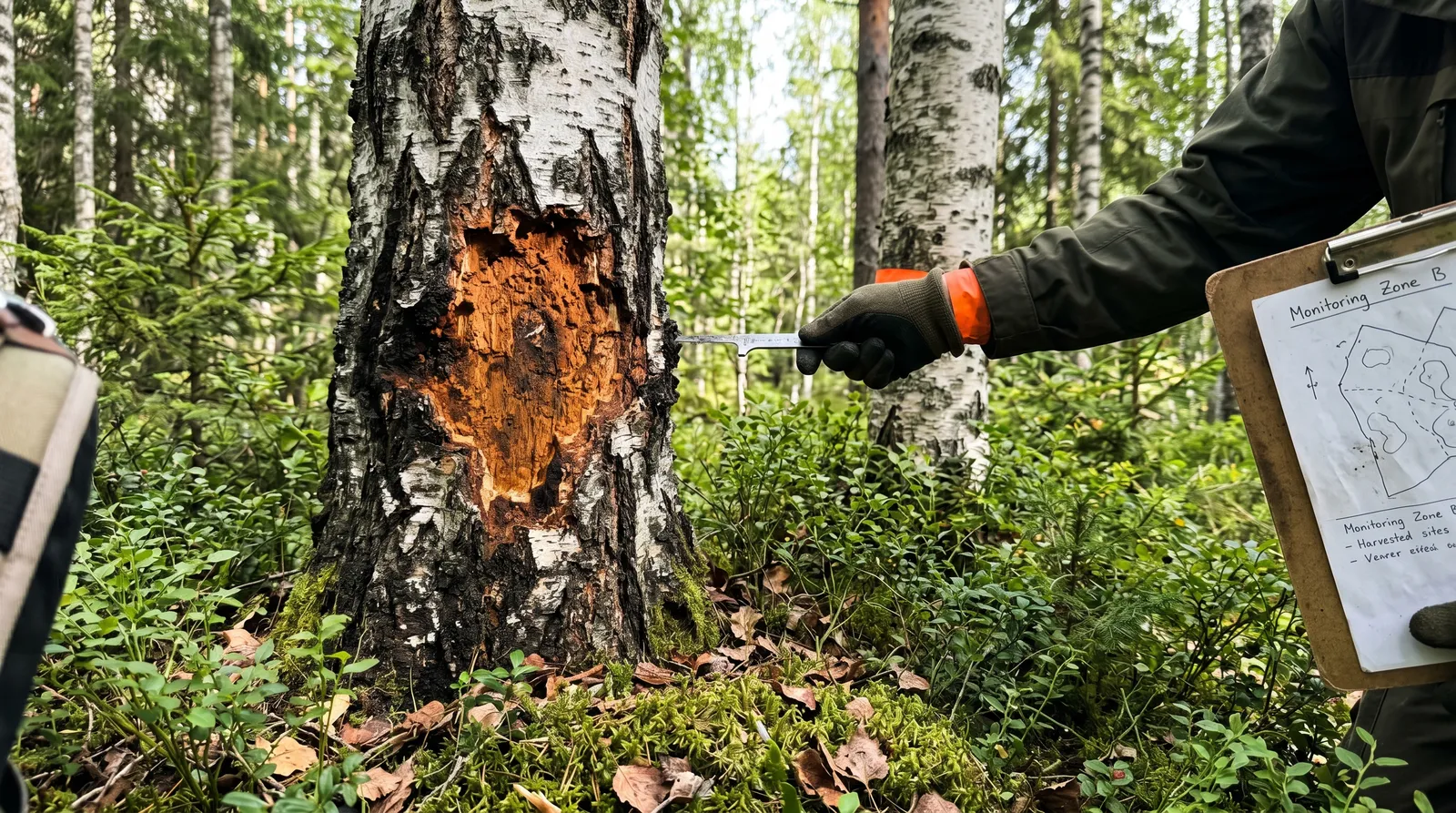
Chaga conks grow slowly. A harvestable conk takes a minimum of 3–5 years to develop, and the fungus needs mature birch forests (typically 40+ year-old trees) to colonise. Sustainable harvesting guidelines recommend leaving at least one-third of the conk attached to the tree so the fungus can continue growing, and never harvesting from dead or dying trees (the conk on a dead tree is already degrading and produces the spore-bearing fruiting body rather than the bioactive sclerotium).
The sustainability question creates a genuine tension: the very thing that makes chaga chemically interesting — its dependence on wild birch — also makes it impossible to scale through cultivation without losing the key compounds. There's no easy resolution here, and the research into "birch-substrate" cultivation methods (growing mycelium on birch wood chips or logs) is still early-stage, with limited data on whether the resulting metabolite profiles approach those of wild conks. The EMCDDA does not currently track chaga specifically, but broader EU novel food regulations increasingly affect how chaga products can be marketed and sold across European markets.
Can birch allergies affect chaga use?
Yes — people with confirmed birch pollen allergies should approach chaga with serious caution or avoid it entirely. Chaga absorbs compounds from birch, and people with confirmed birch pollen allergies (Betula sensitisation) risk cross-reactivity in any form — tea, tincture, or powder. This is because birch-derived proteins and compounds persist in the conk. This isn't a common allergy (affecting roughly 8–16% of the European population depending on region, according to the European Academy of Allergy and Clinical Immunology), but it's worth knowing about before you brew a pot of chaga tea and wonder why your mouth is tingling.
Beyond allergies, chaga extracts may interact with anticoagulant and antiplatelet medications due to compounds that affect blood clotting pathways. If this applies to you, the dedicated chaga safety and interactions article covers the specifics in more detail.
So what does all this mean if you're buying chaga?
Three practical considerations should guide any chaga purchase. First, the source tree matters — birch-grown or nothing, if you're after the compounds that traditional use and research are based on. Second, wild-harvested and cultivated are not interchangeable products, regardless of what the label implies. Third, sustainability is a real issue, and buying from suppliers who follow responsible harvesting practices (leaving partial conks, avoiding dead trees, sourcing from managed forests) is worth the effort.
We should be honest about what we don't know: most of the exciting research on betulinic acid, melanin, and polysaccharides comes from in-vitro or animal studies. Human clinical trials are essentially absent. The traditional use history — particularly in Siberian and Scandinavian folk medicine — is long, but folk use and clinical evidence are different things. Anyone who tells you chaga is a proven treatment for anything specific is ahead of the science.
The chaga birch tree connection is one of the clearest examples in mycology where the substrate isn't just a growing medium — it's a co-author of the chemistry. Take away the birch, and you've still got a fungus. You just don't have chaga in any meaningful sense.
How does chaga compare to other functional fungi?
Chaga is unique among popular functional fungi because of its absolute dependence on a specific host tree for its key compounds. Other widely used species like lion's mane (Hericium erinaceus), reishi (Ganoderma lucidum), and turkey tail (Trametes versicolor) can be cultivated on various substrates — hardwood sawdust, supplemented sawdust blocks — without losing their primary bioactive compounds. Lion's mane produces hericenones and erinacines on cultivated substrates quite effectively. Reishi produces ganoderic acids on logs and sawdust. Chaga, by contrast, simply cannot replicate its birch-derived triterpene profile outside of a living birch tree.
This makes chaga the most substrate-dependent functional fungus in common use, and it's the main reason wild-harvested chaga commands higher prices than cultivated alternatives. If you're exploring functional fungi more broadly, the Azarius mushroom and fungi category covers a range of species with different cultivation requirements and compound profiles.
Key compounds shaped by the chaga birch tree connection
The chaga birch tree connection produces a distinctive set of metabolites that no other fungal-host pairing replicates in quite the same way. Below is a summary of the primary compound classes, their origin, and what the current research suggests about their activity:
- Betulinic acid — derived from birch bark betulin; studied in vitro for cytotoxic activity against melanoma and other cell lines (Shin et al., 2011). Not present in cultivated mycelium.
- Inotodiol — a lanostane-type triterpenoid produced by the fungus during birch colonisation; concentrations are significantly higher in wild conks than cultured biomass.
- Melanin complexes — formed in the outer sclerotium during the fungal-tree immune response; responsible for the characteristic dark colour and a major contributor to measured antioxidant capacity.
- Beta-glucans (1→3, 1→6) — present in both wild and cultivated forms, but structural analysis shows differences in branching patterns that may affect biological activity (Zheng et al., 2010).
- Superoxide dismutase (SOD) — an antioxidant enzyme produced at elevated levels in wild chaga, likely as a defence against reactive oxygen species generated by the birch tree's immune response.
- Polyphenolic compounds — including hispidin derivatives; wild birch-grown chaga contains 2–5 times higher total phenolic content than cultured alternatives.
This compound list shows why the chaga birch tree connection isn't a marketing angle — it's a biochemical reality. If you order chaga products or buy chaga in any form, knowing which compounds require the birch host helps you evaluate what you're actually getting.
Last updated: April 2026
Frequently Asked Questions
10 questionsWhy does chaga only grow on birch trees?
Does lab-grown chaga contain betulinic acid?
Can you be allergic to chaga because of birch?
Is wild chaga being overharvested?
What is the dark outer layer of chaga made of?
What is the best way to buy chaga for maximum betulinic acid?
Is chaga from non-birch trees worth using?
Is chaga actually a mushroom or something else?
How long does chaga take to grow on a birch tree?
Does chaga eventually kill the birch tree it grows on?
About this article


Joshua Askew serves as Editorial Director for Azarius wiki content. He is Managing Director at Yuqo, a content agency specialising in cannabis, psychedelics and ethnobotanical editorial work across multiple languages. Th
This wiki article was drafted with AI assistance and reviewed by Joshua Askew, Managing Director at Yuqo. Editorial oversight by Adam Parsons.
Medical disclaimer. This content is for informational purposes only and does not constitute medical advice. Consult a qualified healthcare provider before use of any substance.
Last reviewed April 24, 2026
References (6)
- [1]Glamočlija, J., et al. (2015). Chemical characterisation and biological activity of chaga (Inonotus obliquus), a medicinal "mushroom." Journal of Ethnopharmacology, 162, 323–332.
- [2]Shin, Y., et al. (2011). Chemical constituents of Inonotus obliquus and their antitumor activities. Bioorganic & Medicinal Chemistry Letters, 21(1), 204–208.
- [3]Zheng, W., et al. (2010). Chemical diversity of biologically active metabolites in the sclerotia of Inonotus obliquus and submerged culture strategies for up-regulating their production. Applied Microbiology and Biotechnology, 87, 1237–1254.
- [4]European Monitoring Centre for Drugs and Drug Addiction (EMCDDA). European Drug Report series. Available at emcdda.europa.eu.
- [5]United Plant Savers. Species At-Risk List. unitedplantsavers.org.
- [6]European Academy of Allergy and Clinical Immunology (EAACI). Birch pollen allergy prevalence data.
Related Articles
Medicinal Mushrooms TCM Western Pharmacognosy Guide
Guide to medicinal mushrooms TCM Western pharmacognosy — how reishi, lion's mane, cordyceps are classified, extracted, and studied.
Research on Immune Modulation by Functional Mushrooms
What does research on immune modulation by functional mushrooms actually show? Beta-glucans, Dectin-1 signalling, human trials, and the honest gap...
Allergic Reactions & Mushroom Sensitivities
Understand allergic reactions and mushroom sensitivities: mould cross-reactivity, shiitake dermatitis, species-specific risks, and safer product…
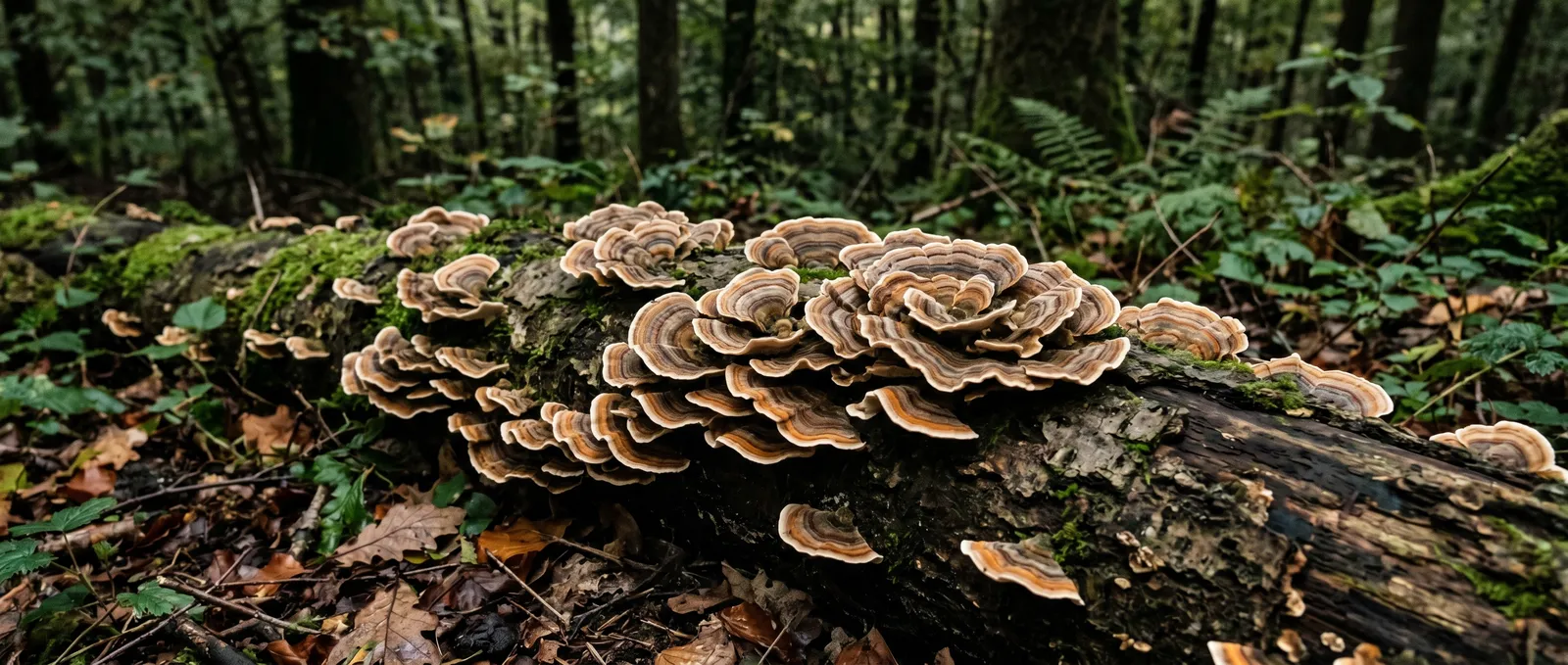
Turkey Tail Trametes versicolor — Buy Supplements
Buy turkey tail Trametes versicolor supplements at Azarius. PSK and PSP evidence, beta-glucan dosage, extraction methods, and safety.
Triterpenes In Medicinal Mushrooms
Triterpenes in medicinal mushrooms are a class of 30-carbon terpenoid compounds produced as secondary metabolites by several functional mushroom species…
Chaga Siberian Nordic Folk Use
Chaga Siberian Nordic folk use is a centuries-old tradition in which indigenous Siberians and Nordic communities brewed the birch-parasitising fungus…
Red and Black Reishi Varieties
Red reishi (Ganoderma lucidum) and black reishi (Ganoderma sinense) both fall under the lingzhi umbrella in traditional Chinese medicine, but they differ in…
Lion's Mane Identification & Habitat
Hericium erinaceus is a tooth fungus that fruits as a single white, spine-covered mass on wounded or dead hardwood trees.
Cordyceps Lifecycle
The cordyceps lifecycle is a parasitic biological sequence in which a fungus infects an insect host, colonises its body from within, and erupts as a…