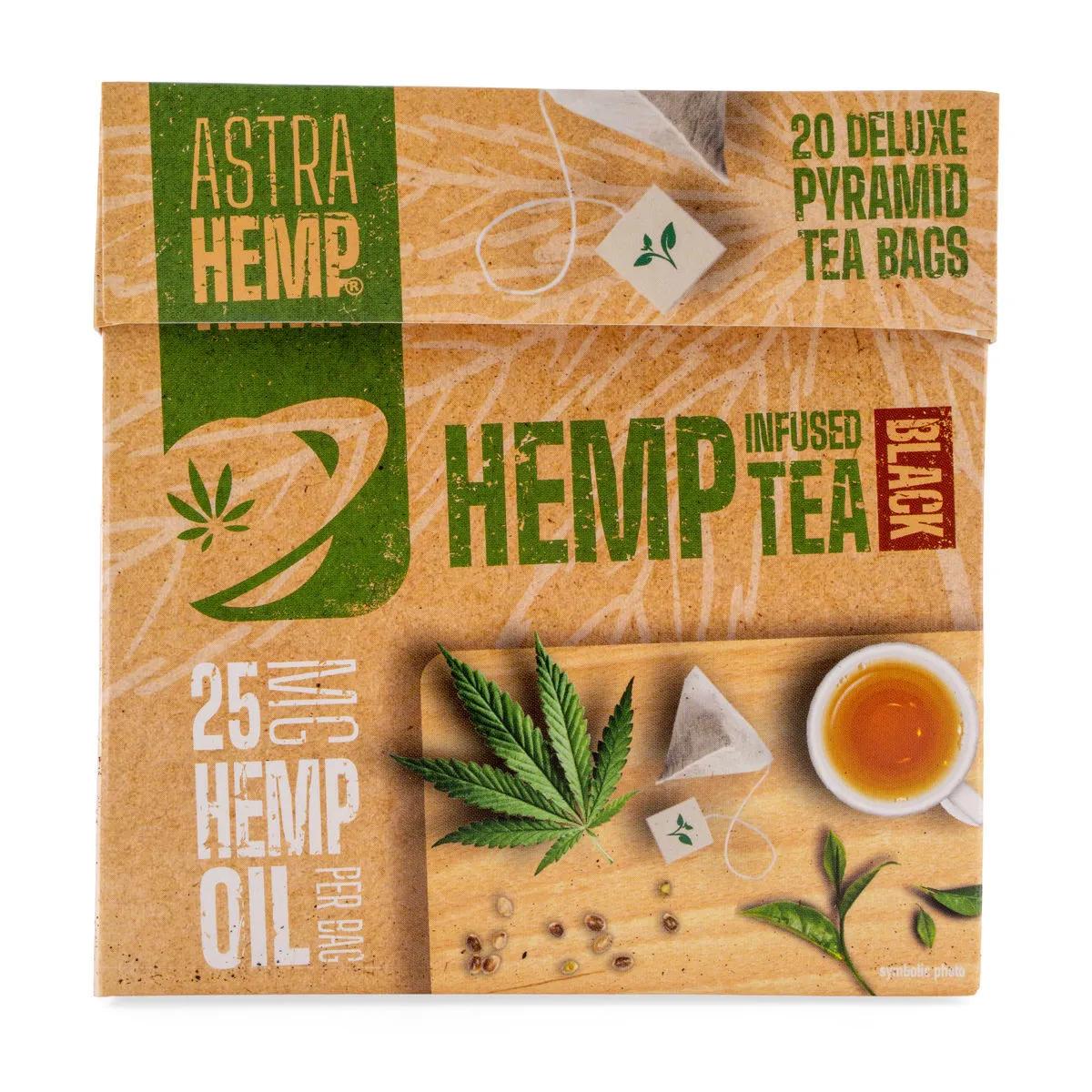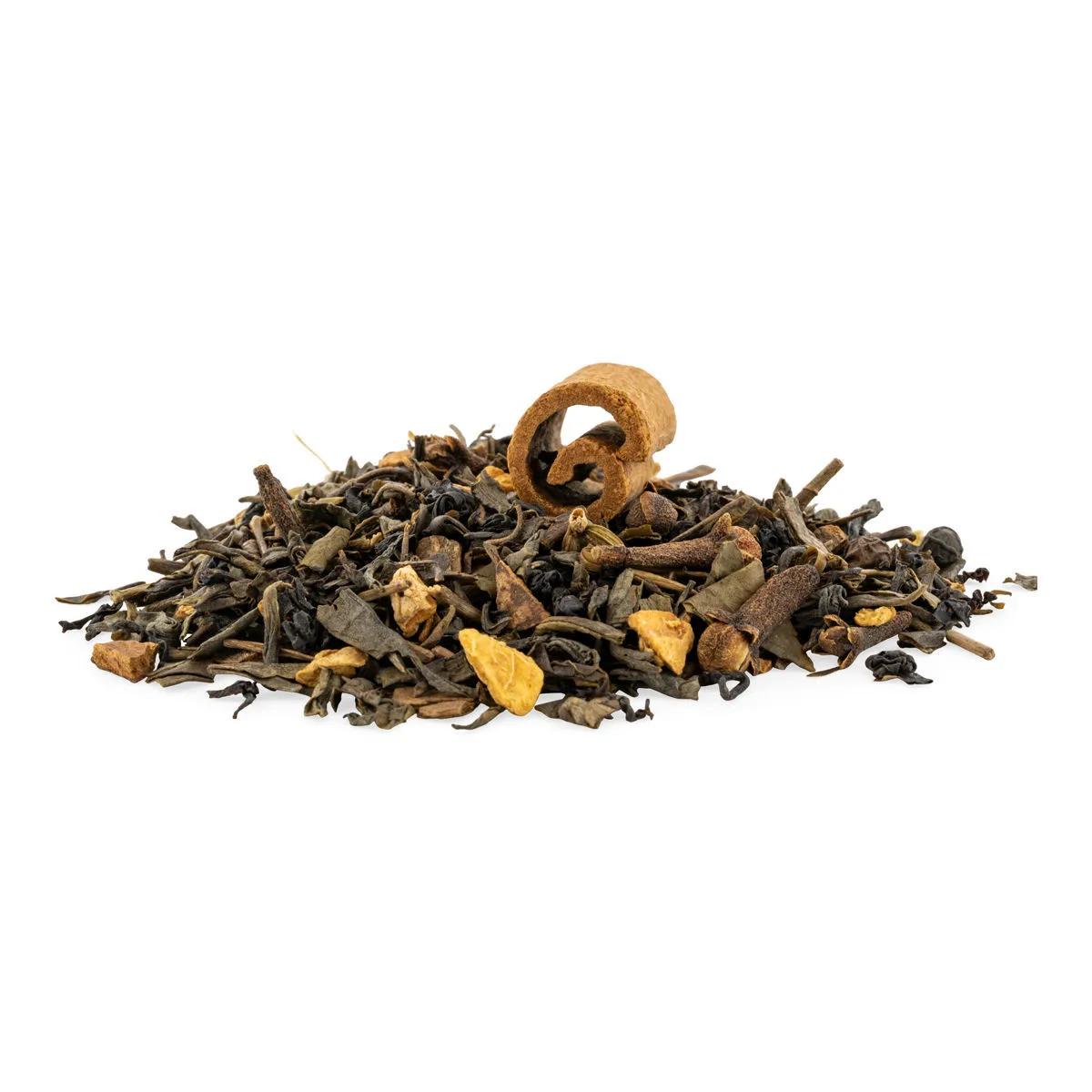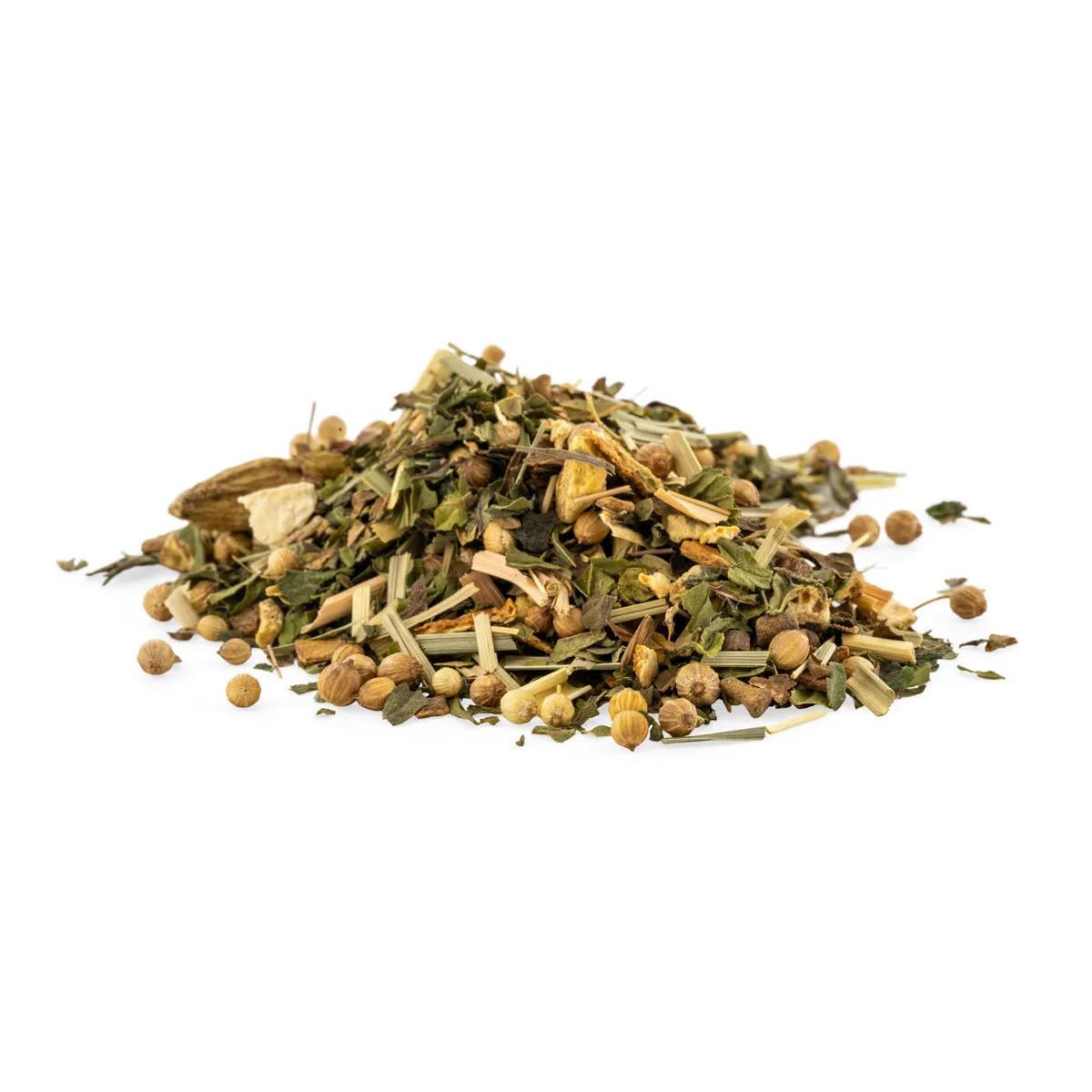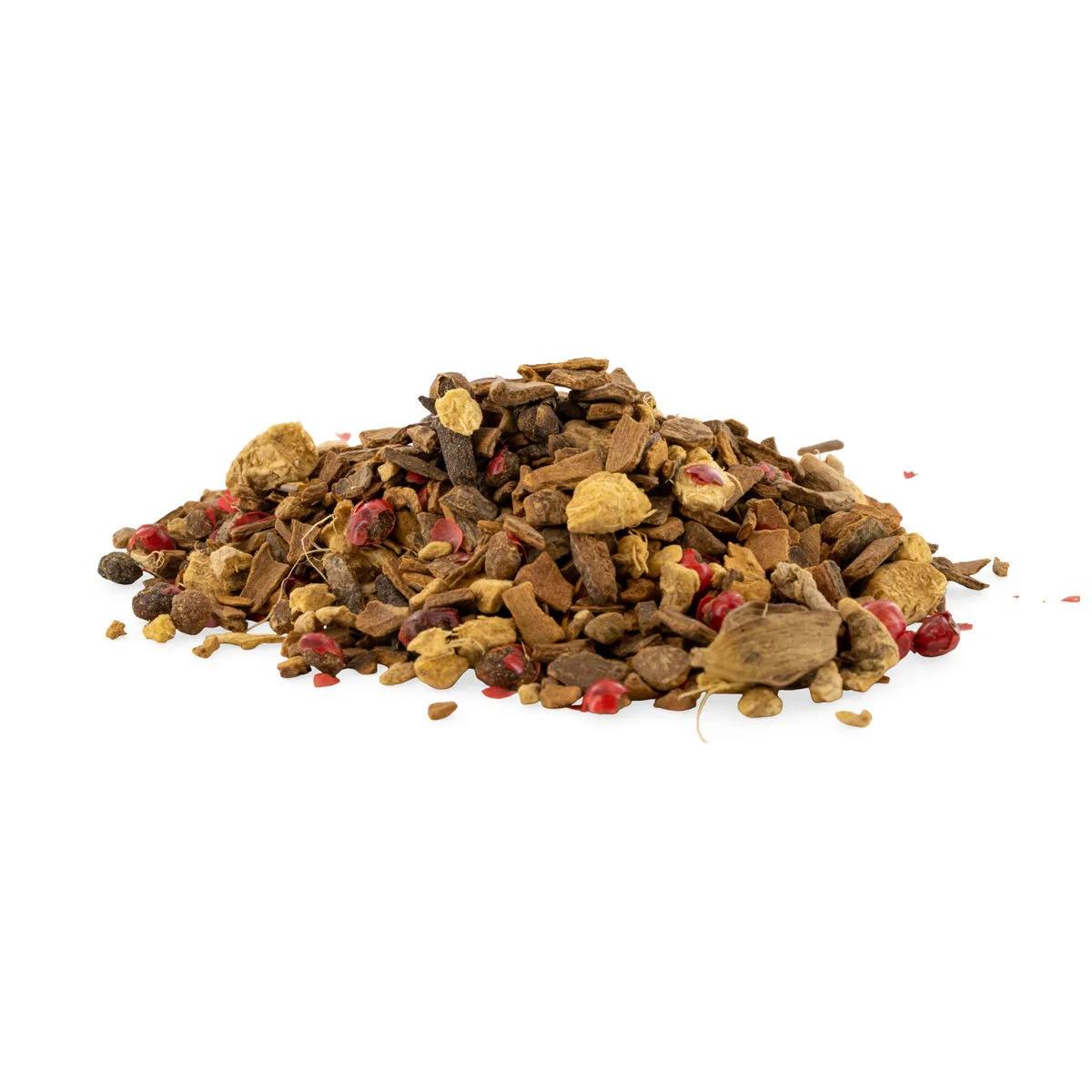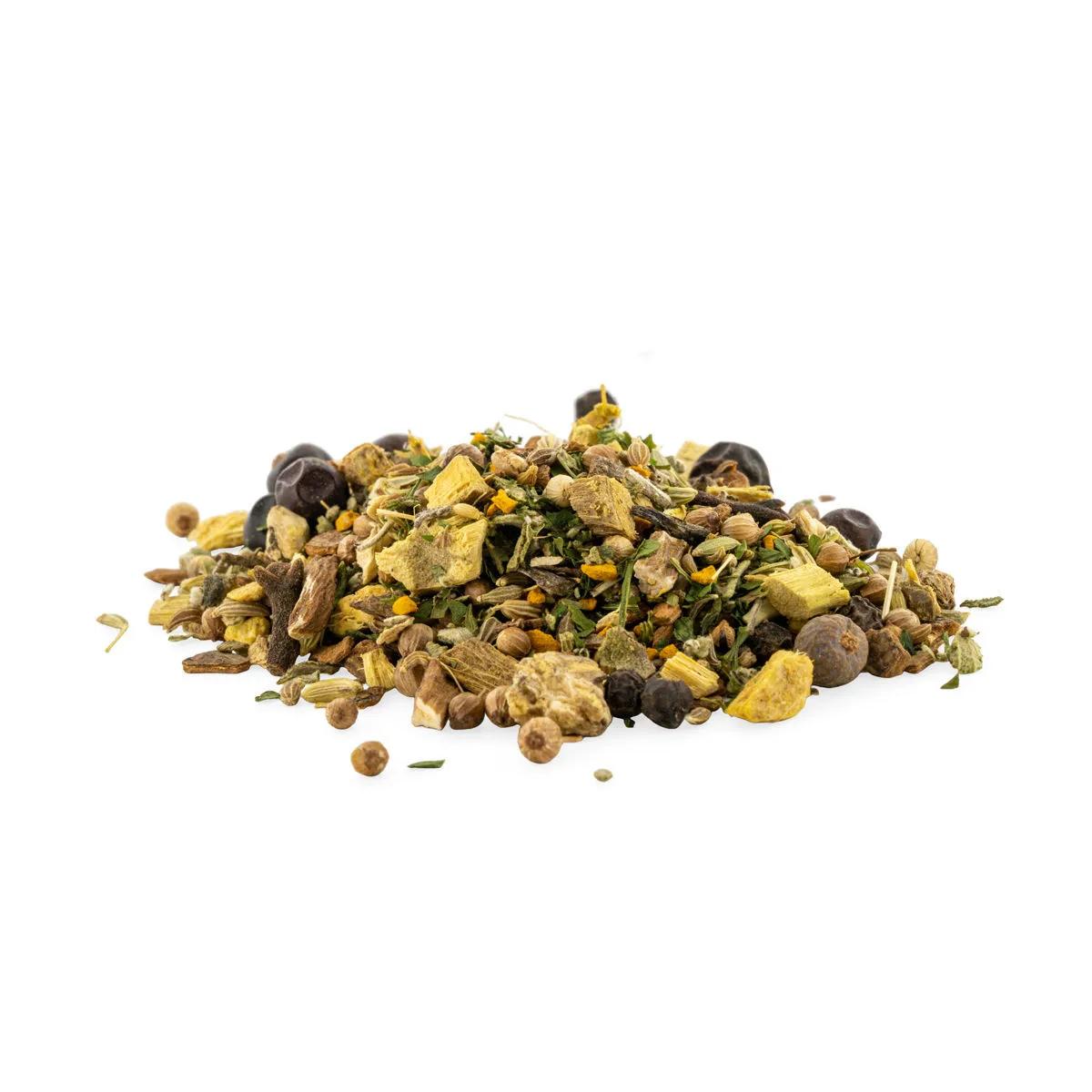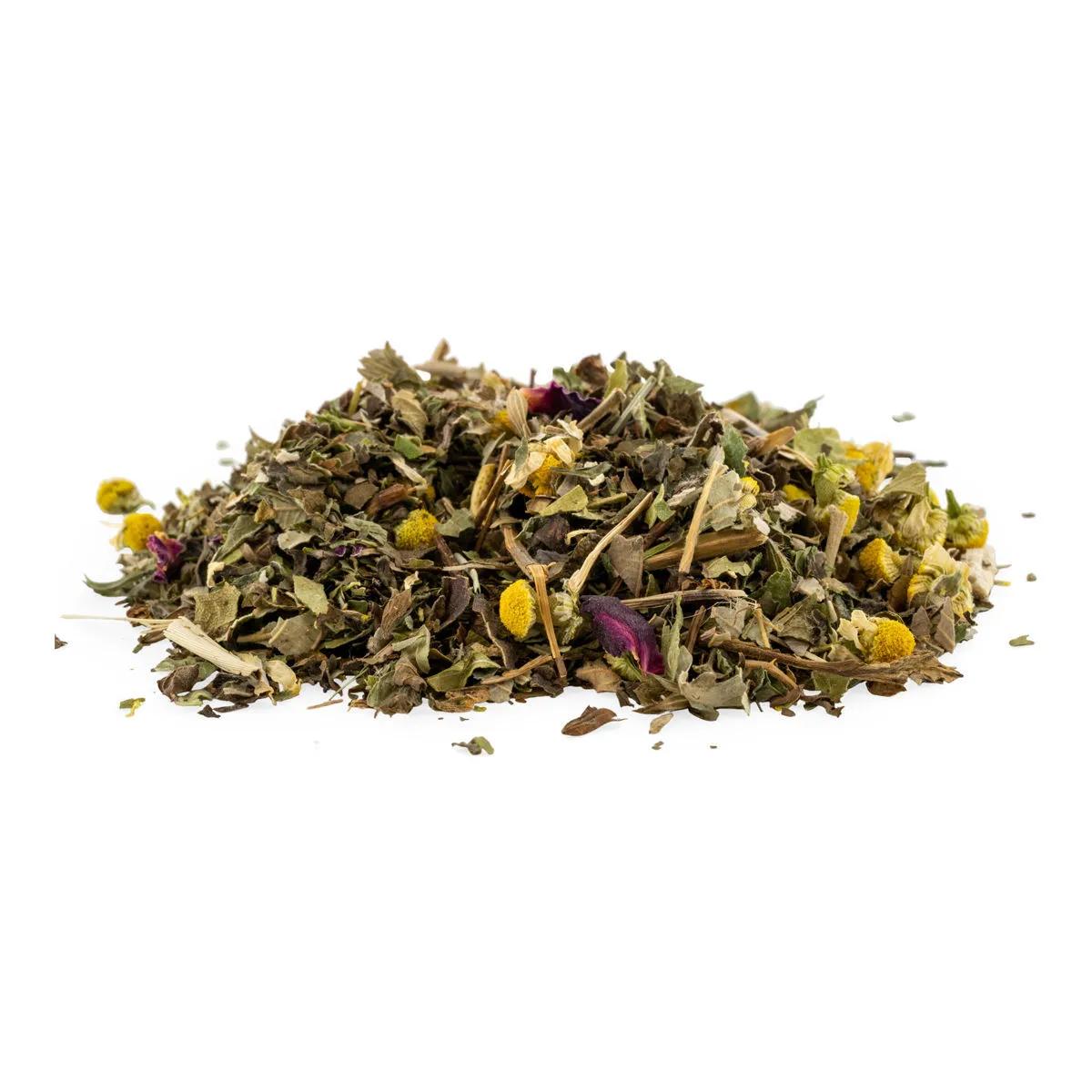
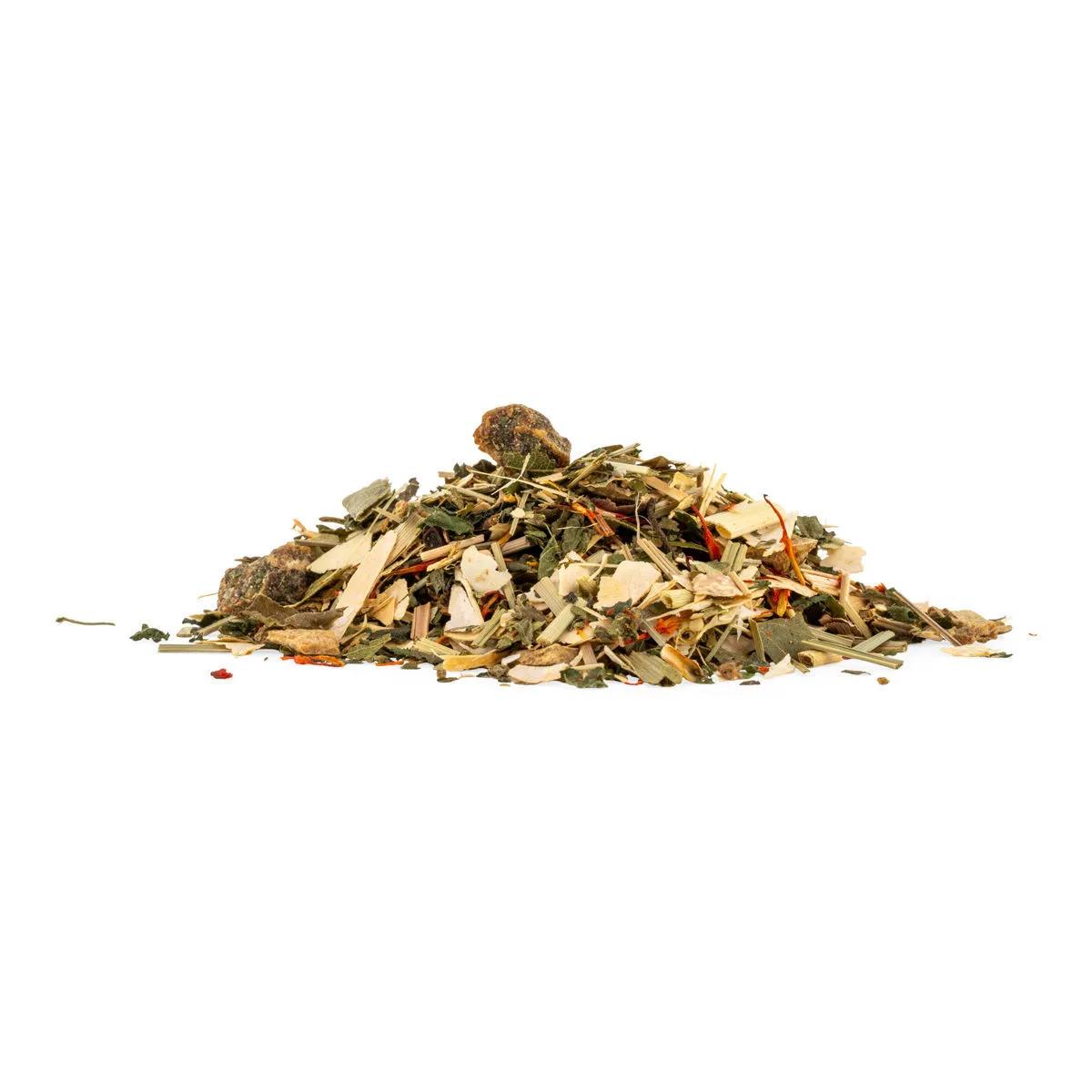
Stress relief tea is a caffeine-free herbal infusion that blends ripe peach pieces with bean husks, lemongrass, nettle and birch leaves, plus orange and safflower blossoms — designed for the end of a long day. One sniff of the bag and you'll get why people keep coming back: peach and citrus on top, grassy-herbal underneath, with a soft floral finish that makes it drinkable without sugar.
Why this stress relief tea earns its spot in the cupboard
This blend earns its place because it tastes like something you'd actually order, not like medicine. Most "calm" teas lean hard on chamomile and call it a day. This one doesn't. The base here is bean husks and lemongrass — the husks bring a light, roasty body without caffeine, and lemongrass adds that bright citrus lift that stops herbal blends from tasting like damp garden. Nettle and birch leaves add a green, mineral depth. Then peach pieces and safflower blossoms round the whole thing into something you actually want to drink two cups of.
According to a 2024 review on tea and stress (Stress-Relieving Effects of Green Tea, PMC11477503), theanine — an amino acid unique to tea leaves — has been reported to exhibit stress-relieving effects in controlled studies. This blend is herbal rather than true tea, so it won't contain theanine, but the research context matters: herbal infusions have been explored for anxiety-related outcomes in their own right. A 2024 study on a calming herbal tea blend (Pubmed ID 39514279) assessed anxiety levels postoperatively using the DASS-21 scale and observed measurable shifts in subjective stress scores. Local context matters too — the EMCDDA has repeatedly flagged that caffeine-free wind-down rituals are one of the simpler, lower-risk tools people reach for before turning to anything stronger.
What's actually in the tin
The full ingredient list, straight from the supplier, is: peach pieces (peach, binder: rice flour), bean husks, turmeric, lemongrass, nettle leaves, birch leaves, natural aroma, orange blossom, safflower blossom. No added sugar, no caffeine, no artificial colours. The turmeric is a small inclusion — enough to give the dry leaf a warm golden tint when you tip it out, not enough to taste earthy.
| Spec | Value |
|---|---|
| Format | Loose leaf |
| Weight | 100 g |
| Tea type | Herbal infusion (caffeine-free) |
| Flavour profile | Peach, citrus, soft floral |
| Production | Conventional |
| Origin | Blended mixture |
| Packaging | Airtight, aroma-sealed |
| Key botanicals | Bean husks, lemongrass, nettle, birch, orange blossom, safflower |
How to brew it properly
One heaped teaspoon per 250 ml cup, water just off the boil, five to seven minutes — that's the whole method. Loose leaf gives you more control than a teabag, but it's not complicated. Water around 95°C works best for herbal blends — a full rolling boil can scorch the delicate blossoms.
- Measure one heaped teaspoon of loose leaf into an infuser or teapot.
- Pour over 250 ml of water just off the boil.
- Steep for 5–7 minutes. Longer steeping brings out more of the nettle and birch; shorter keeps it fruitier.
- Remove the leaves (they'll get grassy if left in).
- Drink as is, or add a slice of lemon or a teaspoon of honey. Avoid milk — it fights the citrus notes.
According to research on calming herbal tea blends, 2–3 cups daily is the range most commonly used in studies looking at stress outcomes (Pubmed ID 39514279). Evening cups work well because there's no caffeine to keep you up.
How it compares to other calm-down blends
Compared to chamomile and valerian, this blend sits in the middle — more flavour than chamomile, less medicinal than valerian. If you're already browsing our herbal tea shelf, here's where this one sits.
| Blend | Base flavour | Best for |
|---|---|---|
| Stress Relief Tea | Peach, citrus, floral | End-of-day wind-down, drinkable without sweetener |
| Classic chamomile | Apple-honey, earthy | Pre-sleep, single-herb purists |
| Valerian blends | Pungent, root-heavy | Strong sedative flavour; acquired taste |
| Lemon balm tea | Bright, lemony | Afternoon calm without drowsiness |
If you've tried chamomile and found it boring, or valerian and found it medicinal, this blend is the middle path. It tastes like something you'd order in a café.
Pairs well with a proper cast-iron teapot or a glass infuser mug — loose leaf deserves room to unfurl. If you're building an evening wind-down routine, our Valerian Tea makes a stronger alternative for nights when you need more help switching off. Customers often buy both and alternate depending on the week.
Honest limitations — what this tea won't do
This tea won't knock you out, and it won't fix the root cause of your stress. If you're expecting a sedative effect like you'd get from a pharmaceutical, this isn't that. It's a warm, flavourful herbal infusion that sits alongside a wind-down routine — the ritual and the warmth do as much work as the botanicals.
We've had customers come in asking for "the strongest calming tea you have" when what they really need is a week off work. Tea is a small, pleasant lever. Use it alongside sleep, movement, and whatever else helps you — not instead.
A note on interactions: herbal teas can interact with medications including antidepressants, blood thinners, and some pain relievers. If you're on prescription medication, have a quick word with your pharmacist before making this a daily habit.
Frequently Asked Questions
How often should I drink this tea for it to help with stress?
Research on calming herbal tea blends commonly uses 2–3 cups daily (Pubmed ID 39514279). One cup in the evening is a solid starting point; scale up if you like the flavour and want a cup earlier in the day too.
Does this tea contain caffeine?
No. It's a caffeine-free herbal infusion — bean husks, lemongrass, nettle, birch, and blossoms. Fine to drink in the evening without affecting sleep.
Are there side effects to drinking herbal tea for relaxation?
Excessive consumption of any tea can cause issues. Some herbal blends interact with medications including antidepressants, blood thinners, and birth control. Stick to the 2–3 cups daily range and check with a pharmacist if you're on prescription meds.
Can children drink this tea?
We'd keep this one to adults and older teens. Herbal blends containing botanicals like birch and nettle aren't specifically studied in children, and a simpler single-herb tea (like chamomile) is a gentler choice for younger kids.
Can a cup of tea actually cure anxiety?
No — and anyone claiming that is overselling it. What tea can do is sit alongside a wind-down ritual. According to research (PMC11477503), theanine in true tea leaves has observed stress-relieving effects in studies, but herbal blends work more through warmth, flavour, and routine than pharmacology.
How should I store the loose leaf to keep it fresh?
Keep it in the original aroma-sealed packaging, or transfer to an airtight tin away from light and heat. 100 g is roughly 40–50 cups, so most people finish a bag in 2–3 months. Moisture is the enemy — never scoop with a wet spoon.
Where can I buy this stress relief tea?
You can order Stress Relief Tea directly from the Azarius herbal tea shelf. Get a 100 g bag to start — that's enough for roughly 40–50 cups, which most households work through in two to three months.
Last updated: April 2026