
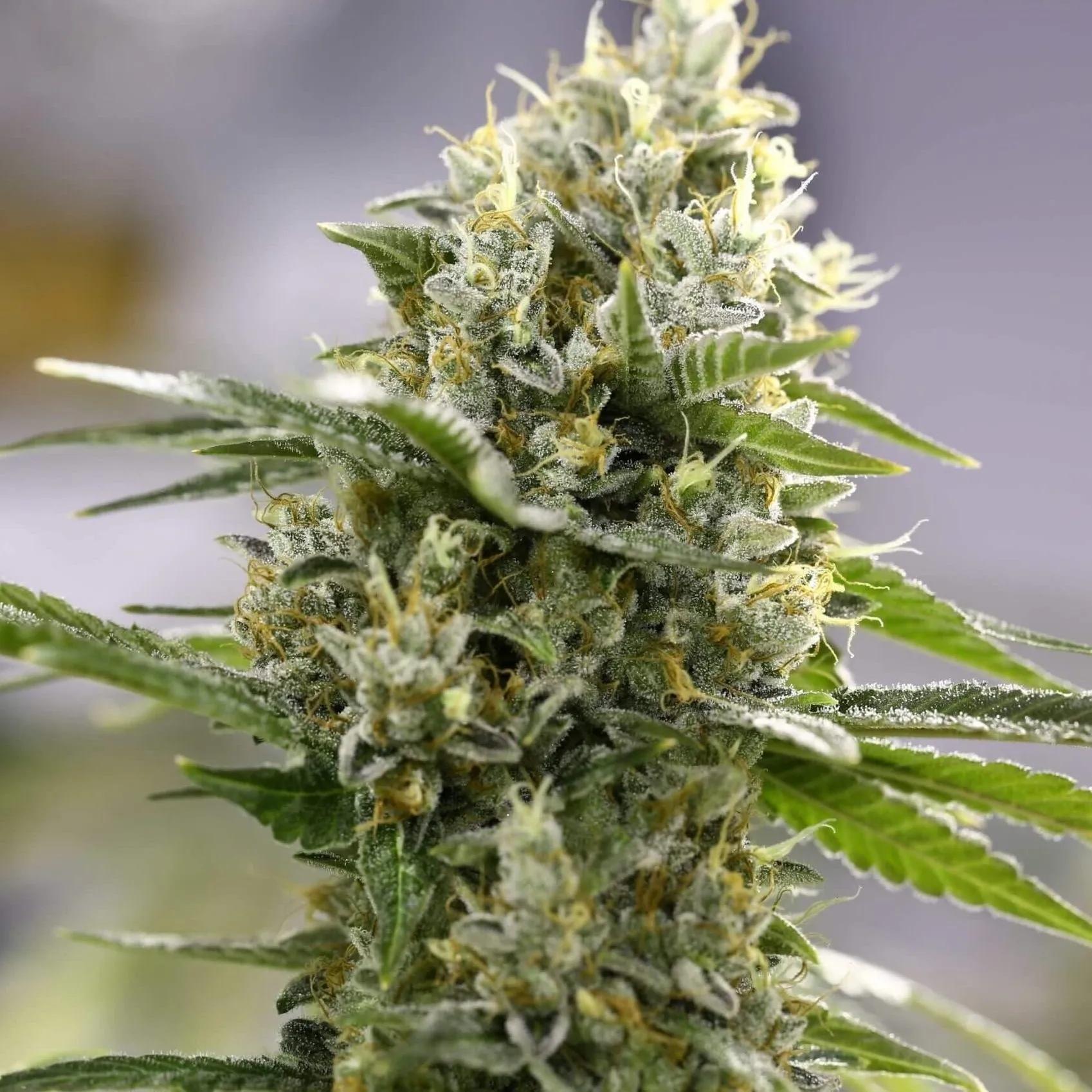
Lemon Haze Auto Seeds by Expert Seeds
Lemon Haze Auto is a sativa-dominant autoflowering cannabis seed from Expert Seeds, bred by crossing Super Silver Haze, Lemon Skunk, and ruderalis genetics. The result is a fast-finishing, resin-heavy plant that carries the sharp citrus punch of its parent strains without demanding months of patience or advanced growing skills. With 17–20% THC and a seed-to-harvest cycle of just 56–66 days, this is one of the quickest routes to dense, trichome-coated buds that genuinely smell like lemon sweets left in a warm pocket.
Growers like it because it doesn't ask much and gives back plenty. If you want a citrus-forward sativa auto that actually delivers on the flavour promise in its name, this is where you start.
Pack Sizes: 3 or 5 Seeds
Lemon Haze Auto comes in two pack sizes. The 3-seed pack (SKU: CSEX0083) suits a single indoor run or a test grow if you're trying Expert Seeds for the first time. The 5-seed pack (SKU: CSEX0084) gives you better value per seed and enough to fill a 1 m² tent with room for phenotype selection — pick the strongest two or three seedlings and let them run.
| Pack | Seeds | Best for |
|---|---|---|
| 3-seed pack | 3 | Single run, first-time growers, small tents |
| 5-seed pack | 5 | Full canopy, phenotype selection, outdoor plots |
Specifications for Lemon Haze Auto
| Specification | Detail |
|---|---|
| Seed bank | Expert Seeds |
| Genetics | Super Silver Haze × Lemon Skunk × Ruderalis |
| Type | Autoflowering, feminised |
| Dominance | Sativa-dominant |
| THC | 17–20% |
| Seed-to-harvest | 56–66 days |
| Indoor yield | 450–550 g/m² |
| Outdoor yield | 100–400 g/plant |
| Mould/pest resistance | High natural resilience |
| Grow difficulty | Easy — suitable for all levels |
Running Lemon Haze Auto indoors? A complete grow tent kit with carbon filter and extraction fan keeps the citrus terps from announcing your hobby to the entire building. Pair with a pH meter and quality soil or coco mix for the best results from these seeds.
Why Lemon Haze Auto Seeds Belong in Your Grow
Speed is the obvious draw. At 56–66 days from seed, you're looking at a full harvest before most photoperiod strains have even started flowering. That compressed timeline doesn't come at the cost of yield, either — up to 550 g/m² indoors is serious output for an autoflower. Outdoors, plants can push 400 g each in a good climate with plenty of direct sun. For a plant that does everything on autopilot (no light schedule changes needed), those numbers are hard to argue with.
The genetics behind Lemon Haze Auto are solid. Super Silver Haze won three consecutive Cannabis Cups in the late '90s, and Lemon Skunk brought the citrus terpene profile that makes this lineage so recognisable. The ruderalis component strips out the photoperiod dependency without diluting the flavour or potency too much — 17–20% THC is right in the sweet spot for a satisfying but manageable sativa-leaning effect. According to research published in PMC (2024), Super Lemon Haze varieties have been documented with THCA concentrations in the 13–15%+ range, and this autoflower version pushes that ceiling higher through selective breeding.
The honest limitation? Sativa-dominant autos can stretch. If you're growing in a small tent — say 60×60 cm — you might need to apply some low-stress training (LST) early to keep the canopy flat and even. Left untrained, the main cola will reach for the light and leave the lower branches in shadow. Not a dealbreaker, but worth knowing before you pop the seed.
Growing Lemon Haze Auto: A Practical Guide
This autoflower is forgiving enough for a first grow and productive enough to keep experienced growers interested. Here's how to get the most from your Lemon Haze Auto seeds.
- Germinate seeds using the paper towel method or directly in a small pot of moist, lightly fertilised soil. Tap roots typically appear within 24–72 hours.
- Transplant seedlings into their final container early — 11–15 litre pots work well. Autoflowers don't love being repotted mid-cycle, so go straight to the final home once the taproot is established.
- Run an 18/6 or 20/4 light schedule indoors for the entire cycle. No need to switch to 12/12 — the ruderalis genetics handle the flowering trigger internally.
- Begin low-stress training once the plant has 4–5 nodes. Gently bend the main stem sideways and secure it with soft ties. This opens up the lower branches to light and encourages a more even canopy, which directly improves your yield per square metre.
- Feed lightly during the first two weeks, then gradually increase nutrients as the plant enters pre-flower. Sativa-dominant autos can be sensitive to overfeeding, so watch for burnt leaf tips and back off if you see them.
- Monitor humidity closely during the final two weeks of flowering. Dense, trichome-heavy buds can trap moisture — keep relative humidity below 50% to avoid any late-stage issues, even though Lemon Haze Auto has natural mould resistance.
- Harvest when 70–80% of trichomes are milky with a few turning amber. This strain finishes fast, so check trichomes daily from day 50 onwards to catch the optimal window.
Lemon Haze Auto Aroma, Flavour, and Effects
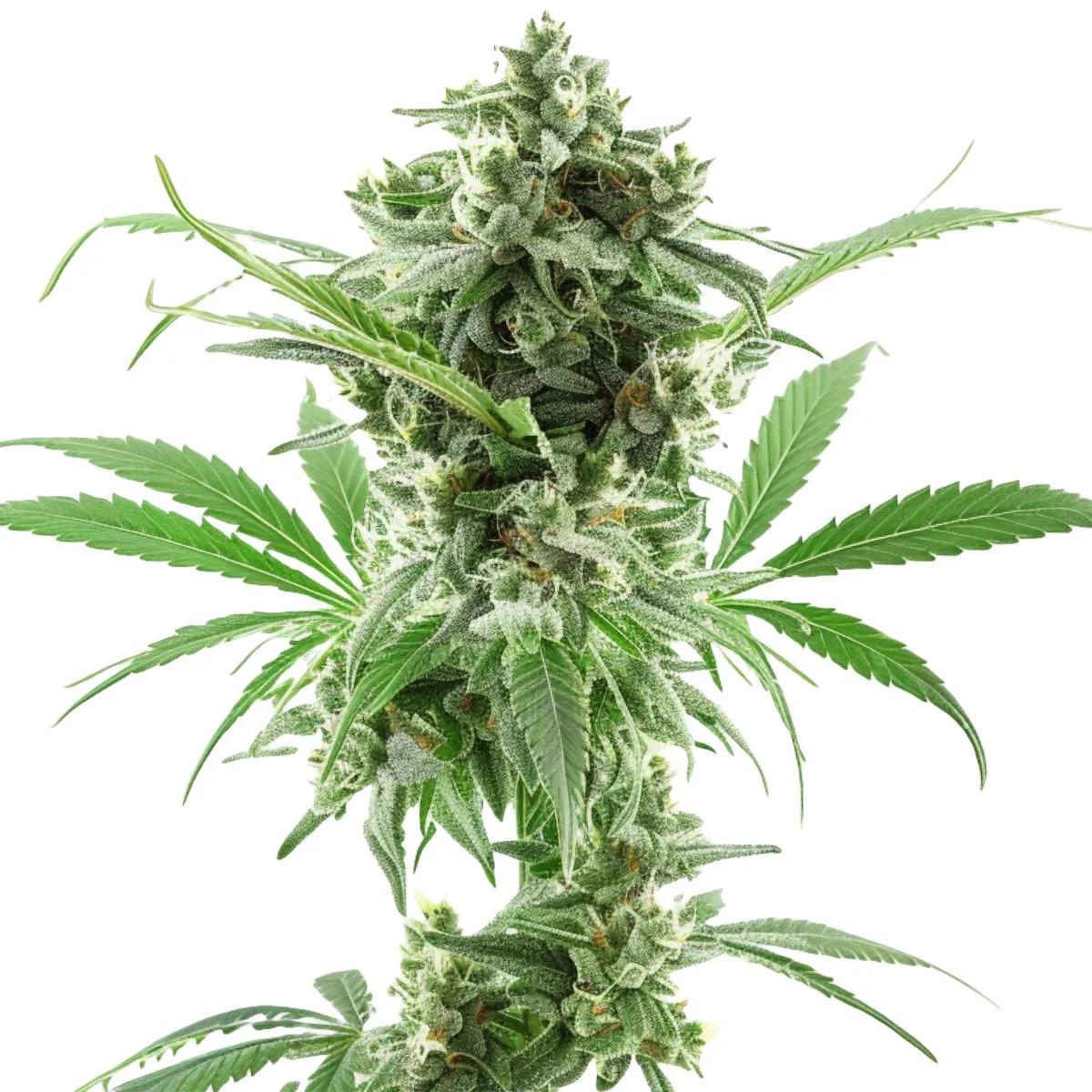
Crack open a cured bud and the first thing that hits you is sharp, sweet lemon — not subtle, not background, but front-and-centre citrus candy. Underneath that initial blast, there's a skunky earthiness inherited from Lemon Skunk, and if you break the bud apart, you'll catch woody, slightly piney undertones that round out the profile. The trichome coverage on mature buds is heavy enough that they look frosted, and that resin carries the aroma well into the curing jar.
On the flavour side, the inhale is dominated by sweet lemon zest with a candy-like quality. The exhale brings out more of the skunk and wood notes, giving it a depth that pure citrus strains often lack. It's a complex terpene profile — according to research on cannabis terpenes published in PMC (2020), sesquiterpenes like beta-caryophyllene (the peppery, spicy note) are among the most available terpenoids in cannabis plants and may contribute to the so-called entourage effect when combined with other compounds.
The effect leans uplifting and energetic, consistent with its sativa dominance. According to Healthline's review of sativa strains for energy and mood, sativa-dominant varieties are traditionally associated with daytime use and mood-boosting qualities. At 17–20% THC, Lemon Haze Auto sits in a range that's stimulating without being overwhelming — the kind of strain you'd reach for on a Saturday morning rather than a Sunday night.
Best Growing Medium and Climate for Lemon Haze Auto Seeds
Lemon Haze Auto performs well in soil, coco coir, or hydroponic setups. Soil is the most forgiving option for newer growers — a light, well-draining mix with perlite gives the roots room to breathe and buffers against minor feeding mistakes. Coco coir offers faster growth and slightly higher yield potential but requires more attention to pH (aim for 5.8–6.2) and nutrient scheduling. Hydro is the fastest route to maximum yield but leaves zero margin for error.
Climate-wise, this strain handles a broad range of conditions. Indoors, keep temperatures between 20–26°C during lights-on and don't let them drop below 16°C during lights-off. Outdoors, Lemon Haze Auto thrives in Mediterranean and temperate climates, but the 56–66 day cycle means it can finish even in shorter northern European summers if you time the planting right — germinate in late May, harvest by early August. Greenhouse growing is another strong option, giving you outdoor light intensity with better humidity control.
Lemon Haze Auto vs Other Citrus Autoflowers
If you're comparing Lemon Haze Auto to other lemon-forward autos on the market, the key differentiators are speed and yield. Many citrus autoflowers take 70–80 days to finish; Lemon Haze Auto wraps up in 56–66 days with indoor yields that compete with strains taking two weeks longer. The THC range of 17–20% is also competitive — some faster autos sacrifice potency for speed, but Expert Seeds have managed to keep both in check here.
Compared to a photoperiod Lemon Haze, you're trading a slightly lower THC ceiling and marginally less complex terpene development for a dramatically shorter grow cycle and zero light-schedule management. For most home growers, that trade-off makes sense. If you're chasing absolute maximum potency and have the patience for a 10–12 week flowering period plus veg time, a photoperiod version might be worth considering — but for sheer efficiency, the auto wins.
Frequently Asked Questions
How long does Lemon Haze Auto take from seed to harvest?
Lemon Haze Auto completes its full life cycle in 56–66 days from germination. No light schedule change is needed — the ruderalis genetics trigger flowering automatically. Start checking trichomes from around day 50 to catch the ideal harvest window.
What yield can I expect from Lemon Haze Auto indoors?
Indoor yields range from 450–550 g/m² under good conditions. Using LST to flatten the canopy and running 18–20 hours of light daily will push you toward the upper end. In a 1 m² tent with 3–4 plants, 500 g is a realistic target.
Is Lemon Haze Auto suitable for first-time growers?
Yes. The natural mould and pest resistance, combined with the autoflowering cycle (no light schedule to manage), makes this one of the more forgiving strains to start with. The only thing to watch is the sativa stretch — apply some LST early if your tent is short.
Does Lemon Haze Auto really smell like lemons?
Strongly, yes. The dominant terpene profile delivers sharp lemon candy on the nose, backed by skunk and woody undertones. A carbon filter is strongly recommended for indoor grows — the citrus aroma is intense and will escape through tent seams without proper extraction.
Can I grow Lemon Haze Auto outdoors in northern Europe?
The 56–66 day cycle is short enough to finish in a northern European summer. Germinate in late May or early June, and you should harvest by mid-August. A greenhouse extends your window and gives better humidity control during the final flowering weeks.
What's the THC content of Lemon Haze Auto?
THC levels sit between 17–20%, depending on growing conditions and phenotype. Research published in PMC (2024) has documented THCA concentrations in Super Lemon Haze varieties starting around 13%, with autoflower versions bred to push higher through selective genetics.
Last updated: April 2026
Related products



You might also like


Medical disclaimer. This content is for informational purposes only and does not constitute medical advice. Consult a qualified healthcare provider before use of any substance.