

Lemon Haze Auto Seeds — Sharp Citrus Sativa in Under 11 Weeks
Lemon Haze Auto is a mostly sativa autoflower cannabis seed variety that delivers a bright citrus-and-Kush terpene profile with 15–17% THC in 70–80 days from germination. Bred by crossing Lemon Haze with Ruderalis, these seeds flower automatically around week 3–4 — no light schedule flip, no calendar anxiety, no 12/12 drama. The plants stay compact at 60–100 cm indoors, which makes them a strong pick for small tents, balconies, and anyone who doesn't have a spare bedroom to dedicate to a grow. You get the sharp, energetic character of a classic Haze without the 14-week flowering marathon that photoperiod Hazes demand.
Choosing Your Seed Count
| Pack Size | Best For |
|---|---|
| 1 seed | Single-plant test run on a windowsill or micro-grow. Low commitment, quick proof of concept. |
| 3 seeds | The starter pack for first-time indoor growers running a standard 80x80 cm tent. Three plants fill the canopy without crowding. |
| 5 seeds | Staggered planting — pop two now, three in a fortnight — for a rolling harvest every few weeks. |
| 10 seeds | Phenotype hunting. You'll find variation in citrus intensity and structure across ten plants, and you can clone your favourite traits into the next round. |
If you're new to autoflowers, the 3-pack is the one we'd point you towards. It gives you enough plants to learn from without overwhelming a small space, and if one seed doesn't pop (rare, but it happens), you've still got two in the ground.
What Makes Lemon Haze Auto Seeds Worth Growing
Lemon Haze auto seeds solve the biggest headache with Haze genetics: the wait. Traditional Lemon Haze photoperiods can take 9–10 weeks of flowering alone, plus a full vegetative phase on top. This autoflower version wraps the entire lifecycle — germination through harvest — into 70–80 days. That's not a compromise either. The terpene profile stays intact: sharp lemon zest on the inhale, a musky Kush undertone on the exhale, and a resin coat that makes trimming a sticky affair. You'll smell it before you open the tent.
The Ruderalis backbone triggers flowering automatically around week 3–4, regardless of your light schedule. Run 18/6, run 20/4 — the plant doesn't care. That forgiveness extends to feeding too. These plants are compact enough (60–100 cm) that they don't gulp nutrients the way a 150 cm photoperiod Haze does. Overfeeding is the most common mistake we see with first-time growers, and Lemon Haze Auto handles a heavy hand better than most sativa-leaning varieties.
The honest limitation: 15–17% THC puts this in the moderate range. If you're chasing 25%+ numbers, this isn't the seed for you — look at a photoperiod Lemon Haze or a stronger hybrid. But for a daily smoke with clear-headed, upbeat character and a terpene profile that actually tastes like something, the THC-to-flavour ratio here is hard to beat. According to research published in Analytical Chemistry (PMC, 2024), volatile terpene profiles — including the limonene dominant in Lemon Haze varieties — contribute significantly to the sensory distinction between strains, beyond what THC percentage alone can tell you.
Terpene Profile and What to Expect from the Buds
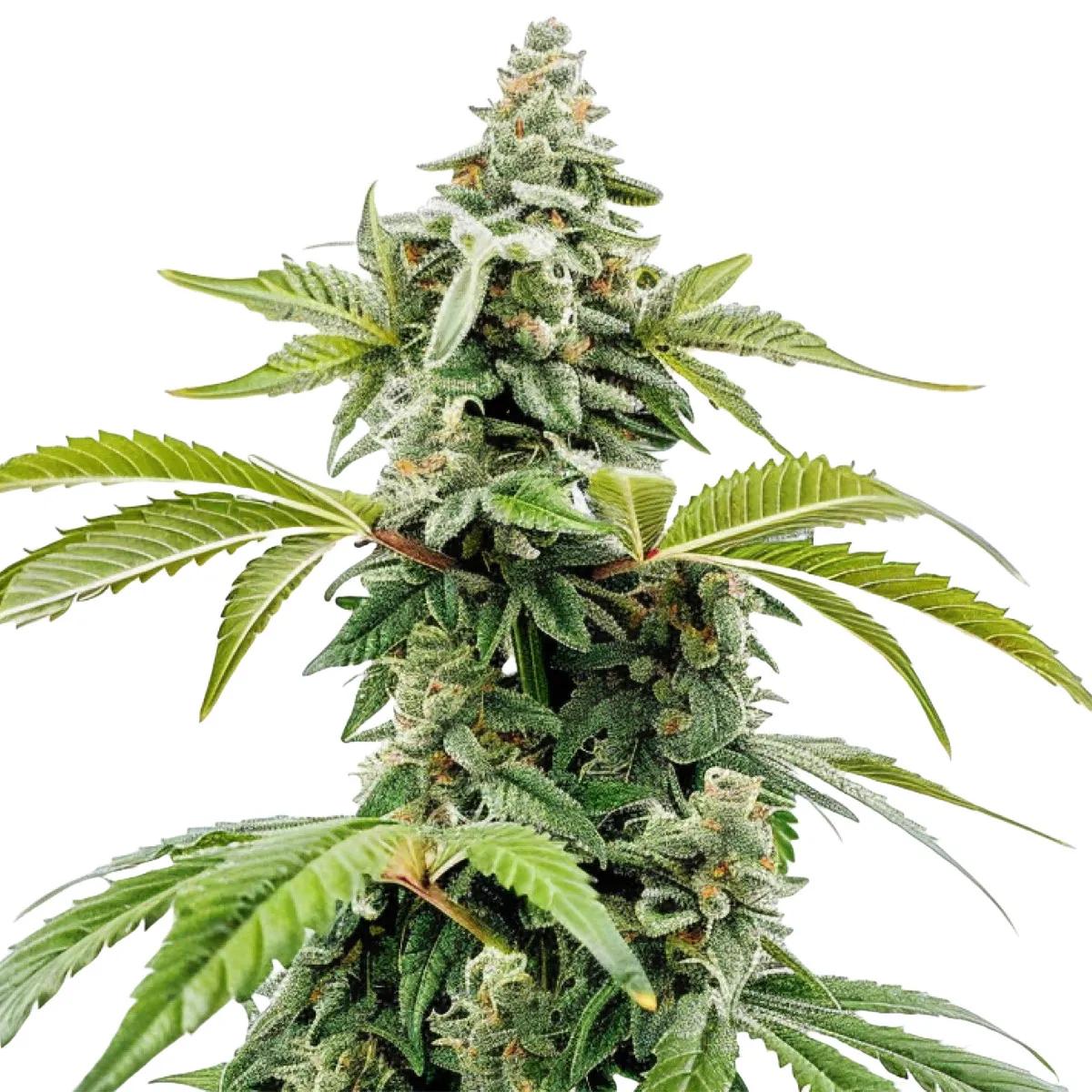
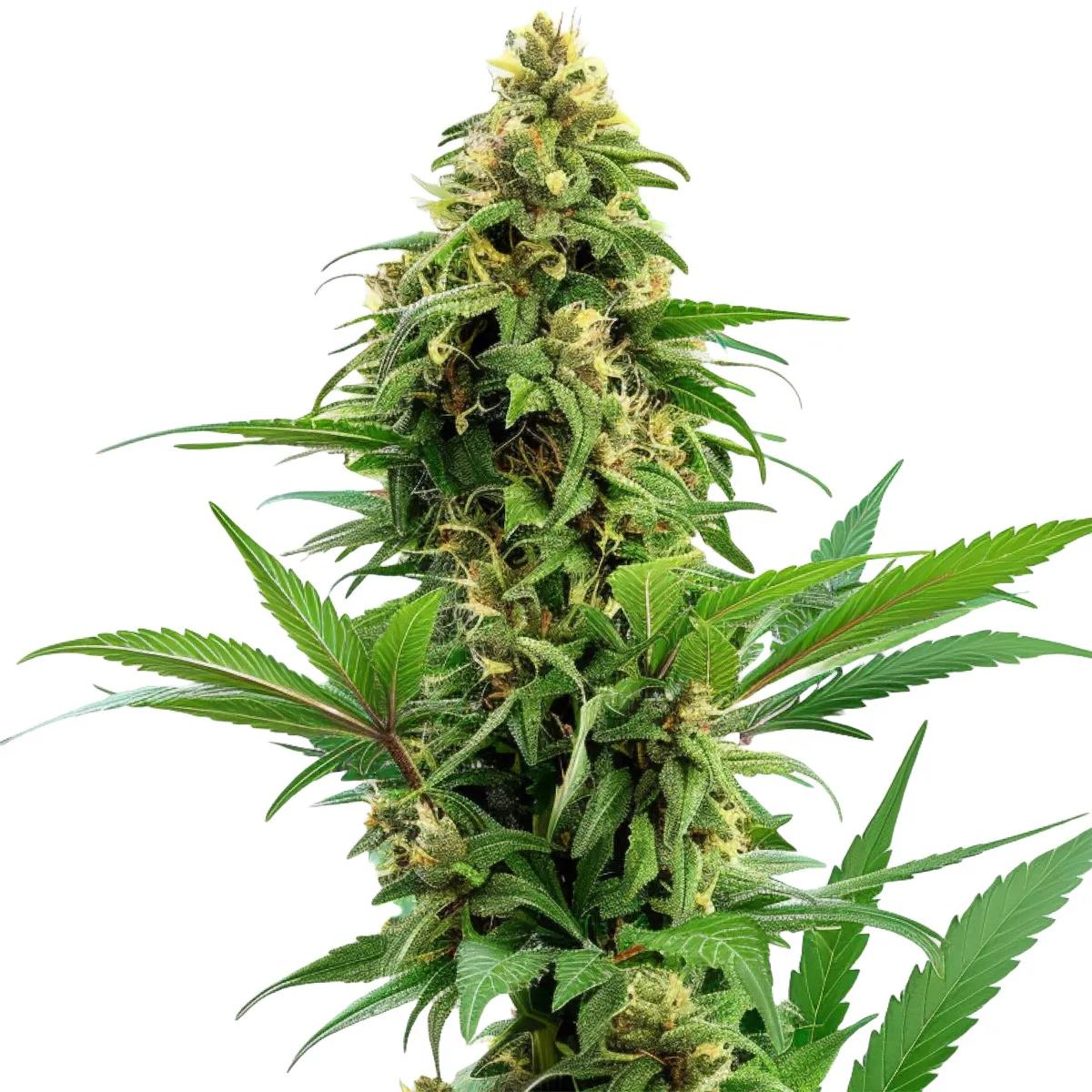
Lemon Haze auto seeds produce buds dominated by limonene — the same terpene that gives lemon peel its punch. Crack a cured nug and you get an immediate hit of sharp citrus, followed by a sweeter, almost candy-like layer underneath. There's a background of pinene (piney, fresh) and traces of myrcene that round out the Kush side of the genetics.
The resin production is genuinely impressive for an autoflower at this THC level. Trichome coverage extends well onto the sugar leaves, which makes this a decent candidate for dry sift or bubble hash if you've got trim to spare. The buds tend toward elongated, sativa-style foxtails rather than dense golf balls — expect airy but sticky structures that dry well on a rack in 7–10 days at 60% humidity.
On the research side: according to a review in Frontiers in Pharmacology (PMC, 2024), limonene — the primary terpene in Lemon Haze — has demonstrated analgesic properties in preclinical models, though the authors note that both nociceptive and potential nociceptive properties have been observed, so the picture is not straightforward. And a separate review in the International Journal of Molecular Sciences (PMC, 2021) found that pinene and linalool — both present in Haze genetics — showed analgesic and anti-inflammatory effects in animal models following exogenous application of irritants. Worth knowing, though none of this is medical advice.
Growing Lemon Haze Auto Seeds — From Germination to Harvest
Lemon Haze auto seeds are among the more forgiving autoflowers to grow, but a few things will make the difference between a decent harvest and a properly good one.
- Germinate in a damp paper towel or directly in a small pot. Autoflowers don't like transplanting — every day of root shock is a day of lost growth in a 70–80 day lifecycle. If you start in a paper towel, move to the final pot as soon as the taproot shows (24–72 hours).
- Use your final container from the start. An 11–15 litre fabric pot is the sweet spot. Bigger doesn't mean better with autos — they won't fill a 25-litre pot in time, and waterlogging becomes a risk.
- Set your light to 18/6 and leave it. Some growers run 20/4 for extra photosynthesis, but 18/6 gives the plant a rest period and keeps your electricity bill sane. Either works. Don't switch to 12/12 — you'll just lose light hours for no benefit.
- Feed lightly for the first 2–3 weeks. Seedlings don't need much. Start nutrients at quarter strength around day 10, building to half strength by week 3. Full-strength feeding from week 4 onwards, when flowering kicks in.
- Watch for the stretch around weeks 3–5. When the Ruderalis genetics trigger flowering, the plant will double in height over 10–14 days. If you're in a short tent (120 cm or less), gentle LST (low-stress training) in the first two weeks keeps the canopy flat and the colas even.
- Flush with plain water for the final 7–10 days. This clears residual nutrients from the soil and improves the flavour of the dried bud noticeably.
- Harvest when 70–80% of trichomes are milky white with a few turning amber. A jeweller's loupe or USB microscope is a small investment that pays off every grow.
Expect 350–450 g/m² indoors under good light. Outdoors or on a balcony, individual plants typically yield 50–100 g each depending on sunlight hours and climate. These numbers assume decent LED lighting (200W+ actual draw for an 80x80 tent) and proper airflow.
| Specification | Detail |
|---|---|
| Genetics | Lemon Haze x Ruderalis |
| Type | Mostly Sativa Autoflower |
| THC | 15–17% |
| Seed to Harvest | 70–80 days |
| Height (Indoor) | 60–100 cm |
| Yield (Indoor) | 350–450 g/m² |
| Recommended Light Cycle | 18/6 or 20/4 |
| Flowering Trigger | Automatic (week 3–4) |
| Dominant Terpenes | Limonene, Pinene, Myrcene |
| Difficulty | Beginner-friendly |
Running Lemon Haze Auto in a tent? Pair it with a complete grow kit — tent, LED, ventilation, and carbon filter sorted in one box. If you're already set up, grab a jeweller's loupe for trichome checks and a set of fabric pots to keep root aeration on point.
Lemon Haze Auto vs. Photoperiod Lemon Haze — Which One Do You Want?
If you've grown photoperiod cannabis before, you already know the drill: weeks of veg under 18/6, then the flip to 12/12, then 9–10 weeks of flowering, then the chop. Total time from seed: easily 16–20 weeks. Lemon Haze Auto compresses that to 10–11 weeks flat. The trade-off is THC — photoperiod Lemon Haze can push past 20%, while the auto tops out around 17%. You also sacrifice some control over plant size, since autoflowers set their own schedule regardless of what you do with the lights.
For a first grow, or a second grow running alongside your main tent, the auto version is the one we'd pick every time. The speed and simplicity are worth more than a few percentage points of THC, especially when the terpene profile — the thing that actually makes Lemon Haze taste like Lemon Haze — comes through just as clearly.
Related products




You might also like


Medical disclaimer. This content is for informational purposes only and does not constitute medical advice. Consult a qualified healthcare provider before use of any substance.