
Outdoor Cannabis Seeds
Outdoor cannabis seeds are strains bred or selected to finish under the European sun — sturdy plants that veg through April–June, flip to flower after the summer solstice, and finish before autumn rain turns your colas into mush. Different beast to indoor seeds: you want mould resistance, cold tolerance, and a finish date that matches your latitude. Azarius has been shipping seeds across the EU since 1999 — below is what actually works in a garden, greenhouse, or guerrilla plot.
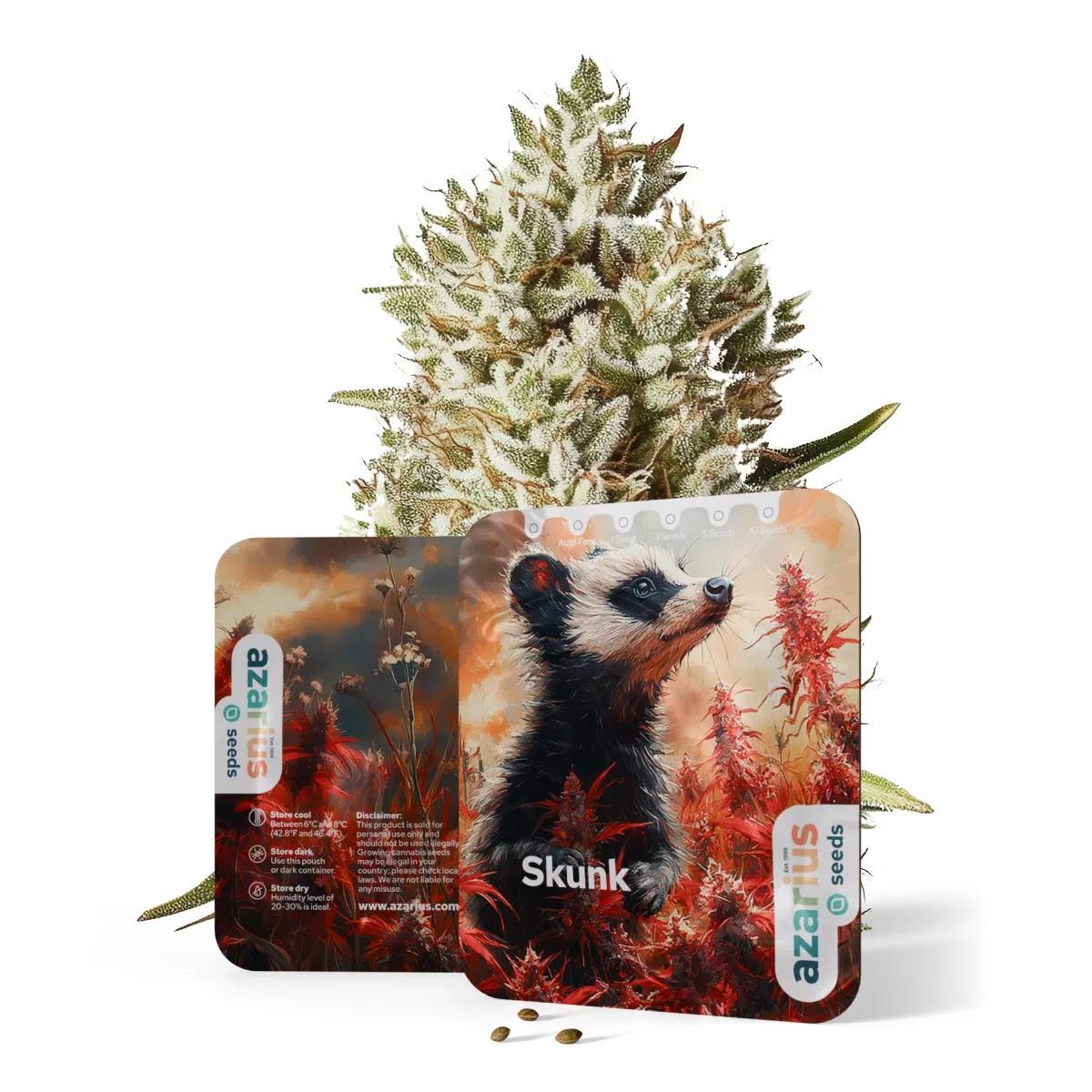
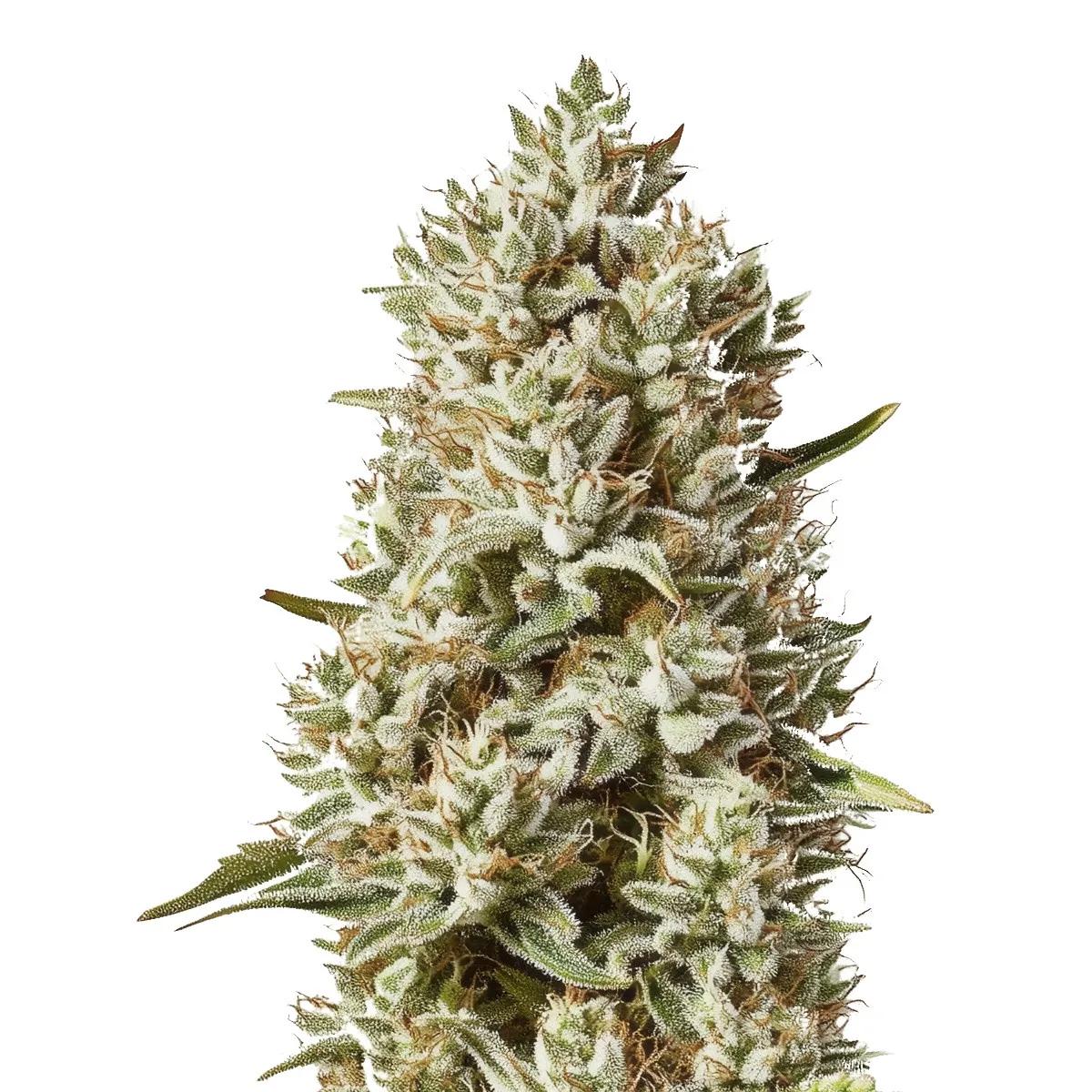
Outdoor cannabis seeds are strains bred or selected to finish under the European sun — sturdy plants that veg through April–June, flip to flower after the summer solstice, and finish before autumn rain turns your colas into mush. Different beast to indoor seeds: you want mould resistance, cold tolerance, and a finish date that matches your latitude. Azarius has been shipping seeds across the EU since 1999 — below is what actually works in a garden, greenhouse, or guerrilla plot.
Outdoor Cannabis Seeds — A Buying Guide by Latitude
The single biggest question for outdoor growing isn't THC or flavour — it's whether your plant will finish before the first frost. Your latitude decides which seeds to buy. Get this wrong and you'll be harvesting wet, mouldy bud in November; get it right and you're pulling 500g to a kilo per plant off a photoperiod in a good summer.
| Region | Latitude | Finish by | What to buy |
|---|---|---|---|
| Mediterranean (Spain, Italy, south France, Portugal, Greece) | 38–43°N | Late September – mid October | Long-season photoperiods — Amnesia Haze, Super Silver Haze, Acapulco Gold, Durban Poison |
| Central Europe (NL, BE, DE, north France, Poland, Czechia) | 45–52°N | Mid-October at the latest | Early-finishing photoperiods or autos — Blueberry, Cheese, Do-Si-Dos, Granddaddy Purple, most autos |
| Northern Europe (UK north, Scandinavia, Baltics) | 53–60°N | End September – early October | Autoflowers only, realistically — Blueberry Auto, Skunk Auto, Pineapple Express Auto, Cheese Auto |
Photoperiod or Autoflower Outdoors?
Photoperiods veg under the lengthening spring days, then flip to flower after the summer solstice when nights lengthen past roughly 11 hours. In Amsterdam that flip happens in August; harvest comes 8–10 weeks later. They get huge outdoors — 200–300cm tall, 500g to 1kg+ per plant in a decent summer. Buy these if you've got sun, space, and a summer that reliably runs into October.
Autoflowers ignore the light cycle entirely. Pop a seed, get a harvest in 8–11 weeks regardless of what the sun's doing. That makes them the honest answer for anyone above 53°N, anyone with a short summer window, and anyone doing guerrilla grows where the plant needs to be in and out before someone notices. They stay smaller (60–120cm), yield less per plant, but you can run two cycles in one summer — May start, August harvest, second round finishing in October under cover.
What We'd Actually Plant Outdoors
Central Europe, full sun garden: Start with Blueberry or Cheese — both handle cool nights, resist mould, and finish mid-October in the Netherlands. Granddaddy Purple throws proper purple in cold September nights and finishes in 8–10 weeks of flower. Do-Si-Dos is our pick if you want fast-finishing resin without sacrificing potency.
Mediterranean, long hot summer: This is where the sativas earn their keep. Amnesia Haze and Super Silver Haze need the full Spanish or Italian season but reward you with monster yields — 500–800g per plant isn't unusual. Acapulco Gold and Durban Poison were bred under strong sun and handle heat without stressing. Moby Dick stretches hard and fills a south-facing terrace.
Northern Europe or short summer: Autoflowers, basically all of them. Blueberry Auto, Skunk Auto, and Cheese Auto are our go-to cold-climate beans — tough, fast, forgiving. Pineapple Express Auto finishes in 7–8 weeks which is genuinely stupid-fast. Start indoors under a cheap light for the first 2 weeks, then outside once the last frost has cleared.
Greenhouse or polytunnel growers: You've essentially bought yourself an extra latitude band. Gelato, Wedding Cake, Biscotti — dessert strains that need warmth and dry air — suddenly become viable in Central Europe under cover. A greenhouse also keeps bud rot off your late-finishing colas when September rain arrives.
Guerrilla plots: Low-maintenance, low-smell, size-camouflaged. Autoflowers win here because they're short and fast. Blueberry Auto and Granddaddy Purple Auto stay under a metre. Avoid the loudest-smelling strains — Cheese and Skunk Auto will announce themselves to anyone within 50 metres during flower.
Mould, Rot, and the Autumn Rain Problem
Bud rot (Botrytis) is what kills outdoor harvests in Central and Northern Europe. It starts inside dense colas in humid autumn weather and spreads fast — you lose a gram, then a branch, then the whole plant in three days. Mould-resistant genetics matter more than any other trait outdoors.
Indicas with airy bud structure handle damp autumns better than tight-nugged dessert strains. Haze-dominant sativas resist rot surprisingly well thanks to their looser flower structure. Blueberry, Durban Poison, and Super Silver Haze all perform well in wet September conditions. Avoid super-dense indica hybrids like Godfather OG or Biscotti in outdoor damp climates — they'll rot before they ripen.
Timing: When to Start, When to Plant Out
For photoperiods in Central Europe: germinate indoors late March or early April, veg under a windowsill or cheap LED for 3–4 weeks, plant out after the last frost (usually mid-May in NL/DE). Harvest lands late September to mid-October depending on strain.
For autoflowers: you can start outdoors from late April once nights are above 10°C, or start indoors 2 weeks earlier to buy yourself an extra cycle. A May seed finishes in August. A July seed, if you're quick-finishing something like Pineapple Express Auto, can still make it before the weather turns.
Soil and Feeding Outdoors
Outdoor is forgiving in a way hydro never is. Dig a proper hole, amend it with compost, worm castings, and a slow-release organic base (bone meal, kelp, a bit of bat guano). That's most of the work done. Plants draw what they need from living soil instead of demanding perfect pH and EC readings every week. Autoflowers especially want light feeding — they'll burn on heavy nutrients faster than photoperiods.
Frequently Asked Questions
What's the best outdoor cannabis seed for Northern Europe?
Autoflowers, almost always. Above 53°N the summer is too short and autumns too wet for most photoperiods to finish clean. Blueberry Auto, Skunk Auto, and Cheese Auto are reliable cold-climate performers that go seed-to-harvest in 8–10 weeks.
When should I plant outdoor cannabis seeds in the Netherlands?
Germinate indoors late March to early April, plant out after the last frost in mid-May once night temperatures stay above 10°C. Photoperiods finish late September to mid-October; autoflowers started in May finish in August.
Which outdoor cannabis seeds resist mould best?
Strains with airier bud structure — Blueberry, Durban Poison, Super Silver Haze, and Cheese handle damp autumns better than dense dessert hybrids like Gelato or Biscotti, which tend to trap moisture inside the cola and rot before finishing.
How much can one outdoor cannabis plant produce?
A well-grown photoperiod in full sun produces 400g–1kg+ per plant in a good summer. Autoflowers yield less per plant — typically 80–200g — but finish in 8–11 weeks so you can run two cycles in one season.
Do I need a greenhouse to grow cannabis outdoors in Europe?
Not necessarily, but it helps above 50°N. A polytunnel or greenhouse extends your season by 3–4 weeks, keeps autumn rain off late-flowering colas, and lets you grow dessert strains like Wedding Cake or Gelato in climates where they'd otherwise rot before ripening.
Are autoflowers or photoperiods better outdoors?
Depends on latitude. Photoperiods win on yield and potency in Mediterranean and Central Europe. Autoflowers win everywhere else — short summers, guerrilla plots, anyone who wants harvests before the weather turns. We stock 30+ autos for that reason.
New to outdoor growing? Grab a feminised pack of Blueberry or Cheese if you're in Central Europe, or Blueberry Auto if you're further north. Both forgive beginner mistakes and finish before the rain ruins them.
Last updated: April 2026
Medical disclaimer. This content is for informational purposes only and does not constitute medical advice. Consult a qualified healthcare provider before use of any substance.