
This article discusses psychoactive substances intended for adults (18+). If you have a health condition or take medication, consult a doctor before use. Our age policy
Psilocybin Strains Compared
Definition
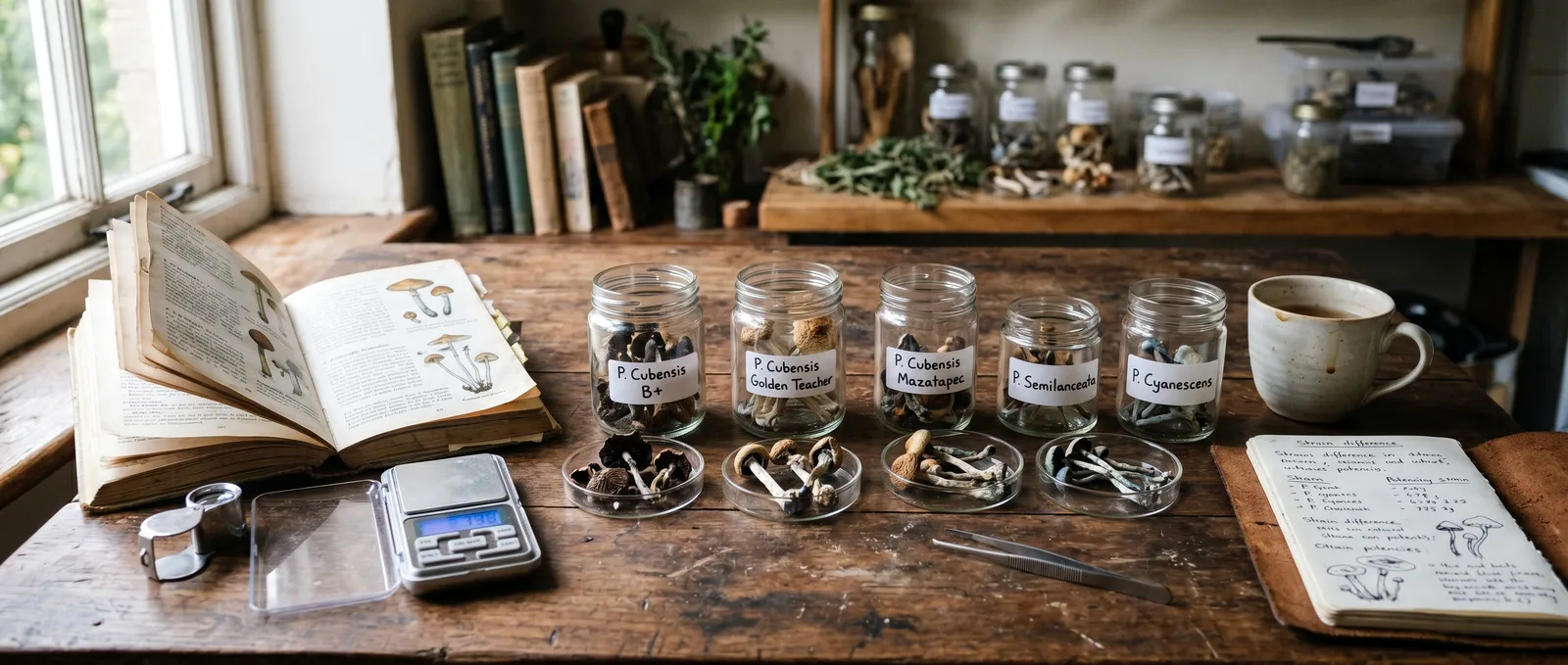
A psilocybin strain is a genetic variant — mostly within Psilocybe cubensis — that differs from other variants in potency, growth characteristics, and reported experiential quality. Most commercial strains share the bulk of their genetics, but measurable differences in alkaloid concentration make strain awareness relevant for accurate dosing.
A psilocybin strain is a genetic variant — mostly within the species Psilocybe cubensis — that differs from other variants in potency, growth characteristics, and reported experiential quality. When psilocybin strains compared side by side are examined honestly, the differences are less dramatic than internet forums suggest — but the differences that do exist matter for dosing, onset, and the overall character of an experience. Most commercially available strains belong to a single species, Psilocybe cubensis, which means the genetic variation between them is relatively narrow. Still, measurable differences in alkaloid content, growth characteristics, and reported experiential profiles make strain selection worth understanding, especially if you're looking to buy a grow kit or order sclerotia (truffles) for the first time.
Adult audience (18+). The dosing ranges and effects described in this article apply to adult physiology. This content is not intended for minors.
Disclaimer: This article is for educational and harm-reduction purposes only. Psilocybin is a controlled substance in many jurisdictions. The information here does not constitute medical advice. Always check the legal status in your country before you buy or order any psilocybin-containing product, and consult a healthcare professional if you have questions about interactions or contraindications.
Strain-by-Strain Comparison
The most useful way to evaluate psilocybin strains compared in a single view is through a structured table that maps potency, growth speed, and reported character in parallel. The data below draws on analytical chemistry and community cultivation reports. Keep in mind that when these varieties are measured across batches, environment matters as much as genetics.
| Strain / Variety | Species | Typical Psilocybin Content (% dry weight) | Relative Potency | Growth Speed | Reported Character |
|---|---|---|---|---|---|
| Golden Teacher | P. cubensis | 0.5–0.9% | Moderate | Moderate (2–3 weeks to first flush) | Warm, introspective, visual |
| B+ | P. cubensis | 0.5–0.8% | Moderate | Fast (often under 2 weeks) | Calm, gentle body feel, mild visuals |
| McKennaii | P. cubensis | 0.7–1.0% | Above average | Moderate | Intense visuals, philosophical, strong onset |
| Ecuador | P. cubensis | 0.5–0.9% | Moderate | Moderate | Balanced, social, steady duration |
| Mazatapec | P. cubensis | 0.5–0.8% | Moderate | Slow (3+ weeks) | Spiritual, slow build, emotional depth |
| Penis Envy | P. cubensis | 0.8–1.4% | High | Slow | Intense, heavy body load, deep introspection |
| Albino A+ | P. cubensis | 0.6–1.0% | Moderate to high | Moderate | Cerebral, creative, lighter body feel |
| P. tampanensis (sclerotia) | P. tampanensis | 0.3–0.7% (fresh truffles much lower per gram) | Low to moderate | N/A (truffle formation: 8–12 weeks) | Gentle, meditative, manageable |
| P. semilanceata (Liberty Cap) | P. semilanceata | 0.8–1.3% | High | Wild only (not commercially cultivated) | Sharp, lucid, strong visual component |
Potency percentages above are drawn from analytical chemistry data published by Gotvaldová et al. (2022) in the Journal of Natural Products, which measured psilocybin and psilocin across 60+ P. cubensis samples and found that even within a single strain, potency could vary by a factor of two to four depending on growing conditions. That's the single most important caveat with any strain comparison chart: genetics set a range, but substrate, humidity, harvest timing, and drying method determine where within that range your particular batch lands.
Species vs. Strain — Why the Distinction Matters
Species-level differences produce far larger potency gaps than strain-level differences within P. cubensis. Most "strains" sold as grow kits are cultivars of Psilocybe cubensis, sharing roughly 99% of their genetics. The differences between Golden Teacher and B+ are more like the differences between two apple varieties than between an apple and a pear. A 2023 analysis by Lenz et al. in Fungal Biology confirmed that cubensis cultivars cluster tightly on phylogenetic trees, with alkaloid variation driven more by environment than by genetic lineage. This is an important nuance when psilocybin strains compared at the cultivar level appear nearly identical on paper.
Species-level differences are another story. Psilocybe semilanceata (Liberty Cap), Psilocybe azurescens, and Panaeolus cyanescens sit on entirely different branches. P. azurescens, for instance, can contain up to 1.8% psilocybin by dry weight — roughly double the upper end of most cubensis cultivars (Stamets & Gartz, 1995). These species also produce different ratios of psilocybin to psilocin to baeocystin, which may contribute to the distinct experiential profiles that experienced users report, though clinical data on baeocystin's psychoactivity remains thin. The EMCDDA drug profiles database lists P. semilanceata as the most commonly encountered wild psilocybin species in Europe.
Sclerotia-forming species like P. tampanensis and P. mexicana are again genetically distinct from cubensis. Fresh truffles contain a high percentage of water (around 65–70%), so the psilocybin content per gram of fresh truffle is considerably lower than per gram of dried mushroom. This is why truffle dosing is measured in grams of fresh material — typically 5–15g — while dried mushroom dosing uses much smaller numbers. If you want to order truffles, the Azarius truffle selection carries multiple species at different potency tiers.
Potency Variability Within a Single Strain
Potency within a single strain can vary by up to 300% between individual fruit bodies from the same flush. This finding, from Gotvaldová et al. (2022), is the most practically important data point when different psilocybin strains compared on paper appear similar. Caps tend to concentrate more psilocybin than stems — roughly 1.3 to 1.7 times more in most samples. Smaller, aborted pins ("aborts") can actually be disproportionately potent per gram because they've concentrated alkaloids into less biomass.
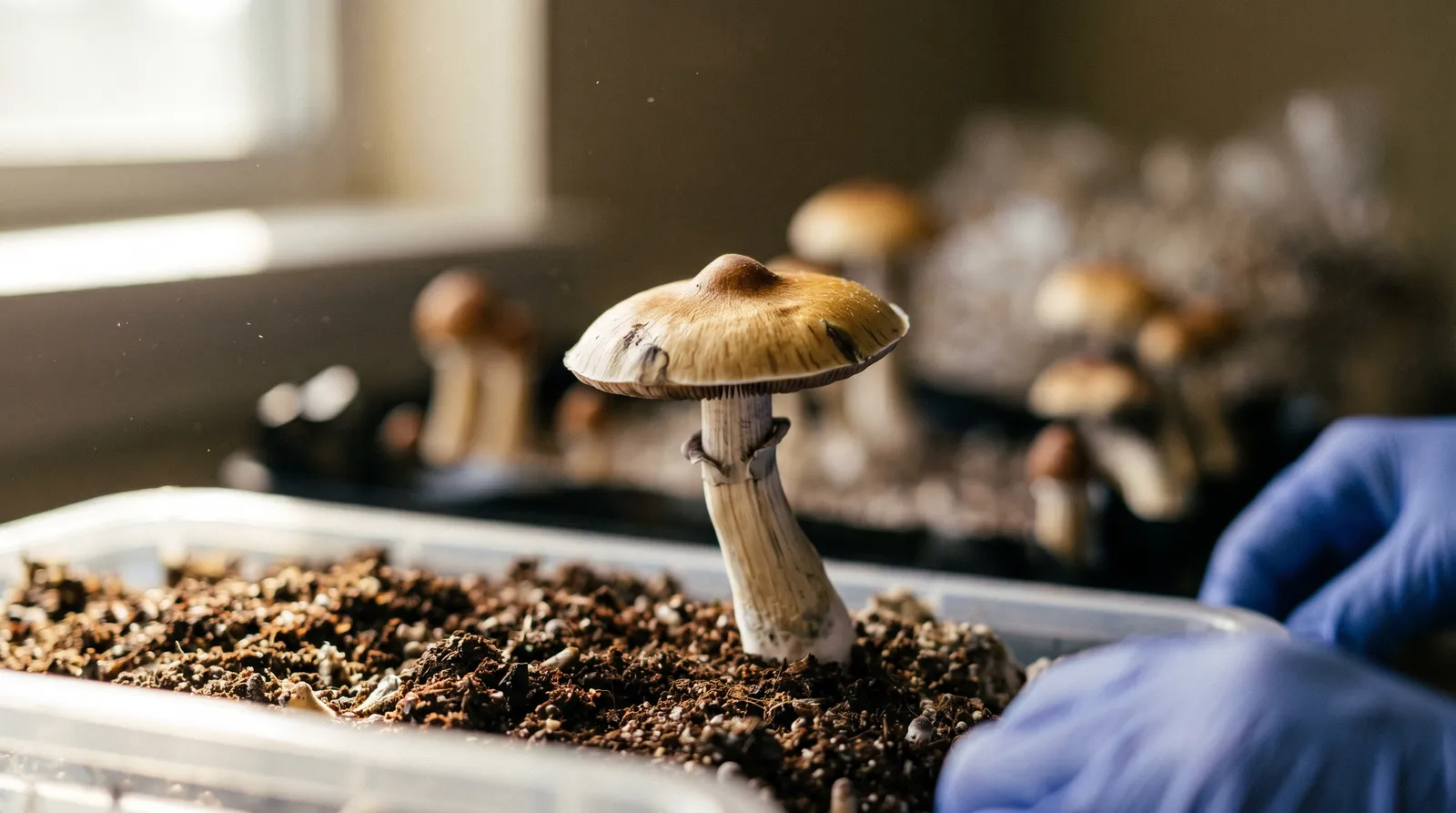
This means that two people each eating 2g of dried Golden Teacher from the same grow kit, same flush, could have meaningfully different experiences. The strain name on the kit tells you less than you'd think. What tells you more: whether you ate caps or stems, whether the mushrooms were harvested just before or just after the veil broke, and how they were dried.
Cubensis Cultivar Profiles Explained
Golden Teacher, B+, McKennaii, and Penis Envy are the four cubensis cultivars most frequently sold as grow kits, and each has a distinct cultivation and potency profile worth understanding before you buy. Here is what the data and community experience actually support for each when these psilocybin strains compared at the cultivar level are examined honestly.
Golden Teacher is the most widely cultivated cubensis cultivar worldwide, and for good reason: it colonises reliably, produces generous flushes, and sits in the moderate potency range. The "teaching" reputation comes from user reports describing a reflective, insight-oriented quality. Whether that's pharmacologically real or a product of expectation is an open question — no controlled study has compared the subjective effects of Golden Teacher against, say, B+ in a blinded setting.
B+ is often recommended for first-time growers because it tolerates temperature fluctuations and substrate variation better than most cultivars. Potency is comparable to Golden Teacher, perhaps slightly lower on average. Reports tend to describe it as physically relaxing with less visual intensity.
McKennaii — named after Terence McKenna — sits at the upper end of cubensis potency. Flushes tend to be smaller than Golden Teacher but the individual fruit bodies can be dense. Users consistently describe stronger visual distortion and a faster, more abrupt onset.
Penis Envy is the outlier in the cubensis world. Its unusual morphology (thick, dense stems, small caps) correlates with measurably higher psilocybin concentrations. Analytical data from multiple labs places it 1.5 to 2 times more potent than average cubensis cultivars. If you're used to dosing Golden Teacher at 2g dried, applying the same number to Penis Envy would be a significant miscalculation.
Mazatapec traces its lineage to the Mazatec tradition in Oaxaca, Mexico. Growth is slow — often a week longer to first pins than Golden Teacher — and yields tend to be modest. The experiential profile is frequently described as emotional and contemplative rather than visually spectacular.
Truffles (Sclerotia) vs. Mushroom Fruit Bodies
Fresh truffles deliver roughly the same active compounds as dried mushrooms — psilocybin, psilocin, baeocystin — but at a much lower concentration per gram of material consumed. Sclerotia — commonly called truffles — are underground masses of hardened mycelium produced by species like P. tampanensis, P. mexicana, and P. atlantis.

Fresh truffles typically contain 0.3–0.7% psilocybin by dry weight, but since they're sold and consumed fresh, the effective dose per gram is much lower than dried mushrooms. A standard dose of fresh truffles (10–15g) delivers a comparable amount of psilocybin to roughly 1.5–3g of dried cubensis, though the exact equivalence depends on the truffle species and batch. Hollandia and Utopia truffles from the Azarius truffle selection sit at the stronger end of that spectrum — if you want to get a potent truffle experience, these are the varieties to order.
Experientially, truffles have a reputation for a gentler onset curve. Whether this is pharmacologically grounded or simply a function of the lower psilocybin-per-gram ratio (meaning slower absorption of the total dose) hasn't been formally studied. Beckley Foundation researchers have noted the need for controlled comparisons between whole-mushroom and truffle formats, but no such trial has been published to date. This is one of those areas where we'd love to give a definitive answer, but the science simply isn't there yet — and we'd rather be honest about that than pretend otherwise.
The Entourage Hypothesis
The entourage hypothesis is supported by early animal data but remains unconfirmed in humans. It proposes that compounds beyond psilocybin — including psilocin, baeocystin, norbaeocystin, and aeruginascin — modify the mushroom experience in ways that isolated psilocybin does not. A 2024 study by Zhuk et al. in Psychopharmacology found that whole P. cubensis extract reduced marble-burying behaviour in mice more effectively than pure psilocybin at an equivalent dose of 0.24 mg/kg, with the effect comparable to fluvoxamine (an SSRI used for OCD). This suggests that the full chemical profile of the mushroom may produce effects that isolated psilocybin does not.
Clinical trials, however, almost exclusively use synthetic psilocybin. The Johns Hopkins and Imperial College London programmes that generated the landmark depression and end-of-life anxiety data all administered pharmaceutical-grade psilocybin, not mushroom material. No head-to-head trial has compared synthetic psilocybin against whole-mushroom extracts in humans — a gap that multiple researchers have flagged as significant.
This means that when someone says "Golden Teacher feels different from McKennaii," they might be describing real pharmacological variation in alkaloid ratios, or they might be describing the combined effect of dose variation, set, and setting. Probably some of each. We genuinely don't know the full answer yet, and anyone who claims certainty is outrunning the science. That's a limitation we're comfortable stating plainly — the entourage effect is plausible, interesting, and unproven in humans.
Dosing Across Strains
No single dosing number applies reliably across all the psilocybin strains compared in this article, because potency variation between and within cultivars is too large. Published clinical research has used doses ranging from 10mg to 30mg of pure psilocybin for therapeutic studies (Griffiths et al., 2016; Carhart-Harris et al., 2021). Translating that to dried mushroom weight is imprecise, but a commonly referenced estimate puts 1g of average-potency dried cubensis at roughly 6–10mg of psilocybin.
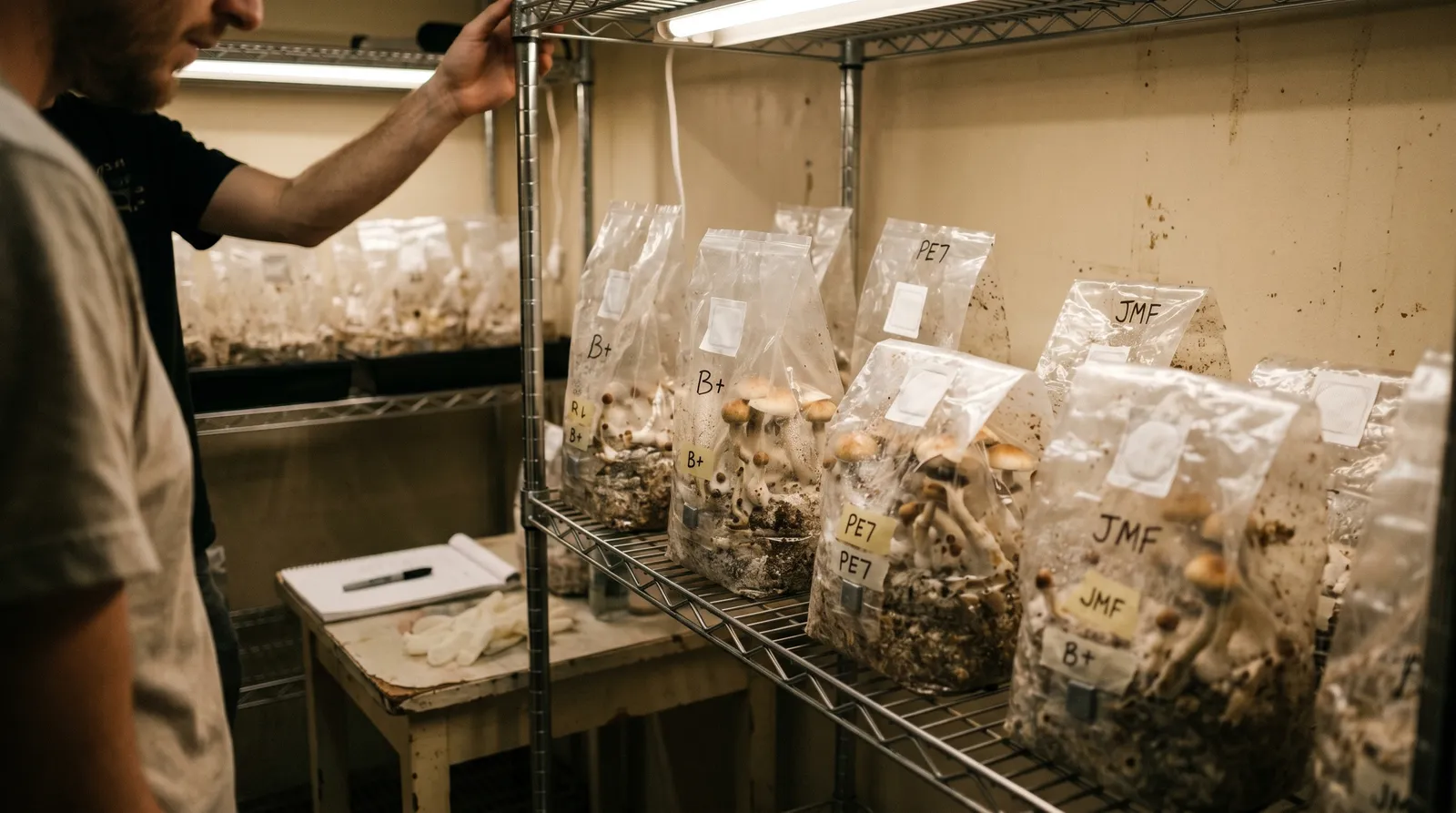
For microdosing, practices vary widely. Some users report working with 0.05–0.08g of dried cubensis; others use up to 0.3g. The Fadiman protocol (one dose every three days) and the Stamets Stack (four days on, three days off, combined with lion's mane and niacin) are the two most widely discussed regimens, though neither has been validated in large-scale clinical trials. A 2022 self-blinded study published in eLife (Szigeti et al.) found that microdosing effects did not significantly differ from placebo on most psychological measures — a result that should give pause to anyone treating microdose strain selection as a fine-tuning exercise.
The practical takeaway: if you're switching from one cubensis cultivar to another, adjust your dose conservatively. If you're switching from cubensis to Penis Envy, or from truffles to dried mushrooms, adjust significantly. And if you're switching species entirely — say, from cubensis to P. semilanceata — treat it as a completely new dosing exercise. To buy a precision scale for accurate dosing, the Azarius accessories section carries 0.01g scales that make this kind of careful measurement straightforward.
For a detailed breakdown of dosing ranges and safety considerations, see the companion article Psilocybin Dosage Guide. Interactions with SSRIs, MAOIs, and lithium are covered in Psilocybin Drug Interactions — the short version is that lithium is a hard contraindication, SSRIs may blunt or unpredictably alter effects, and MAOIs can dangerously intensify them.
Growing Conditions Matter More Than Strain Labels
Substrate composition, humidity, and harvest timing collectively influence potency at least as much as the cultivar name printed on the grow kit box. This is the finding that most surprises people when different psilocybin strains compared in controlled settings are examined: the same Golden Teacher genetics grown on rye grain versus brown rice flour can produce measurably different alkaloid concentrations. Gotvaldová et al. (2022) documented this variation systematically, and Lenz et al. (2023) confirmed that environmental factors dominate genetic factors in cubensis alkaloid expression.
If you want to get the most consistent results from a grow kit, the variables to control are temperature (22–25°C during fruiting), relative humidity (90%+ in the fruiting chamber), and harvest timing (just before or as the veil breaks). The Azarius grow kit instructions page walks through these steps for each kit type. A hygrometer and a small fan — both available in the Azarius accessories section — are more useful investments than agonising over which cubensis cultivar to order.
How to Read Strain Labels When You Buy a Grow Kit
Most strain labels on commercial grow kits tell you the cultivar name and the species, but they do not tell you the actual psilocybin content of that particular batch. When psilocybin strains compared by label alone seem interchangeable, it's because the label captures genetics — not the environmental history that determines final potency. A kit labelled "McKennaii" grown in suboptimal conditions may end up weaker than a "B+" kit grown perfectly.
What the label does reliably indicate is growth behaviour. A McKennaii kit will generally produce smaller, denser fruit bodies than a B+ kit, and a Penis Envy kit will colonise more slowly than either. These growth traits are genetically stable even when potency fluctuates. So when you order a grow kit from the Azarius grow kit range, use the strain name to set expectations about cultivation timeline and mushroom morphology — then use a 0.01g scale from the Azarius accessories section to determine your actual dose after harvest.
So Which Strain Should You Choose?
Golden Teacher or B+ is the best starting point for most people — they are forgiving to grow, moderate in potency, and the best-documented cultivars available. McKennaii if you want something stronger without leaving the cubensis family. Penis Envy only if you've already calibrated your sensitivity with a standard cultivar and want to step up — and even then, cut your usual dose by at least a third.
If you're working with truffles rather than grow kits, the species and brand matter more than the cultivar name. Stronger truffle varieties deliver a meaningfully different intensity than milder ones, and the dosing is in grams of fresh material rather than dried. You can order truffles across multiple potency tiers from the Azarius truffle selection, and buy grow kits for any of the cubensis cultivars discussed above from the Azarius grow kit range.
And honestly? The strain you pick matters less than three other variables: your dose accuracy (use a scale that reads to 0.01g), your set and setting, and whether you've eaten in the last few hours. Get those right and almost any moderate-potency cubensis will do the job. When psilocybin strains compared side by side show only modest differences, it's a reminder that the fundamentals of preparation outweigh the genetics on the label.
Last updated: April 2026
Frequently Asked Questions
10 questionsDo different psilocybin strains actually produce different effects?
How much stronger is Penis Envy than Golden Teacher?
Why does potency vary so much within the same strain?
Are psilocybin truffles weaker than mushrooms?
Does the mushroom entourage effect have scientific support?
Which psilocybin strain is best for microdosing?
How long does it take to grow different psilocybin strains at home?
What is the difference between Psilocybe cubensis and Psilocybe semilanceata (Liberty Cap)?
How long do the effects of different psilocybin strains typically last?
Can you tell psilocybin strains apart by their appearance?
About this article


Adam Parsons is an external cannabis and psychedelics writer and editor who contributes to Azarius's wiki as both author and reviewer. On the writing side, he authors Azarius's kratom and kanna clusters, drawing on exten
This wiki article was drafted with AI assistance and reviewed by Adam Parsons, External contributor. Editorial oversight by Joshua Askew.
Medical disclaimer. This content is for informational purposes only and does not constitute medical advice. Consult a qualified healthcare provider before use of any substance.
Last reviewed April 24, 2026
References (9)
- [1]Gotvaldová, K., et al. (2022). Stability of psilocybin and its four analogs in the biomass of the psychotropic mushroom Psilocybe cubensis . Journal of Natural Products , 85(3), 684–689.
- [2]Lenz, C., et al. (2023). Genomic and chemotaxonomic characterisation of Psilocybe cubensis cultivars. Fungal Biology , 127(4), 1021–1033.
- [3]Stamets, P. & Gartz, J. (1995). A new caerulescent Psilocybe from the Pacific Coast of Northwestern America. Integration , 6, 21–27.
- [4]Zhuk, O., et al. (2024). Psilocybe cubensis mushroom extract attenuates marble-burying more than psilocybin alone. Psychopharmacology , 241, 575–586.
- [5]Griffiths, R.R., et al. (2016). Psilocybin produces substantial and sustained decreases in depression and anxiety in patients with life-threatening cancer. Journal of Psychopharmacology , 30(12), 1181–1197. DOI: 10.1177/0269881116675513
- [6]Carhart-Harris, R.L., et al. (2021). Trial of psilocybin versus escitalopram for depression. New England Journal of Medicine , 384(15), 1402–1411. DOI: 10.1056/nejmoa2032994
- [7]Szigeti, B., et al. (2022). Self-blinding citizen science to explore psychedelic microdosing. eLife , 10, e62878.
- [8]EMCDDA (2024). Drug profiles: Psilocybin mushrooms. European Monitoring Centre for Drugs and Drug Addiction.
- [9]Beckley Foundation (2023). Psilocybin research programme: Overview and publications. Beckley Foundation, Oxford.
Related Articles
Hawaiian Baby Woodrose Sourcing
Hawaiian baby woodrose sourcing is a practice that covers how to obtain quality Argyreia nervosa seeds — a vine whose seeds contain LSA (lysergic acid amide).
LSA Legal Status in Europe
LSA (lysergic acid amide, or ergine) occupies a legal grey zone across Europe — rarely scheduled as a compound, yet subject to varied NPS legislation that…
Ololiuqui Mazatec Tradition: Ceremonial Seeds of the Sierra Mazateca
Ololiuqui — the seeds of Turbina corymbosa — played a specific ceremonial role among the Mazatec people of Oaxaca, distinct from their better-known use of…
Morning Glory LSA Plants Family
Morning glory LSA plants family is a group of Convolvulaceae vines whose seeds contain d-lysergic acid amide (ergine), a naturally occurring tryptamine first…
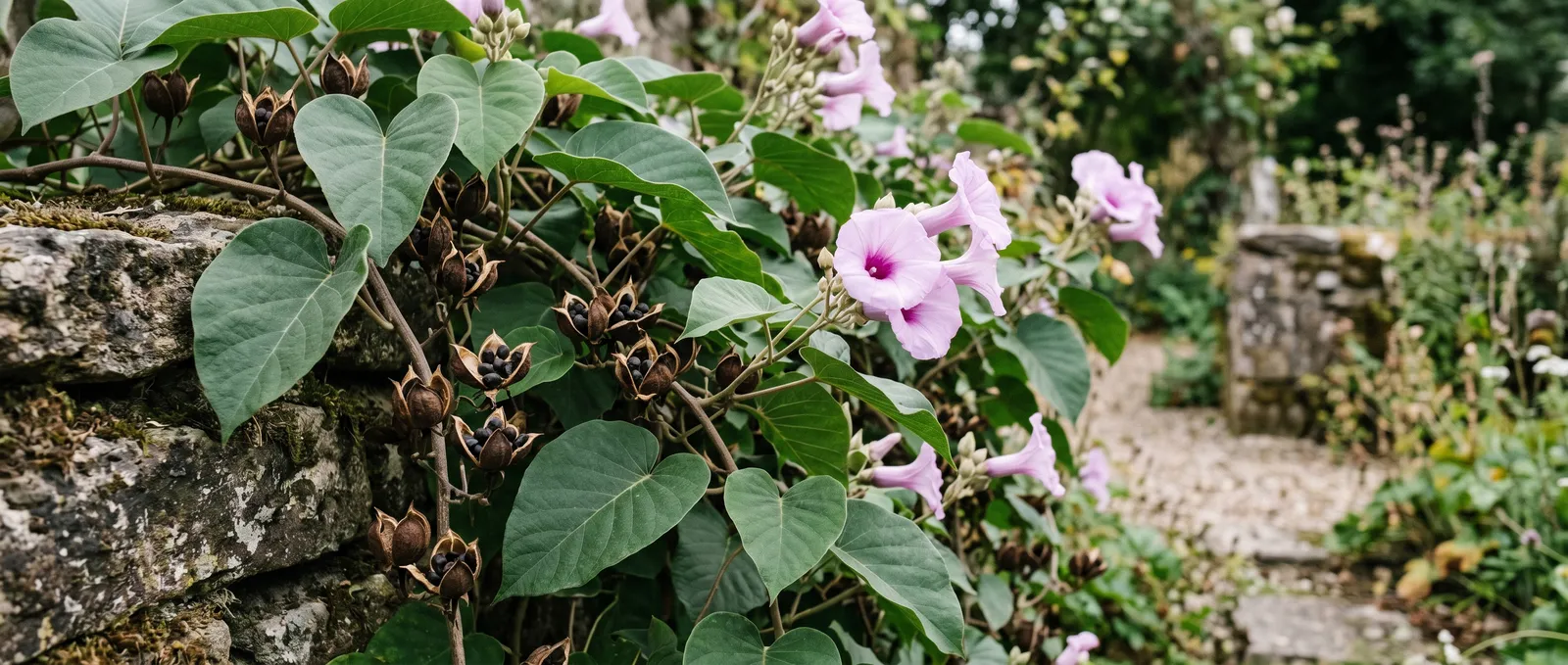
Hawaiian Baby Woodrose Plant Botany
Argyreia nervosa, commonly called Hawaiian baby woodrose, is a perennial climbing vine native to the Indian subcontinent, not Hawai'i.
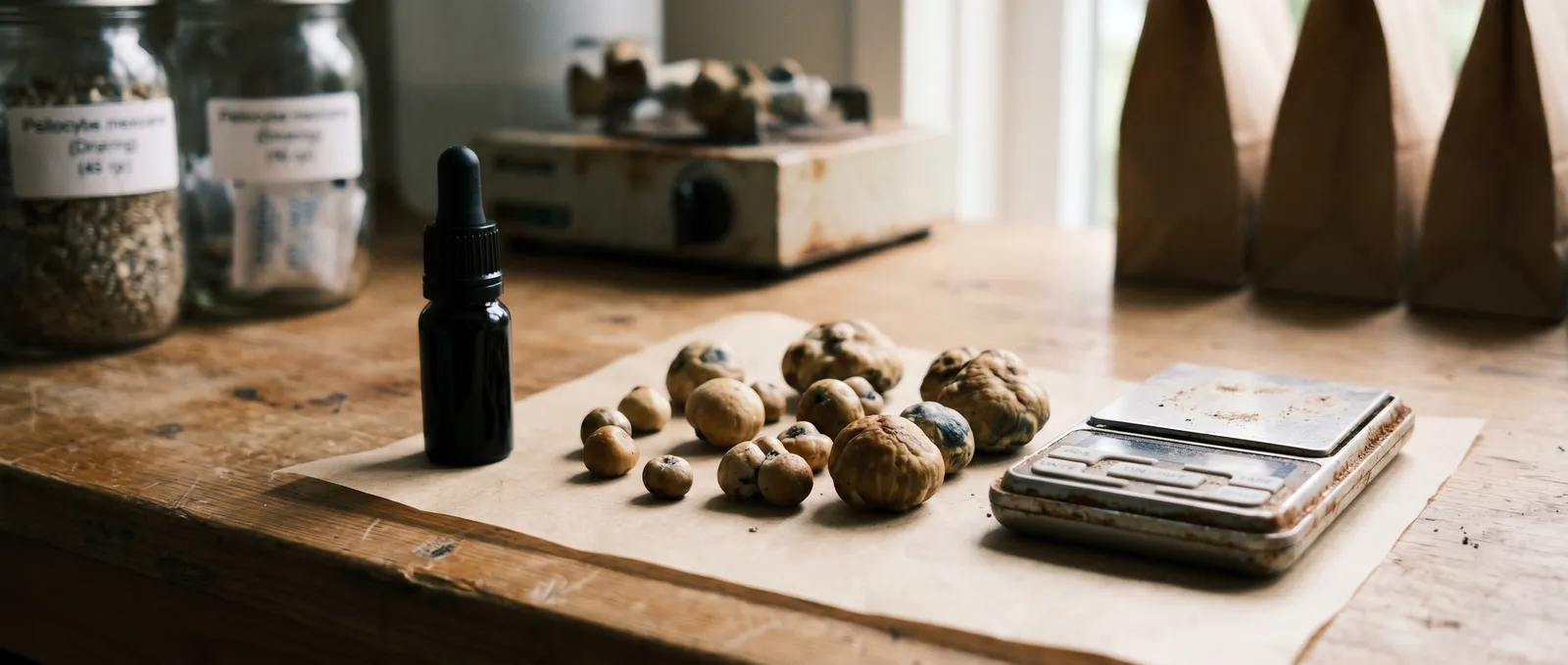
Magic Truffle Quality Indicators
Magic truffle quality indicators are the measurable and sensory characteristics — psilocybin content, texture, aroma, packaging integrity, and storage…
Mescaline Cactus Market Observations
Mescaline cactus market observations is a research and retail term that describes the shifting patterns in sourcing, species selection, and consumption of…
Growing Mescaline Cacti as Ornamental Plants
Growing mescaline cacti ornamental is a horticultural practice that involves cultivating species like San Pedro, Peruvian Torch, and peyote for their…
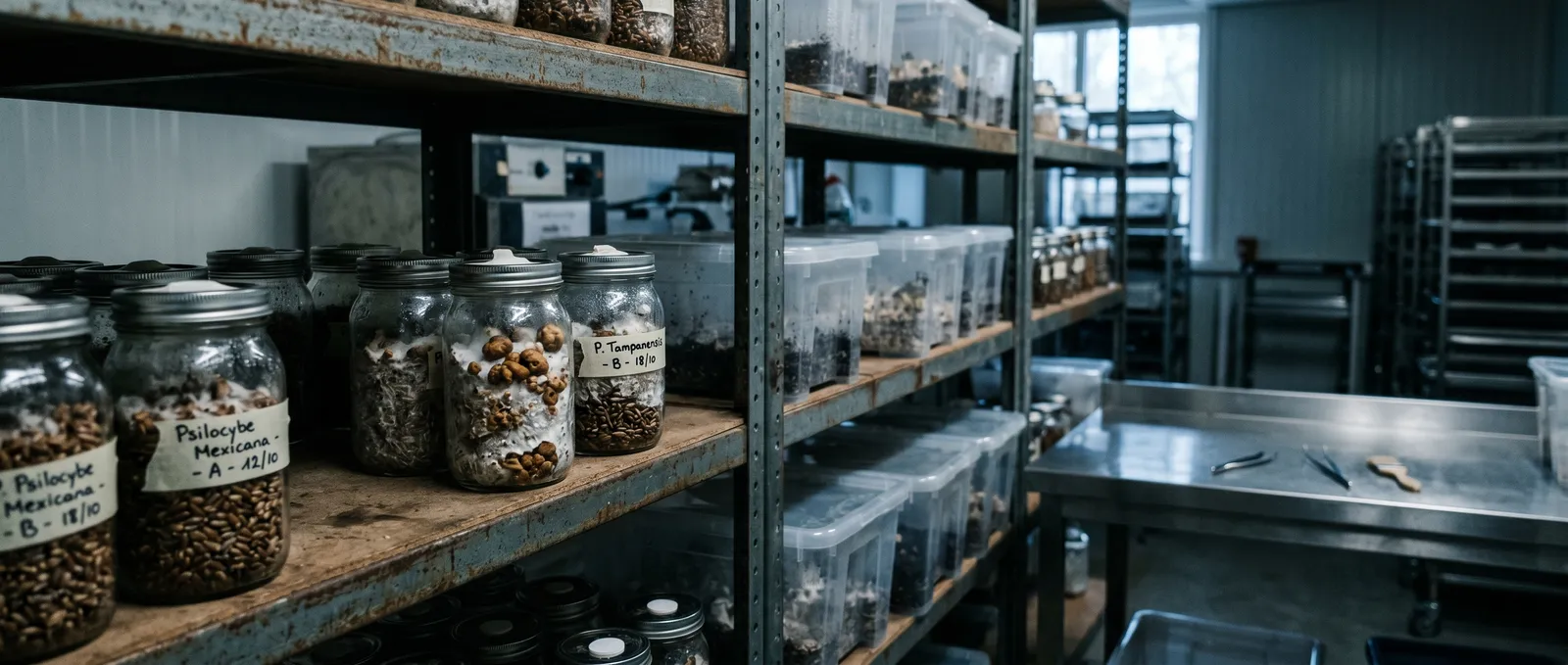
Commercial Magic Truffle Cultivation
Commercial magic truffle cultivation is a large-scale agricultural process that produces psilocybin-containing sclerotia in climate-controlled indoor…