
This article discusses psychoactive substances intended for adults (18+). If you have a health condition or take medication, consult a doctor before use. Our age policy
Morning Glory LSA Plants Family
Definition
Morning glory LSA plants family is a group of Convolvulaceae vines whose seeds contain d-lysergic acid amide (ergine), a naturally occurring tryptamine first isolated from Rivea corymbosa by Hofmann (1963). The primary species are Ipomoea violacea and Ipomoea purpurea, with Argyreia nervosa as a closely related LSA source outside the morning glory genus.
18+ only
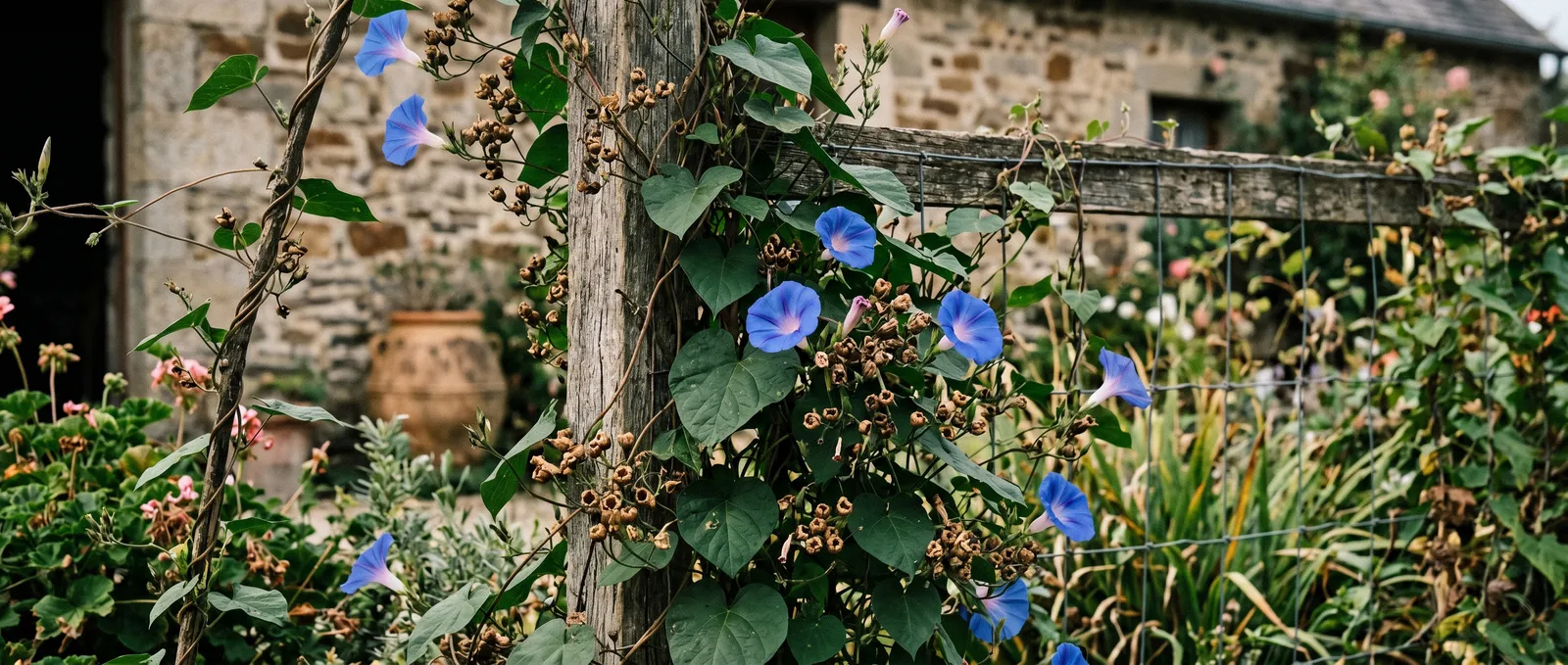
Morning glory LSA plants family is a group of flowering vines in the Convolvulaceae family whose seeds contain d-lysergic acid amide (LSA, also called ergine) — a naturally occurring tryptamine structurally related to LSD. The best-known species are Ipomoea violacea (morning glory) and Ipomoea purpurea (common morning glory), though Argyreia nervosa (Hawaiian baby woodrose) also belongs to this broader LSA-producing group. This article focuses specifically on the morning glory side of the family — their botany, the seeds that carry the active alkaloids, and how different species compare. For a broader overview of LSA itself, including pharmacology and safety, see the LSA pillar article on the Azarius wiki.
What Makes Morning Glories Psychoactive
The psychoactivity of morning glories sits entirely in the seeds, not the flowers or leaves. Albert Hofmann — the same chemist who synthesised LSD — first isolated LSA from Rivea corymbosa (ololiuqui) seeds in 1960 and later confirmed its presence in Ipomoea violacea (Hofmann, 1963). The seeds contain a cocktail of ergoline alkaloids: LSA is the primary psychoactive, but ergometrine, lysergol, and elymoclavine are also present. A GC/MS analysis of commercially available morning glory seeds confirmed LSA as the dominant alkaloid, though exact concentrations varied between batches and species (Nowak et al., 2016).
LSA likely acts as an agonist at the 5-HT2A serotonin receptor, the same binding site responsible for the effects of LSD and psilocybin. But "likely" is the honest qualifier here — there are no published receptor-binding studies as rigorous as those for LSD. Most of what we know about LSA's mechanism is inferred from its structural similarity to better-studied lysergamides. The European Monitoring Centre for Drugs and Drug Addiction (EMCDDA) lists LSA among naturally occurring psychoactive substances of interest but notes the limited clinical data available (EMCDDA, 2024).
Key Species in the Family
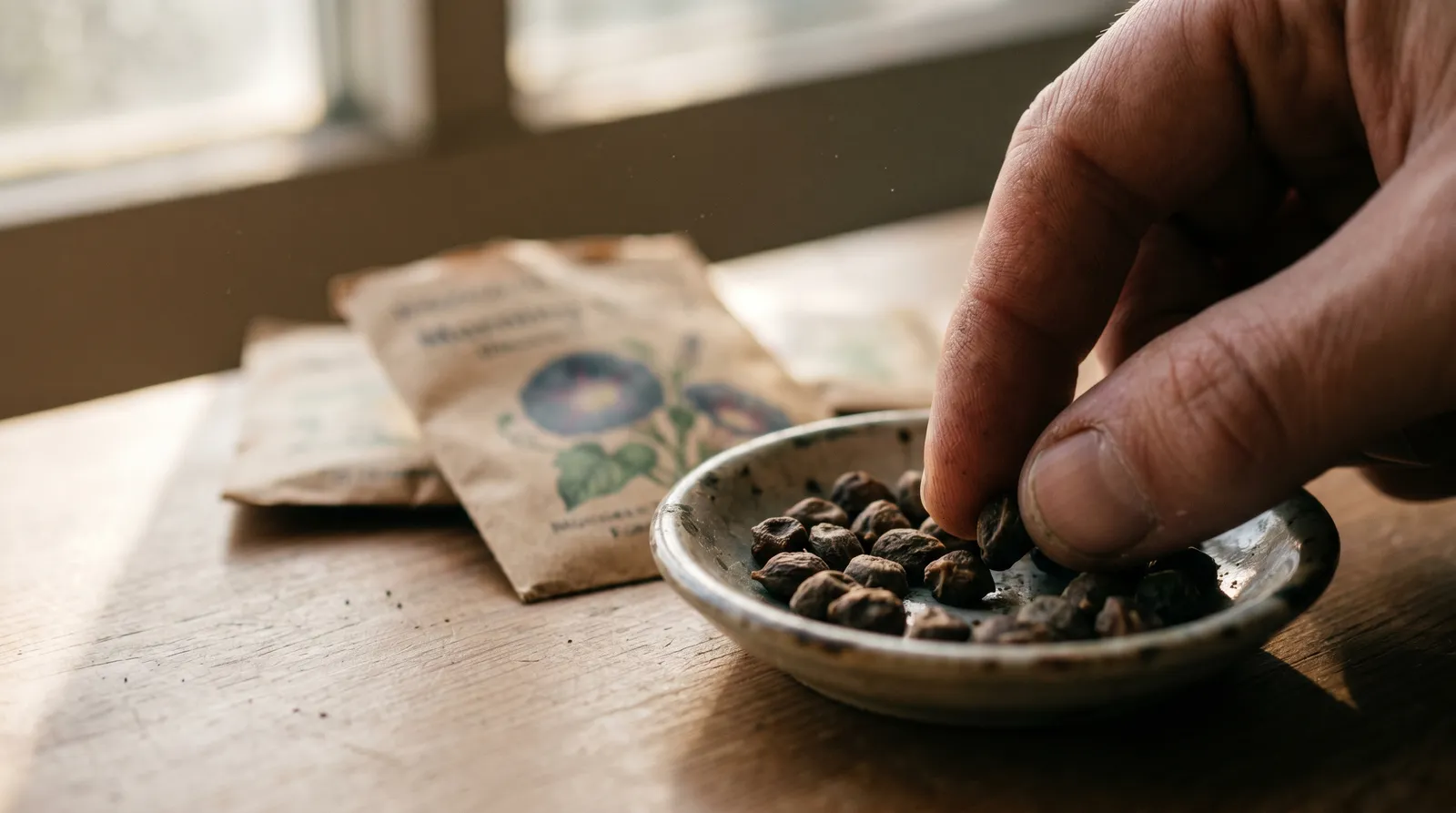
Only a handful of the 1,600-plus Convolvulaceae species produce meaningful quantities of LSA — most morning glories are purely ornamental. Here's how the main players compare.
| Species | Common Name(s) | LSA Content | Traditional Use | Notes |
|---|---|---|---|---|
| Ipomoea violacea | Morning Glory (Heavenly Blue, Pearly Gates, Flying Saucers) | Moderate–High | Aztec ceremonial use (tlitlitzin) | Most commonly referenced in ethnobotanical literature |
| Ipomoea purpurea | Common Morning Glory | Low–Moderate | Limited documented traditional use | Often confused with I. violacea; generally lower alkaloid content |
| Turbina corymbosa (syn. Rivea corymbosa) | Ololiuqui | Moderate | Mazatec and Zapotec ceremonial use | First LSA-containing plant formally identified by Hofmann (1960) |
| Argyreia nervosa | Hawaiian Baby Woodrose | High | Ayurvedic medicine (not for LSA specifically) | Not a morning glory — separate genus, but same alkaloid family |
The distinction between Ipomoea violacea and Ipomoea purpurea trips people up constantly. They look similar, both produce trumpet-shaped flowers in blues and purples, and garden centres rarely label them precisely. I. violacea cultivars — particularly Heavenly Blue — are the ones with the strongest documented LSA content. I. purpurea seeds contain the same alkaloids but typically at lower concentrations, which matters a great deal when seed count is your only dosing variable. If you want to buy morning glory seeds for their alkaloid content, confirming the exact species is the single most important step.
Seed Dosage Ranges in the Literature
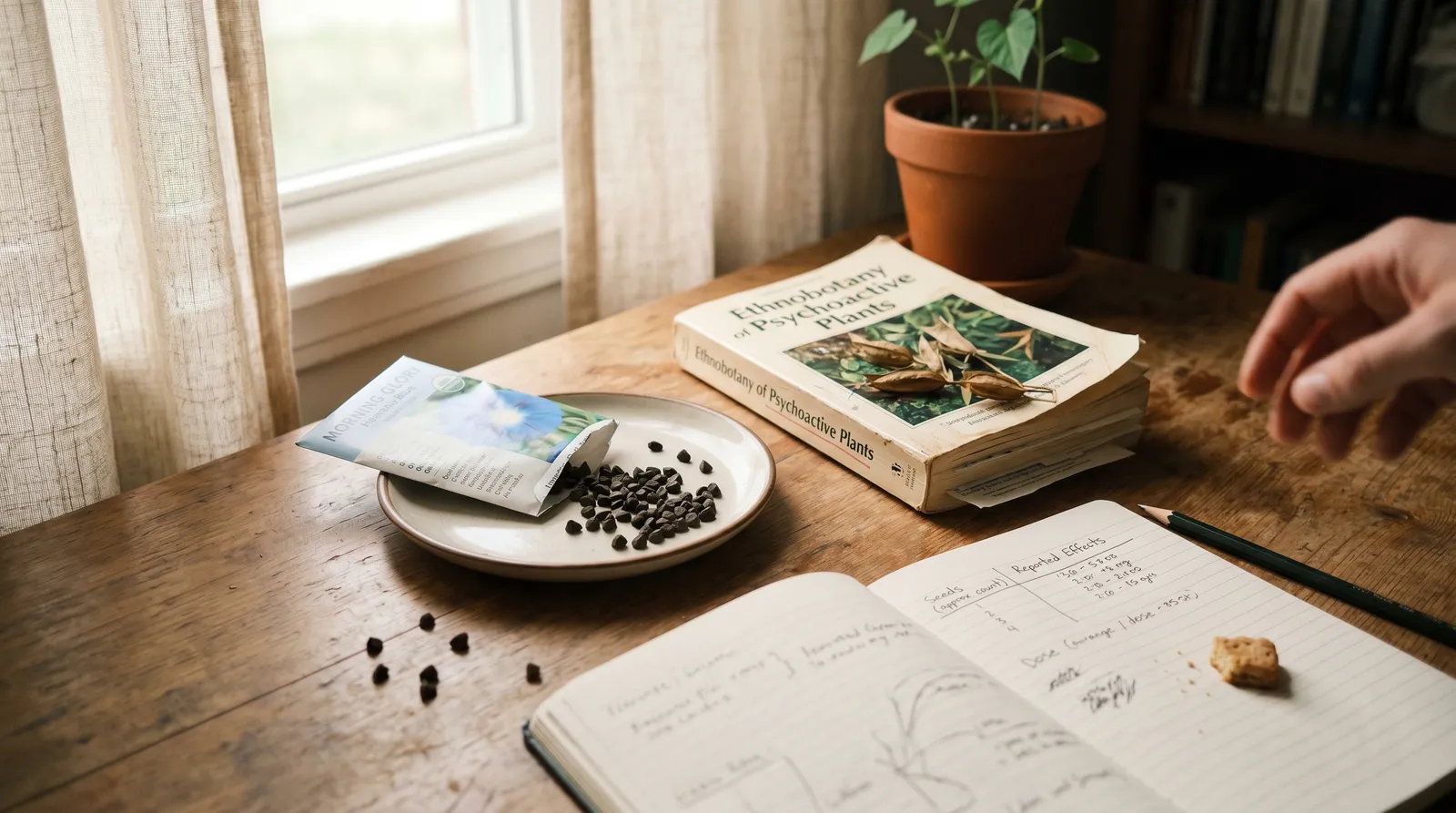
No controlled clinical trials on LSA dosing in humans have been published as of April 2026. The dosing data below comes from ethnobotanical and user-reported sources — treat these numbers as rough reference points, not prescriptions. This guide is written for adults. Hofmann (1963) documented that traditional Mazatec use involved approximately 13 seeds of Turbina corymbosa for a ceremonial dose, while Ipomoea violacea required substantially more due to lower per-seed alkaloid concentration.
| Intensity Level | Seed Count (I. violacea) | Approximate Weight |
|---|---|---|
| Light | 50–100 seeds | 1.5–3 g |
| Average | 100–250 seeds | 3–6 g |
| Strong | 250–400 seeds | 6–10 g |
| Intense | 400+ seeds | 10+ g |
These ranges apply specifically to untreated Ipomoea violacea seeds. Seeds from I. purpurea may require substantially more to produce comparable effects, and Hawaiian baby woodrose seeds are far more potent per seed (4–8 seeds is often cited as a strong dose for A. nervosa). Alkaloid content also varies with growing conditions, seed maturity, and storage — a bag of seeds from one harvest won't necessarily match another.
Doses above 400 seeds (10+ g) have not been studied in any published clinical context. Reported effects at high doses include intense nausea, vasoconstriction, and psychological distress alongside stronger visual and cognitive changes.
Nausea and the Seed Coat Problem
Nausea is the most consistently reported side effect of eating morning glory seeds — virtually every user report and ethnobotanical account mentions it. Eating raw seeds almost always produces significant gastrointestinal discomfort — cramping, bloating, and vomiting are common, particularly at higher doses. Hofmann (1963) noted that Mazatec ceremonial use of ololiuqui seeds was frequently accompanied by cannabis to manage stomach upset, suggesting this has been a known issue for centuries.
The nausea appears to come from multiple sources: the ergoline alkaloids themselves can cause smooth muscle contraction (ergometrine is literally used in obstetrics for this property), and the seed coat contains compounds — possibly cyanogenic glycosides and other irritants — that aggravate the gut independently of the psychoactive alkaloids. Various preparation methods aim to separate the LSA from the problematic seed material, but that's covered in the dedicated morning glory preparation article on the Azarius blog.
We don't know exactly which compounds in the seed coat cause the worst nausea. The cyanogenic glycoside hypothesis is plausible but unconfirmed — no published study has isolated and tested individual seed coat fractions against the purified alkaloids in a controlled setting. Anyone who tells you they've "solved" morning glory nausea is overstating the evidence.
How Morning Glory Compares to Hawaiian Baby Woodrose
Hawaiian baby woodrose seeds contain roughly 10–50 times more LSA per seed than Ipomoea violacea morning glory seeds. This means you eat far fewer — typically 4–8 seeds for a strong experience versus 250–400 morning glory seeds. Fewer seeds means less plant material in your stomach, which some people find reduces (but doesn't eliminate) nausea. However, A. nervosa seeds also contain higher concentrations of other ergoline alkaloids, and users frequently report heavier sedation and more pronounced vasoconstriction compared to morning glory. The morning glory experience is sometimes described as lighter, more visual, and somewhat more manageable in character — though individual variation is significant and published comparative data is essentially nonexistent.
For a deeper comparison, see the Hawaiian baby woodrose article on the Azarius wiki. If you want to buy Hawaiian baby woodrose seeds, the Azarius product pages list the specific seed varieties currently available.
| Factor | Morning Glory (I. violacea) | Hawaiian Baby Woodrose (A. nervosa) |
|---|---|---|
| Seeds per strong dose | 250–400 | 4–8 |
| Nausea intensity | High (large seed volume) | Moderate (fewer seeds, but potent alkaloid mix) |
| Sedation | Mild–Moderate | Moderate–Heavy |
| Vasoconstriction reports | Common | Very common |
| Character of experience | Often described as lighter, more visual | Often described as heavier, more sedating |
A Note on Commercially Treated Seeds
Garden-centre morning glory seeds are frequently coated with fungicides, pesticides, or bitter-tasting deterrents specifically to discourage ingestion. These coatings can cause additional nausea, vomiting, and potentially more serious toxicity that has nothing to do with LSA. Seeds sold by smartshops like Azarius are typically untreated, but if you're sourcing seeds from a garden supplier, assume they've been treated unless explicitly stated otherwise. Washing doesn't reliably remove all coatings — some are systemic, applied during the growing phase rather than post-harvest.
When you order morning glory seeds from a smartshop, you're getting seeds selected and stored for alkaloid preservation rather than garden germination rates. That distinction matters more than most people realise.
Set, Setting, and Mental Health
LSA is a serotonergic psychoactive substance, and the standard psychedelic safety framework applies — set and setting shape the experience at least as much as dose does. According to a review of LSA-related case reports, the substance can worsen pre-existing anxiety and has been associated with acute psychotic episodes in vulnerable individuals (Klinke et al., 2010). The EMCDDA risk assessment framework classifies serotonergic psychedelics as substances requiring particular caution in individuals with psychiatric vulnerability (EMCDDA, 2024). This isn't unique to LSA — psilocybin and LSD carry similar risks — but it's worth noting because LSA's relatively easy availability (morning glory seeds are sold in every garden centre in Europe) sometimes leads people to underestimate it.
If you have a personal or family history of psychotic disorders, LSA-containing seeds are not appropriate. For interactions with medications — particularly SSRIs, MAOIs, and lithium — see the dedicated LSA interactions article on the Azarius wiki.
There are no published long-term follow-up studies on repeated LSA use. We genuinely don't know whether regular consumption of morning glory seeds carries cumulative risks beyond what single-dose case reports suggest. The Beckley Foundation has called for more research into naturally occurring psychedelics including LSA, but as of 2026 no funded trials are underway. Treat the absence of evidence as uncertainty, not as evidence of safety.
Growing Morning Glories for Seeds
Ipomoea violacea is a vigorous annual vine that grows readily in temperate and subtropical climates. Seeds germinate best after scarification (nicking the hard seed coat) and soaking overnight. The plants need full sun, a climbing structure, and regular water — they'll flower within 8–12 weeks of planting and produce seed pods roughly a month after flowering. Mature pods turn brown and papery; seeds inside should be hard and dark when ready for harvest.
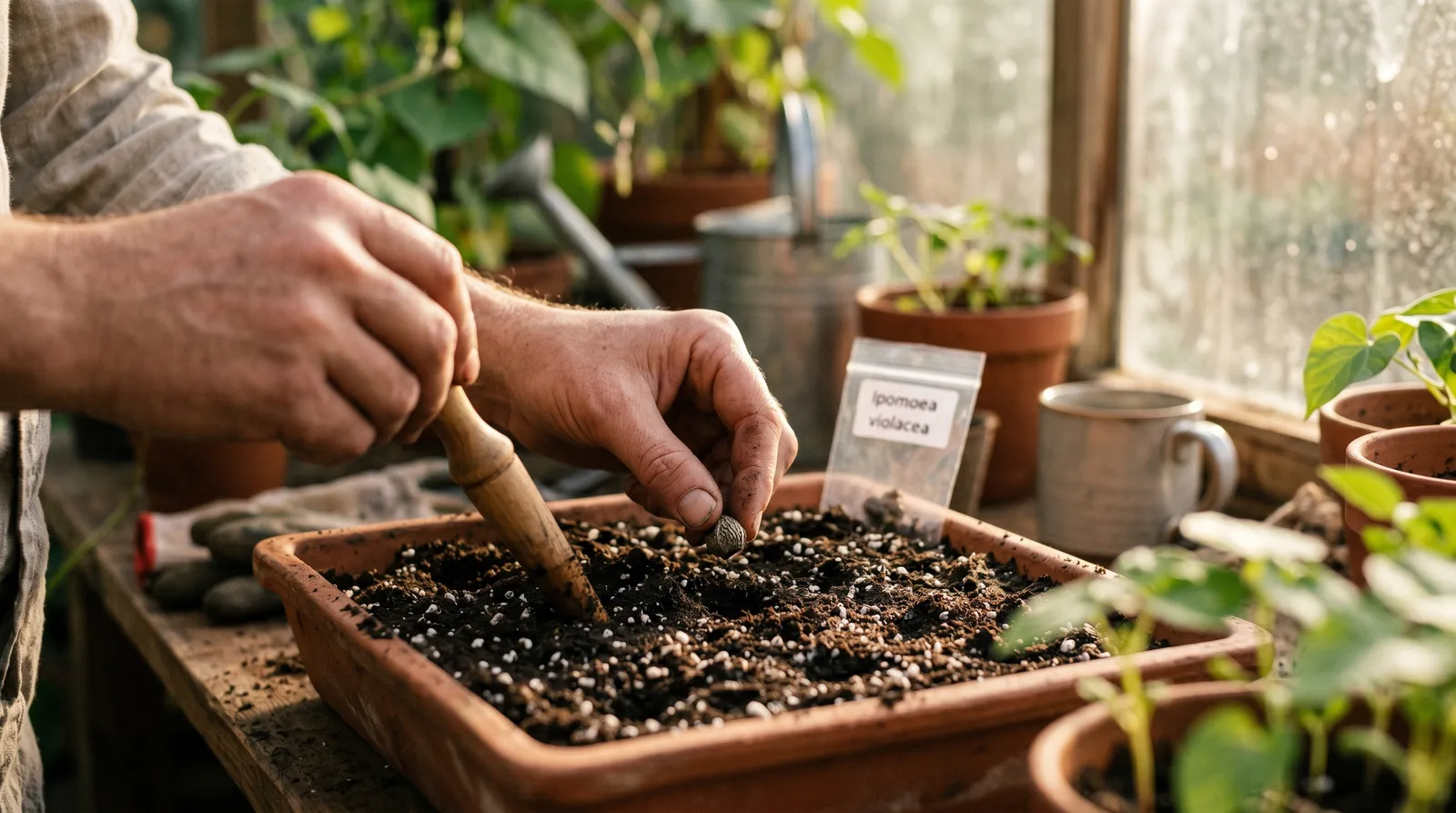
Whether home-grown seeds have the same alkaloid content as commercially sourced ones is an open question. Growing conditions, soil composition, and harvest timing all affect alkaloid biosynthesis. Nowak et al. (2016) found significant batch-to-batch variation even among commercially produced seeds, so home growers should expect similar unpredictability.
Related Products on Azarius
If you're looking to get morning glory seeds or related LSA products, Azarius stocks several options. Morning Glory Heavenly Blue seeds (Ipomoea violacea) are the most popular choice for those interested in this plant family. Hawaiian Baby Woodrose seeds (Argyreia nervosa) offer a higher-potency alternative from the same alkaloid group. The Azarius LSA category page lists all currently available LSA-containing seeds. For preparation supplies, see the Azarius blog article on seed preparation methods. You can also browse the Azarius wiki for detailed articles on each species in the morning glory LSA plants family.
Last updated: April 2026
Frequently Asked Questions
8 questionsWhat is the difference between Ipomoea violacea and Ipomoea purpurea for LSA content?
Are garden-centre morning glory seeds safe to consume?
How many morning glory seeds equal one Hawaiian baby woodrose seed?
Why do morning glory seeds cause so much nausea?
Can LSA from morning glory seeds cause psychosis?
Where can I buy untreated morning glory seeds?
Which morning glory cultivars contain the most LSA?
How did the Aztecs use morning glory seeds historically?
About this article


Joshua Askew serves as Editorial Director for Azarius wiki content. He is Managing Director at Yuqo, a content agency specialising in cannabis, psychedelics and ethnobotanical editorial work across multiple languages. Th
This wiki article was drafted with AI assistance and reviewed by Joshua Askew, Managing Director at Yuqo. Editorial oversight by Adam Parsons.
Medical disclaimer. This content is for informational purposes only and does not constitute medical advice. Consult a qualified healthcare provider before use of any substance.
Last reviewed April 24, 2026
References (5)
- [1]Hofmann, A. (1963). The active principles of the seeds of Rivea corymbosa and Ipomoea violacea. Botanical Museum Leaflets, Harvard University, 20(6), 194–212.
- [2]Klinke, H.B., Müller, I.B., Steffenrud, S., & Dahl-Sørensen, R. (2010). Two cases of lysergamide intoxication by ingestion of seeds from Hawaiian baby woodrose. Forensic Science International, 197(1–3), e1–e5.
- [3]Nowak, J., Woźniakiewicz, M., Klepacki, P., Sowa, A., & Kościelniak, P. (2016). GC/MS analysis of morning glory seeds freely in commerce. Forensic Toxicology, 34(2), 308–315.
- [4]European Monitoring Centre for Drugs and Drug Addiction (EMCDDA). (2024). European Drug Report: New psychoactive substances and naturally occurring psychoactives. Publications Office of the European Union.
- [5]Beckley Foundation. (2023). Policy brief: Research priorities for naturally occurring psychedelics. Beckley Foundation Press.
Related Articles
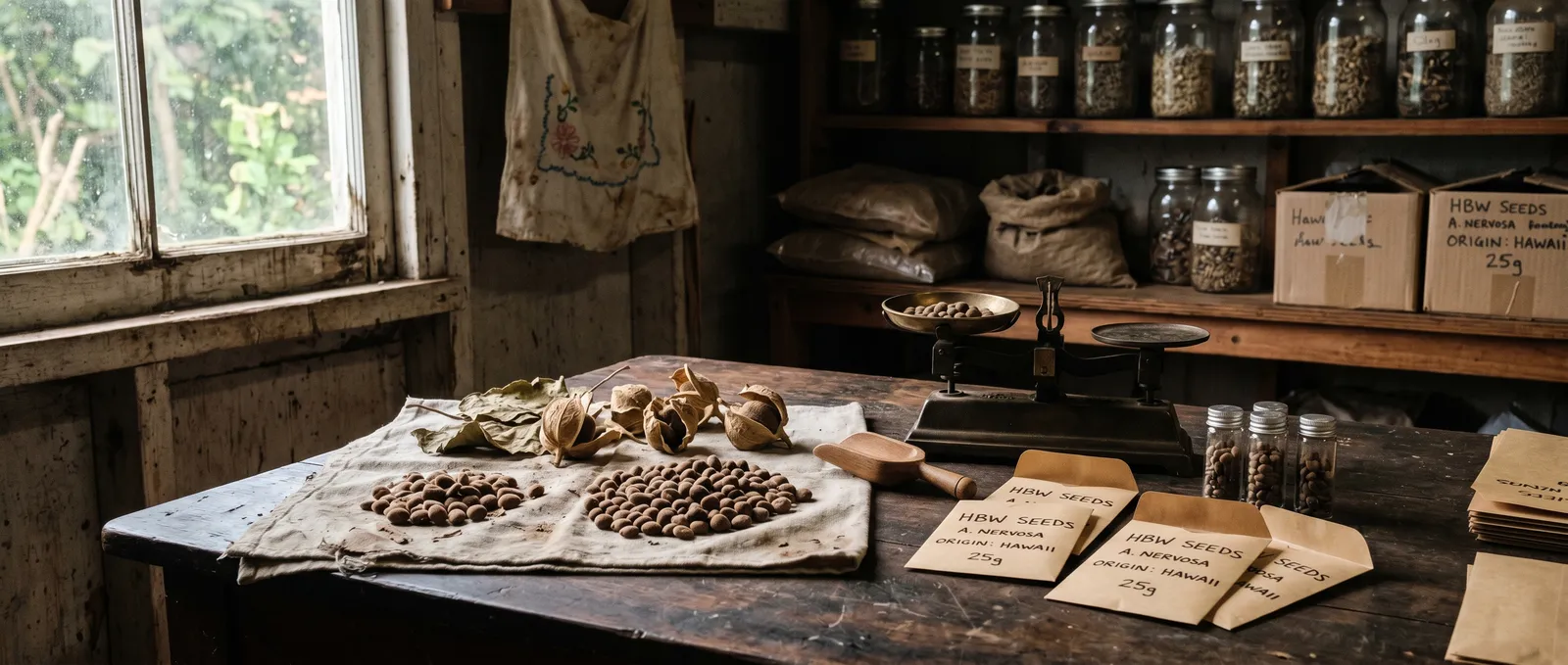
Hawaiian Baby Woodrose Sourcing
Hawaiian baby woodrose sourcing is a practice that covers how to obtain quality Argyreia nervosa seeds — a vine whose seeds contain LSA (lysergic acid amide).
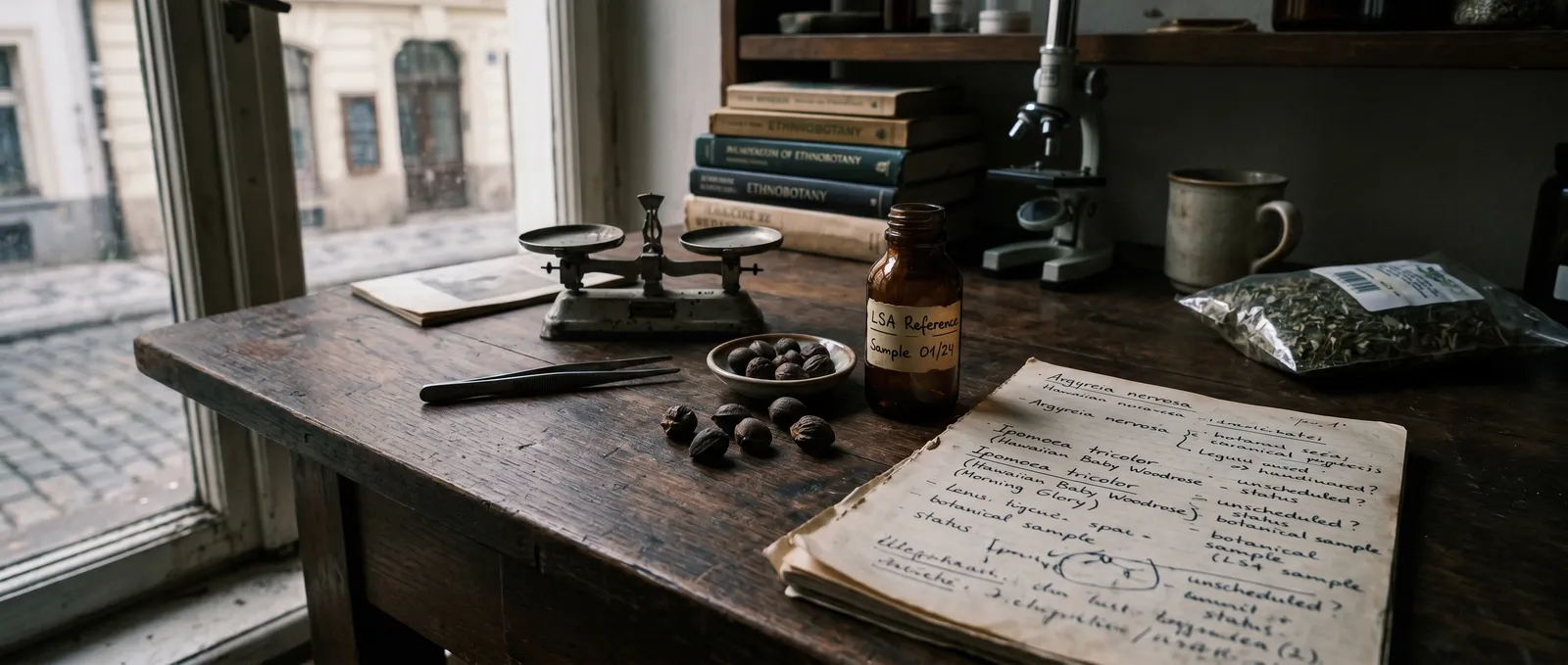
LSA Legal Status in Europe
LSA (lysergic acid amide, or ergine) occupies a legal grey zone across Europe — rarely scheduled as a compound, yet subject to varied NPS legislation that…
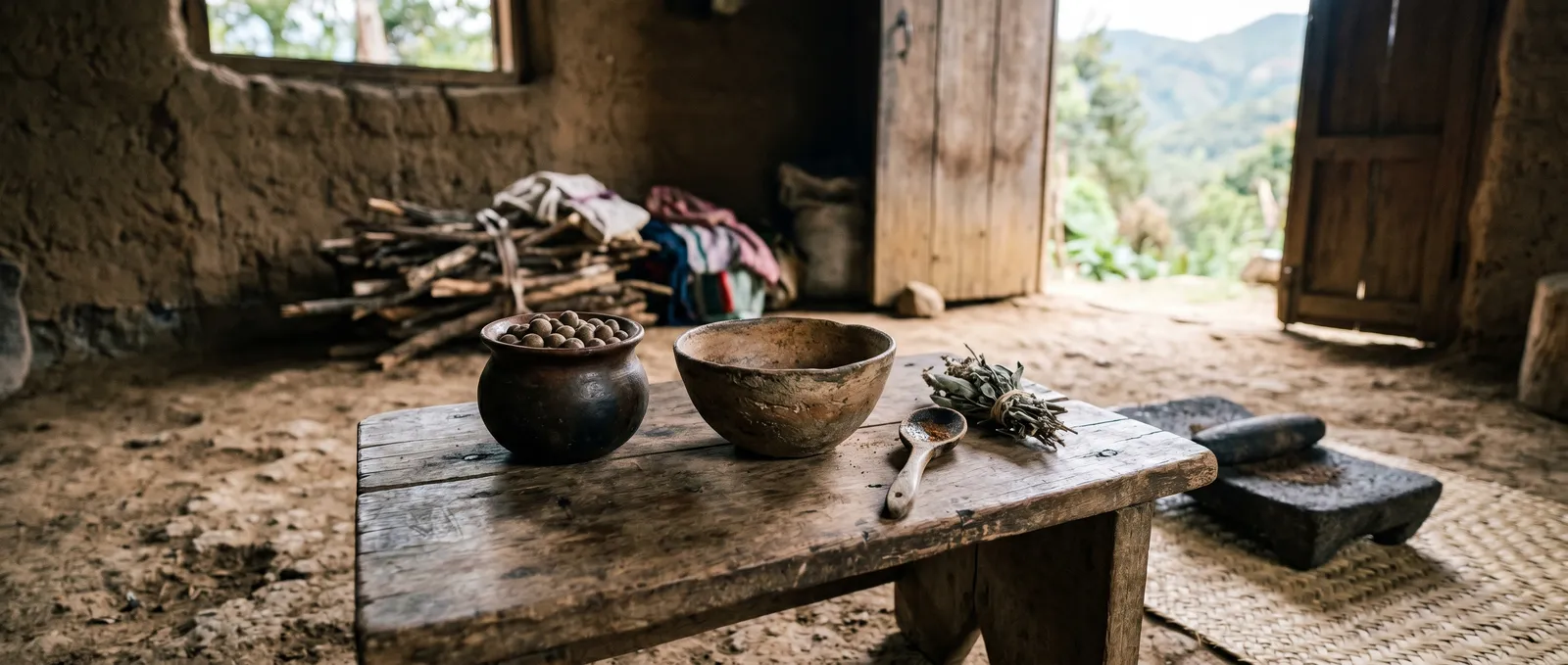
Ololiuqui Mazatec Tradition: Ceremonial Seeds of the Sierra Mazateca
Ololiuqui — the seeds of Turbina corymbosa — played a specific ceremonial role among the Mazatec people of Oaxaca, distinct from their better-known use of…
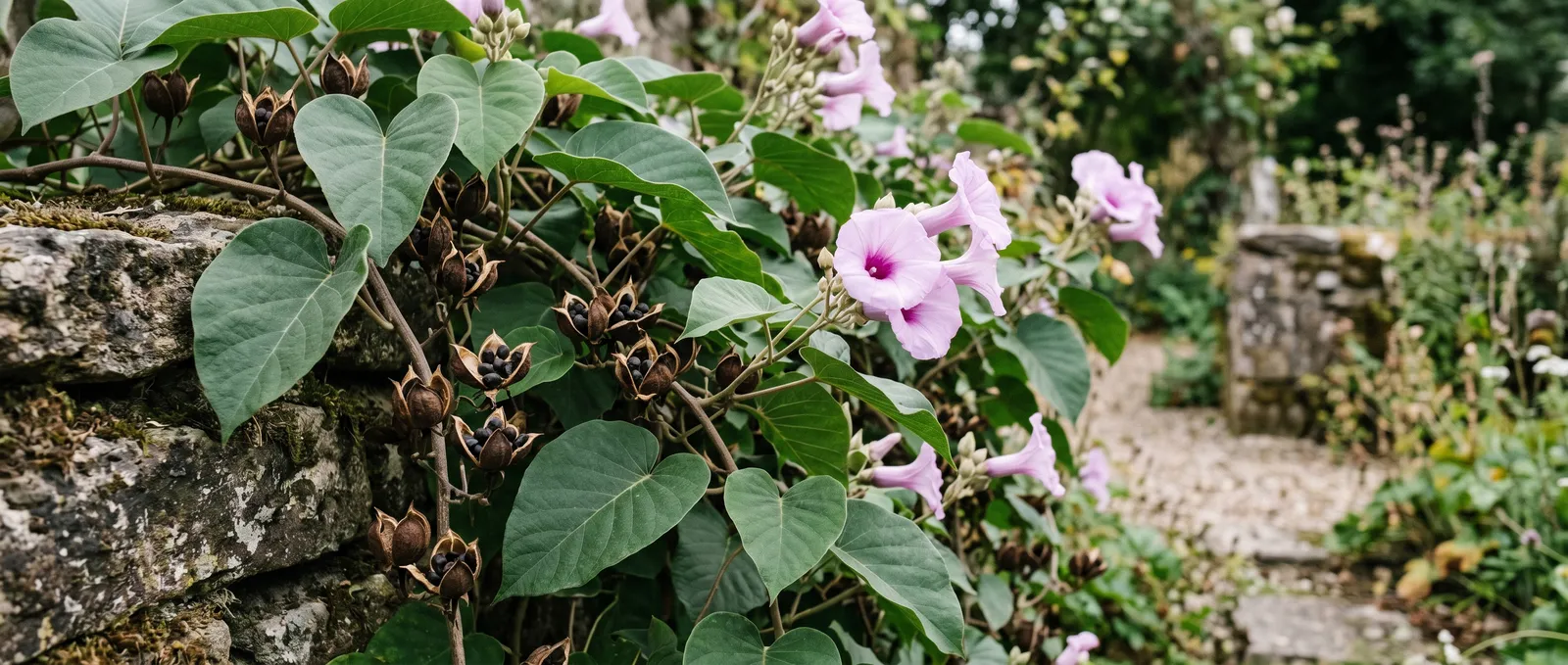
Hawaiian Baby Woodrose Plant Botany
Argyreia nervosa, commonly called Hawaiian baby woodrose, is a perennial climbing vine native to the Indian subcontinent, not Hawai'i.
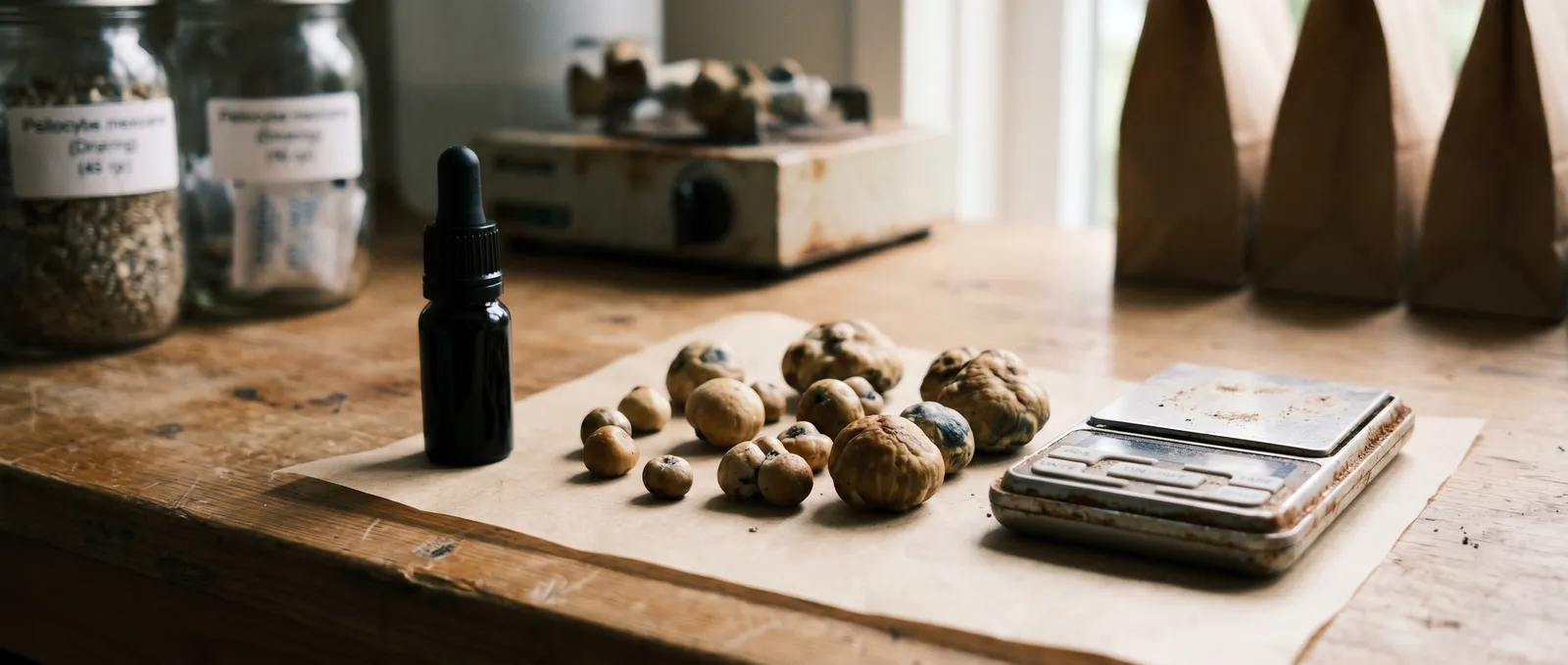
Magic Truffle Quality Indicators
Magic truffle quality indicators are the measurable and sensory characteristics — psilocybin content, texture, aroma, packaging integrity, and storage…
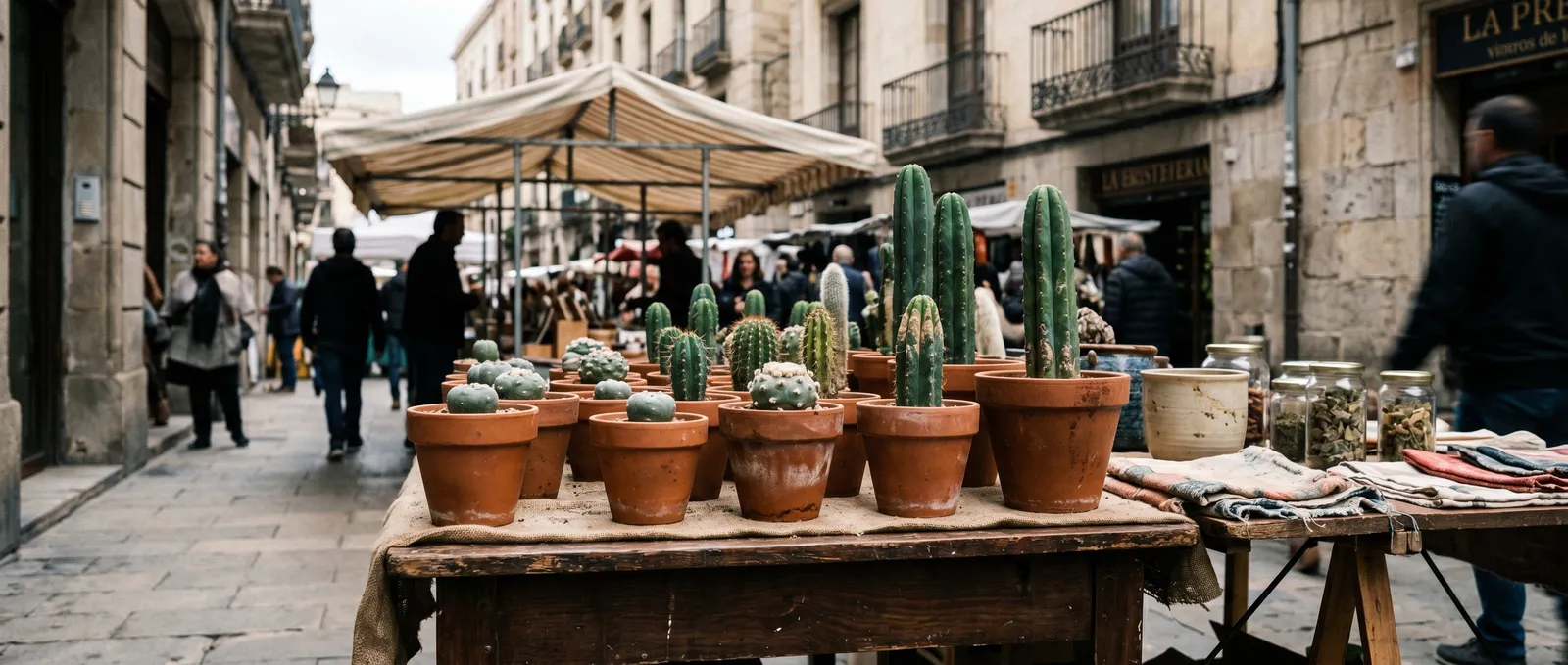
Mescaline Cactus Market Observations
Mescaline cactus market observations is a research and retail term that describes the shifting patterns in sourcing, species selection, and consumption of…
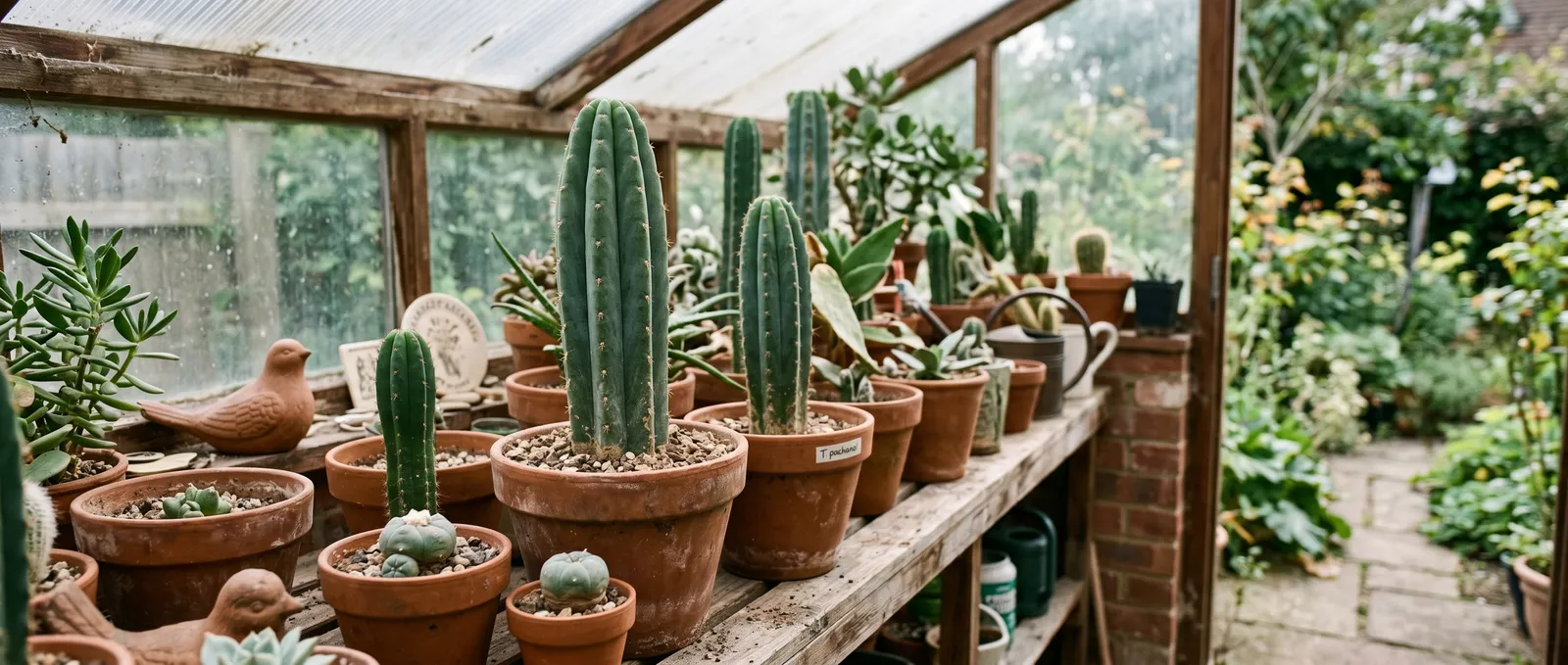
Growing Mescaline Cacti as Ornamental Plants
Growing mescaline cacti ornamental is a horticultural practice that involves cultivating species like San Pedro, Peruvian Torch, and peyote for their…
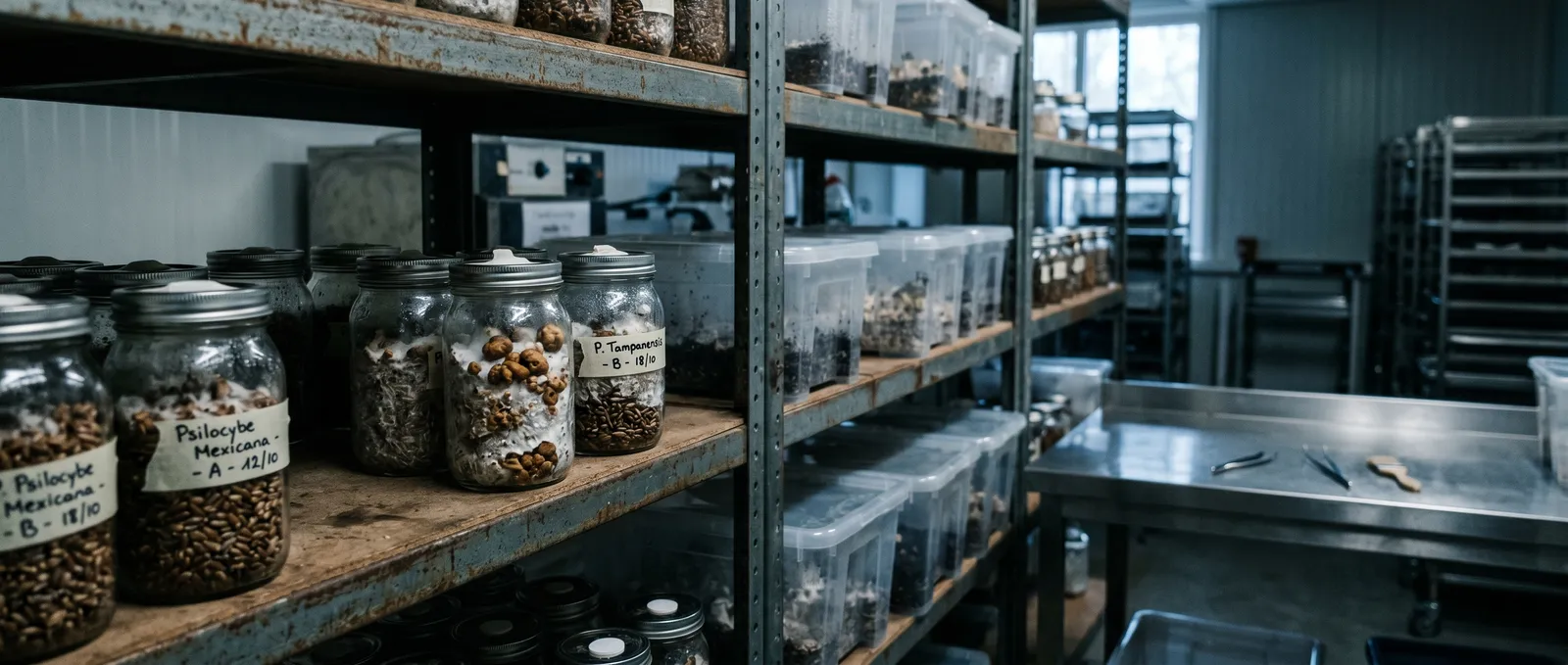
Commercial Magic Truffle Cultivation
Commercial magic truffle cultivation is a large-scale agricultural process that produces psilocybin-containing sclerotia in climate-controlled indoor…
Huachuma Andean Tradition
The huachuma Andean tradition is a ceremonial healing lineage centred on the San Pedro cactus (Echinopsis pachanoi) that has been documented across at least…