
Best Temperature Settings by Effect and Terpene
Definition
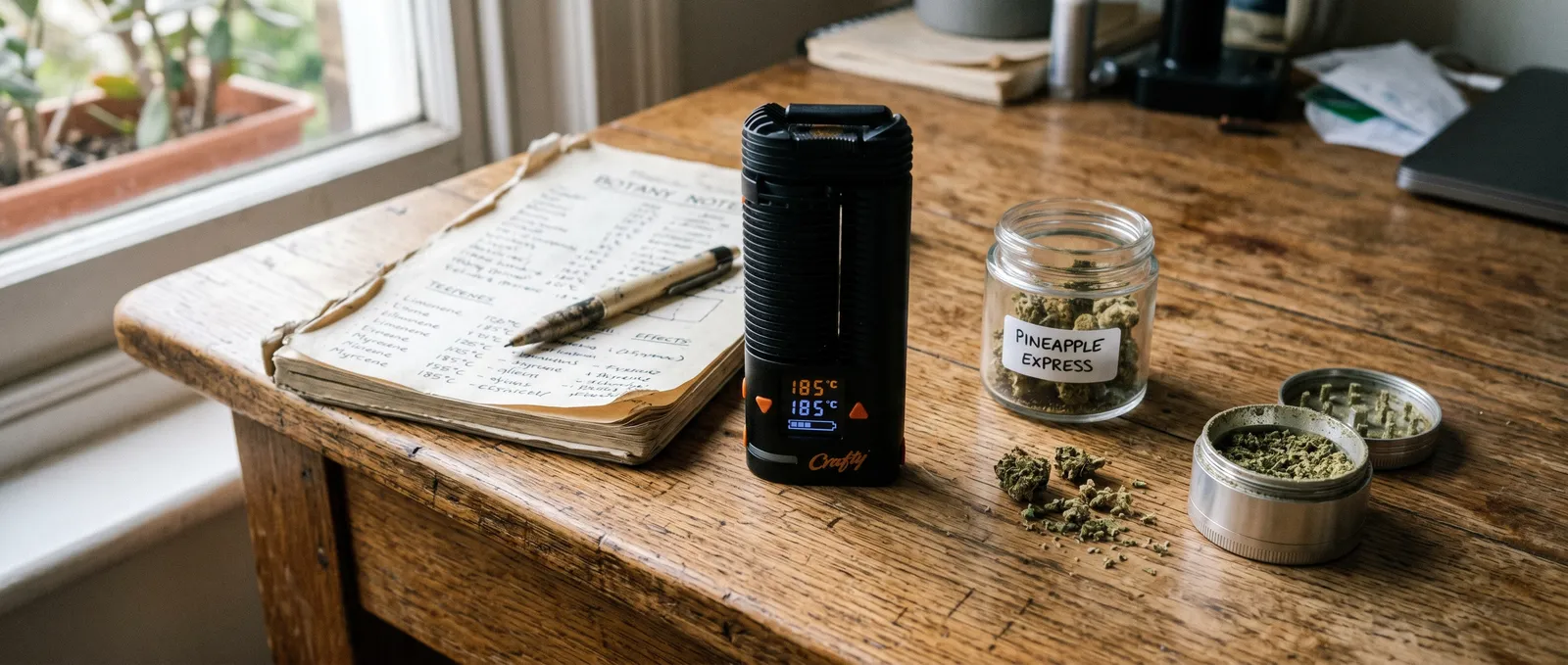
Every terpene and cannabinoid in dried herb has a specific boiling point — the temperature at which it becomes inhalable vapour. According to Hazekamp et al. (2006), controlled vaporizer temperatures deliver cannabinoids with far fewer pyrolytic byproducts than combustion. This guide maps those boiling points to practical vaporizer settings so you can target flavour, density, or full extraction depending on what you want from each session.
Why Temperature Matters More Than Your Herb Choice
Every compound in dried herb has a boiling point — the temperature at which it turns from a solid or liquid into inhalable vapour. Set your vaporizer too low and you leave active compounds sitting in the chamber. Set it too high and you creep toward combustion territory (around 230 °C / 446 °F), where you start producing the same tar and carbon monoxide you were trying to avoid by switching to a vaporizer in the first place. According to research by Hazekamp et al. (2006), vaporization at controlled temperatures delivers cannabinoids with significantly fewer pyrolytic byproducts than combustion. That gap between "too cool" and "too hot" is where all the interesting choices live — and it's narrower than most people think. This guide covers the best temperature settings by effect and terpene so you can dial in your sessions with intention rather than guesswork. Written for adults (18+) who already own or are shopping for a temperature-controllable dry-herb vaporizer.
The Reference Table: Boiling Points at a Glance
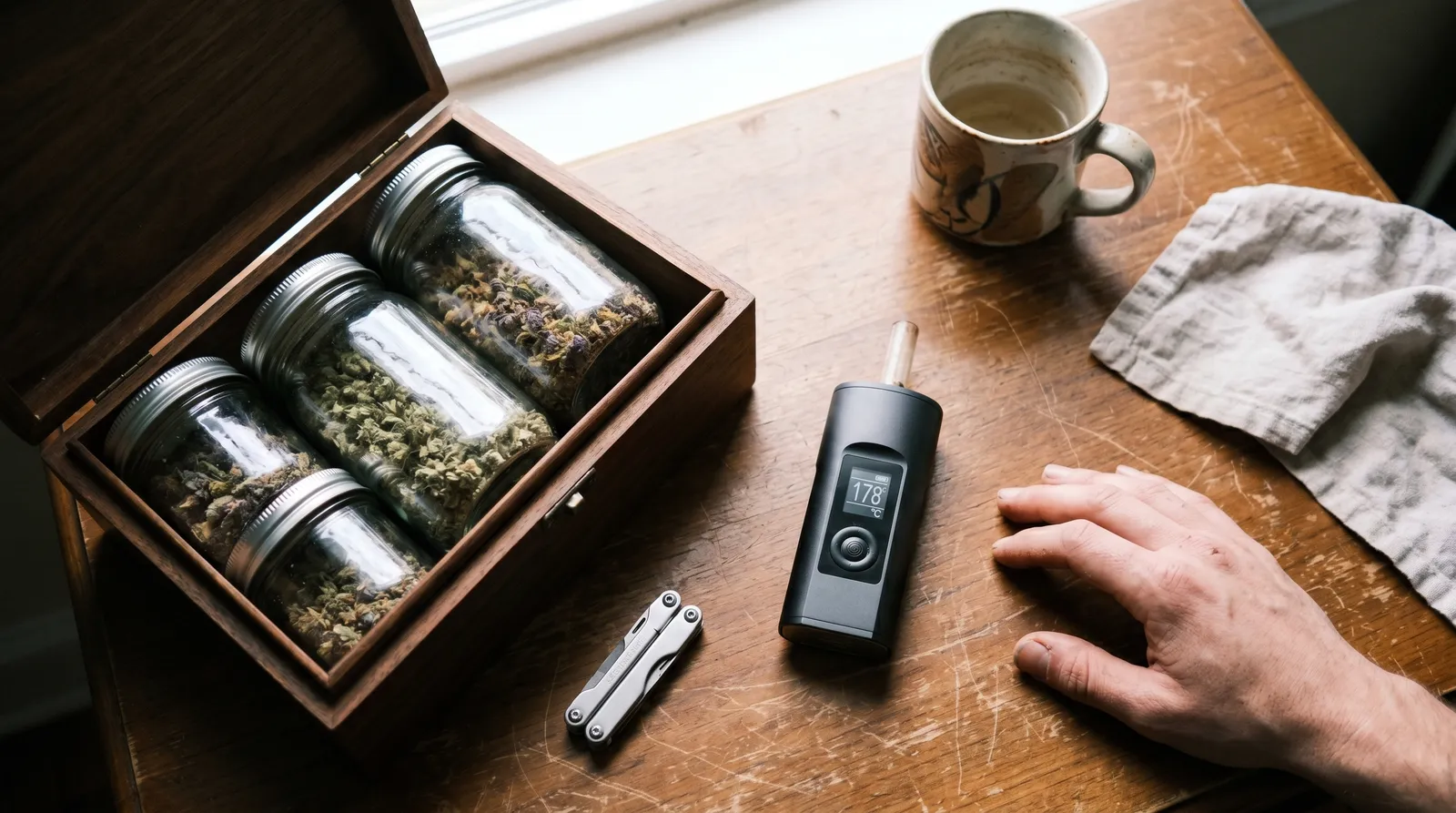
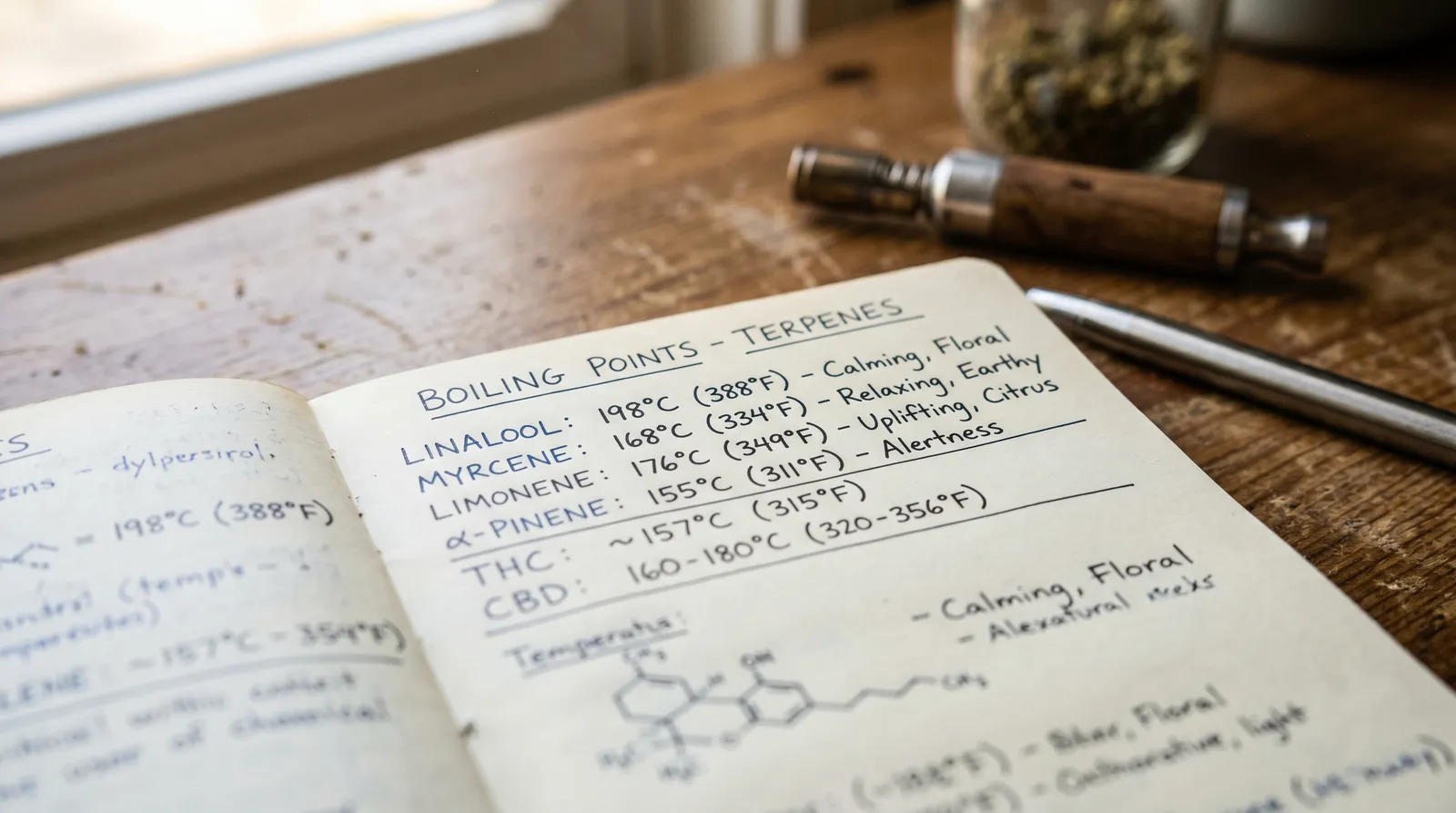
The table below collects boiling points for the most commonly discussed terpenes and cannabinoids. Keep in mind that published boiling-point data for terpenes comes largely from chemistry reference databases and essential-oil research rather than from clinical vaporizer trials — real-world extraction depends on airflow, chamber packing, and whether your device uses conduction or convection heating. Still, these numbers give you a working framework.
| Compound | Type | Boiling Point (°C) | Boiling Point (°F) | Aroma / Flavour Note |
|---|---|---|---|---|
| β-Caryophyllene | Terpene | 119 | 246 | Peppery, woody |
| α-Pinene | Terpene | 155 | 311 | Pine, fresh |
| Myrcene | Terpene | 168 | 334 | Earthy, musky, clove |
| Limonene | Terpene | 176 | 349 | Citrus, lemon zest |
| Linalool | Terpene | 198 | 388 | Floral, lavender |
| Humulene | Terpene | 198 | 388 | Hoppy, earthy |
| Terpinolene | Terpene | 186 | 367 | Herbal, piney, floral |
| THC (Δ9) | Cannabinoid | 157 | 315 | n/a |
| CBD | Cannabinoid | 160–180 | 320–356 | n/a |
| CBN | Cannabinoid | 185 | 365 | n/a |
| CBC | Cannabinoid | 220 | 428 | n/a |
| THCV | Cannabinoid | 220 | 428 | n/a |
Sources: Boiling-point data compiled from Hazekamp et al. (2006), Russo (2011), and PubChem chemical property records. Individual terpene boiling points can shift by a few degrees depending on the source — treat these as practical midpoints, not laboratory absolutes.
Low Range: 160–180 °C (320–356 °F) — Flavour-Forward Sessions
At the bottom of the usable range, you are primarily extracting terpenes and the earliest-boiling cannabinoids (THC begins vaporizing around 157 °C). The vapour is thin, cool, and intensely flavourful. If your herb has a strong terpene profile — heavy on pinene or myrcene, say — this is where you taste it most clearly.
What you get: visible but wispy vapour, pronounced aroma, and a lighter overall extraction. A 2006 study by Hazekamp and colleagues found that lower vaporizer temperatures produced a higher ratio of cannabinoids to byproducts, though total cannabinoid yield per draw was lower than at higher settings. In practical terms, you are sipping rather than gulping.
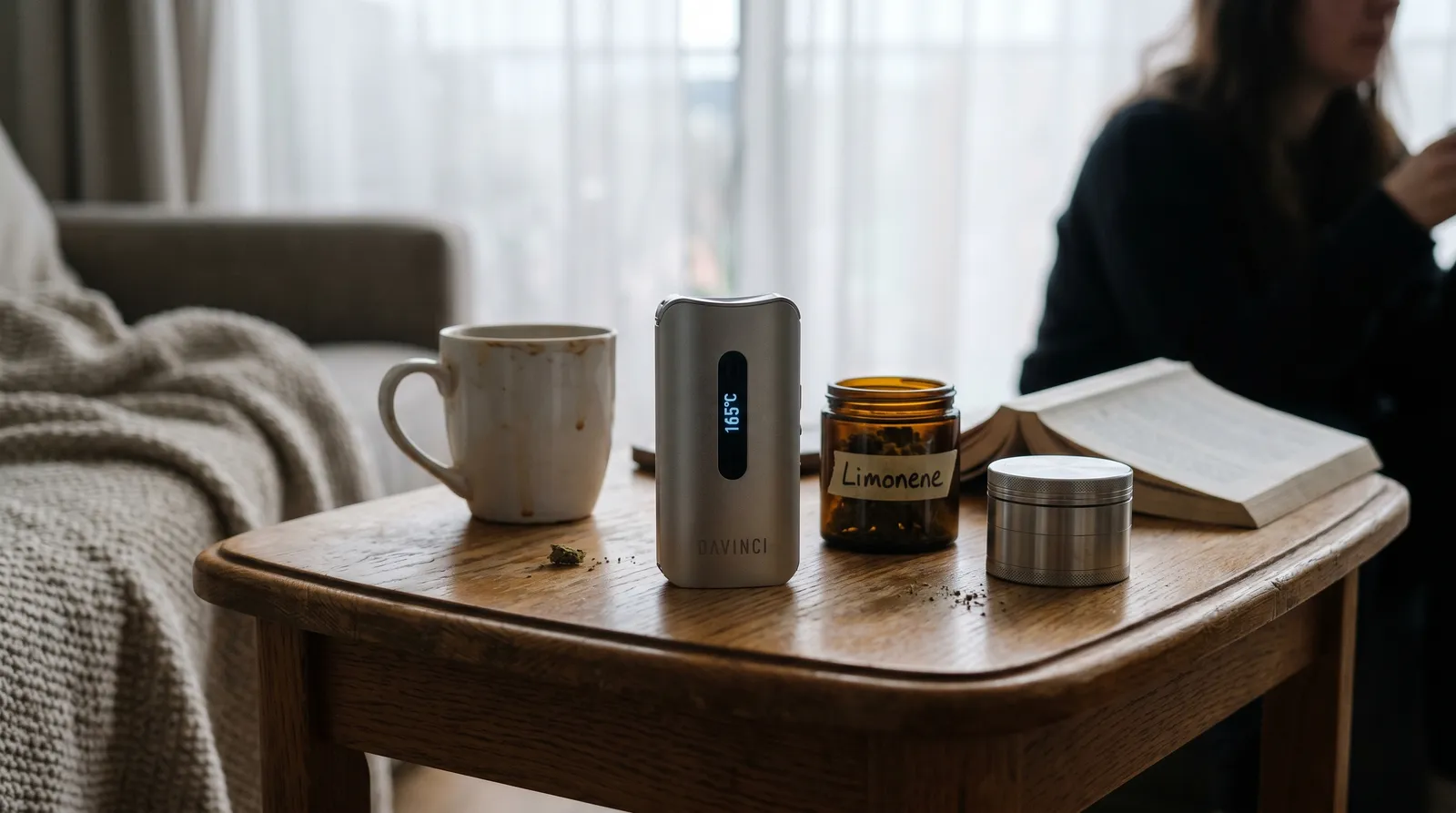
Terpenes in play here include β-caryophyllene (which begins releasing well below 160 °C), α-pinene, and the onset of myrcene. Limonene starts to come through near the top of this range. If you are using a session-style conduction vaporizer like the Arizer Solo or a DaVinci IQ2, starting a session at 170 °C for the first few draws lets you taste the terpene layer before stepping up.
Medium Range: 180–200 °C (356–392 °F) — The Sweet Spot
This is the range most experienced vaporizer users settle into, and for good reason. You are now extracting the full spread of major terpenes — limonene, linalool, humulene, terpinolene — alongside efficient cannabinoid release. THC extraction is robust, CBD is coming through in full, and CBN starts contributing at the upper end.
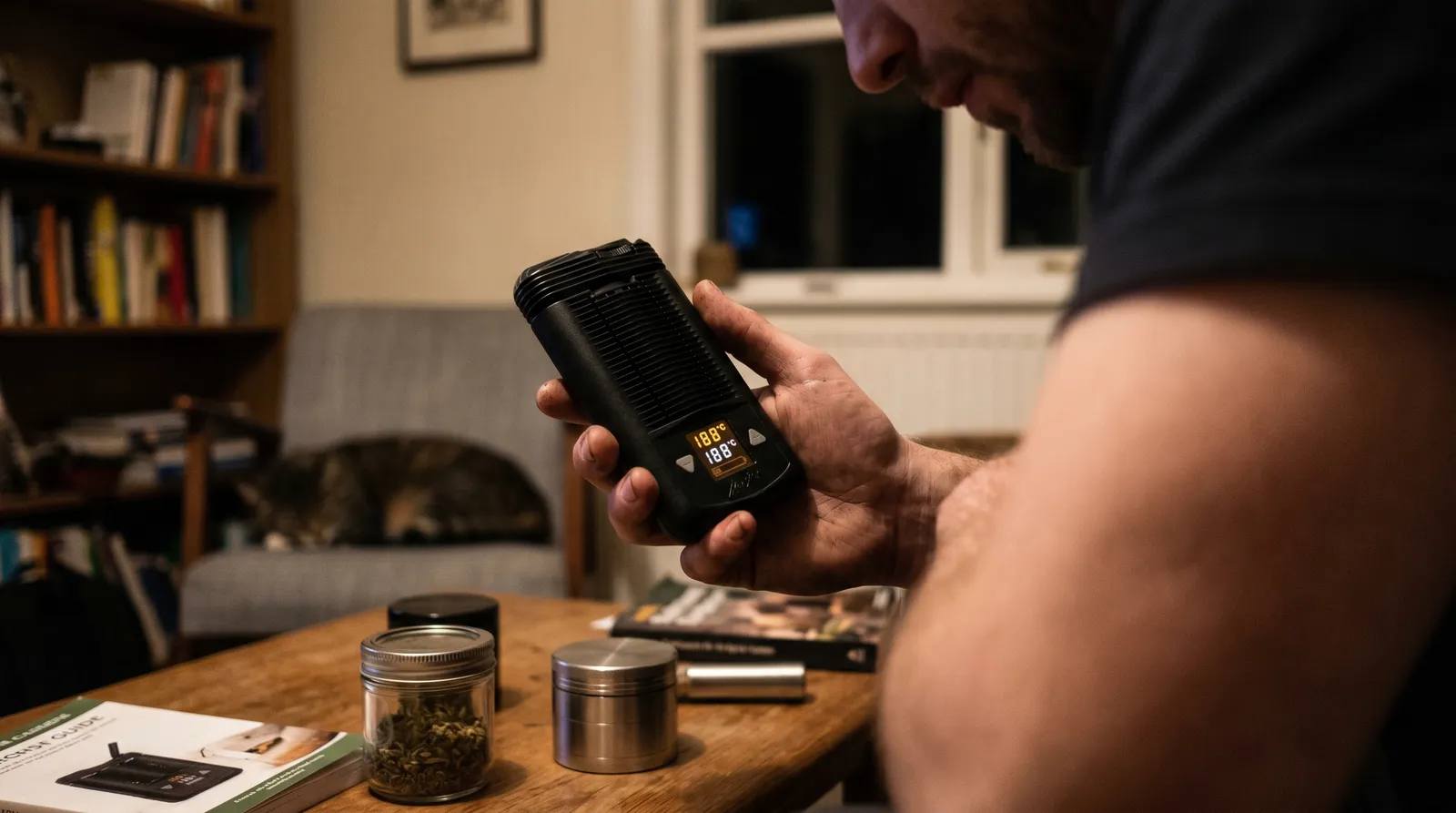
Vapour density increases noticeably around 185–190 °C. You can see it, taste it, and feel a more complete extraction compared to the low range. According to Russo (2011), the interaction between terpenes and cannabinoids — sometimes called the "entourage effect" — depends on multiple compounds being present simultaneously, which makes this mid-range attractive for people who want both flavour and thorough extraction.
A practical note: convection vaporizers (like the Storz & Bickel Mighty or the TinyMight 2) tend to extract more evenly across the chamber at these temperatures, because hot air passes through the herb rather than relying on contact with a heated surface. Conduction devices work fine here too, but you may want to stir the chamber halfway through a session to avoid uneven cooking.
High Range: 200–220 °C (392–428 °F) — Full Extraction
Above 200 °C, you are chasing the last cannabinoids out of the chamber: CBC and THCV both boil around 220 °C. Vapour is thick, warm, and can be harsh on the throat — especially without a water-pipe adapter or cooling mouthpiece. Flavour takes a back seat to density.
Terpene preservation drops off sharply here. Most of the volatile terpenes have already been released (or degraded) by the time you reach 210 °C. What remains is a cannabinoid-heavy vapour with a toastier, slightly nutty taste. If you have already done a low-and-medium session with the same load, cranking to 210–220 °C at the end squeezes remaining value from the herb before you empty the chamber.
Stay below 230 °C. Above that threshold, plant material begins to combust rather than vaporize, producing carbon monoxide and tar — exactly the compounds a vaporizer is meant to avoid. A 2004 MAPS/NORML study found that a vaporizer set to 200 °C delivered cannabinoids with virtually no detectable combustion toxins, while temperatures approaching 230 °C began producing measurable benzene (Gieringer et al., 2004). If your device lets you set a ceiling, 220 °C is a sensible maximum.
Dialling In by Terpene
If you know the dominant terpene in your herb (lab-tested products sometimes list this, or you can go by strain databases — though those are guides, not guarantees), you can target your temperature more precisely:
- Pinene-dominant herb: Start at 160 °C. Pinene boils at 155 °C, so it is the first terpene you will taste. Raise slowly — pinene degrades fast at higher temperatures.
- Myrcene-dominant herb: The 170–180 °C window captures myrcene's earthy, clove-like character before it burns off. Myrcene is the most abundant terpene in many strains, according to a 2017 analysis by Booth and Bohlmann, so this setting applies to a large proportion of dried flower.
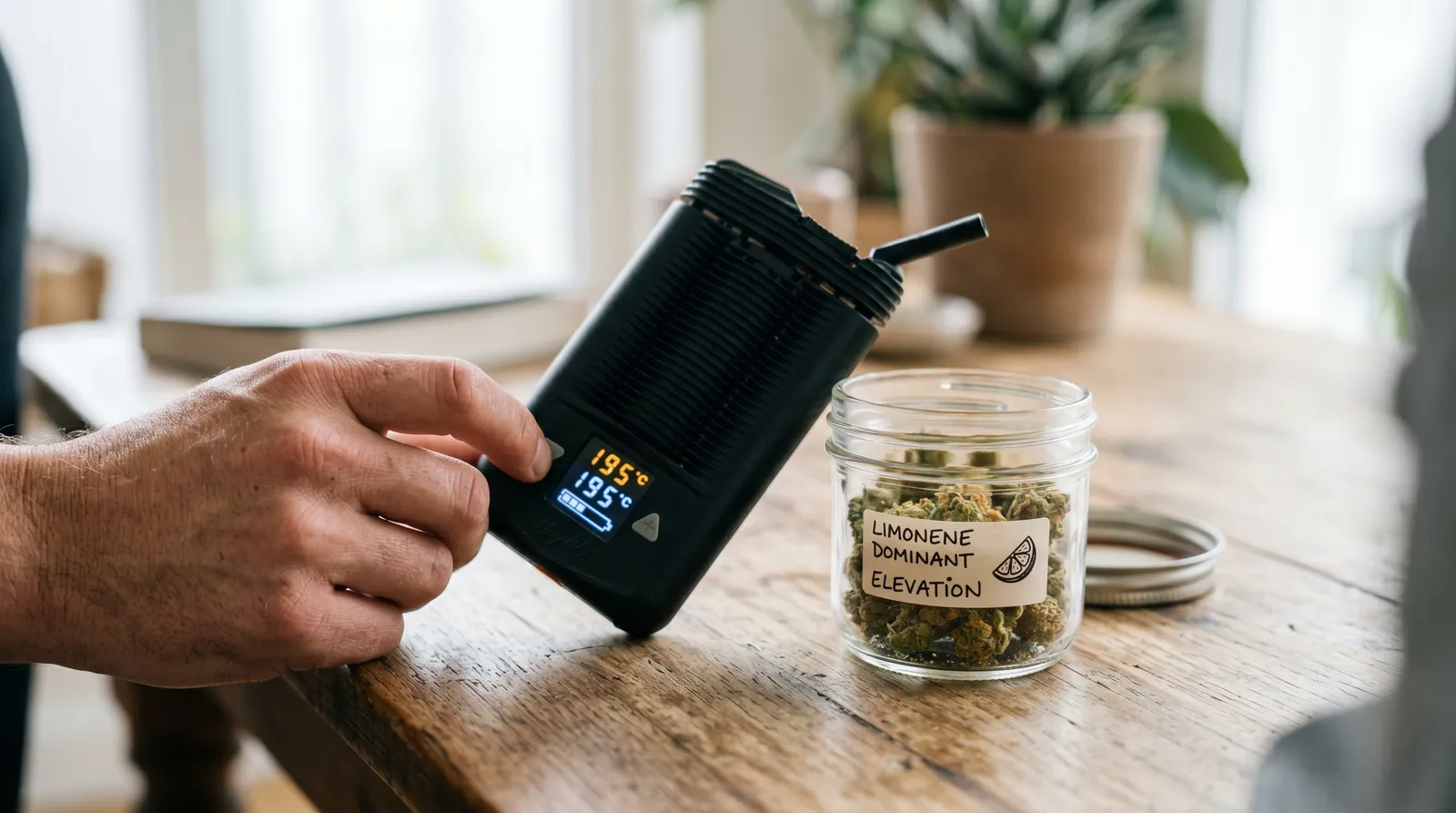
- Limonene-dominant herb: Aim for 176–185 °C. Limonene's citrus punch comes through clearly in this band. Above 190 °C, the citrus note fades into a more generic "warm herb" flavour.
- Linalool-dominant herb: Linalool's floral, lavender-like quality peaks around 198 °C — conveniently right in the middle of the sweet spot range. You do not need to go low to taste linalool; it is one of the more heat-tolerant terpenes.
- Caryophyllene-dominant herb: β-caryophyllene boils at just 119 °C, which means it starts releasing almost the moment your vaporizer heats up. The peppery note is strongest in the very first draw of a session. By the time you reach 170 °C, most of it is already gone.
The Step-Up Method
Rather than picking a single temperature and staying there, many users step through ranges during a single bowl. The logic is simple: start low to capture volatile terpenes, then raise the temperature in 5–10 °C increments to extract progressively heavier compounds.
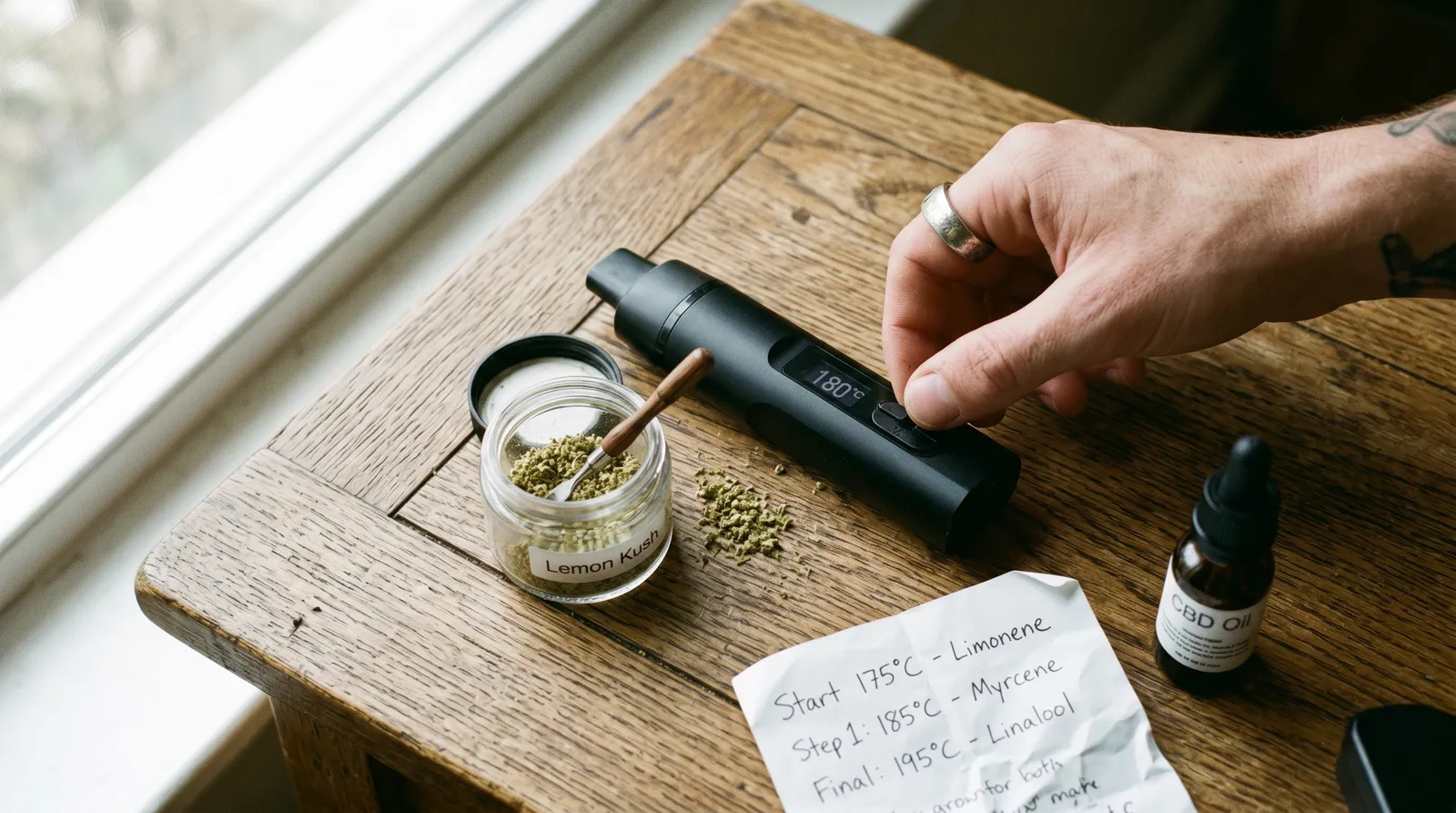
A common three-step approach:
- Step 1 — 170 °C: 3–5 draws. Thin vapour, strong flavour, terpene-rich.
- Step 2 — 190 °C: 4–6 draws. Denser vapour, balanced terpene-cannabinoid profile.
- Step 3 — 210 °C: 3–4 draws. Thick vapour, diminished flavour, full extraction.
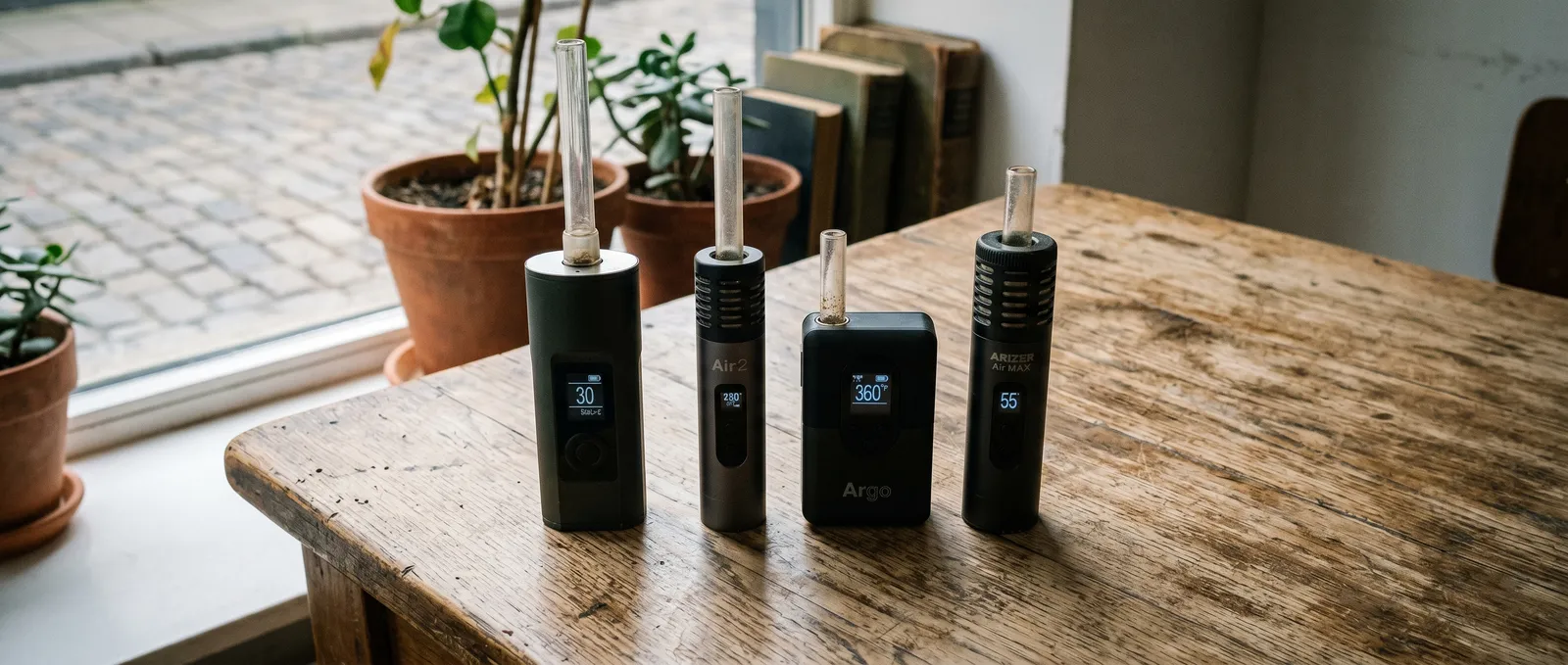
Devices with precise digital temperature control — the Storz & Bickel Crafty, DaVinci IQ2, Arizer ArGo, or Healthy Rips Rogue, for example — make this straightforward. Analogue devices like the DynaVap require a different approach: heating nearer the tip of the cap for lower temperatures and closer to the base for higher ones, though this takes practice and the temperature is approximate.
How Heating Method Affects Your Temperature Choice
The temperature you set on your display is not necessarily the temperature your herb experiences. Conduction vaporizers heat the chamber walls, which means herb touching the walls gets hotter than herb in the centre. Convection devices pass heated air through the herb, distributing heat more evenly but sometimes taking longer to reach target temperature.
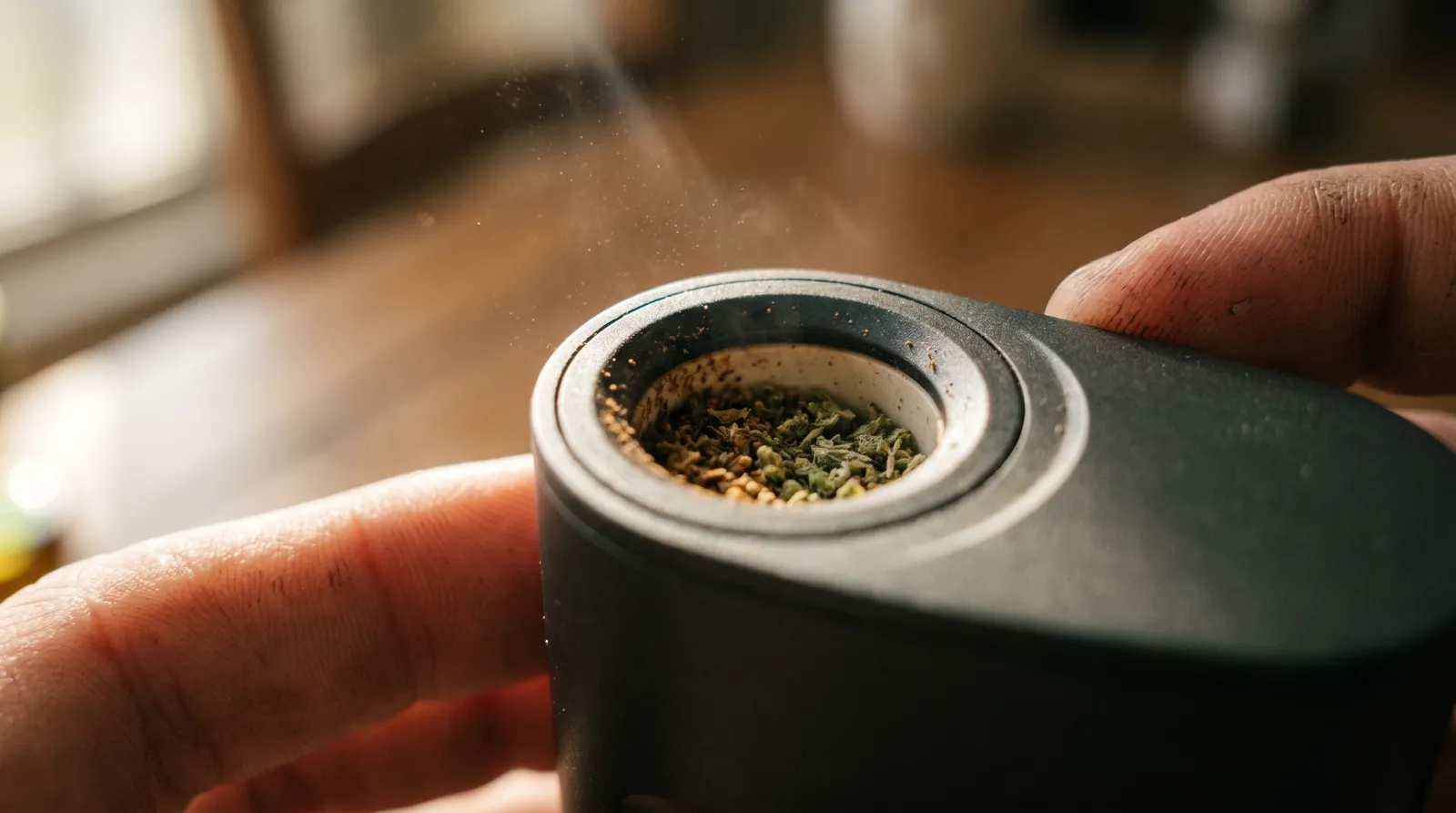
In practice, this means conduction users may want to set 5–10 °C lower than the target boiling point to avoid scorching the outer layer, while convection users can set closer to the exact number. Hybrid devices (like the Mighty, which uses both conduction and convection) split the difference. For a deeper look at the differences, see our convection-vs-conduction article.
A Note on Concentrates and Dabbing
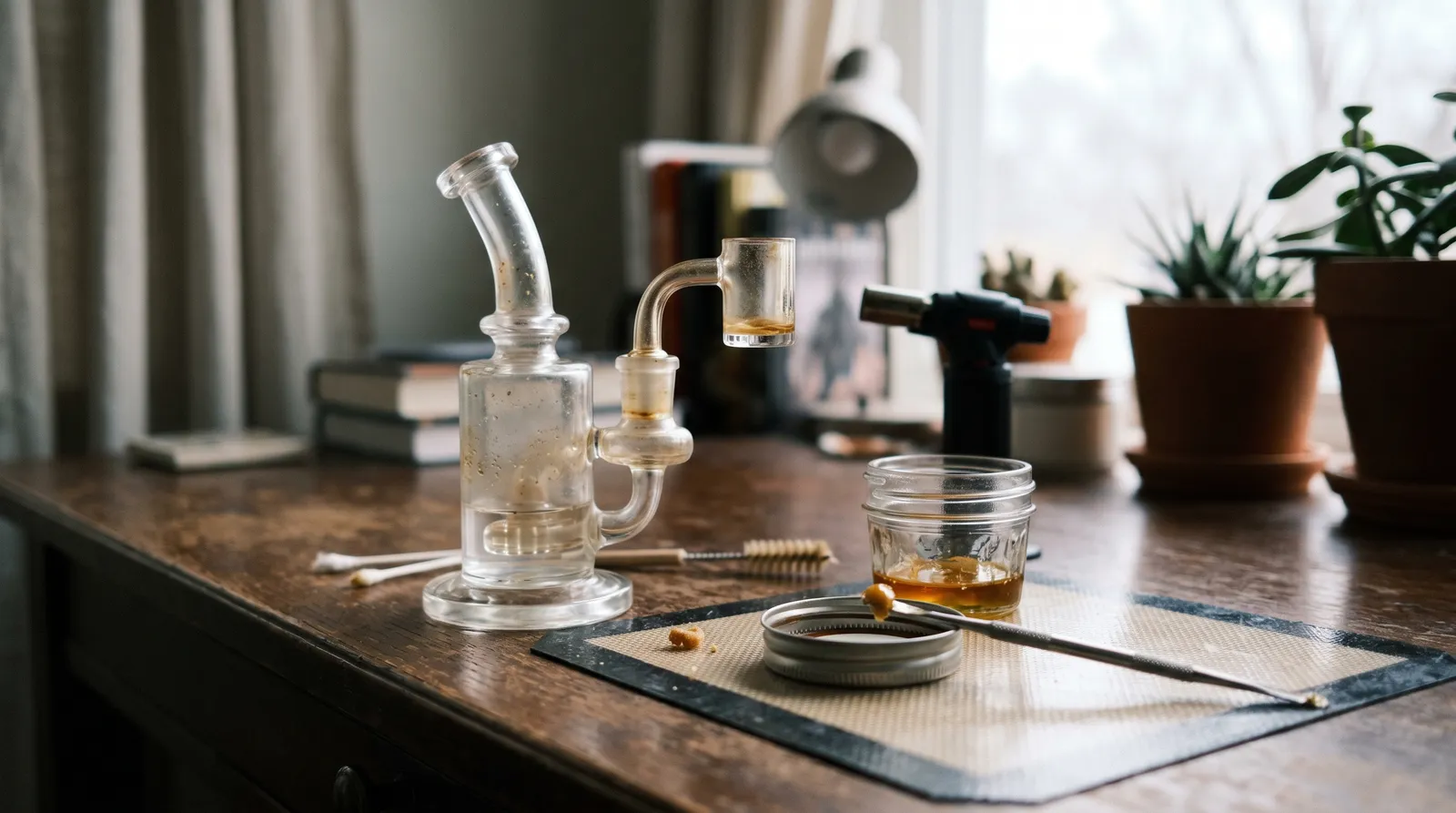
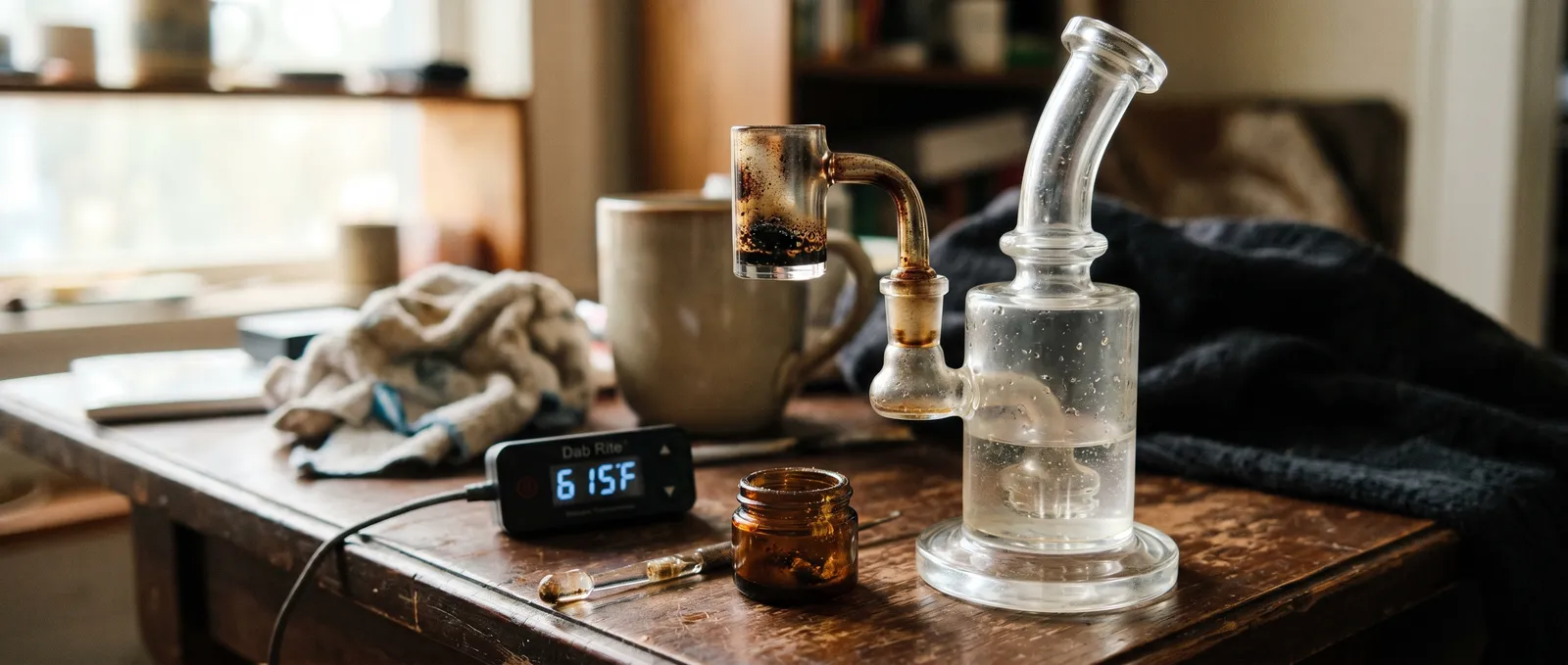
The boiling points above apply to dried flower. Concentrates (wax, shatter, rosin) behave differently because the terpene-to-cannabinoid ratio and the physical matrix are not the same. For dabbing with a quartz banger, the general guidance is to heat between 250–305 °C (480–580 °F). Going above 370 °C (700 °F) — the "red-hot" approach — degrades terpenes rapidly, produces harsher vapour, and increases the risk of minor burns. Low-temperature dabs (250–290 °C) preserve more terpene flavour at the cost of leaving some residue in the banger. For more on dabbing technique, see our dabbing temperature guide.
References
- Hazekamp, A., Ruhaak, R., Zuurman, L., de Vries, I., & Verpoorte, R. (2006). Evaluation of a vaporizing device (Volcano) for the pulmonary administration of tetrahydrocannabinol. Journal of Pharmaceutical Sciences, 95(6), 1308–1317.
- Russo, E. B. (2011). Taming THC: potential cannabis combination and phytocannabinoid-terpenoid entourage effects. British Journal of Pharmacology, 163(7), 1344–1364.
- Gieringer, D., St. Laurent, J., & Goodrich, S. (2004). Cannabis vaporizer combines efficient delivery of THC with effective suppression of pyrolytic compounds. Journal of Cannabis Therapeutics, 4(1), 7–27.
- Booth, J. K., & Bohlmann, J. (2019). Terpenes in Cannabis sativa — from plant genome to humans. Plant Science, 284, 67–72.
- PubChem Compound Database — National Library of Medicine. Boiling-point records for α-pinene (CID 6654), myrcene (CID 31253), limonene (CID 22311), linalool (CID 6549), β-caryophyllene (CID 5281515).
This guide covers hardware for adults (18+). Use of vaporizers, bongs, pipes, dab rigs and rolling accessories is for adult use only. Verify your local laws on the substances you choose to use — Azarius does not provide legal advice. Consult a qualified professional if you have a health condition or take medication.
Last updated: April 2026
Frequently Asked Questions
7 questionsWhat temperature destroys terpenes in a dry-herb vaporizer?
Is it better to vape at one temperature or step up gradually?
What is the best vaping temperature for limonene?
Does conduction or convection heating affect the ideal temperature setting?
What temperature should I use for dabbing concentrates?
What is the best vaporizer temperature for maximum THC extraction?
Can I vape CBD-rich herb at a lower temperature than THC-dominant herb?
About this article


Adam Parsons is an external cannabis and psychedelics writer and editor who contributes to Azarius's wiki as both author and reviewer. On the writing side, he authors Azarius's kratom and kanna clusters, drawing on exten
This wiki article was drafted with AI assistance and reviewed by Adam Parsons, External contributor. Editorial oversight by Joshua Askew.
Medical disclaimer. This content is for informational purposes only and does not constitute medical advice. Consult a qualified healthcare provider before use of any substance.
Last reviewed April 25, 2026
Related Articles
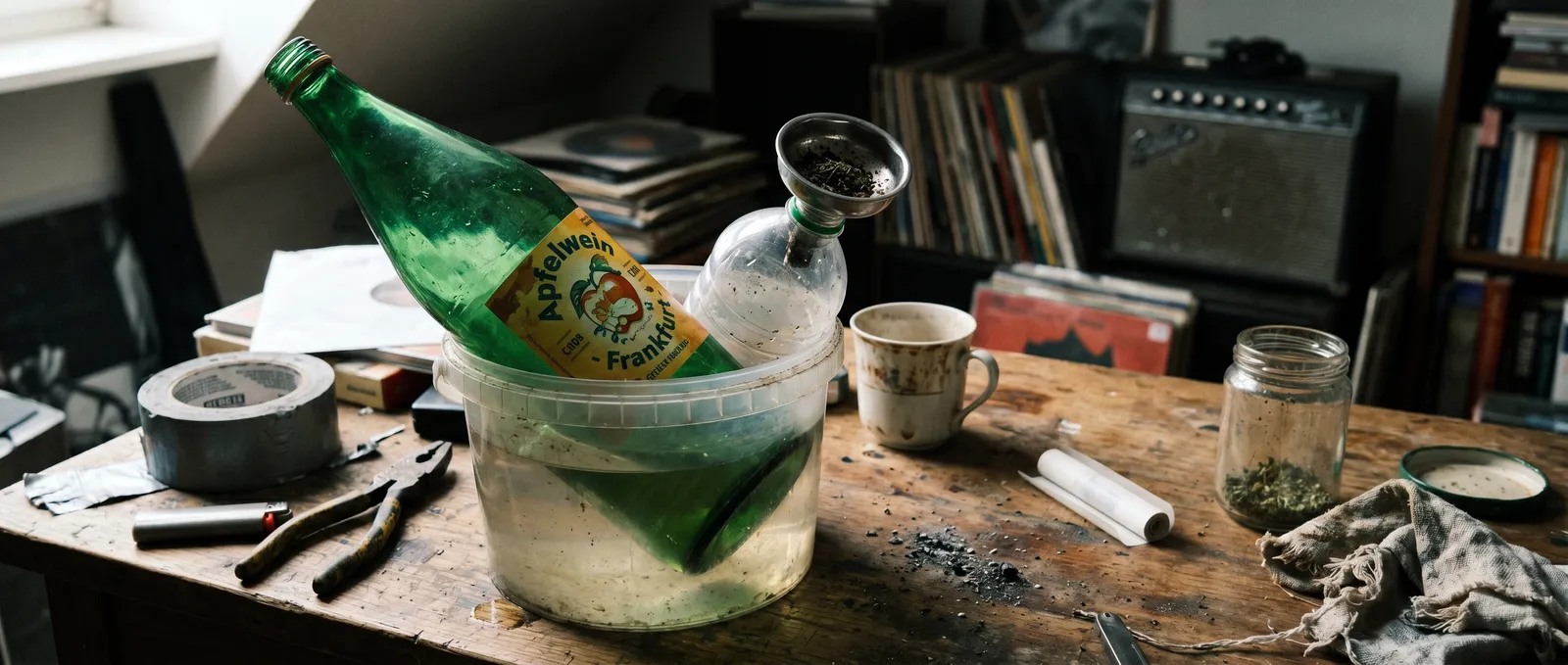
Gravity Bongs Explained: How They Work and Why
A gravity bong uses water displacement to pull concentrated smoke into a chamber, then forces it into your lungs under positive pressure.
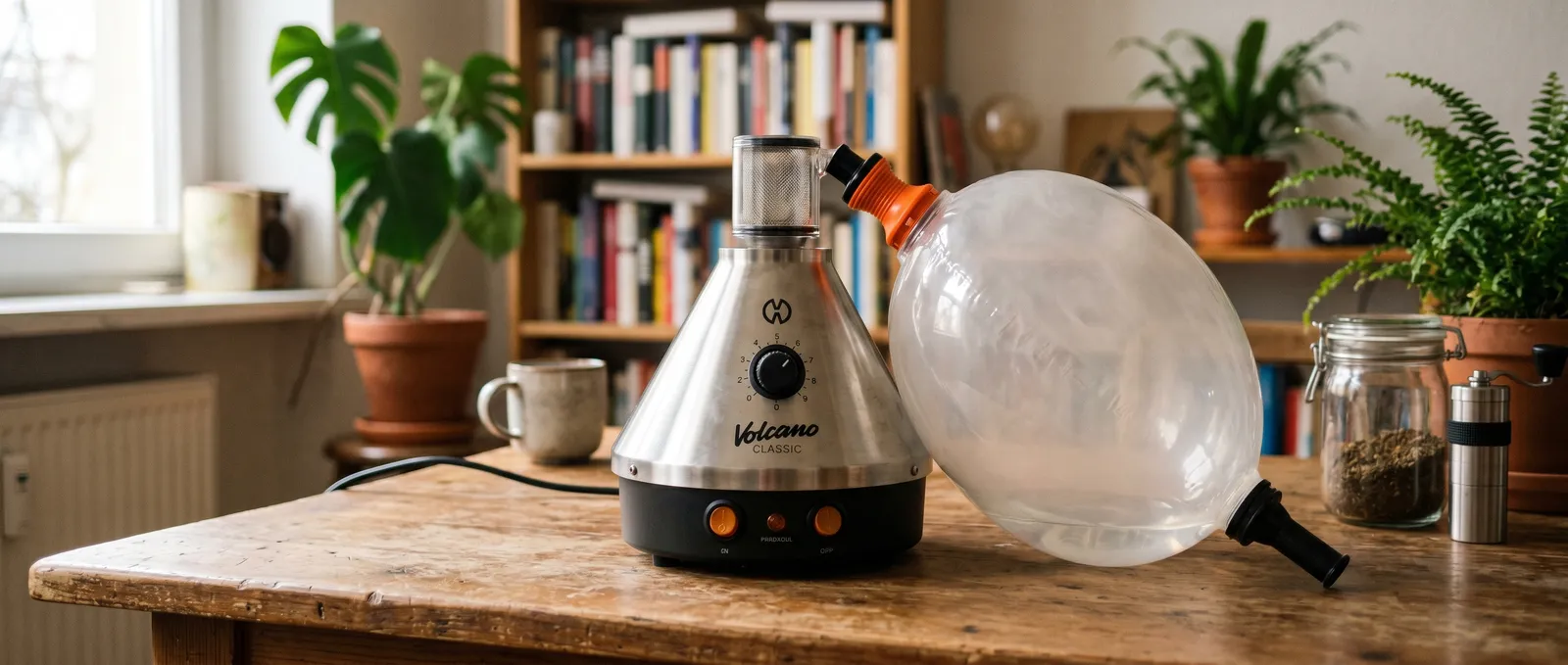
Storz Bickel Volcano Complete Guide: Setup, Temps & Cleaning
The Storz & Bickel Volcano is a convection desktop vaporizer that fills detachable balloons with vapour — a system clinically validated by Hazekamp et al.
TinyMight Boundless XMAX Premium Portables Compared
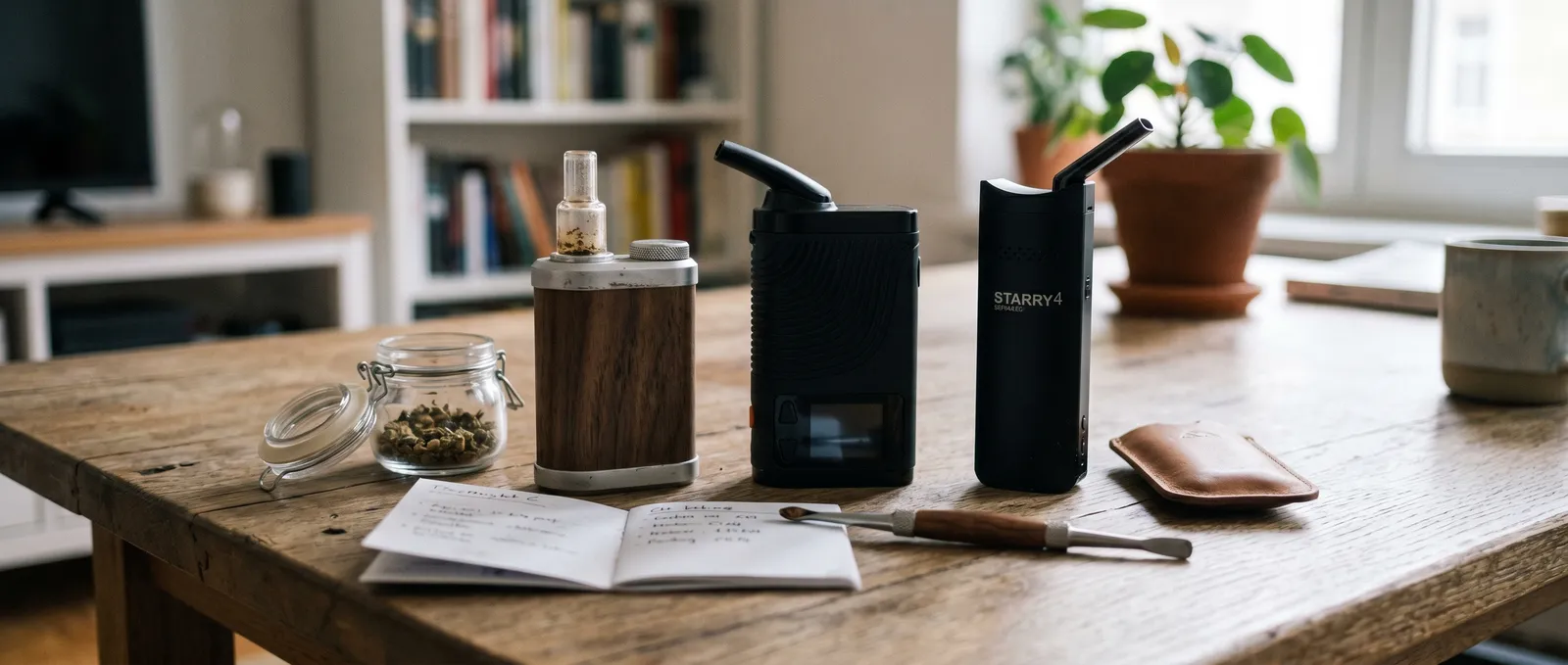
The TinyMight 2, Boundless CFX/CFC and XMAX V3/Starry/Ace represent three tiers of portable dry-herb vaporizer — from budget conduction to premium convection.
How To Clean a Vaporizer: Step-by-Step Guide
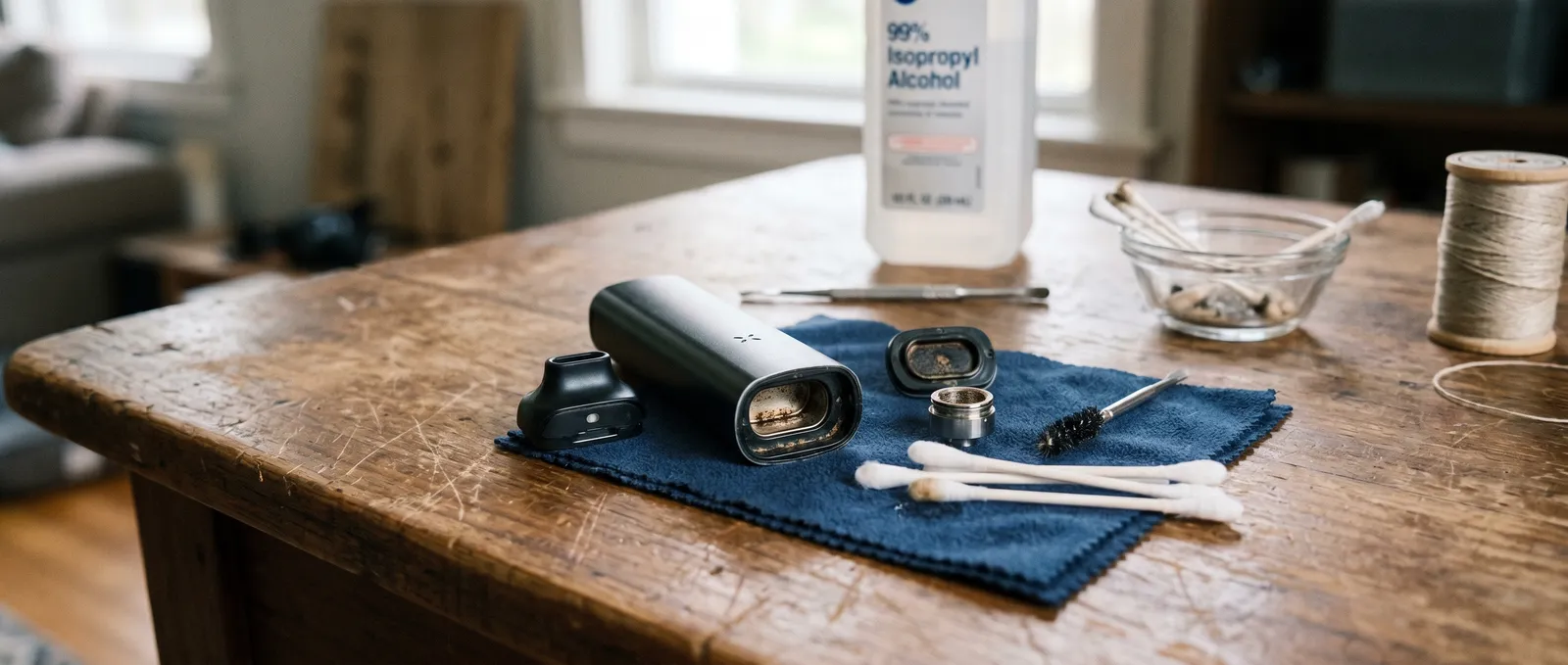
How to clean a vaporizer is a straightforward maintenance routine that keeps your device tasting fresh, drawing smoothly, and lasting years longer than a…
ROOR Grace Glass Black Leaf Blaze Brand Comparison — Glass Bong Guide
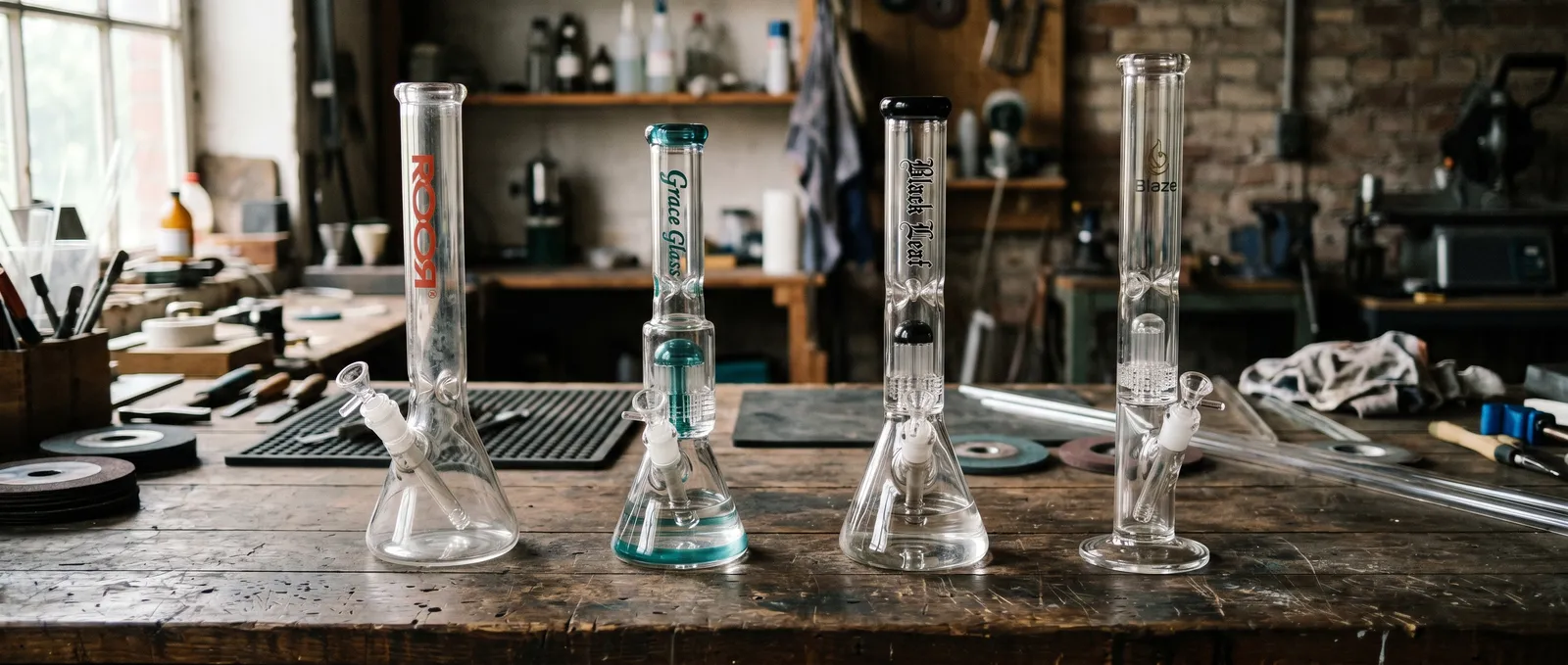
Four borosilicate glass bong brands — ROOR, Grace Glass, Black Leaf, and Blaze Glass — dominate the European market at different price points.
Joint Filters Crutches Glass Tips Activated Charcoal — Buyer's Guide
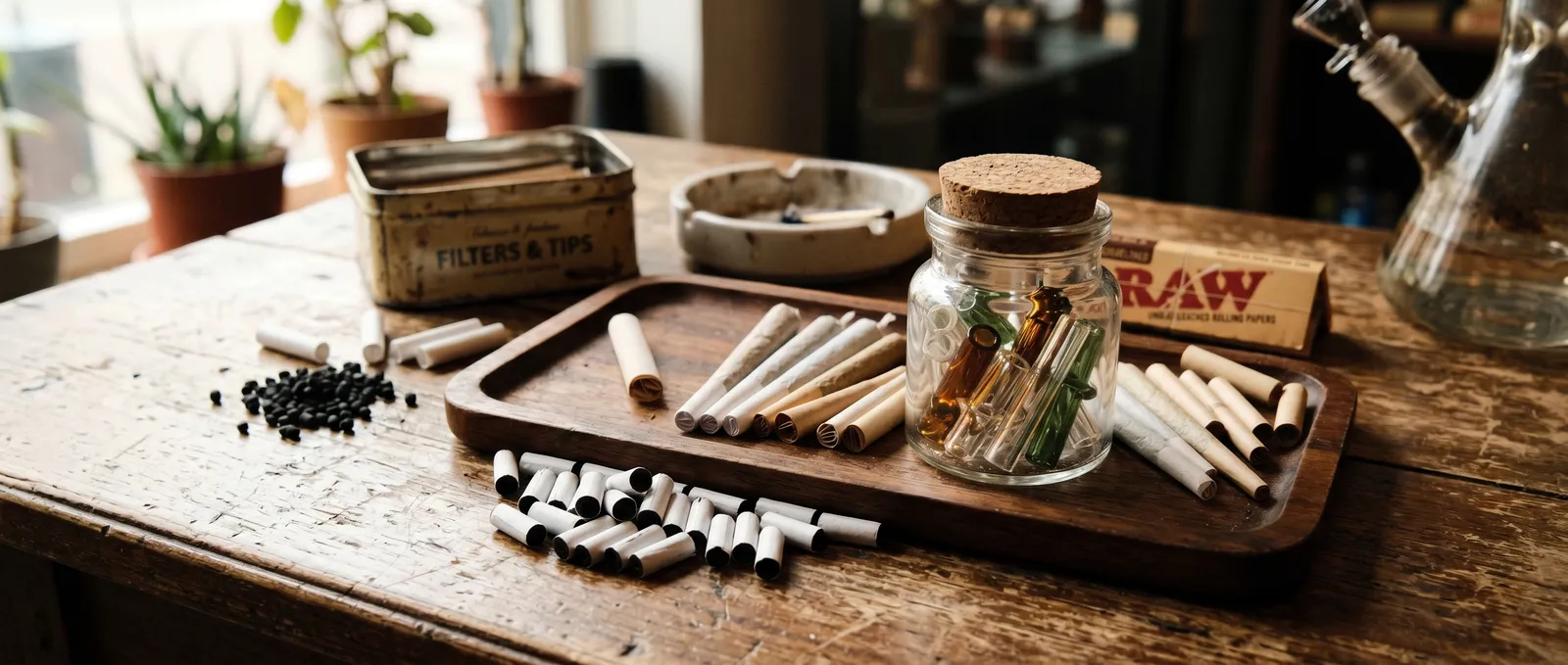
Joint filters range from simple card crutches that block loose herb to activated charcoal tubes that trap 40–60% of gas-phase toxicants like benzene and…
Quartz Banger Temperature and Care Guide
A quartz banger's performance depends almost entirely on temperature control and maintenance.
Arizer Portable Lineup Compared: Solo vs Solo 2 vs Solo 3 vs ArGo
Arizer's portable vaporizers all use borosilicate glass vapour paths and session-style heating, but differ meaningfully in battery architecture, heating…
Kief: What It Is and How to Collect It | Full Guide
Kief is the fine, powdery accumulation of trichome heads that detach from cannabis flower during grinding or handling.