
Cordyceps Powder Production
Definition
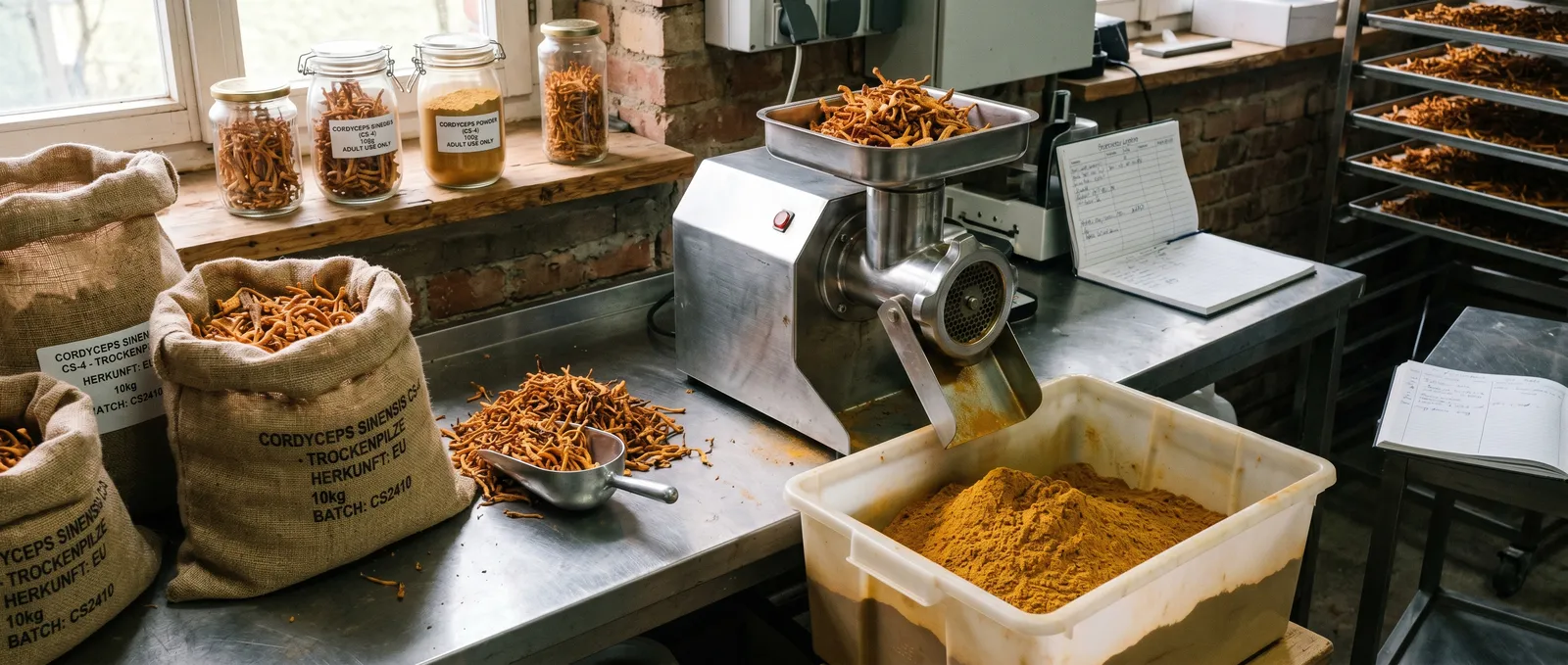
Cordyceps powder production is a multi-stage process that transforms cultivated cordyceps fungi — primarily Cordyceps militaris — into supplement-grade powder. Indoor cultivation now dominates the market because wild C. sinensis costs upwards of USD 20,000 per kilogram (Tuli et al., 2014). Understanding each production step reveals why composition varies so widely between products.
18+ only — this guide covers the production of cordyceps powder as a functional mushroom supplement, with dosing and bioactivity data relevant to adult physiology.
Cordyceps powder production is a multi-stage process that transforms cultivated cordyceps fungi into a fine, shelf-stable powder suitable for supplementation. The wild-harvested Cordyceps sinensis that Tibetan herders once collected at altitudes above 3,500 metres now sells for upwards of USD 20,000 per kilogram — making it, gram for gram, more expensive than gold. That price tag drove the development of scalable indoor cultivation methods, primarily using Cordyceps militaris, which produces comparable bioactive compounds at a fraction of the cost (Tuli et al., 2014). Understanding how the powder on your shelf was actually made tells you a lot about what's in it — and what's missing.
Disclaimer: This article is for educational purposes only. It does not constitute medical advice. Cordyceps supplements are not intended to diagnose, treat, cure, or prevent any disease. Consult a qualified healthcare professional before using any supplement, especially if you have underlying health conditions or take medication.
Step 1: Species Selection — C. sinensis vs C. militaris
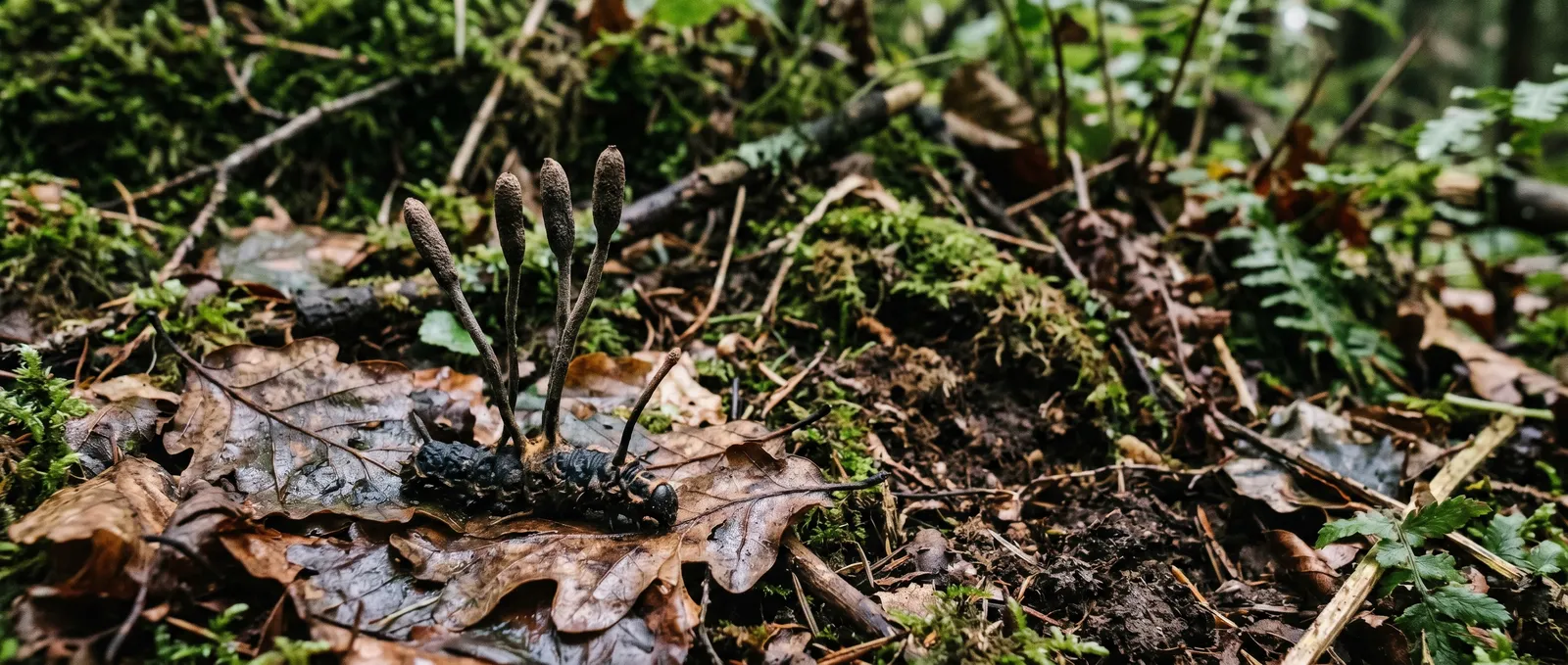
Nearly every cordyceps powder available in Europe is derived from Cordyceps militaris, not the famous C. sinensis. This isn't a compromise — it's a practical reality. Wild C. sinensis is a parasitic fungus that infects ghost moth larvae (Thitarodes spp.) in the Himalayan plateau, and nobody has successfully cultivated its sexual fruiting body at commercial scale. Products labelled "Cordyceps sinensis" that cost under EUR 100 per kilogram are almost certainly mycelium grown on grain substrate — not the actual caterpillar fungus.
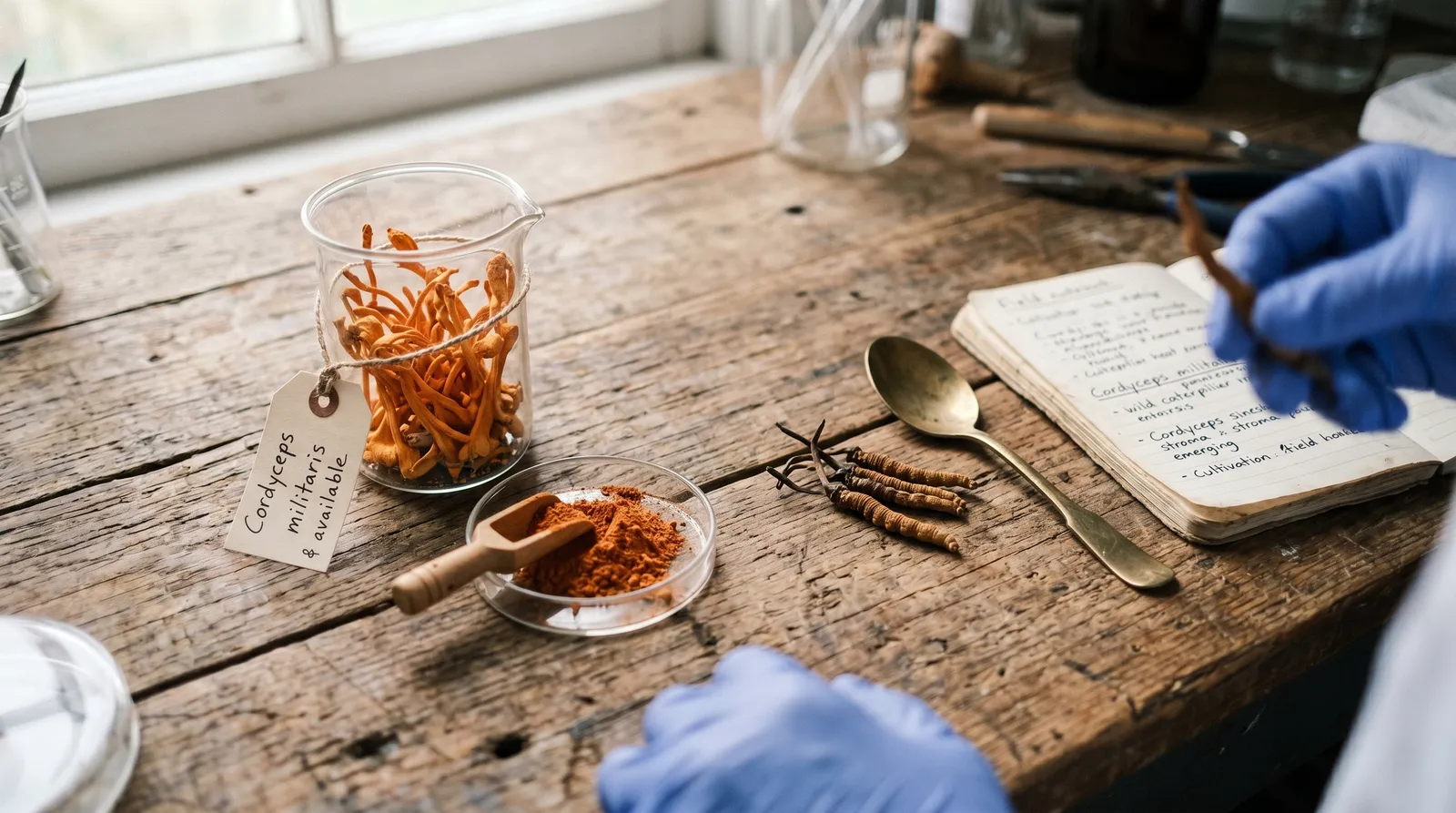
C. militaris, by contrast, fruits readily on artificial media. According to a review by Tuli, Sandhu, and Sharma (2014), C. militaris produces cordycepin (3'-deoxyadenosine) at concentrations often exceeding those found in wild C. sinensis. It also contains adenosine, polysaccharides, and ergosterol — the same core bioactive profile that made cordyceps famous in traditional Chinese medicine. For powder production, C. militaris is the standard, and for good reason.
Step 2: Substrate Preparation and Inoculation
The substrate is the nutritional base on which C. militaris grows, and it directly determines the final powder's composition. Two substrate types dominate commercial production: grain-based solid media and liquid nutrient broth.
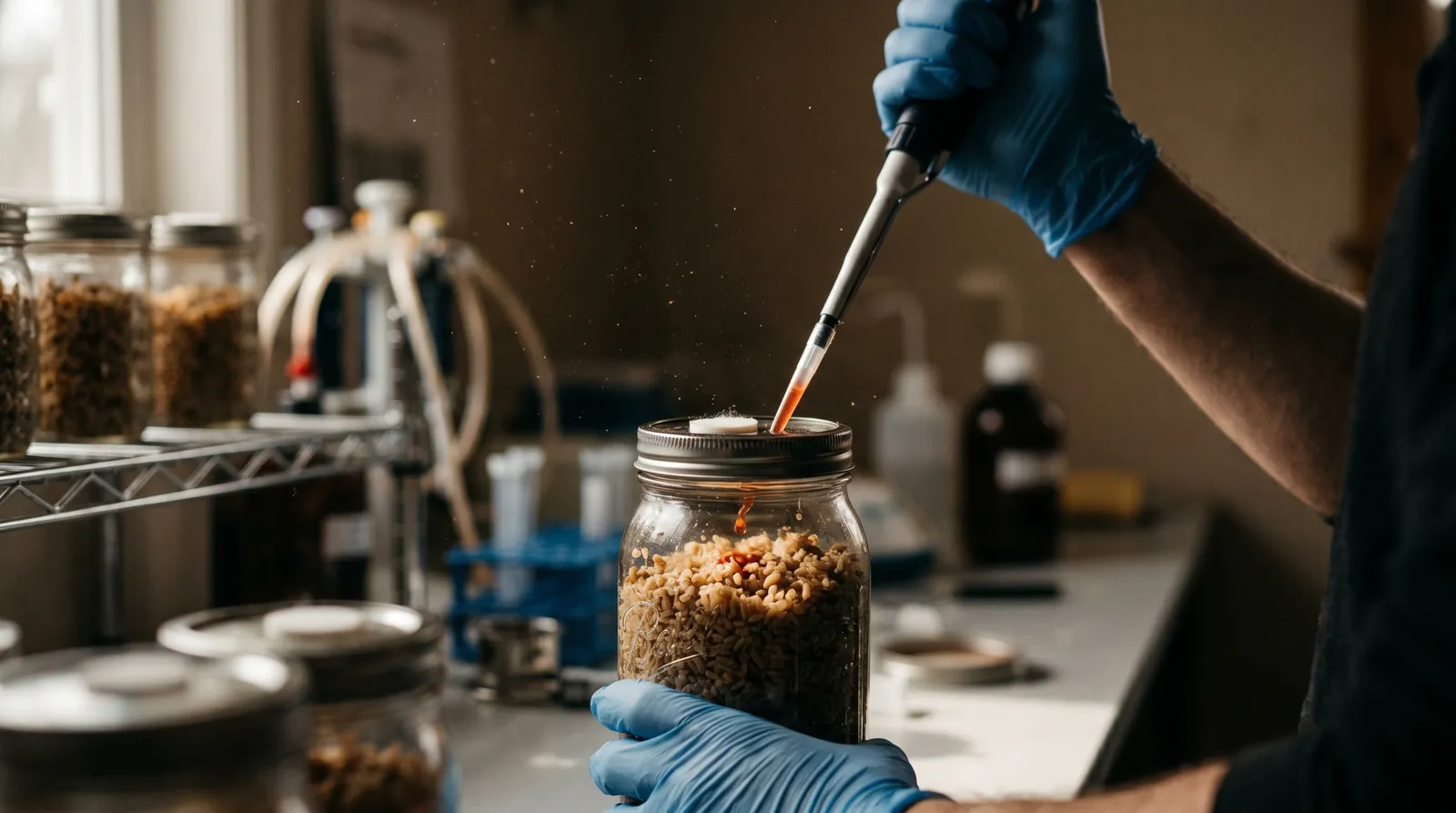
Grain-based solid substrate: Sterilised rice or wheat is hydrated, packed into breathable containers or bags, and autoclaved at 121°C for 15–30 minutes. After cooling, the substrate is inoculated with a liquid culture of C. militaris mycelium. Some producers add silkworm pupae or pupae powder to the grain, which more closely mimics the fungus's natural insect host and may boost cordycepin yield. A 2017 study published in Mycobiology (Kang et al., 2017) found that pupae-supplemented substrates increased cordycepin content by approximately 30% compared to rice-only media.
Liquid fermentation (mycelial biomass): In this method, mycelium is grown in stirred bioreactors filled with nutrient broth. It's faster — you can harvest biomass in 7–14 days versus the 60–90 days needed for fruiting bodies on solid substrate. But the resulting powder is mycelial biomass, not fruiting body, and typically contains lower concentrations of cordycepin and higher levels of residual starch from the growth medium. This distinction matters enormously for the end product.
Step 3: Fruiting and Harvest
Fruiting is triggered by shifting environmental conditions after full mycelial colonisation, typically 2–3 weeks post-inoculation. The inoculated containers are incubated in darkness at 20–25°C until the mycelium fully colonises the substrate. Then conditions shift: temperature drops to 18–22°C, humidity rises to 85–95%, and a 12/12 light cycle is introduced to trigger fruiting.
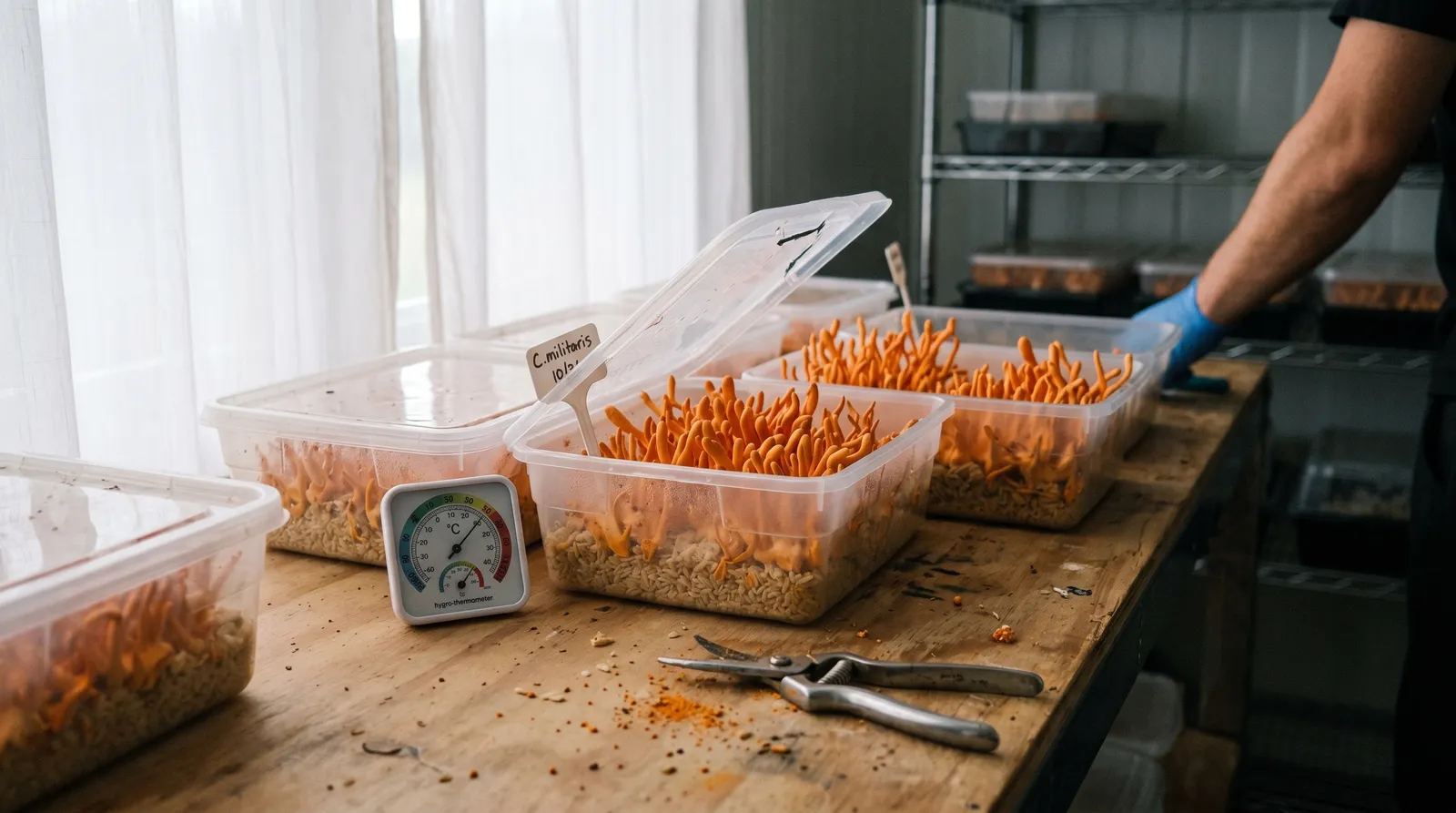
The orange, club-shaped fruiting bodies of C. militaris emerge over 40–60 days. Producers harvest them when they reach 5–8 cm in height and the tips begin to darken — a sign that spore production is starting and cordycepin content is near its peak. Timing this harvest window is one of the trickier parts of production. Too early and the bioactive concentration is suboptimal; too late and the fruiting bodies become tough and fibrous, complicating the milling step.
Some operations harvest a second flush from the same substrate, though yields and bioactive concentrations typically drop by 20–40% on subsequent flushes.
Step 4: Drying
Drying reduces moisture content from 85–90% down to below 10% for stable storage and effective milling. Three drying methods dominate commercial production:
| Drying Method | Temperature Range | Duration | Effect on Bioactives |
|---|---|---|---|
| Hot-air drying | 40–60°C | 8–12 hours | Some cordycepin degradation above 55°C; polysaccharides largely preserved |
| Freeze-drying (lyophilisation) | −40 to −80°C (sublimation) | 24–48 hours | Best retention of cordycepin, adenosine, and heat-sensitive compounds |
| Vacuum drying | 30–50°C (reduced pressure) | 10–16 hours | Good retention; lower energy cost than freeze-drying |
Freeze-drying preserves the most bioactive content but costs roughly 3–5 times more than hot-air drying. Most mid-range commercial cordyceps powders use hot-air drying at controlled temperatures below 55°C, which offers a reasonable balance between cost and quality. If a product label says "freeze-dried," expect to pay more — and the cordycepin content should reflect that investment.
Step 5: Milling and Extraction
Milling reduces dried fruiting bodies to a particle size of 80–200 mesh (75–180 micrometres), making the powder suitable for capsules, blending, or direct consumption. Finer isn't always better: ultra-fine milling generates heat through friction, which can degrade cordycepin if the process isn't temperature-controlled.
Some producers add a hot-water extraction step before or after milling. This concentrates polysaccharides (particularly beta-glucans) by breaking down cell walls that would otherwise pass through your gut undigested. A dual-extraction process — hot water followed by ethanol — pulls both water-soluble polysaccharides and alcohol-soluble compounds like cordycepin and adenosine. According to the review in Herbal Medicine: Biomolecular and Clinical Aspects (Paterson, 2008), hot-water extraction can yield polysaccharide concentrations 3–5 times higher than simple milling of dried material.
The trade-off: extraction produces a concentrated extract powder (often labelled with a ratio like 10:1 or 8:1), not a whole-mushroom powder. You get higher concentrations of target compounds but lose some of the fibre, trace minerals, and other matrix components present in whole fruiting body powder. Neither approach is categorically "better" — it depends on what you're after.
Step 6: Quality Control and Testing
Quality control determines whether a cordyceps powder is worth buying or just expensive starch in a jar. Reputable producers test for three things at minimum: bioactive content (cordycepin and polysaccharide levels), heavy metals (lead, cadmium, arsenic, mercury), and microbial contamination. A certificate of analysis (CoA) should accompany any powder worth buying.
Cordycepin content in commercial C. militaris fruiting body powders typically ranges from 0.1% to 1.0% by dry weight, though some extracted products claim higher. Polysaccharide content (measured as beta-glucans) generally falls between 15% and 35% for whole fruiting body powders. If a product lists polysaccharides above 50% but costs very little, the starch from grain substrate may be inflating the number — alpha-glucans from rice are structurally different from fungal beta-glucans, and generic polysaccharide assays can't tell them apart. A beta-glucan-specific assay (like the Megazyme method) is the gold standard here, though few budget products bother with it.
The European Medicines Agency (EMA) has not issued a formal monograph on cordyceps, which means quality benchmarks in the EU remain largely industry-driven rather than regulatory. The EMCDDA does not classify cordyceps as a controlled substance in any EU member state, but the lack of harmonised standards means buyers must rely on third-party testing and transparent CoAs.
Mycelium-on-Grain vs Fruiting Body Powder
Mycelium-on-grain (MOG) products contain 50–70% residual starch by weight, making this the single most important distinction in cordyceps powder production. MOG products grow mycelium through a grain substrate and then mill the entire colonised grain — mycelium and all — into powder. The result has correspondingly diluted bioactive concentrations. A 2017 analysis by Nammex (a mushroom industry testing lab) found that several commercial "Cordyceps sinensis" MOG products contained less than 1% beta-glucans and undetectable cordycepin.
Fruiting body powders, by contrast, are made exclusively from the harvested mushroom itself. They consistently show higher cordycepin, adenosine, and beta-glucan levels. The price difference is real — fruiting body production takes longer and yields less material per batch — but so is the compositional difference.
When evaluating a cordyceps powder, check whether the label specifies "fruiting body" or "mycelium." If it says neither, or if it lists rice or oat flour in the ingredients, you're likely looking at an MOG product. If you want to order cordyceps powder with confidence, demand a CoA that specifies beta-glucan content measured by a fungal-specific assay.
How Cordyceps Powder Compares to Other Functional Mushroom Powders
Cordyceps powder production shares many steps with lion's mane powder and reishi powder production — substrate preparation, fruiting, drying, and milling follow broadly similar protocols. The key differences lie in the target compounds: lion's mane is valued for hericenones and erinacines (nerve growth factor stimulators), reishi for triterpenoids and ganoderic acids, and cordyceps for cordycepin and adenosine. If you're looking to buy functional mushroom supplements, understanding these production parallels helps you evaluate quality claims across the category. Those interested in nootropic mushroom stacks often combine cordyceps with lion's mane — the Azarius smartshop wiki page on lion's mane covers that fungus's specific cultivation requirements.
Compared to reishi powder, cordyceps powder production requires more precise environmental control during fruiting — particularly the light cycle and temperature drop — but shorter overall cultivation time. Lion's mane production, meanwhile, demands higher humidity (90–95%) and produces a more delicate fruiting body that's harder to dry without browning. All three benefit from freeze-drying, but the cost premium is most justified for cordyceps because cordycepin is more heat-sensitive than the triterpenoids in reishi.
Storage and Shelf Life
Properly dried cordyceps powder maintains potency for 18–24 months when stored in airtight, light-proof containers at room temperature. Moisture is the primary enemy: if the powder reabsorbs water above 12% moisture content, microbial growth resumes and cordycepin begins to degrade. Silica gel packets in sealed containers help, but the best insurance is buying from suppliers who package in nitrogen-flushed, opaque pouches. Once opened, get the powder into a sealed jar and use it within 6 months for optimal bioactive retention.
What We Don't Know Yet
Despite decades of traditional use and a growing body of in-vitro research, large-scale human clinical trials on cordyceps powder remain scarce. Most of the impressive-sounding data — cordycepin inhibiting tumour cell proliferation, adenosine modulating immune response — comes from cell cultures or animal models. The few human studies that exist (mostly small, short-duration trials on exercise performance) show modest effects at best. We sell cordyceps powder because the production science is solid and the bioactive profile is well-characterised, but we won't pretend the clinical evidence matches the marketing hype that surrounds this fungus.
We also don't fully understand how cordycepin bioavailability works in humans. Animal studies suggest rapid deamination by adenosine deaminase in the blood, which means the cordycepin you ingest may not reach target tissues intact. Some researchers are exploring co-administration with adenosine deaminase inhibitors, but this remains experimental. If someone tells you their cordyceps powder "definitely" boosts ATP production in your muscles, ask them for the human pharmacokinetic data — they won't have it.
Last updated: April 2026
Frequently Asked Questions
10 questionsWhy is most cordyceps powder made from C. militaris instead of C. sinensis?
What is the difference between mycelium-on-grain and fruiting body cordyceps powder?
Does the drying method affect cordyceps powder quality?
How can I tell if a cordyceps powder contains actual bioactive compounds?
What substrate is used to grow Cordyceps militaris commercially?
Is cordyceps powder production regulated in Europe?
How much cordycepin should a quality cordyceps powder contain?
Why is the substrate autoclaved at 121 °C during cordyceps powder production?
How long does it take to cultivate Cordyceps militaris for powder production?
Does Cordyceps militaris powder lose potency over time?
About this article


Joshua Askew serves as Editorial Director for Azarius wiki content. He is Managing Director at Yuqo, a content agency specialising in cannabis, psychedelics and ethnobotanical editorial work across multiple languages. Th
This wiki article was drafted with AI assistance and reviewed by Joshua Askew, Managing Director at Yuqo. Editorial oversight by Adam Parsons.
Medical disclaimer. This content is for informational purposes only and does not constitute medical advice. Consult a qualified healthcare provider before use of any substance.
Last reviewed April 24, 2026
References (5)
- [1]Tuli, H. S., Sandhu, S. S., & Sharma, A. K. (2014). Pharmacological and therapeutic potential of Cordyceps with special reference to cordycepin. 3 Biotech, 4(1), 1–12.
- [2]Paterson, R. R. M. (2008). Cordyceps — a traditional Chinese medicine and another fungal therapeutic biofactory? Phytochemistry, 69(7), 1469–1495.
- [3]Kang, C., Wen, T. C., Kang, J. C., Meng, Z. B., Li, G. R., & Hyde, K. D. (2017). Optimization of large-scale culture conditions for the production of cordycepin with Cordyceps militaris by liquid static culture. Mycobiology, 45(1), 19–26.
- [4]Shashidhar, M. G., Giridhar, P., Udaya Sankar, K., & Manohar, B. (2013). Bioactive principles from Cordyceps sinensis: A review. Journal of Functional Foods, 5(3), 1013–1030.
- [5]EMCDDA (European Monitoring Centre for Drugs and Drug Addiction). Drug profiles and legal status database. Accessed April 2026.
Related Articles
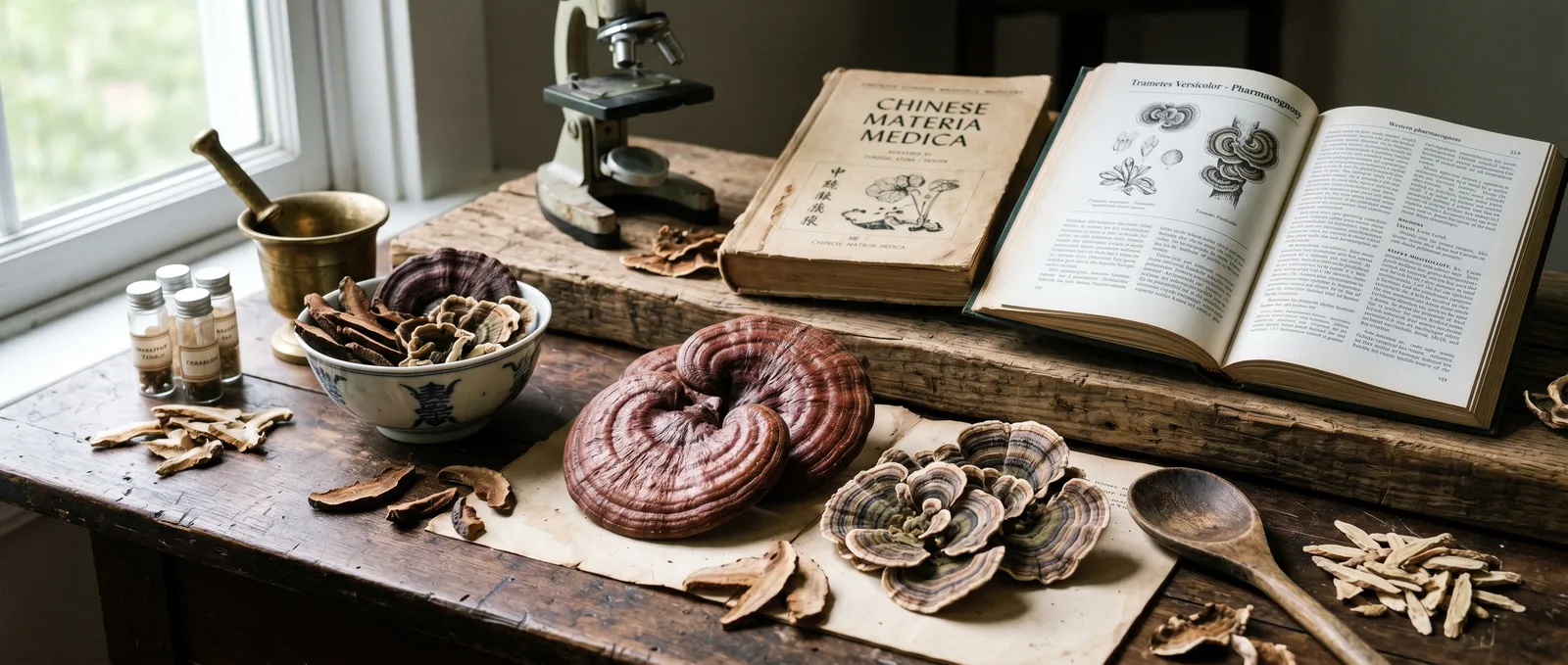
Medicinal Mushrooms TCM Western Pharmacognosy Guide
Guide to medicinal mushrooms TCM Western pharmacognosy — how reishi, lion's mane, cordyceps are classified, extracted, and studied.
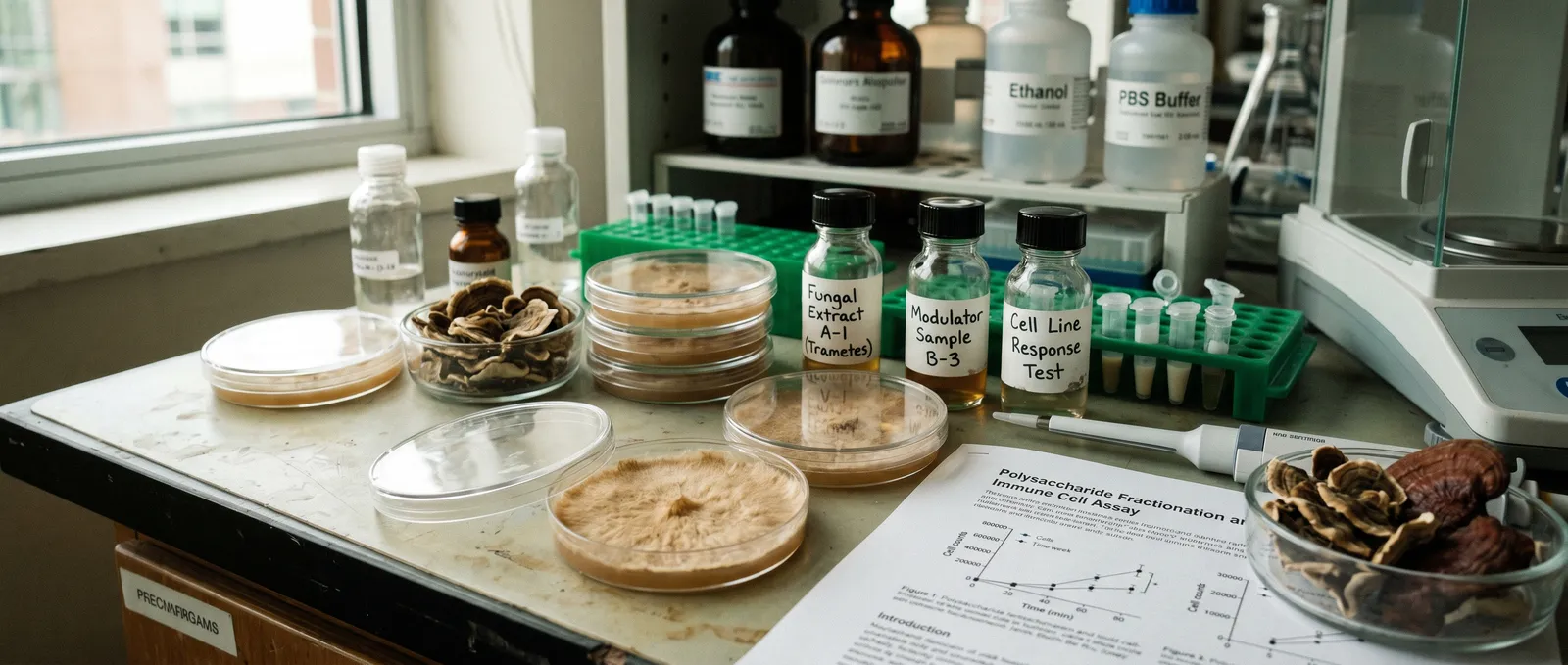
Research on Immune Modulation by Functional Mushrooms
What does research on immune modulation by functional mushrooms actually show? Beta-glucans, Dectin-1 signalling, human trials, and the honest gap...
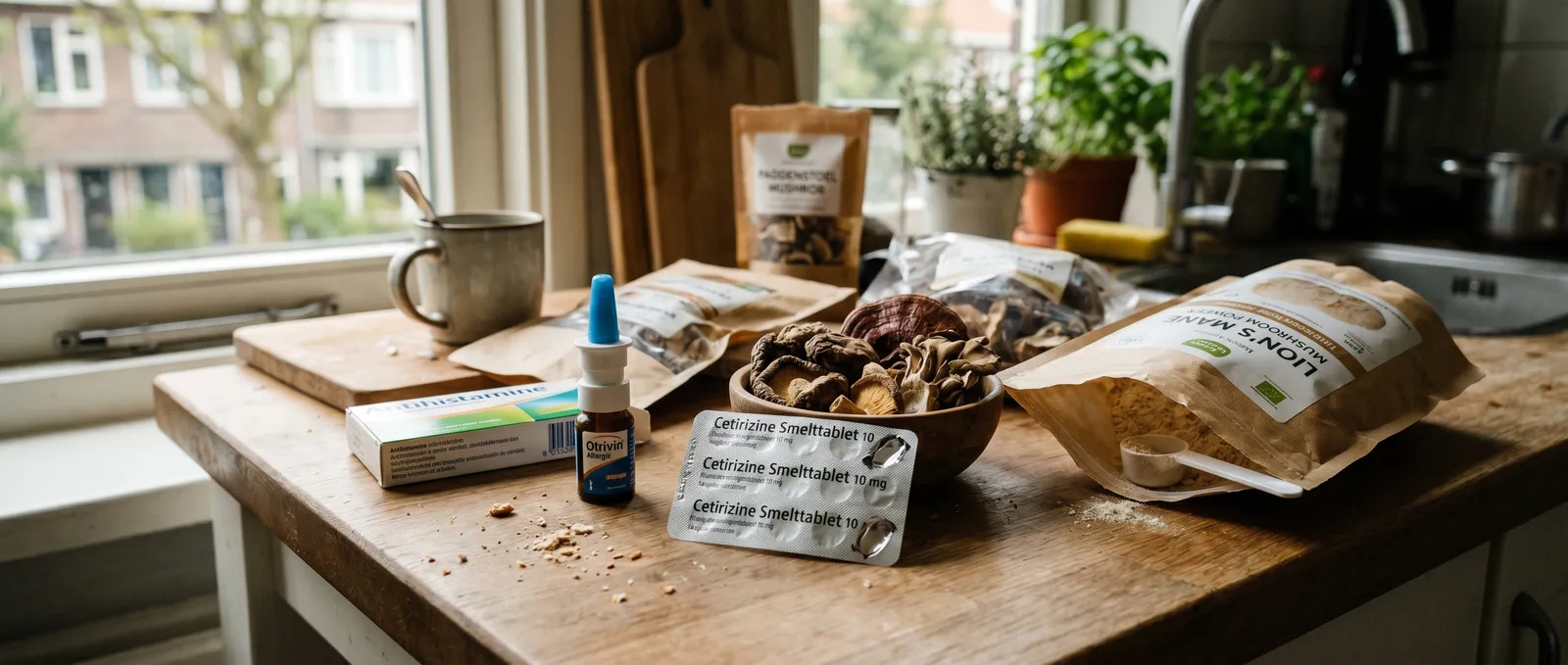
Allergic Reactions & Mushroom Sensitivities
Understand allergic reactions and mushroom sensitivities: mould cross-reactivity, shiitake dermatitis, species-specific risks, and safer product…
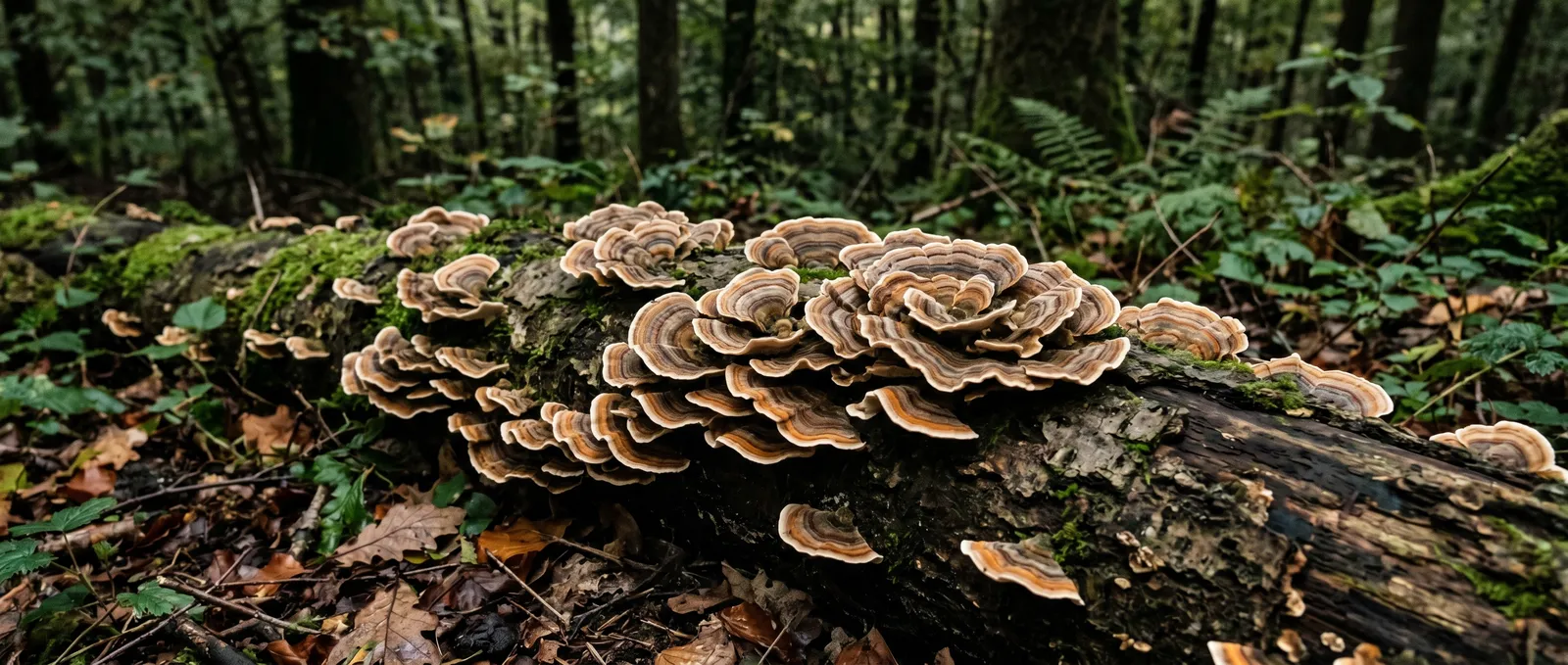
Turkey Tail Trametes versicolor — Buy Supplements
Buy turkey tail Trametes versicolor supplements at Azarius. PSK and PSP evidence, beta-glucan dosage, extraction methods, and safety.
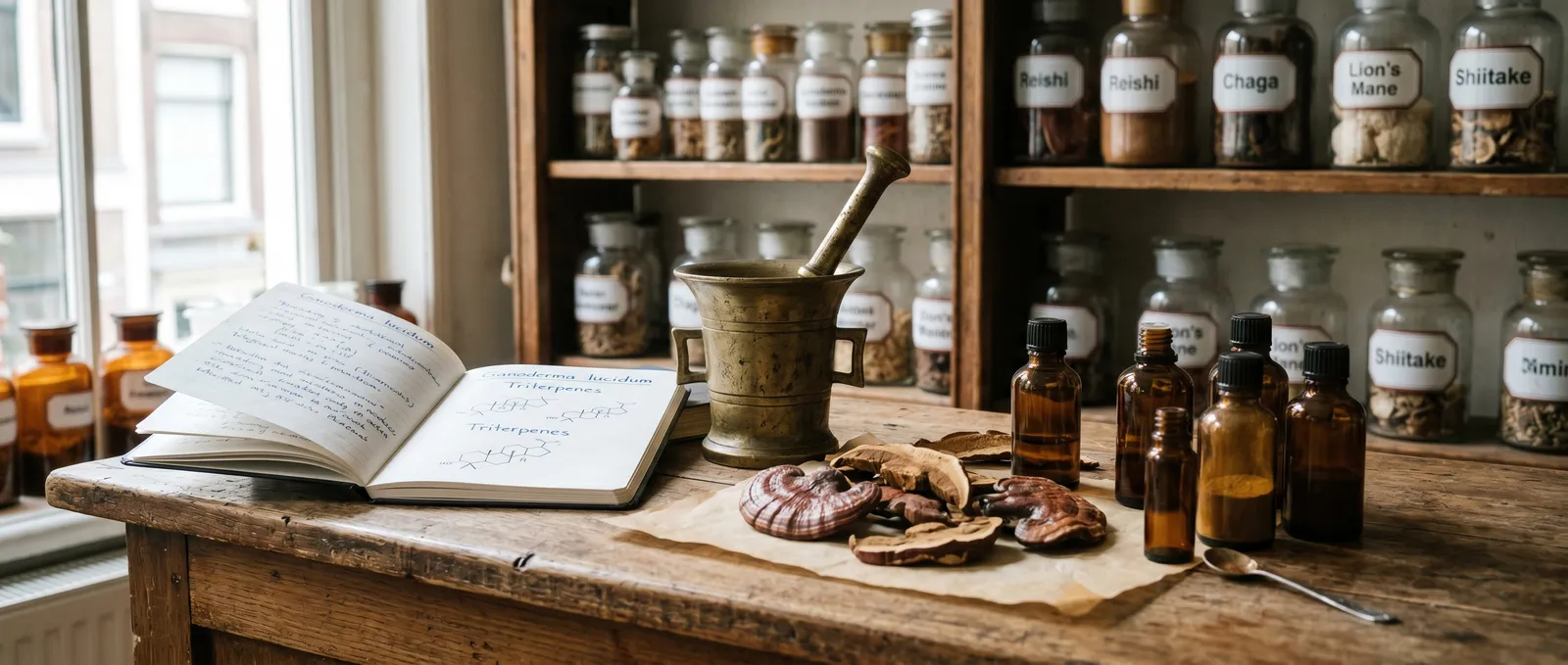
Triterpenes In Medicinal Mushrooms
Triterpenes in medicinal mushrooms are a class of 30-carbon terpenoid compounds produced as secondary metabolites by several functional mushroom species…
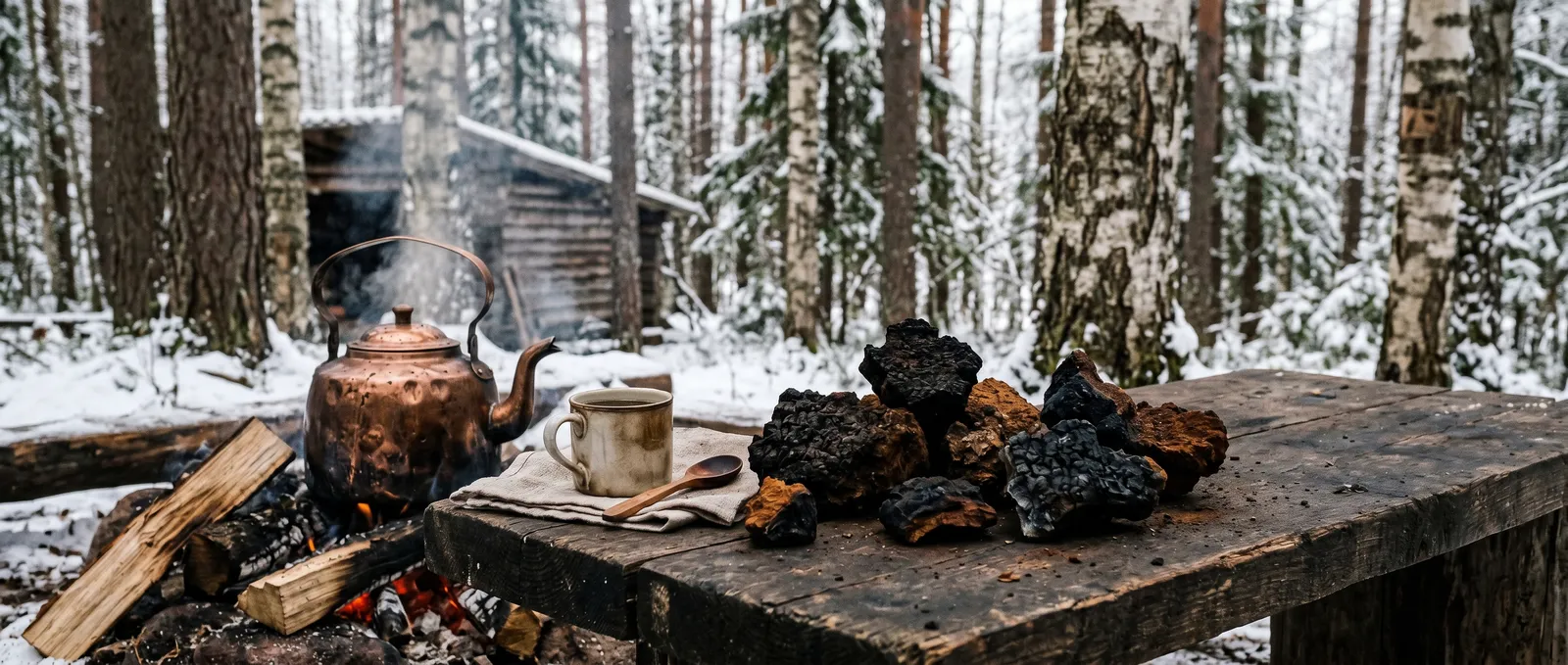
Chaga Siberian Nordic Folk Use
Chaga Siberian Nordic folk use is a centuries-old tradition in which indigenous Siberians and Nordic communities brewed the birch-parasitising fungus…
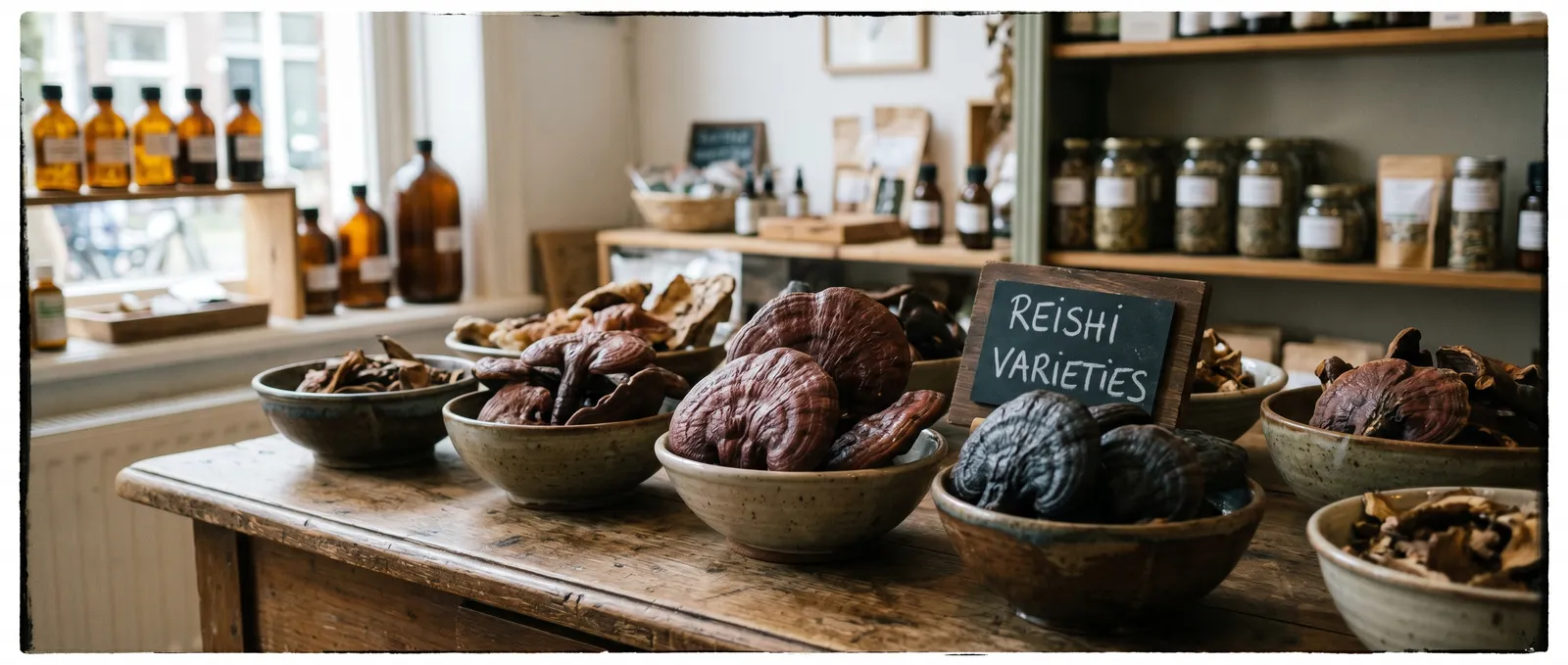
Red and Black Reishi Varieties
Red reishi (Ganoderma lucidum) and black reishi (Ganoderma sinense) both fall under the lingzhi umbrella in traditional Chinese medicine, but they differ in…
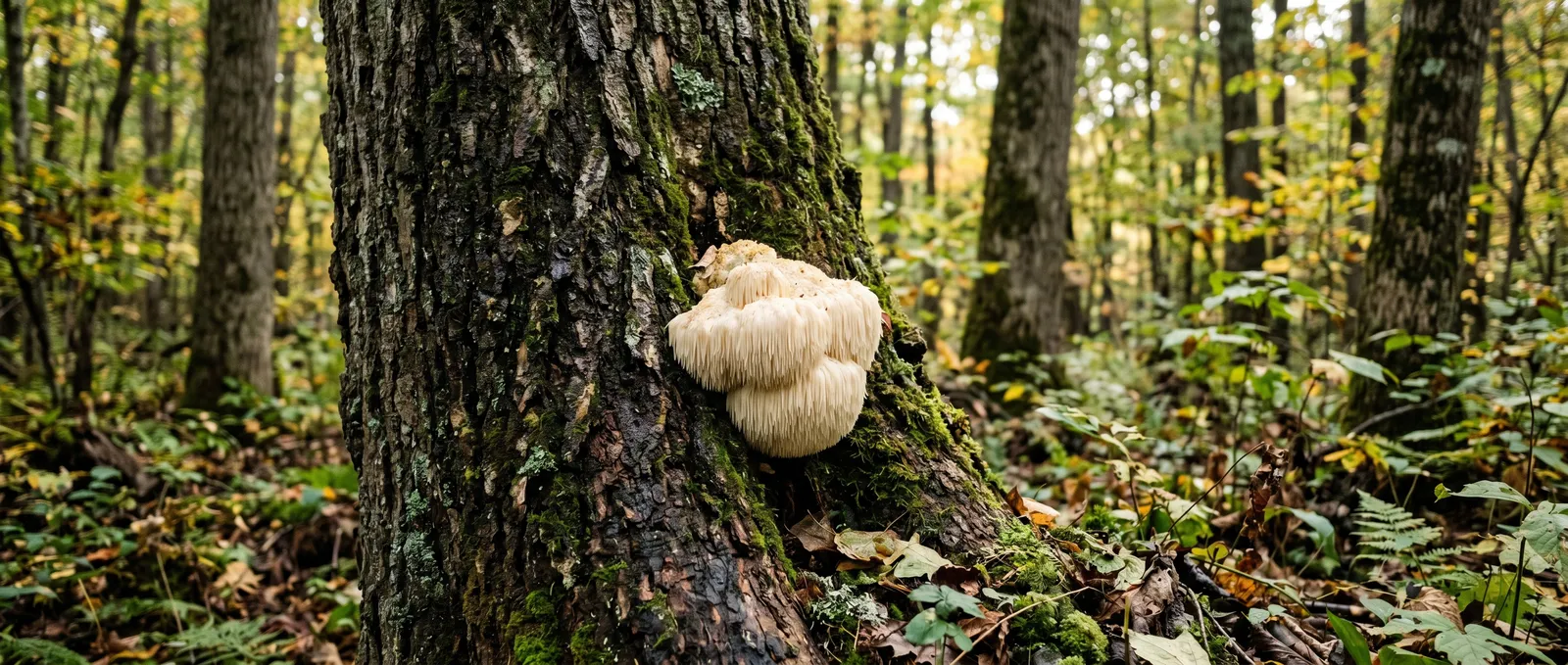
Lion's Mane Identification & Habitat
Hericium erinaceus is a tooth fungus that fruits as a single white, spine-covered mass on wounded or dead hardwood trees.
Cordyceps Lifecycle
The cordyceps lifecycle is a parasitic biological sequence in which a fungus infects an insect host, colonises its body from within, and erupts as a…