
This article discusses psychoactive substances intended for adults (18+). If you have a health condition or take medication, consult a doctor before use. Our age policy
Kratom Leaf Powder vs Extracts
Definition
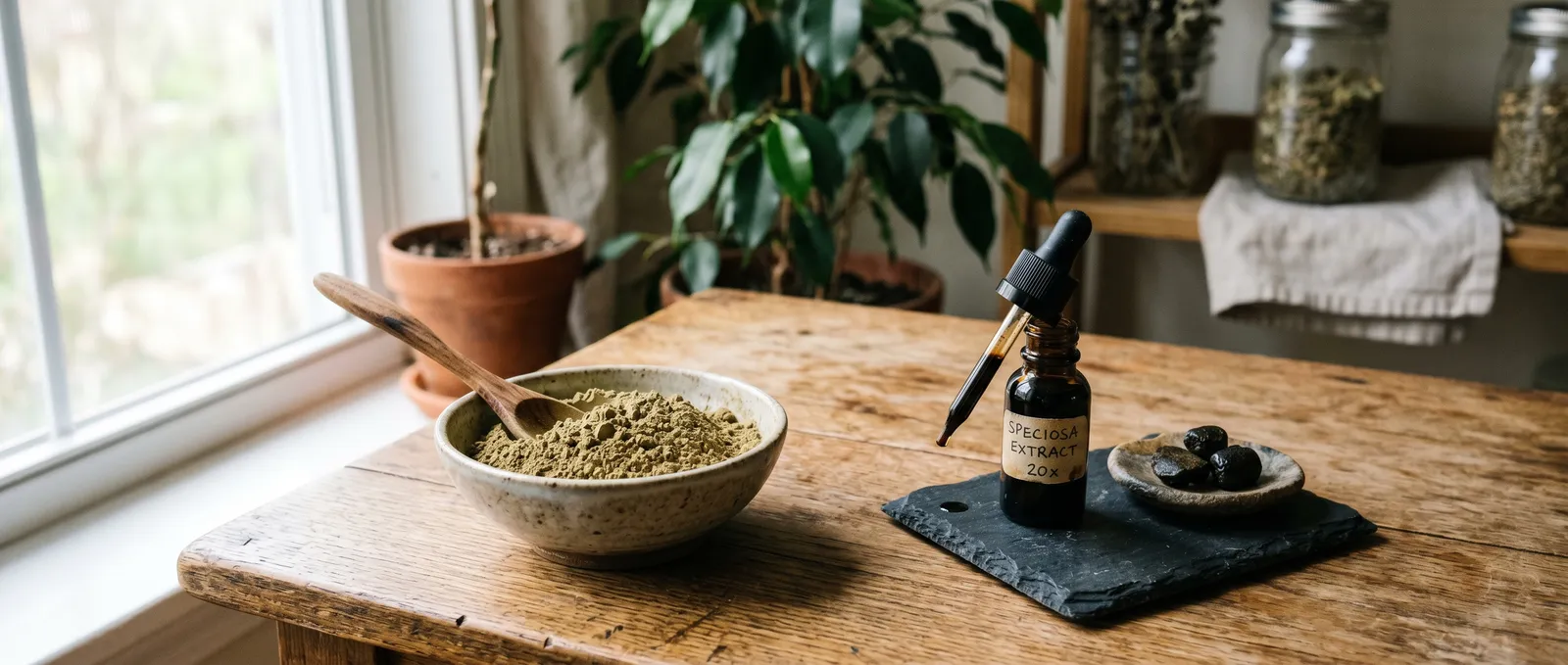
Kratom leaf powder is a dried, ground preparation of Mitragyna speciosa leaves that contains the plant's full alkaloid spectrum at natural ratios. Kratom extracts are concentrated preparations that isolate and amplify specific alkaloids. Extracts are not simply 'stronger leaf' — they are pharmacologically distinct products that demand different approaches to dosing and frequency.
Kratom leaf powder is a dried, ground preparation of Mitragyna speciosa leaves that contains the plant's full spectrum of 40+ alkaloids at their natural ratios. Kratom extracts are concentrated preparations — typically produced via water, ethanol, or acid-base extraction — that isolate and amplify specific alkaloids, primarily mitragynine and 7-hydroxymitragynine. The distinction between kratom leaf powder vs extracts matters far more than "strong vs stronger." These are pharmacologically different products that demand different approaches to dosing, frequency, and harm awareness. Anyone considering kratom in either form should understand these differences before choosing a product.
Adult audience (18+). The dosing ranges and effects described in this article apply to adult physiology. This content is not intended for minors.
Disclaimer: This article is for informational purposes only and does not constitute medical advice. Kratom is a pharmacologically active substance with real risks including dependence, withdrawal, drug interactions, and potential organ toxicity. Do not use kratom if you are pregnant, breastfeeding, taking prescription medications, or have pre-existing health conditions without consulting a qualified healthcare professional. Nothing on this page should be interpreted as encouragement to use kratom or as a guarantee of safety at any dose.
Head-to-Head Comparison
Kratom leaf powder and extracts differ across every dimension that matters for practical use — alkaloid content, dosing precision, tolerance trajectory, and safety margin. The table below summarises the key contrasts.
| Dimension | Leaf Powder | Extract |
|---|---|---|
| What it is | Dried, ground M. speciosa leaves | Concentrated alkaloid preparation (liquid, resin, or powder) |
| Mitragynine content (typical) | 1–1.5% of dry weight (Prozialeck et al., 2012) | Variable; commonly 2–5× leaf concentration, some products far higher |
| 7-Hydroxymitragynine content | Trace — typically under 0.05% (Kruegel & Bhowmik, 2016) | Often enriched disproportionately relative to mitragynine |
| Alkaloid profile | Full spectrum: mitragynine, paynantheine, speciogynine, and 30+ others | Narrower; extraction tends to favour specific alkaloids based on solvent and method |
| Dosing precision | Moderate — measurable by gram scale | Difficult — concentration varies between products and batches |
| Tolerance escalation | Develops with daily use | Develops faster; higher alkaloid load per dose accelerates receptor adaptation |
| Withdrawal risk | Present with regular daily use (Singh et al., 2014) | Elevated — higher alkaloid intake per session compounds dependence risk |
| Traditional precedent | Centuries of use in Southeast Asia (chewed leaf, brewed tea) | No traditional precedent — modern commercial product |
| Cost per dose | Lower | Higher per unit weight, though less material used per dose |
| Risk profile | Lower ceiling for alkaloid intake per session | Substantially higher ceiling; easier to overshoot intended dose |
What Leaf Powder Actually Is
Kratom leaf powder is the simplest commercially available form of kratom: whole leaves from Mitragyna speciosa trees, dried and milled to a fine powder. The alkaloid content varies by growing region, harvest timing, and drying method, but mitragynine typically constitutes 1–1.5% of dry leaf weight, with 7-hydroxymitragynine present only in trace amounts — usually below 0.05% (Prozialeck et al., 2012). The remaining alkaloid fraction includes paynantheine, speciogynine, and speciociliatine, among others. What these minor alkaloids contribute to the overall effect profile is not well characterised in controlled human studies, though some researchers have proposed they modulate the activity of the primary alkaloids (Kruegel & Grundmann, 2018).
This is the form closest to traditional Southeast Asian use, where fresh leaves are chewed or brewed into tea. Survey data from Grundmann (2017) — one of the larger cross-sectional studies of Western kratom users — found that the majority of respondents used kratom leaf powder, with reported doses typically falling between 1 and 8 grams per session. That range is wide, reflecting genuine variability in individual response, product potency, and tolerance status.
The practical advantage of kratom leaf powder vs extracts is its relative predictability. A gram of leaf powder from a consistent source contains a roughly consistent amount of mitragynine. You can measure it on a kitchen scale. You can titrate upward in small increments. The ceiling for alkaloid intake per session is naturally lower because you physically need to consume several grams of plant material — a built-in brake that extracts remove entirely. The EMCDDA has noted kratom's growing presence in European markets, making product-form literacy increasingly relevant for consumers in the EU and beyond. Plain leaf powder users benefit from this built-in dosing friction. If you want to buy kratom leaf powder, look for vendors that provide batch-specific alkaloid testing so you know what you are actually getting.
What Extracts Are — and How They Differ
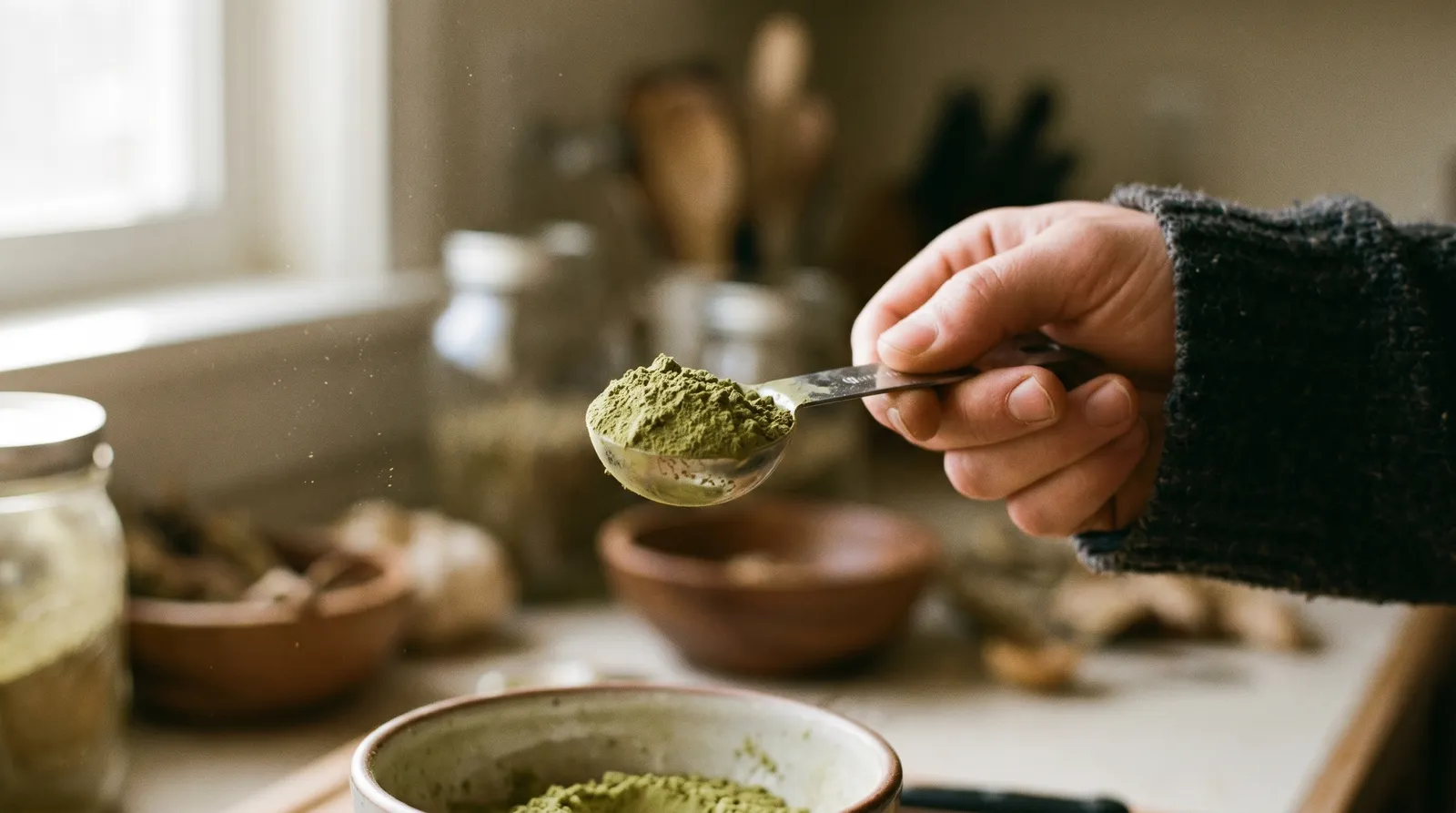
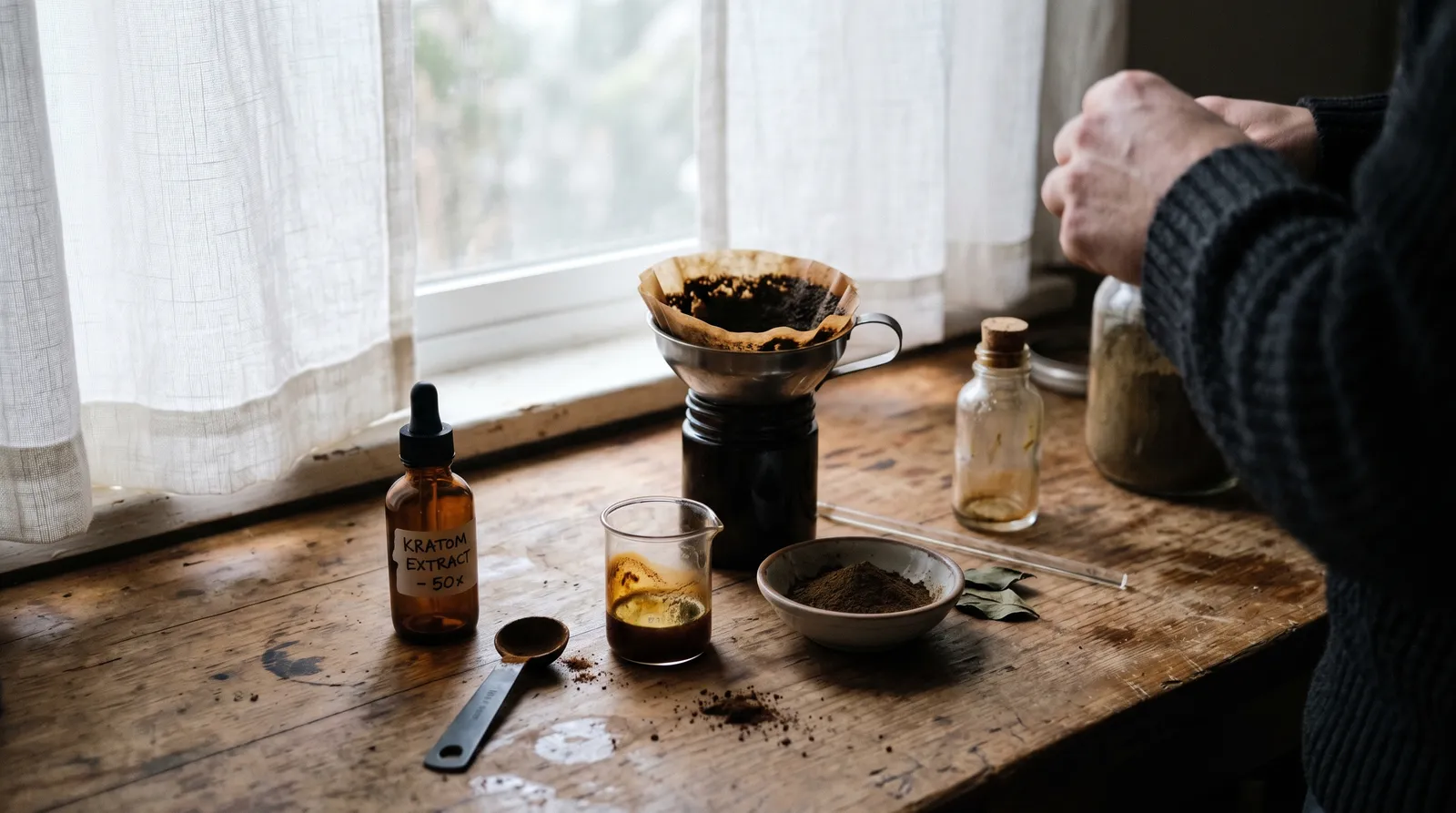
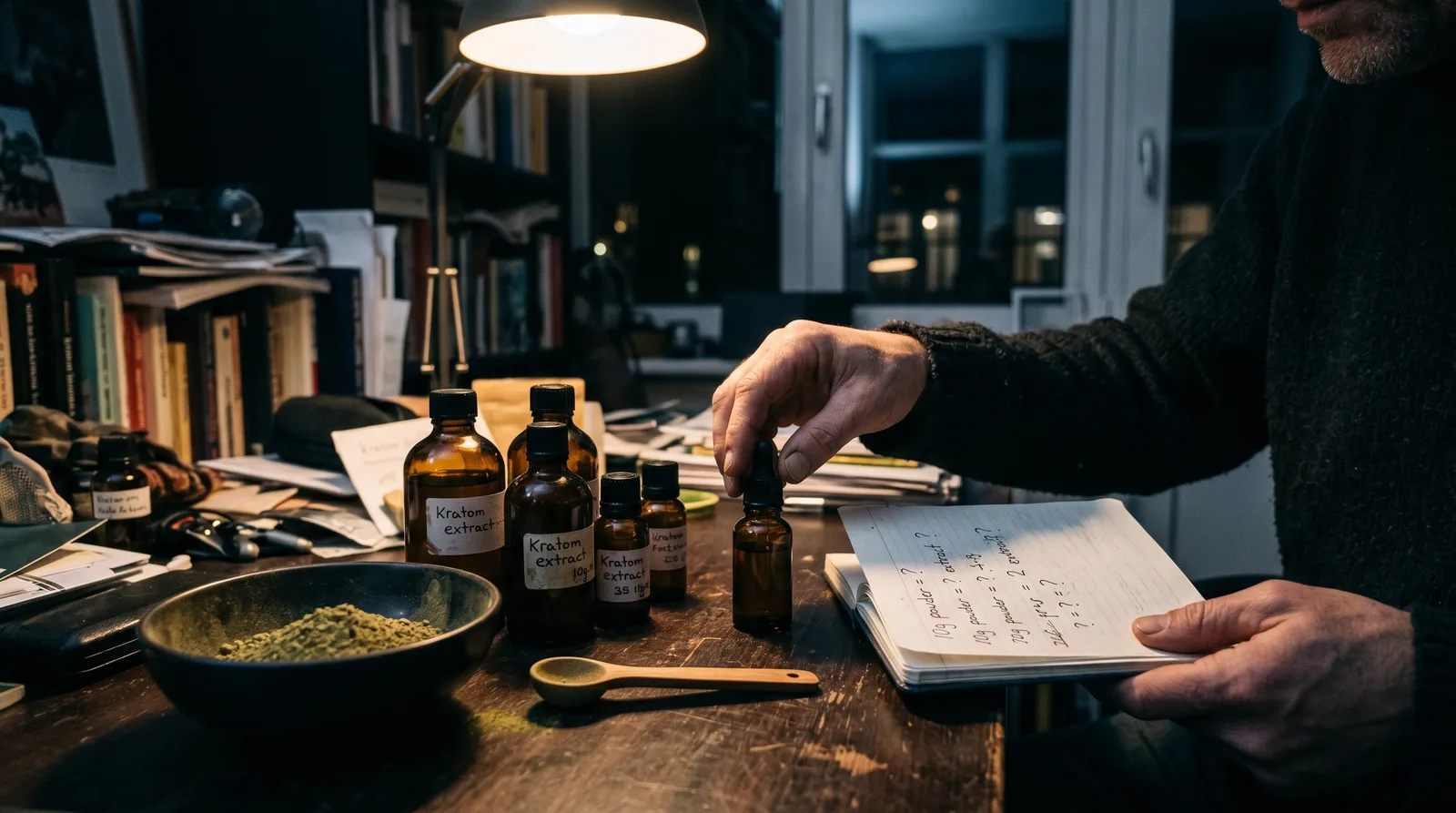
Kratom extracts are concentrated alkaloid preparations that change both the potency and the alkaloid ratio of the source material. They are produced by dissolving leaf material in a solvent, filtering out plant fibre, and concentrating the result. Common solvents include water, ethanol, or an acid solution, and the end product may be a thick resin, a tincture, or a dried powder that's been re-concentrated. Some commercial extracts are labelled with multipliers — "10x," "50x" — but these numbers are often misleading. A "10x" label typically means 10 grams of leaf were used to produce 1 gram of extract, not that the product is ten times as potent. Actual alkaloid concentration depends entirely on the extraction method and which compounds the solvent pulled out.
The critical pharmacological point: extraction doesn't just scale everything up proportionally. Depending on the solvent and pH conditions, 7-hydroxymitragynine can be enriched disproportionately relative to mitragynine (Kruegel & Bhowmik, 2016). This matters because 7-hydroxymitragynine has roughly 13 times the potency of mitragynine at mu-opioid receptors (Takayama, 2004). A small shift in the ratio between these two alkaloids meaningfully changes the pharmacological character of the product. An extract isn't just "concentrated leaf" — it can be a functionally different preparation. Understanding this distinction is essential when comparing kratom leaf powder vs extracts.
Some extracts also undergo semi-synthetic modification, with manufacturers converting mitragynine to 7-hydroxymitragynine through oxidation. This is a different animal entirely from plain leaf and should be treated as such, though product labelling rarely makes this distinction clear. For more context on how different kratom preparations relate to traditional use and pharmacology, the Azarius kratom wiki page covers the fundamentals.
Tolerance, Dependence, and the Escalation Problem
Extracts accelerate kratom tolerance development substantially compared to leaf powder. Tolerance to kratom develops with consecutive daily use regardless of form, but the mechanism is consistent with other mu-opioid receptor agonists: repeated stimulation leads to receptor downregulation and desensitisation (Singh et al., 2014; Swogger et al., 2015).
With kratom leaf powder, tolerance typically manifests as a gradual need for higher gram amounts. Because the alkaloid concentration per gram is relatively low, escalation has a natural friction point — consuming 15 or 20 grams of powder in a session is physically unpleasant (nausea, stomach discomfort), which tends to self-limit intake for most people.
Extracts remove that friction. A small capsule or a few drops of tincture can deliver the alkaloid equivalent of many grams of leaf. When tolerance develops — and it will, with daily use — the path of least resistance is simply taking more extract. There's no stomach full of plant matter telling you to stop. This is the core mechanism by which extracts accelerate the tolerance-dependence cycle. It's not theoretical; survey data consistently shows that users who transition from kratom leaf powder to extracts report faster tolerance development and more pronounced withdrawal symptoms when they stop (Grundmann, 2017).
The recognised withdrawal syndrome for kratom includes irritability, muscle aches, insomnia, nausea, and emotional disturbance (Singh et al., 2014). Severity correlates with dose and duration of use. Higher daily alkaloid intake — which extracts make trivially easy to achieve — predicts worse withdrawal outcomes.
Dosing: Not Interchangeable
There is no reliable dose equivalence between kratom leaf powder and extracts — they cannot be converted interchangeably. This sounds obvious, but the lack of standardised labelling across extract products makes it a genuine source of accidental overdose.
For kratom leaf powder, the cross-sectional survey by Grundmann (2017) reported a median single dose of approximately 3–5 grams among regular users, with newcomers in the study often starting at 1–2 grams. Veltri and Grundmann (2019) observed similar ranges in a follow-up analysis. These figures come from self-report data with all its limitations — actual alkaloid intake varies by product — but they provide a rough frame of reference.
For extracts, no equivalent population-level dosing data exists. Concentration varies so widely between products that a "dose" of one extract bears no relationship to a "dose" of another. A 2x extract and a 50x extract are not the same thing, and even two products labelled "10x" from different manufacturers may differ dramatically in actual alkaloid content. The only responsible approach is to treat every new extract product as an unknown quantity and start with the smallest measurable amount, though even this carries uncertainty without a certificate of analysis specifying alkaloid concentrations.
This dosing opacity is one of the strongest practical arguments for choosing kratom leaf powder vs extracts, particularly for anyone without extensive experience. When you order kratom from reputable vendors, the product pages should specify the form and any available batch information to help with dosing decisions.
Safety Considerations
Extracts present a measurably higher risk profile than leaf powder due to greater alkaloid load per dose and reduced dosing precision. Both kratom leaf powder and extracts carry risks with regular use, but the margin for error differs substantially between the two forms.
Hepatotoxicity case reports exist for kratom use, though the mechanism remains under investigation and population-level incidence is unclear (Schimmel & Dart, 2020). Whether extracts carry disproportionate hepatotoxicity risk compared to leaf has not been studied directly, but higher alkaloid loads per session are a plausible risk amplifier.
Kratom alkaloids inhibit CYP2D6 and CYP3A4 enzymes in vitro (Hanapi et al., 2013), which means drug interactions are a real concern with both forms. Extracts, delivering higher alkaloid concentrations, may produce greater enzyme inhibition per dose. The EMCDDA risk assessment on kratom has noted the difficulty of establishing safe use thresholds given the variability in commercial products — a concern that applies doubly to extracts. For a detailed breakdown of specific interactions — including risks with MAOIs, benzodiazepines, other opioids, and CYP inhibitors — see the Azarius wiki article on kratom drug interactions and safety.
Contraindications apply equally to both forms: concurrent use of other opioids, benzodiazepines, alcohol, MAOIs, CYP3A4 inhibitors (ketoconazole, clarithromycin, grapefruit juice), CYP2D6 inhibitors (fluoxetine, paroxetine, bupropion), pre-existing liver conditions, pregnancy and breastfeeding, and personal or family history of substance use disorder.
Who Uses What and Why
The majority of kratom users prefer leaf powder over extracts. Grundmann (2017) found it was the dominant form among Western users by a wide margin. Some users describe preferring kratom leaf powder for its broader, more gradual effect profile — anecdotally attributing this to the full alkaloid spectrum, though controlled evidence for the "entourage effect" in kratom is thin. Others gravitate toward extracts for convenience or because tolerance to leaf powder has made their usual doses ineffective.
That second reason — tolerance-driven migration to extracts — is worth flagging as a warning sign rather than a neutral preference. If kratom leaf powder has stopped producing noticeable effects, the answer is almost certainly a tolerance break, not a stronger product. Escalating to extracts at that point is the pharmacological equivalent of doubling down rather than stepping back.
The strain and vein-colour vocabulary (red, green, white, Bali, Maeng Da, etc.) that dominates commercial kratom marketing applies to both powder and extracts, but the evidence base for pharmacologically meaningful differences between these categories is weak. Treat vein colour as a commercial descriptor, not a reliable predictor of alkaloid profile or effects. For more context on how these categories are used, see the Azarius wiki article on kratom strains.
Choosing Between Forms
Experience level is the single most important factor when deciding between kratom leaf powder vs extracts. Newcomers should start exclusively with leaf powder — the dosing is more forgiving and the margin for error wider. Experienced users who understand their tolerance baseline may choose to get kratom extracts for occasional use, but daily extract use is the single strongest predictor of problematic escalation in the survey literature. The Azarius product range includes both forms, with product descriptions that specify whether an item is plain leaf powder or a concentrated extract.
If you decide to buy kratom in any form, prioritise vendors that provide certificates of analysis with alkaloid percentages per batch. This is the only way to make informed dosing decisions, especially with extracts. The Azarius kratom category lists both leaf powders and extracts with available batch information where provided by the manufacturer.
The Bottom Line
Kratom leaf powder is the lower-risk form by every available measure — lower alkaloid density per dose, more predictable dosing, a natural ceiling on intake, slower tolerance development, and centuries of traditional use as context. Extracts offer concentration and convenience, but at the cost of dosing precision, faster tolerance escalation, elevated dependence risk, and no traditional precedent to guide safe use patterns.
Neither is "safe" in absolute terms — daily use of either form can produce dependence. But the margin for error with extracts is substantially thinner, and the consequences of miscalculation are correspondingly higher. If you're going to use kratom, leaf powder with deliberate spacing between sessions is the lower-risk approach by every available measure. For broader context on kratom pharmacology and traditional use, the Azarius kratom wiki section covers the fundamentals.
Last updated: April 2026
Frequently Asked Questions
Is kratom extract just stronger kratom powder?
Not exactly. Extraction changes the ratio of alkaloids, not just the concentration. 7-hydroxymitragynine — roughly 13 times more potent than mitragynine at mu-opioid receptors — can be disproportionately enriched during extraction (Kruegel & Bhowmik, 2016). This makes extracts pharmacologically distinct from leaf, not simply a scaled-up version.
What does the 'x' multiplier on kratom extracts mean?
A "10x" label typically means 10 grams of leaf were used to produce 1 gram of extract. It does not mean the product is ten times as potent. Actual alkaloid concentration depends on the extraction method and solvent used, so multiplier labels are unreliable indicators of strength.
Does kratom extract cause worse withdrawal than leaf powder?
Survey data suggests yes. Higher daily alkaloid intake — easily achieved with extracts — correlates with more severe withdrawal symptoms including muscle aches, insomnia, and irritability (Singh et al., 2014). Extracts remove the natural intake ceiling that bulky leaf powder provides.
Can I convert my leaf powder dose to an equivalent extract dose?
No reliable conversion exists. Extract potency varies enormously between products and manufacturers, even when labelled with the same multiplier. Without a certificate of analysis showing actual alkaloid content, any dose conversion is guesswork.
Why do some people switch from kratom powder to extracts?
Usually because tolerance to leaf powder has made their usual dose ineffective. This is typically a sign that a tolerance break is needed, not that a stronger product is the solution. Switching to extracts at this point tends to accelerate the tolerance-dependence cycle rather than resolve it.
Where do you find kratom leaf powder or extracts?
Azarius carries a range of kratom leaf powders and extracts in various vein colours and regional varieties; browse the Azarius kratom category to compare forms and buy kratom leaf powder or extracts, and always check that any product includes batch-specific information or a certificate of analysis where available.
Frequently Asked Questions
10 questionsIs kratom extract just stronger kratom powder?
What does the 'x' multiplier on kratom extracts mean?
Does kratom extract cause worse withdrawal than leaf powder?
Can I convert my leaf powder dose to an equivalent extract dose?
Why do some people switch from kratom powder to extracts?
Where do you find kratom leaf powder or extracts?
Does kratom leaf powder contain more alkaloids than just mitragynine?
Is it harder to dose kratom extracts accurately compared to leaf powder?
Does kratom extract have a longer shelf life than leaf powder?
Why does kratom extract taste different from leaf powder?
About this article


Adam Parsons is an external cannabis and psychedelics writer and editor who contributes to Azarius's wiki as both author and reviewer. On the writing side, he authors Azarius's kratom and kanna clusters, drawing on exten
This wiki article was drafted with AI assistance and reviewed by Adam Parsons, External contributor. Editorial oversight by Joshua Askew.
Medical disclaimer. This content is for informational purposes only and does not constitute medical advice. Consult a qualified healthcare provider before use of any substance.
Last reviewed April 24, 2026
References (11)
- [1]EMCDDA (2021). Kratom (Mitragyna speciosa) drug profile. European Monitoring Centre for Drugs and Drug Addiction.
- [2]Grundmann, O. (2017). Patterns of kratom use and health impact in the US — results from an online survey. Drug and Alcohol Dependence , 176, 63–70. DOI: 10.1016/j.drugalcdep.2017.03.007
- [3]Hanapi, N.A., Ismail, S., & Mansor, S.M. (2013). Inhibitory effect of mitragynine on human cytochrome P450 enzyme activities. Pharmacognosy Research , 5(4), 241–246.
- [4]Kruegel, A.C. & Bhowmik, S. (2016). Synthetic and receptor signaling explorations of the Mitragyna alkaloids. Journal of the American Chemical Society , 138(21), 6754–6764. DOI: 10.1021/jacs.6b00360
- [5]Kruegel, A.C. & Grundmann, O. (2018). The medicinal chemistry and neuropharmacology of kratom: a preliminary discussion of a promising medicinal plant and analysis of its potential for abuse. Neuropharmacology , 134, 108–120. DOI: 10.1016/j.neuropharm.2017.08.026
- [6]Prozialeck, W.C., Jivan, J.K., & Andurkar, S.V. (2012). Pharmacology of kratom: an emerging botanical agent with stimulant, analgesic and opioid-like effects. Journal of the American Osteopathic Association , 112(12), 792–799.
- [7]Schimmel, J. & Dart, R.C. (2020). Kratom (Mitragyna speciosa) liver injury: a complete review. Drugs , 80(3), 263–283. DOI: 10.1007/s40265-019-01242-6
- [8]Singh, D., Müller, C.P., & Vicknasingam, B.K. (2014). Kratom (Mitragyna speciosa) dependence, withdrawal symptoms and craving in regular users. Drug and Alcohol Dependence , 139, 132–137. DOI: 10.1016/j.drugalcdep.2014.03.017
- [9]Swogger, M.T., Hart, E., Erowid, F., Erowid, E., Trabold, N., Yee, K., Parkhurst, K.A., Priddy, B.M., & Walsh, Z. (2015). Experiences of kratom users: a qualitative analysis. Journal of Psychoactive Drugs , 47(5), 360–367. DOI: 10.1080/02791072.2015.1096434
- [10]Takayama, H. (2004). Chemistry and pharmacology of analgesic indole alkaloids from the rubiaceous plant, Mitragyna speciosa. Chemical and Pharmaceutical Bulletin , 52(8), 916–928. DOI: 10.1248/cpb.52.916
- [11]Veltri, C. & Grundmann, O. (2019). Current perspectives on the impact of kratom use. Substance Abuse and Rehabilitation , 10, 23–31. DOI: 10.2147/sar.s164261
Related Articles
Blue Lotus vs Kanna: Effects & Safety
Blue lotus vs kanna compared — Nymphaea caerulea's aporphine profile against Sceletium tortuosum's mesembrine chemistry, with interaction warnings.
Lotus Clinical Research Overview
What does lotus clinical research actually show? A critical review of Nymphaea caerulea and Nelumbo nucifera pharmacology, preclinical data, and…
Kanna South Africa To West History
Sceletium tortuosum was used by San and Khoekhoe communities in southern Africa for centuries before European colonists first documented it in the 1660s.
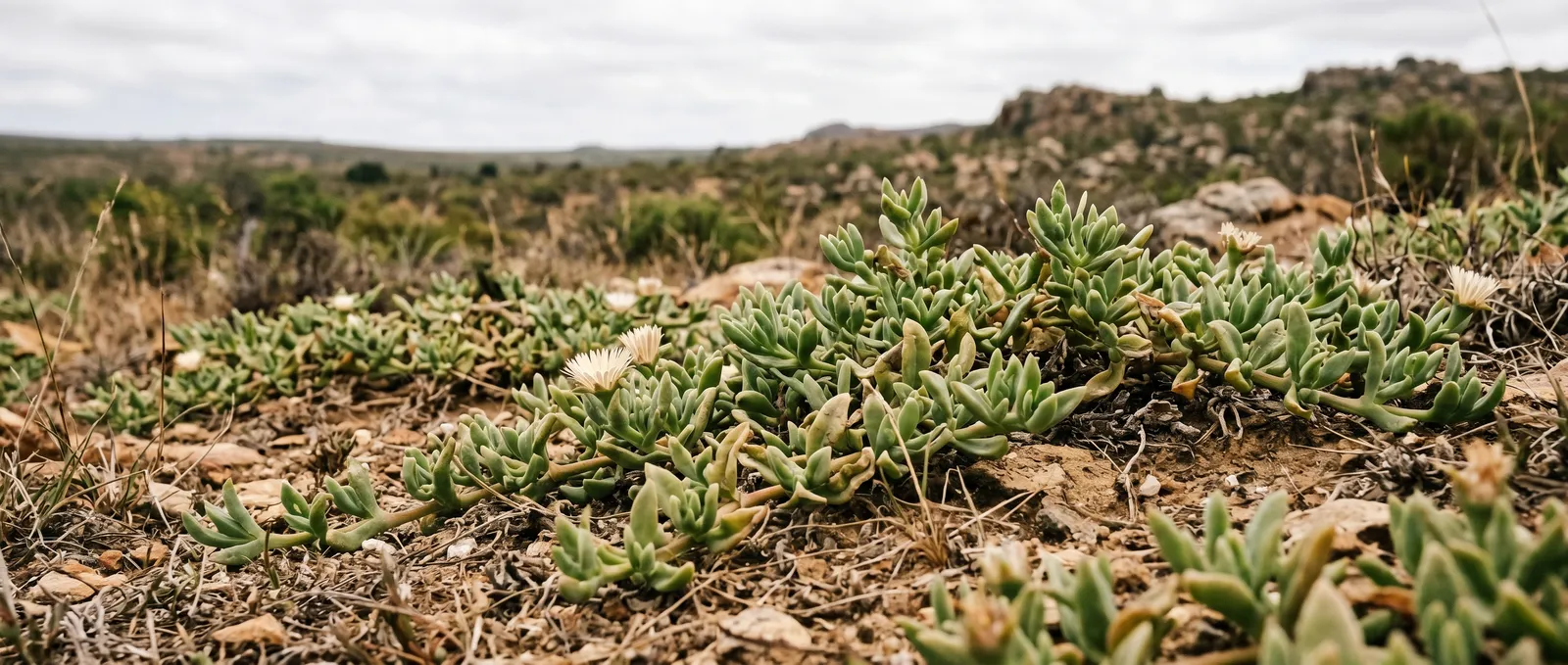
Sceletium Tortuosum Plant
Learn about the sceletium tortuosum plant: botany, alkaloids, fermentation, safety warnings, and where to buy kanna.
Kanna Pharmacokinetics Explained
Complete guide to kanna pharmacokinetics: how Sceletium tortuosum alkaloids are absorbed, metabolised via CYP2D6, and eliminated.
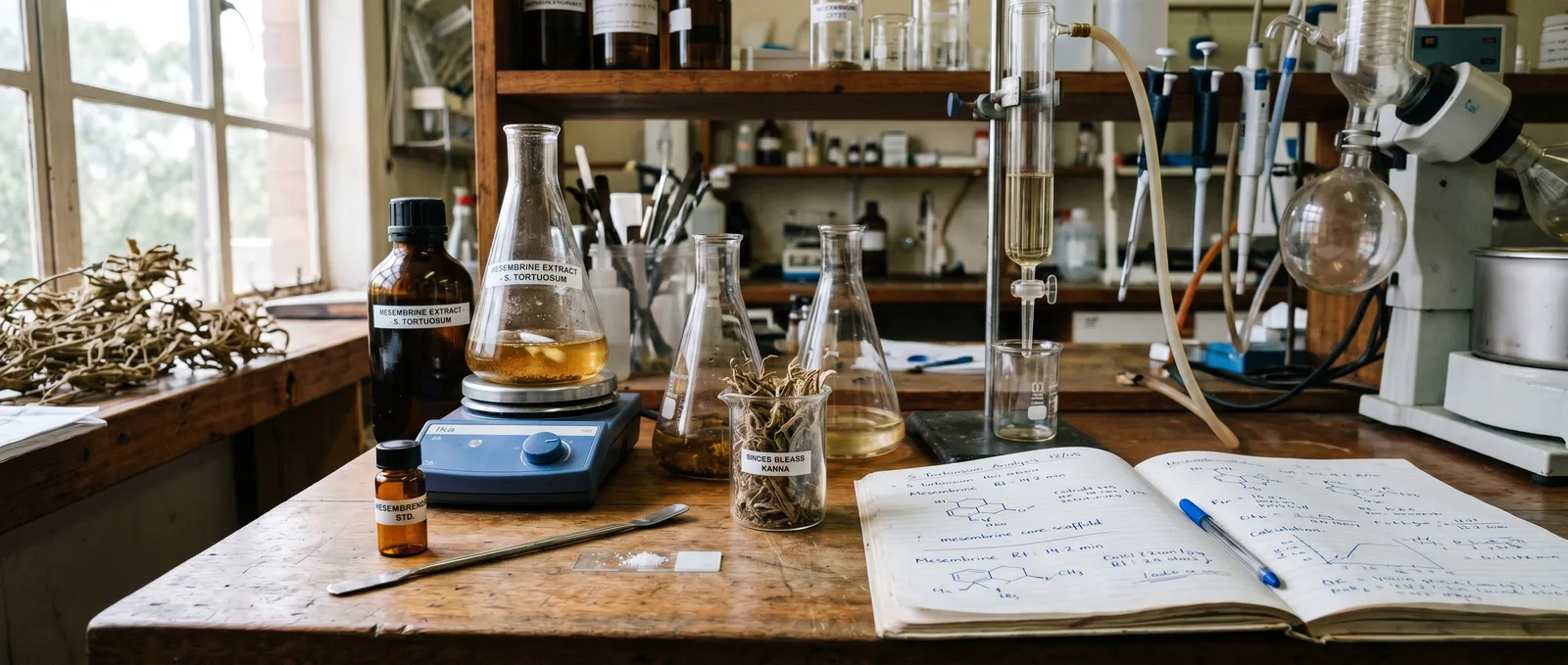
Kanna Chemistry: Sceletium Alkaloids Explained
Kanna chemistry explained: mesembrine, mesembrenone, their mechanisms, how fermentation and extraction change alkaloid profiles, and why it matters…

Rapé Shamanic Snuff Guide: How to Use It Safely
A practical rapé shamanic snuff guide covering dose, kuripe technique, effects, nicotine safety, interactions and Amazonian tradition.
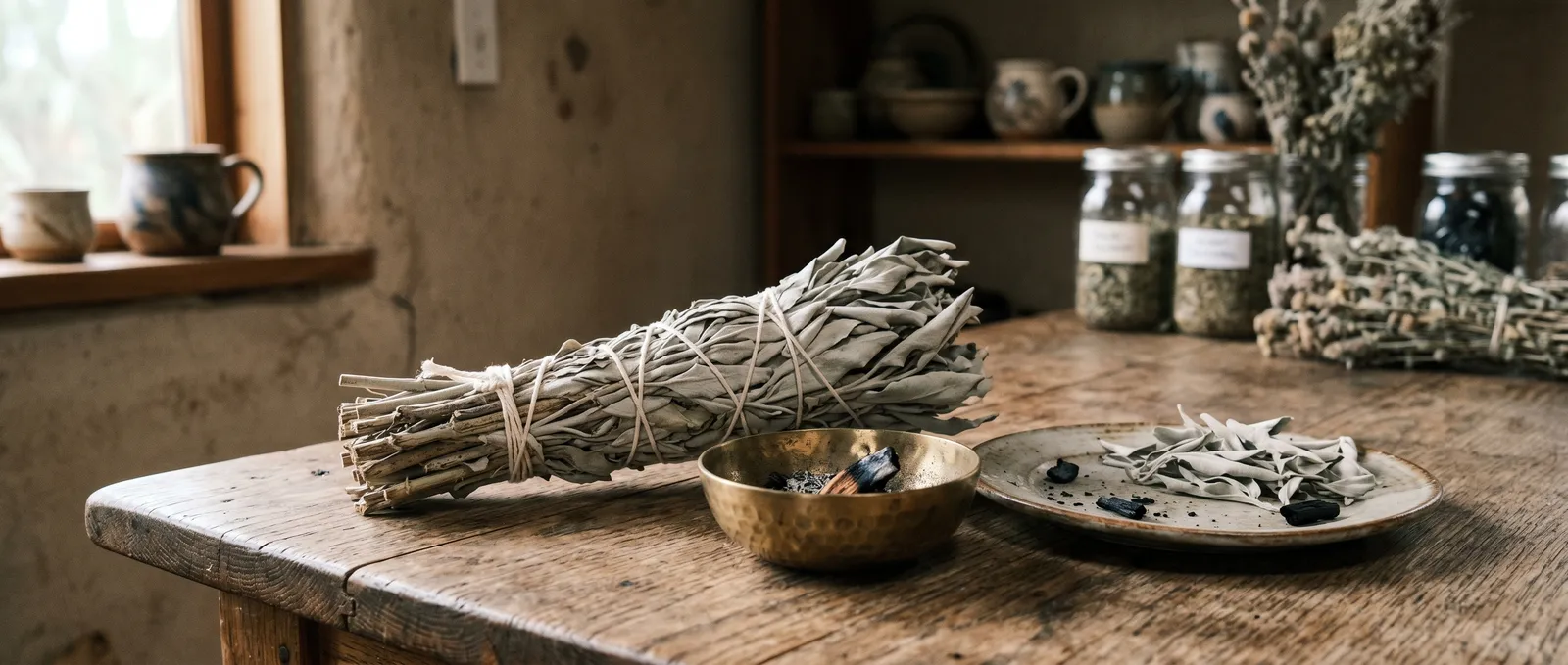
White Sage Salvia Apiana Cultural Smudging Guide
Salvia apiana is a non-psychoactive shrub native to southern California's coastal sage scrub, burned as ceremonial incense in Indigenous North American…
Mulungu Erythrina Traditional Amazonian Use — Bark, Alkaloids & Research
Erythrina mulungu is a Brazilian legume tree whose bark has been brewed as a calming decoction in rural folk medicine for generations.