
This article discusses psychoactive substances intended for adults (18+). If you have a health condition or take medication, consult a doctor before use. Our age policy
Kratom Dosing Forms
Definition
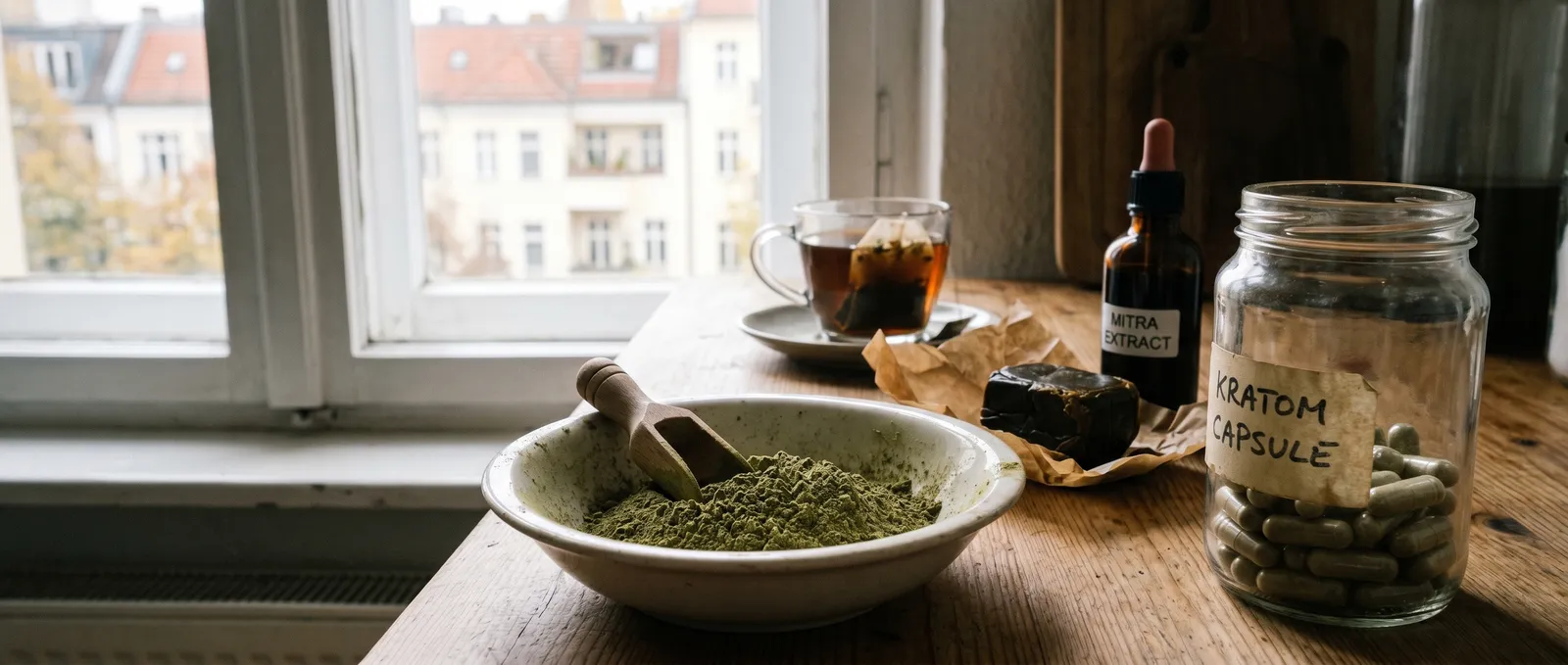
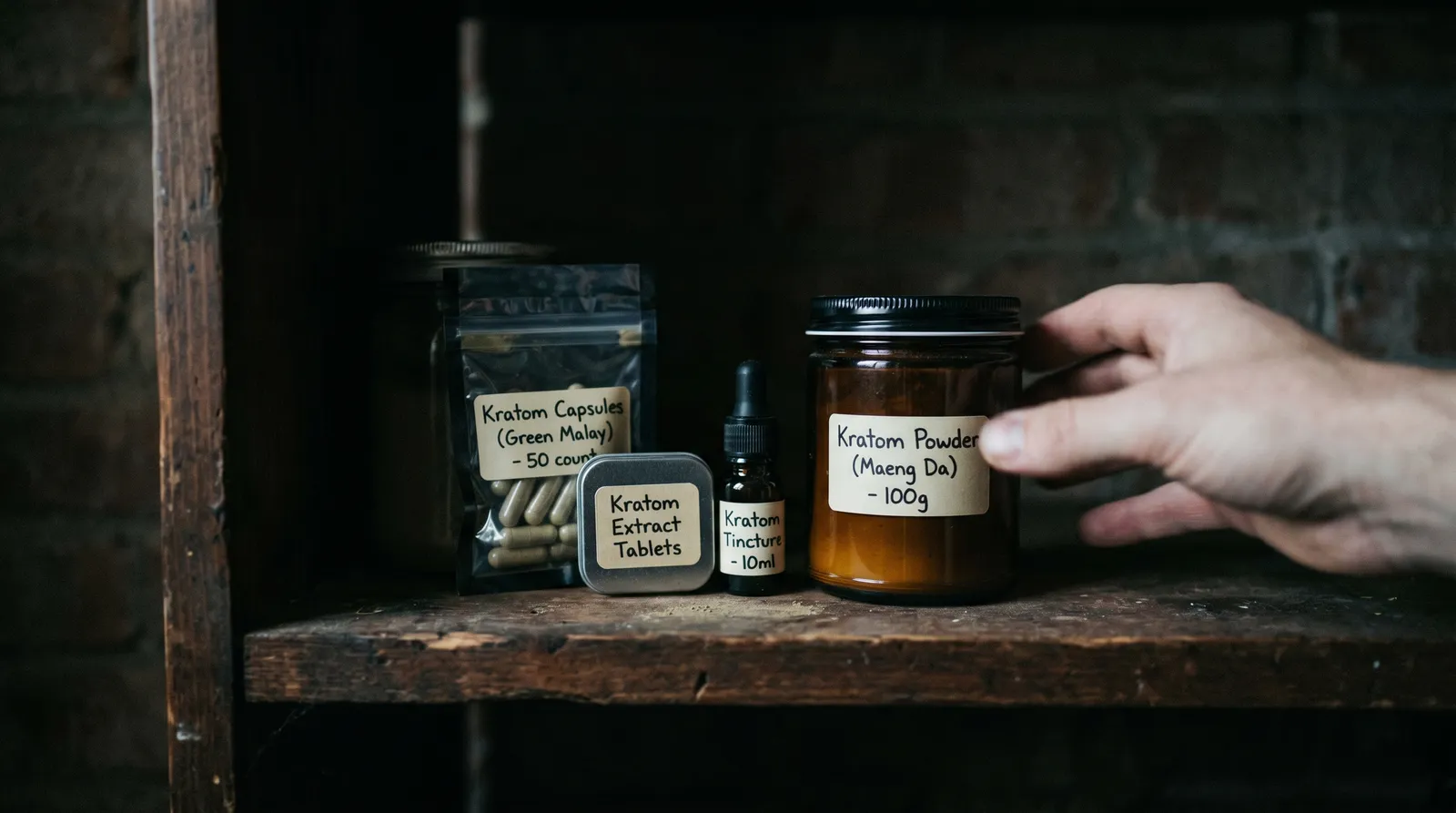
Kratom comes in several dosing forms — loose powder, capsules, brewed tea, concentrated extracts, and resin — each with different onset times, dose precision, and risk profiles. Choosing the right form depends on your priorities around convenience, taste, and how carefully you need to control your dose.
Kratom Dosing Forms: Powder, Capsules, Extracts, and How to Use Each
A kratom dosing form is a specific preparation of Mitragyna speciosa leaf that determines how its alkaloids reach your bloodstream — loose powder, capsules, extracts, resin, and tea each deliver mitragynine and 7-hydroxymitragynine differently, affecting onset time, dose precision, and your overall experience. Picking the right kratom dosing form is less about potency ranking and more about understanding what each preparation actually does to the alkaloid profile and how it enters your system. This guide walks through the major kratom dosing forms, how to work with each one, and where the real differences matter.
Adult audience (18+). The dosing ranges and effects described in this article apply to adult physiology. This content is not intended for minors.
Disclaimer: This article is for informational purposes only and does not constitute medical advice. Kratom is a pharmacologically active substance with recognised dependence potential and documented adverse effects. Do not use kratom as a substitute for evidence-based medical treatment. Consult a qualified healthcare professional before using kratom, especially if you take medications or have pre-existing health conditions. This content is provided for harm-reduction education and should not be interpreted as encouragement to use kratom.
Step 1: Understand What You're Comparing
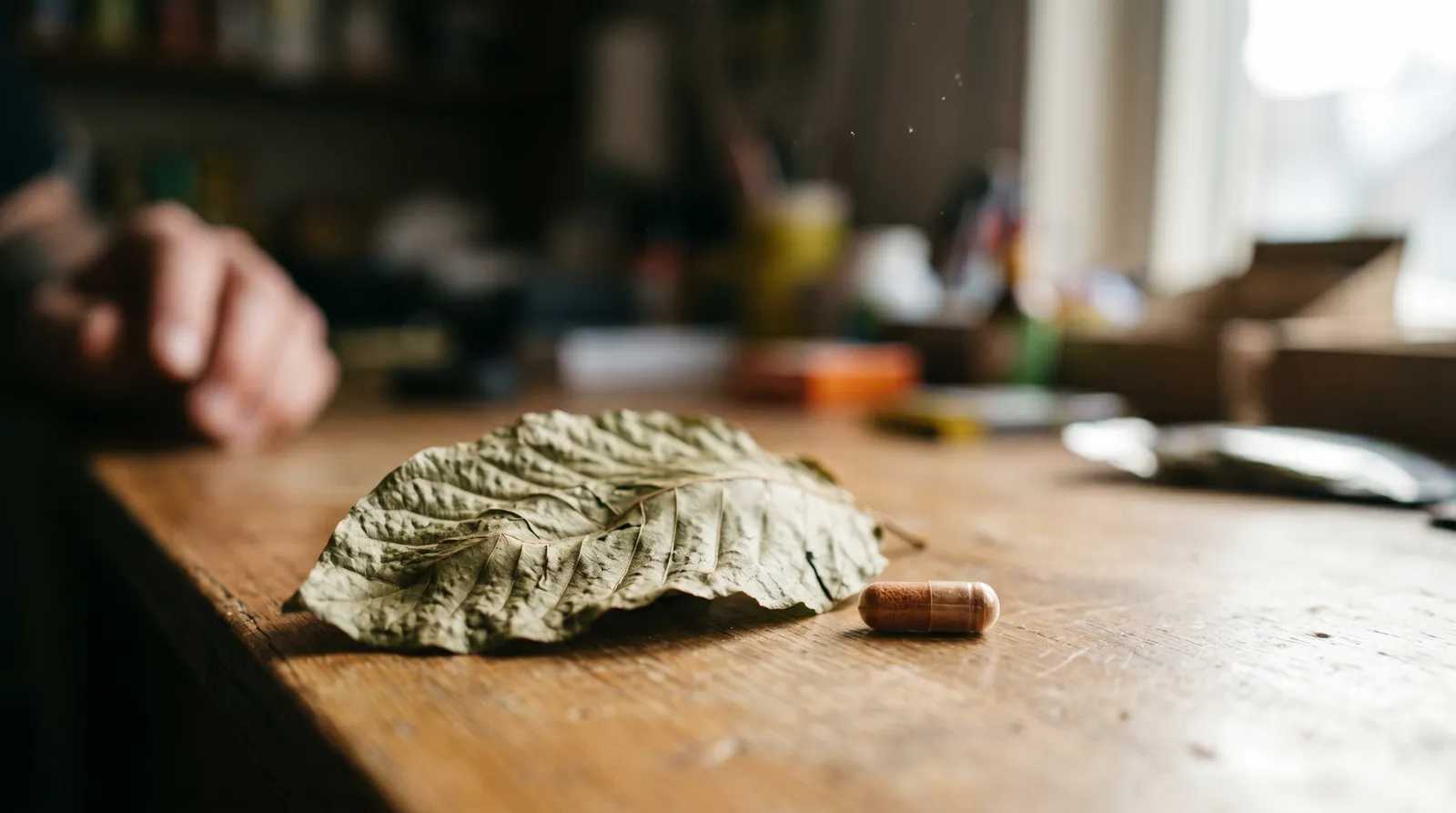
The most important distinction between kratom dosing forms is whether you are working with a leaf-based preparation or a concentrated extract — they are pharmacologically distinct categories. Dried leaf powder from Mitragyna speciosa typically contains 1–2% mitragynine by weight, with 7-hydroxymitragynine present at roughly 0.01–0.04% (Kruegel & Grundmann, 2016). Extracts concentrate these alkaloids — sometimes dramatically — so a gram of extract is not equivalent to a gram of leaf. Any dose figure you encounter needs to specify which kratom dosing form it refers to, or it's useless.
The kratom dosing forms covered here fall into two broad categories:
- Leaf-based: loose powder, capsules, crushed leaf for tea. These contain the full alkaloid profile of the dried leaf at roughly natural concentrations.
- Concentrated: standardised extracts, enhanced blends, resin. These have been processed to increase alkaloid density per gram, changing both the effect profile and the risk profile.
Tolerance develops rapidly with consecutive daily dosing regardless of kratom dosing form — a point worth keeping front of mind throughout this article. Survey data from Grundmann (2017) found that 50.4% of regular kratom users reported withdrawal symptoms, with frequency and dose being the strongest predictors. European drug monitoring bodies have also flagged kratom as a substance of concern in its monitoring reports, noting the difficulty of comparing user experiences across different preparations.
Step 2: Working with Loose Powder
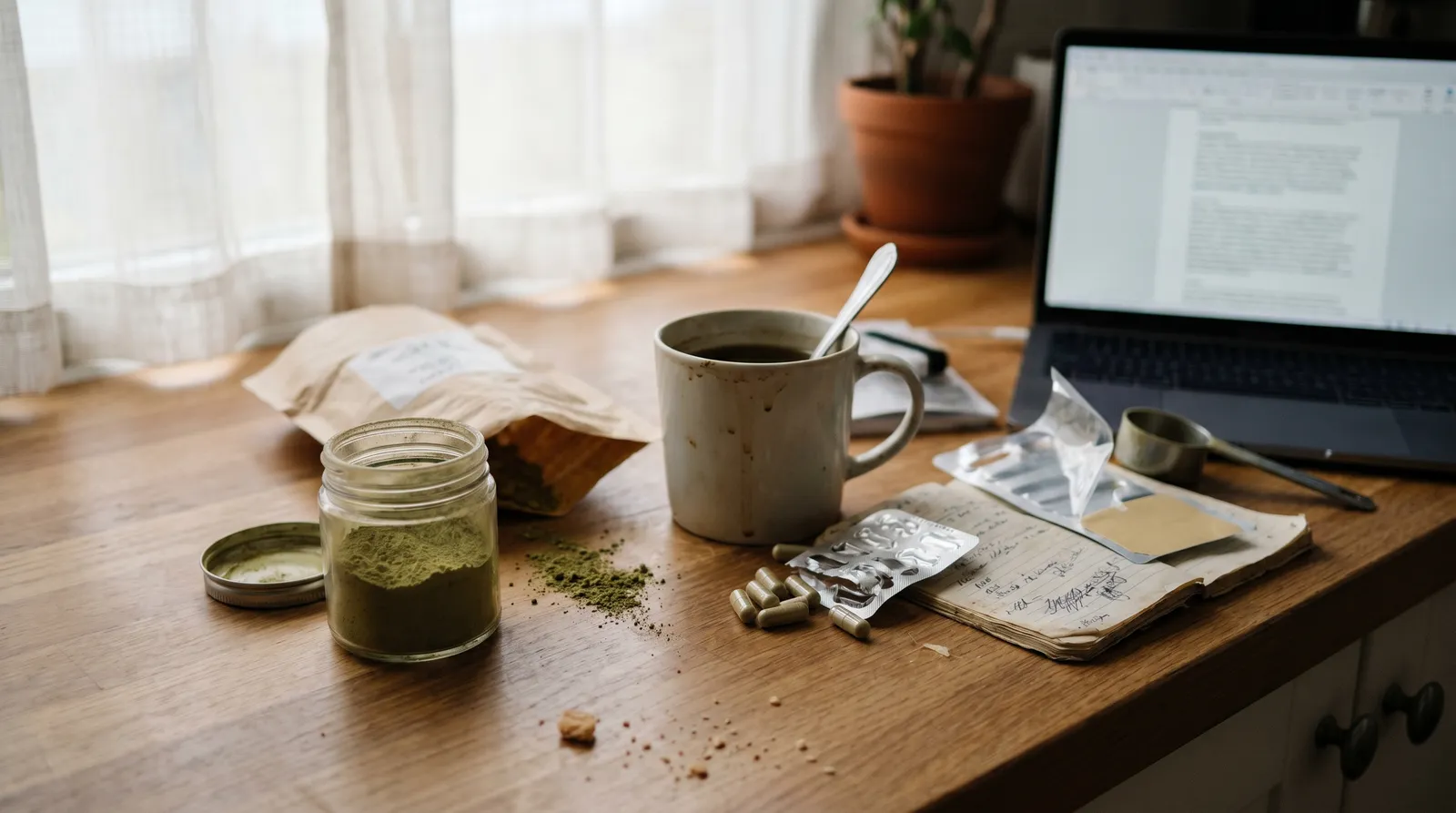
Loose powder is the most widely used kratom dosing form worldwide and the closest to traditional use in Southeast Asia, where fresh leaves are chewed or brewed. The powder is simply dried leaf milled to a fine consistency, and for the most versatile format, loose powder is the standard starting point.
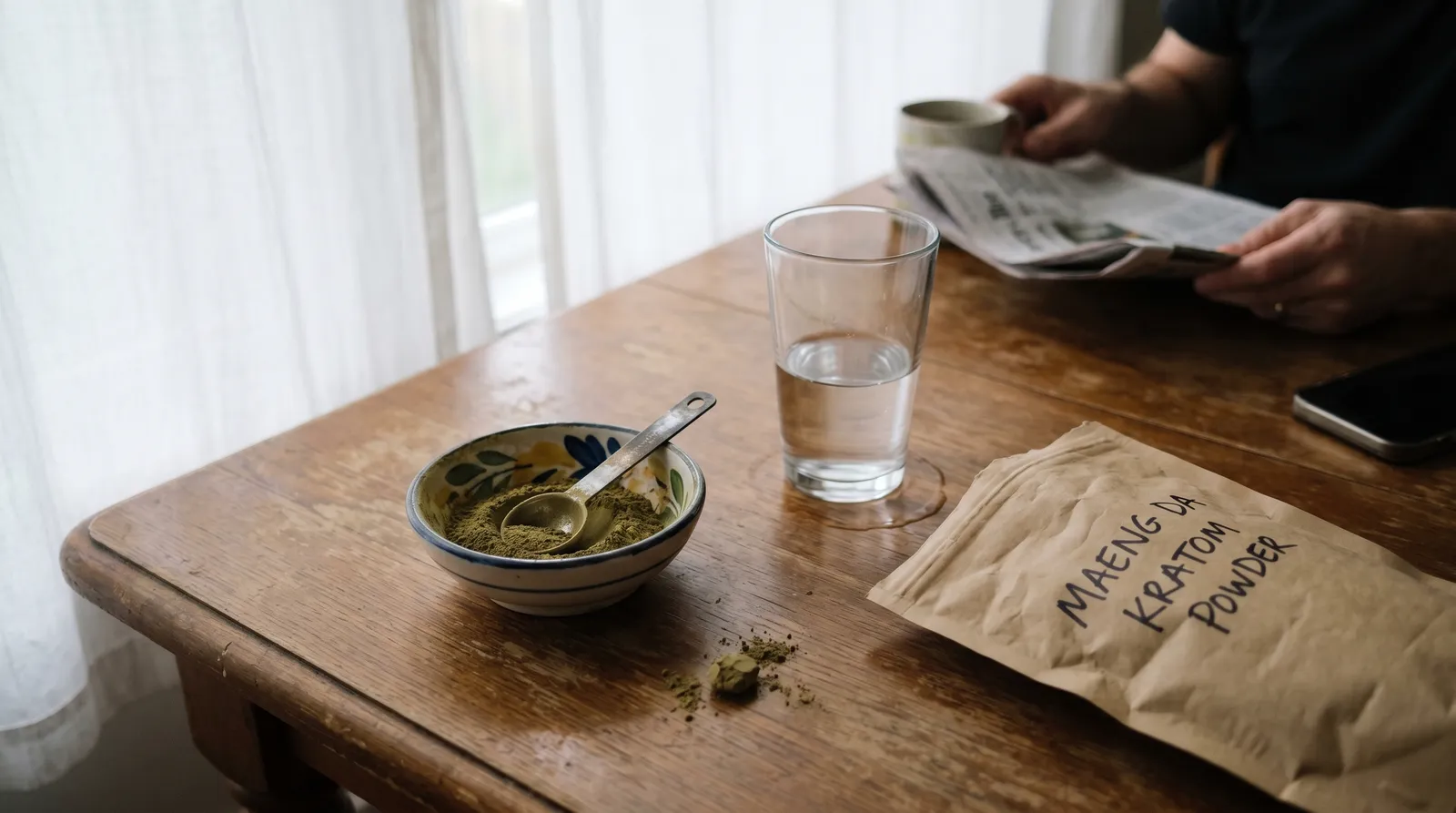
How to dose it: A digital kitchen scale accurate to 0.1 g is non-negotiable. Eyeballing powder or using "teaspoon" measures introduces far too much variability — a loosely scooped teaspoon might weigh 1.5 g while a packed one hits 3.5 g. Survey-based research reports that most users consume between 1 and 8 g of leaf powder per session, with a median around 3–5 g (Veltri & Grundmann, 2019). These are self-reported figures, not clinical recommendations.
Common methods of ingestion:
- Toss and wash: Place the measured powder on your tongue and wash it down with water or juice. Fast, but the taste is aggressively bitter — dry, astringent, and earthy in a way that makes unsweetened matcha taste like dessert. Some people gag. If that's you, this method is not for you, and there's no shame in it.
- Stirred into liquid: Mix powder into warm (not boiling) water, orange juice, or a smoothie. Citric acid from orange juice may help with alkaloid extraction, though controlled data on this is thin. The powder doesn't dissolve — it suspends — so you'll be drinking gritty liquid.
- Oblate discs: Thin edible film pouches (Japanese oblate discs) that you wrap around a measured dose and swallow like a large capsule. This sidesteps the taste entirely while keeping the flexibility of powder dosing.
Onset and duration: Pharmacokinetic data on kratom remains limited and shows wide individual variance. A small clinical study by Trakulsrichai et al. (2015) found peak mitragynine plasma concentrations at roughly 0.83 ± 0.35 hours after oral ingestion of kratom tea. Duration is commonly reported as 3–6 hours in user surveys, though this hasn't been well characterised in controlled settings.
Advantages: Most flexible for dose adjustment. Cheapest per gram. Closest to the full-spectrum alkaloid profile of the leaf.
Disadvantages: Taste. Requires a scale. Messier than capsules.
Step 3: Working with Capsules
Capsules are the most convenient kratom dosing form — simply pre-measured amounts of leaf powder packed into gelatine or vegetarian (HPMC) shells. Standard "00" capsules typically hold 0.4–0.6 g of kratom powder each, though this varies by how tightly they're packed and the grind density.
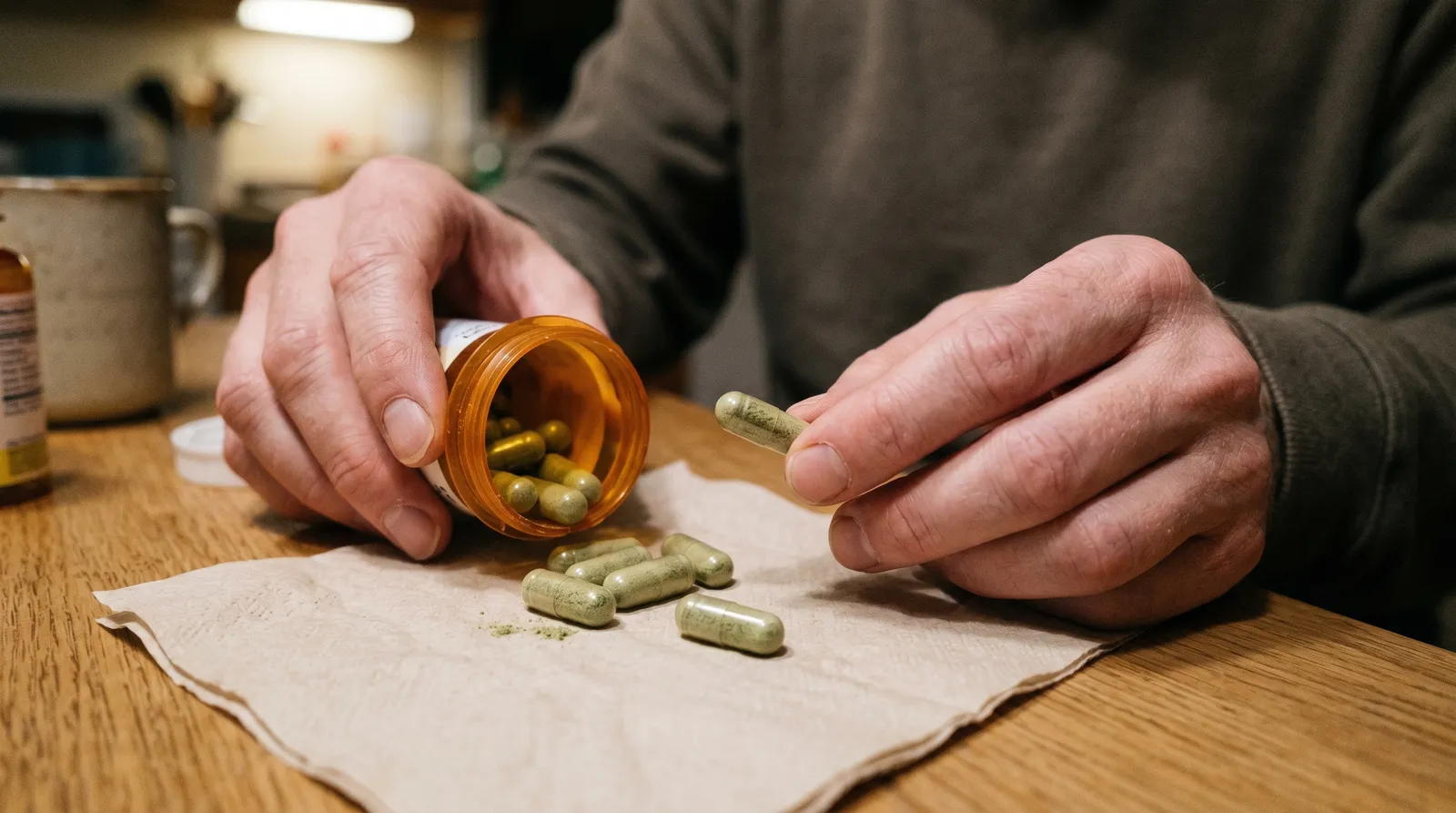
How to dose them: Check the stated weight per capsule on the packaging and do the arithmetic. If each capsule contains 0.5 g and the dose range you're working with is 2–3 g, that's 4–6 capsules. Swallowing that many capsules in one go isn't everyone's idea of a good time.
Onset: Expect a slightly delayed onset compared to loose powder or tea, because the capsule shell needs to dissolve first. This adds roughly 15–30 minutes in most reports, though hard pharmacokinetic data comparing capsule vs. powder onset in kratom specifically doesn't exist.
Advantages: No taste. Portable. Pre-measured, so you don't need a scale (assuming you trust the manufacturer's fill weight). Discreet.
Disadvantages: Less flexible for fine-tuning dose. Slower onset. More expensive per gram than loose powder — you're paying for the encapsulation. And if you want to adjust your dose by, say, 0.3 g, you can't split a capsule neatly.
DIY capsule filling: You can buy empty capsule shells and a manual capsule filling tray to make your own from loose powder. This gives you the cost advantage of powder with the convenience of capsules. Fill weight depends on your packing technique — weigh a batch of 10 finished capsules and divide to check your per-capsule average.
Step 4: Brewing Kratom Tea
Tea is the fastest-onset leaf-based kratom dosing form and the preparation closest to traditional Southeast Asian use. Simmering the powder or crushed leaf in water extracts the water-soluble alkaloids, and you strain out (or leave behind) the plant material.
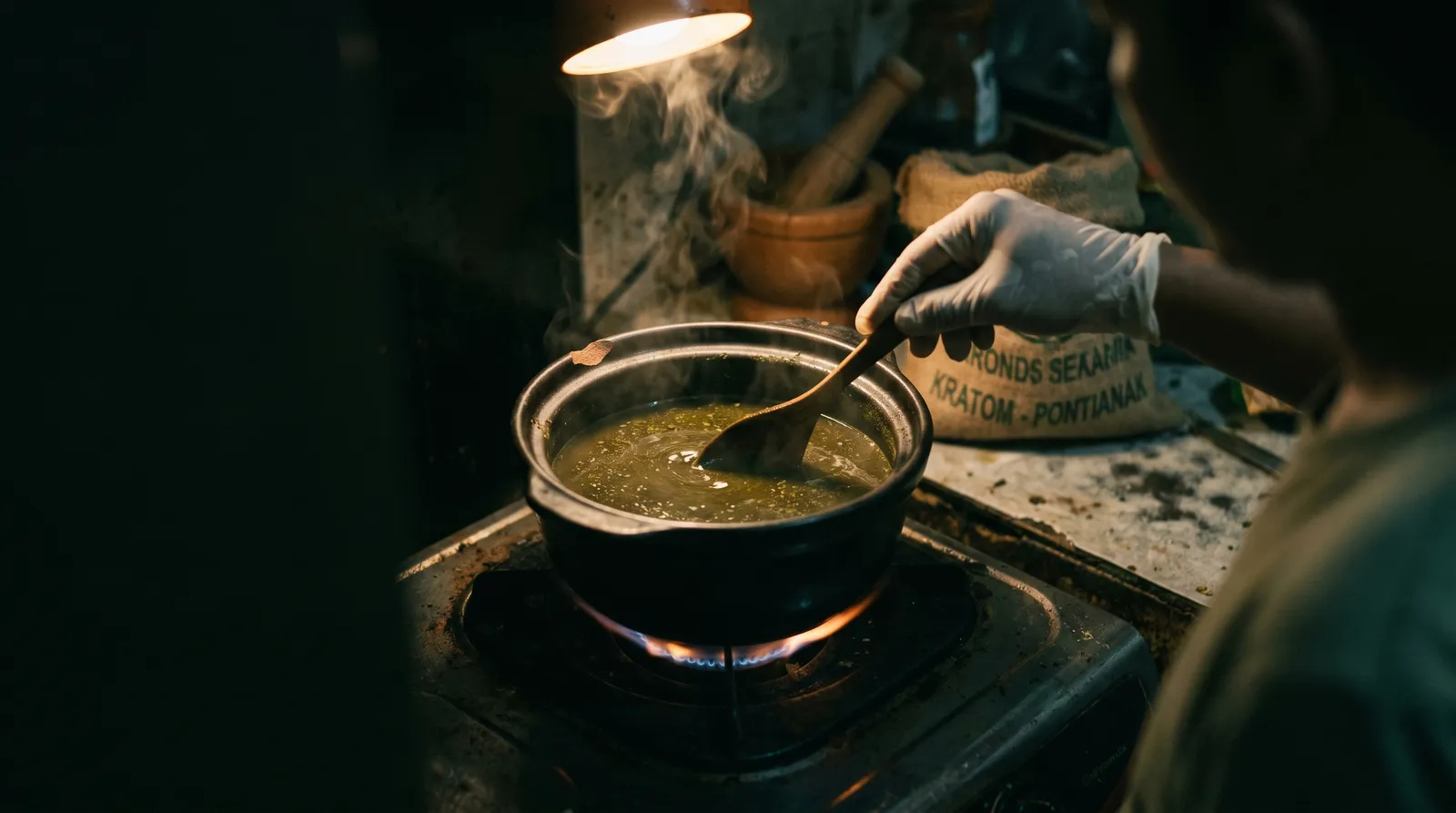
Method:
- Measure your dose of powder or crushed leaf with a scale.
- Add it to a saucepan with 300–500 ml of water. Adding a squeeze of lemon or lime juice (roughly one tablespoon) may improve alkaloid extraction — mitragynine is more soluble at lower pH, though the magnitude of this effect hasn't been quantified in published research.
- Simmer gently for 15–20 minutes. Do not boil vigorously; there's some concern that prolonged high heat may degrade alkaloids, though again, controlled stability data at specific temperatures is sparse.
- Strain through a fine mesh strainer, muslin cloth, or coffee filter.
- The resulting liquid is intensely bitter. Honey, sugar, or mixing with a flavoured tea helps.
What tea leaves behind: Not all alkaloids are equally water-soluble, so the alkaloid profile in tea may differ slightly from ingesting raw powder. Some users report a somewhat different effect character from tea versus toss-and-wash, but whether this reflects genuine pharmacological differences or expectation effects is unclear.
Onset: Typically faster than capsules and comparable to or slightly faster than toss-and-wash, since the alkaloids are already in solution. The Trakulsrichai et al. (2015) study used tea preparation and found the ~50-minute peak mentioned earlier.
Advantages: Easier on the stomach for some people (plant fibre is removed). Faster onset. The ritual of preparation can help with mindful dosing. You can make a batch and refrigerate it.
Disadvantages: More preparation time. Potentially incomplete alkaloid extraction. Still tastes bitter, just in liquid form.
Step 5: Extracts, Resins, and Enhanced Products
Extracts are the highest-risk kratom dosing form, and this is where most dosing mistakes happen.
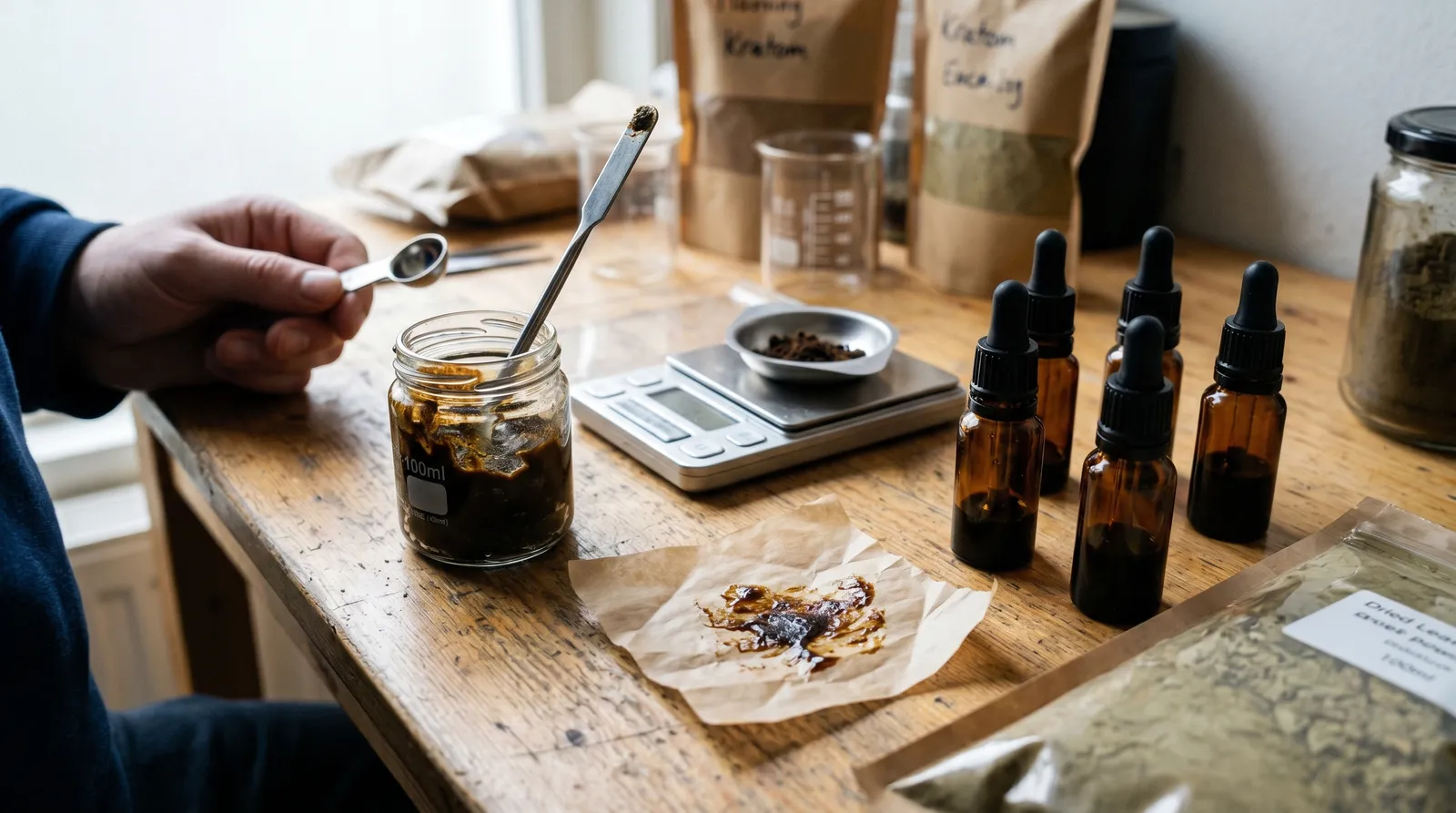
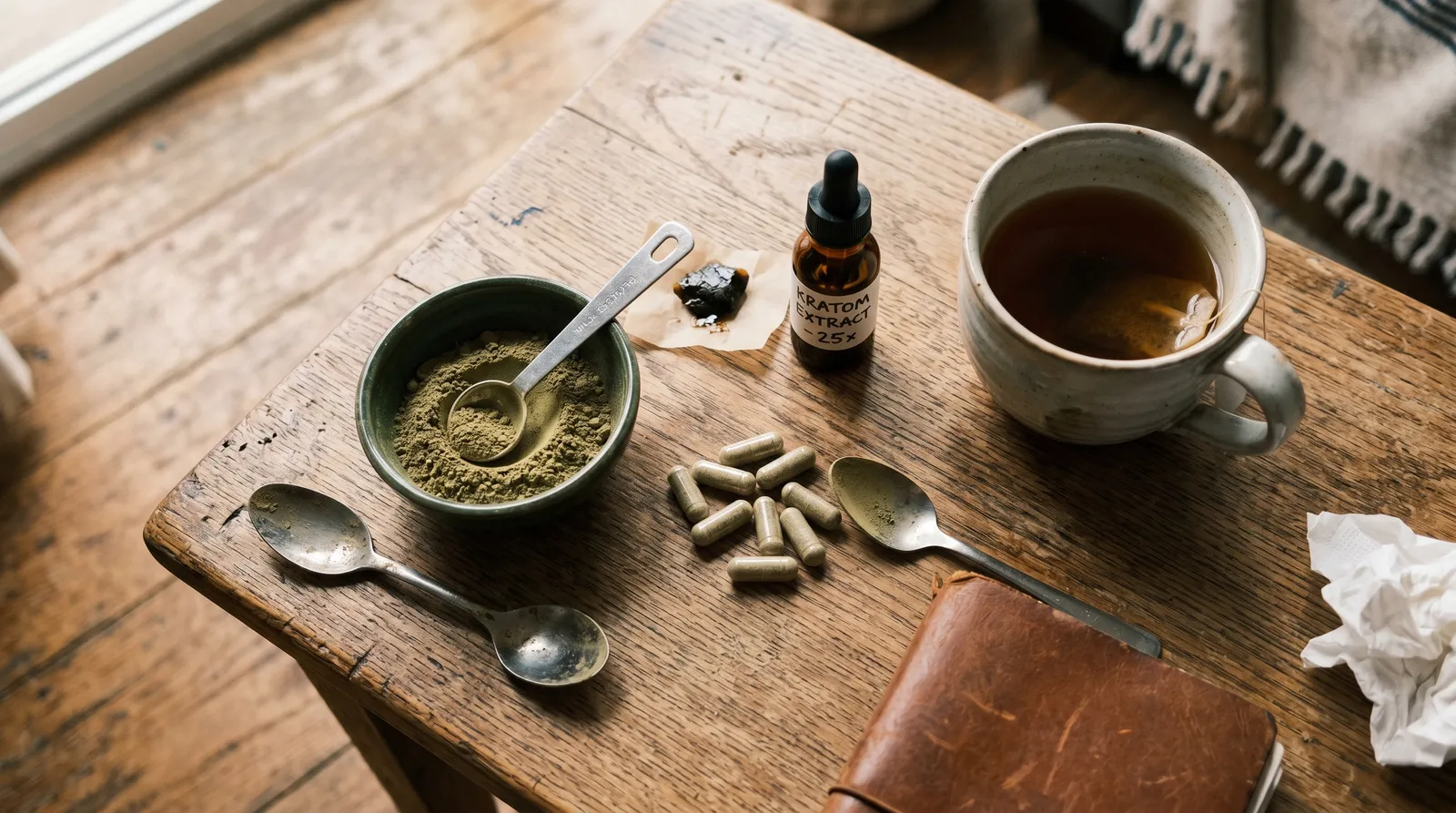
What extracts are: Concentrated preparations made by boiling down large quantities of leaf material and/or using solvent extraction to isolate alkaloids. The result — liquid tinctures, solid resin, or dried extract powder — contains substantially more mitragynine and 7-hydroxymitragynine per gram than plain leaf.
Labelling conventions: You'll see labels like "10x," "25x," "50x." In theory, "10x" means 10 grams of leaf were reduced to 1 gram of extract. In practice, these ratios are inconsistently applied across the market and don't reliably predict alkaloid content. A "50x" extract from one producer may not be five times stronger than a "10x" from another. The only reliable measure is the actual mitragynine percentage stated on the product — and even that requires trusting the manufacturer's testing.
Enhanced blends: These are plain leaf powder with extract mixed back in, creating a product that's stronger than leaf but less concentrated than pure extract. Again, the actual alkaloid content depends entirely on how much extract was added and at what concentration.
Resin: A dense, dark, sticky solid made by reducing a large-volume tea down to a thick paste and allowing it to harden. Dose by weight — break off small pieces using a knife and scale. Resin is awkward to dose precisely because it's difficult to cut into exact amounts.
Why extracts demand extra caution: Concentrated products accelerate tolerance development. They also raise the ceiling for single-session alkaloid intake in a way that plain leaf doesn't — it's physically difficult to consume enough leaf powder to reach very high mitragynine doses (your stomach rebels), but a small amount of potent extract gets there easily. Survey data consistently identifies extract use and high-dose daily use as the strongest risk factors for dependence and withdrawal severity (Singh et al., 2014). Extracts are not "stronger kratom" — they are a pharmacologically distinct category that warrants distinct caution.
Step 6: Choosing a Kratom Dosing Form Based on Your Priorities
| Form | Dose Precision | Onset Speed | Taste Avoidance | Cost per Dose | Tolerance / Dependence Risk |
|---|---|---|---|---|---|
| Loose powder (toss and wash) | High (with scale) | Moderate (~30–60 min) | None — full bitterness | Lowest | Baseline (leaf-level) |
| Loose powder (stirred in liquid) | High (with scale) | Moderate (~30–60 min) | Partially masked | Lowest | Baseline (leaf-level) |
| Capsules | Moderate (fixed increments) | Slower (~45–75 min) | Complete | Moderate | Baseline (leaf-level) |
| Tea | High (with scale) | Faster (~20–50 min) | Partially masked | Low | Baseline (leaf-level) |
| Extract / resin | Variable (depends on labelling) | Variable | Variable | Higher | Elevated — concentrated alkaloids |
| Enhanced blend | Moderate | Moderate | None to partial | Moderate–High | Elevated |
Onset figures in the table above are approximate ranges compiled from user reports and limited clinical data (Trakulsrichai et al., 2015). Individual variation is wide — body weight, stomach contents, metabolic differences (particularly CYP3A4 and CYP2D6 enzyme activity), and the specific product all play a role.
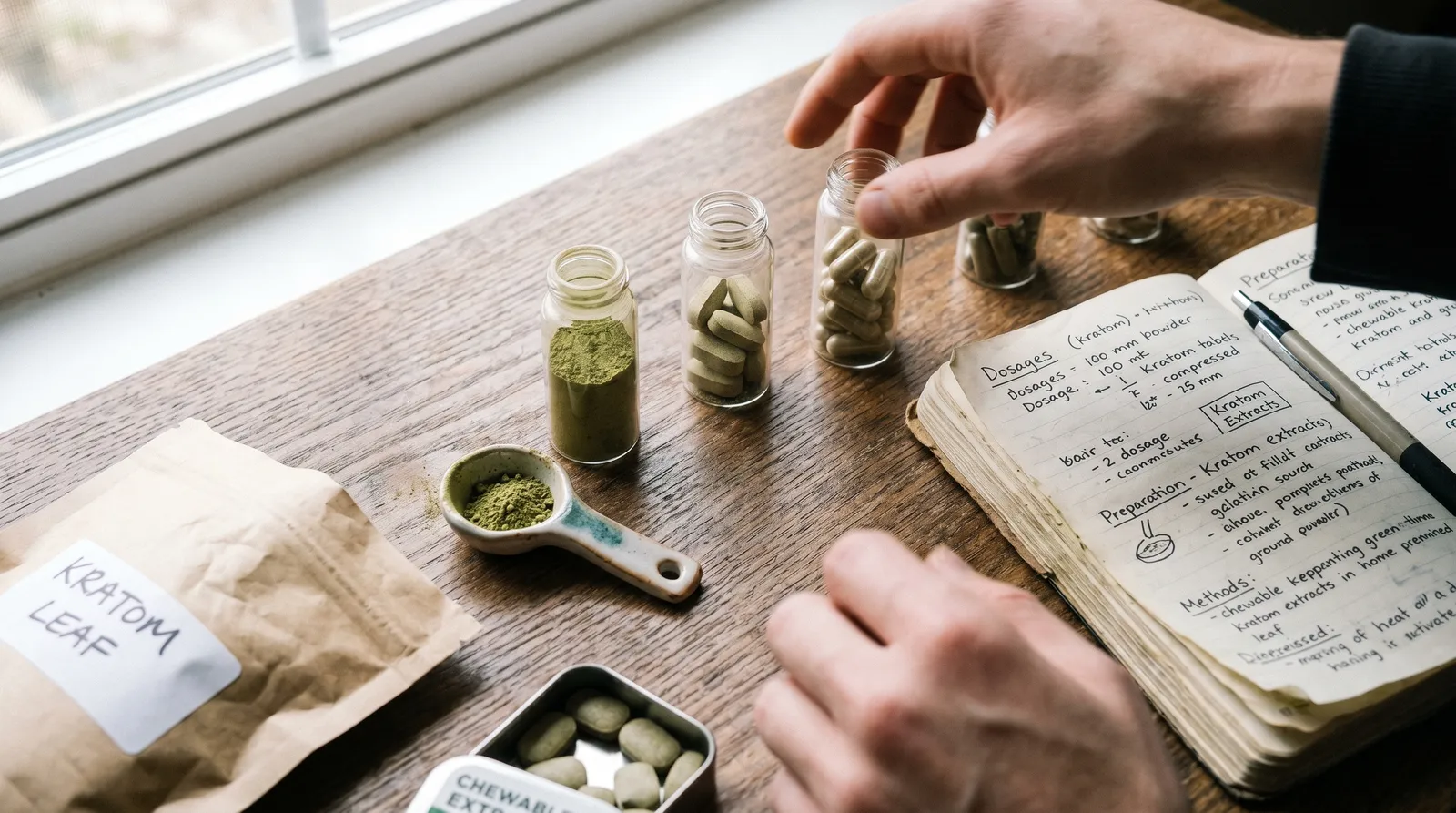
Powder vs. Capsules: A Head-to-Head Comparison
Powder and capsules are the two kratom dosing forms that account for the vast majority of purchases, so a direct comparison is worth spelling out. Both contain the same leaf material — the difference is purely in delivery.
Dose flexibility: Powder wins outright. With a scale, you can adjust in 0.1 g increments. Capsules lock you into whatever the fill weight is — typically 0.5 g steps. If your preferred dose is 2.7 g, powder gets you there and capsules don't.
Onset speed: Powder is moderately faster. The capsule shell (whether gelatine or HPMC) takes time to dissolve in stomach acid. In practice, most people report a 15–30 minute delay with capsules compared to toss-and-wash. This isn't a dramatic difference, but it's consistent enough to be real.
Convenience and portability: Capsules win. No scale needed, no mess, no taste. If you're travelling or dosing away from home, capsules are simply easier.
Cost: Powder is cheaper per gram — often significantly so. With capsules, you're paying for the encapsulation process and sometimes a retail markup. DIY capsule filling bridges this gap if you're willing to spend 20 minutes with a filling tray.
Our honest take: Neither is objectively better. If you value precision and cost, get powder and a scale. If you value convenience and can live with fixed-increment dosing, capsules are perfectly fine. Many regular users keep both on hand — powder at home, capsules for travel.
What We Honestly Don't Know Yet
There are significant gaps in the published research on kratom dosing forms that no guide — including this one — can paper over. No controlled study has directly compared the bioavailability of mitragynine across powder, capsules, tea, and extract in the same subjects. The onset and duration figures throughout this article are best estimates drawn from a single small pharmacokinetic study and user surveys, not robust clinical data. We also lack long-term safety data for any kratom dosing form. The alkaloid stability of stored products — how much mitragynine degrades over months in a sealed bag versus a jar versus a refrigerator — has not been systematically measured. If a claim in this article sounds precise, treat it as an approximation until better research exists.
Critical Safety Notes Across All Kratom Dosing Forms
Regardless of which kratom dosing form you choose, the same core cautions apply:

- Contraindications: Kratom should not be combined with MAOIs, other opioids, benzodiazepines, or alcohol. CYP3A4 inhibitors (ketoconazole, clarithromycin, grapefruit juice) and CYP2D6 inhibitors (fluoxetine, paroxetine, bupropion) can alter mitragynine metabolism unpredictably. Kratom is contraindicated during pregnancy and breastfeeding, in pre-existing liver disease, and warrants serious caution for anyone with a personal or family history of substance use disorder.
- Hepatotoxicity: Case reports of liver injury associated with kratom use exist in the literature, though the mechanism remains under investigation and population-level incidence is unclear (Kapp et al., 2020). If you notice dark urine, yellowing skin, or unusual fatigue, stop use and seek medical attention.
- Dependence and withdrawal: A recognised withdrawal syndrome — including irritability, muscle aches, insomnia, and nausea — emerges in daily heavy users (Singh et al., 2014). This applies to all kratom dosing forms, but concentrated products accelerate the process.
For a complete breakdown of drug interactions, see the dedicated Kratom Drug Interactions article in this wiki.
Quick Note on Storage Across Kratom Dosing Forms
Alkaloid degradation in kratom products hasn't been rigorously studied under controlled conditions, but general principles apply: keep all forms in airtight containers, away from direct sunlight, heat, and moisture. Powder and capsules store well at room temperature for months. Resin is more stable than liquid tinctures. Brewed tea should be refrigerated and used within a few days — there's no preservative, and bacterial growth in warm, sugary kratom tea is a real concern.
For more on shelf life and storage methods, see the Kratom Storage and Shelf Life article.
Related Azarius Products
Azarius carries several kratom products across these dosing forms — browse the kratom category for current loose powders, capsules, and extracts. A precision digital scale is worth picking up alongside any powder purchase.
Last updated: April 2026
Frequently Asked Questions
8 questionsHow many kratom capsules equal a gram of powder?
Does brewing kratom as tea make it weaker than eating the powder?
Can you mix kratom extract with plain leaf powder?
Why does kratom powder taste so bitter and how can you mask it?
How should you adjust dose when switching between kratom dosing forms?
How long does kratom powder stay fresh before it loses potency?
Is it better to take kratom on an empty stomach or with food?
What is the toss and wash method for taking kratom powder?
About this article


Adam Parsons is an external cannabis and psychedelics writer and editor who contributes to Azarius's wiki as both author and reviewer. On the writing side, he authors Azarius's kratom and kanna clusters, drawing on exten
This wiki article was drafted with AI assistance and reviewed by Adam Parsons, External contributor. Editorial oversight by Joshua Askew.
Medical disclaimer. This content is for informational purposes only and does not constitute medical advice. Consult a qualified healthcare provider before use of any substance.
Last reviewed April 24, 2026
References (7)
- [1]Grundmann, O. (2017). Patterns of kratom use and health impact in the US — results from an online survey. Drug and Alcohol Dependence , 176, 63–70. DOI: 10.1016/j.drugalcdep.2017.03.007
- [2]Kruegel, A. C., & Grundmann, O. (2016). Synthetic and receptor signaling explorations of the Mitragyna alkaloids: mitragynine as an atypical molecular framework for opioid receptor modulators. Journal of the American Chemical Society , 138(21), 6754–6764. DOI: 10.1021/jacs.6b00360
- [3]Trakulsrichai, S., et al. (2015). Pharmacokinetics of mitragynine in man. Drug Design, Development and Therapy , 9, 2421–2429.
- [4]Veltri, C., & Grundmann, O. (2019). Current perspectives on the impact of kratom use. Substance Abuse and Rehabilitation , 10, 23–31. DOI: 10.2147/sar.s164261
- [5]Singh, D., Müller, C. P., & Vicknasingam, B. K. (2014). Kratom (Mitragyna speciosa) dependence, withdrawal symptoms and craving in regular users. Drug and Alcohol Dependence , 139, 132–137. DOI: 10.1016/j.drugalcdep.2014.03.017
- [6]Kapp, F. G., et al. (2020). Intrahepatic cholestasis following abuse of powdered kratom (Mitragyna speciosa). Journal of Medical Toxicology , 7(3), 227–231.
- [7]Beckley Foundation (2021). Policy briefing: Kratom — evidence, regulation, and harm reduction. The Beckley Foundation.
Related Articles
Blue Lotus vs Kanna: Effects & Safety
Blue lotus vs kanna compared — Nymphaea caerulea's aporphine profile against Sceletium tortuosum's mesembrine chemistry, with interaction warnings.
Lotus Clinical Research Overview
What does lotus clinical research actually show? A critical review of Nymphaea caerulea and Nelumbo nucifera pharmacology, preclinical data, and…
Kanna South Africa To West History
Sceletium tortuosum was used by San and Khoekhoe communities in southern Africa for centuries before European colonists first documented it in the 1660s.
Sceletium Tortuosum Plant
Learn about the sceletium tortuosum plant: botany, alkaloids, fermentation, safety warnings, and where to buy kanna.
Kanna Pharmacokinetics Explained
Complete guide to kanna pharmacokinetics: how Sceletium tortuosum alkaloids are absorbed, metabolised via CYP2D6, and eliminated.
Kanna Chemistry: Sceletium Alkaloids Explained
Kanna chemistry explained: mesembrine, mesembrenone, their mechanisms, how fermentation and extraction change alkaloid profiles, and why it matters…

Rapé Shamanic Snuff Guide: How to Use It Safely
A practical rapé shamanic snuff guide covering dose, kuripe technique, effects, nicotine safety, interactions and Amazonian tradition.
White Sage Salvia Apiana Cultural Smudging Guide
Salvia apiana is a non-psychoactive shrub native to southern California's coastal sage scrub, burned as ceremonial incense in Indigenous North American…
Mulungu Erythrina Traditional Amazonian Use — Bark, Alkaloids & Research
Erythrina mulungu is a Brazilian legume tree whose bark has been brewed as a calming decoction in rural folk medicine for generations.