
This article discusses psychoactive substances intended for adults (18+). If you have a health condition or take medication, consult a doctor before use. Our age policy
How To Store Kratom
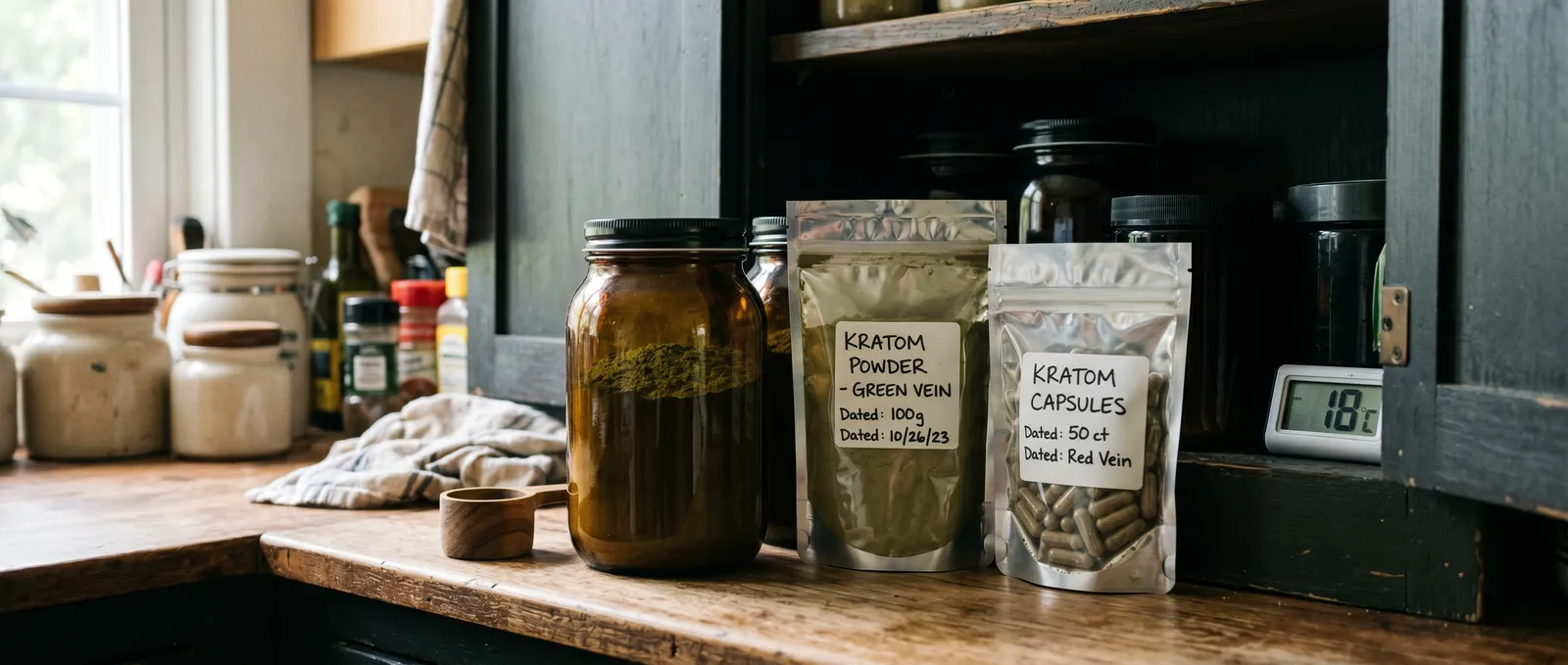
Definition
Kratom storage is a preservation practice that involves keeping Mitragyna speciosa leaf powder, capsules, or extracts in controlled conditions that protect their alkaloid content from degradation caused by light, heat, air, and moisture. With the right containers and conditions, kratom can retain its potency for many months. This guide walks through each factor step by step.
How to Store Kratom
Kratom storage is a preservation practice that involves keeping Mitragyna speciosa leaf powder, capsules, or extracts in controlled conditions that protect their alkaloid content from degradation. Mitragynine and 7-hydroxymitragynine — the two primary active alkaloids — break down when exposed to UV light, oxygen, heat, and moisture. Knowing how to store kratom correctly means your supply stays potent for months. Get it wrong and you'll notice the difference within weeks: duller colour, flatter aroma, and noticeably diminished effects.
The enemies of properly stored kratom are simple: light, air, heat, and humidity. Every step below targets at least one of them. Whether you've got 25 grams of kratom leaf powder or a larger stock of extract, the principles for how to store kratom are identical — though extracts, which concentrate mitragynine and 7-hydroxymitragynine relative to plain leaf, deserve extra caution because a small amount of degradation represents a proportionally larger loss of active content.
Step 1: Choose the Right Container
An airtight, opaque, appropriately sized container is the single most important factor when learning how to store kratom effectively. The container does most of the work, shielding your kratom from oxygen, light, and ambient moisture simultaneously.
- Airtight glass jars — Mason jars or amber glass apothecary jars with rubber-sealed lids are the gold standard for kratom storage. Amber or cobalt glass blocks UV light. Clear glass works if you store kratom in a dark place, but amber is better insurance.
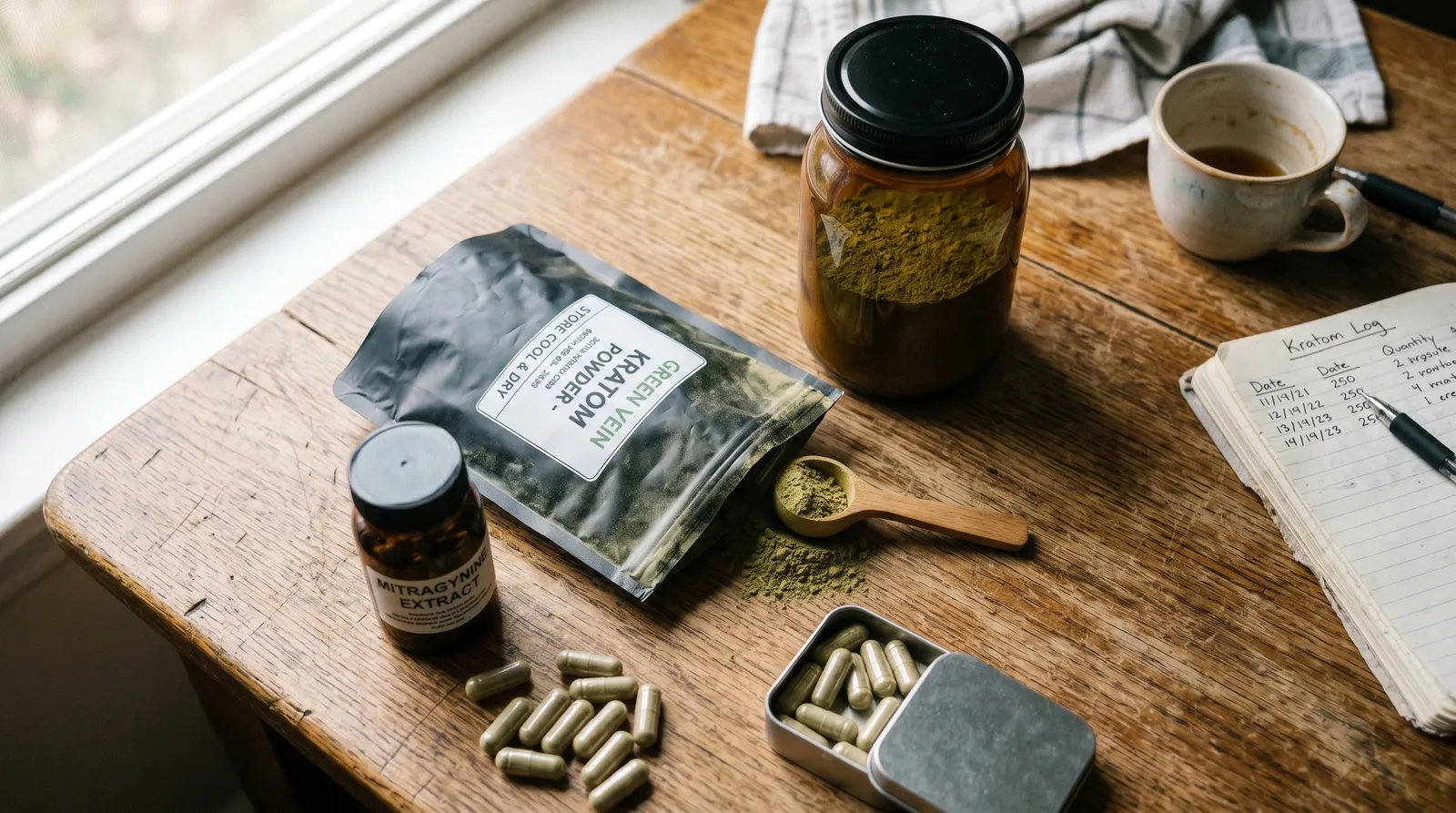
- Vacuum-sealed bags — Ideal for long-term kratom storage of larger quantities. Removing the air dramatically slows oxidation. If you don't own a vacuum sealer, squeeze as much air out as you can before sealing a zip-lock bag, then place that bag inside a second one.
- Food-grade plastic containers — Acceptable short-term. HDPE or polypropylene containers with snap-lock lids work fine for a few weeks' supply. Avoid thin, flimsy bags — they let air through and tear easily.
One thing to avoid: the original resealable pouch left half-open on a shelf. Those pouches are designed for shipping, not long-term storage. Once opened, transfer your kratom to a proper container. This applies equally to leaf powder and capsules — capsule shells are hygroscopic (they absorb moisture from the air), which can cause them to soften or stick together.
Step 2: Eliminate Light Exposure
UV radiation is one of the fastest routes to alkaloid degradation in stored kratom. A 2020 analysis of alkaloid stability in Mitragyna speciosa leaf material found that samples stored in transparent containers under ambient light showed measurably lower mitragynine concentrations after 3 months compared to light-protected controls (Basiliere & Bhatt, 2020). The degradation isn't subtle — it's visible. Kratom that's been sitting in sunlight shifts from its characteristic green toward a washed-out brown.
Practical moves for how to store kratom away from light:
- Use opaque or amber containers.
- Store kratom containers inside a cupboard, drawer, or closet — anywhere that doesn't catch direct or indirect sunlight.
- If you keep a small daily-use jar on your desk or kitchen counter, make it a small one (a week's worth at most) and keep the rest in proper dark storage.
Step 3: Control Temperature
Room temperature between 15–25 °C is the ideal range for storing kratom without meaningful alkaloid loss over several months. Heat accelerates chemical degradation, so avoid storing kratom near ovens, radiators, boilers, or in a car during summer. A kitchen cupboard away from the cooker is better than one directly above it.
For genuinely long-term kratom storage (6 months or more), a cool, dark location like a basement or cellar is ideal. Some people freeze kratom, which can work, but introduces a moisture risk: when you pull a frozen container out, condensation forms on and inside it as it warms to room temperature. If you do freeze kratom, let the sealed container come fully to room temperature before opening it. This prevents moisture from being drawn into the powder.
The fridge carries the same condensation risk. If you refrigerate, keep the container sealed until it's equilibrated to room temperature — typically 30–60 minutes for a small jar.
The European Monitoring Centre for Drugs and Drug Addiction (EMCDDA) notes in its kratom drug profile that kratom products reaching European consumers vary widely in alkaloid content, which makes proper storage all the more important — you want to preserve whatever potency your particular batch arrived with, rather than losing it to avoidable environmental exposure.
Step 4: Keep Moisture Out
Moisture is the most destructive storage factor for kratom because it doesn't just degrade alkaloids — it invites mould. Kratom powder is finely ground plant material with a large surface area, which means it absorbs ambient humidity readily. Mouldy kratom is not salvageable. Bin it.
Humidity control strategies for how to store kratom in damp environments:
- Silica gel packets — Toss one into each kratom storage container. These are the small desiccant sachets you find in shoe boxes and electronics packaging. They absorb excess moisture effectively. Replace them every few months or regenerate them by heating in an oven at 120 °C for an hour.
- The steam from showers creates a persistently humid microenvironment.
- Don't scoop with wet hands or a damp spoon — Introducing even a small amount of water into a container of dry powder creates a localised moisture pocket that can grow mould within days.
If you live in a particularly humid climate (above 60% relative humidity indoors), vacuum sealing becomes less optional and more of a necessity for any kratom quantity you won't use within a couple of weeks.
Step 5: Minimise Air Exposure
Oxygen drives oxidation, which is one of the primary mechanisms by which mitragynine degrades in stored kratom. Every time you open a container, you're introducing fresh air. For daily-use quantities, this is unavoidable and not a major concern — you'll use it before oxidation matters. For bulk kratom storage, it's worth taking seriously.
The practical solution: divide and conquer. Split your stock into a small working supply (1–2 weeks' worth) and a sealed long-term supply. Open the long-term supply only when you need to refill the working jar. Vacuum sealing the long-term supply is the most effective approach. If you're using zip-lock bags, press the air out from the bottom up before sealing, or use the water displacement method — submerge the filled, unsealed bag in water up to just below the zip line, let the water pressure push the air out, then seal.
This matters even more for extracts. Because extracts concentrate the active alkaloids — sometimes substantially relative to plain leaf — a given percentage of degradation in extract represents a much larger absolute loss of active material per gram than the same percentage of degradation in leaf powder.
Step 6: Label Everything
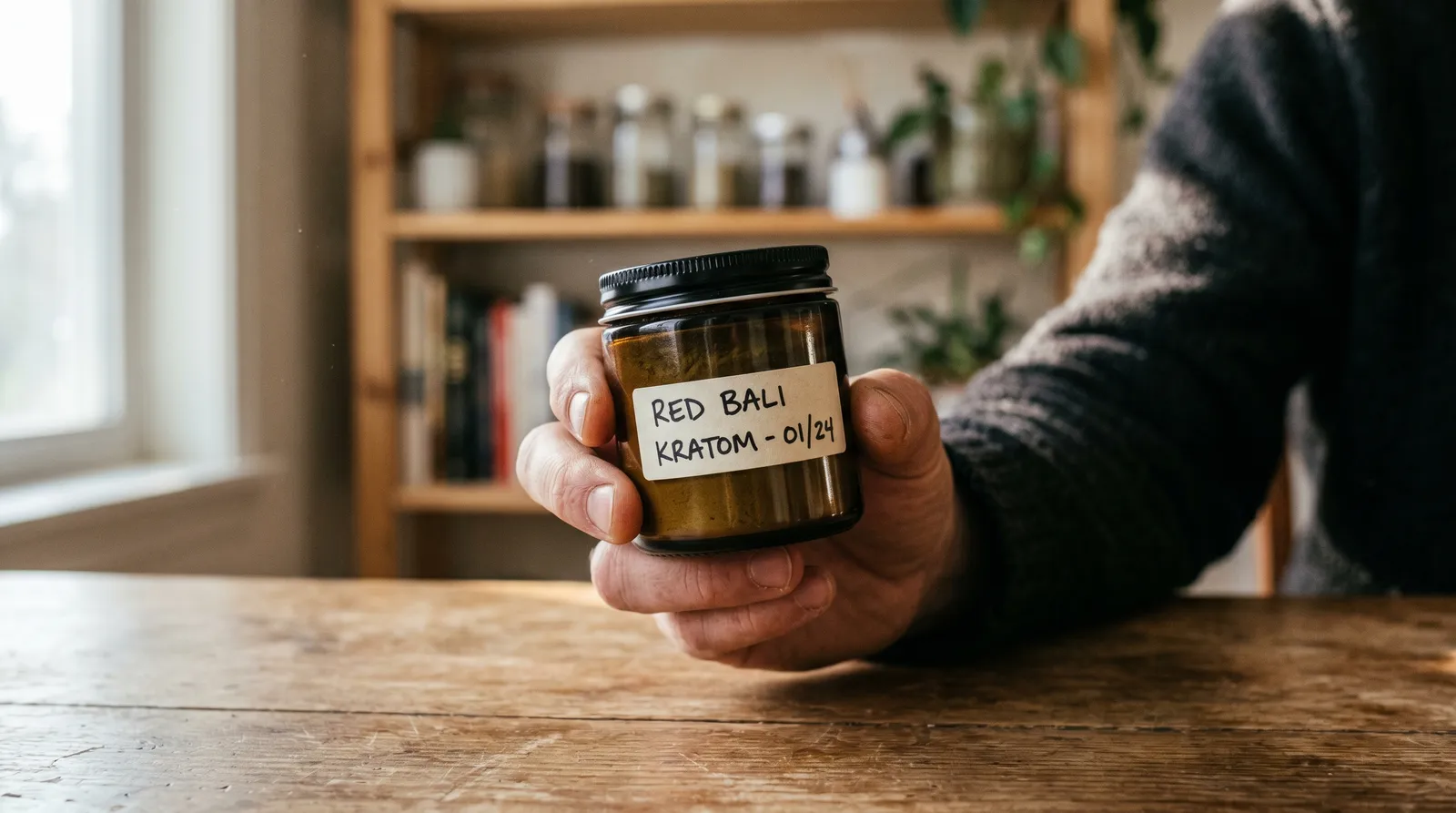
Clear labelling prevents mix-ups and confusion, especially when multiple kratom varieties are stored side by side. Every container should be marked so you always know how to store kratom of different types separately. Label each container with:
- The product name and form (e.g., "Green Malay kratom leaf powder" or "extract")
- The date you opened or transferred it
- The quantity, if you're dividing a larger batch
Kratom powders of different varieties can look nearly identical once they're in matching jars. And the difference between leaf powder and extract is not always visually obvious — but the difference in alkaloid concentration is substantial. Mislabelling could mean accidentally using a much more concentrated product than intended, particularly if you confuse a concentrated extract for plain leaf. The Azarius wiki article How to Use Kratom covers the important distinctions between product forms in more detail.
Kratom Storage Compared to Other Botanicals
Kratom degrades along the same pathways as most dried botanical products, but its value is more tightly tied to specific alkaloid concentrations than many common herbs. A bag of chamomile that's lost 20% of its essential oil content still makes a pleasant tea. A batch of kratom that's lost 20% of its mitragynine content delivers a noticeably different experience. That proportional sensitivity is what makes knowing how to store kratom more important than storing most kitchen-cupboard herbs.
Compared to cannabis flower — another botanical that many smartshop customers are familiar with — kratom powder is actually somewhat easier to store. Cannabis degrades via similar pathways (light, heat, oxygen break down THC and terpenes), but its resinous trichomes also make it sticky and harder to portion. Kratom powder, being dry and fine, packs neatly into jars and vacuum bags with less fuss. The trade-off is that kratom's fine particle size gives it a larger surface area per gram, which means it absorbs moisture and odours faster than coarser-ground botanicals. Both products benefit enormously from the same core approach: airtight, dark, cool.
This is also why it's worth storing kratom properly from the moment it arrives rather than leaving it in the shipping envelope for a week. Proper storage from day one is non-negotiable for getting the most out of any kratom you order from Azarius or elsewhere. If you're planning to buy kratom in bulk, get your storage containers ready before the package arrives — that way you can transfer everything immediately.
How Long Does Stored Kratom Last?
Properly stored kratom retains its alkaloid content for approximately 6–12 months or longer, while improperly stored kratom can degrade noticeably within weeks. There's no hard expiry date stamped by a regulatory body, and long-term stability data specific to Mitragyna speciosa alkaloids is limited — most of what we know comes from general phytochemical degradation principles and a small number of analytical studies. Basiliere and Bhatt (2020) observed measurable alkaloid decline in improperly stored samples within 1–3 months, while properly stored (dark, cool, airtight) samples retained alkaloid content significantly better over the same period.
As a rough guide based on those principles:
| Storage Method | Expected Shelf Life | Notes |
|---|---|---|
| Vacuum-sealed, dark, cool (15–20 °C) | 12+ months | Best option for bulk kratom storage |
| Airtight amber glass jar, cupboard | 6–12 months | Solid for regular-use quantities |
| Sealed zip-lock bag, dark drawer | 3–6 months | Adequate short-to-medium term |
| Open bag on a shelf, ambient light | 4–8 weeks | Noticeable degradation; avoid |
These are estimates, not guarantees — the starting alkaloid content, the specific product form (leaf, capsule, extract), and your local climate all introduce variability. Extracts may degrade differently from whole-leaf powder given their altered chemical matrix, though specific comparative stability data is sparse. If your stored kratom has changed colour significantly, smells musty or off, or has visible mould, discard it.
What We Don't Know About Kratom Storage
The evidence base for kratom-specific storage recommendations is thin. Most guidance — including this article — extrapolates from general phytochemistry and a handful of analytical studies. We don't have large-scale, controlled shelf-life studies comparing different kratom forms (leaf, capsule, extract) under standardised conditions over 12–24 months. The Basiliere and Bhatt (2020) paper is one of the few to directly measure alkaloid stability, and even that study had a limited scope. We're confident in the direction of the advice (dark, cool, dry, airtight = better), but the specific timelines in the table above are educated estimates, not clinically validated figures. If better data emerges, we'll update this page.
We also don't have solid data on whether different kratom varieties — say, Bali versus Maeng Da — degrade at different rates under identical conditions. Anecdotally, we haven't noticed a difference in the shop, but anecdote isn't evidence. Commercial kratom products show wide variability in alkaloid content, which makes controlled comparison even harder. For now, the safest approach is to treat all kratom products — regardless of variety or form — with the same storage care.
Common Mistakes
The most frequent kratom storage mistake is leaving an open bag on a shelf and hoping for the best. Beyond that negligence, several specific errors come up repeatedly:
- Storing near strong-smelling substances. Kratom powder absorbs odours. Keep it away from spices, cleaning products, and essential oils.
- Using a single large container for everything. Every time you open it, you expose the entire batch to air and moisture. Split into smaller portions.
- Freezing without moisture protection. Freezing works, but only if the container is properly sealed before freezing and fully equilibrated before opening. Otherwise you're adding water to your powder.
- Ignoring capsules. Capsule shells (usually gelatin or HPMC) are more sensitive to humidity than loose powder. They soften, stick together, and can crack. Store kratom capsules with a silica gel packet and treat them with the same care as powder.
- Mixing old and new stock in the same container. This makes it impossible to track age and can mask degradation in the older material. Use up the old batch first, or at minimum keep them in separate containers.
Capsules Versus Powder: Storage Differences
Kratom capsules require slightly more careful humidity control than loose powder because their shells absorb moisture faster. Gelatin capsules soften and become tacky in humid conditions, while HPMC (vegetable) capsules are somewhat more resistant but still vulnerable over time. Both types can crack if they dry out too aggressively after absorbing moisture — the expansion-contraction cycle weakens the shell.
For powder, the main risk from humidity is mould growth and clumping. For capsules, the risk is structural: shells that stick together, deform, or split open, exposing the powder inside to air and accelerating degradation. Transfer any new kratom capsules into an airtight jar with a silica gel packet as soon as they arrive. A wide-mouth amber glass jar works well because you can see and access individual capsules without dumping the whole lot out.
Loose powder is more forgiving of brief air exposure — you can scoop from an open jar for a few seconds without meaningful impact. Capsules, once their shells are compromised, lose their protective barrier entirely. This is why we recommend buying capsules in quantities you'll use within a month or two, and keeping any longer-term stock vacuum-sealed.
Quick Reference Checklist
These seven actionable points cover every key principle for how to store kratom discussed in this guide:
- Airtight container — glass preferred, opaque or amber ideal
- Dark location — cupboard, drawer, closet
- Cool temperature — 15–25 °C, away from heat sources
- Silica gel packet inside the container
- Labelled with product name, form, and date
- Bulk stock vacuum-sealed and separated from daily-use supply
- Dry hands, dry scoops, dry environment
Related Azarius Products
Azarius carries a range of kratom in various forms — leaf powder, capsules, and extracts. Browse the Azarius kratom category to see what's currently available, and make sure to store each variety in its own labelled container from the moment it arrives. If you're looking to order kratom or get a fresh supply, have your storage containers ready before the package arrives — that way you can transfer everything immediately. The How to Use Kratom wiki article is worth reading alongside this storage guide, and the Azarius blog features additional articles on botanical care and preparation.
Last updated: April 2026
Frequently Asked Questions
9 questionsDoes kratom lose potency over time?
Can you freeze kratom to make it last longer?
Should kratom extracts be stored differently from leaf powder?
How can you tell if stored kratom has gone bad?
Do silica gel packets help when storing kratom?
How long does kratom last when stored properly?
What is the best temperature to store kratom at?
Can you store different kratom strains together in the same container?
Is vacuum sealing a good way to store kratom long-term?
About this article


Adam Parsons is an external cannabis and psychedelics writer and editor who contributes to Azarius's wiki as both author and reviewer. On the writing side, he authors Azarius's kratom and kanna clusters, drawing on exten
This wiki article was drafted with AI assistance and reviewed by Adam Parsons, External contributor. Editorial oversight by Joshua Askew.
Medical disclaimer. This content is for informational purposes only and does not constitute medical advice. Consult a qualified healthcare provider before use of any substance.
Last reviewed April 24, 2026
References (3)
- [1]Basiliere, S. & Bhatt, A. (2020). "Quantitative analysis of mitragynine in Mitragyna speciosa products: effects of storage conditions." Forensic Chemistry , 18, 100228.
- [2]Grundmann, O. (2017). "Patterns of kratom use and health impact in the United States — results from an online survey." Drug and Alcohol Dependence , 176, 63–70. DOI: 10.1016/j.drugalcdep.2017.03.007
- [3]Veltri, C. & Grundmann, O. (2019). "Current perspectives on the impact of kratom use." Substance Abuse and Rehabilitation , 10, 23–31. DOI: 10.2147/sar.s164261
Related Articles
Blue Lotus vs Kanna: Effects & Safety
Blue lotus vs kanna compared — Nymphaea caerulea's aporphine profile against Sceletium tortuosum's mesembrine chemistry, with interaction warnings.
Lotus Clinical Research Overview
What does lotus clinical research actually show? A critical review of Nymphaea caerulea and Nelumbo nucifera pharmacology, preclinical data, and…
Kanna South Africa To West History
Sceletium tortuosum was used by San and Khoekhoe communities in southern Africa for centuries before European colonists first documented it in the 1660s.
Sceletium Tortuosum Plant
Learn about the sceletium tortuosum plant: botany, alkaloids, fermentation, safety warnings, and where to buy kanna.
Kanna Pharmacokinetics Explained
Complete guide to kanna pharmacokinetics: how Sceletium tortuosum alkaloids are absorbed, metabolised via CYP2D6, and eliminated.
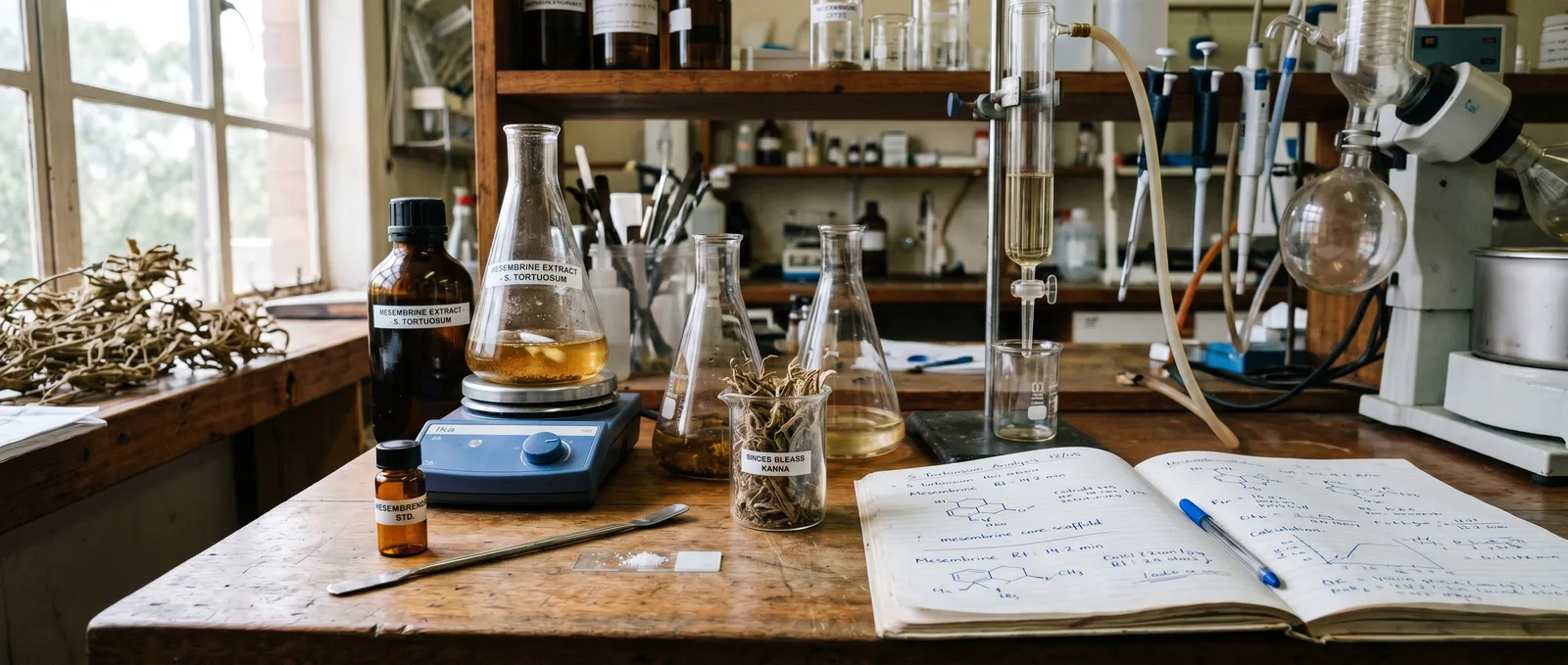
Kanna Chemistry: Sceletium Alkaloids Explained
Kanna chemistry explained: mesembrine, mesembrenone, their mechanisms, how fermentation and extraction change alkaloid profiles, and why it matters…
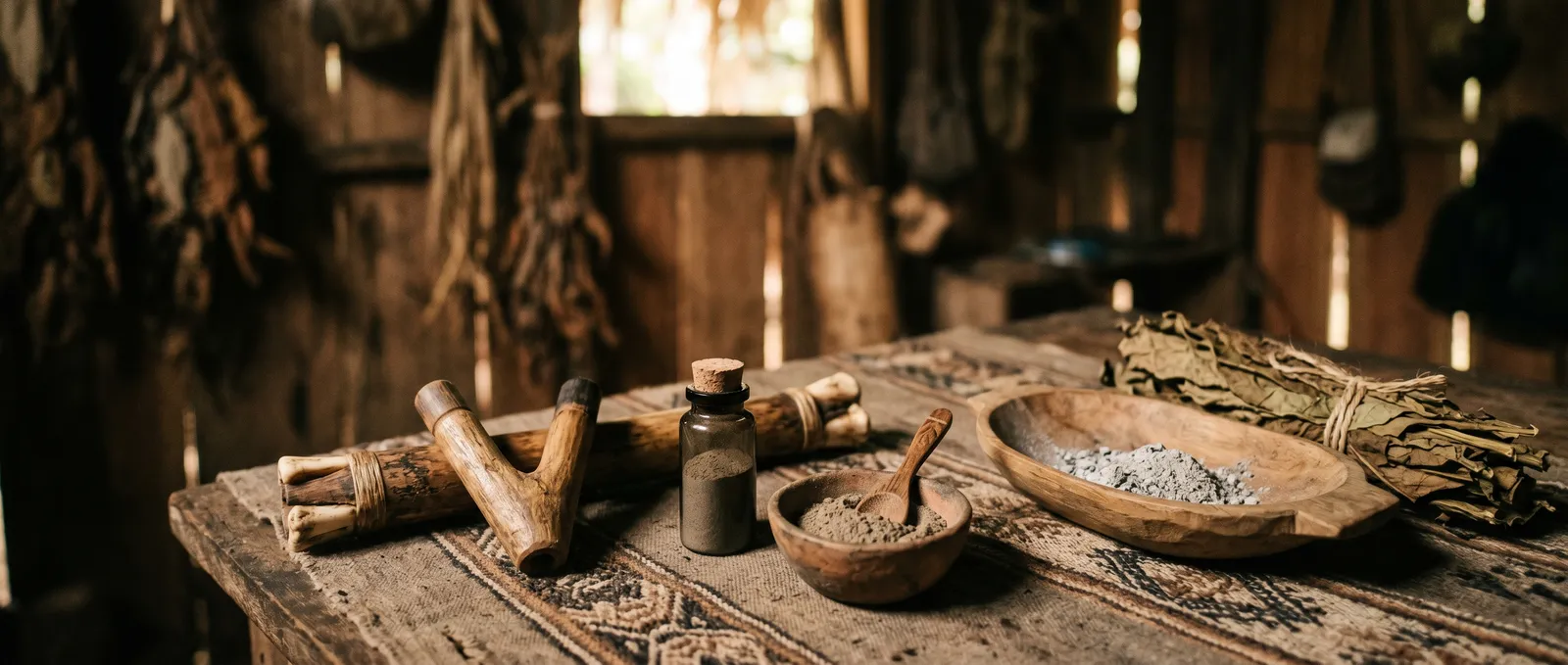
Rapé Shamanic Snuff Guide: How to Use It Safely
A practical rapé shamanic snuff guide covering dose, kuripe technique, effects, nicotine safety, interactions and Amazonian tradition.
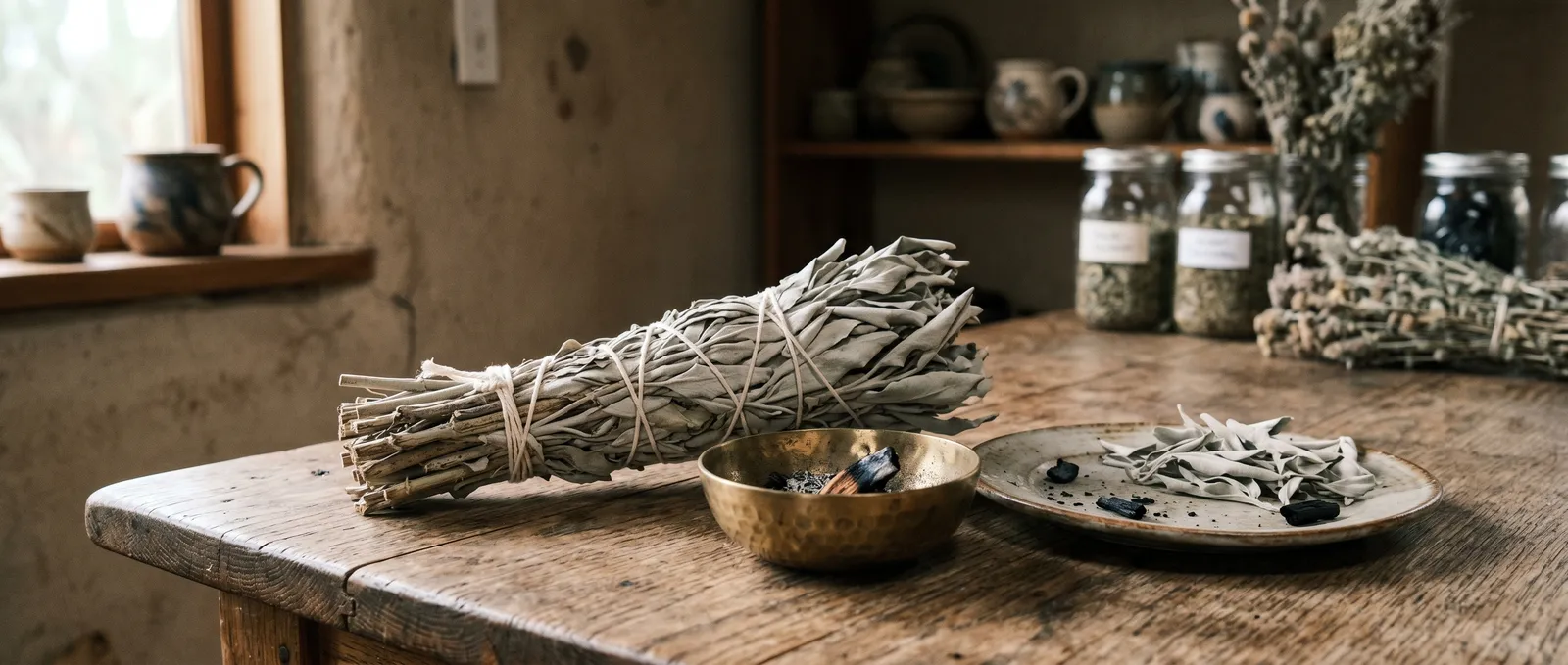
White Sage Salvia Apiana Cultural Smudging Guide
Salvia apiana is a non-psychoactive shrub native to southern California's coastal sage scrub, burned as ceremonial incense in Indigenous North American…
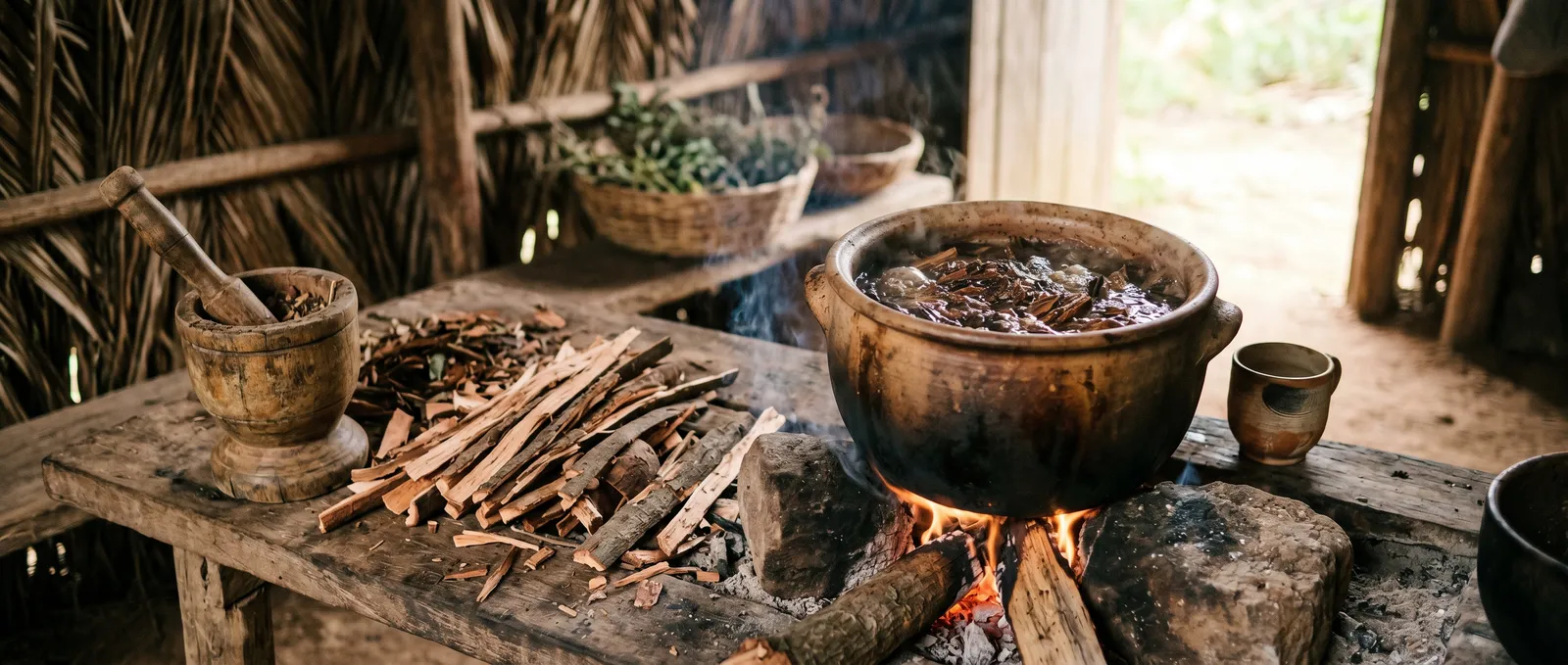
Mulungu Erythrina Traditional Amazonian Use — Bark, Alkaloids & Research
Erythrina mulungu is a Brazilian legume tree whose bark has been brewed as a calming decoction in rural folk medicine for generations.