
This article discusses psychoactive substances intended for adults (18+). If you have a health condition or take medication, consult a doctor before use. Our age policy
First Time Kratom: A Practical Guide for New Users
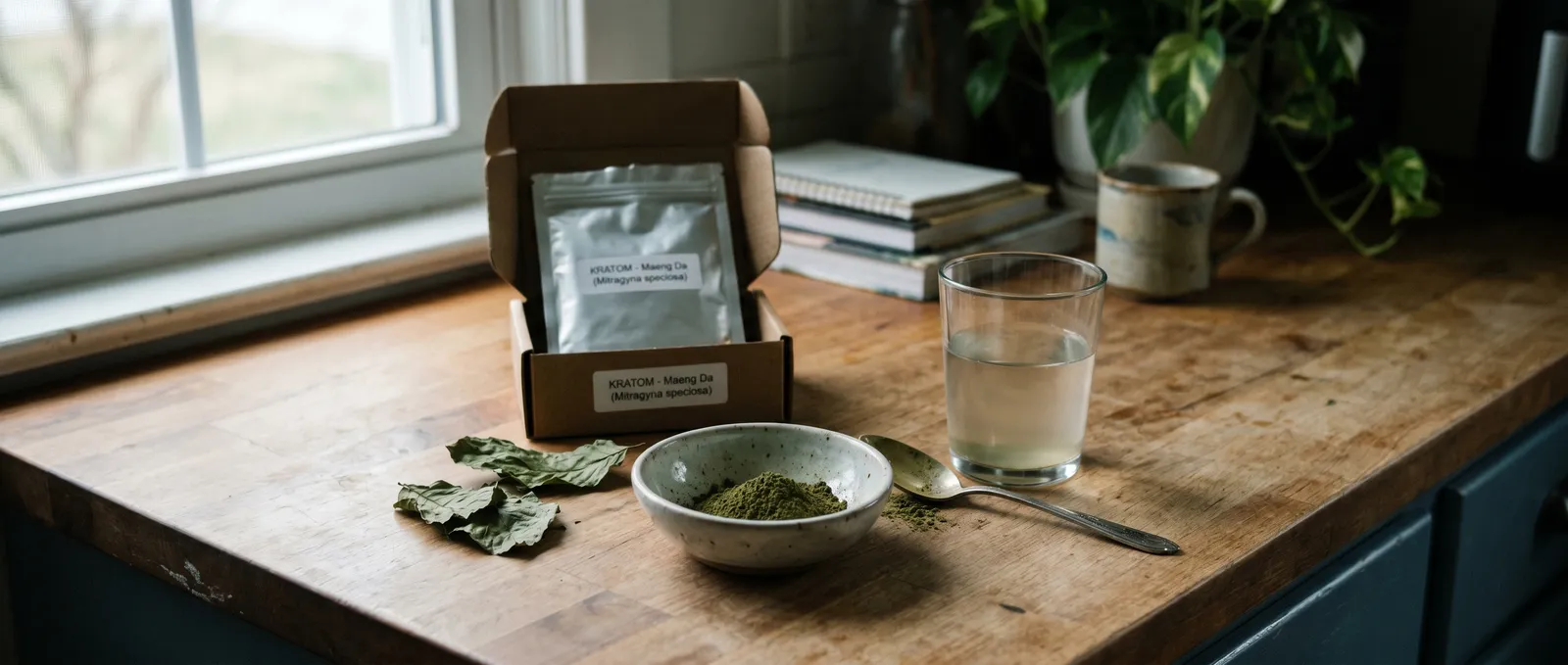
Definition
Your first kratom experience hinges on three things: form, dose, and patience. This step-by-step guide covers what to choose, how much to take, what to expect, and what to avoid — all grounded in published survey and pharmacological research rather than strain marketing.
First time kratom use is a decision that deserves careful preparation rather than guesswork. Kratom is a botanical substance derived from the dried leaves of Mitragyna speciosa, a Southeast Asian tree, that produces dose-dependent stimulant and sedative effects through partial agonism at mu-opioid receptors. The active alkaloids, primarily mitragynine and 7-hydroxymitragynine (Kruegel & Grundmann, 2016), mean dose matters enormously and the margin between a pleasant first time kratom experience and a nauseating one is narrower than you might expect. This guide walks you through the practical steps, from choosing a form to what to do the morning after.
Adult audience (18+). The dosing ranges and effects described in this article apply to adult physiology. This content is not intended for minors.
Step 1: Pick Your Form — Leaf Powder, Capsules, or Extract
Plain leaf powder is the best form for a first time kratom experience because it allows precise dosing and has the widest base of published survey data behind it. The distinction between plain leaf and extract is not cosmetic — it is pharmacologically significant. Extracts concentrate mitragynine and 7-hydroxymitragynine relative to raw leaf, substantially altering the dose-response curve and the risk of adverse effects. Treat them as different products, not as "stronger kratom."
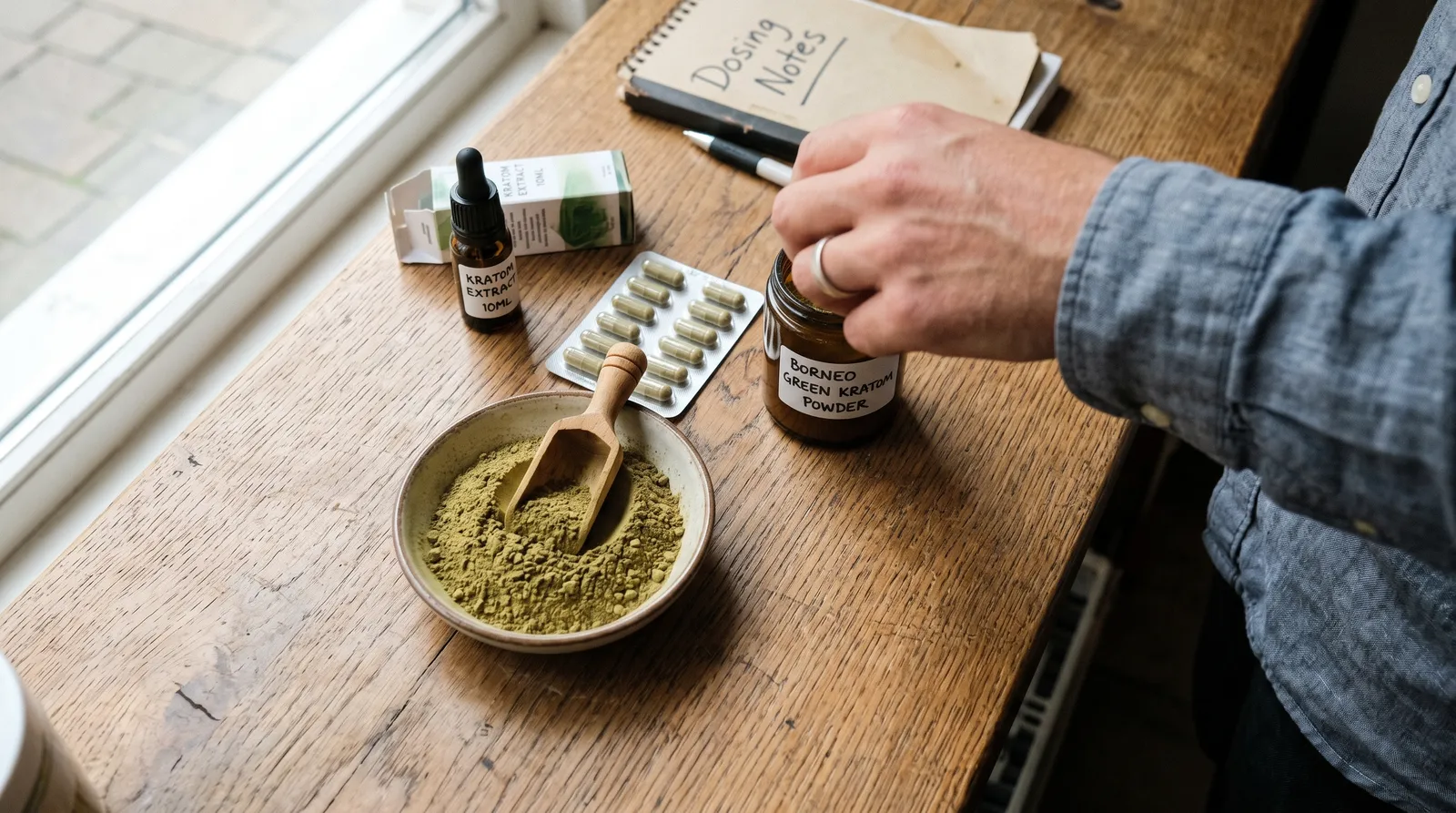
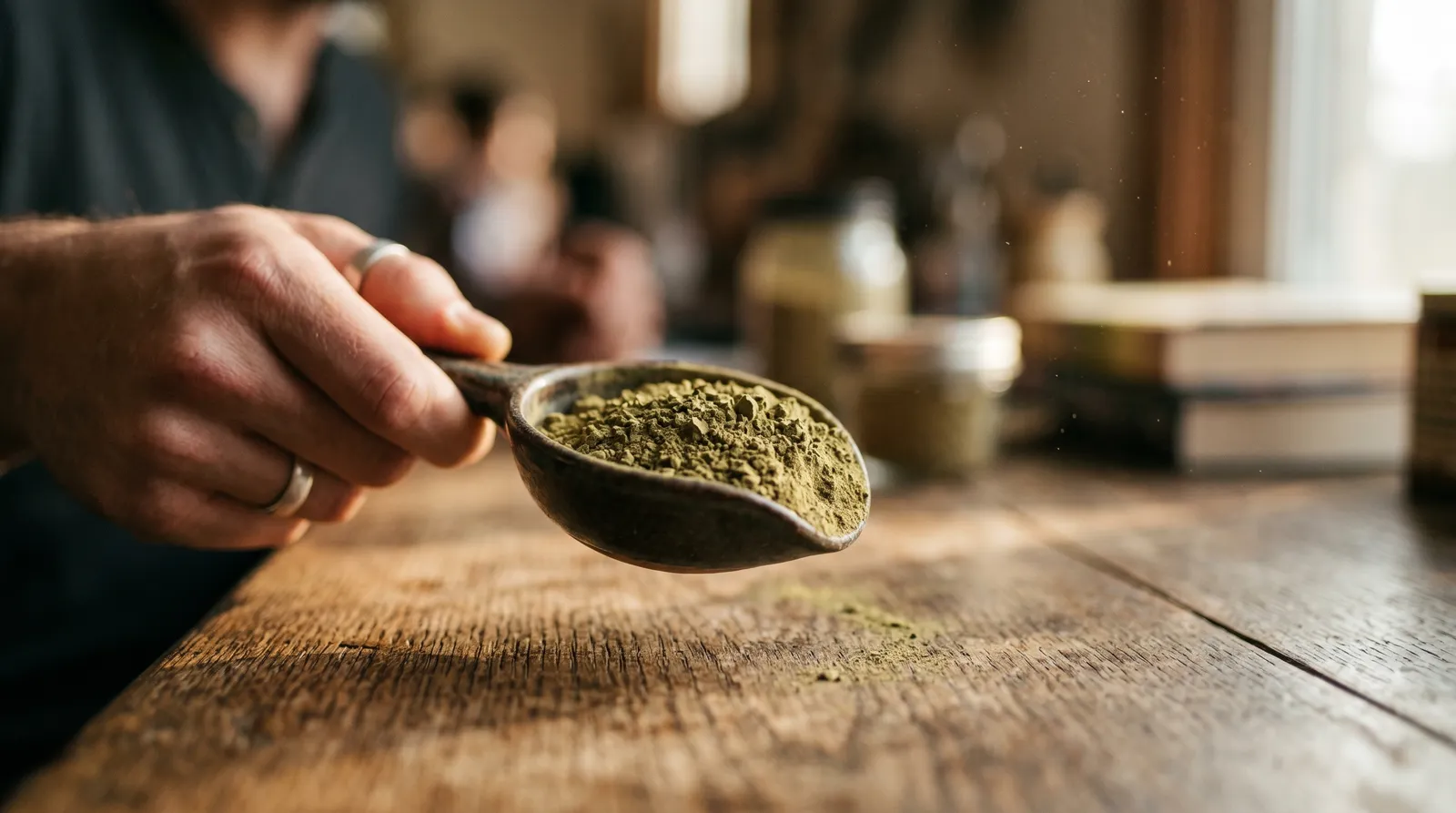
Leaf powder is ground dried leaf. It is the form used in most published survey research, including the Grundmann (2017) cross-sectional study of over 8,000 self-reported users. Capsules are simply leaf powder pre-measured into gelatine or cellulose shells — same material, slightly delayed onset because the capsule needs to dissolve first. Some users report effects arriving roughly 15–20 minutes later compared to loose powder. Capsules are a perfectly valid first time kratom option if convenience matters to you.
Extracts — whether liquid tinctures, enhanced powders, or resin — are a different beast entirely. Dose figures for leaf powder are not interchangeable with extract doses. If this is your first time, stick with plain leaf powder or capsules. Extracts are not a beginner product.
Step 2: Choose a Starting Dose
A dose of 1–2 grams of plain leaf powder is the most widely recommended starting point for first time kratom users, based on published survey data. In Veltri and Grundmann's 2019 analysis of kratom users, the most commonly reported single dose of leaf powder fell between 1 and 5 grams, with the majority of respondents using under 5g per session. Starting at the lower end of that range gives you room to learn your own response.
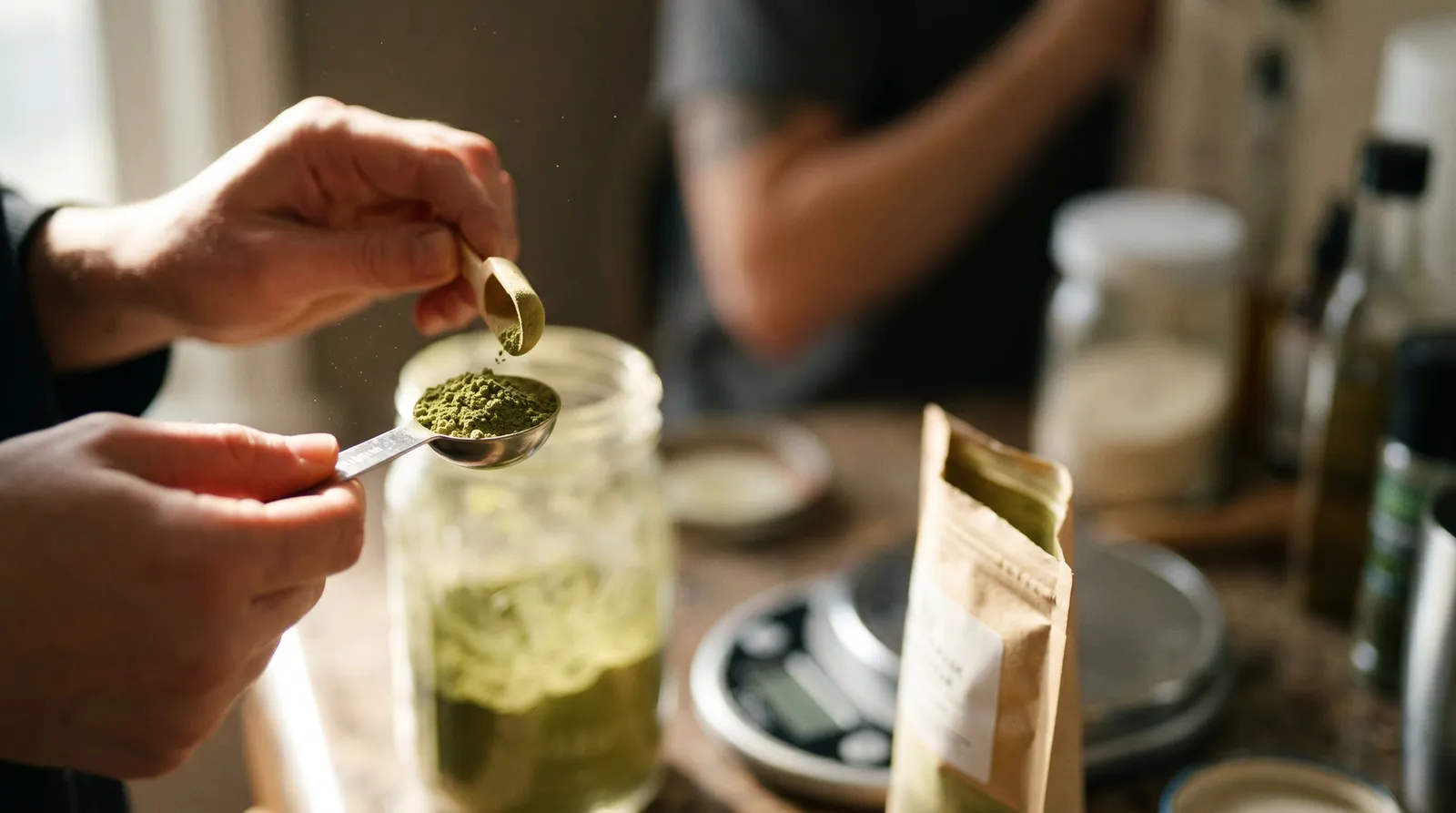
Read whatever dosing information comes with your specific product first, then halve it. The reasoning is straightforward: you have no personal reference point for how your body metabolises mitragynine, and individual variation in CYP3A4 and CYP2D6 enzyme activity — the primary metabolic pathways — is wide (Kamble et al., 2019). Two people taking identical doses from the same batch can have markedly different experiences.
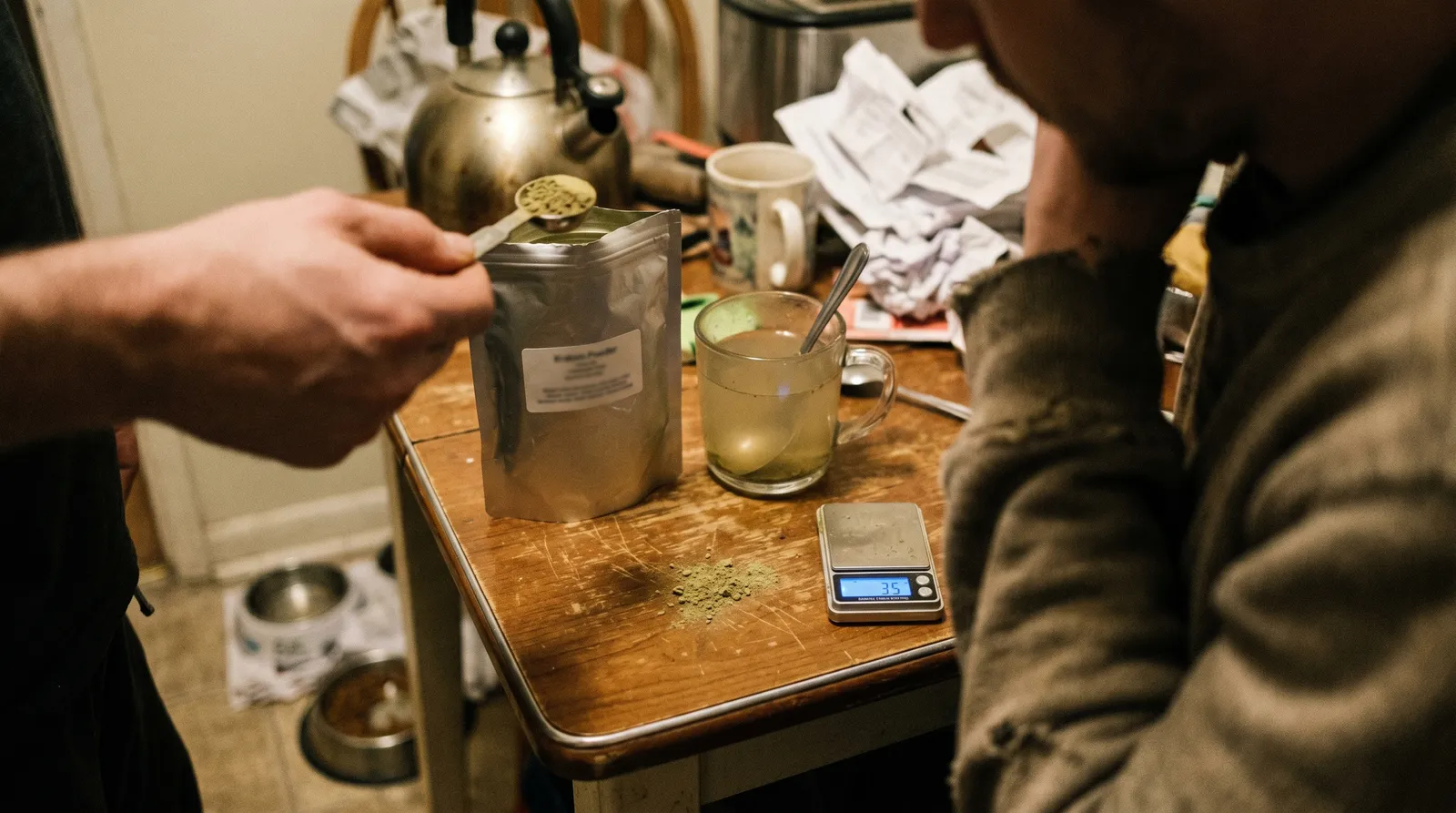
A kitchen scale that reads to 0.1g is worth the few quid it costs. Eyeballing powder with a teaspoon is unreliable — packing density varies, and the difference between 2g and 4g in a spoon is hard to judge visually.
One hard rule: do not redose within 90 minutes. Onset with leaf powder typically takes 20–40 minutes on an empty stomach, longer with food. The temptation to take more because "nothing is happening yet" is the single fastest route to nausea.
Step 3: Method of Ingestion
Stirring the powder into a flavoured liquid is the most practical ingestion method for first time kratom users, balancing speed of onset with tolerability. The three common methods for leaf powder are:

- Toss and wash: Place the measured powder on your tongue and wash it down with water or juice. Effective but unpleasant — kratom powder is intensely bitter, with a dry, astringent mouthfeel that coats the throat. Not everyone manages this without gagging.
- Stirred into liquid: Mix the powder into warm (not boiling) water, orange juice, or a smoothie. Citrus seems to mask the bitterness reasonably well. The powder does not dissolve — it suspends — so drink it before it settles.
- Capsules: Pre-filled capsules avoid the taste entirely. A typical capsule holds 0.5g, so 2–4 capsules gives you a 1–2g starting dose. Onset is slightly slower.
Eat something light 30–60 minutes beforehand — a banana, some toast, nothing heavy. A completely empty stomach intensifies effects and increases the chance of nausea. A full meal delays onset significantly and blunts the experience.
Step 4: What to Expect During Your First Time Kratom Experience
At a 1–2g starting dose, most first time kratom users report mild stimulation, a subtle mood lift, and slightly sharpened focus rather than any dramatic alteration of consciousness. At higher doses (5g+), sedation and analgesic effects become more prominent. This dose-dependent shift is consistent with the pharmacology: mitragynine shows partial agonism at mu-opioid receptors alongside activity at adrenergic and serotonergic sites, and the balance of these effects appears to shift with dose (Kruegel & Grundmann, 2016).

That said, the commonly repeated claim that specific "strains" or vein colours (red, green, white) produce reliably distinct effects has a weak evidence base. Vein colour is commercial vocabulary — not a pharmacologically validated distinction supported by controlled studies. Alkaloid content varies between batches, between harvests, and between suppliers, often more than it varies between named "strains." For a first time kratom experience, do not overthink strain selection.
Common unwanted effects at any dose include nausea, dizziness, and constipation. Nausea is the most frequently reported adverse effect in survey data (Grundmann, 2017) and is strongly dose-related — another reason to start low. The European Monitoring Centre for Drugs and Drug Addiction (EMCDDA) has flagged kratom as an emerging substance of interest in its risk assessments, noting that adverse effects are most commonly associated with high doses or combination use.
Step 5: Timing and Duration
Onset for leaf powder is generally reported at 20–40 minutes, with peak effects around 1–2 hours and a total duration of roughly 3–5 hours (Trakulsrichai et al., 2015). Pharmacokinetic data on kratom in humans is limited and comes from small-sample studies with wide individual variance, so these figures are approximate. Capsules may push onset back by 15–20 minutes.
Plan your first time kratom session for a free afternoon or evening. Do not drive. Do not combine it with work obligations or social situations where you need to be sharp. This is not because kratom is overwhelmingly intoxicating at a 1–2g dose — it typically is not — but because you genuinely do not know how your body will respond until you have tried it once.
Step 6: What Not to Combine It With
Kratom's alkaloids interact with the same liver enzymes (CYP3A4 and CYP2D6) that metabolise a long list of common medications, making combination use the single biggest safety concern for first time kratom users. Methanolic kratom extracts inhibited CYP2D6 activity by approximately 90% at 20 μg/ml in vitro (Hanapi et al., 2013), and CYP3A activity by roughly 50% at the same concentration. This means co-administration with drugs metabolised by these pathways can alter blood levels of those drugs unpredictably.
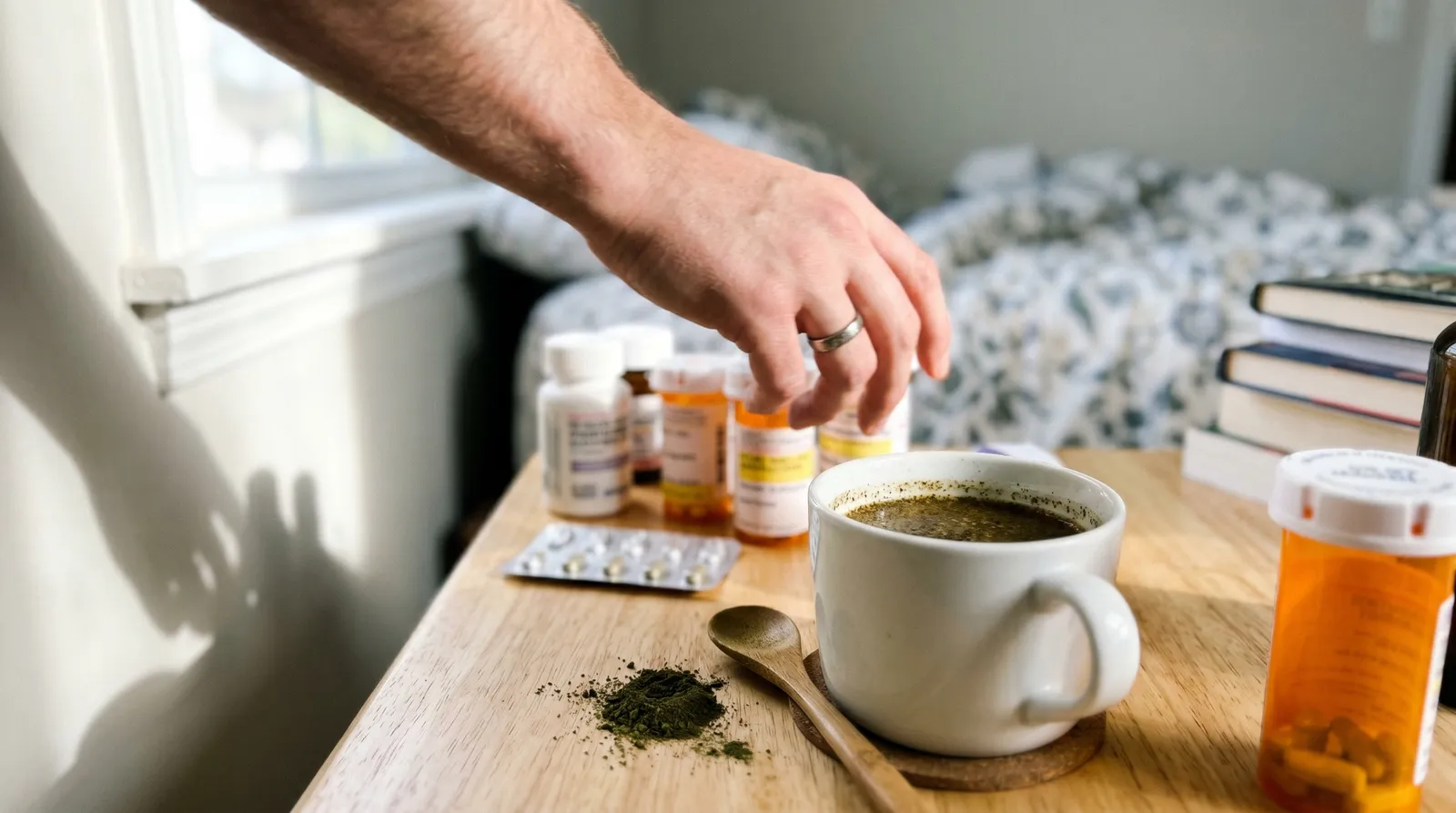
Avoid combining kratom with: other opioids (prescription or otherwise), benzodiazepines, alcohol, MAOIs, CYP3A4 inhibitors such as ketoconazole or grapefruit juice, and CYP2D6 inhibitors including fluoxetine, paroxetine, and bupropion. Kratom should also be avoided during pregnancy and breastfeeding, and by anyone with pre-existing liver disease. For a complete breakdown of interactions, see the dedicated article Kratom Drug Interactions in the Azarius Encyclopedia.
Step 7: The Day After — and the Week After
Most first time kratom users report no hangover effect the following day after a single low dose. Some describe mild lethargy or a slight headache the following morning, particularly if they did not drink enough water.

The more critical point is what happens if you liked it and want to do it again. Tolerance to kratom develops rapidly with consecutive daily dosing. A recognised withdrawal syndrome — irritability, muscle aches, insomnia, nausea — emerges in daily heavy users (Singh et al., 2014). The threshold at which dependence becomes clinically meaningful for moderate or occasional users is still contested in the literature, but the pattern from survey data is clear: daily use at escalating doses carries real dependence risk. Anyone with a personal or family history of substance use disorder should weigh this carefully.
The simplest harm-reduction strategy: do not use kratom on consecutive days. Leave gaps. If you notice yourself increasing the dose to get the same effect, that is tolerance talking, and the answer is a break — not more powder.
How First Time Kratom Compares to Other Botanical Experiences
Kratom occupies an unusual pharmacological niche that does not map neatly onto other herbal products. Compared to kava — another Southeast Asian botanical sometimes used for relaxation — kratom's opioid-receptor activity gives it a distinctly different character. Kava acts primarily on GABA pathways and produces anxiolytic effects without the stimulant-at-low-dose, sedative-at-high-dose pattern that defines kratom. If you have tried kava and found it pleasant, that tells you very little about how you will respond to kratom. You can explore Kava in the Azarius Encyclopedia for a detailed comparison of its pharmacology and effects.
Similarly, kratom is not comparable to CBD products despite sometimes being shelved alongside them. CBD has no meaningful opioid-receptor activity and does not produce the same dependence risk profile. The honest limitation here is that kratom's pharmacology is more complex and less thoroughly studied than either kava or CBD, and anyone telling you it is "just a plant" is underselling the pharmacological reality. For those curious about gentler botanical options, the Herbal Energizers category in the Azarius Encyclopedia covers stimulating herbs that lack opioid-receptor activity entirely.
Where to Buy Kratom for Your First Time
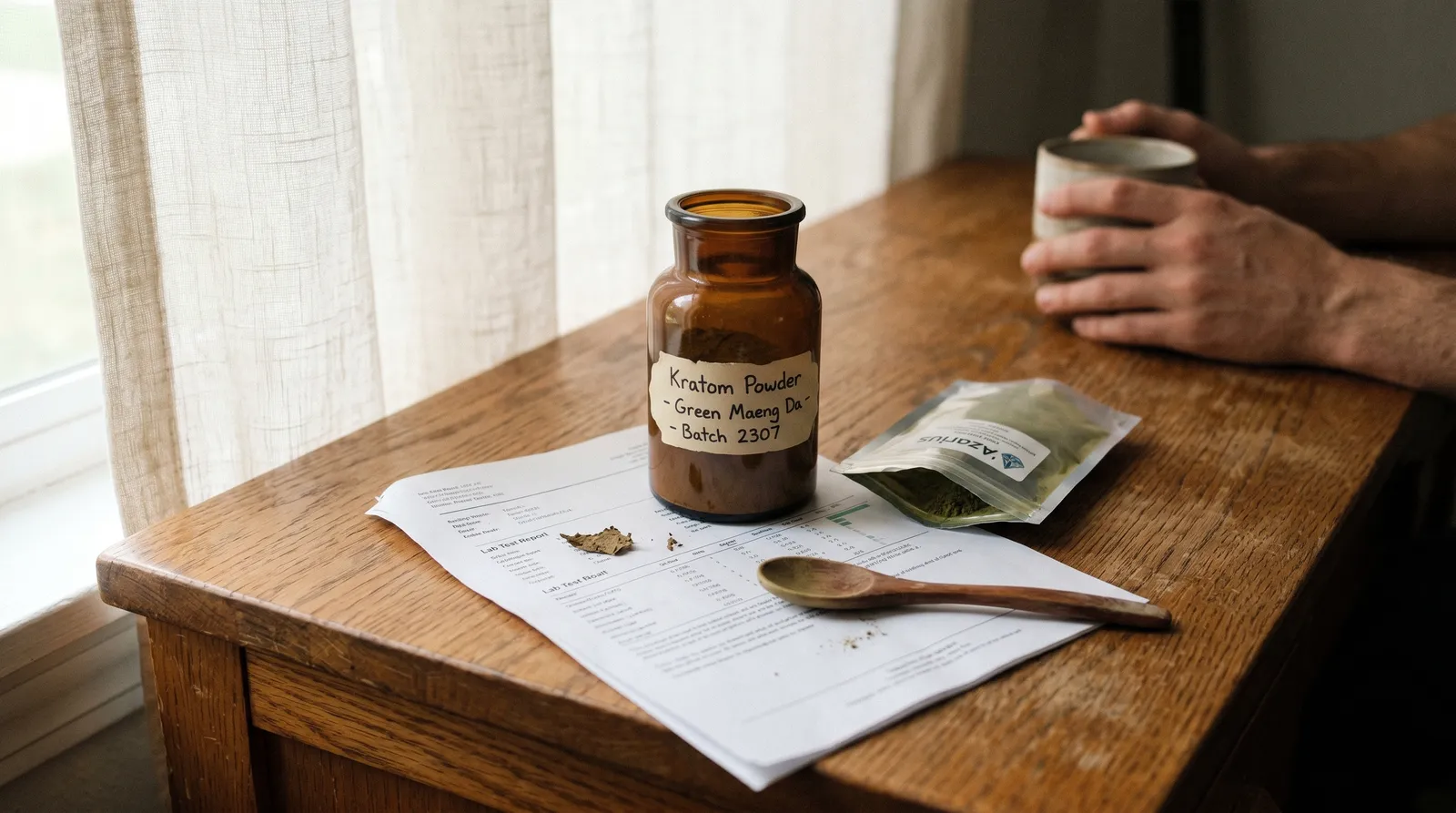
Sourcing from a reputable supplier matters more than strain name for a first time kratom experience. Look for vendors who provide batch-specific lab testing for alkaloid content and contaminants — this is the single most reliable quality indicator. Azarius stocks a range of kratom leaf powders and capsules in the Kratom category, including popular options like Kratom Bali and Kratom Maeng Da, all with product-page details on form and weight. You can buy kratom from Azarius with confidence that each batch has been tested.
If you prefer capsules for convenience, Azarius Kratom Capsules are pre-dosed at 0.5g per capsule, making it straightforward to measure a 1–2g starting dose without a scale. For those who want to explore broader botanical options alongside their first kratom order, the Herbal Energizers and Kava categories offer alternatives with different pharmacological profiles.
Quick Reference
| Parameter | Leaf Powder (first time) | Notes |
|---|---|---|
| Starting dose | 1–2 g | Based on survey ranges (Veltri & Grundmann, 2019) |
| Onset | 20–40 min | Capsules: add ~15–20 min |
| Peak | 1–2 hours | Small-sample data; individual variance is wide |
| Duration | 3–5 hours | Trakulsrichai et al., 2015 |
| Redose window | Not before 90 min | Premature redosing is the top cause of nausea |
| Food | Light meal 30–60 min before | Empty stomach = stronger but more nausea |
| Extracts | Not recommended for first use | Pharmacologically distinct from leaf |
Related Azarius Products
Azarius carries a range of kratom leaf powders and capsules in the Kratom category, including Kratom Bali, Kratom Maeng Da, and Kratom Capsules. The Azarius Encyclopedia also covers related topics including Kava, Kratom Drug Interactions, and Herbal Energizers for those exploring botanical alternatives. If you are ready to buy kratom for your first experience, start with a plain leaf powder in the smallest available quantity — you can always order more once you know how your body responds.
Last updated: April 2026
Frequently Asked Questions
10 questionsHow much kratom should I take the first time?
How long does it take for kratom to kick in?
Can I use kratom extract for my first time?
What are the most common side effects of kratom for beginners?
Does kratom vein colour matter for a first experience?
Where can I buy kratom for the first time?
Should I take kratom on an empty stomach the first time?
Can I mix kratom with other substances or medications?
Should I take kratom on an empty stomach the first time?
How long do the effects of kratom typically last?
About this article


Adam Parsons is an external cannabis and psychedelics writer and editor who contributes to Azarius's wiki as both author and reviewer. On the writing side, he authors Azarius's kratom and kanna clusters, drawing on exten
This wiki article was drafted with AI assistance and reviewed by Adam Parsons, External contributor. Editorial oversight by Joshua Askew.
Medical disclaimer. This content is for informational purposes only and does not constitute medical advice. Consult a qualified healthcare provider before use of any substance.
Last reviewed April 24, 2026
References (7)
- [1]Grundmann, O. (2017). Patterns of kratom use and health impact in the US — results from an online survey. Drug and Alcohol Dependence , 176, 63–70. DOI: 10.1016/j.drugalcdep.2017.03.007
- [2]Hanapi, N. A., Ismail, S., & Mansor, S. M. (2013). Inhibitory effect of mitragynine on human cytochrome P450 enzyme activities. Pharmacognosy Research , 5(4), 241–246.
- [3]Kamble, S. H., Sharma, A., King, T. I., et al. (2019). Metabolite profiling and identification of enzymes responsible for the metabolism of mitragynine. Xenobiotica , 49(11), 1279–1288. DOI: 10.1080/00498254.2018.1552819
- [4]Kruegel, A. C., & Grundmann, O. (2016). Synthetic and receptor signaling explorations of the Mitragyna alkaloids. Journal of the American Chemical Society , 138(21), 6754–6764. DOI: 10.1021/jacs.6b00360
- [5]Singh, D., Müller, C. P., & Vicknasingam, B. K. (2014). Kratom (Mitragyna speciosa) dependence, withdrawal symptoms and craving in regular users. Drug and Alcohol Dependence , 139, 132–137. DOI: 10.1016/j.drugalcdep.2014.03.017
- [6]Trakulsrichai, S., Sathirakul, K., Auparakkitanon, S., et al. (2015). Pharmacokinetics of mitragynine in man. Drug Design, Development and Therapy , 9, 2421–2429.
- [7]Veltri, C., & Grundmann, O. (2019). Current perspectives on the impact of kratom use. Substance Abuse and Rehabilitation , 10, 23–31. DOI: 10.2147/sar.s164261
Related Articles
Blue Lotus vs Kanna: Effects & Safety
Blue lotus vs kanna compared — Nymphaea caerulea's aporphine profile against Sceletium tortuosum's mesembrine chemistry, with interaction warnings.

Lotus Clinical Research Overview
What does lotus clinical research actually show? A critical review of Nymphaea caerulea and Nelumbo nucifera pharmacology, preclinical data, and…
Kanna South Africa To West History
Sceletium tortuosum was used by San and Khoekhoe communities in southern Africa for centuries before European colonists first documented it in the 1660s.
Sceletium Tortuosum Plant
Learn about the sceletium tortuosum plant: botany, alkaloids, fermentation, safety warnings, and where to buy kanna.
Kanna Pharmacokinetics Explained
Complete guide to kanna pharmacokinetics: how Sceletium tortuosum alkaloids are absorbed, metabolised via CYP2D6, and eliminated.

Kanna Chemistry: Sceletium Alkaloids Explained
Kanna chemistry explained: mesembrine, mesembrenone, their mechanisms, how fermentation and extraction change alkaloid profiles, and why it matters…

Rapé Shamanic Snuff Guide: How to Use It Safely
A practical rapé shamanic snuff guide covering dose, kuripe technique, effects, nicotine safety, interactions and Amazonian tradition.

White Sage Salvia Apiana Cultural Smudging Guide
Salvia apiana is a non-psychoactive shrub native to southern California's coastal sage scrub, burned as ceremonial incense in Indigenous North American…

Mulungu Erythrina Traditional Amazonian Use — Bark, Alkaloids & Research
Erythrina mulungu is a Brazilian legume tree whose bark has been brewed as a calming decoction in rural folk medicine for generations.