
This article discusses psychoactive substances intended for adults (18+). If you have a health condition or take medication, consult a doctor before use. Our age policy
Traditional San and Khoekhoe Use of Kanna
Definition
The San and Khoekhoe peoples of southern Africa harvested, fermented, and chewed Sceletium tortuosum — called kougoed — for centuries before European contact. Ethnobotanical fieldwork by Smith et al. (1996) documented the fermentation process and its role in modifying the plant's alkaloid profile. Traditional use centred on mild mood elevation and social bonding, not intense psychoactive experiences.
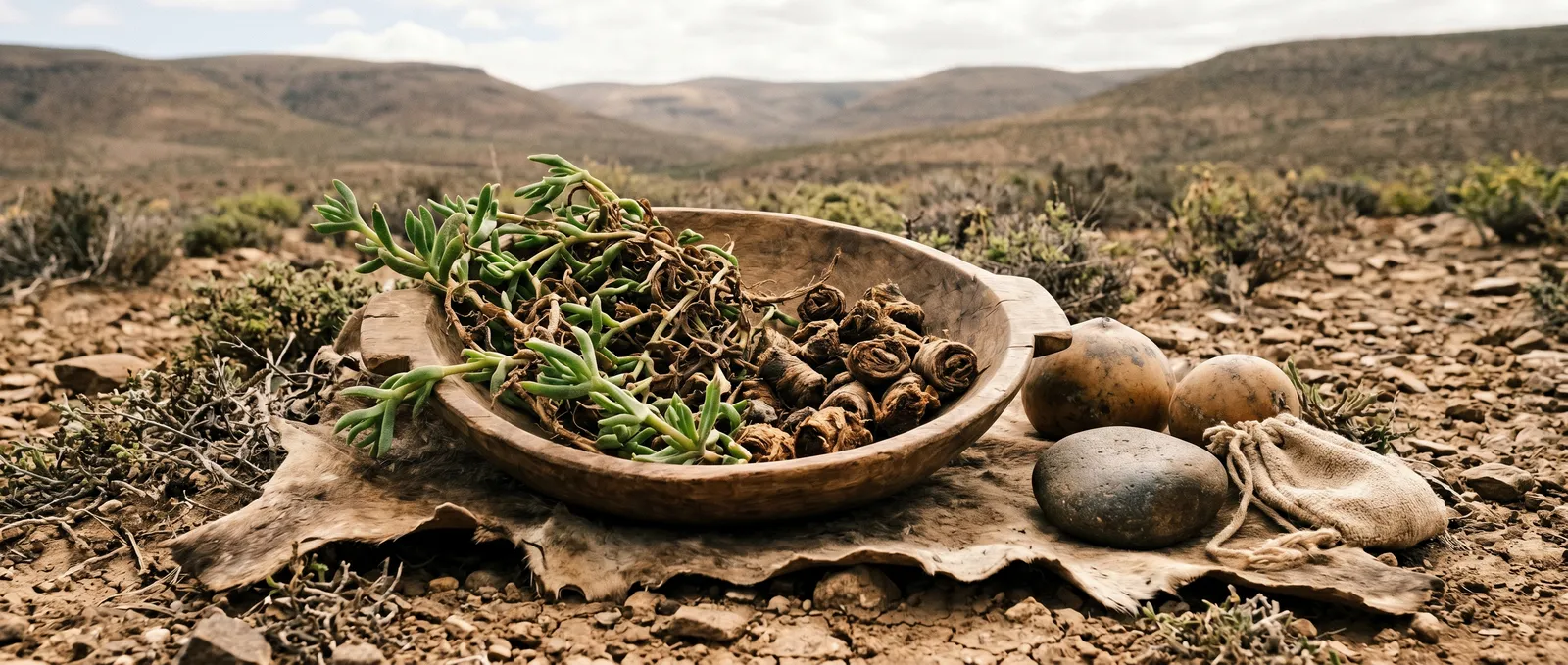
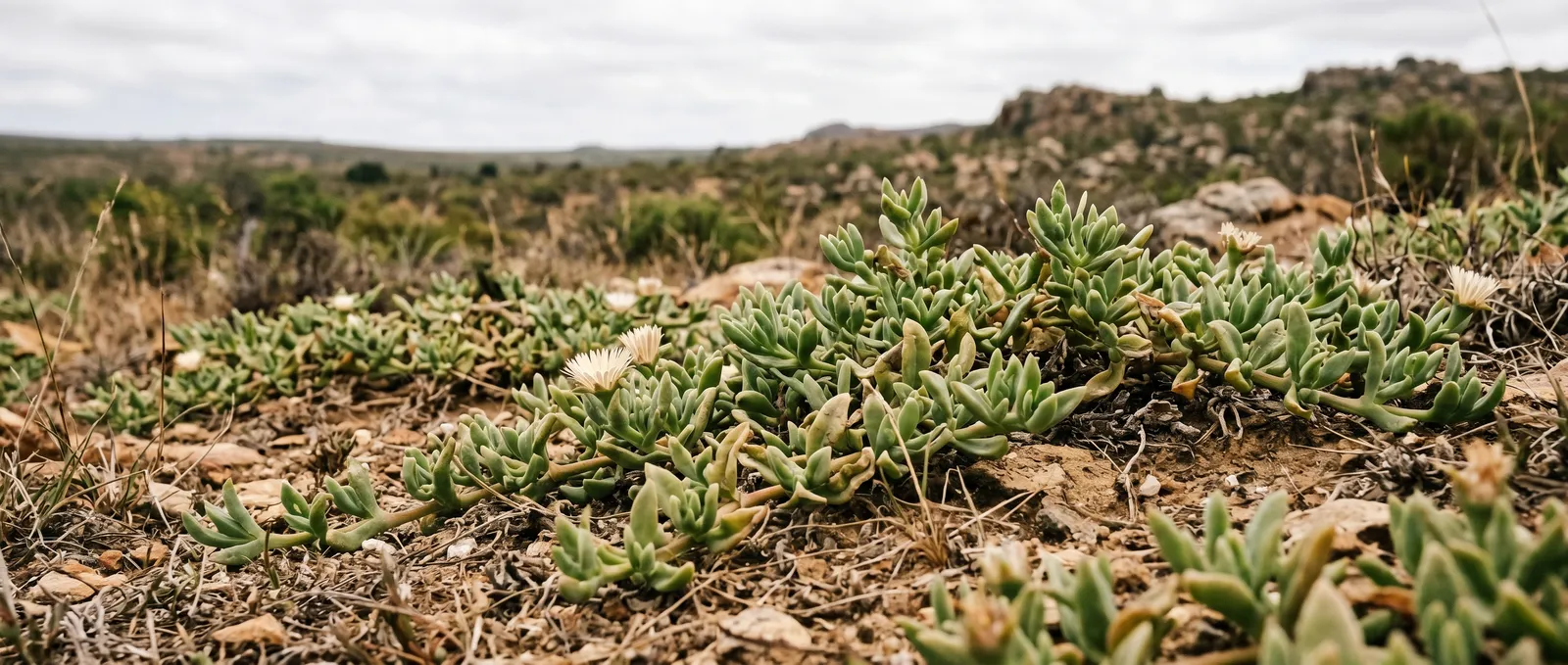
The traditional San and Khoekhoe use of kanna is the centuries-old practice of harvesting, fermenting, and chewing Sceletium tortuosum — a succulent plant indigenous to southern Africa — for its mild mood-elevating and anxiolytic properties. Long before this plant appeared in extract capsules or online smartshops, the indigenous San (Bushmen) and Khoekhoe (Khoikhoi) peoples were processing the plant they called kougoed — literally "something to chew." The traditional San and Khoekhoe use of kanna stretches back centuries, documented in some of the earliest European colonial accounts of the Cape region and confirmed by twentieth-century ethnobotanical fieldwork. Understanding this history matters — not because it validates modern marketing claims, but because it provides genuine context for how one particular succulent ended up on the global psychoactive radar. Today you can buy kanna in various forms from Azarius, but knowing the traditional background helps you understand what you're actually getting.
Who Are the San and Khoekhoe?
The San and Khoekhoe are two broad groupings of indigenous southern African peoples, sometimes collectively called the Khoisan, who represent some of the oldest cultural lineages on the continent. The San are traditionally hunter-gatherer communities, while the Khoekhoe were historically pastoralists who kept cattle and sheep. According to Schapera (1930), the word "Khoisan" was introduced to describe both "Hottentots" (Khoekhoe) and "Bushmen" (San), though modern scholarship recognises these as culturally and linguistically distinct groups with significant internal diversity. Genetic studies suggest that Khoisan-speaking populations represent some of the oldest divergent lineages in the human family tree, with separation events estimated at 100,000 years or more (Schlebusch et al., 2012).
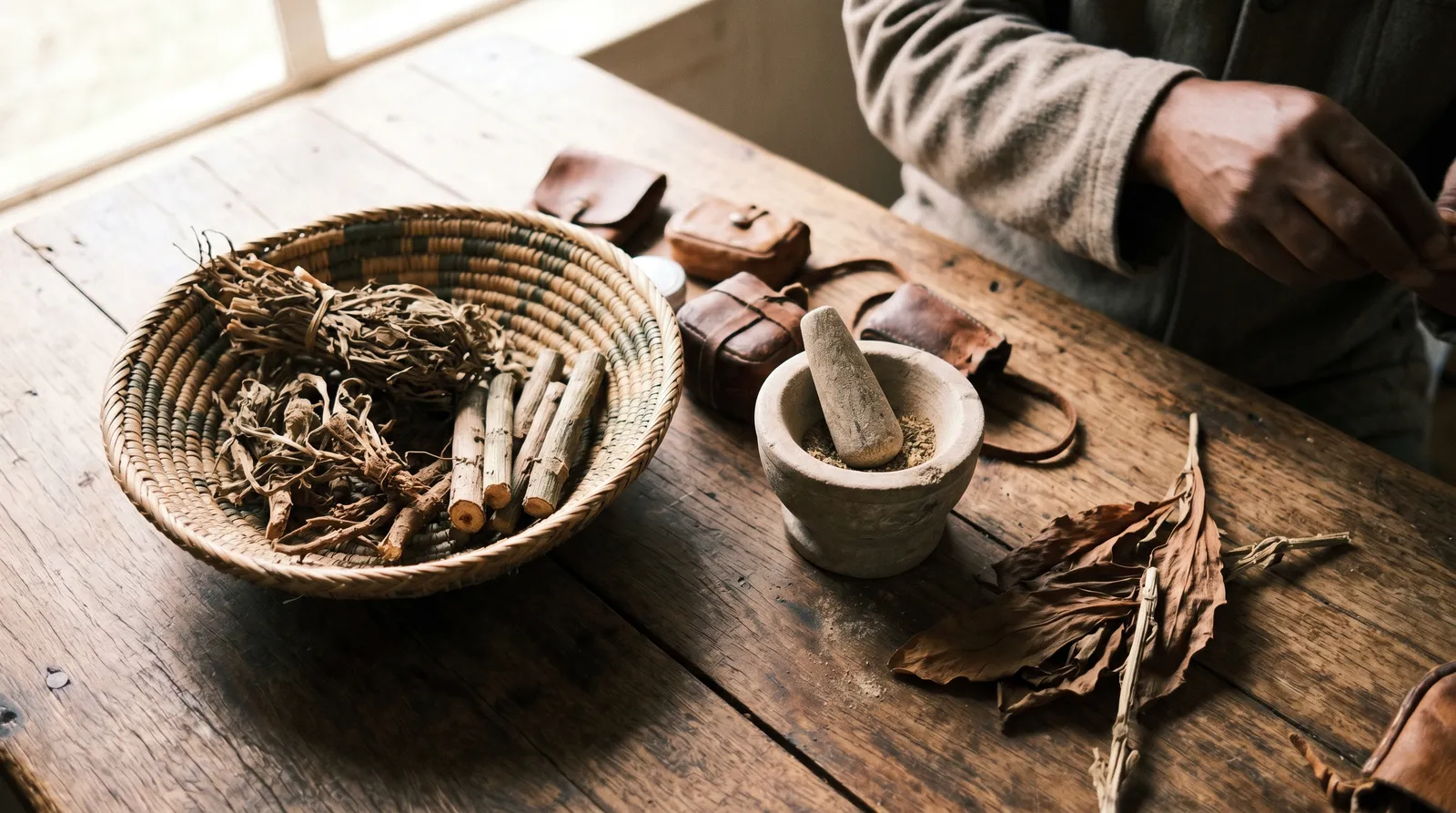
Both groups occupied regions of what is now South Africa, Namibia, and Botswana. The areas where Sceletium tortuosum grows wild — the Karoo, Namaqualand, and parts of the Western and Eastern Cape — overlap heavily with historical Khoisan territories. This isn't a coincidence. These communities had intimate, generation-spanning knowledge of their local flora, and kanna was one of several plants integrated into daily life and ritual practice. The traditional San and Khoekhoe use of kanna was rooted in this deep ecological familiarity with the land.
Earliest Documented Accounts
The earliest documented accounts of the traditional San and Khoekhoe use of kanna come from Dutch colonial sources in the seventeenth century, beginning with Jan van Riebeeck's journals from the 1650s. Van Riebeeck, who established the Cape Colony in 1652, noted in his journal that the Khoekhoe traded a plant they greatly prized. Subsequent Dutch East India Company (VOC) records from the late 1600s describe indigenous peoples chewing roots and leaves of a plant that produced mood-altering effects. Kolben (1731) provided one of the more detailed early accounts, describing how the Khoekhoe would chew the material and noting its apparent effects on spirits and sociability.
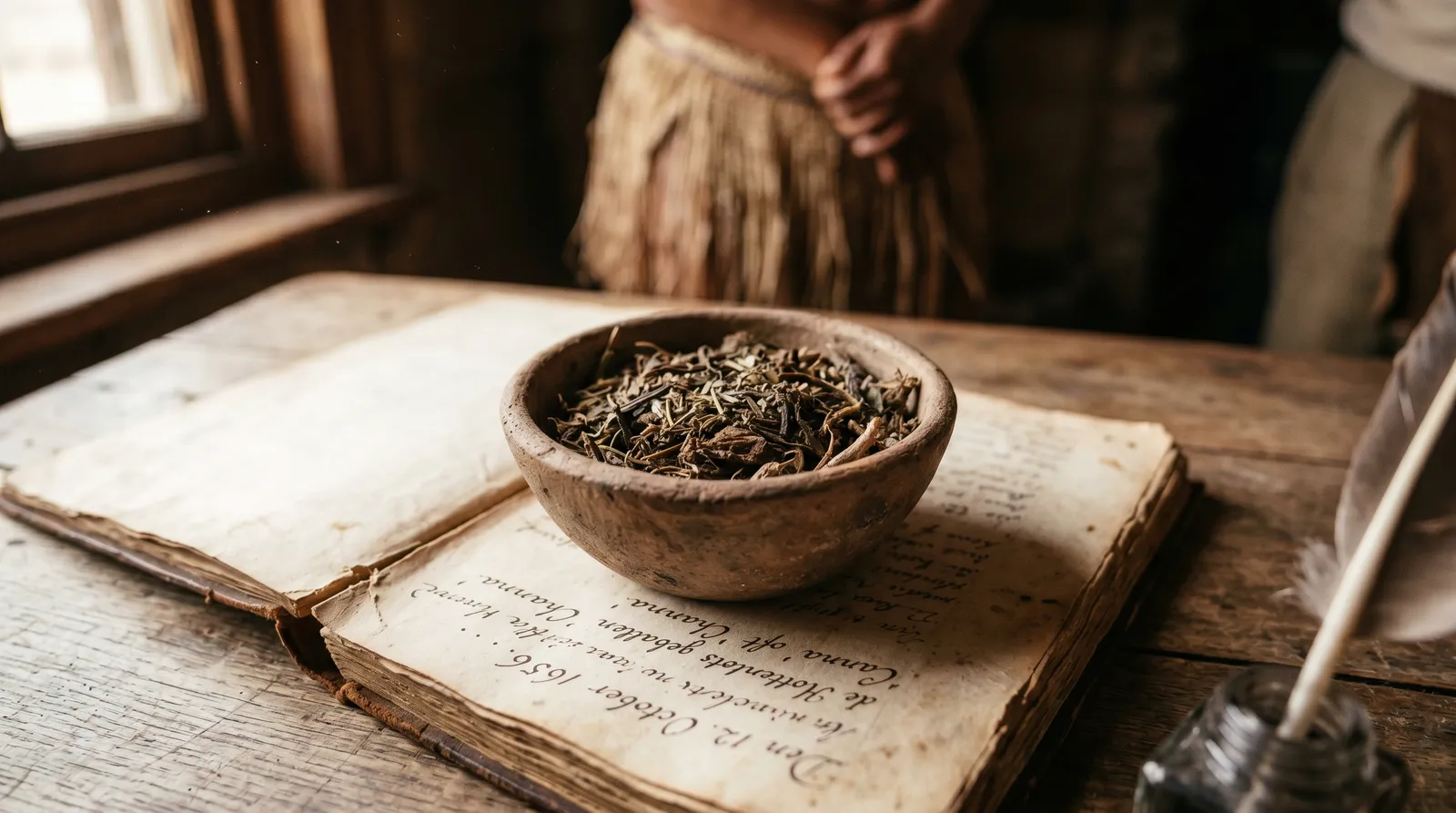
These colonial accounts are useful but come with obvious caveats. European observers frequently misidentified plants, misunderstood cultural contexts, and filtered everything through their own frameworks. The name "kougoed" itself appears across multiple colonial texts, but whether every reference points to Sceletium tortuosum specifically — rather than to other chewed plants in the region — isn't always certain. Smith et al. (1996) noted that "kougoed" may have been applied to more than one species in different regions and periods.
Preparation: The Fermentation Process
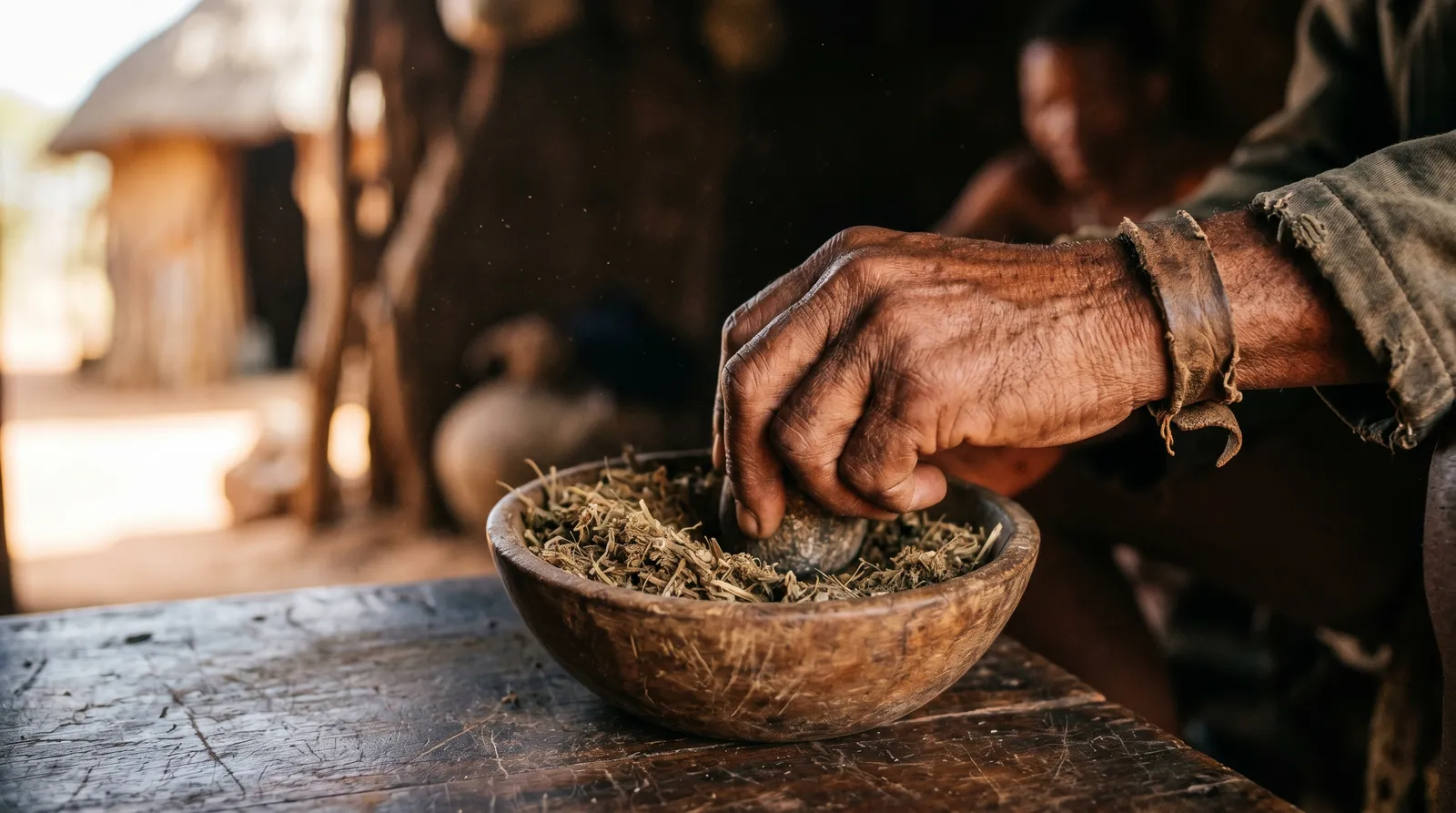
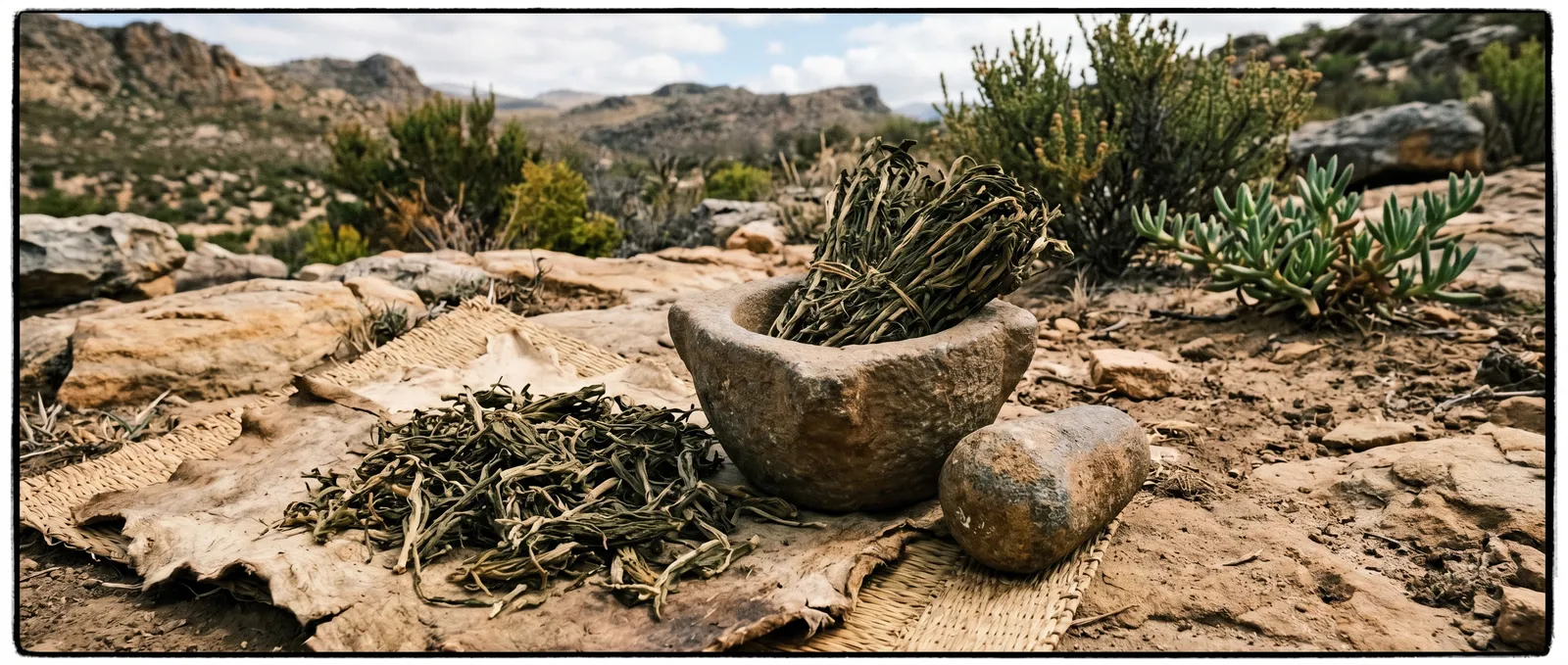
Fermentation was the essential step that distinguished traditional kougoed preparation from simply picking and eating a raw succulent, chemically transforming the plant material in ways that mattered for both safety and effect. The San and Khoekhoe didn't just eat the fresh plant — they processed it. The aerial parts (stems and leaves) were harvested, crushed or bruised between stones, and then left to ferment in sealed animal-skin bags or covered containers for several days. According to ethnobotanical documentation by Smith et al. (1996), this fermentation step was considered essential, not optional.
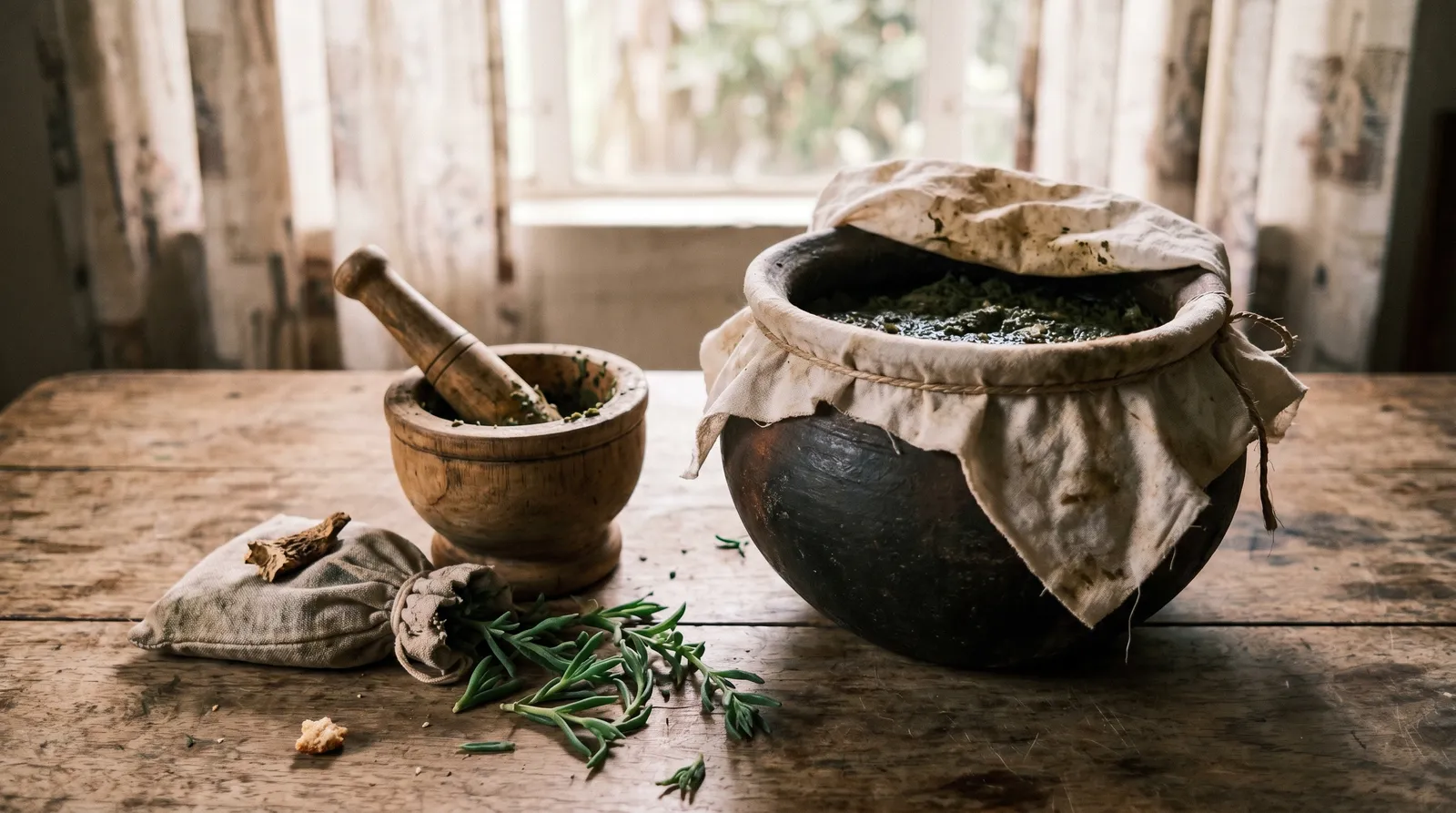
The fermentation process does something chemically meaningful. It modifies the alkaloid profile of the plant material, notably reducing oxalate content — oxalic acid crystals are present in fresh Sceletium and can irritate the mouth and digestive tract — and altering the ratios of mesembrine, mesembrenone, and other alkaloids. Fermented kougoed is therefore a genuinely different product from raw plant material. This distinction matters for anyone reading about the traditional San and Khoekhoe use of kanna and assuming it maps directly onto modern unfermented powders or concentrated extracts — it doesn't. The traditional preparation was specifically fermented material, and the alkaloid profile of that material is not identical to what you'd get from drying and grinding fresh Sceletium.
How Was Kougoed Actually Used?
Kougoed was used primarily by chewing a quid of fermented plant material held in the mouth, though teas, decoctions, and later smoking were also documented. Some accounts describe the material being made into teas or decoctions. Later reports, particularly from the nineteenth and early twentieth centuries, mention smoking kougoed, sometimes mixed with other plant material, though whether this represents an older practice or a more recent adaptation is debated.
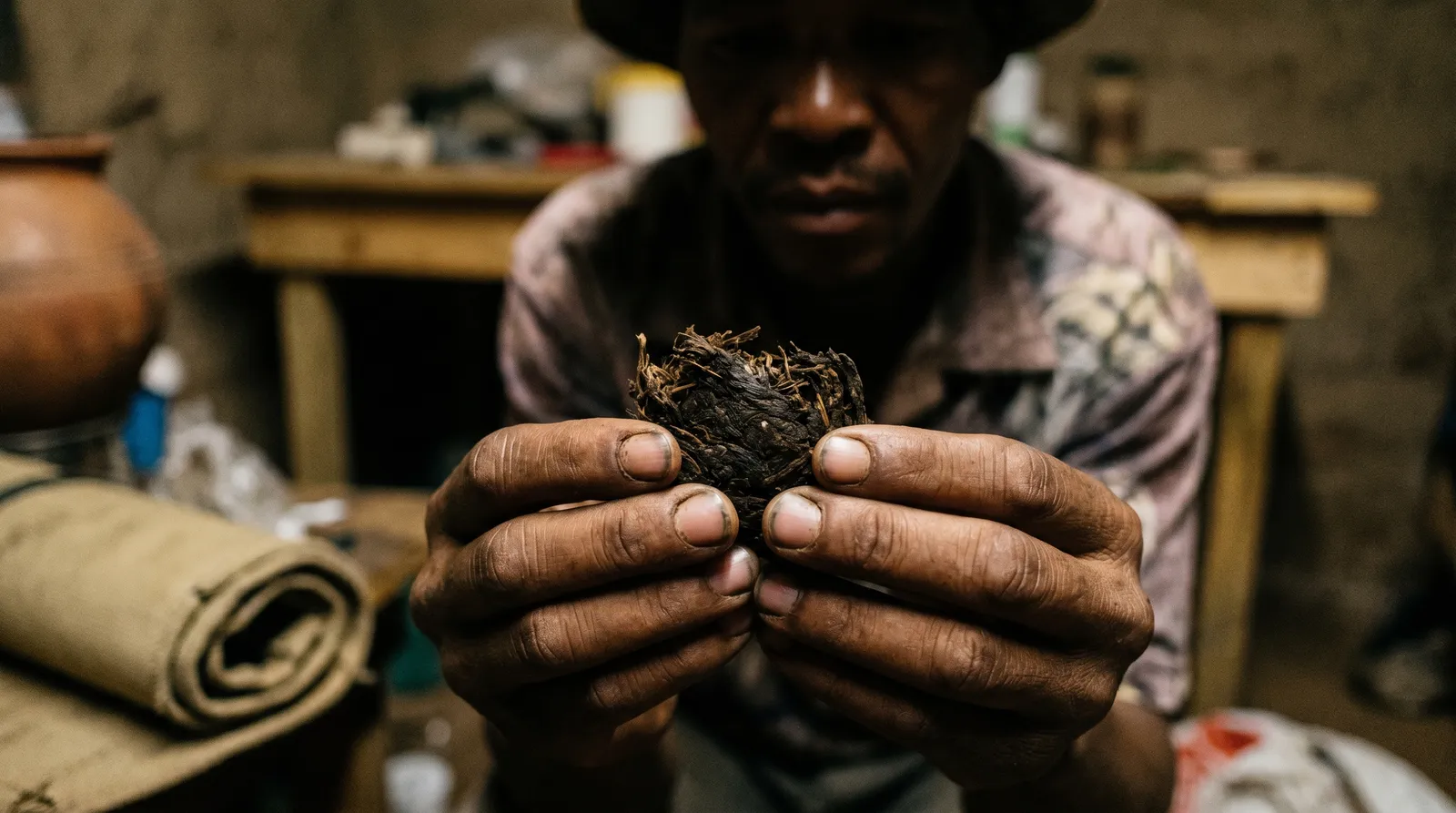
The contexts of use were varied. Kougoed wasn't reserved for ceremony alone — it appears to have been part of everyday life, used socially and individually. That said, it also featured in more structured settings. Khoisan healing traditions involve trance states, typically induced through prolonged rhythmic dancing and hyperventilation, and some ethnographic accounts suggest that kanna was used before or during healing dances to ease fatigue and elevate mood. Laidler (1928) described its use among the Khoekhoe as something that "makes the heart glad" and noted its role in social gatherings.
Importantly, the quantities used traditionally were modest. Khoisan communities were chewing fermented plant material with a natural, unconcentrated alkaloid profile — not taking standardised extracts. The mesembrine content of whole fermented plant material is substantially lower than that of modern concentrated extracts, and the traditional mode of delivery (buccal absorption through chewing) produces a different pharmacokinetic profile than swallowing a capsule or insufflating a powder.
What Effects Did Traditional Users Describe?
Traditional users consistently described kougoed as producing mild mood elevation, reduced anxiety, and suppression of hunger and thirst — effects that colonial and ethnographic sources corroborate across multiple accounts. The Khoekhoe word kougoed itself — "chewable thing" or "something to chew" — is pragmatically descriptive rather than mystical. Accounts suggest that at typical chewed doses, the effects were subtle: a gentle lift in mood, increased sociability, and reduced fatigue. Higher amounts were associated with more pronounced effects, though detailed dose-response descriptions from traditional contexts are essentially nonexistent.
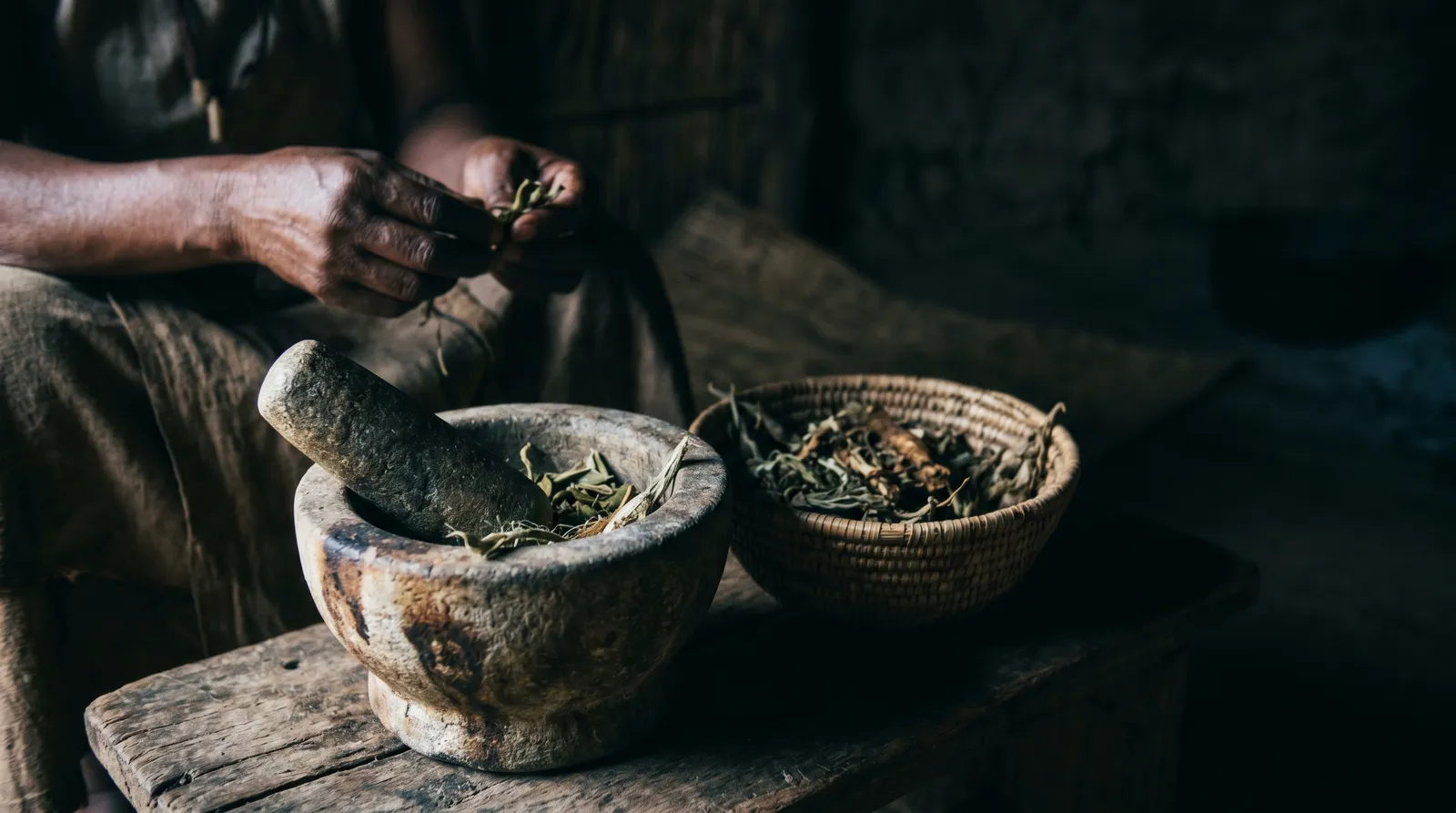
It's worth noting what traditional accounts do not describe. There are no ethnographic reports of kanna producing strong visual disturbances, significant dissociation, or the kind of intense altered states associated with, say, iboga or psilocybin-containing mushrooms. The traditional experience, as far as the historical record allows us to reconstruct it, was a gentle psychoactive effect — closer to a mild stimulant or anxiolytic than anything dramatic. Whether this reflects the lower alkaloid concentration in fermented plant material, the slow buccal absorption, or simply the cultural framing of the experience is unclear — probably all three.
Cultural Context and Knowledge Transmission
Khoisan ethnobotanical knowledge was transmitted orally across generations, meaning much of the detailed understanding behind the traditional San and Khoekhoe use of kanna comes filtered through European colonial observers and later anthropologists. There are no written pharmacopoeias from these traditions. This introduces a real gap. The specific details of harvest timing, fermentation duration, dosing conventions, and contraindications that traditional practitioners understood may not have survived the colonial period intact. Both San and Khoekhoe populations suffered devastating displacement, violence, and cultural disruption under Dutch and British colonial rule, and much indigenous knowledge was lost.
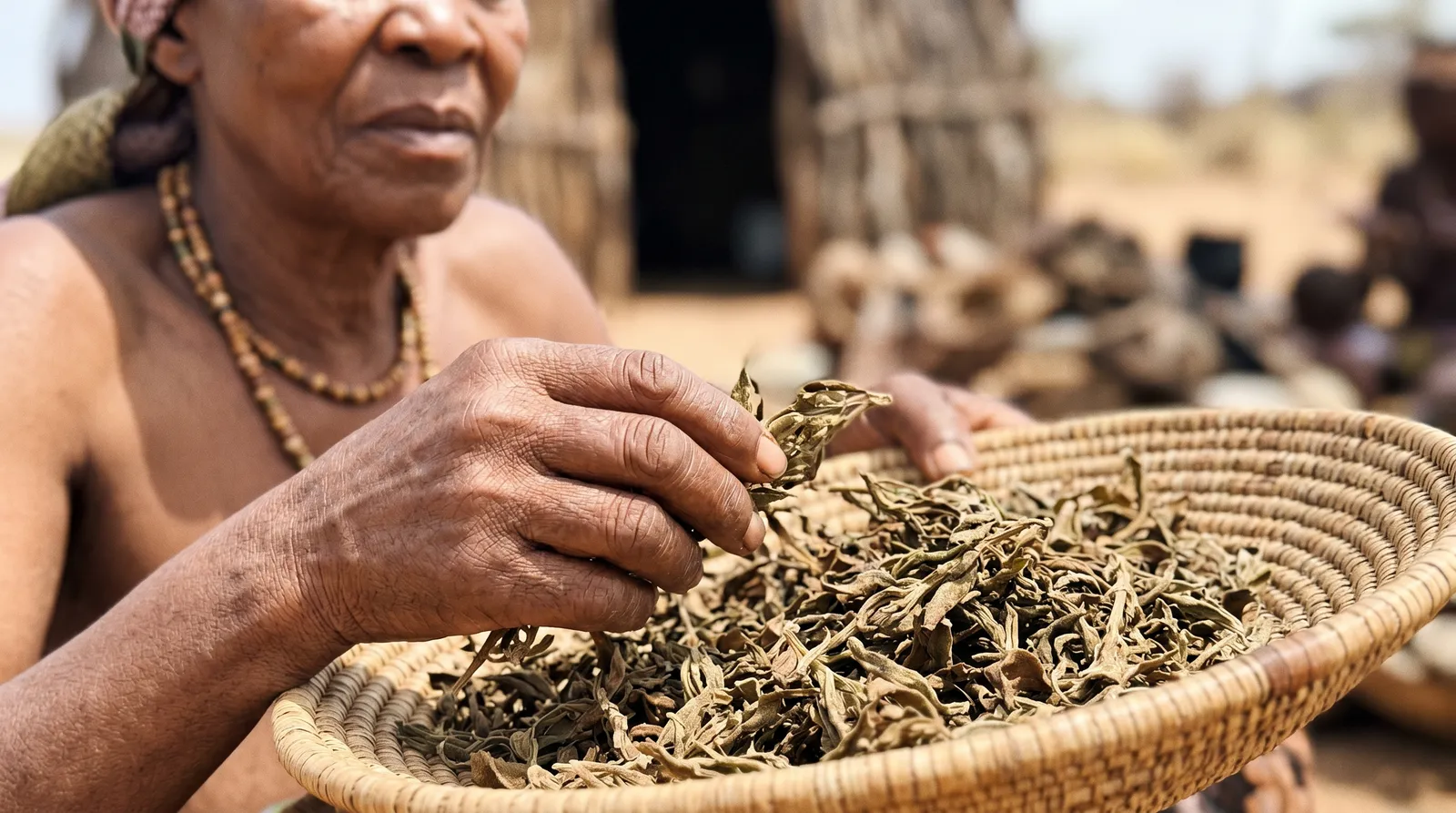
Modern ethnobotanical researchers like Smith et al. (1996) and Gericke and Viljoen (2008) have worked to document surviving knowledge, but they're candid about the limitations. What remains in the published literature is a sketch, not a complete picture. Claims about "ancient San wisdom" that appear in marketing copy tend to romanticise and oversimplify a tradition that was practical, locally specific, and far more varied than any single narrative suggests.
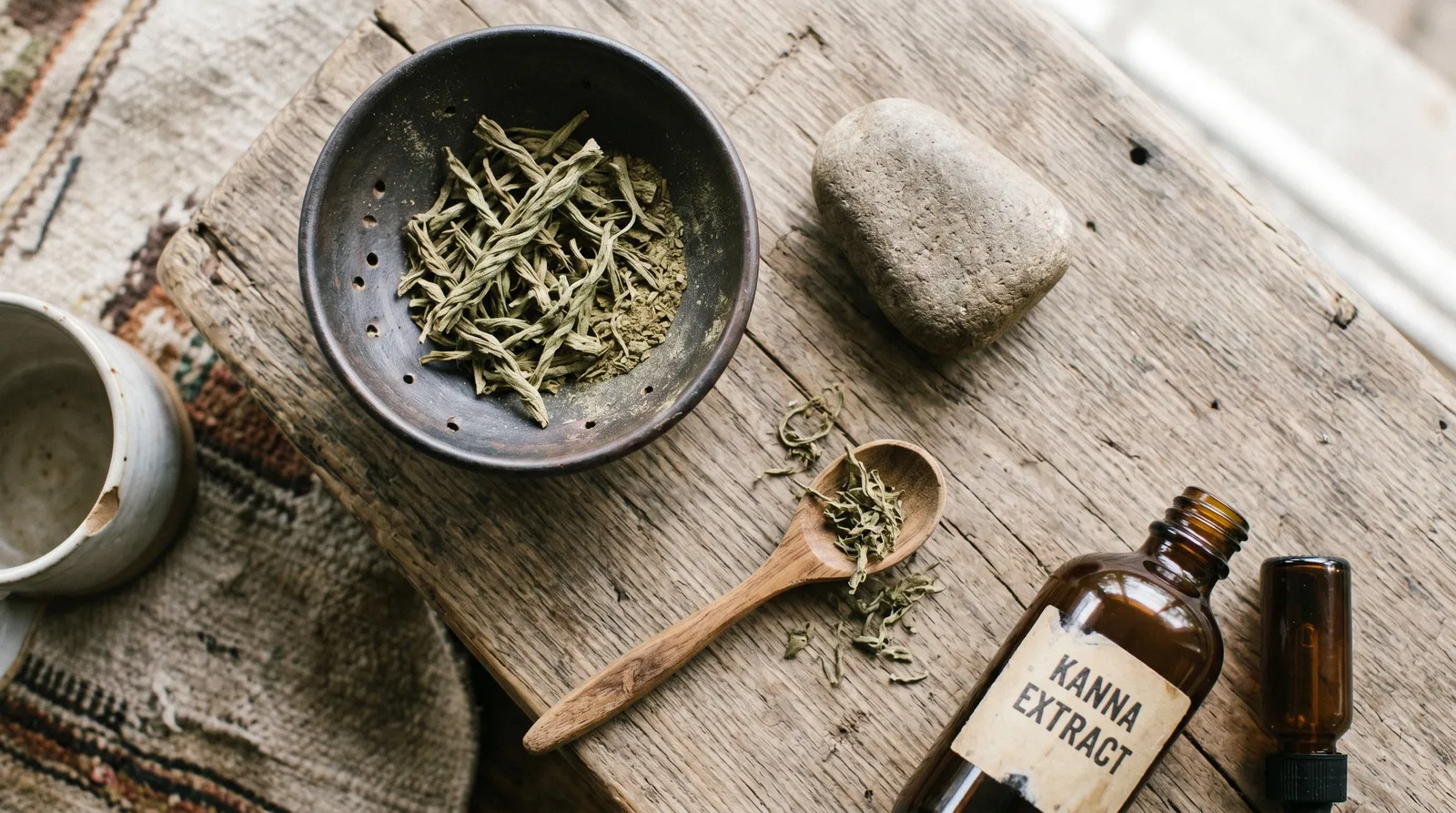
Traditional Kougoed vs Modern Kanna Products
Traditional fermented kougoed and modern kanna products differ substantially in preparation, alkaloid concentration, and mode of use. The following table summarises the key differences:
| Feature | Traditional Kougoed | Modern Kanna Products |
|---|---|---|
| Preparation | Harvested, bruised, fermented in sealed bags for days | Dried, ground, or chemically extracted; often standardised |
| Alkaloid profile | Natural ratios; lower mesembrine concentration; reduced oxalates | Concentrated extracts (e.g. 10:1, 50:1); altered alkaloid ratios |
| Primary mode of use | Buccal (chewing quid) | Capsules, powders, sublingual, insufflation |
| Typical potency | Mild; unconcentrated whole plant | Variable; extracts can be many times stronger |
| Cultural context | Social, everyday, and ritual settings within Khoisan communities | Individual use; smartshop and supplement contexts |
| Fermentation | Always fermented; considered essential | Rarely fermented; most products skip this step |
If you want to buy kanna today — whether as raw herb, fermented material, or a standardised extract like Zembrin — it's important to understand that you're getting something fundamentally different from what the San and Khoekhoe used. Products like kanna extract capsules or kanna powder from Azarius offer convenience and consistent dosing, but the alkaloid profile, delivery method, and overall experience are not the same as chewing a quid of traditionally fermented kougoed. Anyone looking to order kanna should keep this distinction firmly in mind. For broader context on how kanna fits into the wider world of natural mood-support herbs, the Azarius kanna category page and the Azarius encyclopedia entry on Sceletium tortuosum are worth reading. You might also compare kanna with other ethnobotanicals like blue lotus or kratom to get a sense of where it sits on the spectrum.
How Traditional Kanna Compares to Other Ethnobotanicals
Compared to other traditionally used psychoactive plants, kougoed sits at the milder end of the spectrum — closer to coca leaf chewing or khat than to ayahuasca or iboga. Where coca leaf provides gentle stimulation through low-dose cocaine alkaloids, and khat delivers cathinone-driven alertness, kougoed offered serotonergic mood elevation without pronounced stimulant effects. All three share a common thread: the traditional preparation (chewing whole or minimally processed plant material) delivers a qualitatively different experience from modern concentrated forms. This comparison helps contextualise why the traditional San and Khoekhoe use of kanna was integrated into daily life rather than reserved for rare ceremonial occasions — it was a functional, low-intensity tool, not an overwhelming psychedelic.
A Note on Serotonergic Activity and Safety
Mesembrine, the principal alkaloid in Sceletium tortuosum, has demonstrated serotonin reuptake inhibition in vitro, making drug interactions a serious concern regardless of whether the kanna is traditional or modern. This means that kanna — in any form — should not be combined with SSRIs, SNRIs, MAOIs, tricyclic antidepressants, or other serotonergic substances (including 5-HTP, St John's Wort, and MDMA). The risk is serotonin syndrome, a rare but potentially serious condition. Traditional Khoisan users obviously weren't taking pharmaceutical antidepressants, but modern users reading about traditional practices and deciding to try kanna need to be aware of this interaction. Anyone currently taking antidepressant medication should not use kanna without medical supervision.
One thing we genuinely don't know — and we think this is worth admitting — is exactly how much mesembrine was present in traditionally fermented kougoed. The published analyses of fermented material are limited, and the fermentation conditions (temperature, duration, microbial flora) would have varied enormously between batches and regions. Anyone who tells you they've perfectly recreated "authentic traditional kanna" is overstating their case.
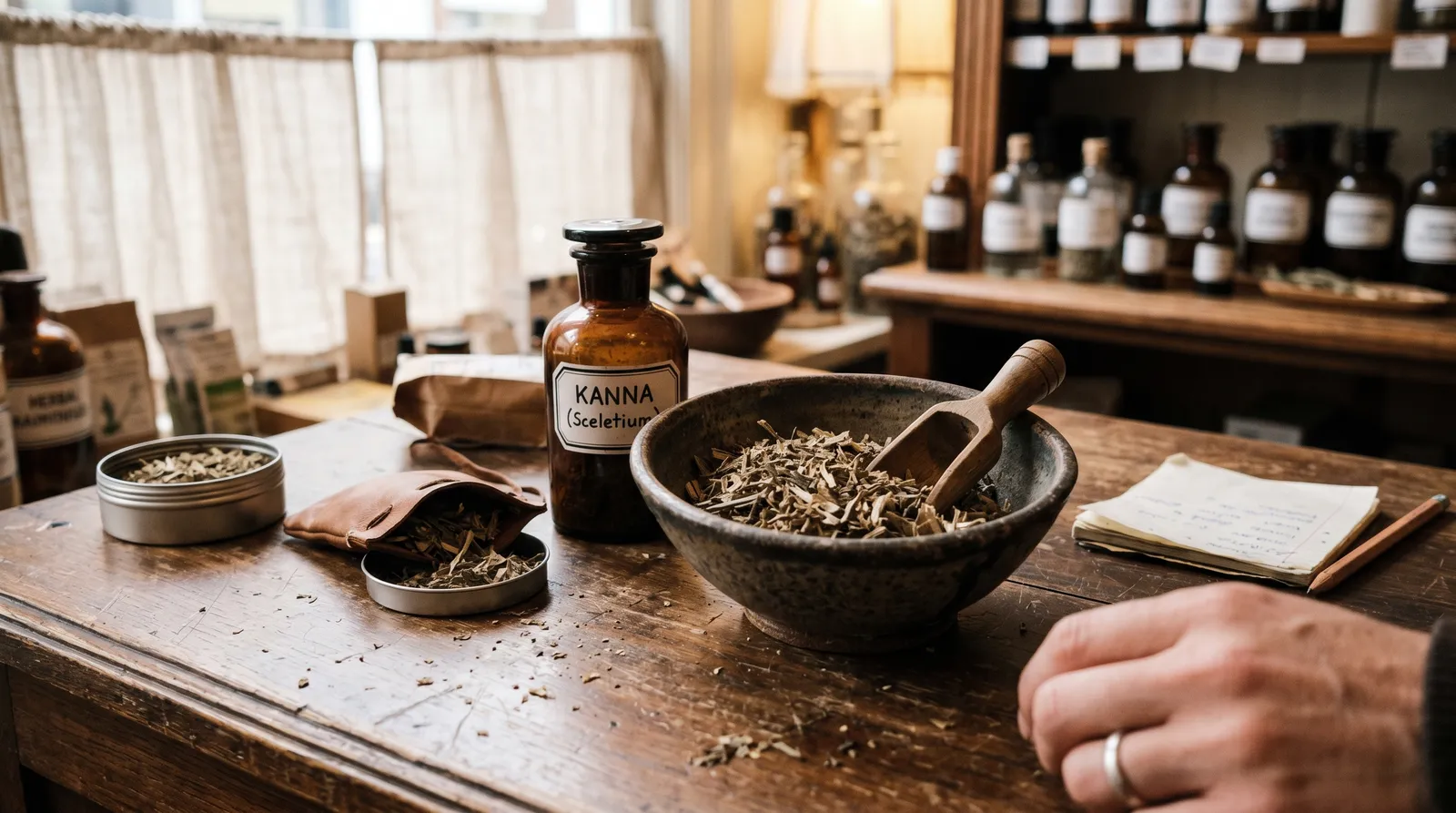
A regular customer once asked us whether he should get kanna extract or the raw herb to "do it the traditional way." We told him the truth: even the raw herb we sell isn't fermented in the traditional manner, so neither option is a genuine replica of kougoed. He ended up trying both and told us the raw herb chewed slowly felt more grounded, while the extract was more noticeable. That kind of honest comparison is more useful than pretending any product on our shelves is an ancient artefact. If you're curious about trying kanna yourself, you can order kanna extract, kanna raw herb, or kanna UC2 extract from Azarius — just go in with realistic expectations about what you're getting.
Frequently Asked Questions
What does the word kougoed mean?
Kougoed translates roughly as "something to chew" or "chewable thing" in Khoekhoe. It refers to the fermented aerial parts of Sceletium tortuosum, prepared by bruising and fermenting the plant material in sealed containers for several days before use.
Did the San and Khoekhoe use kanna differently from each other?
Both groups chewed fermented kougoed, though specific practices likely varied by region and community. The ethnographic record doesn't draw sharp distinctions between San and Khoekhoe kanna use, partly because colonial observers rarely documented such differences in detail.
Why did traditional users ferment kanna instead of eating it fresh?
Fermentation reduces oxalate content (which causes mouth irritation) and alters the ratios of mesembrine and other alkaloids. Traditional practitioners considered fermentation essential — the resulting product is chemically distinct from raw or simply dried Sceletium tortuosum.
Is traditional kougoed the same as modern kanna extracts?
No. Traditional kougoed is fermented whole plant material with a natural, unconcentrated alkaloid profile. Modern extracts concentrate mesembrine significantly, producing substantially different potency. Dose ranges and pharmacokinetic profiles are not interchangeable between the two.
Was kanna used in San healing trance dances?
Some ethnographic accounts mention kougoed being used before or during healing dances to ease fatigue and lift mood, though it was not the primary means of inducing trance states. Rhythmic dancing and hyperventilation were the central trance-induction methods.
Can I buy traditional fermented kanna today?
Some vendors offer fermented kanna products, but these are not identical to historically prepared kougoed. The fermentation conditions, plant populations, and microbial environments differ. Most kanna products available to buy today — including extracts and powders — skip the traditional fermentation step entirely.
What is the difference between kanna and kougoed?
Kanna is the common name for Sceletium tortuosum as a plant species, while kougoed specifically refers to the fermented preparation made from that plant by the San and Khoekhoe. When you order kanna products today, you are typically getting dried or extracted material, not traditionally fermented kougoed.
How strong were the effects of traditional kougoed compared to modern extracts?
Traditional kougoed produced mild mood elevation and reduced anxiety at the doses typically chewed. Modern concentrated extracts — such as 10:1 or 50:1 preparations — contain significantly more mesembrine per gram and can produce noticeably stronger effects. The traditional San and Khoekhoe use of kanna involved unconcentrated whole plant material, making direct potency comparisons difficult.
Last updated: April 2026
Frequently Asked Questions
8 questionsWhat does the word kougoed mean?
Did the San and Khoekhoe use kanna differently from each other?
Why did traditional users ferment kanna instead of eating it fresh?
Is traditional kougoed the same as modern kanna extracts?
Was kanna used in San healing trance dances?
Can I buy traditional fermented kanna today?
How old is the San and Khoekhoe tradition of using kanna?
What plant parts did traditional users prepare as kougoed?
About this article


Adam Parsons is an external cannabis and psychedelics writer and editor who contributes to Azarius's wiki as both author and reviewer. On the writing side, he authors Azarius's kratom and kanna clusters, drawing on exten
This wiki article was drafted with AI assistance and reviewed by Adam Parsons, External contributor. Editorial oversight by Joshua Askew.
Medical disclaimer. This content is for informational purposes only and does not constitute medical advice. Consult a qualified healthcare provider before use of any substance.
Last reviewed April 19, 2026
References (6)
- [1]Gericke, N. and Viljoen, A.M. (2008). Sceletium — a review update. Journal of Ethnopharmacology , 119(3), pp. 653–663. DOI: 10.1016/j.jep.2008.07.043
- [2]Kolben, P. (1731). The Present State of the Cape of Good Hope . London.
- [3]Laidler, P.W. (1928). The magic medicine of the Hottentots. South African Journal of Science , 25, pp. 433–447.
- [4]Schapera, I. (1930). The Khoisan Peoples of South Africa: Bushmen and Hottentots . London: Routledge.
- [5]Schlebusch, C.M. et al. (2012). Genomic variation in seven Khoe-San groups reveals adaptation and complex African history. Science , 338(6105), pp. 374–379. DOI: 10.1126/science.1227721
- [6]Smith, M.T. et al. (1996). Psychoactive constituents of the genus Sceletium N.E.Br. and other Mesembryanthemaceae: a review. Journal of Ethnopharmacology , 50(3), pp. 119–130. DOI: 10.1016/0378-8741(95)01342-3
Related Articles
Blue Lotus vs Kanna: Effects & Safety
Blue lotus vs kanna compared — Nymphaea caerulea's aporphine profile against Sceletium tortuosum's mesembrine chemistry, with interaction warnings.
Lotus Clinical Research Overview
What does lotus clinical research actually show? A critical review of Nymphaea caerulea and Nelumbo nucifera pharmacology, preclinical data, and…
Kanna South Africa To West History
Sceletium tortuosum was used by San and Khoekhoe communities in southern Africa for centuries before European colonists first documented it in the 1660s.
Sceletium Tortuosum Plant
Learn about the sceletium tortuosum plant: botany, alkaloids, fermentation, safety warnings, and where to buy kanna.
Kanna Pharmacokinetics Explained
Complete guide to kanna pharmacokinetics: how Sceletium tortuosum alkaloids are absorbed, metabolised via CYP2D6, and eliminated.
Kanna Chemistry: Sceletium Alkaloids Explained
Kanna chemistry explained: mesembrine, mesembrenone, their mechanisms, how fermentation and extraction change alkaloid profiles, and why it matters…
Rapé Shamanic Snuff Guide: How to Use It Safely
A practical rapé shamanic snuff guide covering dose, kuripe technique, effects, nicotine safety, interactions and Amazonian tradition.
White Sage Salvia Apiana Cultural Smudging Guide
Salvia apiana is a non-psychoactive shrub native to southern California's coastal sage scrub, burned as ceremonial incense in Indigenous North American…
Mulungu Erythrina Traditional Amazonian Use — Bark, Alkaloids & Research
Erythrina mulungu is a Brazilian legume tree whose bark has been brewed as a calming decoction in rural folk medicine for generations.