
This article discusses psychoactive substances intended for adults (18+). If you have a health condition or take medication, consult a doctor before use. Our age policy
How To Take Kanna

Definition
Kanna (Sceletium tortuosum) is a succulent plant that can be taken sublingually, orally, chewed, or insufflated — each route producing different onset times and effect profiles. The method and material type (fermented plant material vs concentrated extract) determine the appropriate dose range. Terburg et al. (2013) demonstrated measurable effects from just 25 mg of a specific standardised extract, illustrating how dramatically potency varies across preparations.
This article is for informational purposes only. It does not constitute medical advice, and nothing here should be taken as a recommendation to self-treat any medical condition. If you are taking medication or managing a health condition, consult a qualified healthcare professional before using kanna or any other psychoactive substance. Azarius does not make therapeutic claims about kanna.
Adult audience (18+). The dosing ranges and effects described in this article apply to adult physiology. This content is not intended for minors.
Disclaimer: Kanna (Sceletium tortuosum) is a psychoactive plant with serotonergic activity. The information below is provided for harm-reduction and educational purposes only. It is not medical advice. Do not use kanna if you are taking SSRIs, SNRIs, MAOIs, tricyclic antidepressants, or other serotonergic substances. If you are pregnant, breastfeeding, or managing any health condition, consult a qualified healthcare professional before use. Azarius does not make therapeutic claims about kanna or any product mentioned on this page.
Kanna is a succulent plant (Sceletium tortuosum) that is traditionally consumed by chewing, brewing, or holding under the tongue — and the method you choose shapes the onset, intensity, and duration of the experience. Also known as channa or kougoed, understanding how to take kanna properly is the essential first step before you buy kanna or order any preparation. This isn't a substance where one size fits all: the difference between chewing fermented plant material and placing a concentrated extract under your tongue is roughly the difference between sipping a beer and doing a shot. Getting the method right matters, and getting the amount right for that method matters even more. Whether you want to buy kanna extract or get kanna plant material, the guidance below covers every common route of administration with appropriate ranges. Knowing how to take kanna correctly can mean the difference between a pleasant, measured experience and an overwhelming afternoon you'd rather forget.
Before anything else: kanna has serotonergic activity. If you are taking SSRIs, SNRIs, MAOIs, tricyclic antidepressants, or other serotonergic substances — including 5-HTP, St John's Wort, or MDMA — do not use kanna. The combination risks serotonin syndrome, a rare but potentially serious condition. For a full breakdown, see the dedicated article on kanna interactions and safety in the Azarius Encyclopedia.
Step 1: Know What You Have — Plant Material vs Extract
The single most important factor when learning how to take kanna is whether you have raw plant material or a concentrated extract — this distinction determines every decision about amounts that follows.
Fermented plant material (traditional kougoed) is the dried, bruised, and fermented aerial parts of Sceletium tortuosum. The fermentation process modifies the alkaloid profile — notably altering the ratio of mesembrine to mesembrenone and reducing oxalate content. Unfermented dried herb also exists and has a different alkaloid balance. Amounts for plant material are measured in hundreds of milligrams to grams. You can buy kanna plant material from the Azarius kanna product range, where each listing specifies the preparation type.
Extracts concentrate the Sceletium alkaloids — primarily mesembrine — relative to the raw plant. A 10:1 extract contains roughly ten times the alkaloid concentration per gram. Effective amounts for extracts are substantially smaller, often in the range of 25–150 mg depending on concentration. The serotonergic interaction risk applies with greater weight to extracts precisely because of this concentration.
If you don't know whether you're holding plant material or an extract, and at what ratio, stop here. Check the packaging. Treating a 50:1 extract like loose plant material is a fast track to an unpleasant afternoon.
Step 2: Choose Your Method of Administration
Kanna can be taken sublingually, orally, by chewing, or by insufflation — each route produces a different onset, duration, and character of effect. Published pharmacokinetic data on kanna in humans remains limited — much of what follows reflects user reports and the ethnobotanical record rather than controlled studies, so treat the timing figures as rough guides with wide individual variance. The EMCDDA has not published a formal risk assessment on Sceletium tortuosum, which is itself an indication of how limited the regulatory and clinical attention has been.
Sublingual (under the tongue)
Sublingual administration is the fastest-acting common method for how to take kanna extract. Place the powder — typically an extract — under the tongue and hold it there for 1–2 minutes before swallowing. Absorption through the oral mucosa bypasses first-pass liver metabolism, which means faster onset (some users report 10–20 minutes) and a more pronounced initial effect compared to swallowing the same amount. The taste is bitter and astringent. This is the most common method for extracts and the one most frequently described in online user communities.
Oral (swallowed)
Oral ingestion is the gentlest and most traditional way to take kanna. Swallow the material with water, pack it into capsules, or brew it as a tea. Onset is slower — typically 30–60 minutes, sometimes longer on a full stomach — and the effect curve tends to be gentler and more drawn out. This is the traditional route for fermented plant material. For tea, steep 0.5–1 g of plant material in hot (not boiling) water for 10–15 minutes. Some users add honey or lemon to cut the bitterness.
Chewing (traditional method)
Chewing is the oldest documented method for consuming kanna. The Khoisan peoples of southern Africa traditionally chewed fermented kougoed, often mixed with other plant material. The chewed material was held in the mouth, and the juices swallowed or spat. This method combines sublingual and oral absorption. Ethnobotanical accounts describe quantities roughly equivalent to a thumb-sized wad of fermented material — though translating traditional practice into precise modern amounts is not straightforward. Smith et al. (2011) documented this traditional preparation in an ethnobotanical review of Sceletium tortuosum use among the San and Khoekhoe peoples.
Insufflation (nasal)
Insufflation produces the fastest onset of any method for taking kanna. Some users insufflate finely ground kanna extract. Onset is rapid — often within minutes — and the initial intensity is notably higher than oral or sublingual routes at comparable amounts. The effect is also shorter-lived. This route is harsher on the nasal mucosa, and repeated use can cause irritation and nosebleeds. If you choose this method, use smaller amounts than you would sublingually — the bioavailability is higher, and overshooting is easy.
Step 3: Get the Amount Right for Your Method and Material
Correct amounts depend entirely on whether you have plant material or extract and which route you are using — getting this wrong is the single most common cause of unpleasant kanna experiences. The alkaloid content of plant material varies between batches, harvests, and preparations. Extracts are more consistent but still vary by manufacturer and concentration ratio. The figures below are drawn from user reports and the limited available literature — they are orientation points, not prescriptions.
| Material type | Method | Cautious starting range | Common reported range |
|---|---|---|---|
| Fermented plant material | Oral / tea | 200–500 mg | 500 mg – 2 g |
| Fermented plant material | Chewing | 200–500 mg | 500 mg – 1.5 g |
| Extract (10:1 – 20:1) | Sublingual | 25–50 mg | 50–150 mg |
| Extract (10:1 – 20:1) | Oral | 50–100 mg | 100–200 mg |
| Extract (10:1 – 20:1) | Insufflated | 15–25 mg | 25–80 mg |
Higher-concentration extracts (40:1, 50:1, or higher) require proportionally smaller amounts. A 50:1 extract at 100 mg is a very different proposition from a 10:1 extract at 100 mg — always check the concentration ratio and adjust accordingly. Amounts above the common reported ranges have not been systematically studied in clinical settings, and the risk of unpleasant side effects (nausea, headache, rapid heart rate) increases.
A note on the clinical literature: Terburg et al. (2013) used a specific standardised Sceletium extract at 25 mg in a controlled study examining effects on threat-related amygdala reactivity. That amount and result apply to that particular preparation — not to arbitrary plant material or differently standardised extracts. Transferring those numbers directly onto whatever you have in front of you would be a mistake.
Step 4: Timing, Setting, and What to Expect
Most users report feeling kanna's effects within 10–60 minutes depending on the route, with mood lift, increased sociability, and reduced anxious feelings being the most commonly described outcomes. Others describe a gentle stimulation at lower amounts and a more sedating quality at higher ones. These reports are anecdotal — clinical trials on a specific standardised extract have reported anxiolytic-type effects in small samples (Nell et al., 2013), but those findings concern that preparation specifically, and the magnitude of effect in everyday use with non-standardised material is not established.
Practical timing considerations:
- Empty stomach: oral amounts hit faster and harder. If you're trying kanna for the first time, a light meal beforehand can smooth the onset.
- Duration: most users describe effects lasting 1–3 hours, with sublingual and insufflated routes on the shorter end and oral consumption stretching longer. Individual variation is wide.
- Redosing: give the first amount at least 90 minutes before deciding it hasn't worked. Stacking because you feel nothing at 40 minutes is how people overshoot.
- Setting: for a first experience, choose somewhere comfortable and familiar. Kanna is not a psychedelic, but any psychoactive substance is better explored when you're not stressed, sleep-deprived, or in a chaotic environment.
Step 5: Avoid the Common Mistakes
Confusing plant material amounts with extract amounts is the most frequent error — this single mistake accounts for the majority of unpleasant experiences reported to us. 1 g of fermented plant material and 1 g of a 20:1 extract are wildly different experiences. Always check what you have before you take kanna in any form.
Ignoring the serotonergic risk. This bears repeating: do not combine kanna with SSRIs, SNRIs, MAOIs, tricyclic antidepressants, 5-HTP, St John's Wort, or MDMA. Fluoxetine has a particularly long half-life — its active metabolites can persist for weeks after discontinuation. If you've recently stopped any serotonergic medication, speak to a qualified clinician before using kanna. Serotonin syndrome is uncommon but can be serious, and the early symptoms (agitation, rapid heart rate, muscle twitching, diarrhoea) are easy to dismiss as general discomfort.
Starting high. Kanna's effects can be subtle at lower amounts, and the temptation to jump to a large amount is understandable. Resist it. Start at the low end of the range for your material and method, assess, and adjust next time — not mid-session.
Using kanna as self-medication for a diagnosed mental health condition. Some users describe kanna in terms that sound like self-treatment for depression or anxiety. The evidence base for kanna as a therapeutic agent is thin and limited to a specific standardised extract in small clinical samples. If you're managing a diagnosed condition, a qualified clinician is the right starting point — not a plant powder, however promising the anecdotal reports sound.
Step 6: Storage and Preparation Notes
Kanna keeps best in an airtight container stored away from direct light and moisture — a cool, dark cupboard is sufficient for both plant material and extracts. Properly stored fermented plant material remains usable for months, though alkaloid degradation over time hasn't been precisely quantified in published studies, so fresher is generally better.
If you're preparing tea, don't use boiling water straight off the kettle. Let it cool for a minute or two — around 80–90°C is reasonable. There's no solid data on whether boiling degrades mesembrine specifically, but gentler temperatures are standard practice for alkaloid-containing botanical teas and there's no reason to risk it.
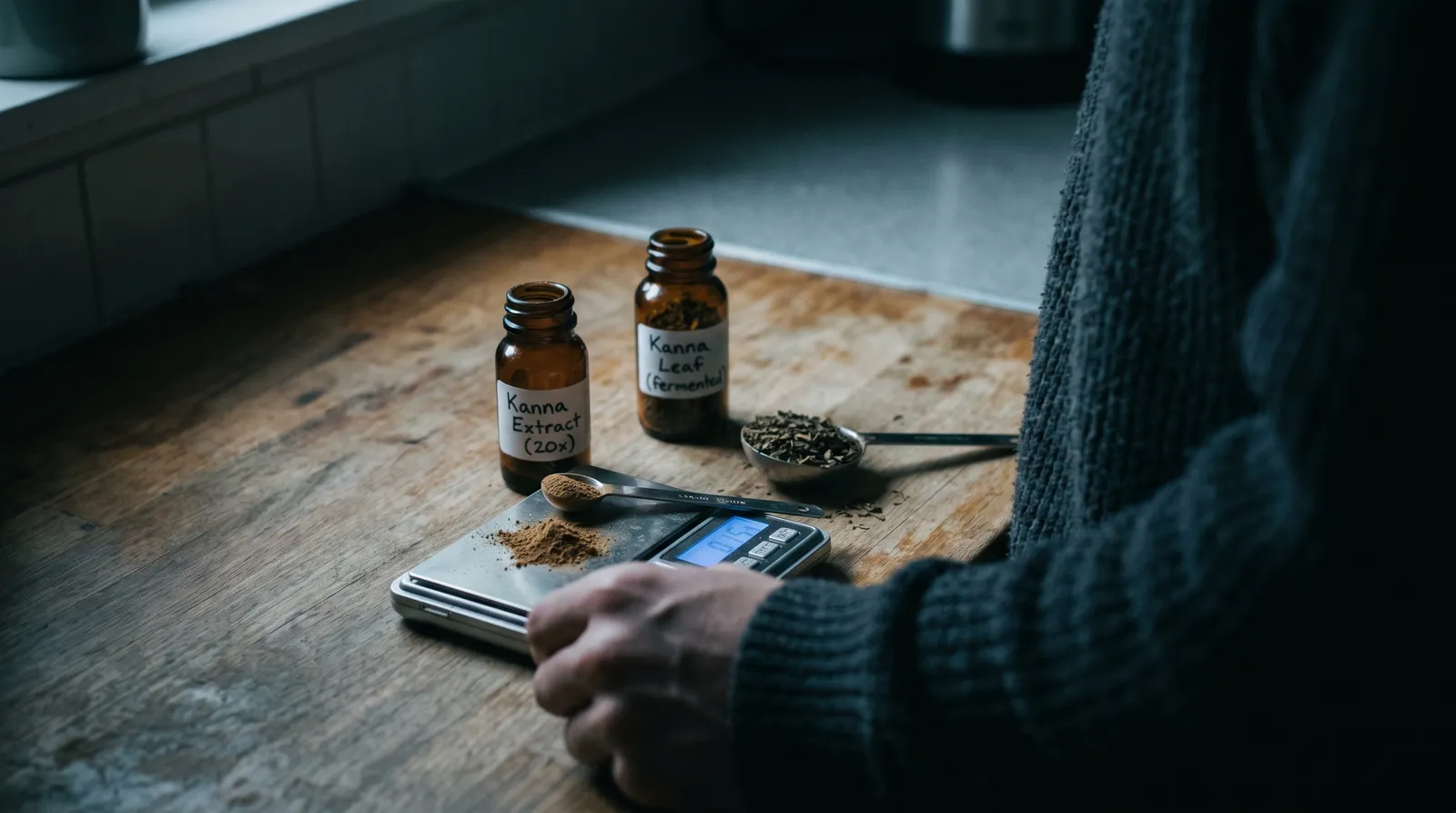
For sublingual use with powdered extract, a milligram-accurate scale (0.001 g resolution) is not a luxury — it's a basic safety tool. Eyeballing 50 mg of powder is guesswork, and guesswork with concentrated extracts is how people end up taking three times what they intended. You can get a reliable milligram scale from the Azarius smartshop accessories range.
How Kanna Compares to Other Mood-Lifting Ethnobotanicals
Kanna's serotonergic mechanism gives it a distinctly different character from most other ethnobotanicals — more mood-brightening and socially sharpening than body-heavy or sedating. Compared to kratom, which acts primarily on opioid receptors and produces effects ranging from stimulation to sedation depending on the amount used, kanna feels lighter and more cerebral. Compared to blue lotus (Nymphaea caerulea), kanna tends to be more reliably noticeable at moderate amounts, whereas blue lotus is often described as subtler and more dreamy. And compared to kava, which works through GABAergic pathways and is known for muscular relaxation, kanna's effect profile leans more toward sociability and mental clarity than physical sedation. None of these comparisons are exact — they're different plants with different pharmacology — but they help set expectations if you're coming from experience with one and considering another. You can explore all of these in the Azarius ethnobotanicals category and the Azarius kanna product range.
We should be honest about the limits here: the clinical evidence for kanna's mood-lifting effects comes from a small number of studies using one specific standardised extract. The broader ethnobotanical tradition is rich, but translating traditional use into reliable modern guidance is still a work in progress. We sell kanna because the user reports are consistently positive and the safety profile — when used responsibly and without serotonergic interactions — is favourable, but we're not going to pretend the science is as settled as the marketing sometimes suggests.
First-Time Tips for Taking Kanna
A low sublingual amount of extract (25–50 mg) or a mild oral amount of fermented plant material (200–500 mg) is the most reliable starting point for first-time kanna users gauging individual sensitivity. Knowing how to take kanna safely on your first attempt is largely about patience and preparation. Set aside an unhurried afternoon, have water on hand, and don't plan anything demanding for the next few hours. If you feel nothing after 90 minutes with an oral amount, resist the urge to redose — note the amount and try a slightly higher amount on a different day. First experiences with kanna are often subtle, and many users report that the effects become more distinct with a second or third session at the same amount, which may reflect individual variation in metabolism or simply knowing what to pay attention to.
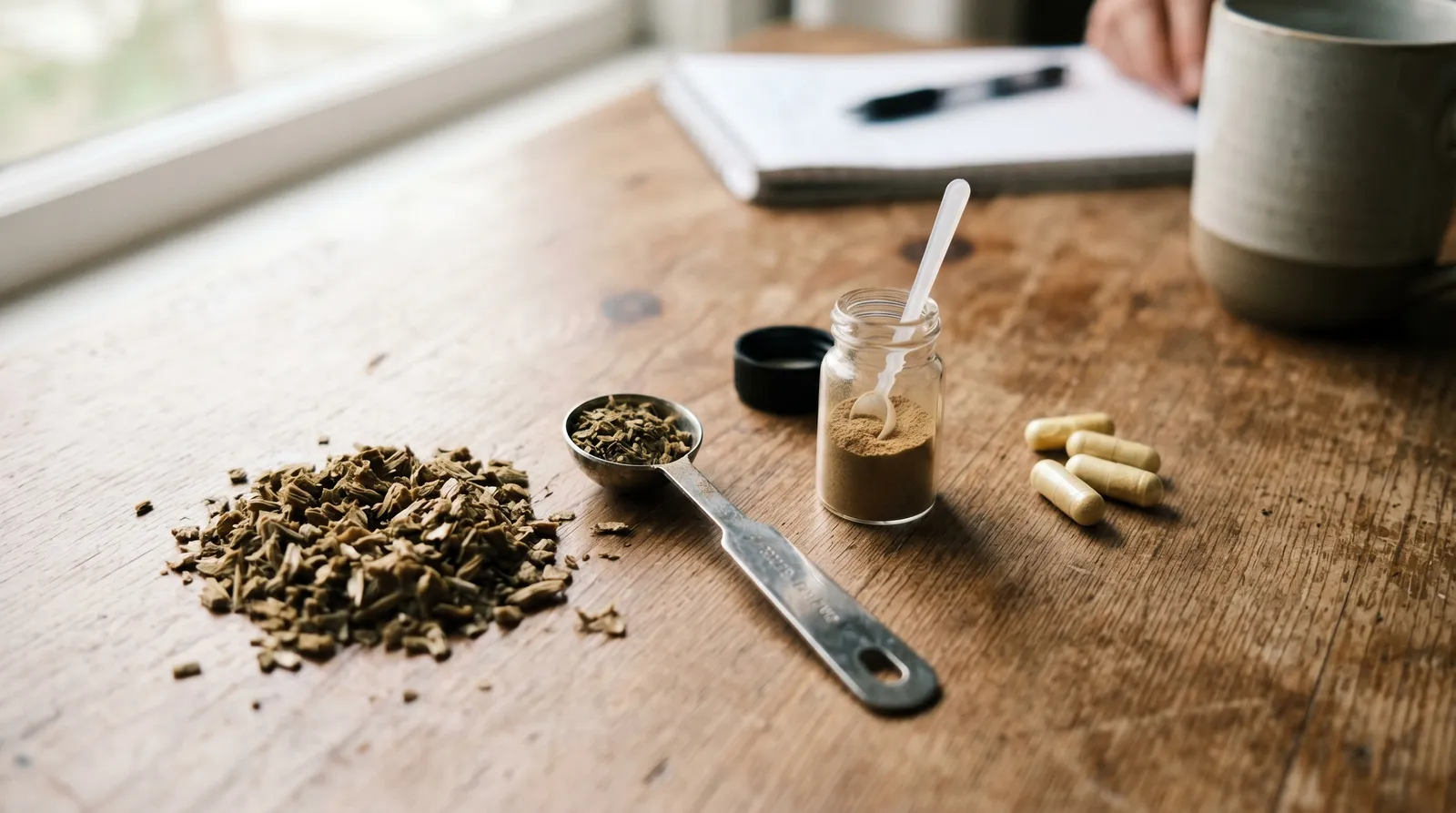
Kanna and Food: What to Eat (or Not) Before Taking It
Food in the stomach slows oral absorption and generally softens the onset of kanna's effects — a useful buffer for first-timers but sometimes unwanted by experienced users seeking a sharper curve. A light, low-fat snack 30–60 minutes beforehand is the most commonly recommended approach in user communities. Heavy or fatty meals can delay onset by an hour or more, which leads some people to redose prematurely and overshoot. Sublingual and insufflated routes largely bypass the digestive tract, so stomach contents matter less for those methods. The ethnobotanical record doesn't specify dietary rules around kanna use, and no published study has isolated the effect of food timing on Sceletium alkaloid absorption, so this is practical guidance drawn from collective experience rather than clinical data.
Tolerance and Frequency: How Often Can You Take Kanna?
Kanna does not appear to produce rapid tolerance in the way that some stimulants do, but daily use over extended periods is not well-studied. Most experienced users in online communities report using kanna 2–4 times per week without noticeable tolerance buildup, though individual variation is significant. Some users describe a "reverse tolerance" effect in the first few sessions — where the plant seems to become more noticeable with repeated use at the same amount — though this has not been confirmed in any controlled study. If you find yourself needing substantially more to achieve the same effect, that's a signal to take a break rather than escalate. The long-term safety profile of frequent kanna use has not been established in clinical research, and we think it's important to be upfront about that gap in the evidence. Occasional, intentional use with breaks between sessions is the most conservative approach and the one we'd suggest to anyone asking how to take kanna responsibly over time.
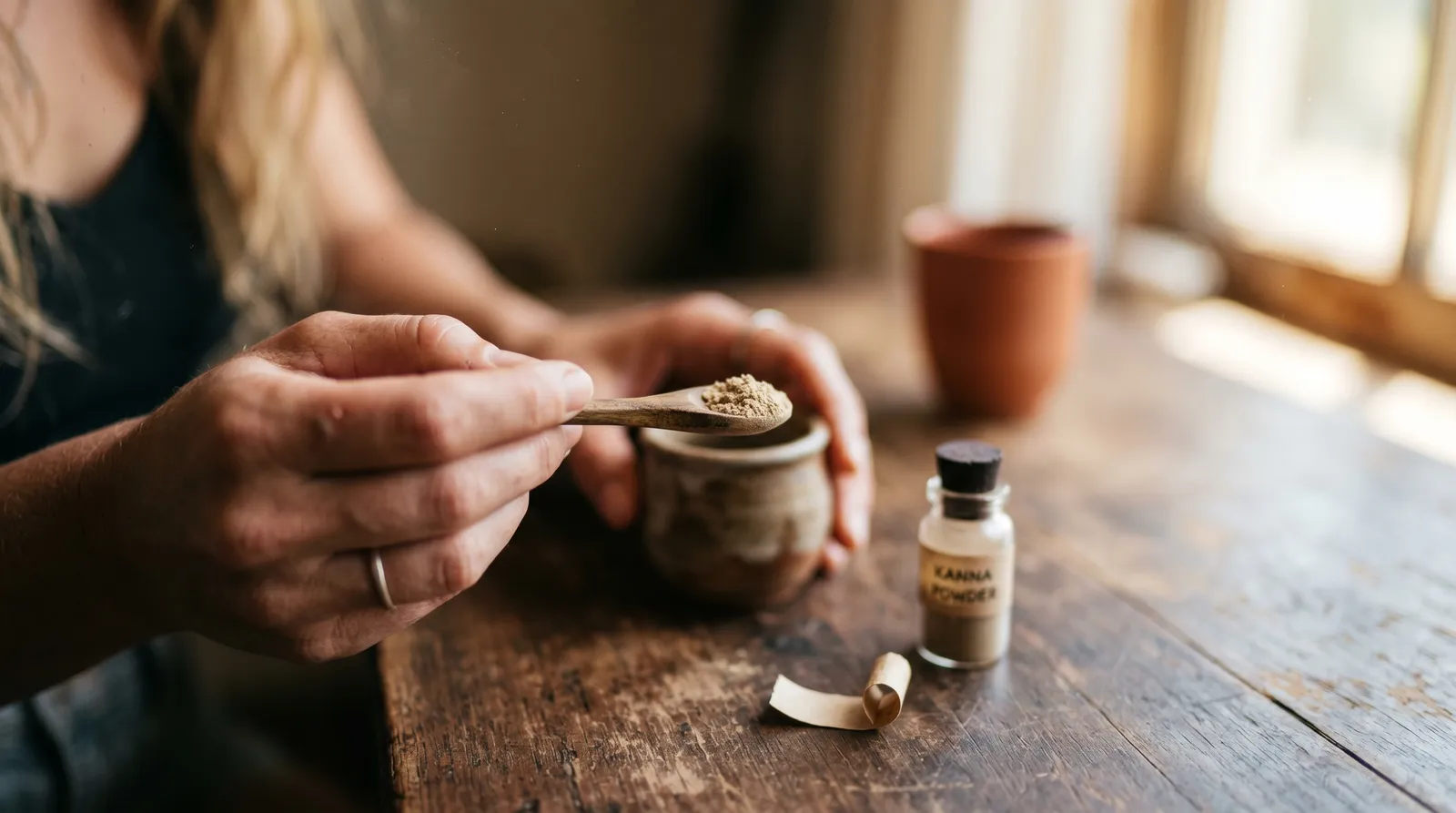
Where to Buy Kanna
Azarius stocks fermented kanna plant material, standardised extracts at various concentration ratios, and pre-measured options — each product listing specifies the preparation type and extract ratio so you can match the amount to the guidelines in this article. You can buy kanna online from Azarius, and when you order kanna, the product description always tells you exactly what you're getting. The Azarius kanna product range includes traditional kougoed as well as concentrated extracts for sublingual or oral use. For anyone working with concentrated extracts, we also recommend picking up a milligram scale from the Azarius smartshop accessories — it's a small investment that makes a real difference to safety and consistency. You can also explore the broader Azarius ethnobotanicals category if you're interested in comparing kanna with kratom, kava, blue lotus, or other mood-lifting botanicals, and the Azarius Encyclopedia wiki has detailed articles on each of these plants.
Frequently Asked Questions
Can you take kanna on an empty stomach?
You can, and oral amounts tend to hit faster that way. If it's your first time, eating a light meal beforehand can smooth the onset and reduce the chance of nausea. Sublingual and insufflated routes are less affected by stomach contents since absorption happens through mucous membranes.

How long does it take for kanna to kick in?
It depends on the route. Insufflation is fastest — often within minutes. Sublingual typically takes 10–20 minutes. Oral consumption takes 30–60 minutes, sometimes longer with food. These are approximate figures from user reports; published pharmacokinetic data in humans is limited.
What is the difference between kanna plant material and kanna extract amounts?
Extracts concentrate the active alkaloids, so effective amounts are much smaller. A common oral amount of fermented plant material is 500 mg–2 g, while a 10:1–20:1 extract might be 50–200 mg orally. Treating extract amounts as plant material amounts — or vice versa — is the most common mistake.
Is sublingual kanna stronger than swallowing it?
At the same amount, sublingual administration tends to produce a faster onset and a more noticeable initial effect because it partially bypasses first-pass liver metabolism. The trade-off is a shorter duration. The total amount absorbed may be similar, but the effect curve feels different.
How long do the effects of kanna last?
Most users report 1–3 hours, with insufflated and sublingual routes on the shorter end and oral consumption lasting longer. Individual variation is wide, and extract concentration, amount used, and whether you've eaten all influence duration. Controlled duration data in humans is sparse.
Where can I buy kanna online?
Azarius stocks a range of kanna products including fermented plant material and concentrated extracts at various ratios. When you order, check the product description for the extract concentration so you can match the amount to the guidelines in this article.
Can you mix kanna with other herbs or supplements?
Kanna has serotonergic activity, so combining it with other serotonergic substances — including 5-HTP, St John's Wort, and MDMA — is dangerous and risks serotonin syndrome. Combining kanna with non-serotonergic herbs like kava or blue lotus is reported by some users, but any combination of psychoactive substances adds unpredictability. Try each substance on its own first and consult a healthcare provider if you are unsure about interactions.
What does kanna taste like?
Fermented kanna plant material has a distinctive bitter, astringent flavour with a sharp, almost vinegar-like edge — most people find it unpleasant to hold in the mouth for long. Extracts are more concentrated but less bulky, so the taste is intense but brief when taken sublingually. Brewing kanna as a tea and adding honey or lemon is the most palatable option for those sensitive to bitter flavours.
Related Products
If you're looking to order different forms and concentrations, the plant material and extracts in the Azarius kanna selection cover the full range discussed above — from traditional fermented kougoed to concentrated extracts. You can also get a milligram scale from the Azarius smartshop accessories range, which we genuinely recommend for anyone working with concentrated extracts. The Azarius ethnobotanicals category page is worth browsing if you want to compare kanna with other mood-lifting botanicals like kava, kratom, or blue lotus.
Last updated: April 2026
Frequently Asked Questions
10 questionsCan you take kanna on an empty stomach?
How long does it take for kanna to kick in?
What is the difference between kanna plant material and kanna extract dosing?
Is sublingual kanna stronger than swallowing it?
How long do the effects of kanna last?
Where can I buy kanna online?
Can you mix kanna with other substances like alcohol or cannabis?
Does kanna need to be fermented before use?
Can you build a tolerance to kanna?
What is the best time of day to take kanna?
About this article


Adam Parsons is an external cannabis and psychedelics writer and editor who contributes to Azarius's wiki as both author and reviewer. On the writing side, he authors Azarius's kratom and kanna clusters, drawing on exten
This wiki article was drafted with AI assistance and reviewed by Adam Parsons, External contributor. Editorial oversight by Joshua Askew.
Medical disclaimer. This content is for informational purposes only and does not constitute medical advice. Consult a qualified healthcare provider before use of any substance.
Last reviewed April 24, 2026
References (5)
- [1]Nell, H. et al. (2013). "Safety, tolerability, and anxiolytic-like effects of a standardized Sceletium tortuosum extract in healthy adults: a randomized, double-blind, placebo-controlled trial." Journal of Alternative and Complementary Medicine , 19(11), 898–904. DOI: 10.1089/acm.2012.0185
- [2]Smith, M.T. et al. (2011). "Psychoactive constituents of the genus Sceletium N.E.Br. and other Mesembryanthemaceae: a review." Journal of Ethnopharmacology , 50(3), 119–130.
- [3]Terburg, D. et al. (2013). "Acute effects of Sceletium tortuosum (Zembrin), a dual 5-HT reuptake and PDE4 inhibitor, in the human amygdala and its connection to the hypothalamus." Neuropsychopharmacology , 38(13), 2708–2716. DOI: 10.1038/npp.2013.183
- [4]Gericke, N. & Viljoen, A.M. (2008). "Sceletium — a review update." Journal of Ethnopharmacology , 119(3), 653–663. DOI: 10.1016/j.jep.2008.07.043
- [5]EMCDDA (European Monitoring Centre for Drugs and Drug Addiction). No formal risk assessment published for Sceletium tortuosum as of 2026.
Related Articles
Blue Lotus vs Kanna: Effects & Safety
Blue lotus vs kanna compared — Nymphaea caerulea's aporphine profile against Sceletium tortuosum's mesembrine chemistry, with interaction warnings.
Lotus Clinical Research Overview
What does lotus clinical research actually show? A critical review of Nymphaea caerulea and Nelumbo nucifera pharmacology, preclinical data, and…
Kanna South Africa To West History
Sceletium tortuosum was used by San and Khoekhoe communities in southern Africa for centuries before European colonists first documented it in the 1660s.
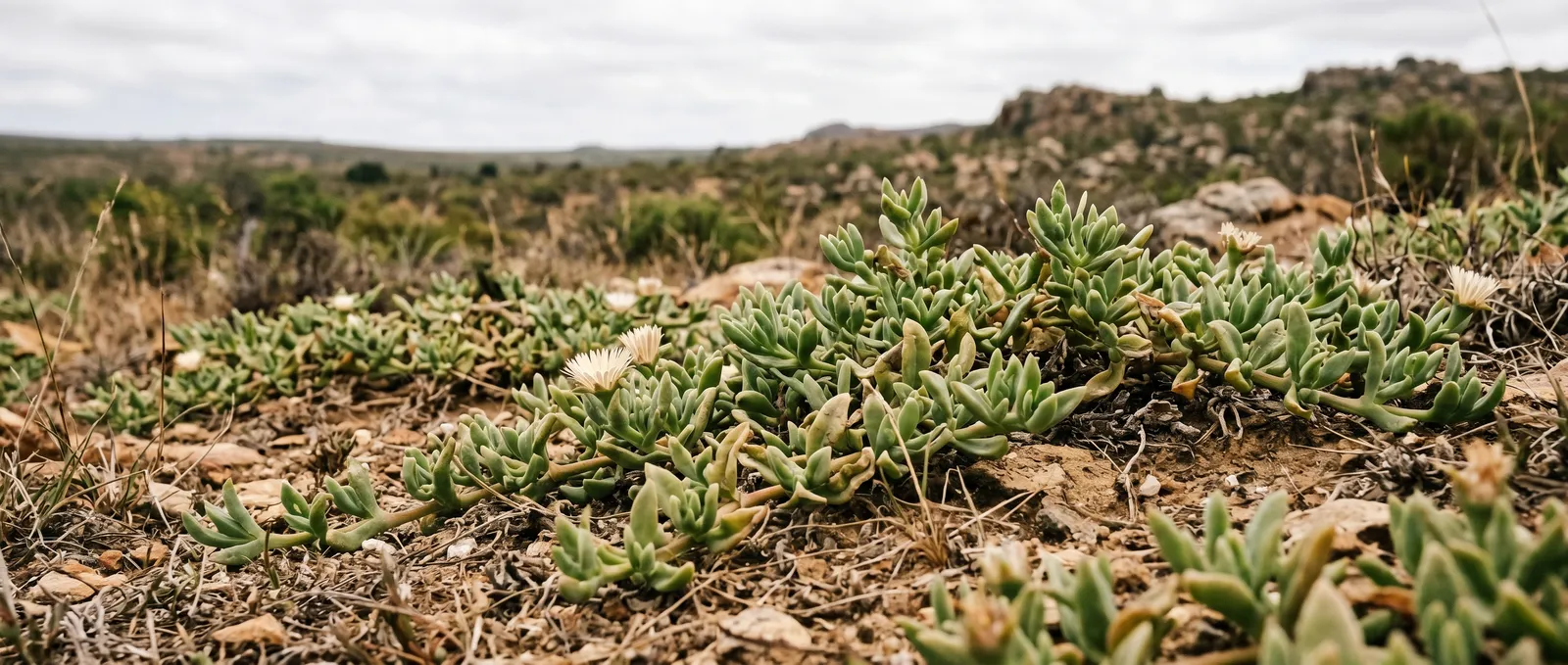
Sceletium Tortuosum Plant
Learn about the sceletium tortuosum plant: botany, alkaloids, fermentation, safety warnings, and where to buy kanna.
Kanna Pharmacokinetics Explained
Complete guide to kanna pharmacokinetics: how Sceletium tortuosum alkaloids are absorbed, metabolised via CYP2D6, and eliminated.
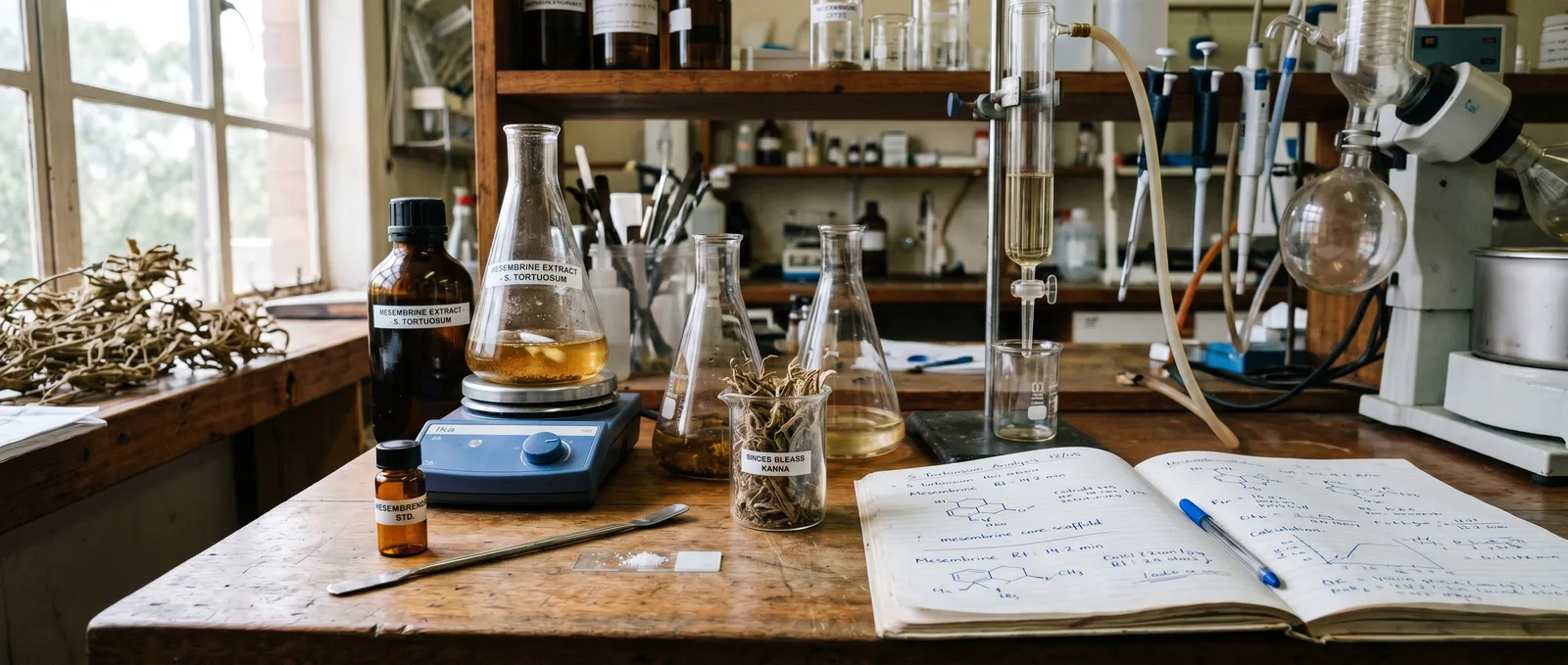
Kanna Chemistry: Sceletium Alkaloids Explained
Kanna chemistry explained: mesembrine, mesembrenone, their mechanisms, how fermentation and extraction change alkaloid profiles, and why it matters…

Rapé Shamanic Snuff Guide: How to Use It Safely
A practical rapé shamanic snuff guide covering dose, kuripe technique, effects, nicotine safety, interactions and Amazonian tradition.
White Sage Salvia Apiana Cultural Smudging Guide
Salvia apiana is a non-psychoactive shrub native to southern California's coastal sage scrub, burned as ceremonial incense in Indigenous North American…
Mulungu Erythrina Traditional Amazonian Use — Bark, Alkaloids & Research
Erythrina mulungu is a Brazilian legume tree whose bark has been brewed as a calming decoction in rural folk medicine for generations.