
This article discusses psychoactive substances intended for adults (18+). If you have a health condition or take medication, consult a doctor before use. Our age policy
Lotus Pharmacokinetics
Definition
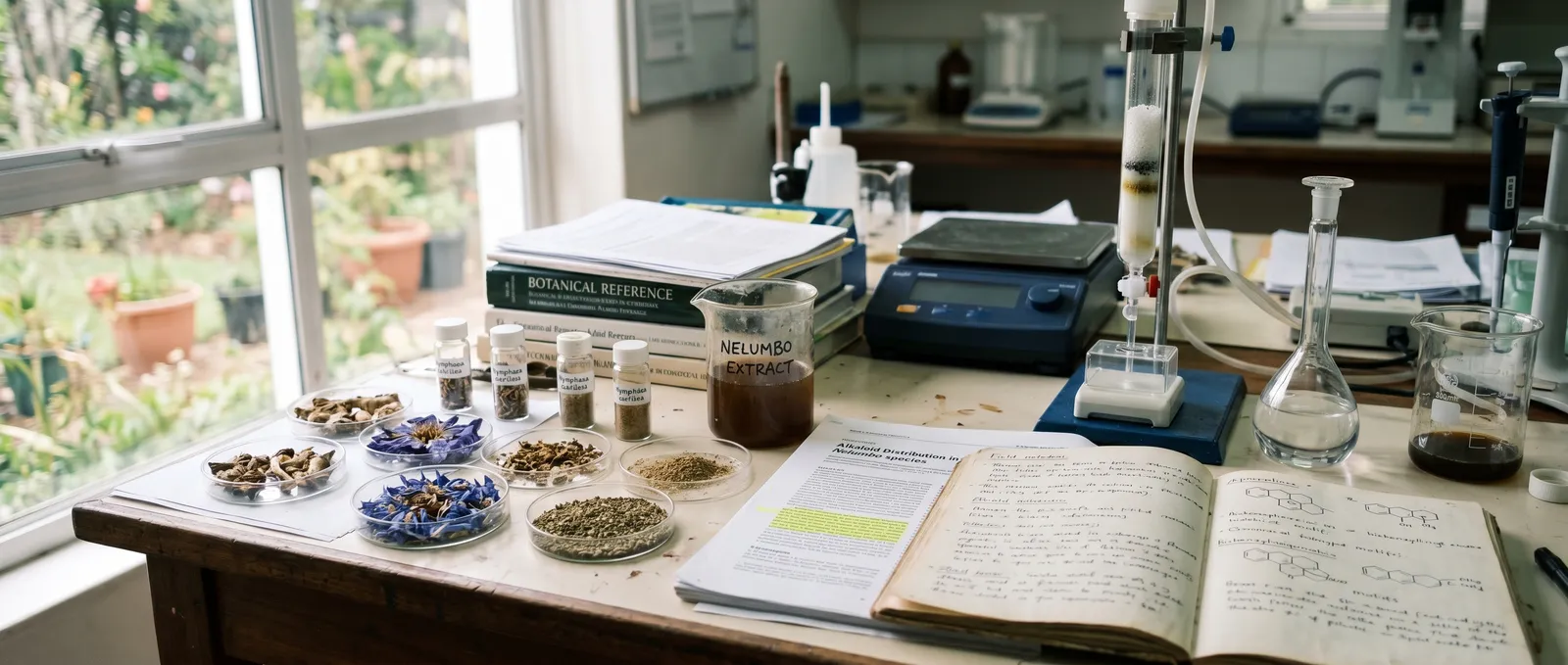
Lotus pharmacokinetics is a branch of ethnobotanical pharmacology that describes how the body absorbs, distributes, metabolises, and excretes the aporphine alkaloids found in Nymphaea caerulea (blue lotus) and Nelumbo nucifera (pink lotus). According to Ye et al. (2014), oral nuciferine bioavailability in rats sits at roughly 3–5%, with extensive first-pass hepatic metabolism shaping the effective dose across different routes of administration.
Lotus pharmacokinetics is a branch of ethnobotanical pharmacology that studies how the human body absorbs, distributes, metabolises, and excretes the aporphine and bisbenzylisoquinoline alkaloids found in lotus species. Most of what we know about lotus pharmacokinetics centres on nuciferine, the principal aporphine alkaloid shared (in varying concentrations) by both Nymphaea caerulea (blue lotus) and Nelumbo nucifera (pink/sacred lotus). According to Ye et al. (2014), oral nuciferine in rats showed rapid absorption but low absolute bioavailability — roughly 3–5% — owing to extensive first-pass hepatic metabolism. Human data remains thin. This article unpacks what the existing research tells us about lotus pharmacokinetics, where the gaps sit, and why route of administration matters more than most people assume. If you want to buy blue lotus or sacred lotus products, understanding these lotus pharmacokinetics basics helps you choose between shredded petals, extracts, and tinctures with realistic expectations.
Adult audience (18+). The dosing ranges and effects described in this article apply to adult physiology. This content is not intended for minors.
Disclaimer: This article is for educational purposes only and does not constitute medical advice. Lotus alkaloids are pharmacologically active substances with potential drug interactions and cardiovascular effects. Consult a qualified healthcare professional before using lotus products, especially if you take prescription medications, have cardiovascular conditions, or are pregnant or breastfeeding. The pharmacokinetic data discussed here derives primarily from animal studies; human data is largely absent. Nothing on this page should be interpreted as a recommendation to self-medicate, diagnose, or treat any condition with lotus-derived products.
What Pharmacokinetics Actually Means Here
Lotus pharmacokinetics refers to the four ADME phases — absorption, distribution, metabolism, and excretion — as they apply specifically to the aporphine and bisbenzylisoquinoline compounds in Nymphaea and Nelumbo species. For lotus alkaloids, each phase has quirks worth understanding — particularly because the two genera people commonly call "lotus" (Nymphaea and Nelumbo) contain overlapping but distinct alkaloid profiles, and the route you choose (tea, smoking, tincture, concentrated extract) changes the ADME picture dramatically.

The alkaloid that has received the most pharmacokinetic attention is nuciferine, an aporphine-class compound found in both Nymphaea caerulea and Nelumbo nucifera. In the Nymphaea species (blue and white lotus), nuciferine sits alongside apomorphine as a co-principal alkaloid. In Nelumbo nucifera (pink/sacred lotus), nuciferine is joined by bisbenzylisoquinoline alkaloids — liensinine, neferine, and nelumbine — each with its own pharmacokinetic behaviour. So when someone asks "how long does lotus last?", the honest answer depends on which species, which alkaloid, and which route.
| Alkaloid | Class | Found In | Oral Bioavailability (Rat) | Primary CYP Enzyme | Approximate Half-Life (Rat) |
|---|---|---|---|---|---|
| Nuciferine | Aporphine | Nymphaea caerulea, Nelumbo nucifera | ~3.15% | CYP2D6 | ~2.3 h (IV) |
| Apomorphine | Aporphine | Nymphaea caerulea | Very low (extensive first-pass) | Multiple CYPs, COMT, UGT | Short (~30–60 min clinically) |
| Neferine | Bisbenzylisoquinoline | Nelumbo nucifera | Modest (higher than nuciferine) | Under investigation | Not well characterised |
| Liensinine | Bisbenzylisoquinoline | Nelumbo nucifera | Not well characterised | Under investigation | Not well characterised |
| Nelumbine | Bisbenzylisoquinoline | Nelumbo nucifera | Not well characterised | Under investigation | Not well characterised |
Absorption: Route Matters Enormously
Oral bioavailability of nuciferine is approximately 3.15% in rats, making it one of the lowest among commonly discussed ethnobotanical alkaloids. The rat pharmacokinetic study by Ye et al. (2014) measured this figure directly, with peak plasma concentration (Tmax) reached around 15 minutes after dosing — suggesting rapid absorption but heavy first-pass metabolism in the liver. Extrapolating rat data to humans is always imprecise, but the broad principle of lotus pharmacokinetics holds: swallow nuciferine and your liver chews through most of it before it reaches systemic circulation.
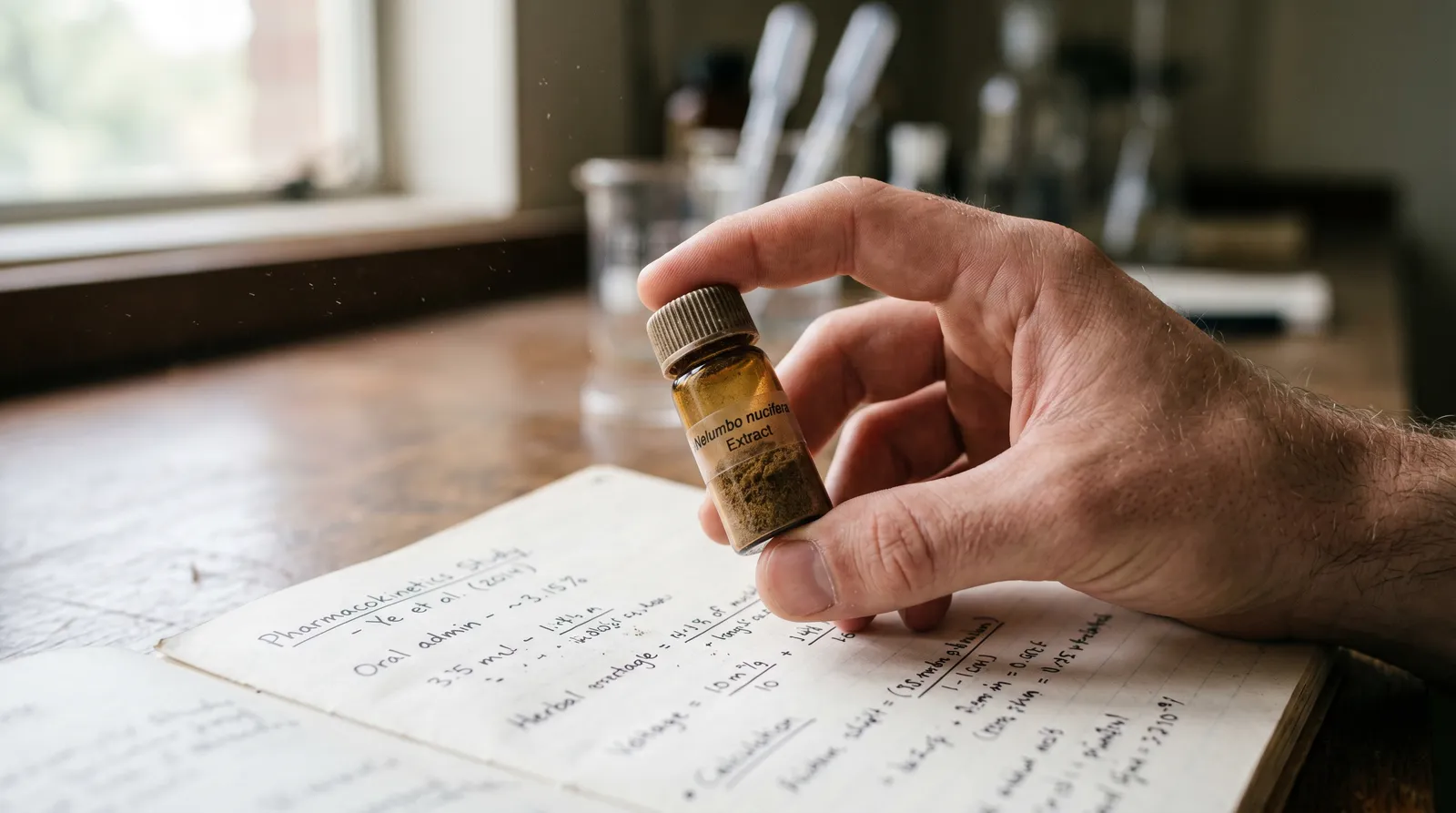
This is why route of administration is so relevant to lotus pharmacokinetics. When Nymphaea caerulea petals are smoked, the aporphine alkaloids bypass first-pass metabolism entirely, entering the bloodstream via the pulmonary capillary bed. Users consistently report faster onset (within minutes rather than 20–40 minutes for tea) and more pronounced effects from the same weight of plant material. No controlled human study has quantified the bioavailability difference between smoked and oral Nymphaea caerulea, but the pharmacological logic is straightforward: skip the liver, keep more of the active compound.
Sublingual tinctures and liquid extracts sit somewhere in between. Absorption through the oral mucosa partially bypasses hepatic first-pass metabolism, though most of the liquid inevitably gets swallowed. Users report onset times of roughly 10–20 minutes with sublingual preparations of Nymphaea caerulea extract — faster than tea, slower than smoking. For those looking to order blue lotus tincture, this middle-ground pharmacokinetic profile is part of the appeal.
For Nelumbo nucifera, the pharmacokinetic picture is more complex because the bisbenzylisoquinoline alkaloids (liensinine, neferine) have their own absorption profiles. According to You et al. (2015), neferine showed somewhat higher oral bioavailability than nuciferine in rodent models, though still modest by pharmaceutical standards.
Absorption by Route: A Quick Summary
| Route | Typical Onset | Relative Bioavailability | First-Pass Metabolism | Common Product Form |
|---|---|---|---|---|
| Oral (tea from petals) | 20–40 min | Low (~3%) | Full | Nymphaea caerulea shredded flowers |
| Sublingual (tincture) | 10–20 min | Low–moderate | Partial bypass | Blue Lotus tincture |
| Smoked | 1–5 min | Substantially higher | Bypassed | Nymphaea caerulea shredded flowers |
| Oral (concentrated extract) | 15–30 min | Low per molecule, high total load | Full | Nymphaea caerulea extract 20x |
Distribution and the Blood–Brain Barrier
Nuciferine crosses the blood–brain barrier rapidly in rats, with measurable brain concentrations appearing within minutes of intravenous dosing (Ye et al., 2014). This rapid central nervous system penetration is consistent with the compound's lipophilicity — aporphine alkaloids are relatively fat-soluble, which helps them slip across the blood–brain barrier and is a defining feature of lotus pharmacokinetics.
The brain penetration matters because the proposed mechanism of action for both Nymphaea caerulea and Nelumbo nucifera involves central dopamine receptors. Nuciferine has been characterised as a partial agonist at D2 dopamine receptors in vitro, and apomorphine (present in Nymphaea caerulea) is a well-established dopamine receptor agonist in clinical pharmacology. If these compounds couldn't cross the blood–brain barrier efficiently, the mild sedation and dream-related effects that users report would be difficult to explain pharmacologically.
The volume of distribution reported for nuciferine in rats was large (Ye et al., 2014), indicating extensive tissue uptake — the compound doesn't just float around in plasma. This is consistent with the relatively prolonged subjective effects users describe (typically 2–4 hours for Nymphaea caerulea tea, sometimes longer for concentrated extracts), even though plasma half-life appears moderate.
Metabolism: CYP Enzymes and Drug Interactions
Nuciferine is metabolised primarily by hepatic CYP2D6, with CYP1A2 playing a secondary role, according to in vitro microsomal studies (Wang et al., 2016). This CYP2D6 dependence is one of the most clinically relevant aspects of lotus pharmacokinetics, for two reasons.
First, CYP2D6 is polymorphic — roughly 5–10% of European populations are poor metabolisers, meaning they break down CYP2D6 substrates more slowly than the general population. A CYP2D6 poor metaboliser drinking Nelumbo nucifera leaf tea could theoretically experience higher plasma nuciferine levels and longer-lasting effects than an extensive metaboliser drinking the same amount. No human study has tested this directly with lotus alkaloids, but the principle is well-established for other CYP2D6 substrates like codeine and tramadol. The EMCDDA has noted similar pharmacogenomic concerns for other plant-derived psychoactive substances, reinforcing the relevance of CYP polymorphism to ethnobotanical pharmacokinetics.
Second, CYP2D6 involvement raises the possibility of metabolic drug interactions. Potent CYP2D6 inhibitors — fluoxetine, paroxetine, bupropion, quinidine — could slow nuciferine clearance and increase its effective dose. This stacks on top of the direct pharmacodynamic interactions that aporphine alkaloids already carry: because nuciferine and apomorphine interact with dopamine receptors, combining Nymphaea caerulea with dopaminergic medications (levodopa, pramipexole, ropinirole, or therapeutic apomorphine itself) risks unpredictable additive or antagonistic effects. Dopamine-receptor-active antiemetics such as metoclopramide and domperidone present a similar concern, as do MAOIs, which could theoretically slow the oxidative metabolism of aporphine compounds. The dedicated article on lotus interactions and safety covers these risks in detail.
Apomorphine analogues can also lower blood pressure. Anyone taking antihypertensives, or living with cardiovascular disease — particularly uncontrolled hypertension or hypotension — should avoid combining these substances. The cardiovascular interaction profile in humans remains poorly characterised, which is itself a reason for caution rather than reassurance.
Excretion and Duration
The plasma elimination half-life for nuciferine is approximately 2.3 hours in rats following intravenous administration (Ye et al., 2014). Oral half-life appeared somewhat longer, likely reflecting continued absorption from the gut (a "flip-flop" kinetic pattern). Translating rat half-lives to humans is imprecise — human CYP2D6 activity and renal function differ — but a rough human half-life in the range of 2–4 hours is plausible and consistent with user reports of subjective effects lasting 2–4 hours from Nymphaea caerulea tea, with residual drowsiness sometimes persisting longer.
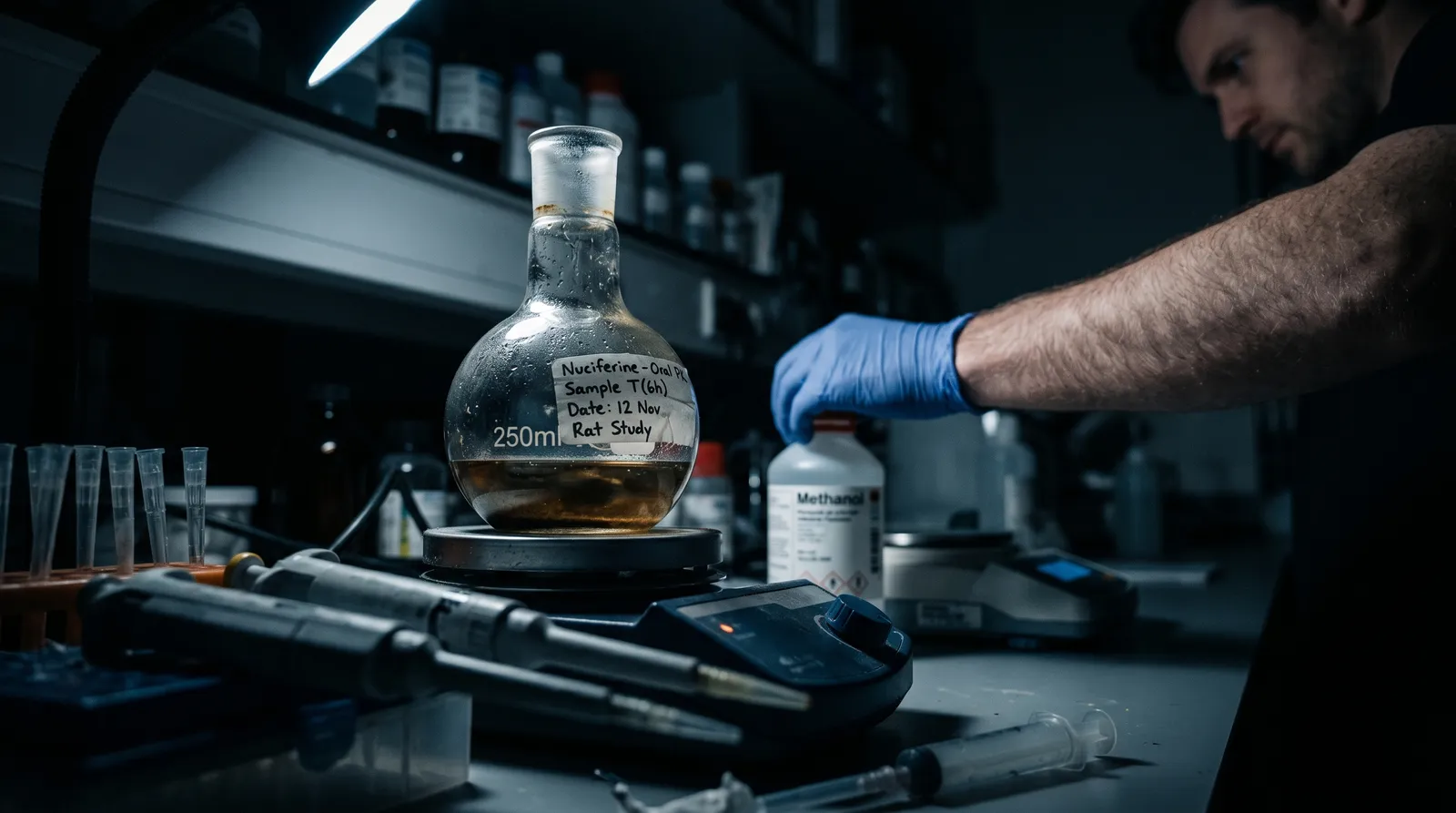
For Nelumbo nucifera, the additional bisbenzylisoquinoline alkaloids may extend the overall duration. Neferine and liensinine have their own metabolic pathways and half-lives, though human pharmacokinetic data for these compounds is even thinner than for nuciferine. Understanding lotus pharmacokinetics for these secondary alkaloids remains a significant gap in the literature.
The practical upshot: mild sedation and the dream-related effects users report make driving or operating machinery inappropriate for at least 4 hours after use — and longer if you've taken a concentrated extract, which delivers a higher alkaloid load with potentially slower clearance of the total dose.
Plant Material Versus Extract: A Pharmacokinetic Gap
Concentrated extracts produce a fundamentally different pharmacokinetic curve than shredded petals brewed as tea. Shredded petals of Nymphaea caerulea contain aporphine alkaloids at relatively low concentrations — typically in the range of 0.1–1% of dry weight, depending on the batch, harvest timing, and plant part. A cup of petal tea delivers a diffuse, low-concentration alkaloid dose absorbed slowly through the gut wall.
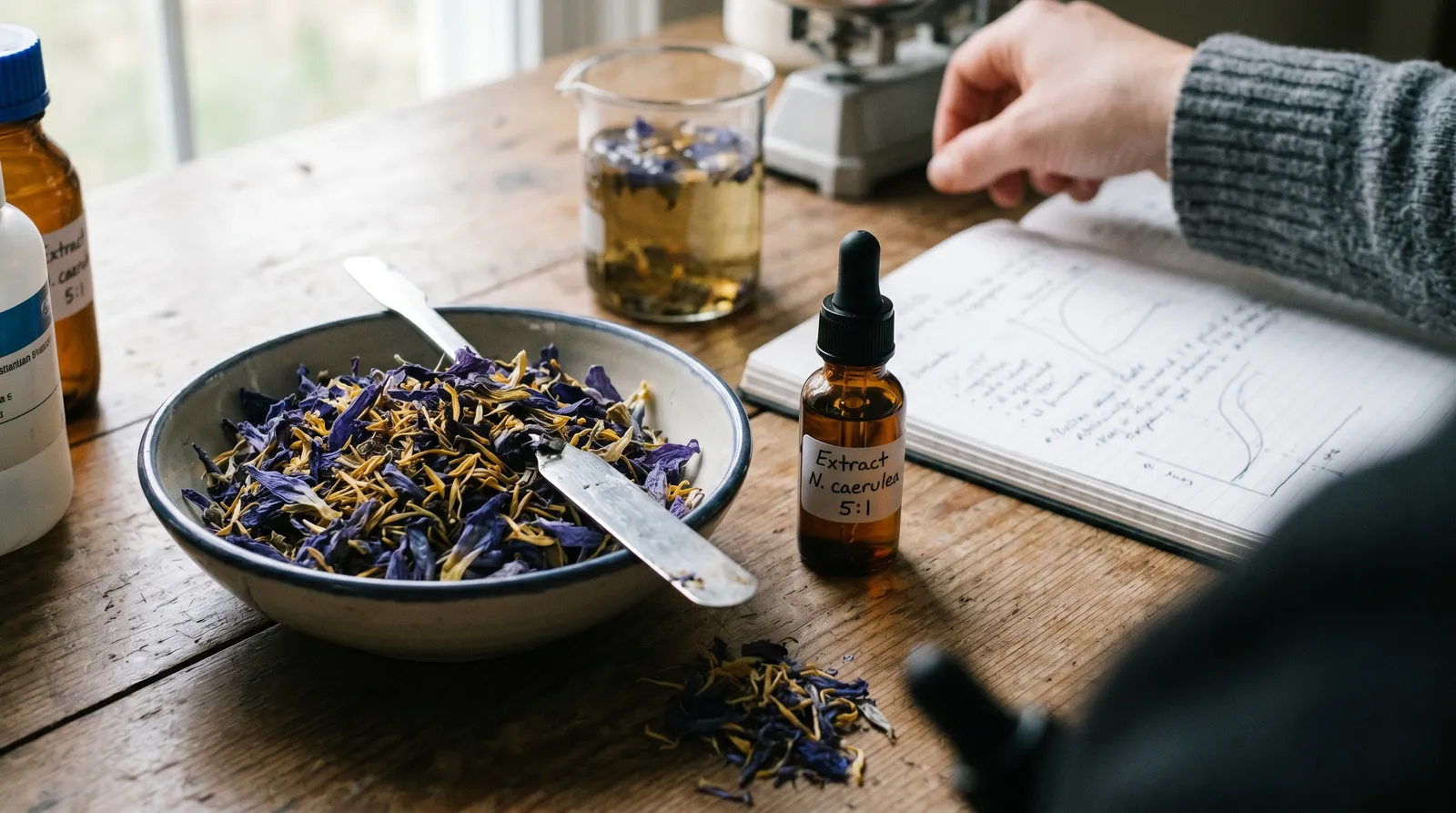
Extracts — dried, liquid, or resin — concentrate these alkaloids by factors of 5x, 10x, or more. A dose of extract that weighs a fraction of a gram can deliver the same total alkaloid load as several grams of shredded petals, but in a form that is absorbed faster and hits peak plasma levels more sharply. The lotus pharmacokinetics curve is steeper: higher Cmax, faster Tmax, and a more abrupt onset of effects. This also means the cardiovascular and dopaminergic interaction risks apply with greater weight to extracts. Dose figures for shredded petals are absolutely not interchangeable with dose figures for extracts. Anyone looking to buy blue lotus extract should understand this distinction before choosing a product — Nymphaea caerulea shredded flowers, Nymphaea caerulea extract 20x, and Blue Lotus tincture each sit at a different point on the lotus pharmacokinetics curve.
Bioavailability enhancement is an active area of research. Zhang et al. (2023) demonstrated that nanoliposomal encapsulation of nuciferine improved oral bioavailability in rodent models by protecting the compound from first-pass metabolism. This is academic for now — nobody is selling nanoliposomal lotus products — but it illustrates just how much the delivery vehicle shapes the pharmacokinetic outcome.
Lotus Pharmacokinetics Compared to Other Ethnobotanicals
Nuciferine has substantially lower oral bioavailability (~3% in rats) than most comparable ethnobotanical alkaloids, making lotus pharmacokinetics unusually sensitive to route of administration. Kratom alkaloids (mitragynine, 7-hydroxymitragynine) share the CYP2D6 metabolic pathway but achieve substantially higher oral bioavailability. Kanna alkaloids (mesembrine) are also CYP2D6 substrates but cross the blood–brain barrier with different kinetics. The table below puts lotus pharmacokinetics in context.

| Parameter | Nuciferine (Lotus) | Mitragynine (Kratom) | Mesembrine (Kanna) |
|---|---|---|---|
| Oral bioavailability | ~3% (rat) | ~20–30% (estimated) | Not well characterised |
| Primary CYP enzyme | CYP2D6 | CYP3A4, CYP2D6 | CYP2D6 |
| BBB penetration | Rapid (lipophilic) | Yes | Yes |
| Approximate duration | 2–4 h (tea) | 3–6 h | 1–3 h |
| First-pass metabolism | Extensive | Moderate | Moderate |
This comparison highlights why lotus pharmacokinetics demands particular attention to route of administration — the oral bioavailability penalty is steeper than for most comparable ethnobotanicals, making the difference between tea and smoking (or extract use) proportionally larger. If you want to get the most from a lotus product, the route you choose matters more than it does for kratom or kanna.
Why Batch Variation Complicates Lotus Pharmacokinetics
Alkaloid content in raw Nymphaea caerulea and Nelumbo nucifera plant material varies significantly between batches, harvests, and plant parts. This natural variation means that even if we had perfect human pharmacokinetic models, predicting the exact plasma curve from a given cup of tea would remain difficult. Flower petals, stamens, leaves, and seeds each carry different alkaloid ratios — a fact that compounds the already complex lotus pharmacokinetics picture.

Standardised extracts partially address this problem by targeting a consistent alkaloid concentration, but "standardised" in the ethnobotanical market rarely means pharmaceutical-grade consistency. When you buy blue lotus extract, the actual nuciferine content can still vary between production runs. This is not unique to lotus — kratom, kanna, and most other ethnobotanical products face the same quality-control challenge — but the very low oral bioavailability of nuciferine amplifies the practical consequences: a twofold variation in alkaloid content, combined with only 3% reaching systemic circulation, can mean the difference between a barely perceptible cup of tea and a noticeably sedating one.
What We Still Don't Know
Human pharmacokinetic data for any lotus alkaloid is essentially absent from the published literature. The rat studies from Ye et al. (2014) and related groups provide a useful framework, but rodent-to-human extrapolation is never clean — CYP enzyme activity, protein binding, and renal function all differ. Specific dose-response curves comparing smoking, tea, and extract routes in humans have not been published. Long-term safety of chronic use is uncharacterised. And the lotus pharmacokinetics of the bisbenzylisoquinoline alkaloids in Nelumbo nucifera (liensinine, neferine, nelumbine) are even less well mapped than nuciferine's.

None of this means lotus alkaloids are dangerous by default — it means the evidence base is thin, and anyone using these plants is, to some degree, navigating without a complete map. Treat that gap with appropriate respect, particularly around extracts and around combinations with other pharmacologically active substances.
Last updated: April 2026
Frequently Asked Questions
10 questionsWhy is oral bioavailability of nuciferine so low?
Does smoking blue lotus change its pharmacokinetics compared to tea?
Can CYP2D6 genetic variation affect how someone responds to lotus alkaloids?
How long do lotus alkaloids stay in your system?
Do Nymphaea and Nelumbo alkaloids have the same pharmacokinetics?
How do lotus pharmacokinetics compare to kratom or kanna?
Does taking lotus extract with food affect absorption of nuciferine?
Can lotus alkaloids interact with prescription medications through CYP enzyme competition?
Does tolerance to blue lotus build up with frequent use?
Is there a difference in onset time between blue lotus wine and tea?
About this article


Adam Parsons is an external cannabis and psychedelics writer and editor who contributes to Azarius's wiki as both author and reviewer. On the writing side, he authors Azarius's kratom and kanna clusters, drawing on exten
This wiki article was drafted with AI assistance and reviewed by Adam Parsons, External contributor. Editorial oversight by Joshua Askew.
Medical disclaimer. This content is for informational purposes only and does not constitute medical advice. Consult a qualified healthcare provider before use of any substance.
Last reviewed April 24, 2026
References (6)
- [1]Ye, L.-H., He, X.-X., You, C., Tao, X., Wang, L.-S., & Zhang, M.-D. (2014). Pharmacokinetics of nuciferine and N-nornuciferine, two major alkaloids from Nelumbo nucifera leaves, in rats. Journal of Pharmaceutical and Biomedical Analysis .
- [2]You, C., Tao, X., & Wang, L.-S. (2015). Pharmacokinetic studies of neferine in rodent models. Chinese Journal of Natural Medicines .
- [3]Wang, L.-S., Zhang, M.-D., & Ye, L.-H. (2016). In vitro metabolism of nuciferine by human liver microsomes: role of CYP2D6 and CYP1A2. Xenobiotica .
- [4]Zhang, M.-D. et al. (2023). Nanoliposomal encapsulation improves oral bioavailability of nuciferine in rats. Future Foods .
- [5]EMCDDA (European Monitoring Centre for Drugs and Drug Addiction). Risk assessments and pharmacogenomic considerations for plant-derived psychoactive substances.
- [6]Beckley Foundation. Research programme on plant-derived psychoactive compounds and their pharmacological profiles.
Related Articles

Blue Lotus vs Kanna: Effects & Safety
Blue lotus vs kanna compared — Nymphaea caerulea's aporphine profile against Sceletium tortuosum's mesembrine chemistry, with interaction warnings.

Lotus Clinical Research Overview
What does lotus clinical research actually show? A critical review of Nymphaea caerulea and Nelumbo nucifera pharmacology, preclinical data, and…
Kanna South Africa To West History
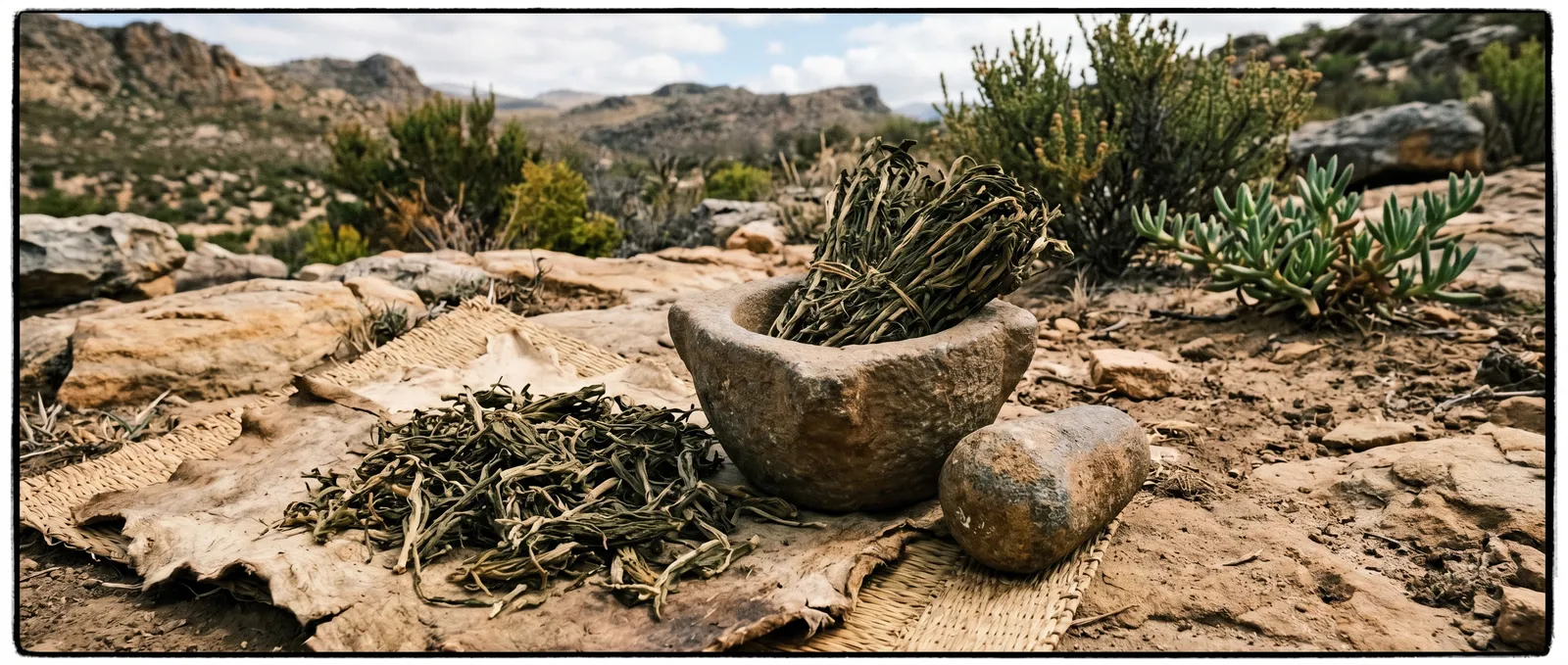
Sceletium tortuosum was used by San and Khoekhoe communities in southern Africa for centuries before European colonists first documented it in the 1660s.
Sceletium Tortuosum Plant
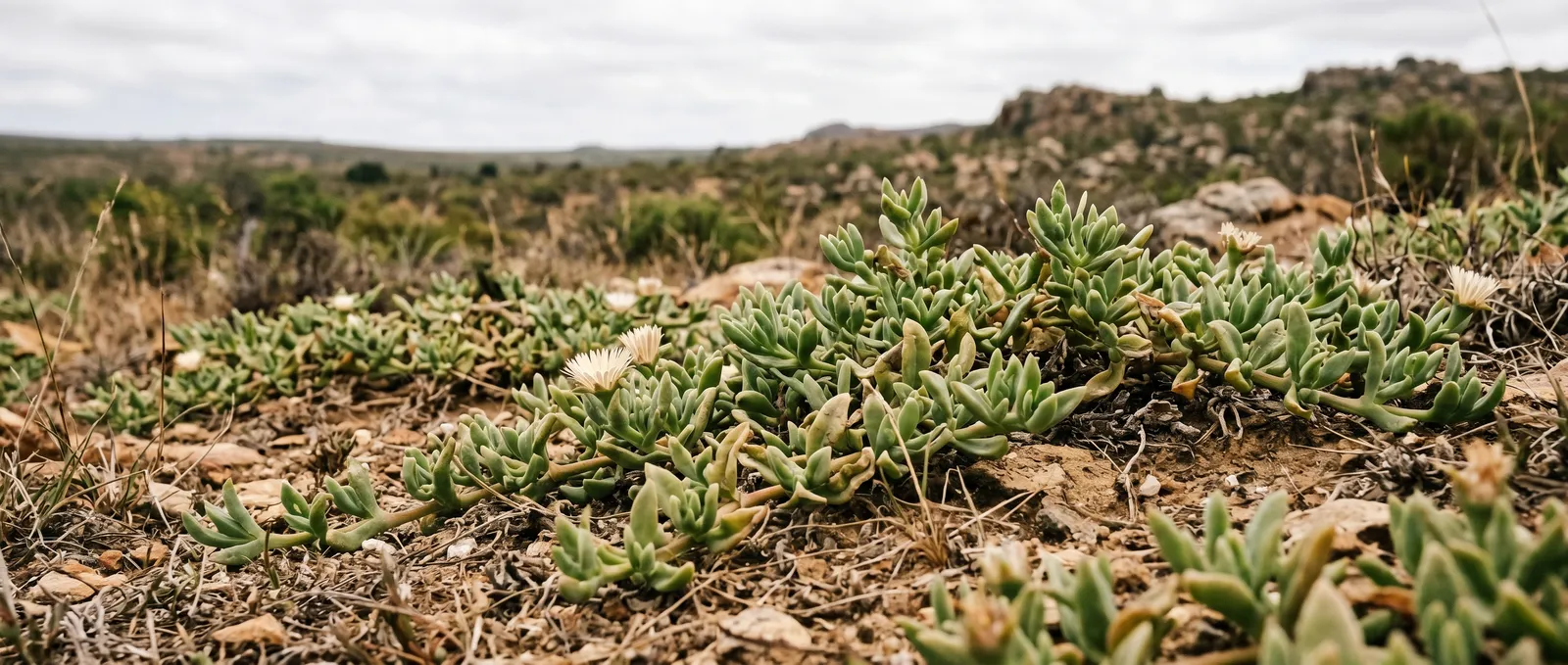
Learn about the sceletium tortuosum plant: botany, alkaloids, fermentation, safety warnings, and where to buy kanna.
Kanna Pharmacokinetics Explained
Complete guide to kanna pharmacokinetics: how Sceletium tortuosum alkaloids are absorbed, metabolised via CYP2D6, and eliminated.
Kanna Chemistry: Sceletium Alkaloids Explained
Kanna chemistry explained: mesembrine, mesembrenone, their mechanisms, how fermentation and extraction change alkaloid profiles, and why it matters…

Rapé Shamanic Snuff Guide: How to Use It Safely
A practical rapé shamanic snuff guide covering dose, kuripe technique, effects, nicotine safety, interactions and Amazonian tradition.

White Sage Salvia Apiana Cultural Smudging Guide
Salvia apiana is a non-psychoactive shrub native to southern California's coastal sage scrub, burned as ceremonial incense in Indigenous North American…
Mulungu Erythrina Traditional Amazonian Use — Bark, Alkaloids & Research
Erythrina mulungu is a Brazilian legume tree whose bark has been brewed as a calming decoction in rural folk medicine for generations.