
This article discusses psychoactive substances intended for adults (18+). If you have a health condition or take medication, consult a doctor before use. Our age policy
Blue Lotus Dosage Guide
Definition
Blue lotus dosage is a critical variable that determines whether Nymphaea caerulea produces gentle relaxation or unexpectedly heavy sedation. The aporphine alkaloids nuciferine and apomorphine are dose-dependent and route-dependent (Agnihotri et al., 2008). Extracts concentrate these compounds relative to dried petals, making the two forms non-interchangeable. This guide covers reported ranges for tea, smoked material, tinctures, and resin.
Blue lotus dosage determines whether Nymphaea caerulea — a psychoactive water lily native to East Africa and the Nile region — produces a gentle, dreamy relaxation or an unexpectedly heavy sedation, and the margin between those outcomes is narrower than most people assume. Nymphaea caerulea is a psychoactive aquatic plant that contains aporphine alkaloids, principally nuciferine and its close analogue apomorphine, which interact with dopamine receptors in ways that are dose-dependent and route-dependent (Agnihotri et al., 2008). This guide covers observed ranges for dried petals, teas, concentrated extracts, tinctures, and resin of Nymphaea caerulea, broken down by preparation method, so you can make informed decisions rather than guessing. Those looking to buy blue lotus products should understand that the form you choose — dried petals, extract, tincture, or resin — fundamentally changes the arithmetic.
Adult audience (18+). The dosing ranges and effects described in this article apply to adult physiology. This content is not intended for minors.
Reported Blue Lotus Dosage Ranges by Form and Route
Reported ranges vary dramatically depending on whether you are working with dried petals, a concentrated extract, or a resin. The table below summarises the ranges cited in ethnobotanical literature and user surveys for Nymphaea caerulea specifically. These are not clinical prescriptions — controlled human dose-response studies for this species remain absent from the published literature, a limitation the EMCDDA has noted in its risk assessments of novel psychoactive botanicals. The figures reflect traditional preparation methods and the concentrations typically found in dried petal material and standardised extracts.
| Form | Threshold | Moderate | Strong | Notes |
|---|---|---|---|---|
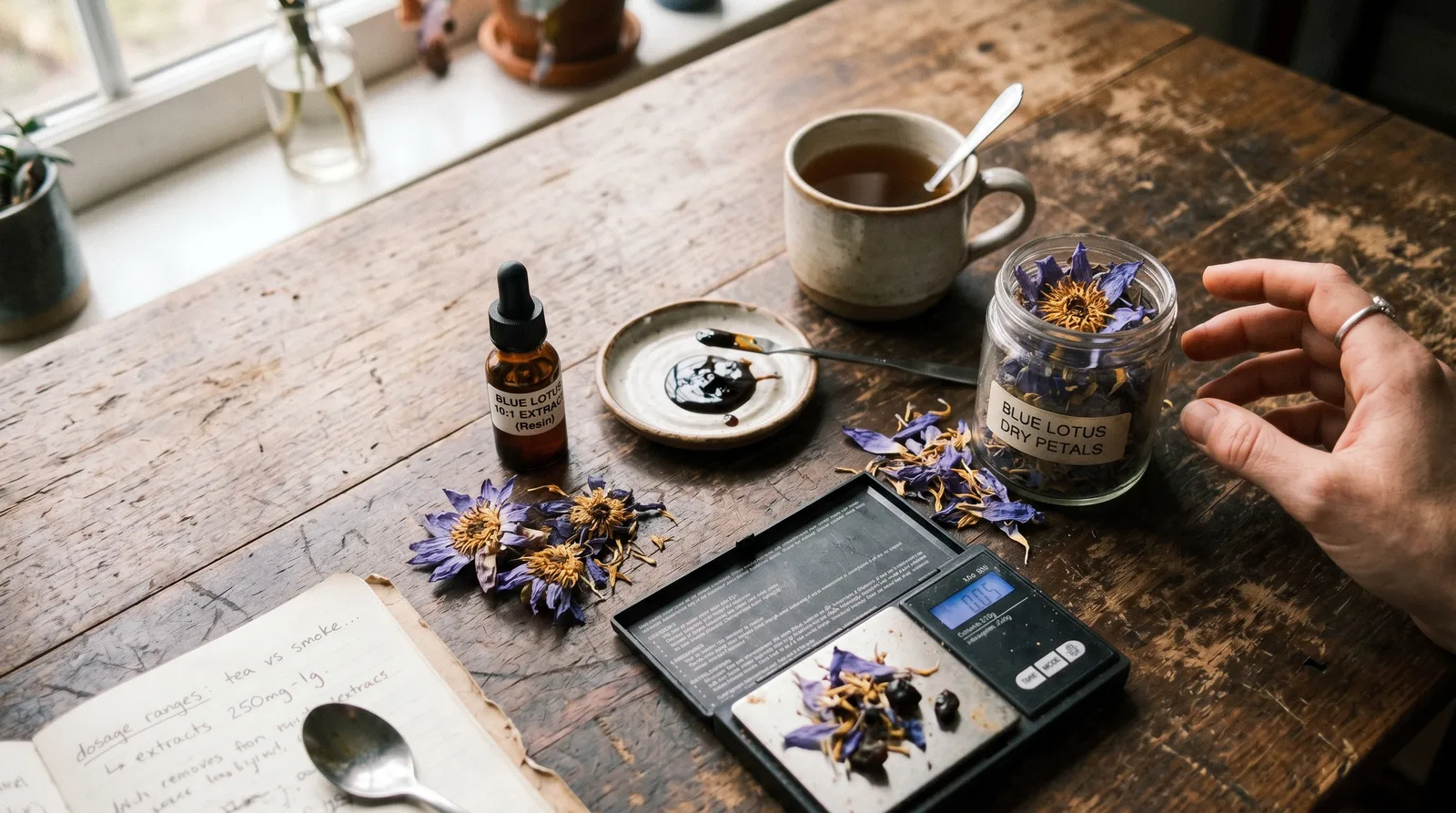
| Dried petals (tea infusion) | 1–3 g | 3–5 g | 5–10 g | Steeped 10–15 min in near-boiling water; onset 20–40 min |
| Dried petals (smoked or vaporised) | 0.25–0.5 g | 0.5–1 g | 1–1.5 g | Onset within 5 min; shorter duration (30–90 min) |
| Dried extract (standardised, e.g. 20:1) | 50–100 mg | 100–250 mg | 250–500 mg | Concentration ratio varies by manufacturer; always verify |
| Liquid extract / tincture | 0.5–1 ml | 1–2 ml | 2–3 ml | Held sublingually 30–60 sec before swallowing; onset 15–30 min |
| Resin | 0.1–0.25 g | 0.25–0.5 g | 0.5–1 g | Dissolved in warm water or tea; highly concentrated — treat with caution |
A critical point: extracts, resins, and tinctures concentrate the aporphine alkaloids relative to raw petal material. A 20:1 dried extract contains roughly twenty times the alkaloid density of the same weight in shredded petals. Treating extract amounts as interchangeable with petal amounts is the single fastest route to an unpleasant experience — or worse, a cardiovascular event in someone already on blood-pressure medication. People who buy blue lotus extract should always verify the concentration ratio before measuring out any amount.
Why the Form You Choose Changes Everything
The route of administration is the single biggest factor determining how quickly and intensely Nymphaea caerulea's alkaloids reach your bloodstream. The plant's principal active compounds — nuciferine and apomorphine — are aporphine-class alkaloids with proposed partial agonist activity at dopamine D1 and D2 receptors (Agnihotri et al., 2008). Each preparation method creates a fundamentally different pharmacological experience, and understanding these differences is essential for calibrating amounts correctly.
Tea infusion is the most traditional method, documented in Egyptian ceremonial contexts where Nymphaea caerulea petals were steeped in wine or water (Emboden, 1981). Oral ingestion means first-pass metabolism through the liver, which softens the onset and extends the duration. Users report a gradual warmth settling in over 20–40 minutes, reaching a plateau around the one-hour mark and tapering over 2–3 hours. The trade-off is that bioavailability is lower — more plant material is typically needed to achieve noticeable effects compared to smoking or sublingual routes. If you want to buy blue lotus for tea, dried whole petals from Nymphaea caerulea are the most forgiving format for beginners.
Smoking or vaporising dried Nymphaea caerulea petals bypasses the liver entirely. Alkaloids absorb through the lung epithelium and reach the brain within minutes. The experience is correspondingly shorter — most users report 30–90 minutes of noticeable effects. Because onset is rapid, the margin for error is smaller. If you overshoot, you feel it quickly and have less time to adjust. The amount for smoked material is substantially lower than for tea — typically 0.5–1 g for a moderate experience versus 3–5 g orally.
Extracts, tinctures, and resins are where careful measurement becomes non-negotiable. A standardised 20:1 dried extract packs the alkaloid content of 20 grams of petals into a single gram of powder. Liquid extracts and resins vary even more depending on the extraction solvent and concentration method. Without knowing the exact ratio, you are guessing — and guessing with concentrated aporphine alkaloids is not a good strategy. Users generally report starting at the low end of the range listed above and waiting the full onset window before considering more.
How Users Typically Prepare a Nymphaea caerulea Tea
Tea is the gentlest entry point and the easiest form to gauge effects predictably, according to both ethnobotanical sources and user communities. The following method reflects the most commonly described preparation for Nymphaea caerulea petals:

- Weigh the material. A kitchen scale accurate to 0.5 g is sufficient for dried petals. User reports suggest 3 g of dried Nymphaea caerulea petals as a common starting point — generally described as enough to notice mild effects without overwhelming sedation.
- Heat water to roughly 80–90 °C. A full rolling boil may degrade some of the more delicate alkaloid compounds. If a temperature-controlled kettle is not available, bringing water to the boil and letting it sit for 2–3 minutes is a common approach.
- Steep for 10–15 minutes. Place the petals in a teapot or large mug with an infuser. Covering the vessel helps retain volatile compounds in the liquid rather than losing them to evaporation.
- Strain and sip slowly. Most experienced users report sipping over 15–20 minutes rather than consuming the tea quickly, as this produces a more gradual onset and a better sense of where the effects are landing.
- Wait at least 60 minutes before considering a second cup. Oral onset for Nymphaea caerulea can take up to 40 minutes, and the peak may not arrive for another 20 minutes after that. Redosing before the full onset window has passed is how people overshoot.
Some users add honey or lemon to offset the mildly bitter, earthy taste. Neither appears to meaningfully affect alkaloid absorption, though no controlled study has tested this specifically for Nymphaea caerulea. Those who want to order blue lotus dried petals for tea preparation will find them among the most approachable Nymphaea caerulea products available.
Concentrated Extracts Require a Separate Approach Entirely
Concentrated extract amounts reported by users fall in the milligram range rather than the gram range — this distinction is the most important safety consideration for anyone working with Nymphaea caerulea extracts. Dried extracts, liquid extracts, and resins are not simply "stronger petals" — they are pharmacologically distinct preparations. The concentration process increases the ratio of aporphine alkaloids (nuciferine, apomorphine) per milligram of material, which means the cardiovascular and dopaminergic effects scale up proportionally.
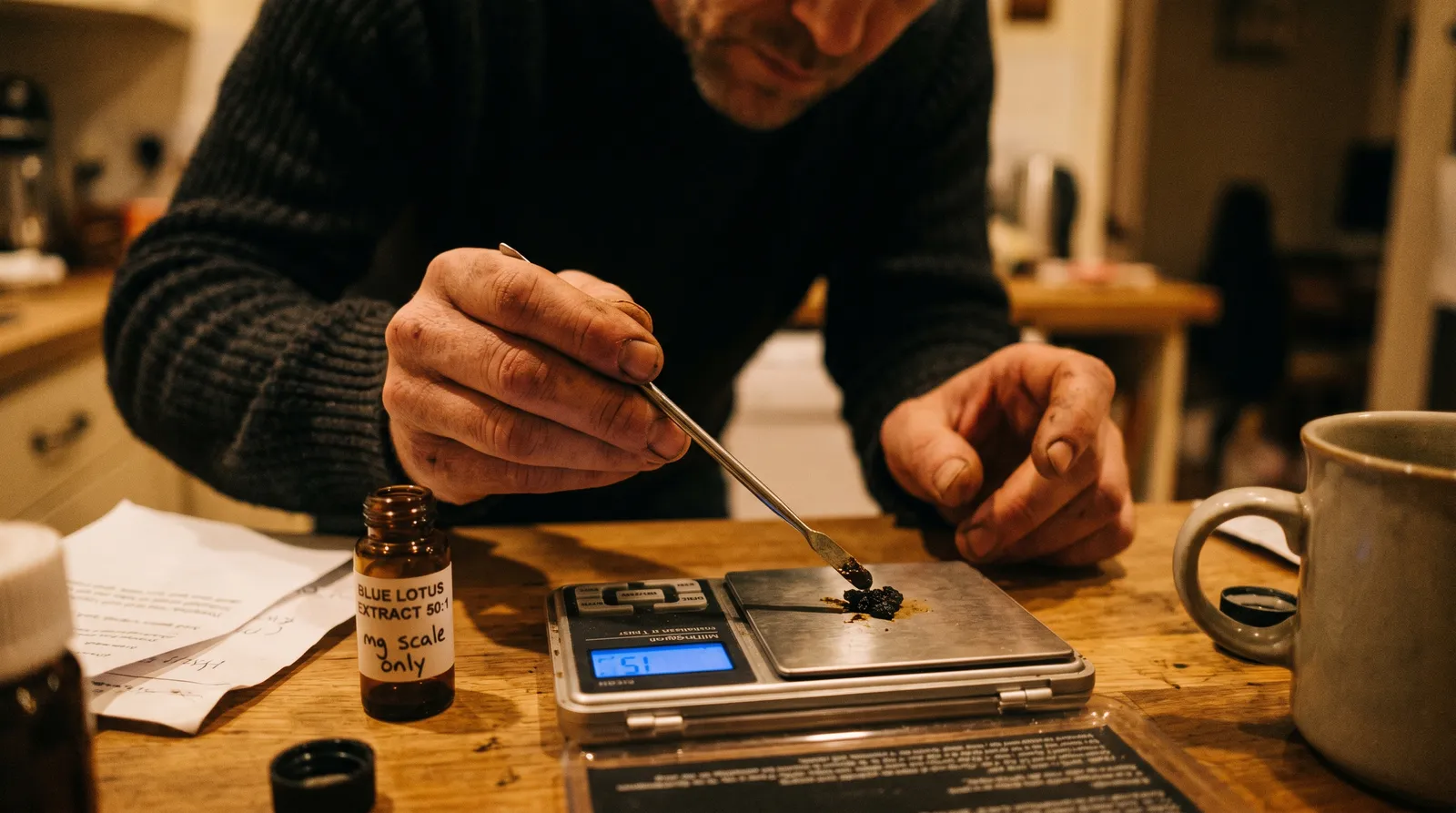
If you are using a dried extract labelled as 20:1, the moderate range reported by users sits around 100–250 mg — that is milligrams, not grams. A milligram scale (accurate to at least 10 mg) is the bare minimum for responsible measurement. Eyeballing a powder that is twenty times more concentrated than the raw plant is reckless. Those looking to order blue lotus extract should always verify the stated concentration ratio and cross-reference it against the ranges in the table above.
Liquid extracts and tinctures add another variable: the extraction solvent (usually ethanol or a water-ethanol blend) affects which alkaloids are preferentially pulled from the plant material. Two tinctures from different sources, both labelled "Nymphaea caerulea extract," may have meaningfully different alkaloid profiles. Users commonly report starting at the low end — 0.5 ml held under the tongue for 30–60 seconds — and waiting 30 minutes before deciding whether to take more, which is the approach most frequently recommended in harm-reduction communities.
Resin is the most concentrated form available. It is typically produced by reducing a large volume of extract down to a thick, sticky mass. Amounts measured in fractions of a gram can produce strong effects with resin. Dissolving a small piece (0.1–0.25 g for a first attempt) in warm water or tea rather than trying to smoke it directly is the more common approach, as smoking resin produces harsh, unpleasant vapour and inconsistent results.
Onset, Peak, and Duration by Route of Administration
Onset time for Nymphaea caerulea ranges from 2–5 minutes when smoked to 20–40 minutes when consumed as oral tea, making route selection the most important variable for avoiding accidental redosing. The timeline varies, but the general pattern reported by users looks like this:

| Route | Onset | Peak | Total Duration |
|---|---|---|---|
| Tea (oral) | 20–40 min | 60–90 min | 2–4 hours |
| Smoked / vaporised | 2–5 min | 10–30 min | 30–90 min |
| Sublingual tincture | 15–30 min | 45–75 min | 2–3 hours |
| Resin (dissolved orally) | 15–30 min | 45–90 min | 2–4 hours |
These are approximate windows drawn from user reports — no controlled pharmacokinetic study has mapped the absorption curve of nuciferine or apomorphine from Nymphaea caerulea in humans. Individual variation in liver metabolism, body mass, stomach contents, and prior tolerance all shift these numbers. The safest approach is to treat the onset figure as a minimum waiting period before redosing.
Users report that the dream-enhancement effect associated with Nymphaea caerulea tends to be most pronounced when the tea is consumed 1–2 hours before sleep, allowing the sedative tail of the experience to coincide with the transition into sleep. This observation is entirely anecdotal — no controlled study has examined the timing relationship between Nymphaea caerulea ingestion and dream architecture.
Body Weight, Food, Tolerance, and Other Substances All Shift Effective Amounts
Body weight, stomach contents, tolerance, and concurrent substances all modify how a given amount of Nymphaea caerulea actually feels — with concurrent substances posing the greatest safety concern. Here is what the available evidence and user reports suggest about each factor.
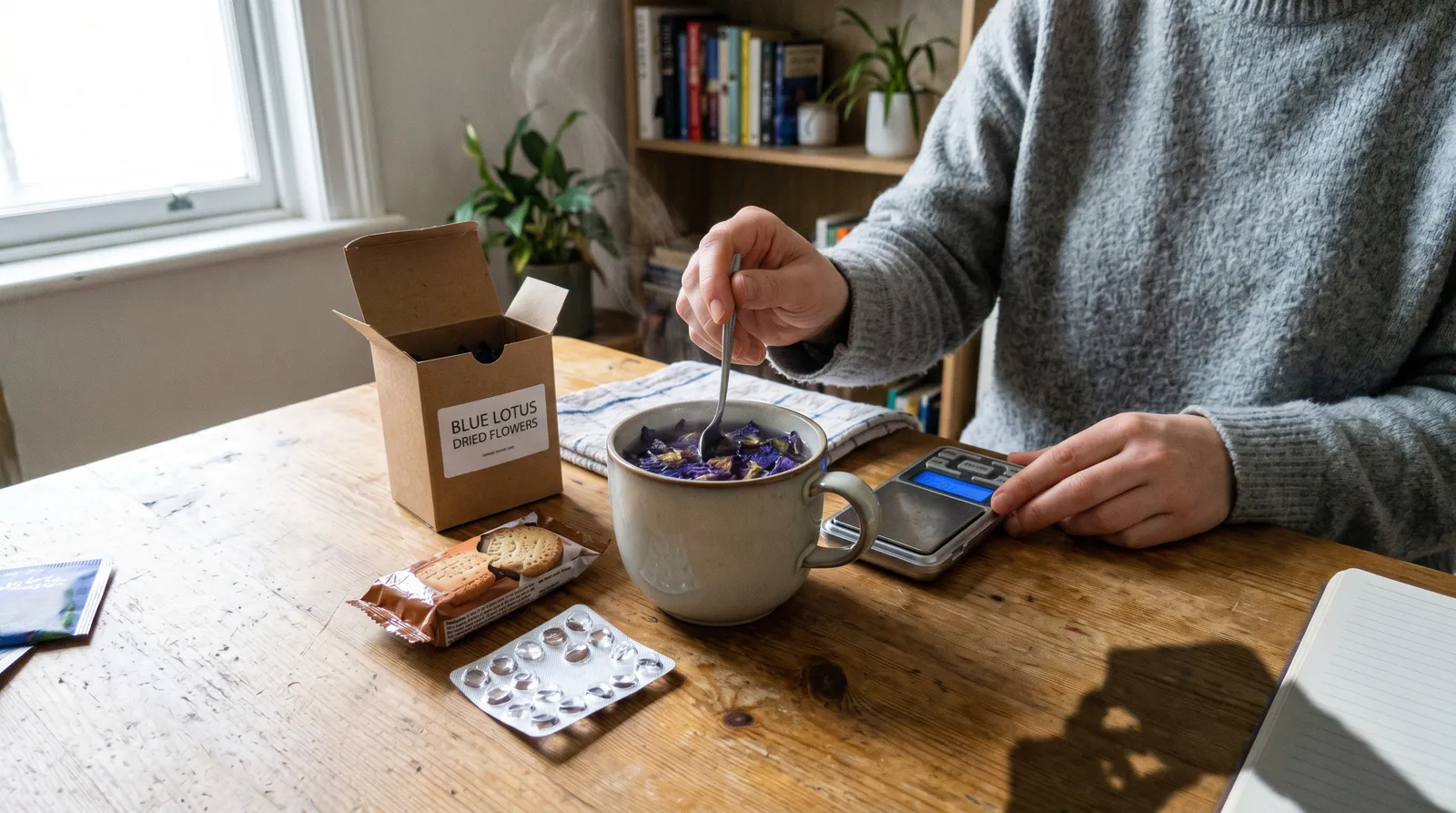
Body weight matters, though not linearly. A 60 kg person will likely feel 3 g of dried Nymphaea caerulea petals more than a 100 kg person, but the relationship is not as clean as "double the weight, double the amount." Starting conservatively regardless of size is the standard harm-reduction advice.
Stomach contents affect oral routes significantly. An empty stomach accelerates absorption and intensifies the experience. A full meal, particularly one high in fat, slows onset and may reduce peak intensity. Neither scenario changes the total amount of alkaloid absorbed — just the rate.
Tolerance develops with regular use, though the timeline is poorly characterised. Users who consume Nymphaea caerulea daily for more than a week or two often report diminishing effects at the same amount. Taking breaks of several days between sessions appears to reset sensitivity, though long-term safety data for chronic use simply does not exist in the published literature.
Concurrent substances are the most dangerous variable. Alcohol potentiates sedation. Cannabis may amplify both the relaxation and the drowsiness. Any substance that affects dopamine signalling or blood pressure can interact unpredictably with the aporphine alkaloids in Nymphaea caerulea. The dedicated article on blue lotus interactions and safety covers this in detail, but the short version: if you are taking antihypertensives, dopaminergic medications (levodopa, pramipexole, ropinirole, or therapeutic apomorphine), dopamine-receptor-active antiemetics (metoclopramide, domperidone), or MAOIs, combining them with Nymphaea caerulea without speaking to a physician is strongly discouraged. The proposed mechanism — partial dopamine-receptor agonism and potential blood-pressure lowering via apomorphine analogues (Agnihotri et al., 2008) — makes these interactions pharmacologically plausible and clinically concerning.
Blue Lotus Compared to Kanna: Completely Different Arithmetic
Blue lotus and kanna operate on fundamentally different pharmacological mechanisms, which means their reported ranges are not interchangeable. People who buy blue lotus often also explore kanna (Sceletium tortuosum), and the logic for the two plants diverges sharply. Kanna's primary alkaloid, mesembrine, is a serotonin-reuptake inhibitor rather than a dopamine-receptor agonist, which means its response curve, onset profile, and interaction risks are distinct from Nymphaea caerulea. A moderate oral amount of kanna extract typically falls in the 25–50 mg range for a standardised product, while a moderate amount of dried Nymphaea caerulea petals sits at 3–5 g — a thousandfold difference in raw weight that reflects completely different alkaloid concentrations and mechanisms. The practical takeaway: experience with one plant tells you almost nothing about how to calibrate the other. Treat each as a separate substance with its own requirements. Those interested in exploring both can get kanna and blue lotus products from Azarius, but should approach each with independent research and independent calibration.
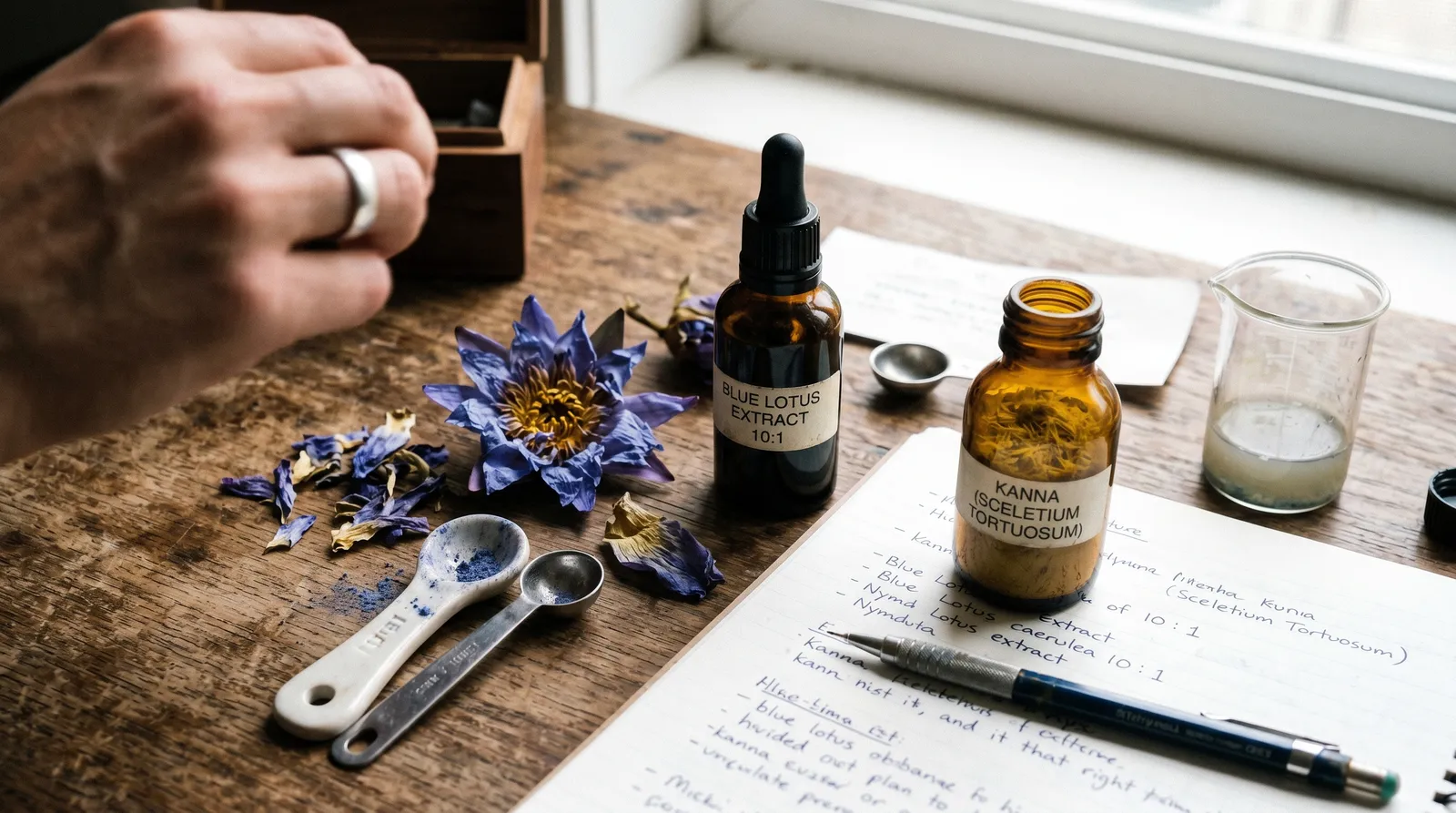
Blue Lotus Compared to Kratom: Similar Numbers, Different Pharmacology
A moderate kratom amount (2–5 g dried leaf) superficially resembles the 3–5 g moderate range for dried blue lotus petals, but this numerical similarity is misleading because the two plants act on entirely different receptor systems. Nymphaea caerulea acts primarily on dopamine receptors via aporphine alkaloids, while kratom's mitragynine and 7-hydroxymitragynine interact with opioid receptors. The subjective effects, duration profiles, tolerance curves, and interaction risks are completely different. Honestly, the only thing these two plants share in terms of measurement is that both require a scale and both punish overconfidence. If you are transitioning between them or using both, treat each as a wholly separate substance. The ranges in this guide apply only to Nymphaea caerulea and cannot be extrapolated to any other botanical.
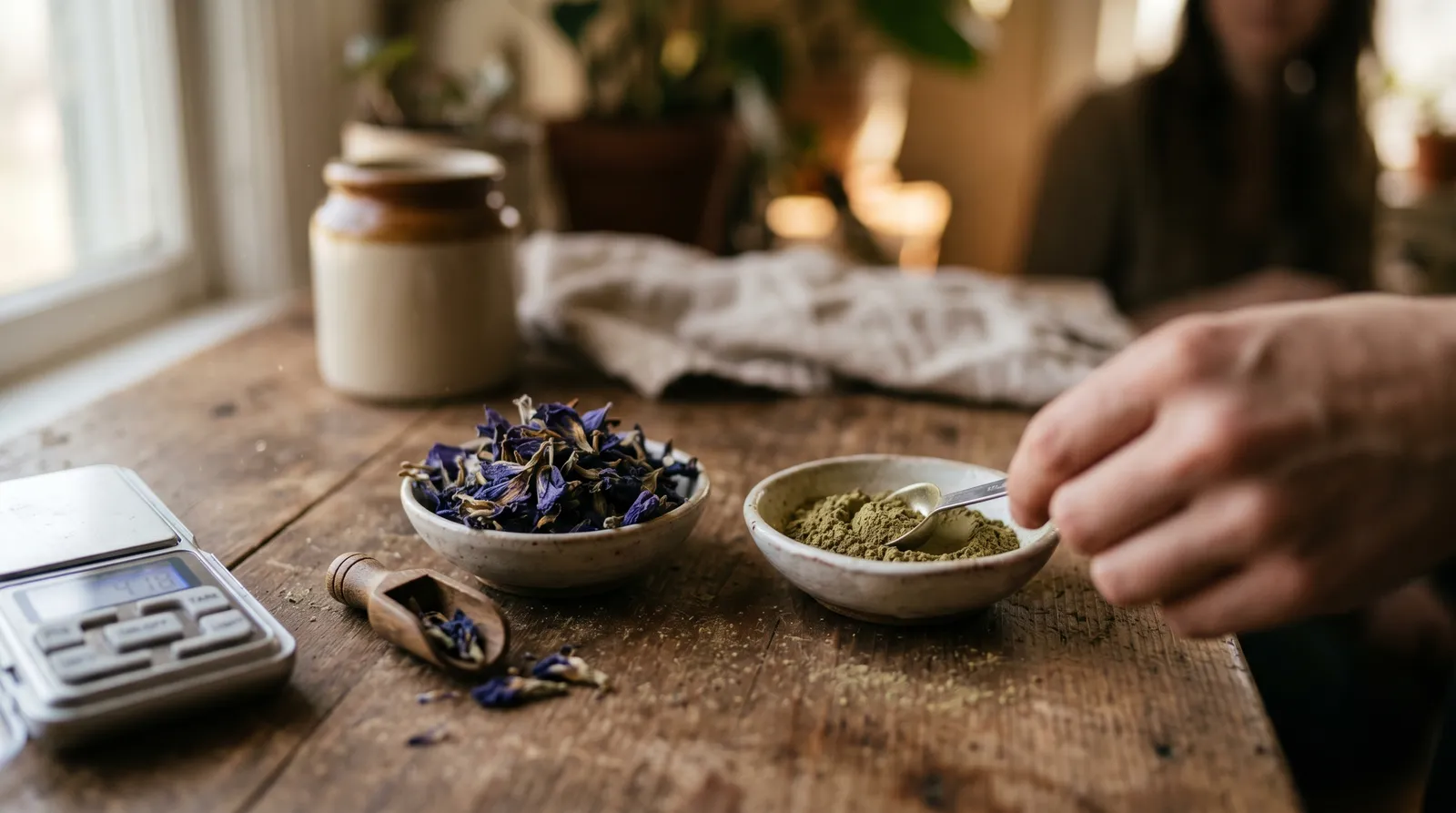
The Most Common Mistakes — And How to Avoid Them
Treating extracts like dried petals is the single most frequent error reported in user communities and our own customer-service records. Here are the mistakes that come up most often.
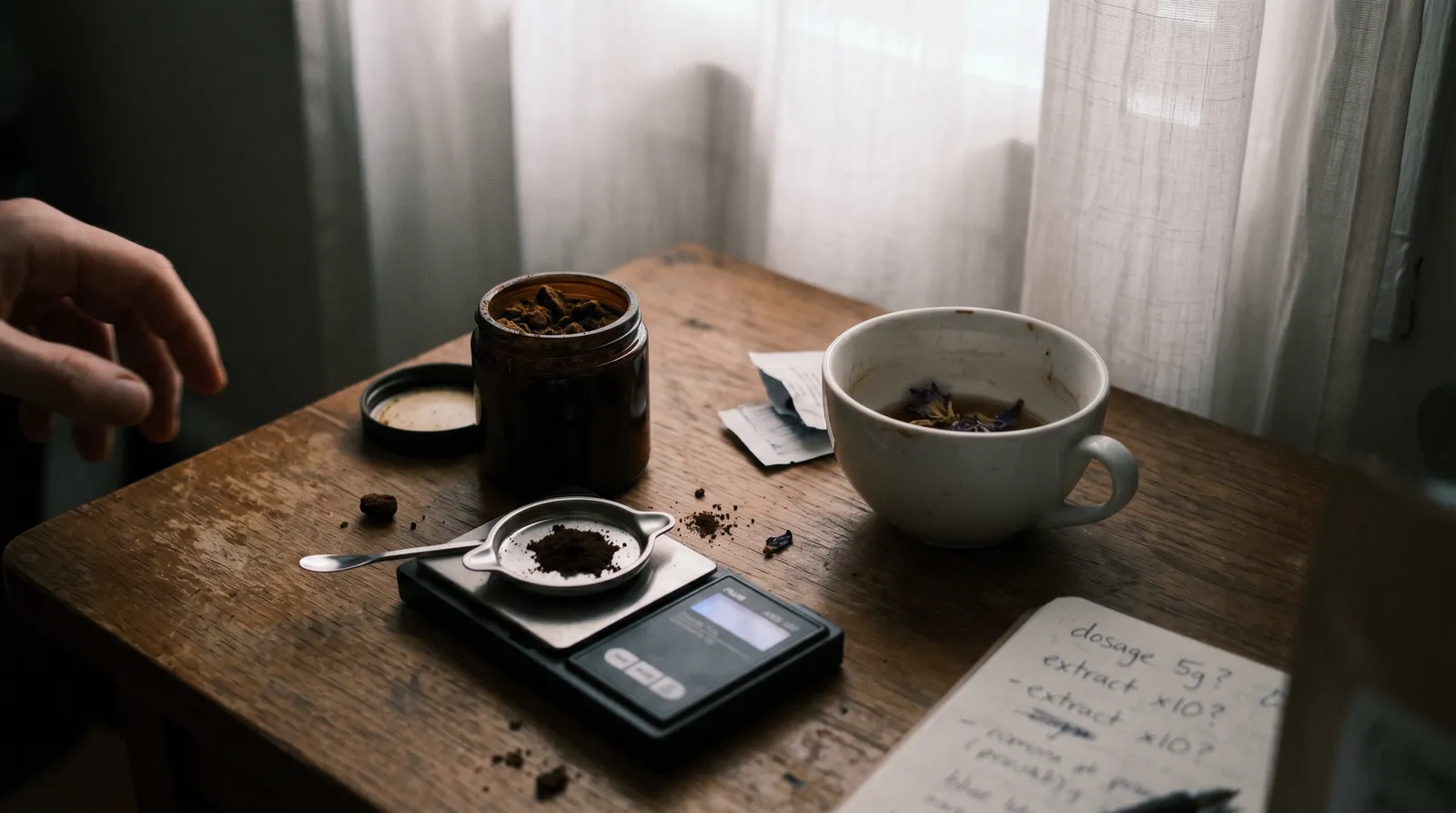
Treating extracts like petals. Already covered above, but it is the mistake that causes the most problems. A gram of 20:1 extract is not the same as a gram of dried flowers. Not even close. Anyone looking to order blue lotus extract for the first time should read the concentration ratio on the label before measuring anything.
Redosing too early. Oral onset for Nymphaea caerulea can take 40 minutes. People drink a cup of tea, feel nothing at 20 minutes, brew another cup, and then both amounts hit at once. Patience is the cheapest harm-reduction tool available.
Mixing species without adjusting. Nelumbo nucifera (pink lotus) shares nuciferine with Nymphaea caerulea but contains additional alkaloids — nelumbine, liensinine, and neferine — that have distinct pharmacological profiles. Ranges for one species do not transfer directly to the other. If you are switching between Nymphaea and Nelumbo products, treat each as a separate substance requiring its own calibration.
Driving afterwards. The mild sedation that users report from Nymphaea caerulea, combined with the dream-enhancement effect, makes driving or operating machinery clearly inappropriate for at least 4 hours after use. This applies to all routes and all forms, including tea.
Nymphaea caerulea and Nelumbo nucifera Are Different Plants With Different Profiles
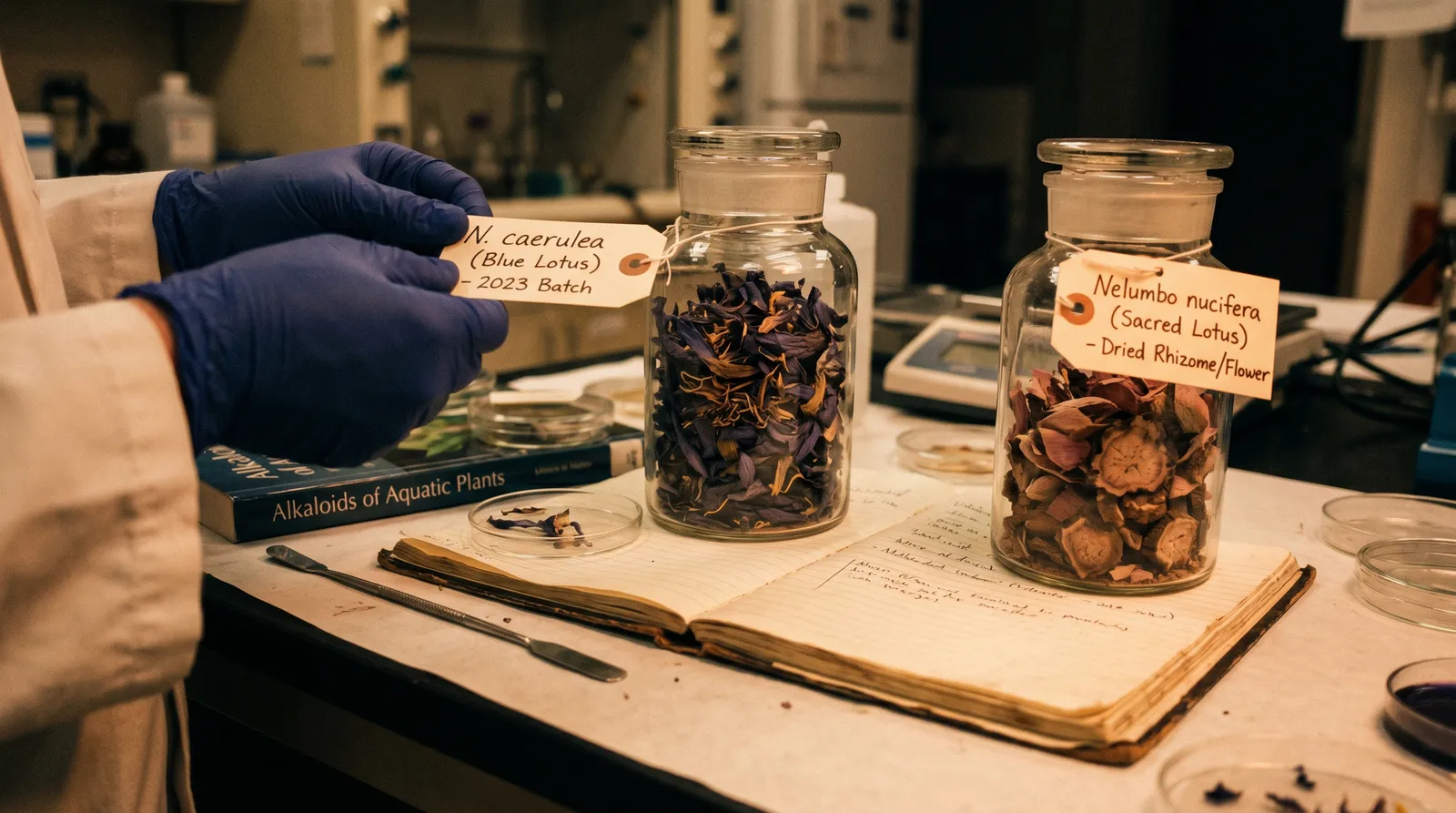
Nymphaea caerulea and Nelumbo nucifera belong to different plant families with overlapping but non-identical alkaloid profiles, which means ranges for one species do not apply to the other. Everything in this article applies specifically to Nymphaea caerulea — the blue water lily. If you are working with Nelumbo nucifera (pink or sacred lotus), which belongs to a different plant family (Nelumbonaceae, not Nymphaeaceae), the ranges listed here may not apply. Nelumbo nucifera shares nuciferine with Nymphaea caerulea but also contains neferine and liensinine, bisbenzylisoquinoline alkaloids with distinct cardiovascular activity — neferine, for instance, has been studied for its effects on cardiac ion channels (Qian, 2002). Do not assume that a given amount of Nymphaea caerulea petals produces the same effects as the same weight of Nelumbo nucifera petals. They are different plants with overlapping but non-identical chemistry. Those looking to get either product should verify the Latin binomial on the label before applying any information from this guide.
What We Do Not Know — And Why That Matters
No controlled human pharmacokinetic study has been published for Nymphaea caerulea, which means every figure in this guide carries inherent uncertainty. Honestly, the evidence base is thinner than we would like it to be — and we think transparency about that matters more than false confidence. The EMCDDA has flagged the absence of systematic toxicological data for this species in its ongoing monitoring of novel psychoactive substances. The Beckley Foundation's psychoactive-plant research programme has highlighted similar gaps across multiple ethnobotanical species, including Nymphaea caerulea. The ranges in this guide are drawn from ethnobotanical literature, phytochemical analyses like Agnihotri et al. (2008), and aggregated user reports — not from randomised controlled trials. We do not know the LD50 in humans. We do not know the exact bioavailability of nuciferine by oral versus pulmonary routes. We do not know whether chronic use carries cumulative risks that acute use does not. What we can say is that the ranges listed above represent the best available synthesis of what has been reported, and that starting at the low end of any range is the only responsible approach given these gaps. If better data emerges — from the EMCDDA's ongoing monitoring, the Beckley Foundation's research programme, or elsewhere — we will update this guide accordingly.

Last updated: April 2026
Frequently Asked Questions
10 questionsHow much dried blue lotus flower do I need for one cup of tea?
Can I use blue lotus extract doses the same as dried petal doses?
How long should I wait before redosing blue lotus tea?
Is the dosage for pink lotus the same as for blue lotus?
How long after taking blue lotus is it safe to drive?
Does eating before drinking blue lotus tea change the dose I need?
What is the difference in onset time between smoking and drinking blue lotus?
Can you overdose on blue lotus, and what are the signs of taking too much?
Does blue lotus dosage need to be adjusted for body weight?
How much blue lotus resin is equivalent to dried flower?
About this article


Adam Parsons is an external cannabis and psychedelics writer and editor who contributes to Azarius's wiki as both author and reviewer. On the writing side, he authors Azarius's kratom and kanna clusters, drawing on exten
This wiki article was drafted with AI assistance and reviewed by Adam Parsons, External contributor. Editorial oversight by Joshua Askew.
Medical disclaimer. This content is for informational purposes only and does not constitute medical advice. Consult a qualified healthcare provider before use of any substance.
Last reviewed April 19, 2026
References (4)
- [1]Agnihotri, V.K. et al. (2008). 'Constituents of Nymphaea caerulea.' Phytochemistry Letters , 1(1), pp. 44–50.
- [2]Emboden, W. (1981). 'Transcultural use of narcotic water lilies in ancient Egyptian and Maya drug ritual.' Journal of Ethnopharmacology , 3(1), pp. 39–83. DOI: 10.1016/0378-8741(81)90013-1
- [3]EMCDDA (2023). European Drug Report: Trends and Developments . European Monitoring Centre for Drugs and Drug Addiction.
- [4]Qian, J.Q. (2002). 'Cardiovascular pharmacological effects of bisbenzylisoquinoline alkaloid derivatives.' Acta Pharmacologica Sinica , 23(12), pp. 1086–1092.
Related Articles
Blue Lotus vs Kanna: Effects & Safety
Blue lotus vs kanna compared — Nymphaea caerulea's aporphine profile against Sceletium tortuosum's mesembrine chemistry, with interaction warnings.
Lotus Clinical Research Overview
What does lotus clinical research actually show? A critical review of Nymphaea caerulea and Nelumbo nucifera pharmacology, preclinical data, and…
Kanna South Africa To West History
Sceletium tortuosum was used by San and Khoekhoe communities in southern Africa for centuries before European colonists first documented it in the 1660s.
Sceletium Tortuosum Plant
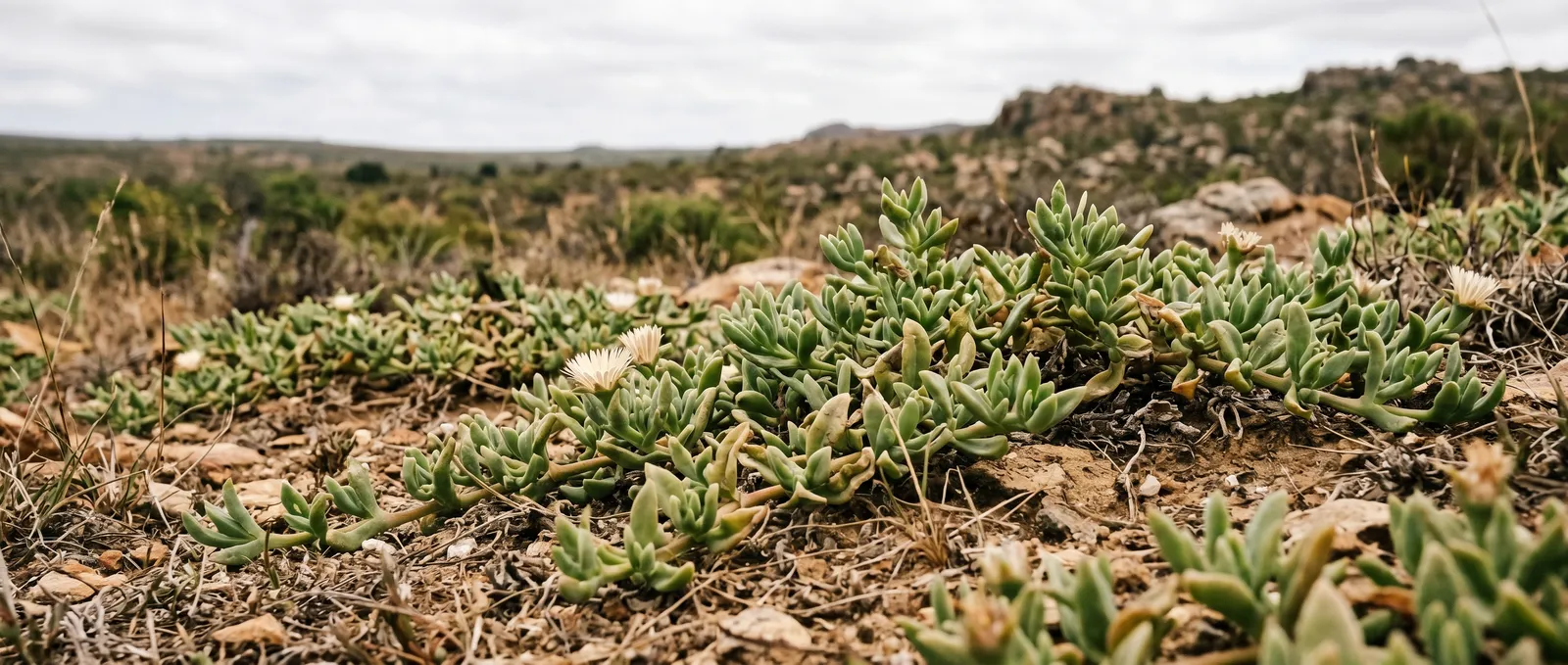
Learn about the sceletium tortuosum plant: botany, alkaloids, fermentation, safety warnings, and where to buy kanna.
Kanna Pharmacokinetics Explained
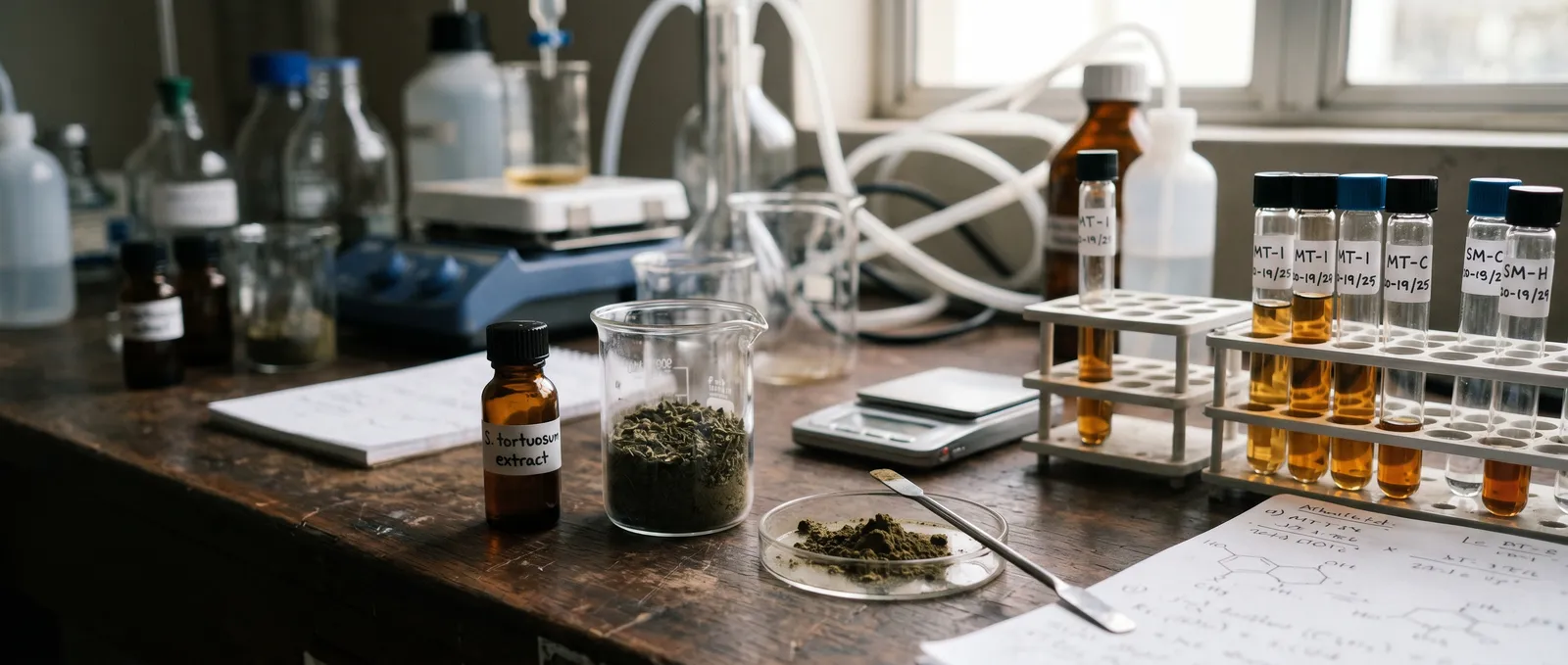
Complete guide to kanna pharmacokinetics: how Sceletium tortuosum alkaloids are absorbed, metabolised via CYP2D6, and eliminated.
Kanna Chemistry: Sceletium Alkaloids Explained
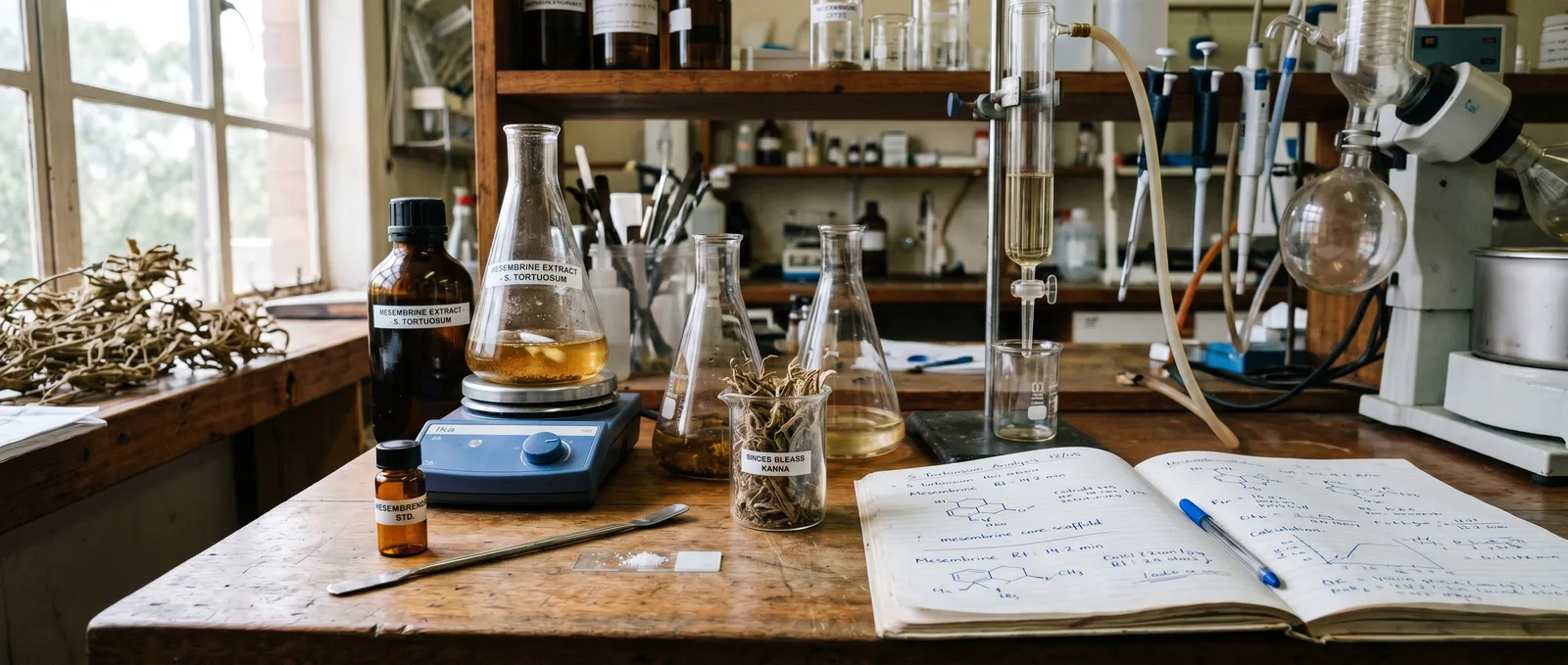
Kanna chemistry explained: mesembrine, mesembrenone, their mechanisms, how fermentation and extraction change alkaloid profiles, and why it matters…

Rapé Shamanic Snuff Guide: How to Use It Safely
A practical rapé shamanic snuff guide covering dose, kuripe technique, effects, nicotine safety, interactions and Amazonian tradition.
White Sage Salvia Apiana Cultural Smudging Guide
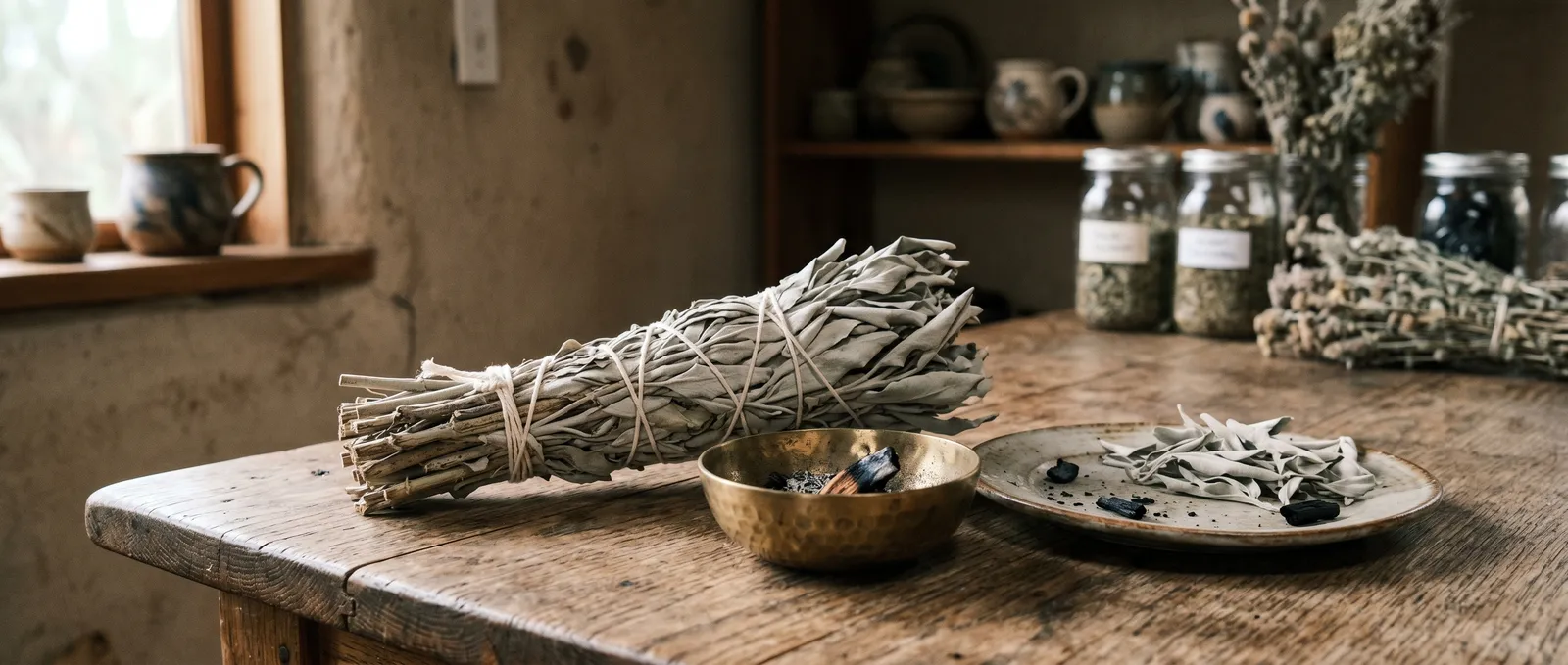
Salvia apiana is a non-psychoactive shrub native to southern California's coastal sage scrub, burned as ceremonial incense in Indigenous North American…
Mulungu Erythrina Traditional Amazonian Use — Bark, Alkaloids & Research
Erythrina mulungu is a Brazilian legume tree whose bark has been brewed as a calming decoction in rural folk medicine for generations.