
This article discusses psychoactive substances intended for adults (18+). If you have a health condition or take medication, consult a doctor before use. Our age policy
What Are Terpenes in Cannabis and Hemp?
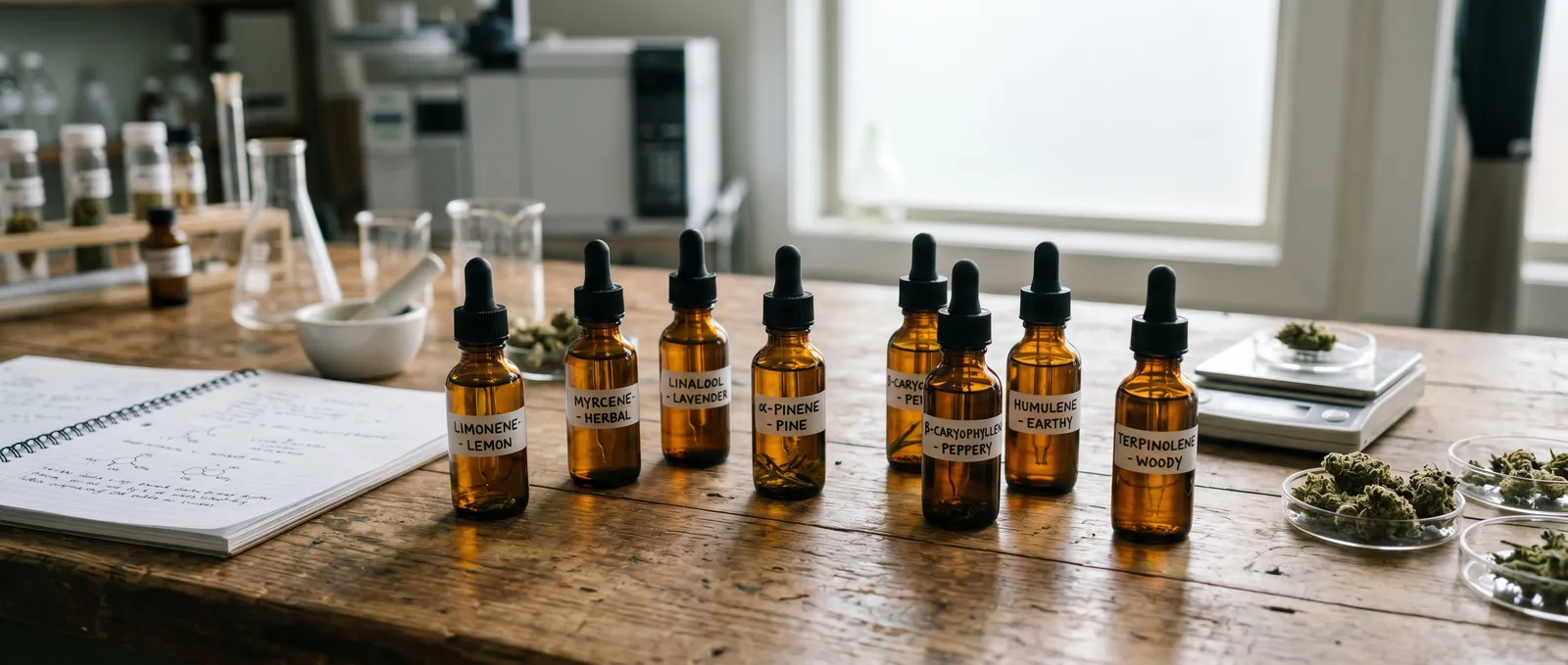
Definition
Terpenes are volatile aromatic compounds produced in the glandular trichomes of cannabis and hemp, responsible for the plant's distinctive smell and flavour. Over 200 have been identified via GC-MS analysis (Russo, 2011). They share a biosynthetic origin with cannabinoids but are smaller, lighter molecules that evaporate at much lower temperatures.
The Seven Major Cannabis Terpenes at a Glance
| Terpene | Class | Primary aroma | Key natural sources | Boiling point (°C) |
|---|---|---|---|---|
| Myrcene | Monoterpene | Earthy, musky, herbal | Hops, mango, lemongrass, thyme | ~167 |
| Limonene | Monoterpene | Citrus, sharp, zesty | Citrus peel (orange, lemon, grapefruit) | ~176 |
| α-Pinene / β-Pinene | Monoterpene | Pine, resinous, fresh | Conifer needles, rosemary, basil | ~155 |
| Linalool | Monoterpene | Floral, lavender, slightly spicy | Lavender, coriander, birch bark | ~198 |
| β-Caryophyllene | Sesquiterpene | Peppery, woody, spicy | Black pepper, cloves, hops, cinnamon | ~160 |
| Humulene | Sesquiterpene | Hoppy, earthy, woody | Hops, sage, ginseng | ~106 |
| Ocimene | Monoterpene | Sweet, herbaceous, minty | Mint, basil, orchids, parsley | ~50 |
That table holds the seven terpenes you are most likely to encounter on a cannabis or hemp lab report. Each one is a volatile organic compound — a small, aromatic molecule produced in the same glandular trichomes that make cannabinoids like THC and CBD. They are the reason one cultivar smells like a pine forest and another like a bag of mangoes. This guide, written for adults, covers what terpenes actually are, how they are made, where they sit relative to cannabinoids, and what the current research does (and does not) tell us about their effects.
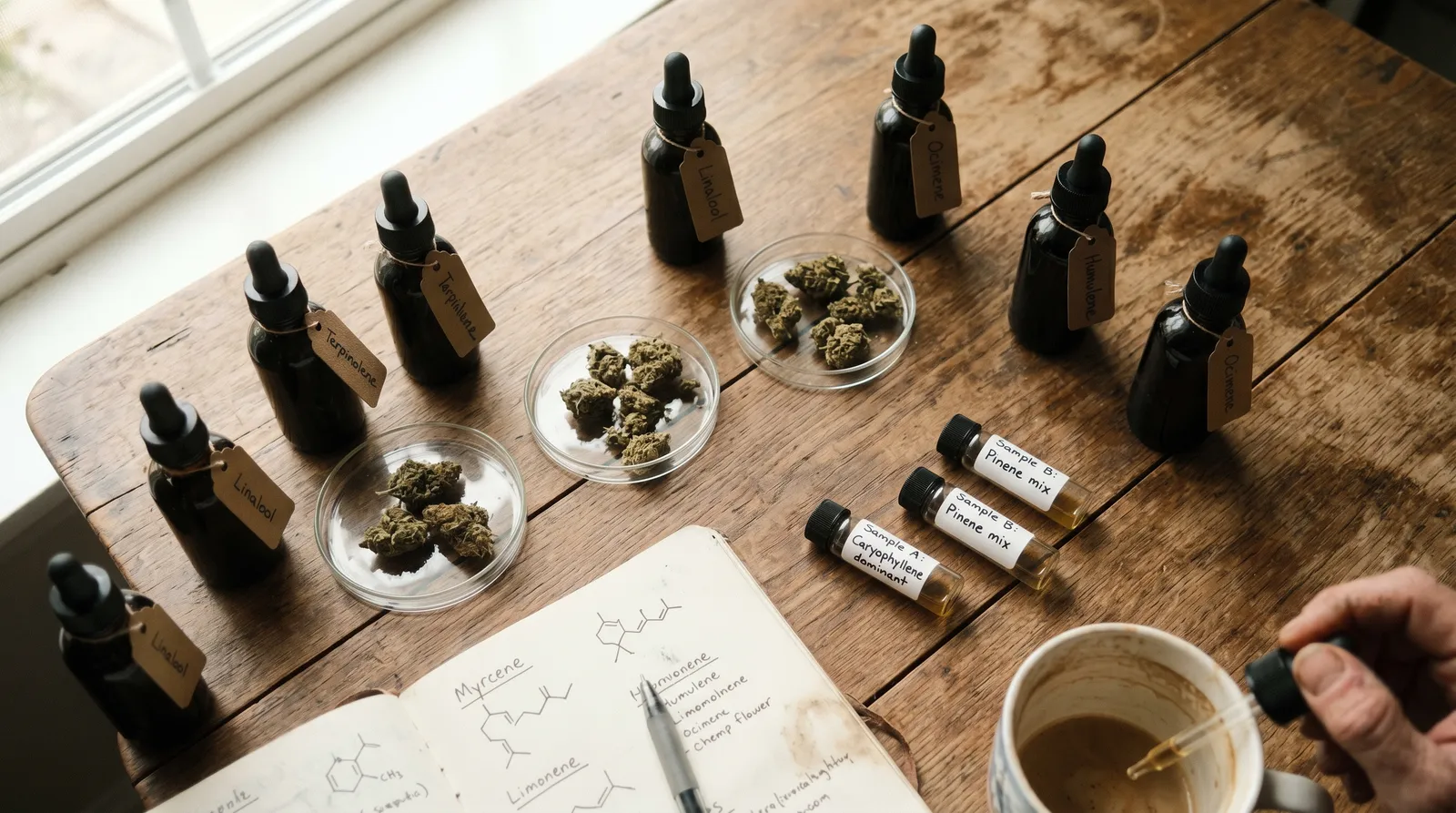
What exactly is a terpene?
Terpenes are a vast class of hydrocarbons built from repeating five-carbon isoprene units (C₅H₈). They appear across the plant kingdom — and well beyond it. The sharp smell of a freshly peeled orange is limonene. The resinous hit when you snap a pine twig is α-pinene. The floral wave off a lavender field is linalool. Cannabis just happens to produce an unusually diverse terpene profile: over 200 different terpenes have been identified in the species via gas chromatography–mass spectrometry (GC-MS), though most appear at trace levels below 0.05% of dry weight (Russo, 2011).
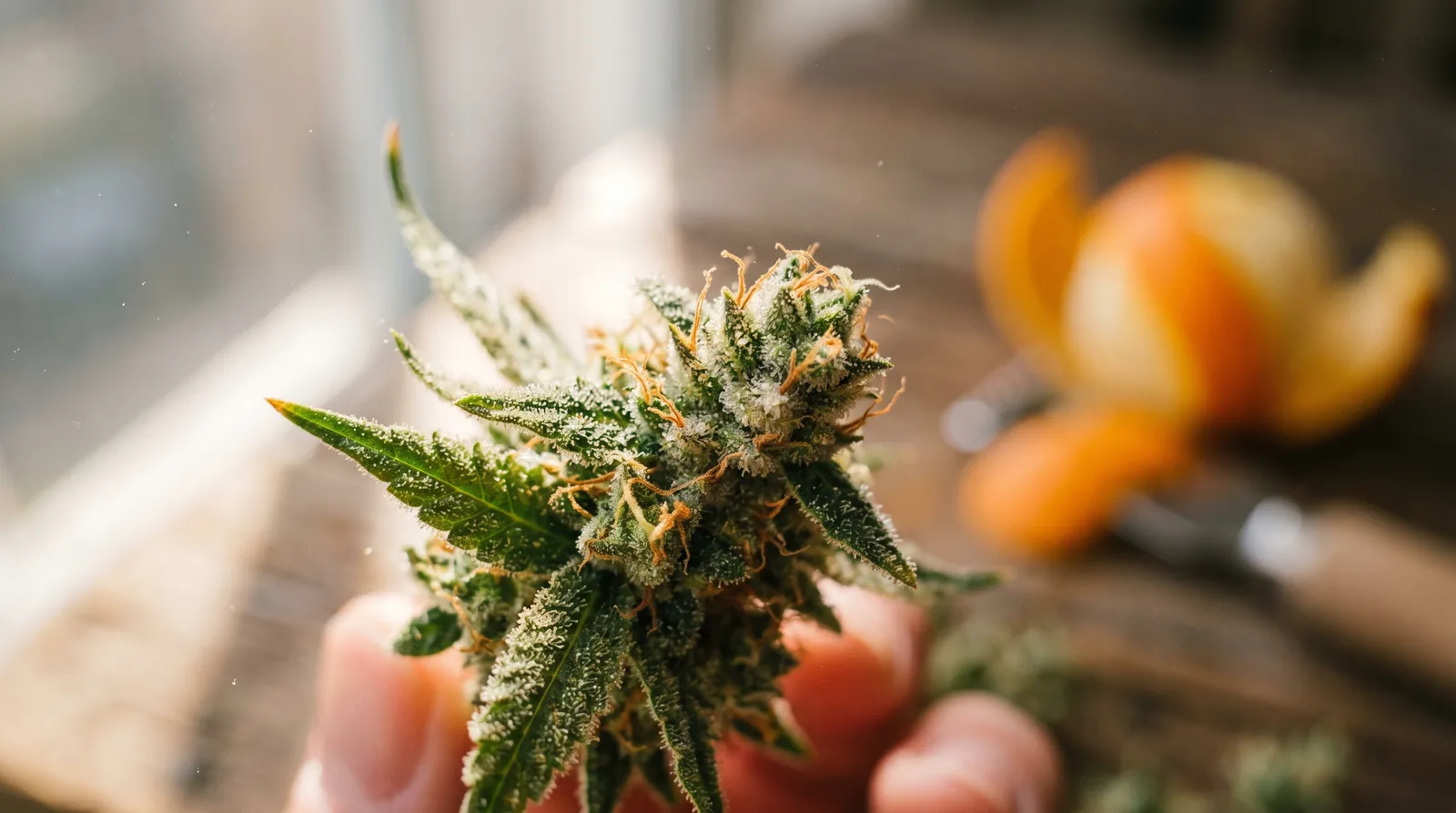
In the plant itself, terpenes serve ecological functions — attracting pollinators, repelling herbivores, and protecting against fungal infection. In your nose, they drive the sensory experience of cannabis and hemp in a way that cannabinoids alone cannot. THC and CBD are essentially odourless at room temperature. Everything you smell when you open a jar is terpenes, plus a handful of related compounds like esters, alcohols, and aldehydes.
Terpenes vs cannabinoids — what is the difference?
Both terpenes and cannabinoids are synthesised in the trichome heads of cannabis flowers, and both originate from a shared precursor molecule: geranyl pyrophosphate (GPP). That is roughly where the similarity ends.
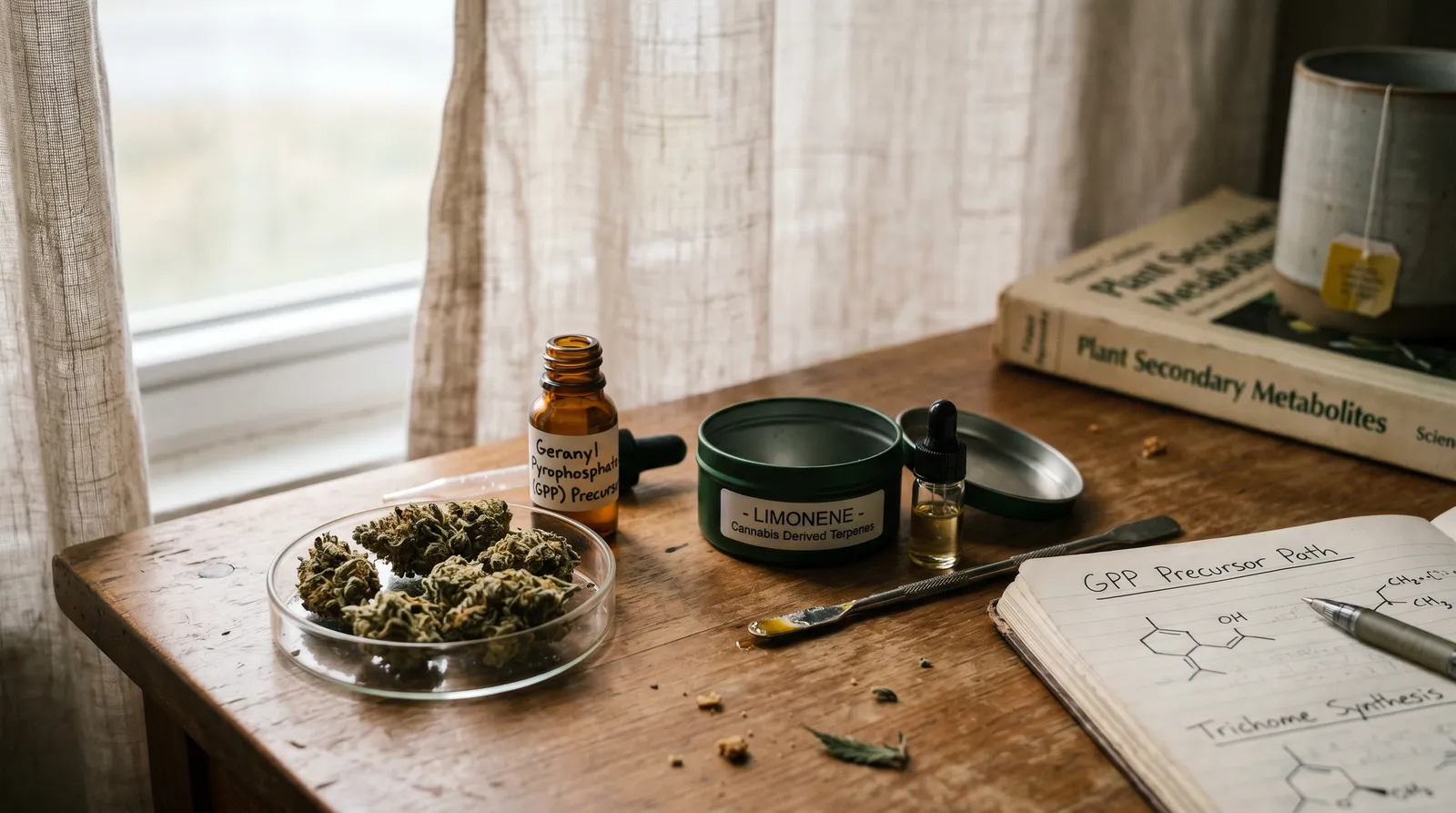
Cannabinoids — THC, CBD, CBG, CBN and the rest — are larger molecules (C₂₁ terpenophenolic compounds) that interact directly with the endocannabinoid system, primarily at CB1 and CB2 receptors. They are not volatile at room temperature, which is why raw flower does not smell like THC.
Terpenes are smaller, lighter, and volatile. They evaporate readily — ocimene starts boiling off at roughly 50 °C, well below body temperature in some formulations. Most cannabis terpenes are either monoterpenes (two isoprene units, 10 carbons — myrcene, limonene, pinene, linalool, ocimene) or sesquiterpenes (three isoprene units, 15 carbons — β-caryophyllene, humulene). Monoterpenes are built from GPP; sesquiterpenes from farnesyl pyrophosphate (FPP).
The key pharmacological distinction: most common cannabis terpenes have not been shown to bind directly to CB1 or CB2 receptors at concentrations found in whole flower. The notable exception is β-caryophyllene, which Gertsch et al. (2008) demonstrated to be a selective CB2 agonist — making it, technically, both a terpene and a dietary cannabinoid. That finding is covered in depth in the dedicated β-caryophyllene article.
How cannabis makes its terpenes
Cannabis terpene biosynthesis happens in the secretory cells of glandular trichomes — the same tiny, mushroom-shaped structures that produce cannabinoids. The pathway starts with two universal five-carbon building blocks: dimethylallyl diphosphate (DMAPP) and isopentenyl diphosphate (IPP). These condense to form GPP (the monoterpene precursor) or, with an additional IPP unit, FPP (the sesquiterpene precursor).
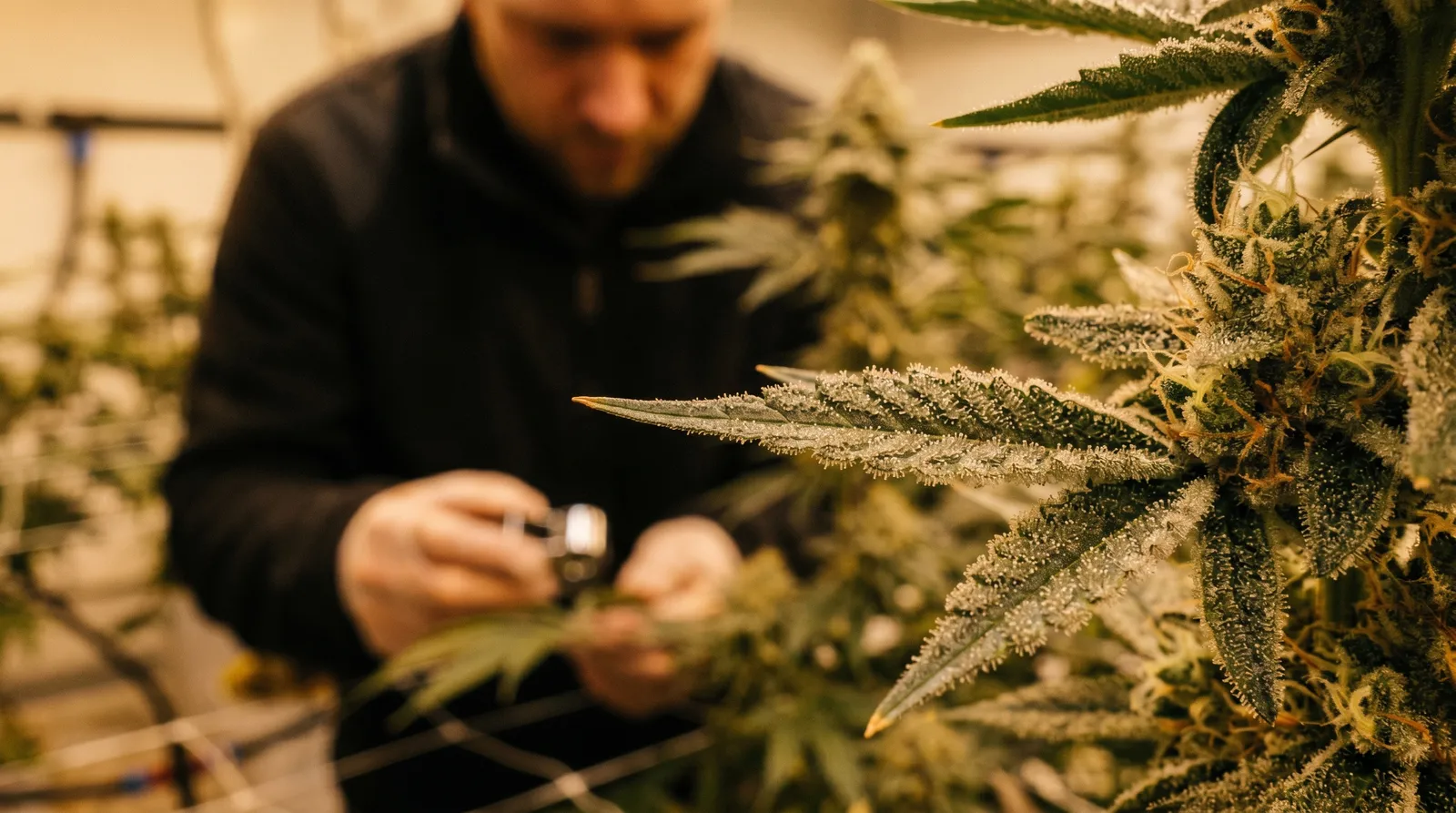
From GPP, specific terpene synthase enzymes fold and cyclise the molecule into myrcene, limonene, pinene, linalool, or ocimene. From FPP, different synthases produce β-caryophyllene and humulene. Which synthases are expressed — and at what levels — depends on genetics (cultivar), growth stage, light exposure, temperature, and stress. This is why the same cultivar grown indoors under LEDs can smell noticeably different from the same clone grown outdoors in Mediterranean sun.
Terpene content in dried cannabis flower typically ranges from 0.5% to 3.5% of dry weight, though some resin-heavy cultivars push higher. Concentrates like live resin preserve more of the volatile monoterpene fraction because the plant material is frozen immediately after harvest, before those lighter molecules evaporate.
Vaporisation and boiling points
| Terpene | Boiling point (°C) | Vape temperature notes |
|---|---|---|
| Ocimene | ~50 | Volatilises at extremely low temperatures; largely lost during drying and curing |
| Humulene | ~106 | Begins releasing well below typical vape settings |
| α-Pinene | ~155 | Available at the lowest practical vape band (~155–170 °C) |
| β-Caryophyllene | ~160 | Overlaps with the low-to-mid vape range |
| Myrcene | ~167 | Mid-range; present in most standard sessions |
| Limonene | ~176 | Mid-range; released alongside THC (~157 °C) and CBD (~180 °C) |
| Linalool | ~198 | Requires higher temperatures; often the last terpene standing in a session |
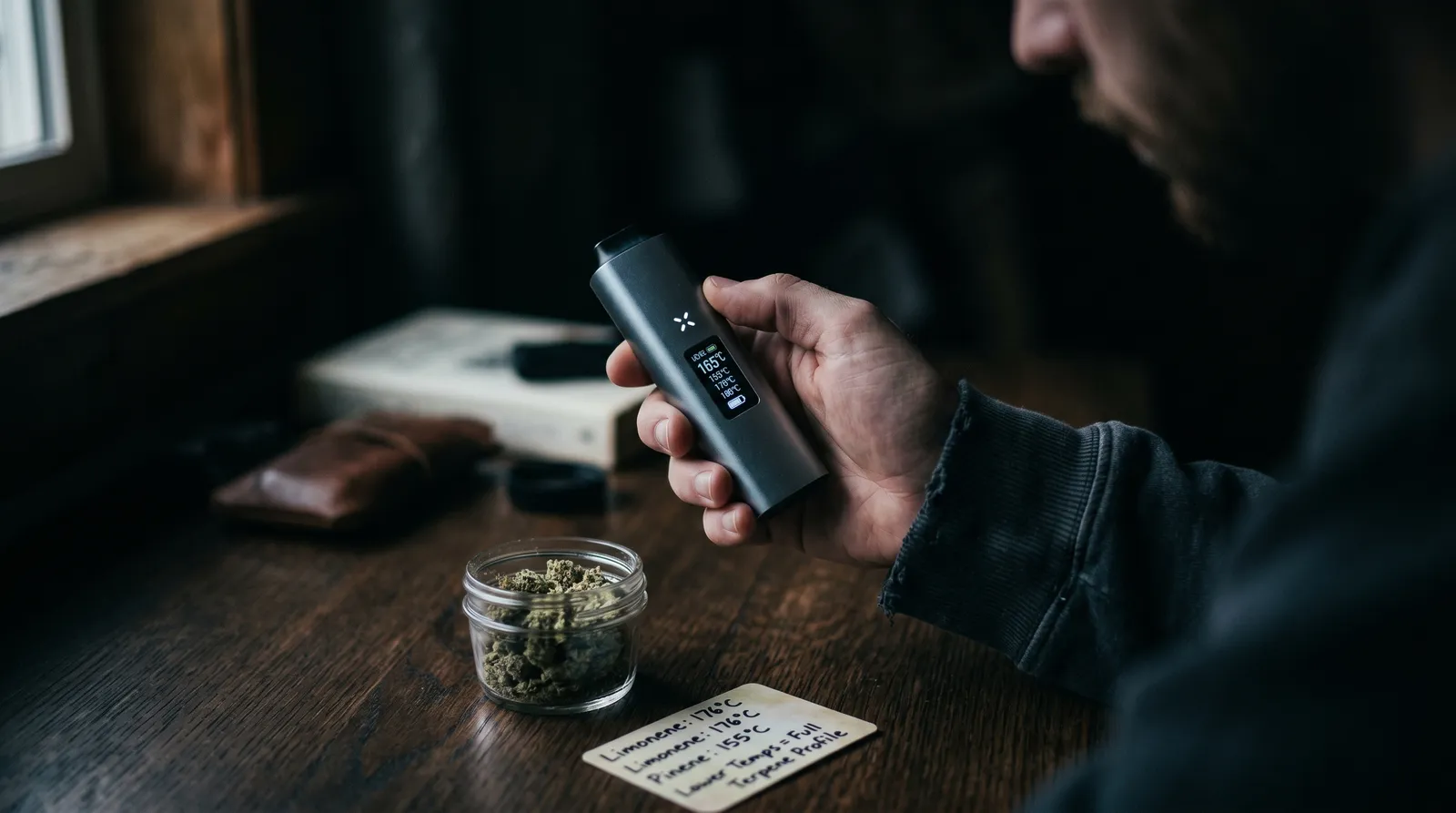
If you use a vaporiser with temperature control, this table matters. Vaporising cannabis flower at the lowest temperature band (~155–175 °C) preserves more of the lighter terpene character — you get a more aromatic, flavour-forward vapour — but extracts less cannabinoid material. Pushing above 200 °C pulls more THC and CBD into the vapour but burns off most terpenes early in the session. This is a craft preference, not a health claim — the dedicated vaporiser guides cover device selection and technique in detail.
The entourage effect — what we know and what we do not
The "entourage effect" is the hypothesis that cannabis terpenes modulate or shape the effects of cannabinoids when consumed together, producing an experience different from isolated THC or CBD alone. The term was popularised by Russo (2011), who proposed that terpene–cannabinoid interactions could explain why different cultivars with similar THC levels produce noticeably different subjective experiences.
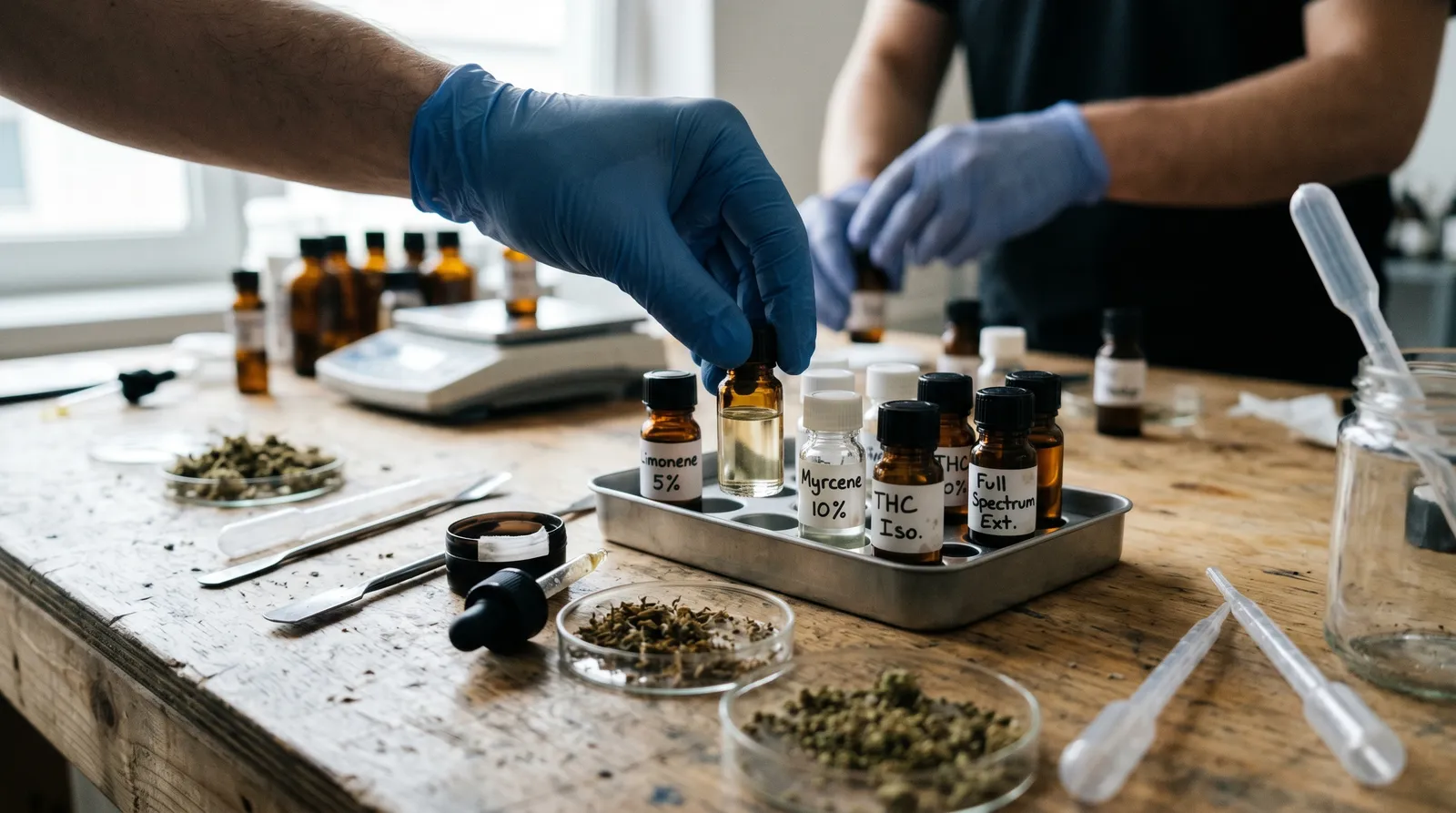
It is an influential idea, and it aligns with what many cannabis users report — that a myrcene-dominant cultivar "feels" different from a limonene-dominant one, even at matched THC percentages. But the mechanistic evidence is still largely preclinical. Finlay et al. (2020) tested five common cannabis terpenes (myrcene, limonene, α-pinene, linalool, and β-caryophyllene) for direct modulation of CB1 receptor signalling and found no significant effect at physiologically relevant concentrations — with the partial exception of β-caryophyllene acting at CB2.
That does not mean the entourage effect is wrong. It means the mechanism, if real, probably does not work through direct cannabinoid-receptor binding for most terpenes. Other pathways — serotonergic, GABAergic, TRP channel activity — are plausible but under-studied in the specific context of inhaled cannabis. The separate article on the entourage effect covers the current evidence in full.
Isolated terpenes vs terpenes in whole flower
This distinction matters and gets overlooked constantly. In cannabis flower, terpenes appear at roughly 0.5–3.5% by dry weight, blended with cannabinoids, flavonoids, and dozens of other minor compounds. The sensory and experiential reports people associate with specific terpenes come from this context — whole-plant consumption at natural concentrations.
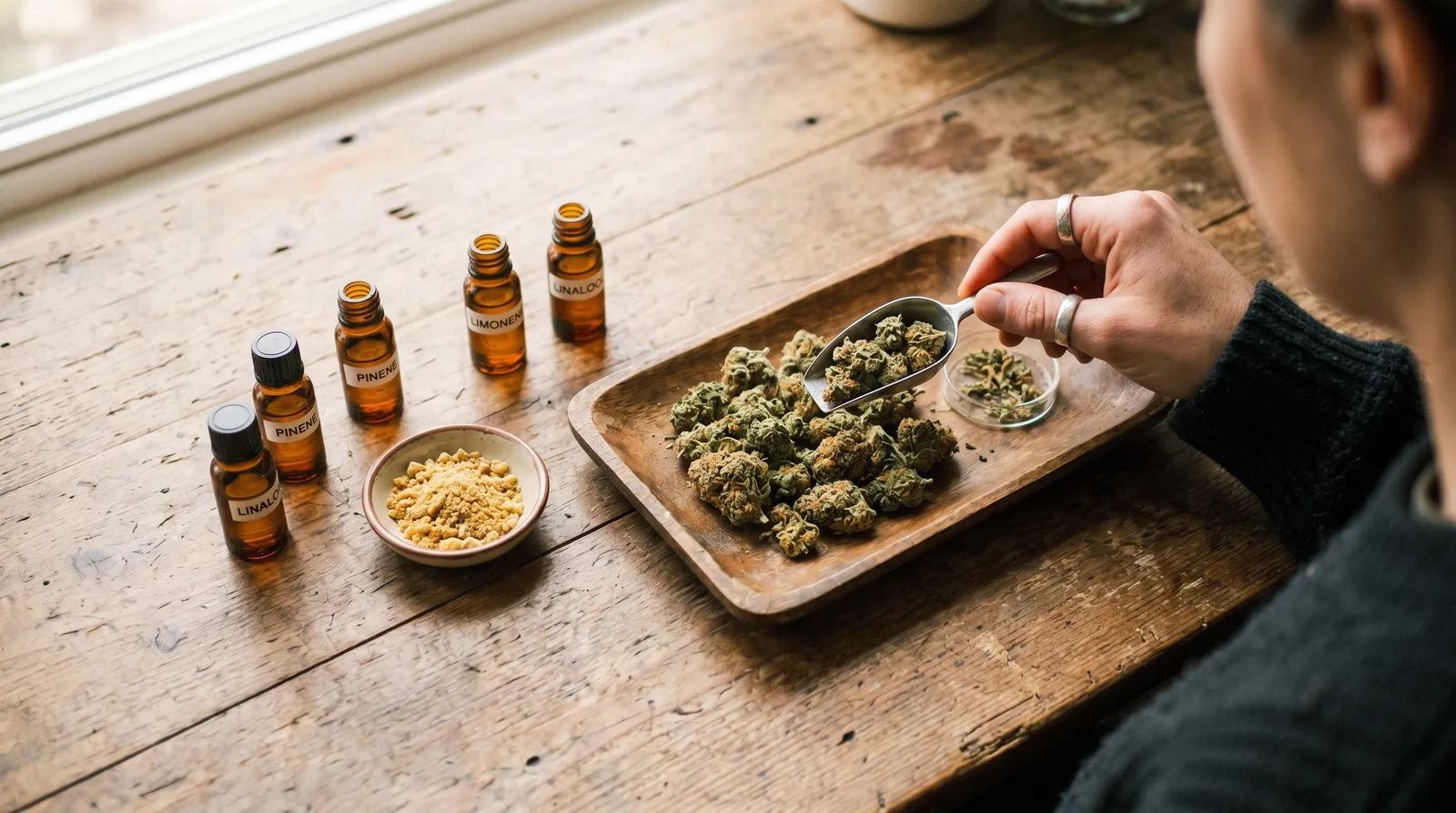
Isolated terpene products — terpene-fortified vape liquids, "strain-replication" blends, terpene drops — deliver concentrations and ratios that do not occur in nature. A vape cartridge spiked with 15% food-grade limonene is a fundamentally different proposition from a flower containing 1.2% limonene alongside 18% THC and 40+ other compounds. Preclinical studies on isolated terpenes (rodent inhalation studies, in-vitro receptor assays) test the isolated compound at controlled doses — those findings should not be mapped directly onto whole-flower cannabis experience, and vice versa. Long-term safety data on inhaling high concentrations of isolated terpenes is thin, and that gap is worth keeping in mind.
Navigating the individual terpene profiles
Each of the seven terpenes in the table above has its own dedicated article covering aroma descriptors, natural sources and typical concentrations, boiling-point data, biosynthetic class, and a research-framed pharmacology section with citations. Here is the quick orientation:
- Myrcene — the most abundant terpene in most cannabis cultivars. Earthy, musky, herbal. Found in hops, mango, thyme, and lemongrass.
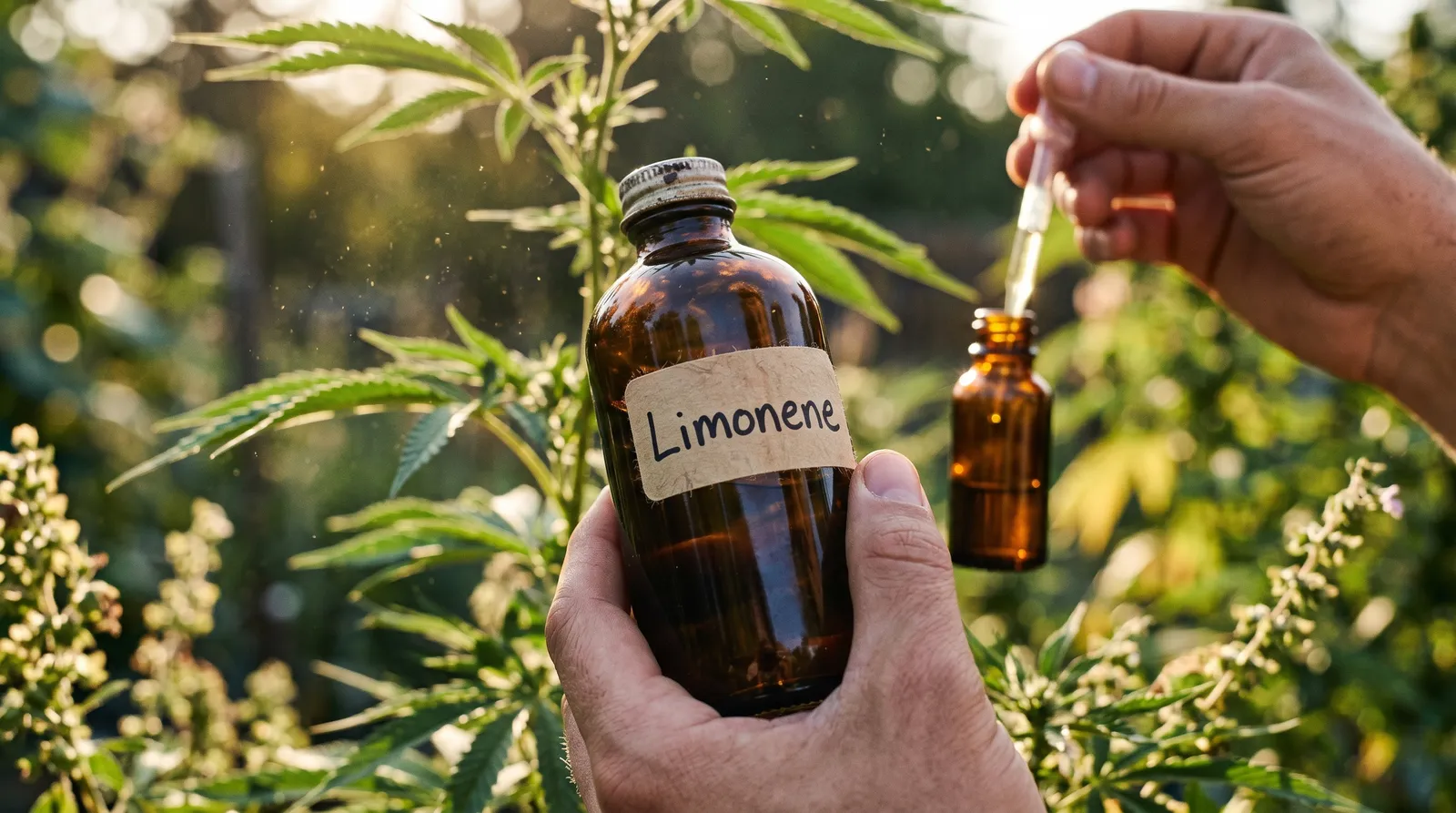
- Limonene — sharp citrus aroma. Abundant in citrus peel. Second or third most common in many cultivars.
- Pinene (α and β) — pine-needle freshness. The most widespread terpene in the natural world.
- Linalool — floral, lavender-forward. Also prominent in coriander and birch bark.
- β-Caryophyllene — peppery, woody. The only common cannabis terpene with a documented direct receptor mechanism (CB2 agonism; Gertsch et al., 2008).
- Humulene — hoppy, earthy. Shares a molecular precursor with β-caryophyllene and often co-occurs with it.
- Ocimene — sweet, herbaceous, minty. The most volatile of the group; largely lost during drying.
A note on terminology: these are mono- and sesquiterpenes — small, volatile plant aromatics. They are chemically distinct from the triterpenes found in medicinal mushrooms (reishi, lion's mane), which are much larger, non-volatile molecules with entirely different biosynthetic origins and biological activities. Same root word, very different chemistry.
Full-spectrum CBD products retain a portion of the original hemp terpene profile, while broad-spectrum products keep some and isolates contain none. If terpene presence matters to you, the spectrum type is the first thing to check — the full-spectrum vs broad-spectrum vs isolate comparison covers this in detail.
This article describes terpene chemistry, aroma profiles, and natural sources for educational purposes. Information about preclinical research is provided for context only and does not constitute medical advice or claims of efficacy. Consult a qualified professional before using any botanical product to address a health concern.
References
- Russo, E.B. (2011). Taming THC: potential cannabis combination and phytocannabinoid-terpenoid entourage effects. British Journal of Pharmacology, 163(7), 1344–1364.
- Gertsch, J., Leonti, M., Raduner, S., et al. (2008). Beta-caryophyllene is a dietary cannabinoid. Proceedings of the National Academy of Sciences, 105(26), 9099–9104.
- Finlay, D.B., Sircombe, K.J., Nimick, M., Jones, C. & Glass, M. (2020). Terpenoids from cannabis do not mediate an entourage effect by acting at cannabinoid receptors. Frontiers in Pharmacology, 11, 359.
Last updated: April 2026
Frequently Asked Questions
7 questionsCan terpenes get you high on their own?
Is myrcene actually what makes indica cultivars feel sedating?
What temperature should I vape at to taste more terpenes?
Why is β-caryophyllene considered different from other cannabis terpenes?
Are isolated terpene vape products the same as terpenes in whole flower?
How many different terpenes are found in cannabis?
What is the difference between terpenes and terpenoids in cannabis?
About this article


Luke Sholl has been writing about cannabis, cannabinoids, and the broader benefits of nature since 2011, and has personally grown cannabis in home grow tents for more than a decade. That first-hand cultivation experience
This wiki article was drafted with AI assistance and reviewed by Luke Sholl, External contributor since 2026. Editorial oversight by Toine Verleijsdonk.
Medical disclaimer. This content is for informational purposes only and does not constitute medical advice. Consult a qualified healthcare provider before use of any substance.
Last reviewed April 25, 2026
Related Articles
Pinene Alpha and Beta: Aroma, Chemistry & Vaporisation Guide
Pinene is a bicyclic monoterpene occurring as two isomers — α-pinene and β-pinene — and ranks as the most abundant terpene in the plant kingdom.

CBD and Recovery: What the Research Actually Shows
CBD and recovery is a research topic spanning exercise-induced muscle damage, sleep quality, and perceived soreness. As McCartney et al.
CBD Pet Dosing Vet Consultation: Prepare for Your Visit
Veterinary CBD dosing is not a scaled-down version of human dosing — dogs and cats metabolise cannabidiol through different enzymatic pathways and at…

CBD for Cats Veterinary Considerations: Feline Research, Safety and Guidance
Cats metabolise cannabinoids differently from dogs and humans, lacking key glucuronidation enzymes that affect CBD clearance. Deabold et al.
EU Novel Food Regulation CBD: Country Status, EFSA Safety & Guide
EU novel food regulation CBD is a policy framework under EU rule 2015/2283 that classifies cannabidiol extracts as a novel food, requiring safety assessment…
CBD Topical Creams Medical Grade: CE-Marked Class I Explained
CBD topical creams deliver cannabidiol directly to the skin rather than the bloodstream.
Humulene Effects and Aroma Profile | Terpene Guide
Humulene (α-humulene) is a monocyclic sesquiterpene named after Humulus lupulus — hops.
Terpene Entourage Effect: Current Evidence Reviewed
The terpene entourage effect proposes that cannabis terpenes modulate cannabinoid activity, producing different outcomes than isolated compounds alone.
CBD and Skin Conditions: What Research Shows
Cannabidiol (CBD) interacts with the endocannabinoid system expressed in human skin — including CB1 and CB2 receptors on keratinocytes, sebocytes, and…