
This article discusses psychoactive substances intended for adults (18+). If you have a health condition or take medication, consult a doctor before use. Our age policy
Pinene Alpha and Beta: Aroma, Chemistry & Vaporisation Guide
Definition
Pinene is a bicyclic monoterpene occurring as two isomers — α-pinene and β-pinene — and ranks as the most abundant terpene in the plant kingdom. Both isomers appear widely in cannabis resin, conifer needles, rosemary, and sage. Salehi et al. (2019) documented pinene across more than 400 plant species, making it one of the best-characterised volatile compounds in phytochemistry.
What Is Pinene?
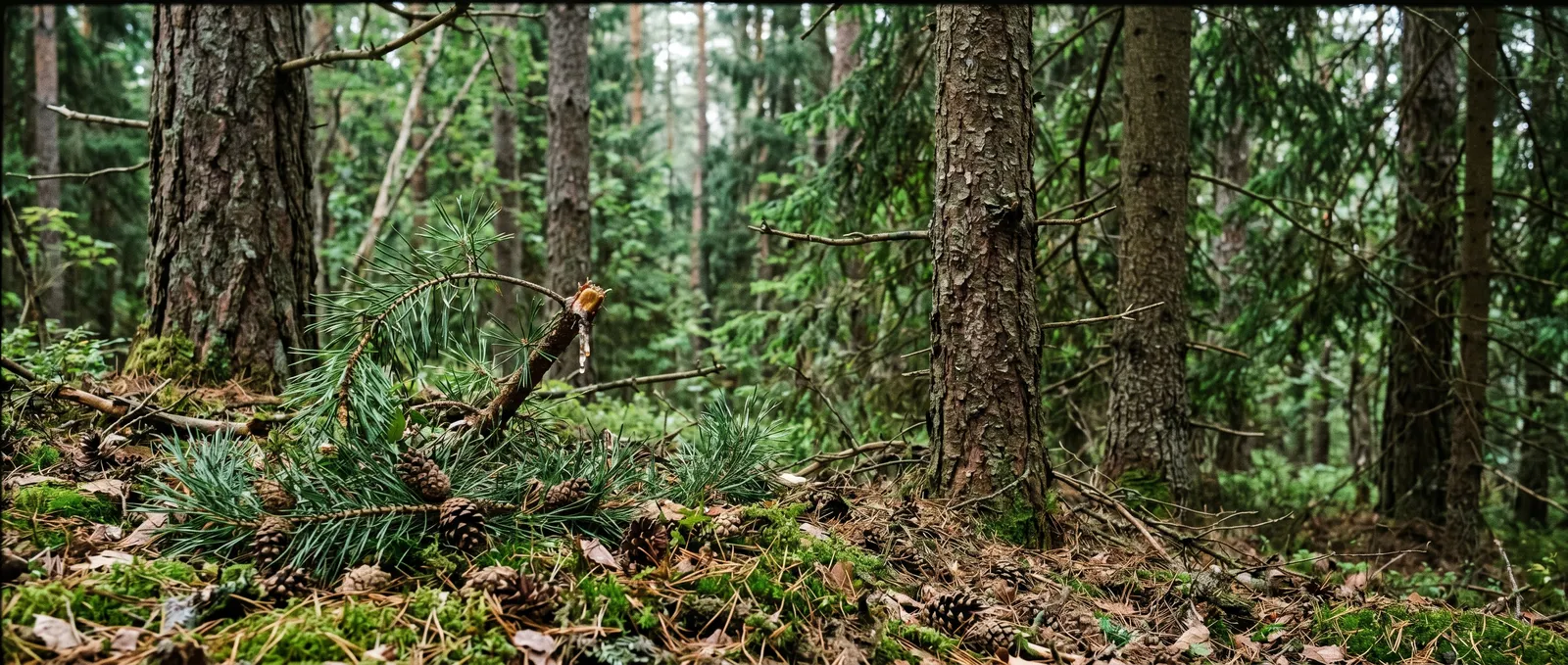
Pinene alpha and beta refers to a pair of bicyclic monoterpene isomers — α-pinene and β-pinene — that together rank as the most abundant terpenes in the plant kingdom. Walk through a pine forest and that sharp, resinous scent filling your lungs is largely pinene doing its work as a volatile signalling compound. In cannabis, pinene alpha and beta isomers both appear in trichome resin, built on the same bicyclic carbon skeleton but differing in the position of a single double bond. That small molecular distinction gives each isomer its own aroma character, its own boiling behaviour, and — potentially — its own biological activity. According to Salehi et al. (2019), pinene isomers are among the most widely distributed terpenes in nature, occurring in over 400 plant species across dozens of families. The European Monitoring Centre for Drugs and Drug Addiction (EMCDDA) has noted the growing interest in individual terpene profiles as part of broader phytochemical characterisation efforts.

Both isomers share the molecular formula C₁₀H₁₆ and a boiling point around 155 °C, which places them right at the lower edge of typical cannabis vaporisation temperatures. α-Pinene (IUPAC: 2,6,6-trimethylbicyclo[3.1.1]hept-2-ene) is the more prevalent isomer in both conifers and cannabis resin. β-Pinene (IUPAC: 6,6-dimethyl-2-methylenebicyclo[3.1.1]heptane) tends to appear in smaller quantities, though certain cultivars buck that trend. This article covers pinene alpha and beta comprehensively — what they smell like, where they come from, how they behave in a vaporiser, and what the preclinical research actually says versus what the internet claims.
Aroma Profile: Alpha Versus Beta
α-Pinene delivers a sharp, bright, piney aroma with a clean turpentine-like bite softened by a rosemary undertone. If you've ever crushed a fresh sprig of rosemary between your fingers or snapped a conifer twig, that initial burst of green sharpness is dominated by α-pinene. It reads as "outdoors" — resinous, slightly medicinal, and unmistakably vegetal.
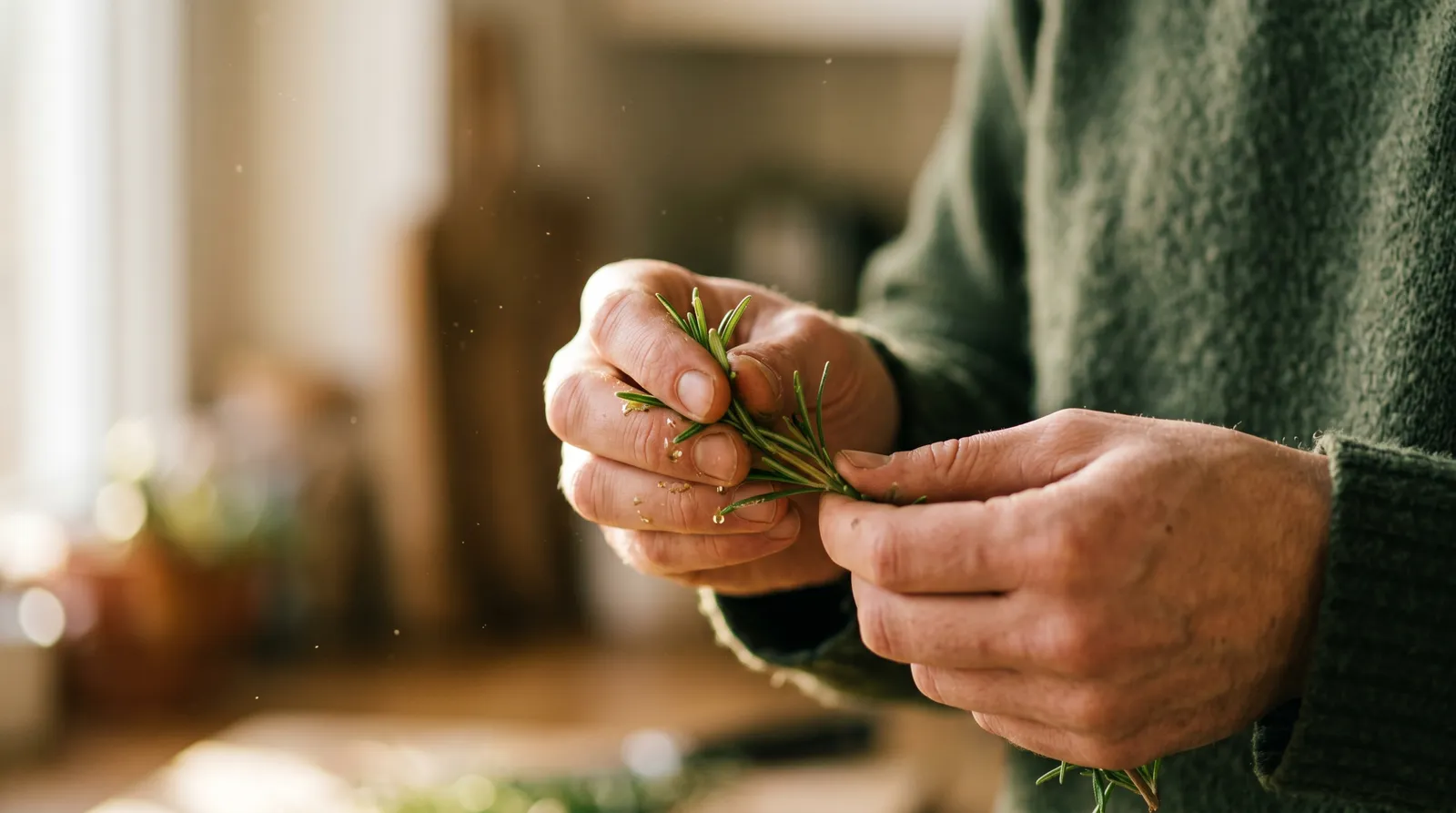
β-Pinene sits in different aromatic territory. It's woodier, drier, and more herbaceous, leaning towards dill, parsley, and hops rather than pine needles. Some aroma assessors describe it as having a subtle spiciness that α-pinene lacks. In cannabis cultivars where β-pinene shows up alongside myrcene and humulene, the overall nose can read as earthy-herbal rather than classically piney.
In pinene-dominant cannabis cultivars — certain Jack Herer, Blue Dream, and OG Kush lines are commonly cited — users frequently report a bright, forest-floor aroma that cuts through the heavier earthy or skunky notes. That brightness is largely α-pinene doing its job as a volatile top note, evaporating quickly and hitting the nose first. If you want to experience this profile yourself, you can buy terpene-rich cultivars from specialist shops and compare the nose of a pinene-dominant flower against a myrcene-dominant one side by side.
Natural Sources
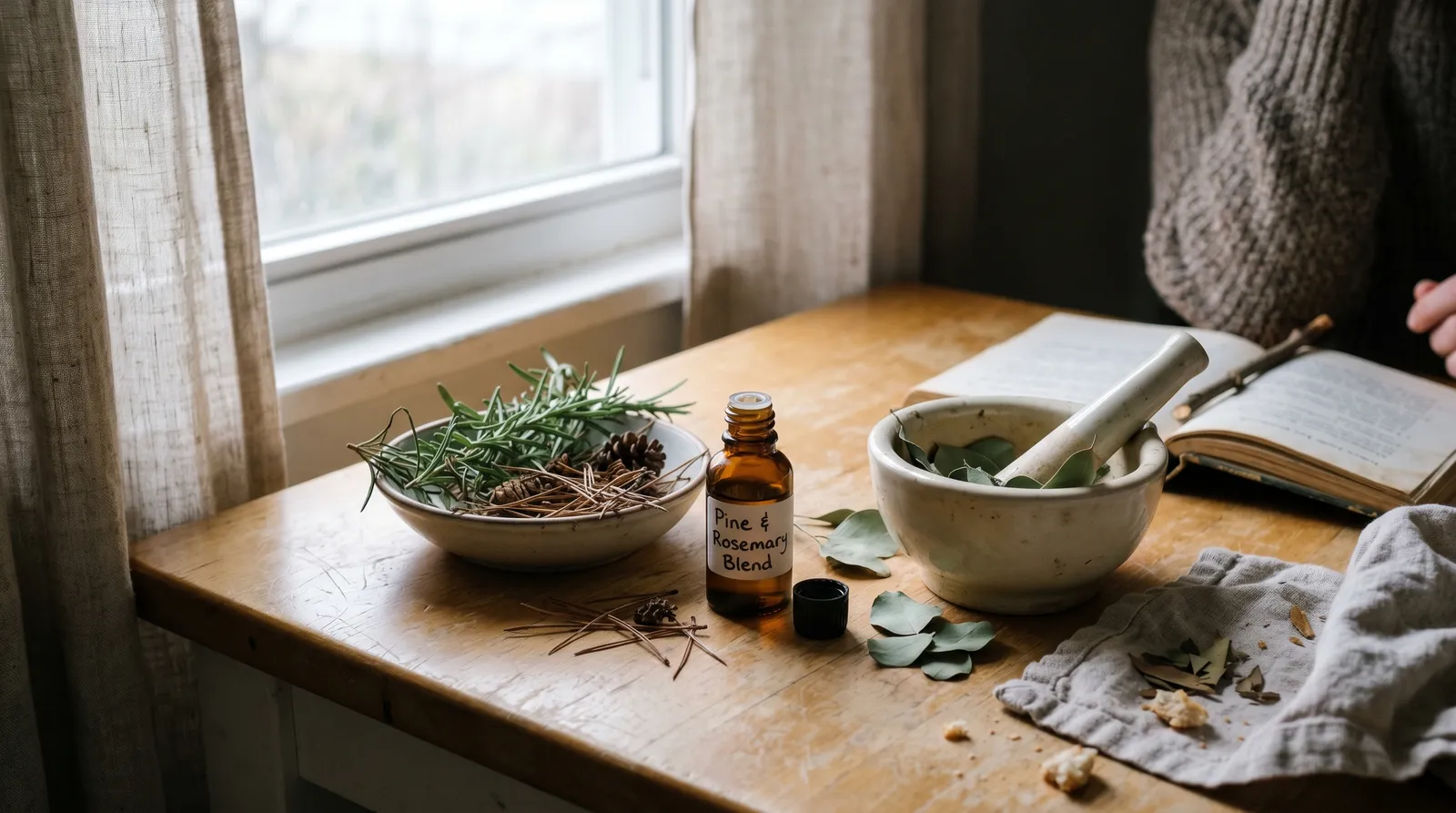
Pinene occurs in more plant families than almost any other single terpene. It's the compound most responsible for the smell of a pine forest, a rosemary roast, a eucalyptus steam room, and a freshly opened bag of basil. The table below gives a sense of just how widespread pinene alpha and beta isomers are across the botanical world.
| Natural source | Typical pinene content (% of essential oil) | Common name |
|---|---|---|
| Pinus sylvestris (needle oil) | 30–50% (mostly α) | Scots pine |
| Rosmarinus officinalis | 15–25% (α + β) | Rosemary |
| Eucalyptus globulus | 5–15% (α) | Blue gum eucalyptus |
| Salvia officinalis | 5–10% (α + β) | Common sage |
| Ocimum basilicum | 2–8% (β dominant) | Sweet basil |
| Cannabis sativa (various cultivars) | 0.1–3% of dry weight (α typically > β) | Cannabis / hemp |
Conifer resin is the heavyweight source — turpentine, the traditional solvent, is largely α-pinene. That industrial connection is worth knowing: pinene is one of the most commercially produced terpenes on the planet, with annual global output in the tens of thousands of tonnes, mostly derived from pine resin and paper-pulp by-products.
Chemistry and Biosynthesis
Both pinene isomers are monoterpenes composed of two isoprene units totalling ten carbons, synthesised from geranyl pyrophosphate (GPP) via pinene synthase enzymes in the plant's trichomes. The bicyclic ring structure (two fused rings sharing two carbon atoms) makes pinene relatively rigid compared to open-chain monoterpenes like myrcene or ocimene. That rigidity contributes to its volatility: pinene evaporates readily at room temperature, which is why you can smell a pine forest from the car park.
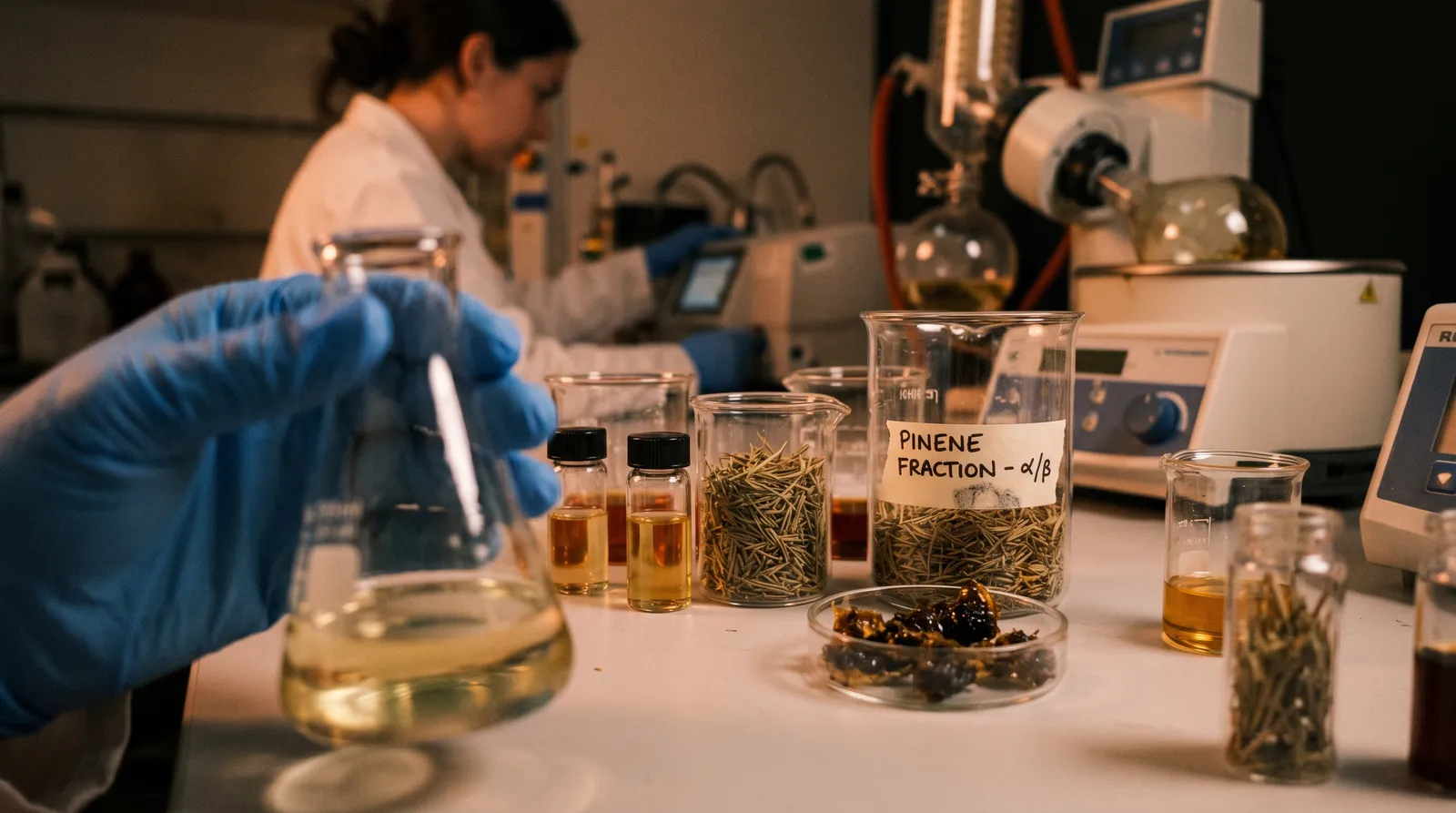
The structural difference between the two isomers is minimal but real. In α-pinene, the carbon-carbon double bond sits inside one of the rings (endocyclic). In β-pinene, it sits outside the ring as an exocyclic methylene group. This shifts the electron density enough to change receptor interactions, oxidation behaviour, and — as noted above — aroma character.
Both isomers oxidise on exposure to air, forming pinene oxide and verbenone among other products. Oxidised pinene fractions can act as skin sensitisers in some individuals, a point worth noting if you handle concentrated pinene-containing essential oils topically.
Vaporisation and Temperature
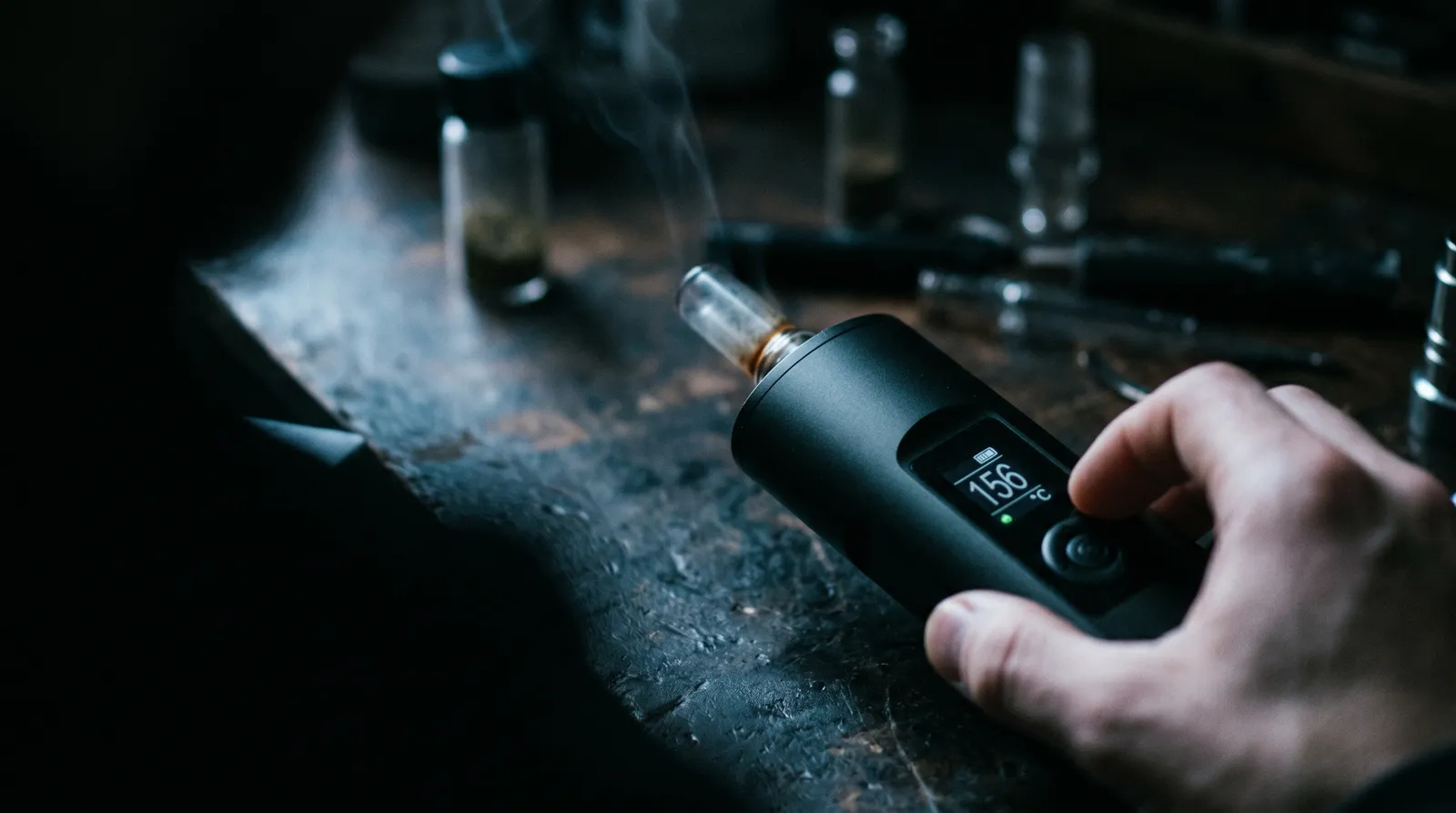
Pinene's boiling point of approximately 155 °C places it at the threshold where cannabinoid volatilisation begins. THC volatilises around 157 °C and CBD around 160–180 °C, meaning pinene starts to release at almost exactly the same temperature band as the primary cannabinoids. Setting a vaporiser to the 155–170 °C range captures pinene alongside the first wave of THC — a pairing that pinene-dominant cultivar fans specifically seek out for the aromatic quality it delivers.
| Terpene | Boiling point (°C) | Notes on vape temp band |
|---|---|---|
| Ocimene | ~50 | Volatilises well below typical vape range; mostly lost during drying/curing |
| Humulene | ~106 | Releases early; present in low-temp draws |
| α-/β-Pinene | ~155 | Coincides with THC onset; preserved at low-to-mid vape settings |
| β-Caryophyllene | ~160 | Just above pinene; mid-range vape setting |
| Myrcene | ~167 | Mid-range; standard session temperature |
| Limonene | ~176 | Upper-mid range |
| Linalool | ~198 | Requires higher temperatures to fully extract |
Raising the temperature above 180 °C extracts more cannabinoid but degrades pinene rapidly. If the piney, rosemary-forward character of a cultivar is what you're after, staying in the lower half of the temperature dial preserves it. This is a vaporisation-craft observation, not a health claim — the question of whether different temperature bands produce different physiological outcomes is a separate and largely unanswered one.
Preclinical Research
Pinene has attracted attention in pharmacology research, but no human clinical trial has confirmed therapeutic effects at concentrations relevant to cannabis use. Here's what actually exists in the literature.
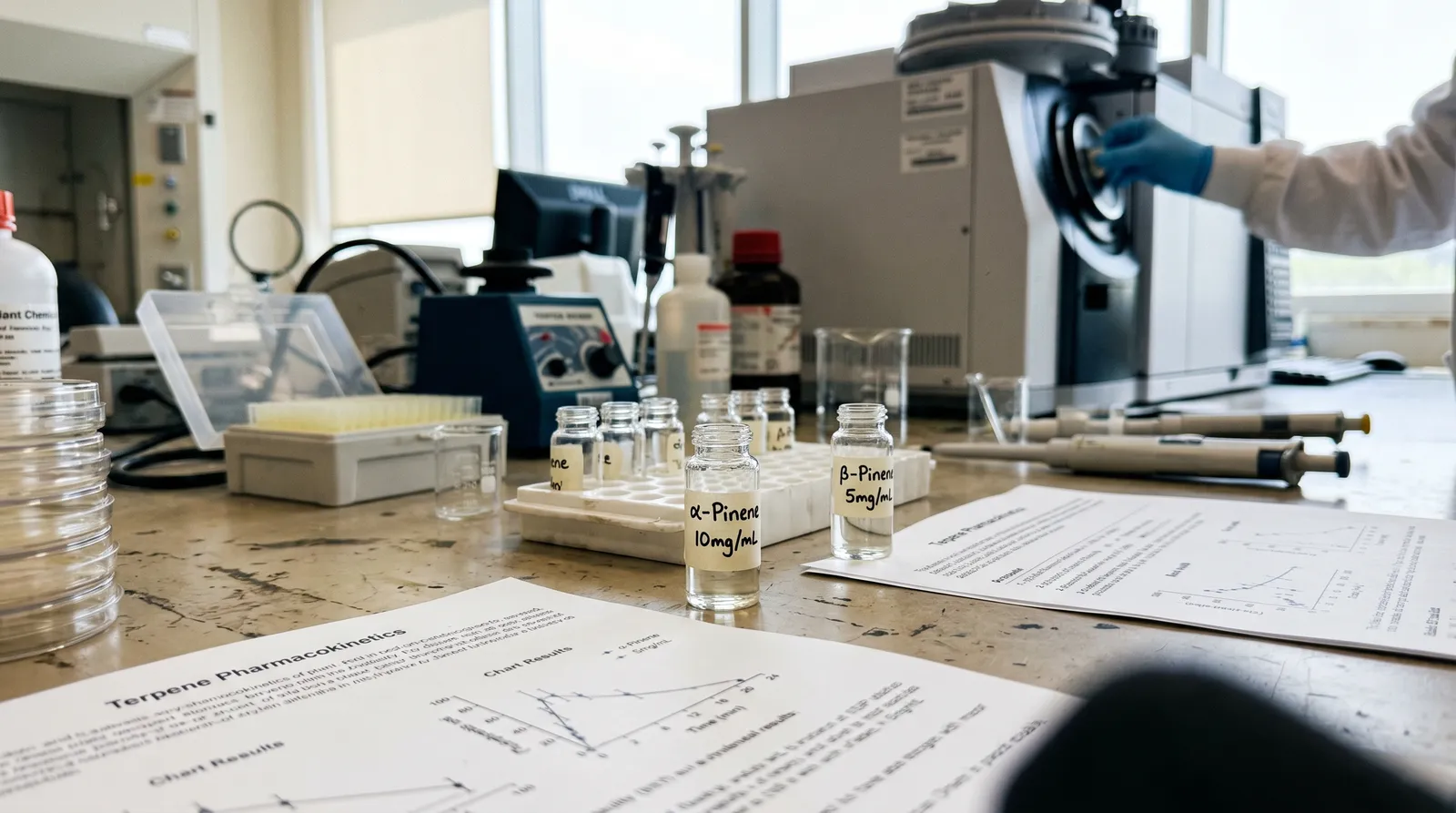
The most frequently cited finding is acetylcholinesterase (AChE) inhibition. Perry et al. (2000) reported that α-pinene inhibited AChE activity in an in-vitro assay, which led to widespread claims that pinene "improves memory" or "boosts focus." The mechanism is plausible on paper — AChE inhibitors increase acetylcholine availability, and acetylcholine is involved in memory and attention. But in-vitro enzyme inhibition at concentrations achievable in a test tube does not automatically translate to cognitive effects in a living human inhaling trace amounts of a terpene alongside dozens of other compounds. The dose, the route, and the context all matter, and human clinical data confirming a cognitive effect from pinene inhalation does not currently exist.
Separately, Kim et al. (2015) examined α-pinene in a mouse model of acute pancreatitis and reported reduced inflammatory markers. Again, this is a rodent study with a specific disease model — extrapolating it to "pinene is anti-inflammatory in humans" skips several necessary steps in the evidence chain.
β-Pinene has received less individual attention than its alpha sibling. Some researchers have examined it alongside α-pinene in essential-oil mixtures, making it difficult to attribute effects to one isomer specifically. Guzmán-Gutiérrez et al. (2015) tested both isomers in a mouse anxiety model and observed behavioural changes, but — as with the AChE data — the leap from rodent behaviour to human experience remains unvalidated.
The honest summary: pinene is a well-characterised molecule with interesting preclinical signals, none of which have been confirmed in human clinical trials at the concentrations relevant to cannabis use. That doesn't mean the signals are wrong — it means the work hasn't been done yet.
Isolated Pinene Versus Whole-Plant Context
Isolated pinene and whole-plant pinene deliver fundamentally different exposures despite sharing the same molecule. In cannabis flower, pinene appears at roughly 0.1–3% of dry weight, blended with cannabinoids, other terpenes, flavonoids, and dozens of minor compounds. The sensory experience of a pinene-dominant cultivar — that bright, resinous, forest-floor quality — arises from the whole mixture, not from pinene in isolation.
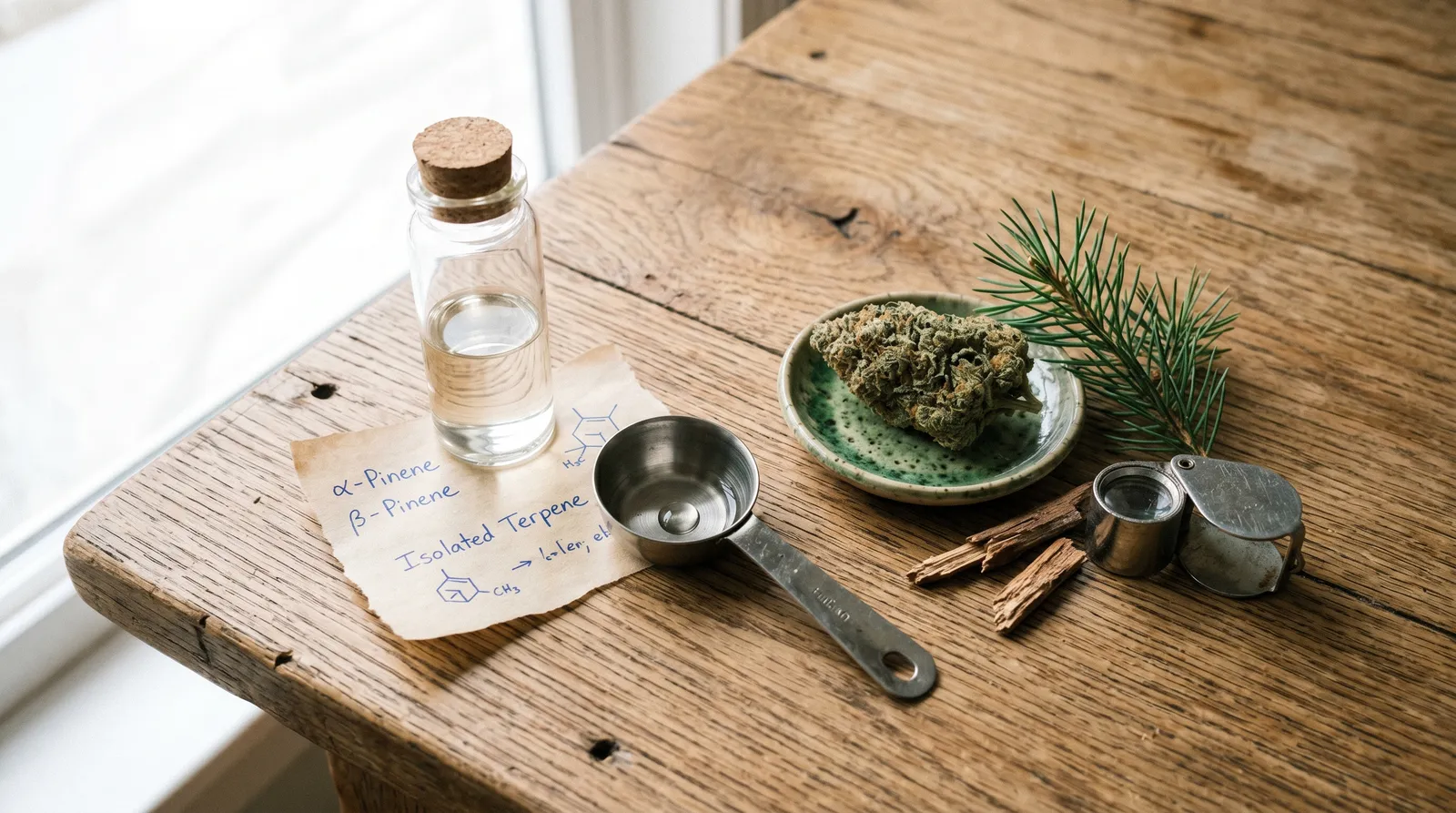
Isolated pinene products (terpene-fortified vape liquids, "strain-replication" blends) deliver concentrations and ratios that do not occur in the plant. Inhaling 95% α-pinene from a vape cartridge is a fundamentally different exposure from inhaling trace pinene alongside THC, myrcene, and caryophyllene from dried flower. The safety profile of high-concentration isolated terpene inhalation is not well characterised — long-term data on respiratory effects at those concentrations is thin, and the assumption that "natural therefore safe at any dose" does not hold up to scrutiny.
Pinene Compared to Other Terpenes
Pinene alpha and beta isomers occupy a distinct niche when compared to other common cannabis terpenes. Myrcene — the most abundant terpene in many cannabis cultivars — is an open-chain monoterpene with a musky, earthy aroma and a higher boiling point (167 °C), meaning it persists longer at higher vaporisation temperatures. Limonene delivers citrus brightness rather than pine sharpness and boils at 176 °C, placing it firmly in the upper-mid vape range. β-Caryophyllene, a sesquiterpene with a spicy-peppery profile, is the only terpene known to directly bind CB2 receptors — something neither pinene isomer does, based on Finlay et al. (2020).
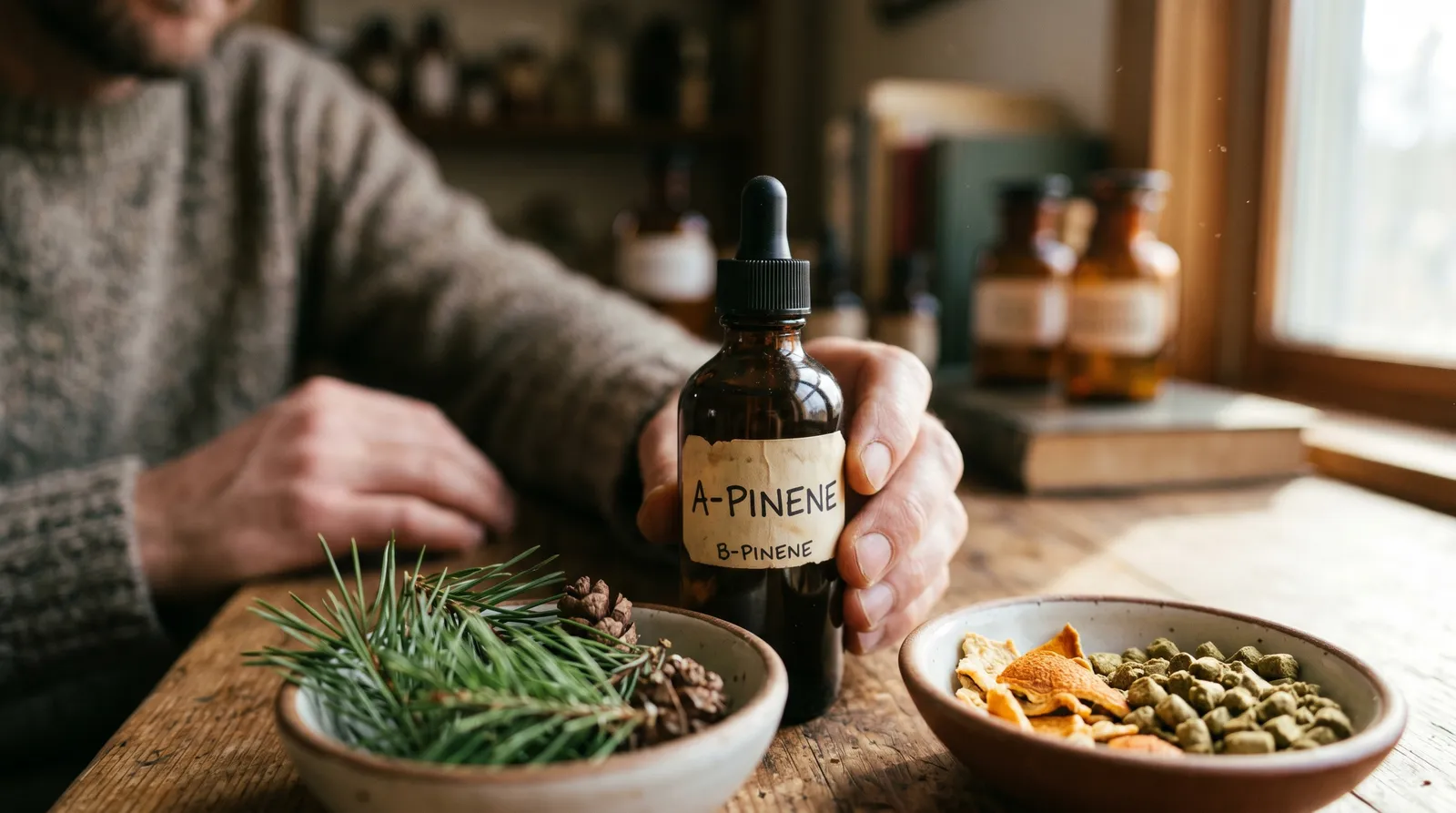
Where pinene stands apart is volatility and top-note character. Its low boiling point means it is the first terpene many users taste in a low-temperature vaporiser session, and its sharp brightness contrasts with the heavier, earthier profiles of myrcene and caryophyllene. For anyone building a sensory vocabulary around cannabis cultivars, learning to identify pinene's piney snap versus limonene's citrus peel versus myrcene's mango-musk is a useful starting exercise.
How to Identify Pinene-Dominant Cultivars
The most reliable way to identify a pinene-dominant cultivar is to check a certificate of analysis (COA) from a third-party lab that includes a terpene panel. Look for α-pinene listed above 0.3% of dry weight — anything above that threshold typically produces a noticeable piney aroma. β-Pinene usually appears at lower concentrations, but some cultivars show ratios approaching 1:1.
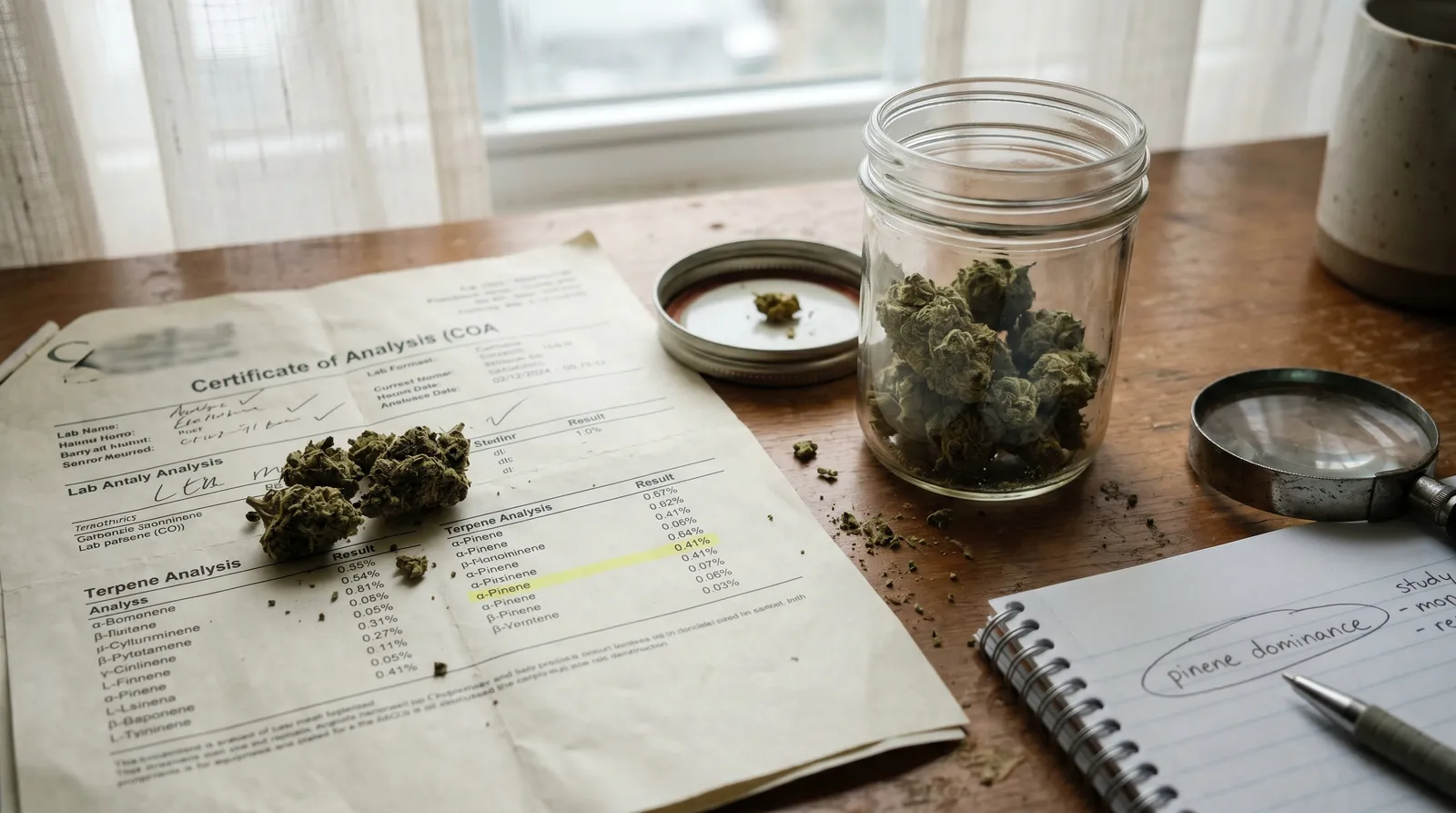
Without lab data, the nose is your next-best tool. Pinene-dominant flowers tend to smell sharp, resinous, and green on the initial crack of the bud — more pine forest than fruit bowl or fuel station. If you order a cultivar described as "piney" or "rosemary-forward" from a specialist shop, give it a slow, close sniff before grinding: that first volatile burst is where pinene lives.
Pinene in the Entourage Hypothesis
Russo (2011) specifically proposed that α-pinene might counteract some of THC's short-term memory impairment via the AChE-inhibition pathway described above. This is an elegant hypothesis and it's been repeated so often in cannabis media that many people treat it as established fact. It is not. The hypothesis draws on the Perry et al. (2000) in-vitro data and extrapolates a clinical prediction that has not been tested in a controlled human trial. Finlay et al. (2020) found no direct modulation of CB1 receptor binding by pinene at physiologically relevant concentrations, adding a further question mark.
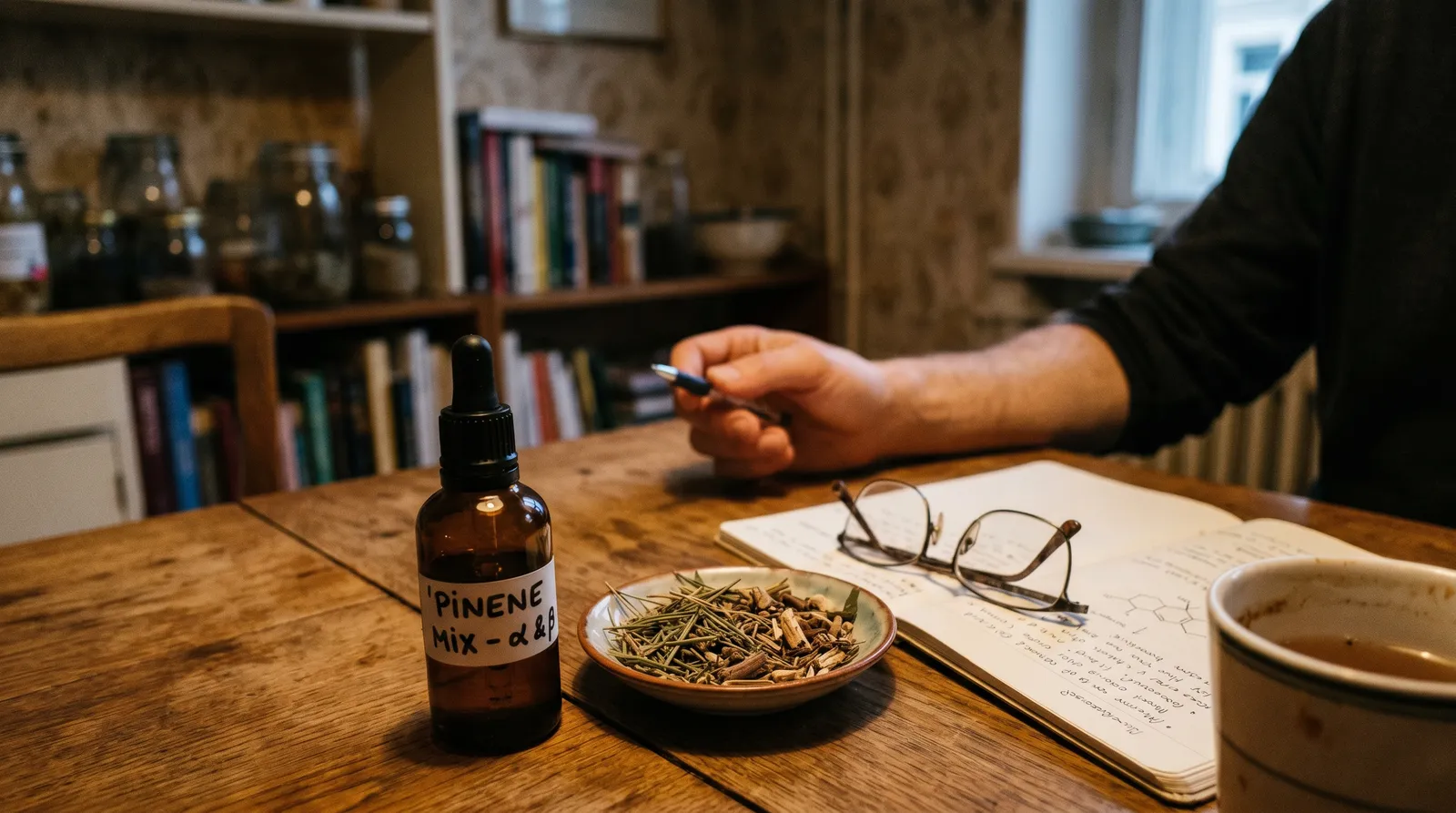
None of this disproves the entourage hypothesis — it simply means the pinene-specific component of it remains unconfirmed. For a broader look at the evidence, the terpene entourage effect article on this site covers the current state of play in more detail.
References
- EMCDDA (2024). 'Cannabis potency and terpene profiling in European markets.' European Monitoring Centre for Drugs and Drug Addiction technical report.
- Finlay, D.B. et al. (2020). 'Terpenoids from cannabis do not mediate an entourage effect by acting at cannabinoid receptors.' Frontiers in Pharmacology, 11, 359.
- Guzmán-Gutiérrez, S.L. et al. (2015). 'Antidepressant activity of Litsea glaucescens essential oil: Identification of β-pinene and linalool as active principles.' Journal of Ethnopharmacology, 143(2), 673–679.
- Kim, D.S. et al. (2015). 'α-Pinene exhibits anti-inflammatory activity through the suppression of MAPKs and the NF-κB pathway in mouse peritoneal macrophages.' The American Journal of Chinese Medicine, 43(4), 731–742.
- Perry, N.S.L. et al. (2000). 'In-vitro inhibition of human erythrocyte acetylcholinesterase by Salvia lavandulaefolia essential oil and constituent terpenes.' Journal of Pharmacy and Pharmacology, 52(7), 895–902.
- Russo, E.B. (2011). 'Taming THC: potential cannabis combination and phytocannabinoid-terpenoid entourage effects.' British Journal of Pharmacology, 163(7), 1344–1364.
- Salehi, B. et al. (2019). 'Therapeutic potential of α- and β-pinene: A miracle gift of nature.' Biomolecules, 9(11), 738.
This article describes terpene chemistry, aroma profiles, and natural sources for educational purposes. Information about preclinical research is provided for context only and does not constitute medical advice or claims of efficacy. Consult a qualified professional before using any botanical product to address a health concern.
Last updated: April 2026
Frequently Asked Questions
8 questionsWhat is the difference between alpha-pinene and beta-pinene?
Does pinene actually improve memory?
What temperature should I vaporise at to preserve pinene?
Is inhaling isolated pinene from vape liquids the same as inhaling it from cannabis flower?
Which cannabis cultivars are high in pinene?
Can I buy pinene as an isolated terpene?
Is pinene safe to inhale when vaporising cannabis?
Does pinene interact with other terpenes in cannabis (entourage effect)?
About this article


Luke Sholl has been writing about cannabis, cannabinoids, and the broader benefits of nature since 2011, and has personally grown cannabis in home grow tents for more than a decade. That first-hand cultivation experience
This wiki article was drafted with AI assistance and reviewed by Luke Sholl, External contributor since 2026. Editorial oversight by Toine Verleijsdonk.
Medical disclaimer. This content is for informational purposes only and does not constitute medical advice. Consult a qualified healthcare provider before use of any substance.
Last reviewed May 2, 2026
Related Articles

CBD and Recovery: What the Research Actually Shows
CBD and recovery is a research topic spanning exercise-induced muscle damage, sleep quality, and perceived soreness. As McCartney et al.
CBD Pet Dosing Vet Consultation: Prepare for Your Visit
Veterinary CBD dosing is not a scaled-down version of human dosing — dogs and cats metabolise cannabidiol through different enzymatic pathways and at…
CBD for Cats Veterinary Considerations: Feline Research, Safety and Guidance
Cats metabolise cannabinoids differently from dogs and humans, lacking key glucuronidation enzymes that affect CBD clearance. Deabold et al.
EU Novel Food Regulation CBD: Country Status, EFSA Safety & Guide
EU novel food regulation CBD is a policy framework under EU rule 2015/2283 that classifies cannabidiol extracts as a novel food, requiring safety assessment…
CBD Topical Creams Medical Grade: CE-Marked Class I Explained
CBD topical creams deliver cannabidiol directly to the skin rather than the bloodstream.
Humulene Effects and Aroma Profile | Terpene Guide
Humulene (α-humulene) is a monocyclic sesquiterpene named after Humulus lupulus — hops.
Terpene Entourage Effect: Current Evidence Reviewed
The terpene entourage effect proposes that cannabis terpenes modulate cannabinoid activity, producing different outcomes than isolated compounds alone.
CBD and Skin Conditions: What Research Shows
Cannabidiol (CBD) interacts with the endocannabinoid system expressed in human skin — including CB1 and CB2 receptors on keratinocytes, sebocytes, and…
CBD and Stress: What Research Actually Shows
Cannabidiol (CBD) has been studied in a growing number of human trials measuring stress-related outcomes — from cortisol levels to subjective anxiety under…