
This article discusses psychoactive substances intended for adults (18+). If you have a health condition or take medication, consult a doctor before use. Our age policy
Ocimene Effects and Aroma Profile Explained
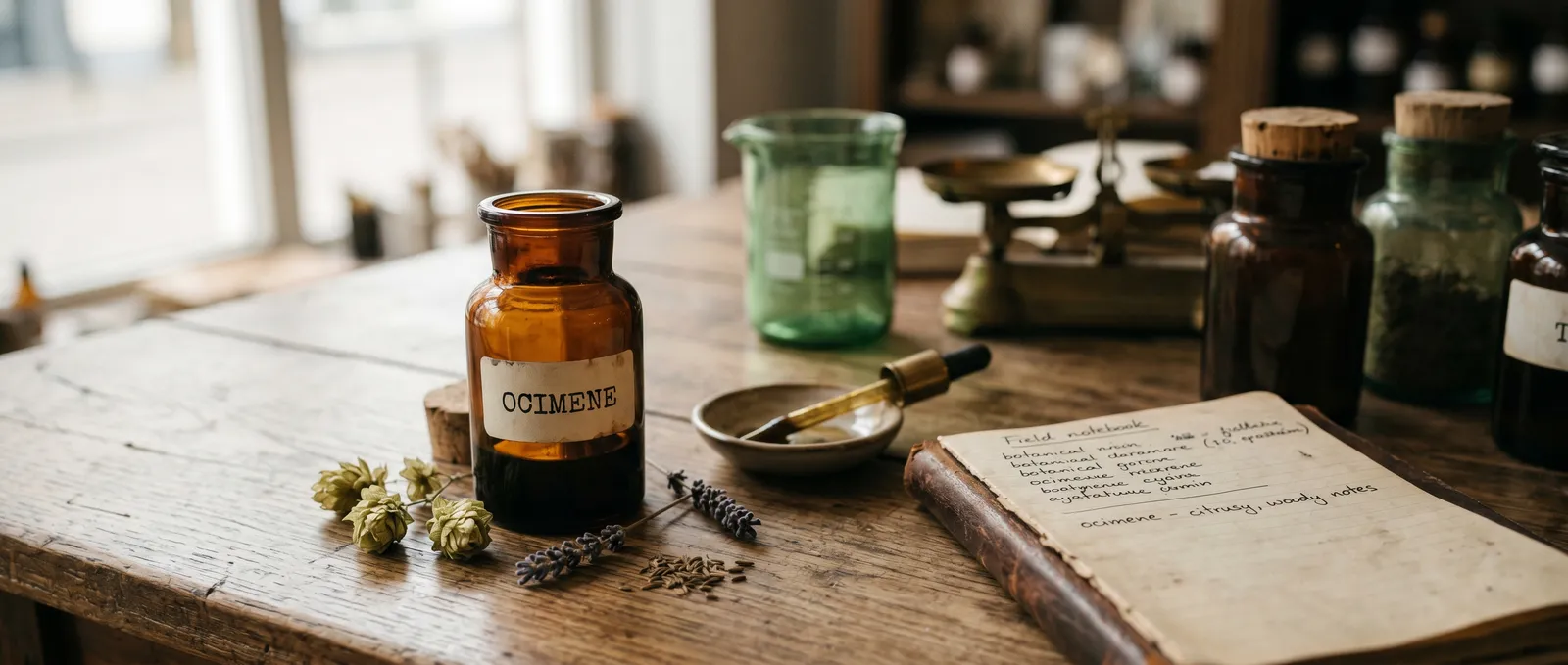
Definition
Ocimene is an acyclic monoterpene (3,7-dimethylocta-1,3,6-triene) with a sweet, herbaceous aroma and the lowest boiling point (~50 °C) of any common cannabis terpene. Classified as a minor terpene in cannabis, it appears at trace concentrations across many cultivars and volatilises rapidly during curing and storage (Russo, 2011).
What Is Ocimene?
Ocimene is an acyclic monoterpene — meaning it's built from two isoprene units arranged in an open chain rather than a ring. Its IUPAC name is 3,7-dimethylocta-1,3,6-triene, and it exists as two geometric isomers: cis-β-ocimene (Z) and trans-β-ocimene (E), along with the less common α-ocimene. The name comes from the Greek ōkimon, meaning basil — one of the plants where it was first identified. In cannabis, ocimene sits firmly in the "minor terpene" category. It rarely dominates a cultivar's terpene profile the way myrcene or limonene might, but it shows up at low concentrations across a surprisingly broad range of cultivars, contributing a sweet, herbaceous top note that's easy to miss if you're not paying attention.

With a boiling point of roughly 50 °C (PubChem CID 5281553), ocimene is the most volatile of the seven terpenes covered in this series. That single fact shapes almost everything interesting about it — from how quickly it disappears during curing and storage to how it behaves during vaporisation.
Aroma Profile: Sweet, Herbaceous, and Fleeting
If you've ever crushed a fresh basil leaf between your fingers and caught that initial burst of sweetness before the deeper herbal notes settle in, you've met ocimene. The aroma sits in a space between sweet-floral and green-herbaceous, with light woody undertones that vary slightly between the two main isomers. Trans-β-ocimene tends toward the sweeter, more floral end; cis-β-ocimene leans a touch more vegetal and green. In practice, you're almost always encountering a mixture of both.
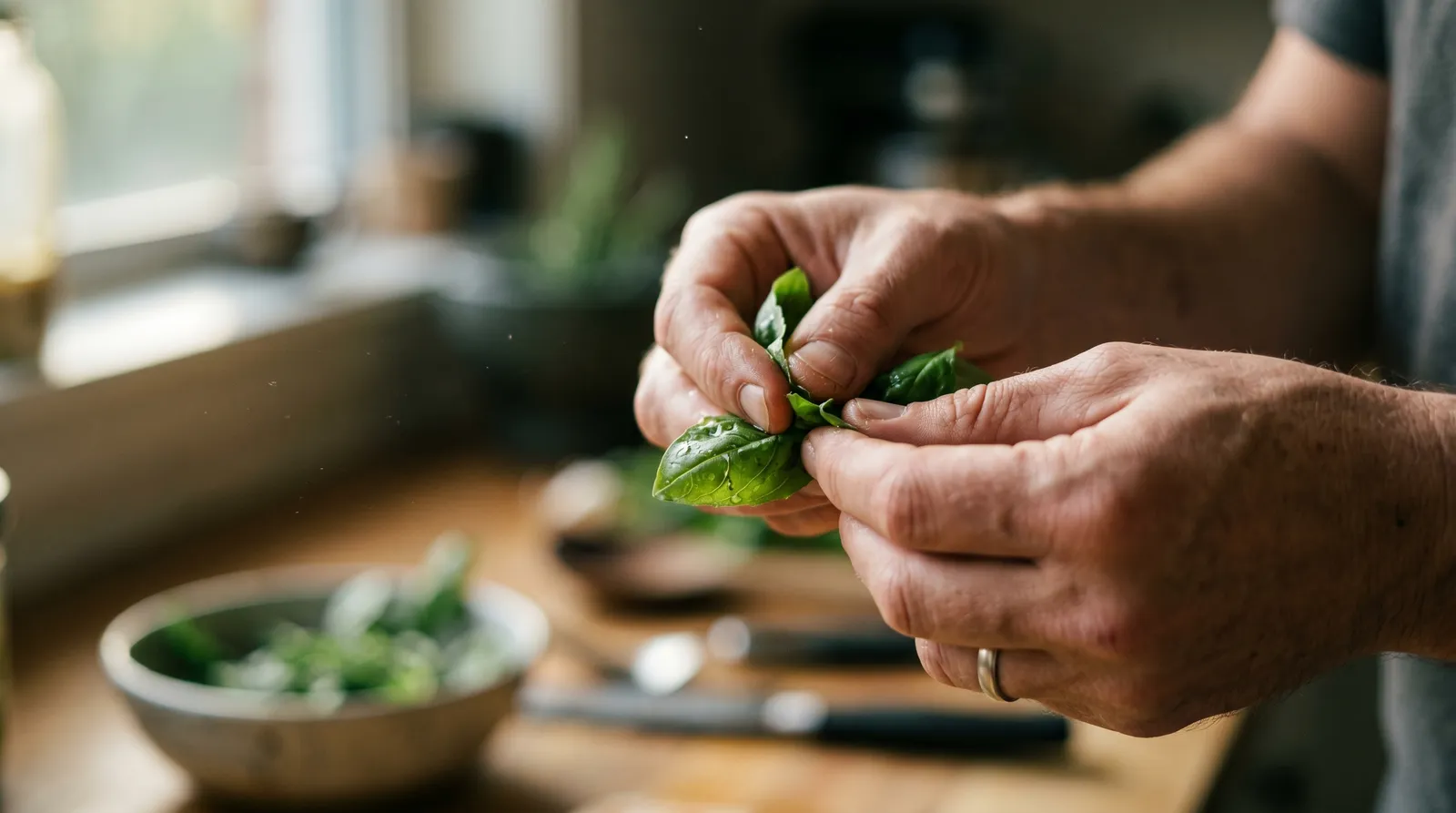
In cannabis cultivars where ocimene appears alongside dominant terpenes like myrcene or terpinolene, it functions more as a modifier than a lead note. It adds a sweet lift — think of it as the aromatic equivalent of a high note in a perfume composition. Cultivars with detectable ocimene levels are sometimes described by users as having a "fresh" or "uplifting" scent character, though isolating ocimene's specific contribution from a complex terpene blend of 20+ compounds is genuinely difficult outside of analytical chemistry.
Natural Sources
Ocimene is widespread in the plant kingdom, appearing in species that rely on volatile compounds for pollinator attraction or pest defence. Below are some of the better-documented sources.

| Natural source | Typical % ocimene content | Common-name plant |
|---|---|---|
| Ocimum basilicum | 2–8% of essential oil | Sweet basil |
| Mentha spp. | 1–5% of essential oil | Mint |
| Petroselinum crispum | 0.5–3% of essential oil | Parsley |
| Artemisia dracunculus | 1–4% of essential oil | Tarragon |
| Mangifera indica | Trace–1% of peel volatiles | Mango |
| Orchidaceae (various) | Variable | Orchids |
The orchid connection is worth a moment. Several orchid species produce ocimene as a volatile floral emission to attract specific pollinators — it's part of the chemical conversation between flower and insect. Farkas et al. (2013) identified ocimene as a major component of floral scent in multiple Gymnadenia orchid species, where it appears to function as a pollinator signal rather than a defensive compound.
Volatility and Vaporisation
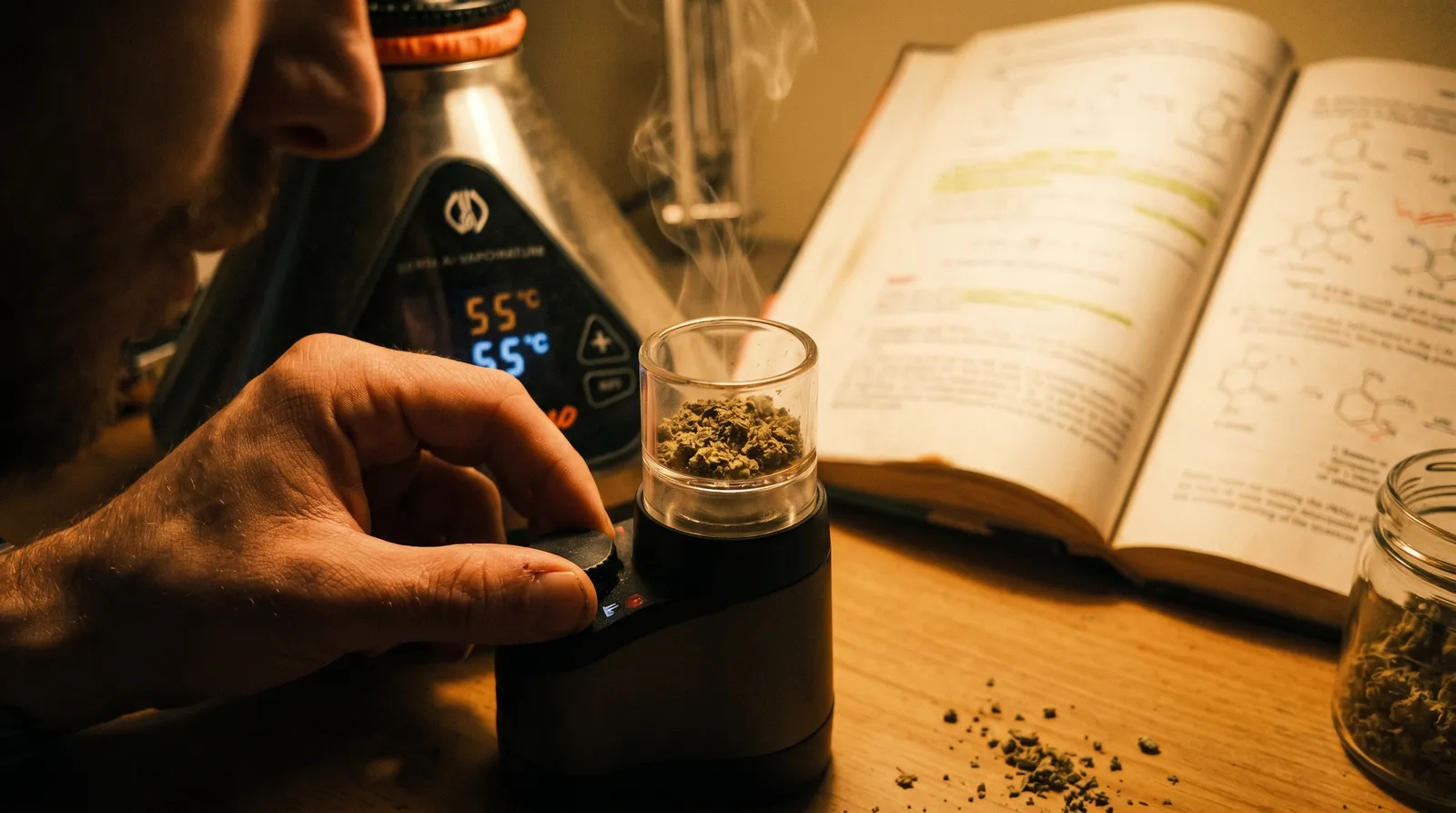
At approximately 50 °C, ocimene's boiling point is lower than any other terpene in this series — and dramatically lower than the cannabinoids it coexists with in cannabis flower. THC volatilises around 157 °C; CBD around 180 °C. This means ocimene is already long gone before you've reached temperatures where cannabinoid extraction begins in earnest.
| Terpene | Boiling point (°C) | Notes on vape temp band |
|---|---|---|
| Ocimene | ~50 | Volatilises well below any standard vape setting; largely lost before cannabinoid extraction begins |
| Humulene | ~106 | Still below most vape presets |
| Pinene | ~155 | Low-end vape range (~155–175 °C) |
| β-Caryophyllene | ~160 | Low-to-mid vape range |
| Myrcene | ~167 | Mid vape range |
| Limonene | ~176 | Mid vape range |
| Linalool | ~198 | Upper vape range |
For anyone using a temperature-controlled vaporiser, this has practical implications. If you're starting a session at the lowest temperature band (155–175 °C), you're capturing pinene, caryophyllene, and myrcene — but ocimene has already volatilised at room temperature and ambient handling. In whole flower, most ocimene is lost during the drying and curing process itself. What remains in a properly cured bud is a fraction of what was present on the living plant. This is a vaporisation-craft observation, not a health claim — for more on temperature bands and device selection, the vaporiser guides on this wiki cover the topic in detail.
Ocimene in Cannabis Cultivars
Ocimene rarely tops a cannabis terpene profile. When GC-MS analysis of cannabis cultivars lists it at all, concentrations typically fall below 0.1% of dry weight — compared to myrcene, which can reach 1–3% in dominant cultivars. That said, it appears as a secondary or tertiary terpene in a wide range of cultivar families, including certain Clementine, Dutch Treat, and Golden Goat lines, where it contributes to the "sweet-herbal" top note users sometimes describe.
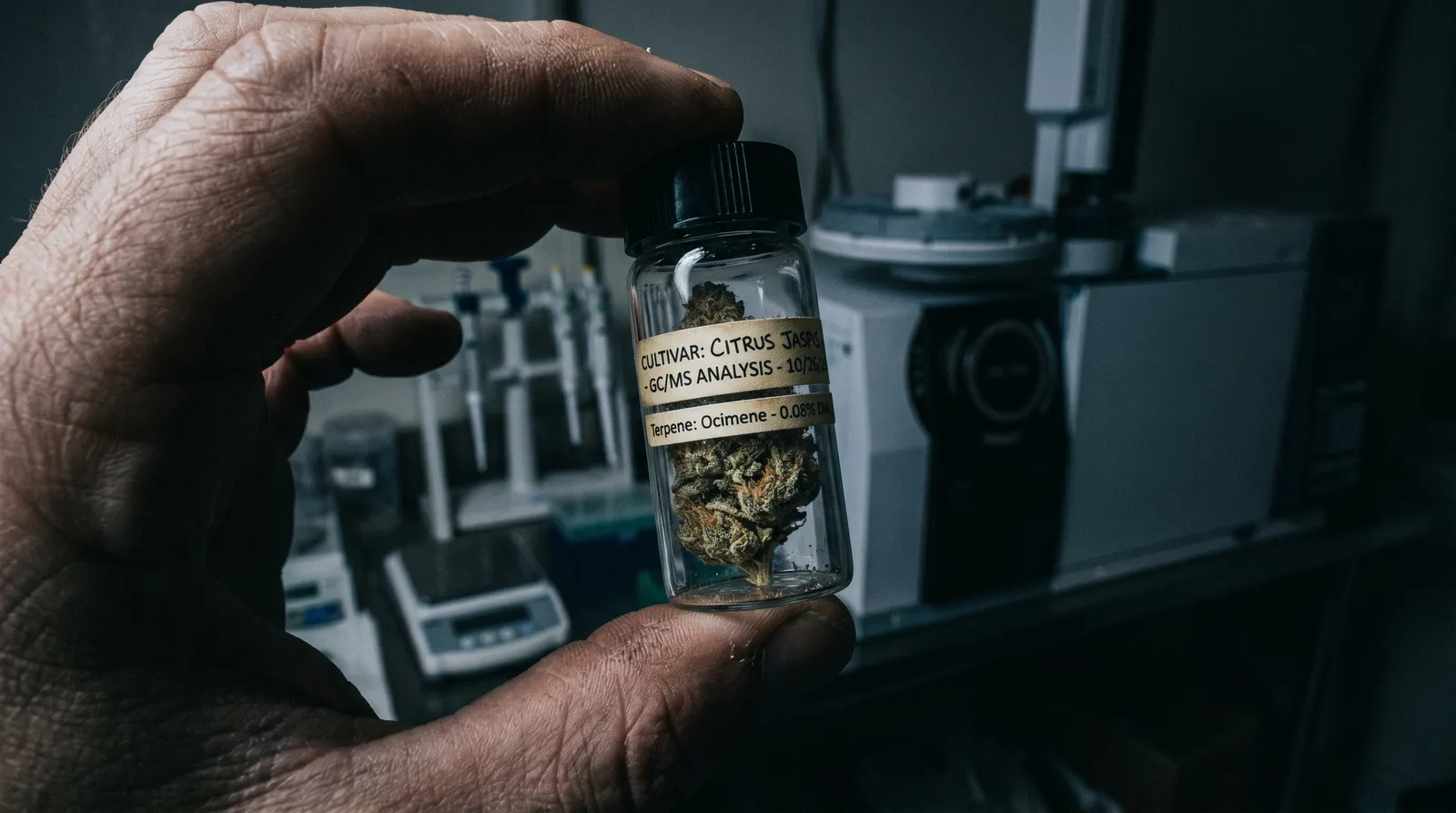
Because it's so volatile, ocimene content varies significantly between the same cultivar harvested at different times, dried under different conditions, or stored for different durations. Two jars of the same cultivar from the same grower can show meaningfully different ocimene levels depending on post-harvest handling. This makes it a poor candidate for "strain typing" — unlike myrcene or limonene, whose concentrations are more stable and more useful for distinguishing cultivar families.
What Does Preclinical Research Say?
The pharmacology literature on ocimene is thinner than for the major cannabis terpenes. Most published work examines ocimene as one component of a complex essential oil rather than as an isolated compound, which makes it difficult to attribute specific biological activity to ocimene alone.
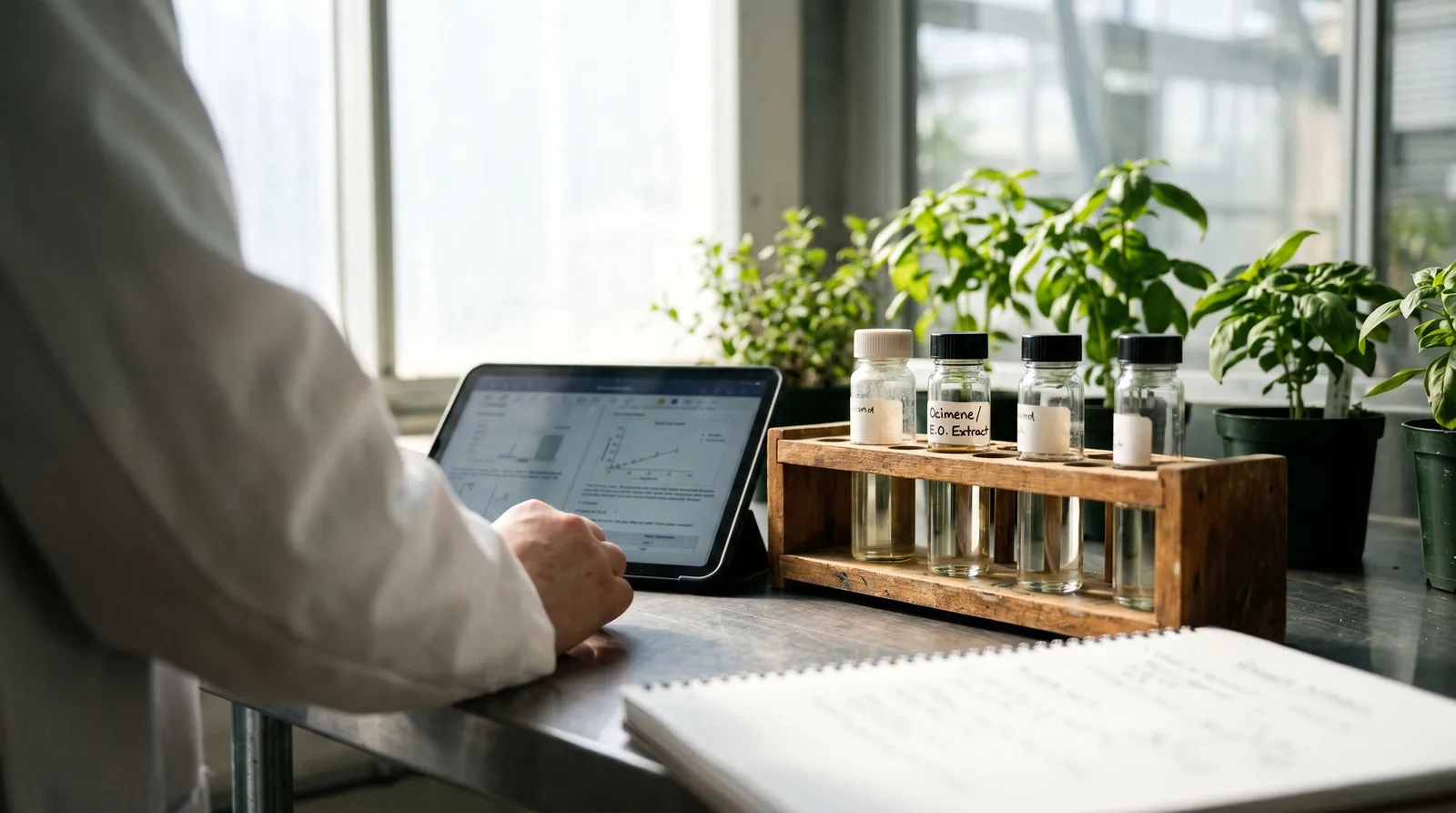
Cavalcante et al. (2006) reported that an essential oil rich in ocimene from Lippia alba showed anti-inflammatory activity in a rodent paw oedema model. However, the oil contained multiple terpenes — ocimene was a major component but not the only active one. Separating its individual contribution from the mixture remains an open question.
Similarly, Ferrara et al. (2010) examined the antimicrobial activity of basil essential oils with varying ocimene content and found activity against several bacterial and fungal strains. Again, the essential oil is a complex mixture; attributing the antimicrobial effect specifically to ocimene requires isolation studies that, as of early 2026, remain sparse.
No human clinical trials have examined isolated ocimene for any indication. The gap between "an essential oil containing ocimene showed activity in a petri dish" and "ocimene does X in a human body" is wide, and the existing literature doesn't bridge it. This is not unusual for minor terpenes — even major cannabis terpenes like myrcene and limonene have limited human clinical data. But it does mean that any specific effect claims about ocimene should be treated with considerable scepticism.
Isolated Ocimene vs. Whole-Plant Context
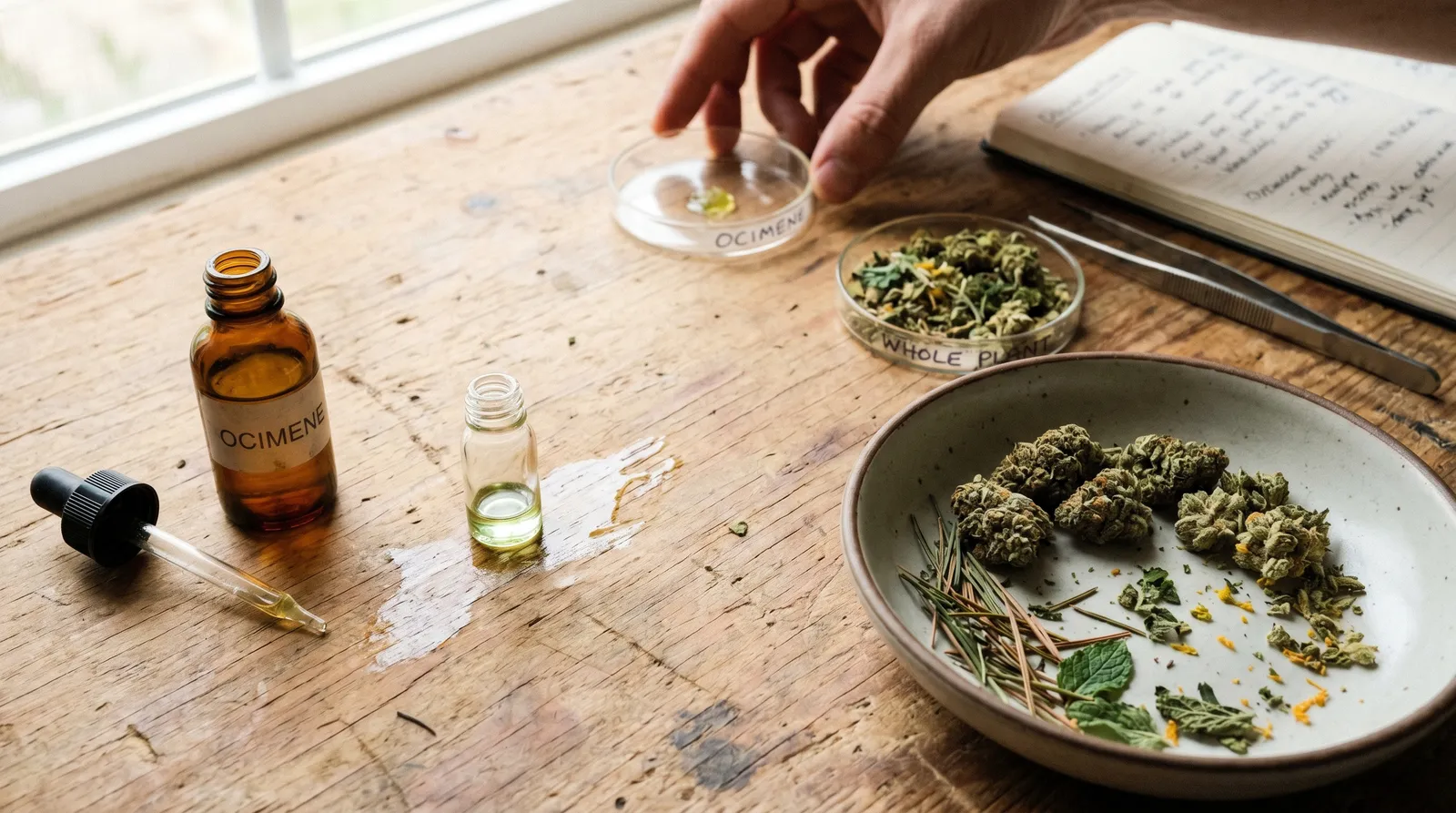
This distinction matters for every terpene, but it's especially relevant for ocimene because of the concentration gap. In cannabis flower, ocimene exists at trace levels alongside dozens of other compounds. In isolated terpene products — terpene-fortified vape liquids, "strain-replication" blends — concentrations can be orders of magnitude higher than anything found in nature. These are different chemical exposures with different safety profiles. Long-term inhalation data for concentrated isolated ocimene is essentially absent from the published literature, and the assumption that "natural = safe at any concentration" doesn't hold for volatile organic compounds delivered directly to lung tissue.
Ocimene and the Entourage Hypothesis
Russo's (2011) entourage effect hypothesis proposes that terpenes and cannabinoids interact to modulate the overall effect of cannabis. It's an influential idea, but for ocimene specifically, the evidence is thin. Unlike β-caryophyllene — which has a documented mechanism as a CB2 selective agonist (Gertsch et al., 2008) — ocimene has no known direct interaction with cannabinoid receptors. Its contribution to the entourage effect, if any, would likely be through indirect mechanisms that haven't been characterised. The current evidence article on the entourage effect in this wiki series covers the broader debate in more depth.

References
- PubChem CID 5281553 — (E)-β-Ocimene compound summary.
- Cavalcante, H.A.O. et al. (2006). Anti-inflammatory activity of Lippia alba essential oil. Journal of Ethnopharmacology, 108(2), 308–310.
- Farkas, Á. et al. (2013). Floral scent composition of Gymnadenia species. Biochemical Systematics and Ecology, 51, 173–179.
- Ferrara, L. et al. (2010). Antimicrobial activity of essential oils of Ocimum basilicum. Journal of Medicinal Food, 13(3), 677–681.
- Gertsch, J. et al. (2008). Beta-caryophyllene is a dietary cannabinoid. Proceedings of the National Academy of Sciences, 105(26), 9099–9104.
- Russo, E.B. (2011). Taming THC: potential cannabis combination and phytocannabinoid-terpenoid entourage effects. British Journal of Pharmacology, 163(7), 1344–1364.
This article describes terpene chemistry, aroma profiles, and natural sources for educational purposes. Information about preclinical research is provided for context only and does not constitute medical advice or claims of efficacy. Consult a qualified professional before using any botanical product to address a health concern.
Last updated: April 2026
Frequently Asked Questions
7 questionsWhy does ocimene disappear so quickly from dried cannabis?
Can you taste or smell ocimene when vaporising cannabis?
Is ocimene the same in basil and cannabis?
Does ocimene interact with cannabinoid receptors like beta-caryophyllene does?
What is the difference between cis-ocimene and trans-ocimene?
Which cannabis strains typically contain the highest levels of ocimene?
Is ocimene flammable or unstable in concentrates?
About this article


Luke Sholl has been writing about cannabis, cannabinoids, and the broader benefits of nature since 2011, and has personally grown cannabis in home grow tents for more than a decade. That first-hand cultivation experience
This wiki article was drafted with AI assistance and reviewed by Luke Sholl, External contributor since 2026. Editorial oversight by Toine Verleijsdonk.
Medical disclaimer. This content is for informational purposes only and does not constitute medical advice. Consult a qualified healthcare provider before use of any substance.
Last reviewed April 25, 2026
Related Articles

Pinene Alpha and Beta: Aroma, Chemistry & Vaporisation Guide
Pinene is a bicyclic monoterpene occurring as two isomers — α-pinene and β-pinene — and ranks as the most abundant terpene in the plant kingdom.

CBD and Recovery: What the Research Actually Shows
CBD and recovery is a research topic spanning exercise-induced muscle damage, sleep quality, and perceived soreness. As McCartney et al.

CBD Pet Dosing Vet Consultation: Prepare for Your Visit
Veterinary CBD dosing is not a scaled-down version of human dosing — dogs and cats metabolise cannabidiol through different enzymatic pathways and at…

CBD for Cats Veterinary Considerations: Feline Research, Safety and Guidance
Cats metabolise cannabinoids differently from dogs and humans, lacking key glucuronidation enzymes that affect CBD clearance. Deabold et al.
EU Novel Food Regulation CBD: Country Status, EFSA Safety & Guide
EU novel food regulation CBD is a policy framework under EU rule 2015/2283 that classifies cannabidiol extracts as a novel food, requiring safety assessment…
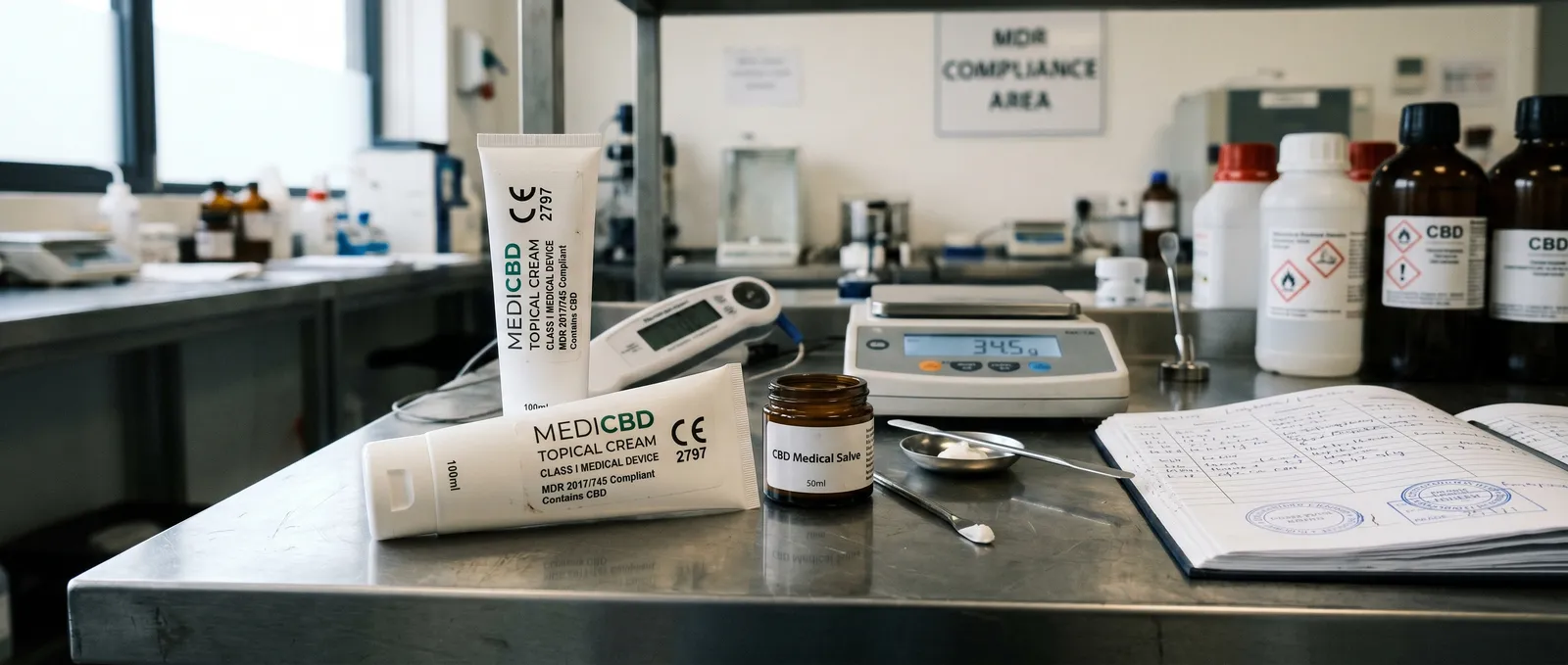
CBD Topical Creams Medical Grade: CE-Marked Class I Explained
CBD topical creams deliver cannabidiol directly to the skin rather than the bloodstream.
Humulene Effects and Aroma Profile | Terpene Guide
Humulene (α-humulene) is a monocyclic sesquiterpene named after Humulus lupulus — hops.

Terpene Entourage Effect: Current Evidence Reviewed
The terpene entourage effect proposes that cannabis terpenes modulate cannabinoid activity, producing different outcomes than isolated compounds alone.
CBD and Skin Conditions: What Research Shows
Cannabidiol (CBD) interacts with the endocannabinoid system expressed in human skin — including CB1 and CB2 receptors on keratinocytes, sebocytes, and…