
This article discusses psychoactive substances intended for adults (18+). If you have a health condition or take medication, consult a doctor before use. Our age policy
Myrcene Effects and Aroma Profile Explained
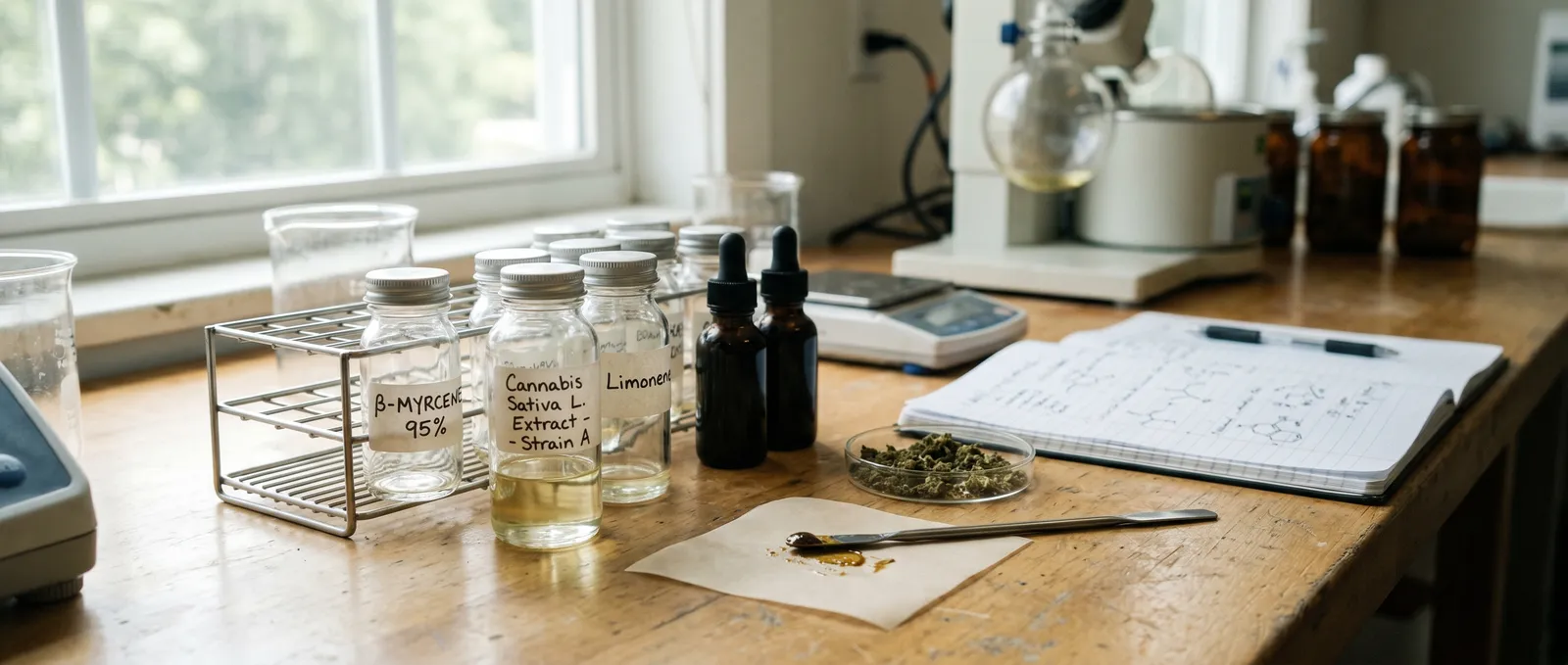
Definition
Myrcene (β-myrcene) is an acyclic monoterpene and frequently the most abundant terpene in modern cannabis cultivars, often exceeding 20% of total terpene content (Russo, 2011). Its earthy, musky aroma anchors many familiar cannabis profiles. Despite widespread association with sedative 'couch-lock' effects, the pharmacological evidence remains preclinical — rodent studies exist, but no controlled human trials have confirmed the mechanism.
What Is Myrcene?
Myrcene effects and aroma profile are central to understanding modern cannabis terpene science — myrcene (β-myrcene, 7-methyl-3-methylideneocta-1,6-diene) is an acyclic monoterpene that shapes the earthy, musky character of countless cannabis cultivars. It's biosynthesised from geranyl pyrophosphate (GPP), the same precursor that gives rise to pinene, limonene, and linalool. With the molecular formula C₁₀H₁₆ and a boiling point of approximately 167 °C, it sits right in the middle of the monoterpene volatility range. In cannabis, myrcene is frequently the single most abundant terpene by dry weight, often accounting for over 20% of total terpene content in GC-MS analyses of modern cultivars (Russo, 2011). This article covers the myrcene effects and aroma profile in depth — its natural sources, and what preclinical research has — and hasn't — established about its pharmacology. Content below applies to adults aged 18 and over.
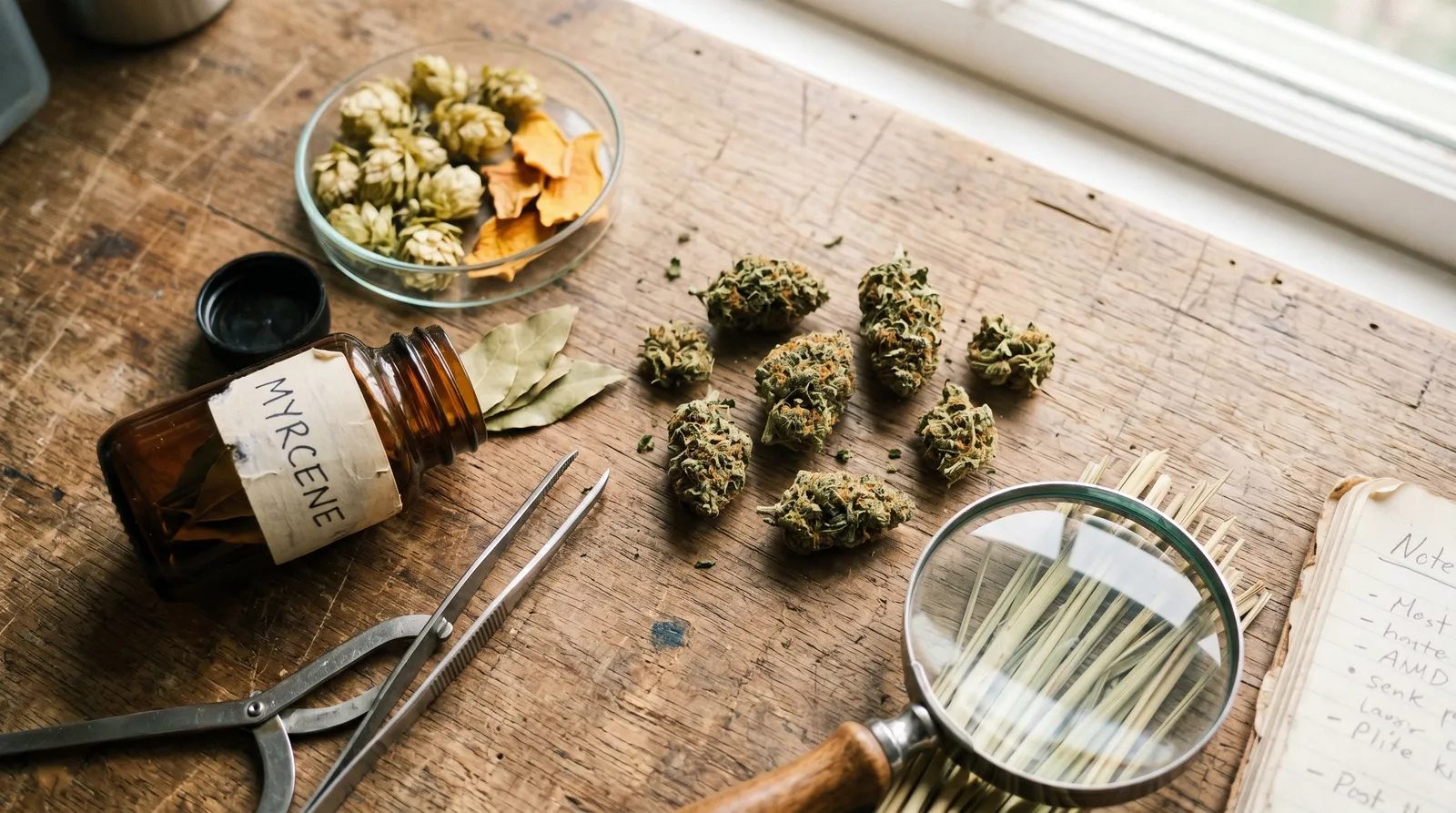
Aroma Profile: Earthy, Musky, and Herbal
Myrcene's aroma is earthy, musky, and warmly herbal — a bass note among terpenes rather than a bright top note. If you've ever cracked open a fresh mango and caught that deep, almost resinous sweetness underneath the tropical fruit notes — that's myrcene doing a lot of the heavy lifting. The scent is commonly described as earthy and musky, with herbal undertones and hints of clove and ripe red grape. It's not a bright, punchy scent like limonene's citrus blast. Myrcene is the bass note — warm, slightly spicy, and grounding.
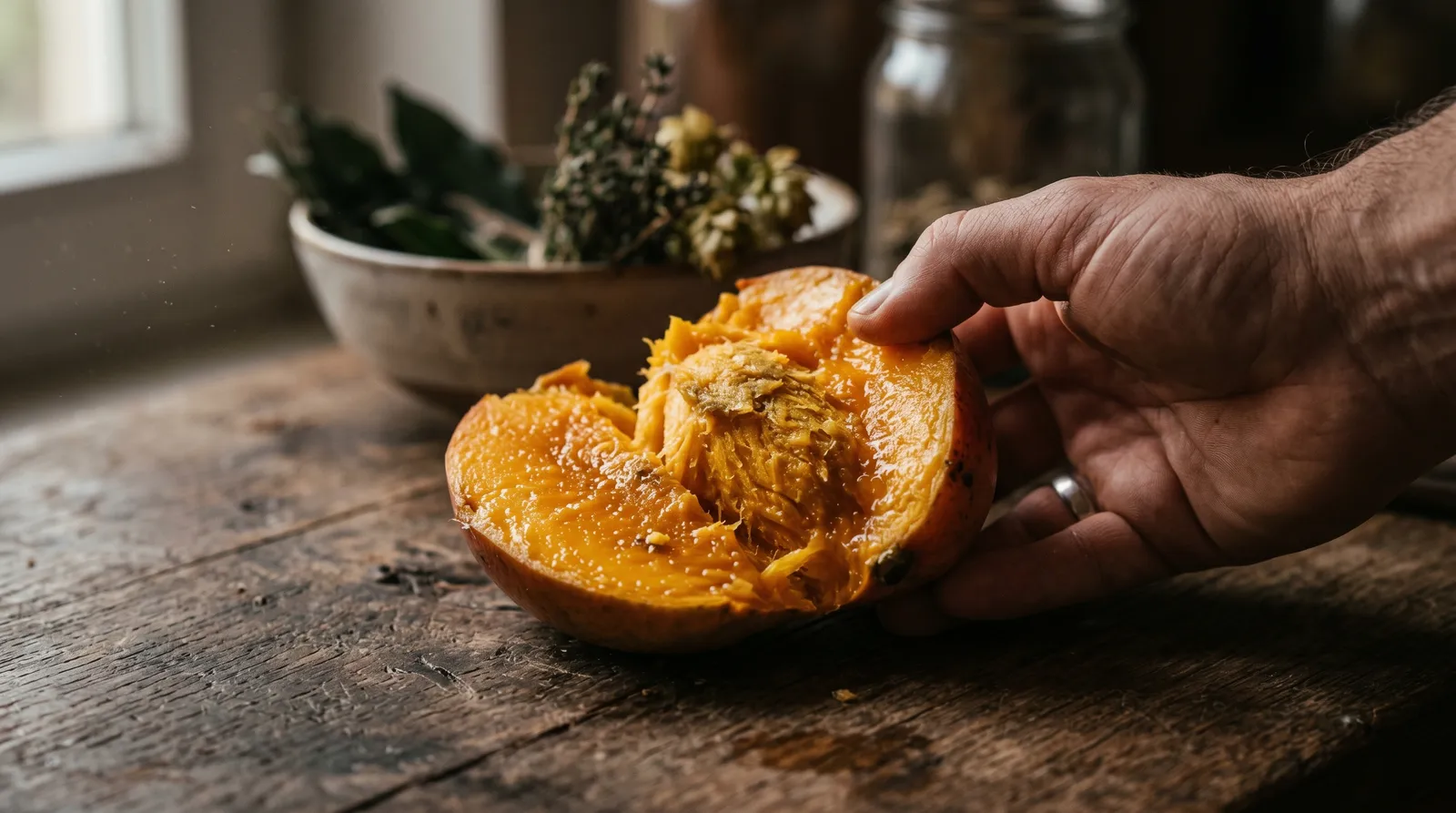
In cannabis cultivars where myrcene dominates the terpene profile, the overall nose tends to lean towards dank, skunky, or "damp earth" territory. Think of certain OG Kush or Granddaddy Purple lines: that heavy, almost sweet funk sitting beneath the surface. When myrcene shares the stage with limonene, you get earthiness rounded out by citrus. Paired with pinene, it takes on a more resinous, pine-forest quality. The interplay matters — isolated myrcene at high concentration smells quite different from myrcene at 1.5% in a complex terpene blend alongside fifty other volatile compounds.
Where Else Does Myrcene Show Up?
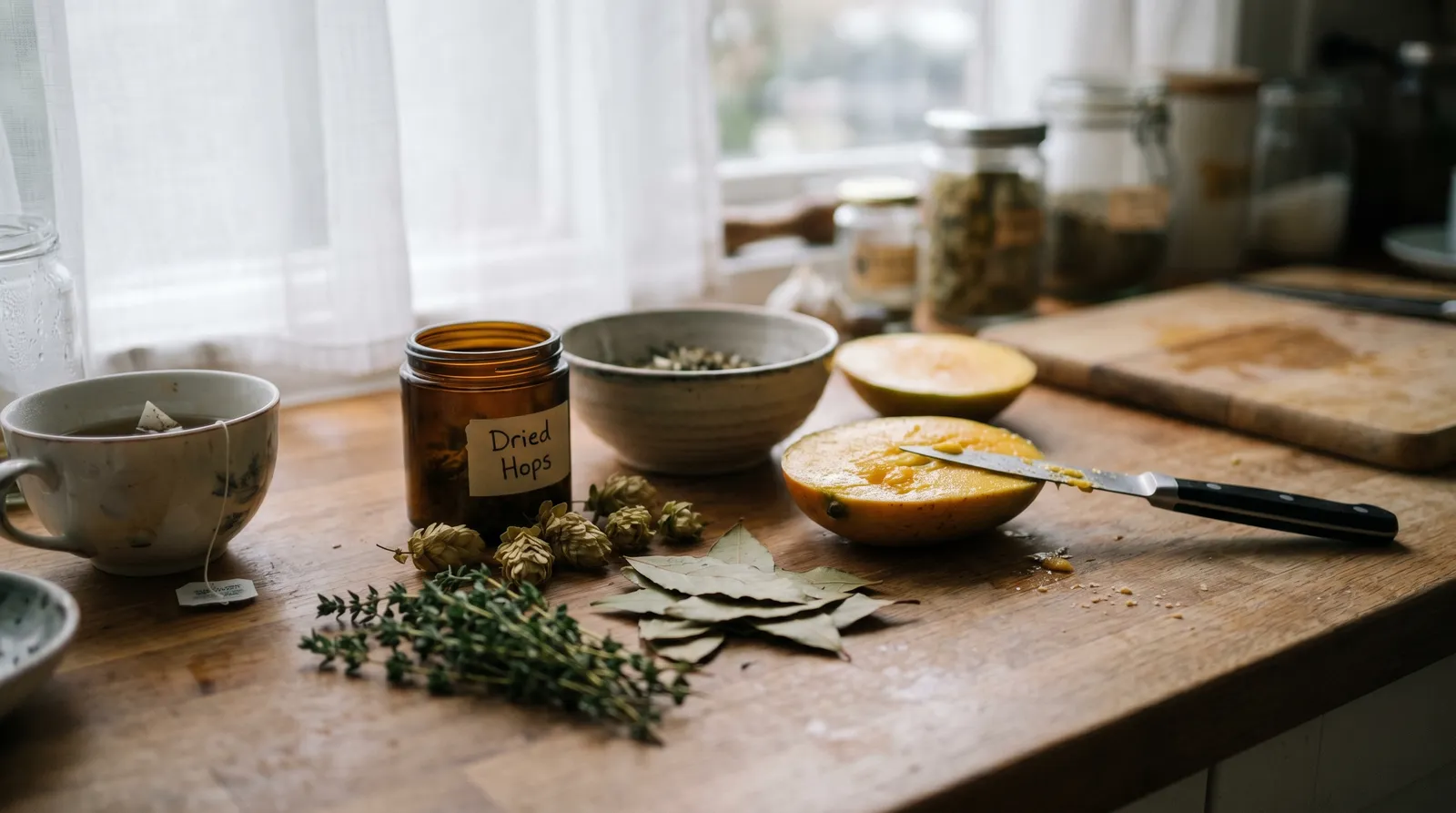
Myrcene occurs in dozens of plant species well beyond cannabis, making it one of the most widespread monoterpenes in nature. Cannabis gets the headlines, but this monoterpene is a workhorse across dozens of species. Hops (Humulus lupulus) — cannabis's closest botanical relative — are loaded with it, which is why certain hop-forward beers carry that same earthy, herbal depth. Mangoes (Mangifera indica) owe part of their characteristic aroma to myrcene. Thyme, lemongrass, and bay laurel all contain significant quantities.
| Natural source | Typical myrcene content (% of essential oil) | Common name |
|---|---|---|
| Humulus lupulus | Up to 50% in some varieties | Hops |
| Mangifera indica | Variable; present in peel and flesh volatiles | Mango |
| Thymus vulgaris | Up to 40% in certain chemotypes | Thyme |
| Cymbopogon citratus | Up to 25% | Lemongrass |
| Laurus nobilis | Up to 18% | Bay laurel |
The hop connection is worth lingering on. Hops and cannabis are both members of the Cannabaceae family, and the terpene overlap is striking. Brewers selecting hop varieties for aroma are, in a real sense, doing the same thing cannabis cultivar breeders do — chasing terpene profiles. If you want to explore myrcene effects and aroma profile through a different lens, buy a bag of Cascade or Simcoe hops from a homebrew shop and crush a few cones between your fingers — the family resemblance is unmistakable.
Myrcene in Cannabis Cultivars
Myrcene is the most frequently dominant terpene in commercial cannabis flower, appearing at the top of terpene profiles more often than any other monoterpene. A 2019 analysis of over 200 cannabis samples found myrcene present in the majority, often as the dominant monoterpene (Fischedick, 2017). Concentrations typically range from 0.1% to over 3% of dry flower weight, though this varies dramatically with genetics, growing conditions, harvest timing, and curing methods.
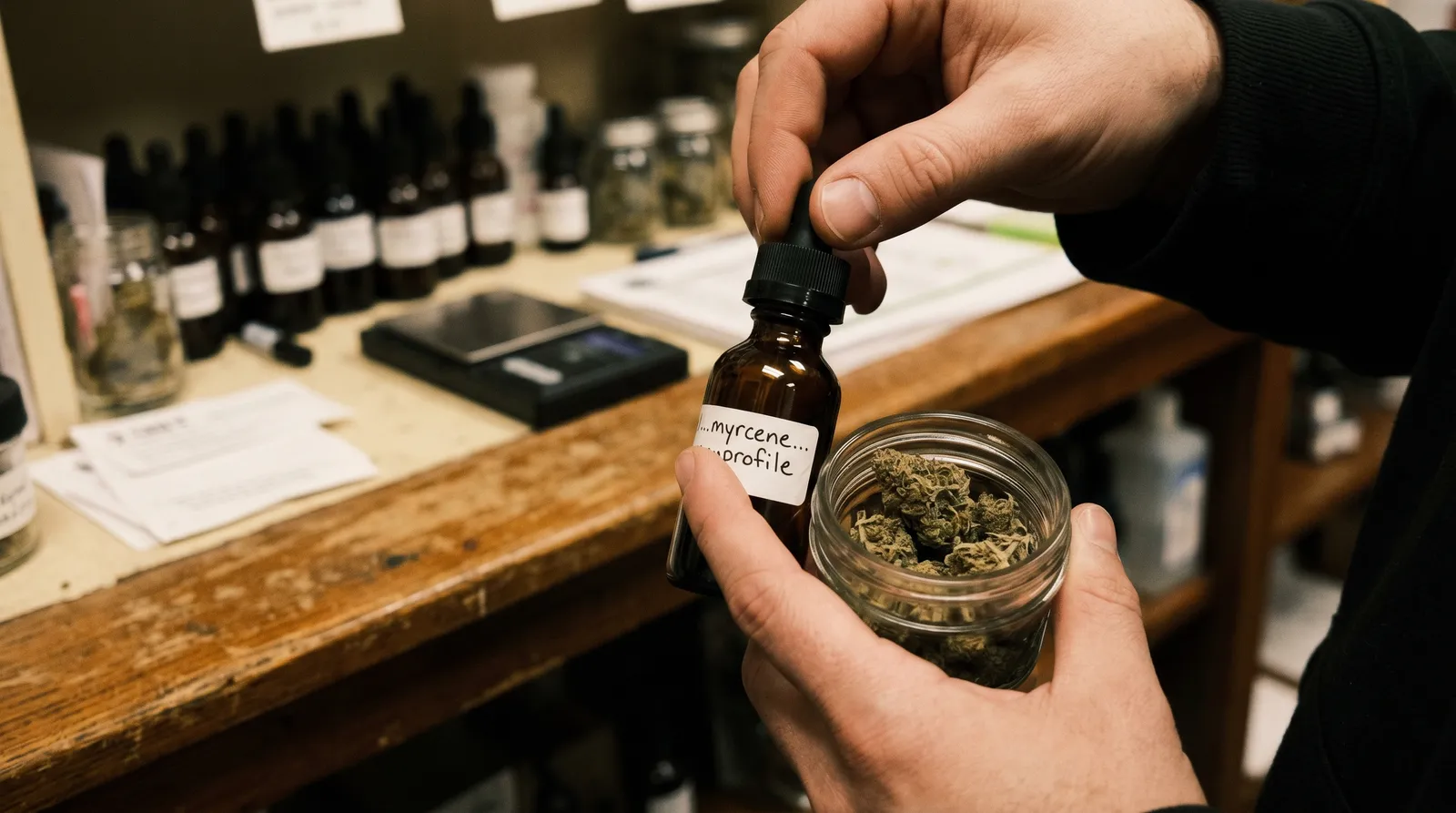
| Dominant terpene | Generic cultivar archetype | Reported aroma | Reported sensory effect |
|---|---|---|---|
| Myrcene | Certain OG Kush lines | Earthy, fuel-like, musky | Users frequently report heavy body sensation |
| Myrcene | Certain Granddaddy Purple lines | Grape, berry, dank earth | Users frequently report deep physical relaxation |
| Myrcene + limonene | Certain Blue Dream phenotypes | Sweet berry with citrus lift | Users report relaxation with some mental clarity |
A persistent piece of cannabis folk wisdom holds that cultivars with myrcene content above 0.5% of dry weight tend to produce "indica-like" body effects, while those below that threshold feel more "sativa-like." This claim circulates widely but has no published clinical backing. The 0.5% threshold appears to originate from informal industry observation rather than from any study design. Cultivars high in myrcene also tend to carry specific cannabinoid ratios and other terpene combinations — teasing apart myrcene's individual contribution from the broader chemical profile is something no human study has managed to do convincingly.
Pharmacology and Preclinical Research
Preclinical evidence shows myrcene has biological activity in rodent models — including sedative, motor-relaxant, and analgesic effects — but no human trial has confirmed these findings at concentrations relevant to cannabis use.
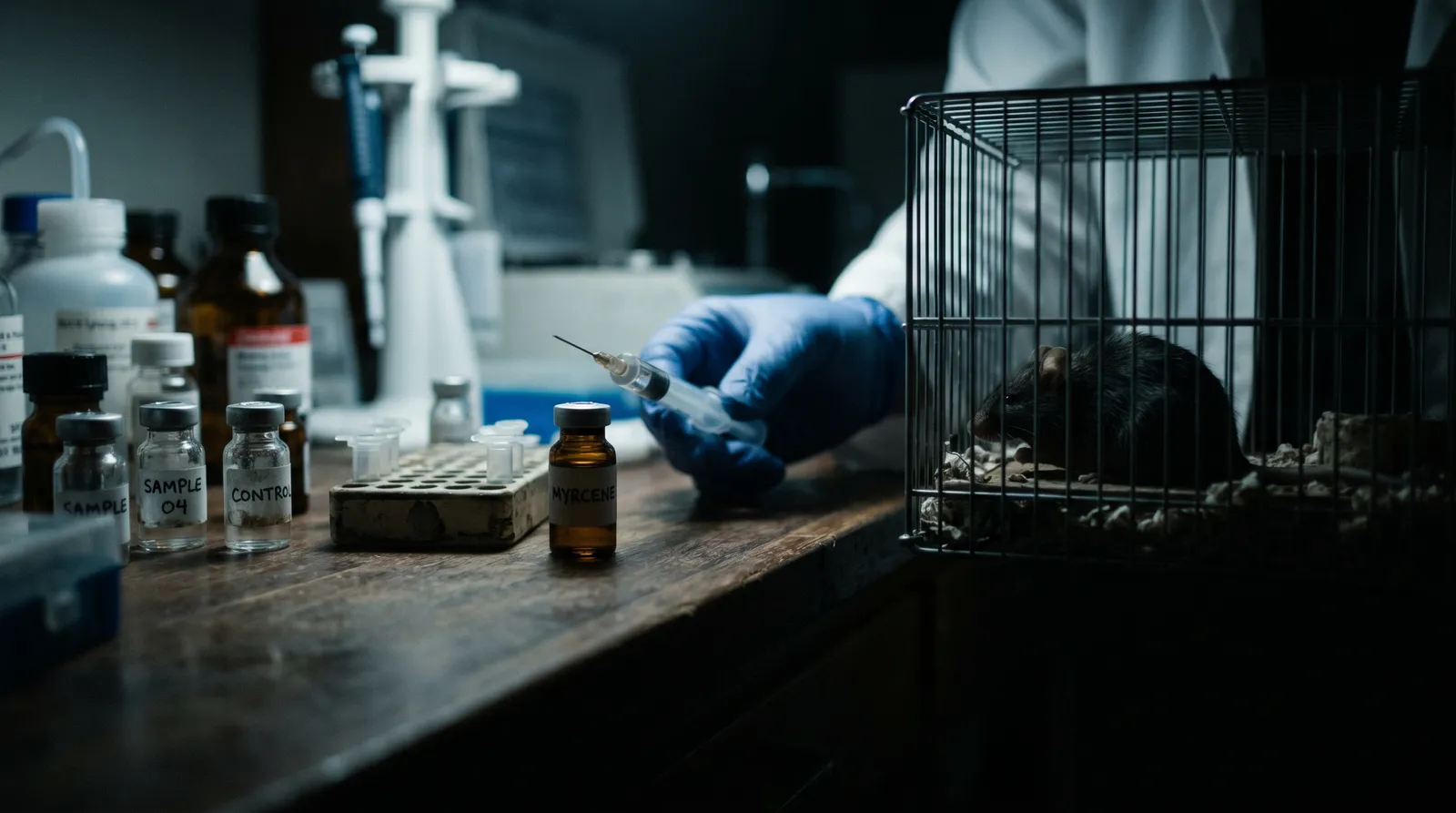
Myrcene's reputation as the "couch-lock terpene" traces largely to a single rodent study. Do Vale et al. (2002) administered myrcene to mice and observed sedative and motor-relaxant effects at doses of 200 mg/kg intraperitoneally. That's a meaningful finding in a mouse model, but translating intraperitoneal injection in rodents to inhaling myrcene as part of a complex cannabis terpene blend in humans is a leap that the data simply doesn't support yet. The route of administration, the dose relative to body weight, and the absence of other cannabis compounds in the mouse model all matter enormously.
Rao et al. (1990) reported analgesic activity of myrcene in mice, again at high doses administered by injection. Lorenzetti et al. (1991) examined peripheral analgesic mechanisms and found myrcene inhibited nociception in a dose-dependent manner in rodent models. These are legitimate preclinical findings — they tell us myrcene has biological activity in animal systems. What they don't tell us is whether inhaling 1–3% myrcene in a cannabis flower at 180 °C produces the same receptor-level activity in a human brain. That study hasn't been done. A 2020 EMCDDA technical report on cannabis potency trends noted the growing interest in terpene profiling but likewise flagged the absence of human pharmacokinetic data for individual terpenes.
Preclinical research has also examined myrcene for anti-inflammatory properties. Souza et al. (2003) reported that myrcene inhibited LPS-induced nitric oxide production in macrophage cell cultures — an in-vitro finding that says something about the molecule's activity in a petri dish but cannot be directly extrapolated to whole-body inflammation in a living person. Finlay et al. (2020) tested whether common cannabis terpenes, including myrcene, modulate cannabinoid receptor activity at physiologically relevant concentrations and found no direct CB1 or CB2 binding. This is a critical piece of evidence: whatever myrcene does in the body, it probably isn't doing it through the endocannabinoid receptors themselves.
Myrcene and the Entourage Effect
The entourage effect hypothesis proposes that terpenes like myrcene modulate cannabinoid activity, but direct evidence for myrcene specifically remains thin. Russo's influential 2011 paper proposed that terpenes modulate cannabinoid activity — the "entourage effect" hypothesis. In this framework, myrcene might potentiate THC's effects by influencing blood-brain barrier permeability or by acting on parallel receptor systems. It's an elegant idea, and it aligns with what many cannabis users report anecdotally. But the mechanistic evidence specifically for myrcene is thin. The Finlay et al. (2020) data showing no direct cannabinoid receptor modulation at realistic concentrations complicates the picture, though it doesn't rule out indirect mechanisms (GABAergic, opioidergic, or other pathways). The entourage effect as a broader concept remains a hypothesis with supportive but not conclusive evidence — the terpene entourage effect current evidence article covers this in detail.

Vaporisation and Boiling Point
Myrcene boils at approximately 167 °C, placing it at the lower end of common cannabis vaporisation temperatures and making it one of the first terpenes released during a session. If you're using a device with temperature control and you set it around 160–175 °C, you'll volatilise most of the myrcene along with the first wave of THC (which boils at roughly 157 °C). Push the temperature above 185 °C and you'll extract more cannabinoid material but lose much of the remaining monoterpene character — limonene (176 °C) and linalool (198 °C) have higher boiling points and persist longer at elevated temperatures. The how to use a vaporizer for cannabis guide covers temperature strategy in more depth.
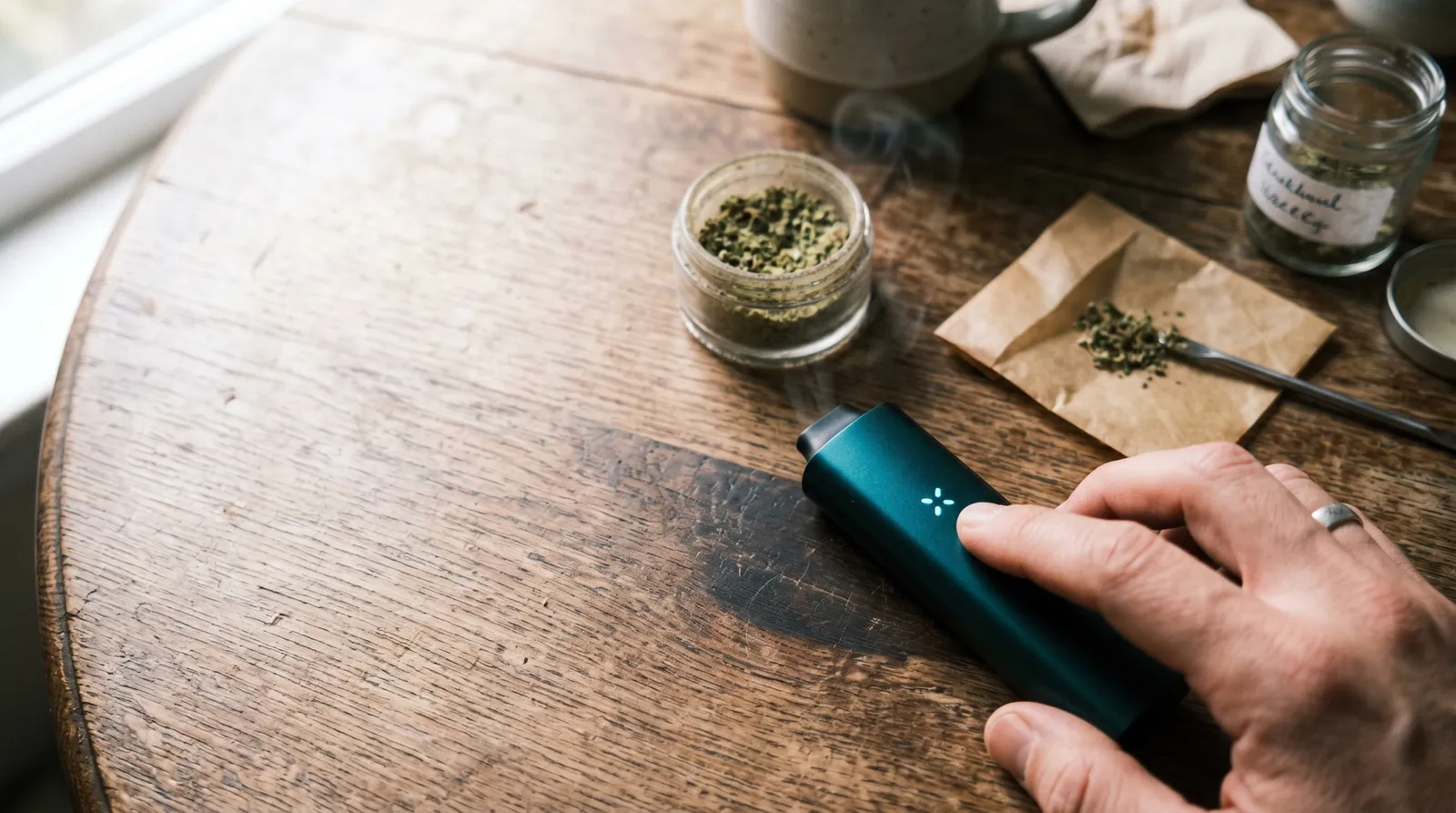
One point worth flagging: the myrcene you encounter in whole cannabis flower at 1–3% concentration behaves differently from isolated myrcene at 90%+ purity in a terpene-fortified vape cartridge. The latter is an industrial product delivering concentrations and ratios that don't occur in nature, and it carries its own safety questions that whole-flower vaporisation doesn't share. Long-term inhalation data for concentrated isolated terpenes remains limited.
Myrcene Compared to Other Major Cannabis Terpenes
Myrcene is the most common cannabis terpene by frequency, but understanding its effects and aroma profile is easier when you compare it directly to other dominant monoterpenes. Where limonene is bright, citrusy, and uplifting in reported user experience, myrcene sits at the opposite end — earthy, heavy, and grounding. Pinene carries a sharp, resinous pine-forest note and is associated anecdotally with alertness; myrcene's musky warmth trends the other way. Linalool, the lavender terpene, shares some of myrcene's relaxation associations but with a distinctly floral rather than earthy character.
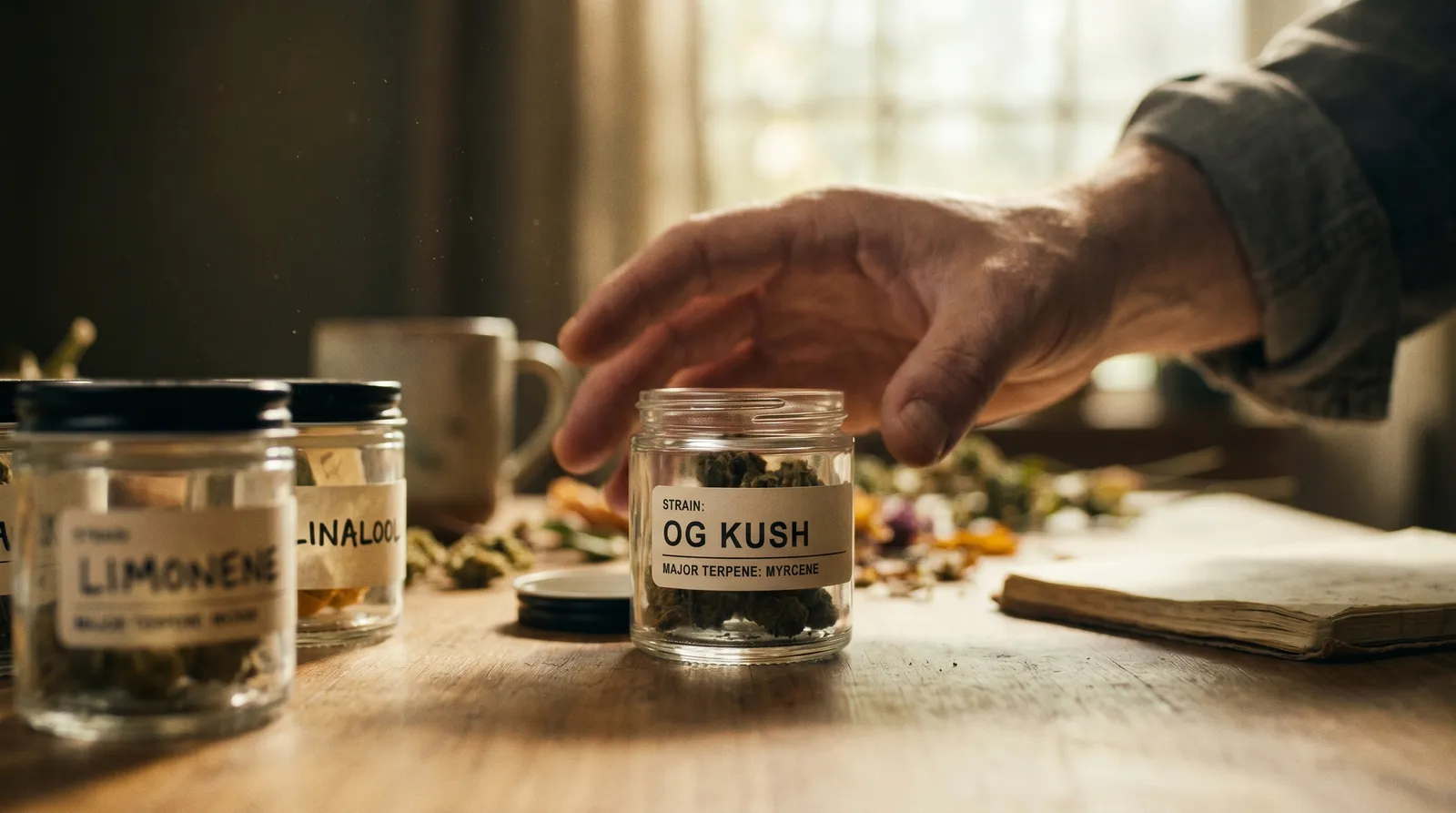
| Terpene | Boiling point | Primary aroma | Anecdotal user association |
|---|---|---|---|
| Myrcene | ~167 °C | Earthy, musky, herbal | Body relaxation, sedation |
| Limonene | ~176 °C | Citrus, lemon peel | Mood elevation, energy |
| Pinene | ~155 °C | Pine, resinous | Alertness, focus |
| Linalool | ~198 °C | Floral, lavender | Calm, relaxation |
If you want to experience these differences firsthand, order a selection of single-origin cannabis cultivars with lab-tested terpene profiles and compare them side by side at the same vaporisation temperature. The Mighty Medic vaporizer and the Volcano Hybrid both offer precise temperature control that makes this kind of comparison practical.
Practical Tips for Exploring Myrcene
The most reliable way to experience myrcene-dominant effects is to buy flower with a recent certificate of analysis showing myrcene as the leading terpene. Here are a few concrete suggestions for anyone wanting to explore the myrcene effects and aroma profile firsthand:
- Start your vaporiser session at 160–170 °C to capture the myrcene-rich first draw, then step up temperature gradually.
- Compare a myrcene-dominant cultivar against a limonene-dominant one in the same session to train your nose on the difference.
- If you're curious about myrcene outside cannabis, get lemongrass essential oil or fresh thyme and smell them alongside your flower — the family resemblance is educational.
- Keep a simple terpene journal: note the dominant terpene from the lab report, the temperature you vaped at, and your subjective experience. Patterns emerge faster than you'd expect.
References
- Do Vale, T.G. et al. (2002). Central effects of citral, myrcene and limonene, constituents of essential oil chemotypes from Lippia alba. Phytomedicine, 9(8), 709–714.
- EMCDDA (2020). Cannabis potency in Europe. European Monitoring Centre for Drugs and Drug Addiction technical report.
- Finlay, D.B. et al. (2020). Terpenoids from cannabis do not mediate an entourage effect by acting at cannabinoid receptors. Frontiers in Pharmacology, 11, 359.
- Fischedick, J.T. (2017). Identification of terpenoid chemotypes among high (−)-trans-Δ9-tetrahydrocannabinol-producing Cannabis sativa L. cultivars. Cannabis and Cannabinoid Research, 2(1), 34–47.
- Lorenzetti, B.B. et al. (1991). Myrcene mimics the peripheral analgesic activity of lemongrass tea. Journal of Ethnopharmacology, 34(1), 43–48.
- Rao, V.S.N. et al. (1990). Effect of myrcene on nociception in mice. Journal of Pharmacy and Pharmacology, 42(12), 877–878.
- Russo, E.B. (2011). Taming THC: potential cannabis combination and phytocannabinoid-terpenoid entourage effects. British Journal of Pharmacology, 163(7), 1344–1364.
- Souza, M.C. et al. (2003). Evaluation of anti-inflammatory activity of essential oils from two Asteraceae species. Pharmazie, 58(8), 582–586.
This article describes terpene chemistry, aroma profiles, and natural sources for educational purposes. Information about preclinical research is provided for context only and does not constitute medical advice or claims of efficacy. Consult a qualified professional before using any botanical product to address a health concern.
Last updated: April 2026
Frequently Asked Questions
8 questionsIs myrcene what makes indica strains feel sedating?
Can eating mango before cannabis make the effects stronger?
What temperature should I vaporise at to preserve myrcene?
Can terpenes like myrcene get you high on their own?
Is inhaling isolated myrcene in vape cartridges the same as inhaling it from flower?
How does myrcene compare to limonene in terms of aroma?
Which cannabis strains tend to contain the highest levels of myrcene?
Is myrcene found in plants other than cannabis?
About this article


Luke Sholl has been writing about cannabis, cannabinoids, and the broader benefits of nature since 2011, and has personally grown cannabis in home grow tents for more than a decade. That first-hand cultivation experience
This wiki article was drafted with AI assistance and reviewed by Luke Sholl, External contributor since 2026. Editorial oversight by Toine Verleijsdonk.
Medical disclaimer. This content is for informational purposes only and does not constitute medical advice. Consult a qualified healthcare provider before use of any substance.
Last reviewed April 25, 2026
Related Articles

Pinene Alpha and Beta: Aroma, Chemistry & Vaporisation Guide
Pinene is a bicyclic monoterpene occurring as two isomers — α-pinene and β-pinene — and ranks as the most abundant terpene in the plant kingdom.

CBD and Recovery: What the Research Actually Shows
CBD and recovery is a research topic spanning exercise-induced muscle damage, sleep quality, and perceived soreness. As McCartney et al.
CBD Pet Dosing Vet Consultation: Prepare for Your Visit
Veterinary CBD dosing is not a scaled-down version of human dosing — dogs and cats metabolise cannabidiol through different enzymatic pathways and at…

CBD for Cats Veterinary Considerations: Feline Research, Safety and Guidance
Cats metabolise cannabinoids differently from dogs and humans, lacking key glucuronidation enzymes that affect CBD clearance. Deabold et al.
EU Novel Food Regulation CBD: Country Status, EFSA Safety & Guide
EU novel food regulation CBD is a policy framework under EU rule 2015/2283 that classifies cannabidiol extracts as a novel food, requiring safety assessment…
CBD Topical Creams Medical Grade: CE-Marked Class I Explained
CBD topical creams deliver cannabidiol directly to the skin rather than the bloodstream.
Humulene Effects and Aroma Profile | Terpene Guide
Humulene (α-humulene) is a monocyclic sesquiterpene named after Humulus lupulus — hops.
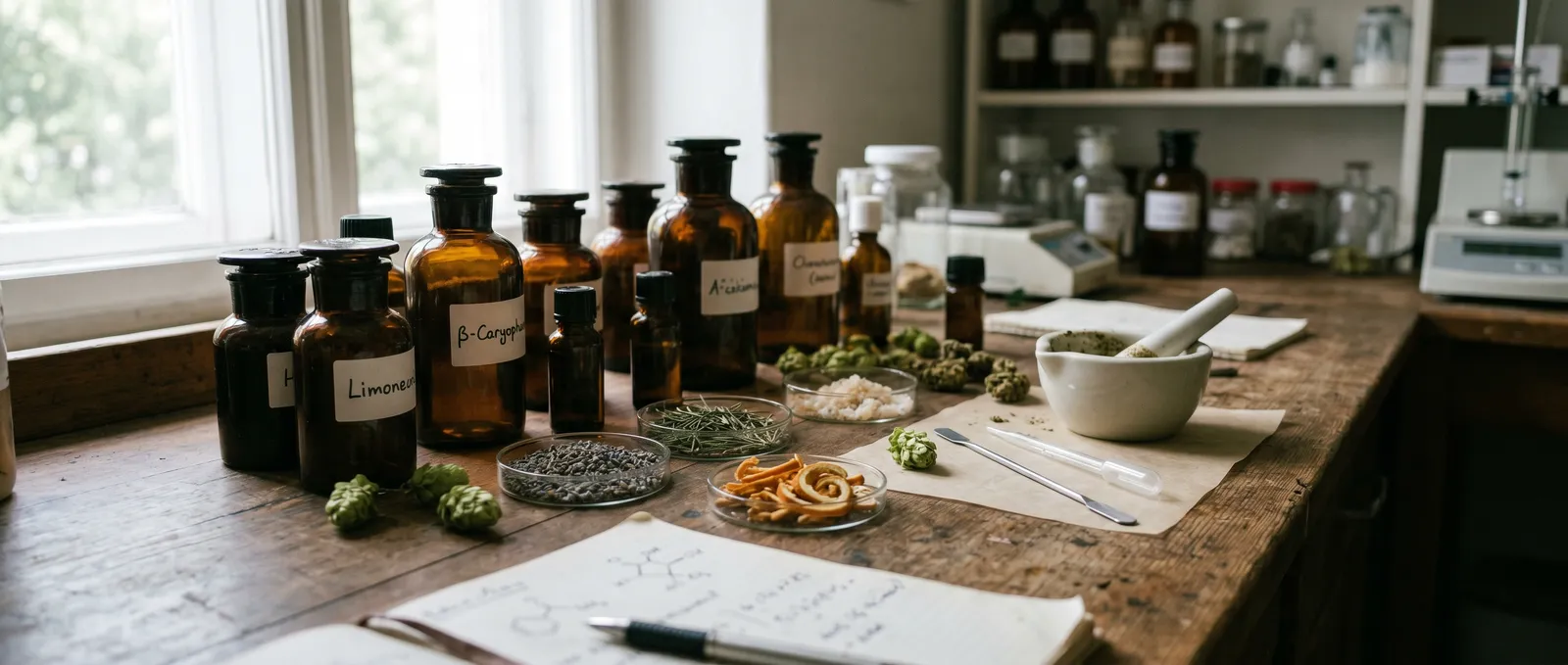
Terpene Entourage Effect: Current Evidence Reviewed
The terpene entourage effect proposes that cannabis terpenes modulate cannabinoid activity, producing different outcomes than isolated compounds alone.
CBD and Skin Conditions: What Research Shows
Cannabidiol (CBD) interacts with the endocannabinoid system expressed in human skin — including CB1 and CB2 receptors on keratinocytes, sebocytes, and…