
This article discusses psychoactive substances intended for adults (18+). If you have a health condition or take medication, consult a doctor before use. Our age policy
Linalool Effects and Aroma Profile Explained
Definition
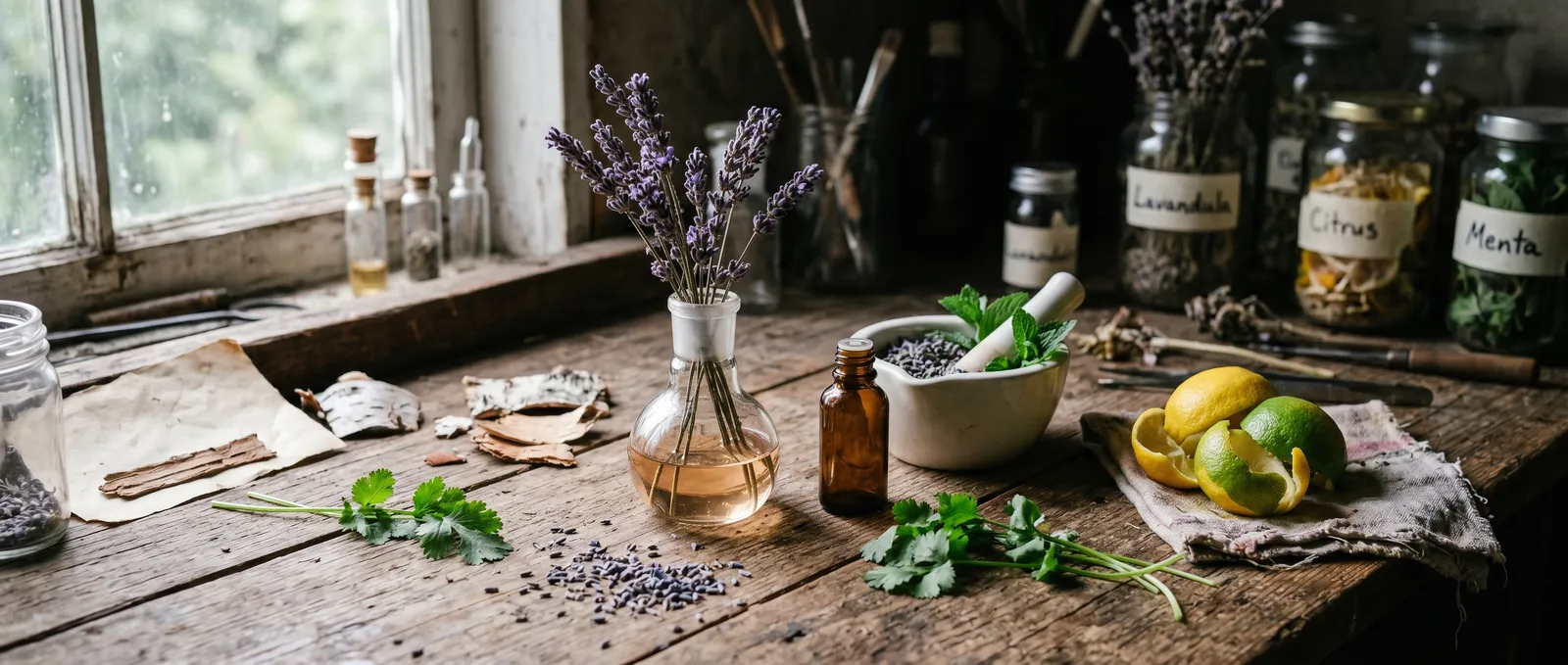
Linalool is a monoterpene alcohol found in lavender, coriander, rosewood, and select cannabis cultivars. With a floral, lavender-forward aroma and a boiling point of 198 °C, it is the highest-boiling common monoterpene in cannabis. Preclinical research by Linck et al. (2010) has examined its anxiolytic-like properties in rodent models, though human-specific cannabis data remains limited.
What Is Linalool?
Linalool (3,7-dimethylocta-1,6-dien-3-ol) is a monoterpene alcohol — technically a terpenoid, since its structure includes a hydroxyl (–OH) group that plain monoterpenes lack. It carries a distinctly floral, lavender-forward aroma with soft spicy undertones, and it turns up in an extraordinary range of plants: lavender, birch bark, coriander seed, rosewood, sweet basil, and over 200 other species. In cannabis, linalool is a minor terpene in most cultivars but occasionally dominates the profile in certain 'Lavender'-named lines, where it can push above 1% of dry weight. Its boiling point sits at roughly 198 °C — the highest of the common cannabis monoterpenes — which has practical consequences for anyone using a temperature-controlled vaporiser.
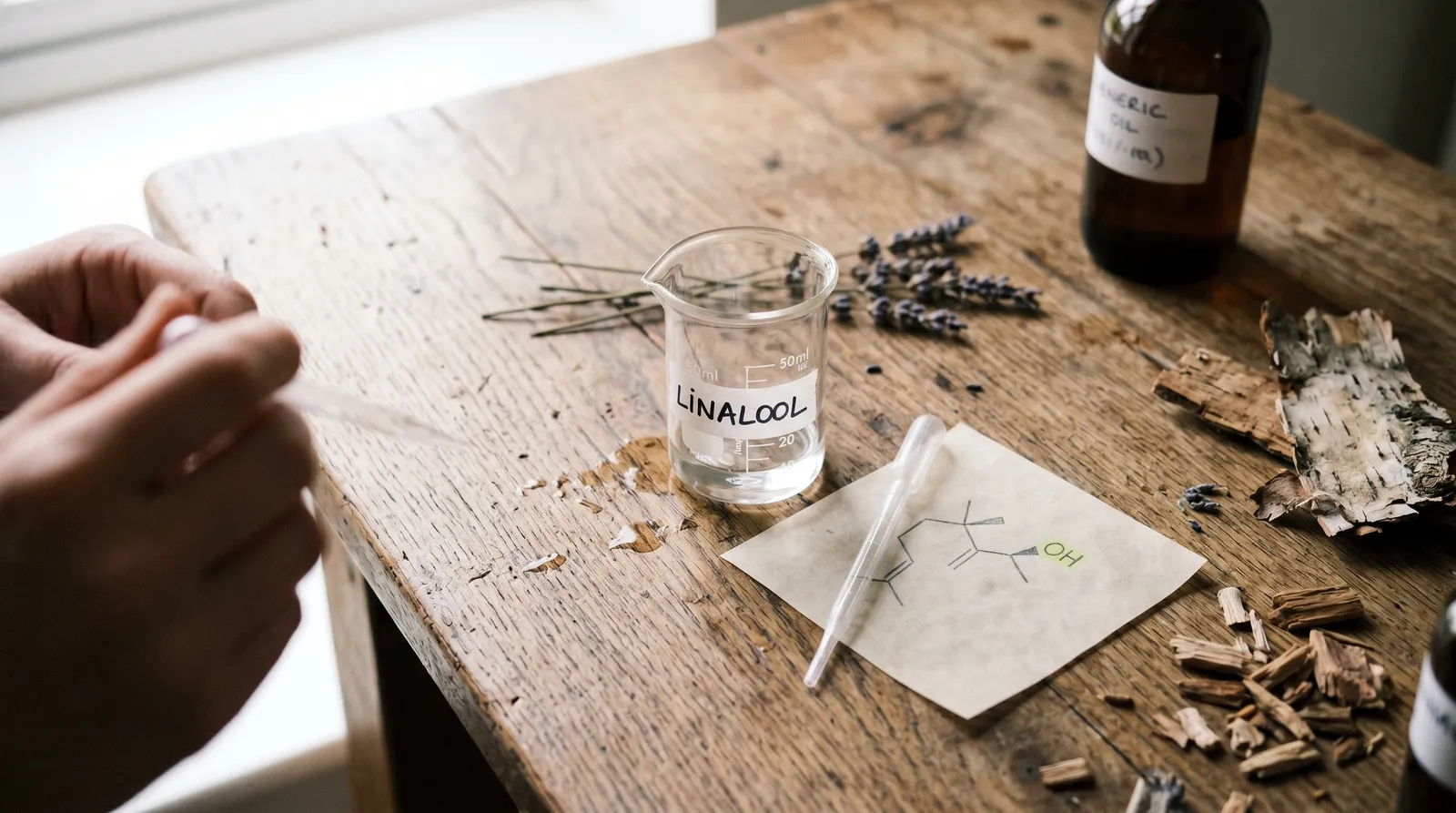
If you have ever buried your face in a bunch of fresh lavender and felt something shift in your shoulders, you have met linalool's calling card. The compound is also one of the most-studied terpenes in the essential-oil literature, though — and this matters — the vast majority of that research involves lavender oil inhalation, not cannabis flower. Separating what we actually know from what gets recycled on terpene marketing pages takes a bit of care.
Aroma Profile and Sensory Character
Linalool's aroma is often described in a single word — "lavender" — but that sells it short. The scent is layered: a bright, clean floral top note sits over a slightly woody, almost citrus-adjacent middle, with a faint peppery warmth at the base. In cannabis cultivars where linalool is dominant, the flower tends to smell less like a classic "dank" cannabis and more like a herb garden after rain. Users frequently report a perfume-like sweetness that distinguishes these cultivars from myrcene-heavy or pinene-heavy lines.
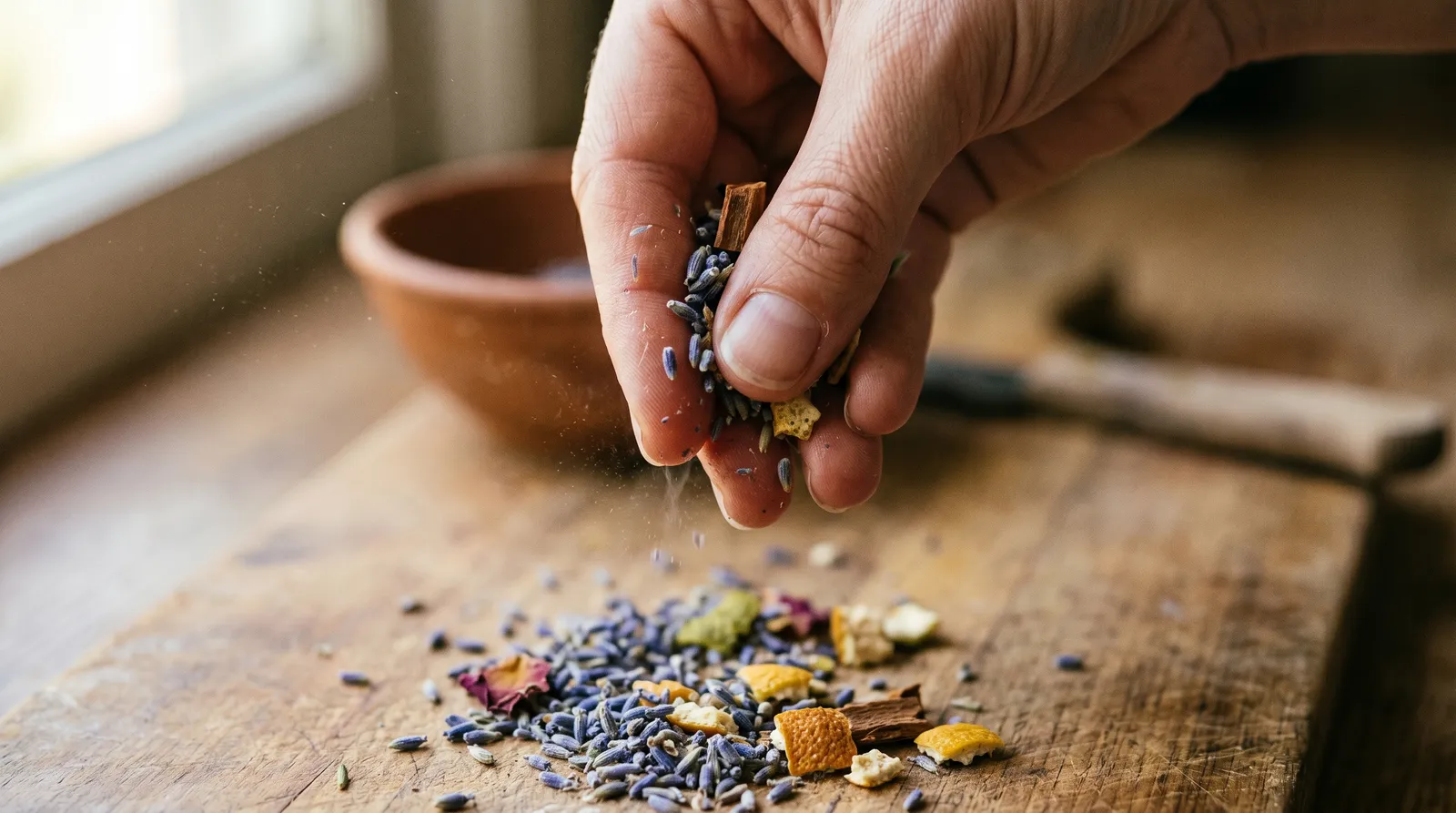
Linalool exists as two enantiomers — (R)-(–)-linalool and (S)-(+)-linalool — and they smell slightly different. The (R) form, dominant in lavender, leans more floral; the (S) form, common in coriander and sweet basil, tilts towards a woody, slightly spicy character. Cannabis produces both, and the ratio varies by cultivar, contributing to the subtle aromatic differences between two plants that might both be labelled "linalool-dominant" on a lab report.
Natural Sources
| Natural source | Typical linalool content | Common-name plant |
|---|---|---|
| Lavandula angustifolia (flower) | 25–45% of essential oil | English lavender |
| Cinnamomum camphora (leaf — ct. linalool) | 80–90% of essential oil | Ho wood / rosewood |
| Coriandrum sativum (seed) | 60–80% of essential oil | Coriander |
| Ocimum basilicum (leaf) | 40–55% of essential oil | Sweet basil |
| Betula spp. (bark) | Variable, minor component | Birch |
| Cannabis sativa (flower) | 0.01–1.5% of dry weight | Cannabis / hemp |
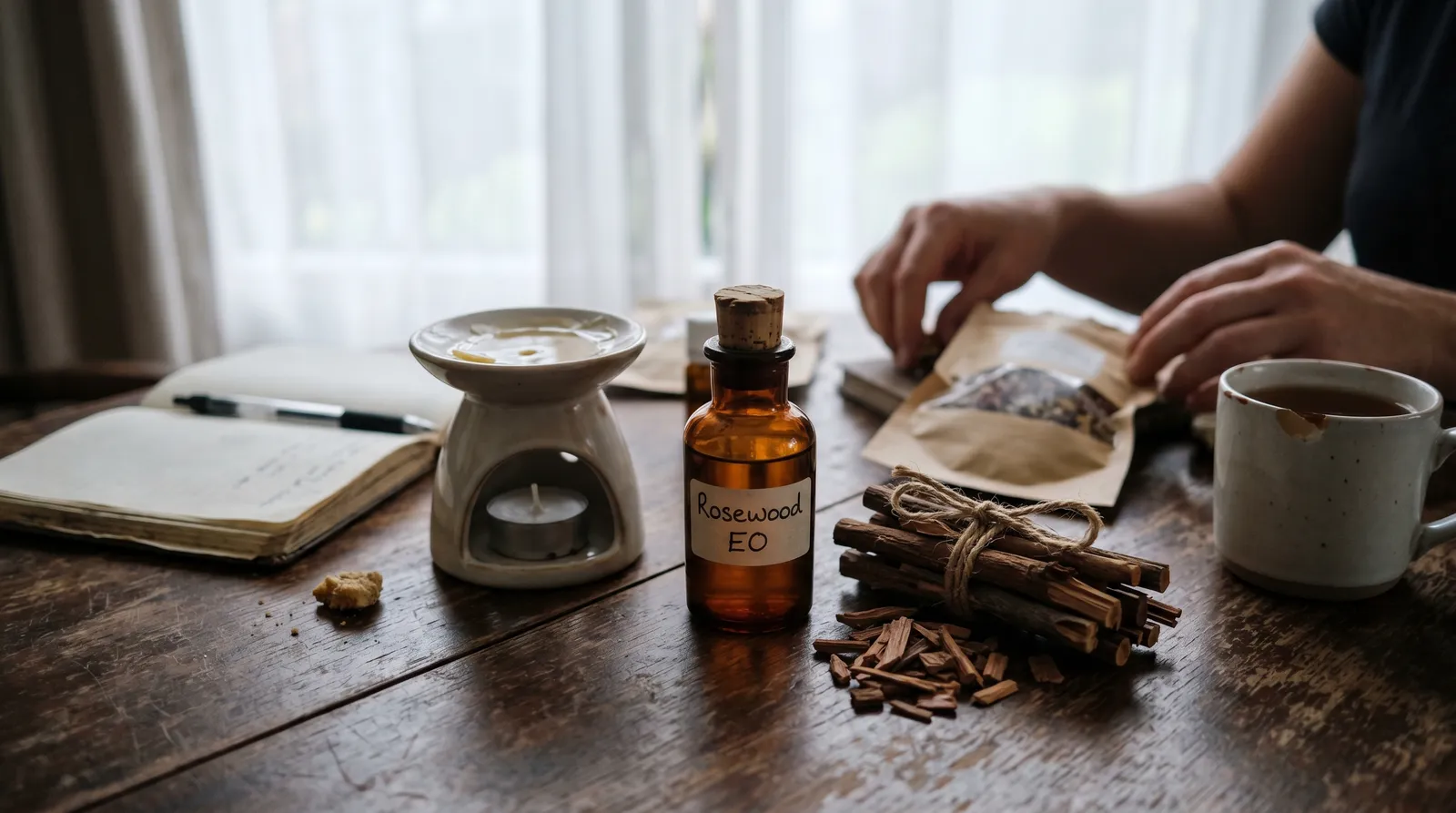
Rosewood (Aniba rosaeodora) was historically one of the richest commercial sources of linalool, but over-harvesting has made it an ecological concern. Today, most industrial linalool — the stuff in your soap, detergent, and air freshener — is either synthesised or extracted from ho wood and lavender. The compound is so ubiquitous in consumer products that the average European encounters it dozens of times a day without realising it.
Chemistry and Vaporisation
Linalool's molecular formula is C₁₀H₁₈O, with a molecular weight of 154.25 g/mol (PubChem CID 6549). The hydroxyl group makes it more polar than a pure hydrocarbon terpene like myrcene or pinene, which affects its volatility and solubility. It is freely soluble in ethanol and most organic solvents but only sparingly soluble in water.
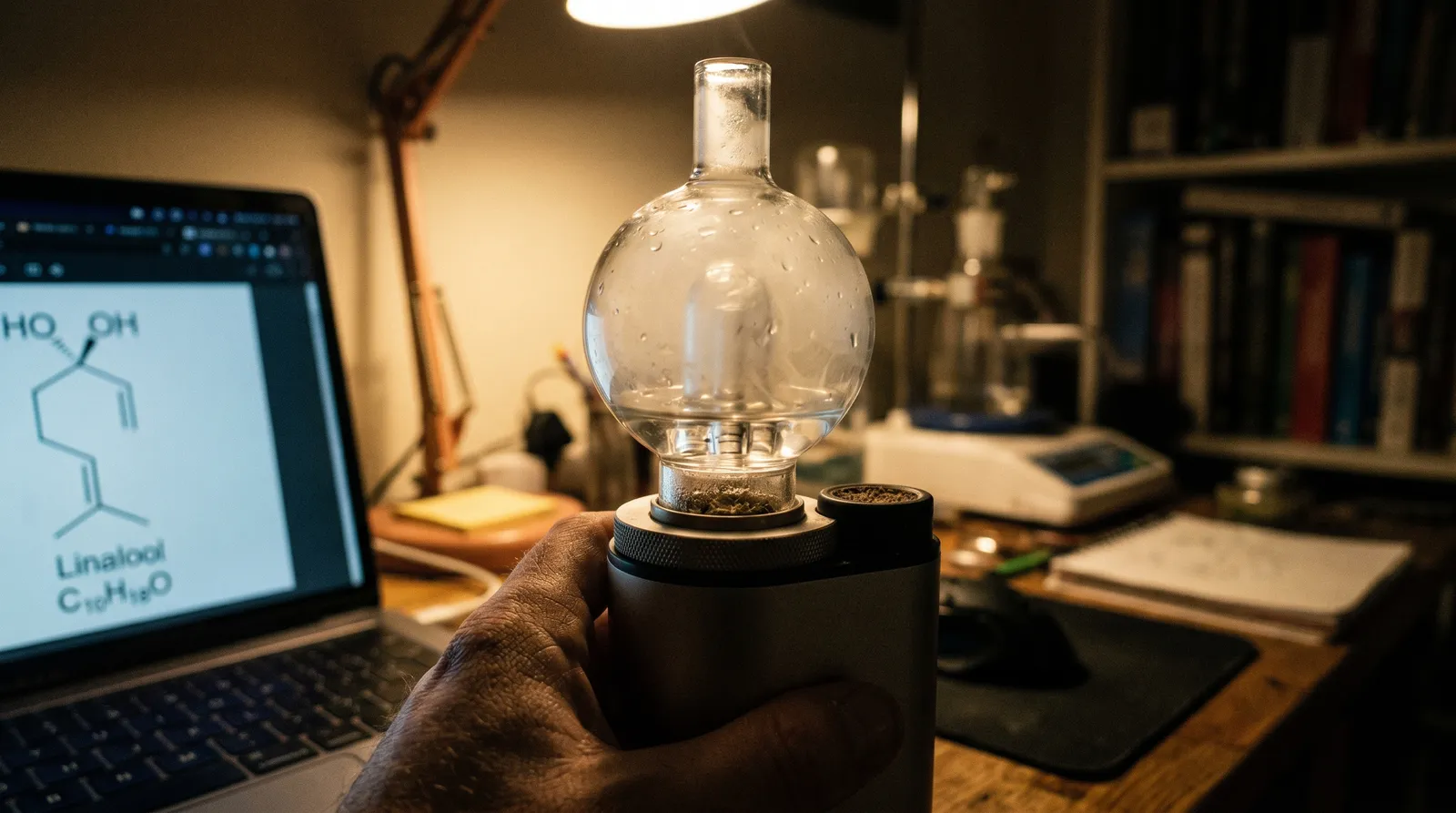
At 198 °C, linalool's boiling point sits above those of myrcene (~167 °C), limonene (~176 °C), and pinene (~155 °C). For vaporiser users, this means linalool is one of the last monoterpenes to volatilise from cannabis flower. Setting a device to the lowest temperature band (~155–175 °C) will capture pinene and myrcene but may leave much of the linalool behind. Pushing the temperature above 195 °C releases linalool more fully, though at that range you are also extracting more cannabinoid material and potentially degrading the lighter terpenes. The vaporisation-temperature articles on this wiki cover the trade-offs in more detail.
| Terpene | Boiling point (°C) | Notes on vape temp band |
|---|---|---|
| Pinene | ~155 | Volatilises at lowest vape settings |
| Myrcene | ~167 | Mid-low band |
| Limonene | ~176 | Mid band |
| Linalool | ~198 | Upper band; needs higher temps for full release |
What Does Preclinical Research Say?
Linalool has the largest body of inhalation-related research of any common cannabis terpene — but that statement comes with a heavy asterisk. Most of the studies investigate lavender essential oil (which is 25–45% linalool alongside dozens of other compounds), not isolated linalool and certainly not linalool within cannabis flower. Extrapolating from lavender aromatherapy to cannabis pharmacology is a leap the data does not yet support.
With that caveat front and centre:
Linck et al. (2010) reported anxiolytic-like effects in mice exposed to linalool vapour, observing reduced anxiety-related behaviours in elevated plus-maze tests without significant motor impairment. Guzmán-Gutiérrez et al. (2015) found that inhaled linalool produced antidepressant-like effects in a mouse model, and suggested involvement of the serotonergic system — specifically 5-HT₁A receptor pathways. Sabogal-Guáqueta et al. (2016) examined linalool in a triple-transgenic Alzheimer's disease mouse model and reported reductions in neuroinflammatory markers and amyloid-β plaques, though this remains a single preclinical study with no human replication.
On the sedation front, Sugawara et al. (1998) documented changes in autonomic nervous system parameters in humans inhaling linalool-rich lavender oil, noting a shift towards parasympathetic dominance — the branch of the nervous system associated with rest. However, the sample sizes were small, the exposure was lavender oil rather than isolated linalool, and the study design did not control for expectation effects (people know lavender is "supposed to be calming").
The honest summary: preclinical data on linalool is interesting and internally consistent — multiple rodent studies point in similar directions. But the gap between "mice in a maze" and "human inhaling cannabis flower containing 0.5% linalool alongside THC, CBD, myrcene, and fifty other compounds" remains wide. The terpene entourage effect article on this wiki discusses the broader evidence question.
Linalool in Cannabis Cultivars
In most cannabis cultivars, linalool appears at trace levels — well below 0.5% of dry weight. It becomes a dominant terpene only in specific genetic lines, many of which carry "Lavender" or "LA Confidential" heritage. In cultivars where linalool is the primary terpene, users frequently report a floral, almost perfumed aroma that stands apart from the earthy, citrus, or piney profiles more commonly associated with cannabis. Sensory reports from these cultivars often describe a "smooth" or "mellow" quality, though whether that is a pharmacological effect of linalool or simply the subjective experience of a pleasant smell is not something current evidence can disentangle.
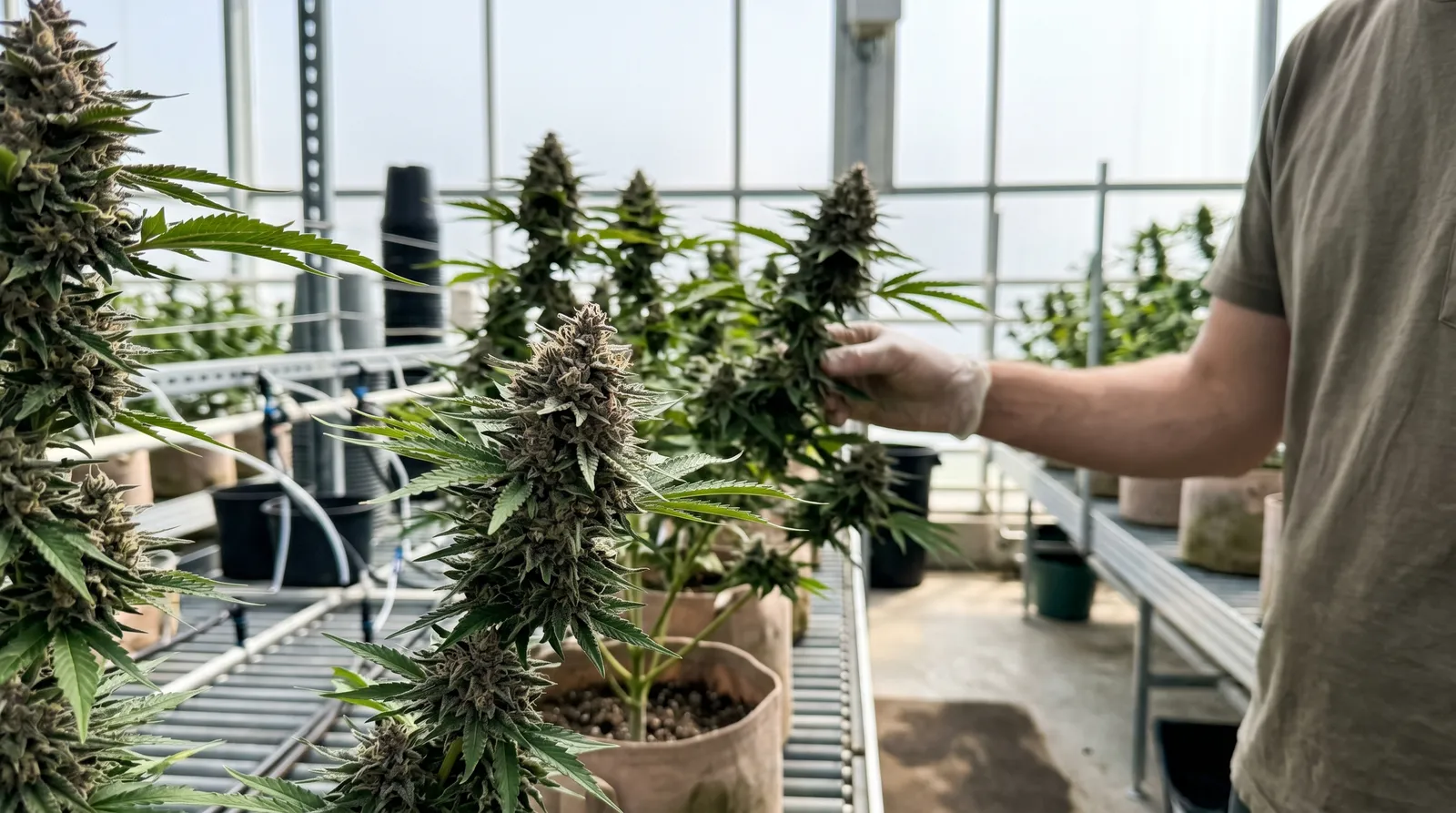
Full-spectrum CBD products retain the terpene profile of the source hemp, meaning linalool-forward hemp cultivars will carry that floral character into the extract. Broad-spectrum products typically retain some terpenes but may lose the more volatile ones during processing. Isolate products, by definition, contain no terpenes at all. The full-spectrum vs broad-spectrum vs isolate comparison article covers this distinction in detail.
Contact-Allergen Risk: Oxidised Linalool
Linalool itself is a relatively mild skin irritant. The problem is what happens when it oxidises. On exposure to air, linalool gradually forms hydroperoxides — linalool hydroperoxide being the primary culprit — that are documented contact allergens in dermatological literature. Sköld et al. (2004) identified oxidised linalool as a significant sensitiser, and the compound is now included in the European baseline patch test series for fragrance allergy.
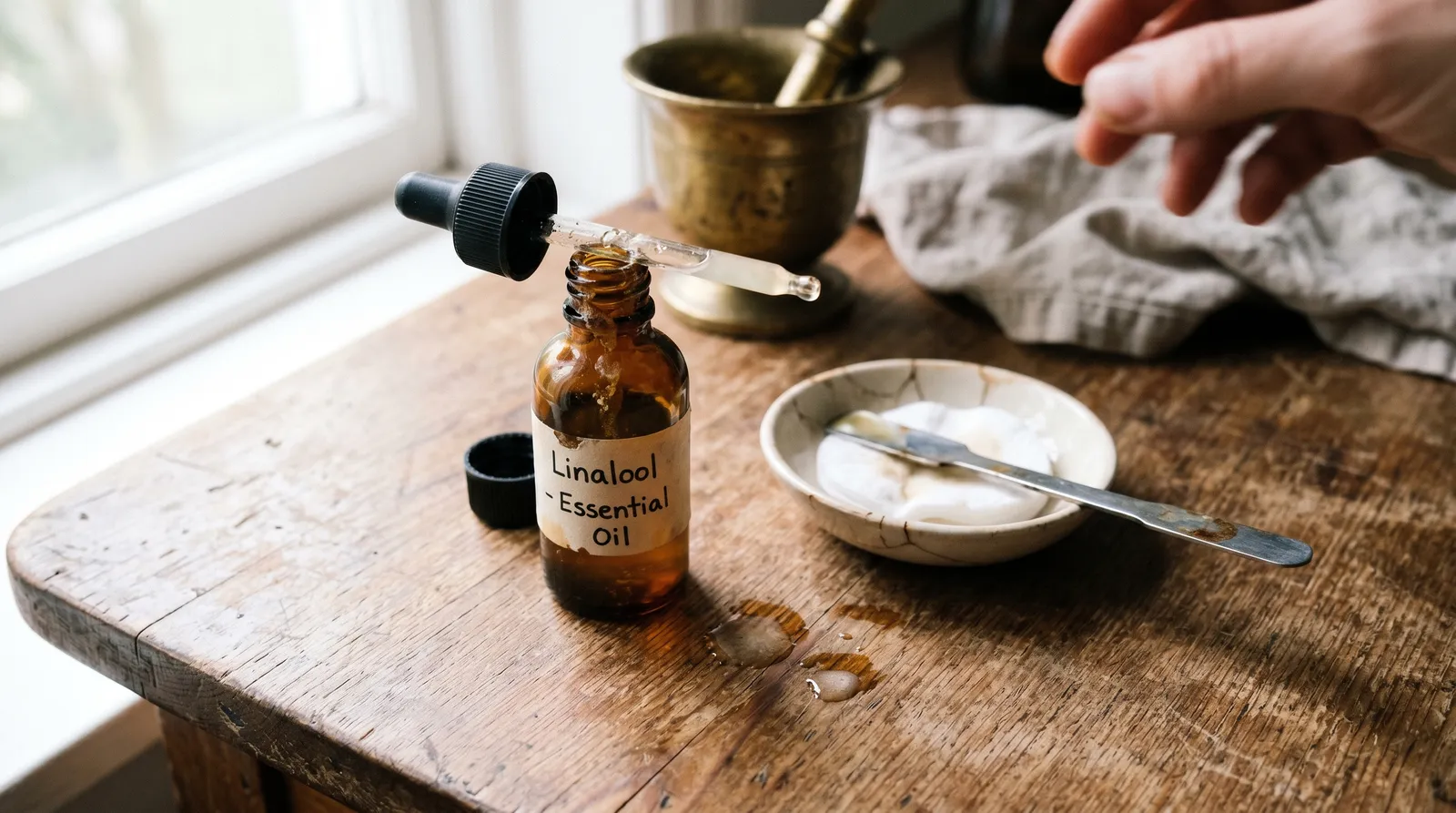
For cannabis users, this is mainly relevant in the context of topical products or high-concentration terpene blends. Inhaling linalool from fresh cannabis flower at natural concentrations (typically under 1.5%) is a very different exposure profile from applying an oxidised lavender oil to skin. Still, anyone with a known fragrance allergy — particularly to lavender-based products — should be aware that linalool-dominant cannabis cultivars contain the same compound.
It is also worth noting that isolated terpene products (terpene-fortified vape liquids, "strain-replication" blends) deliver linalool at concentrations and ratios that do not occur in nature. The safety profile of inhaling linalool at 0.5% in a complex plant matrix is not the same as inhaling it at 10–20% in a synthetic blend. Long-term inhalation safety data for isolated terpenes at high concentrations is currently thin.
References
- Guzmán-Gutiérrez, S.L. et al. (2015). Linalool and β-pinene exert their antidepressant-like activity through the monoaminergic pathway. Life Sciences, 128, pp. 24–29.
- Linck, V.M. et al. (2010). Effects of inhaled linalool in anxiety, social interaction and aggressive behavior in mice. Phytomedicine, 17(8-9), pp. 679–683.
- Sabogal-Guáqueta, A.M. et al. (2016). Linalool reverses neuropathological and behavioral impairments in old triple transgenic Alzheimer's mice. Neuropharmacology, 102, pp. 111–120.
- Sköld, M. et al. (2004). The fragrance chemical linalool generates oxidation products with contact allergenic properties. Contact Dermatitis, 50(1), pp. 3–8.
- Sugawara, Y. et al. (1998). Sedative effect on humans of inhalation of essential oil of linalool. Analytica Chimica Acta, 365(1-3), pp. 293–299.
- PubChem CID 6549 — Linalool. National Center for Biotechnology Information.
This article describes terpene chemistry, aroma profiles, and natural sources for educational purposes. Information about preclinical research is provided for context only and does not constitute medical advice or claims of efficacy. Consult a qualified professional before using any botanical product to address a health concern.
Last updated: April 2026
Frequently Asked Questions
7 questionsWhy does linalool have a higher boiling point than other cannabis monoterpenes?
Is the linalool in cannabis the same compound as in lavender?
Can linalool in cannabis cause an allergic skin reaction?
What vaporiser temperature best preserves linalool?
Is the sedative reputation of linalool based on cannabis research or lavender research?
Does linalool show up on a standard drug test?
Which cannabis strains typically contain the most linalool?
About this article


Luke Sholl has been writing about cannabis, cannabinoids, and the broader benefits of nature since 2011, and has personally grown cannabis in home grow tents for more than a decade. That first-hand cultivation experience
This wiki article was drafted with AI assistance and reviewed by Luke Sholl, External contributor since 2026. Editorial oversight by Toine Verleijsdonk.
Medical disclaimer. This content is for informational purposes only and does not constitute medical advice. Consult a qualified healthcare provider before use of any substance.
Last reviewed April 25, 2026
Related Articles

Pinene Alpha and Beta: Aroma, Chemistry & Vaporisation Guide
Pinene is a bicyclic monoterpene occurring as two isomers — α-pinene and β-pinene — and ranks as the most abundant terpene in the plant kingdom.

CBD and Recovery: What the Research Actually Shows
CBD and recovery is a research topic spanning exercise-induced muscle damage, sleep quality, and perceived soreness. As McCartney et al.

CBD Pet Dosing Vet Consultation: Prepare for Your Visit
Veterinary CBD dosing is not a scaled-down version of human dosing — dogs and cats metabolise cannabidiol through different enzymatic pathways and at…

CBD for Cats Veterinary Considerations: Feline Research, Safety and Guidance
Cats metabolise cannabinoids differently from dogs and humans, lacking key glucuronidation enzymes that affect CBD clearance. Deabold et al.
EU Novel Food Regulation CBD: Country Status, EFSA Safety & Guide
EU novel food regulation CBD is a policy framework under EU rule 2015/2283 that classifies cannabidiol extracts as a novel food, requiring safety assessment…
CBD Topical Creams Medical Grade: CE-Marked Class I Explained
CBD topical creams deliver cannabidiol directly to the skin rather than the bloodstream.
Humulene Effects and Aroma Profile | Terpene Guide
Humulene (α-humulene) is a monocyclic sesquiterpene named after Humulus lupulus — hops.

Terpene Entourage Effect: Current Evidence Reviewed
The terpene entourage effect proposes that cannabis terpenes modulate cannabinoid activity, producing different outcomes than isolated compounds alone.
CBD and Skin Conditions: What Research Shows
Cannabidiol (CBD) interacts with the endocannabinoid system expressed in human skin — including CB1 and CB2 receptors on keratinocytes, sebocytes, and…