
This article discusses psychoactive substances intended for adults (18+). If you have a health condition or take medication, consult a doctor before use. Our age policy
Beta-Caryophyllene: Effects, Aroma & CB2 Binding
Definition
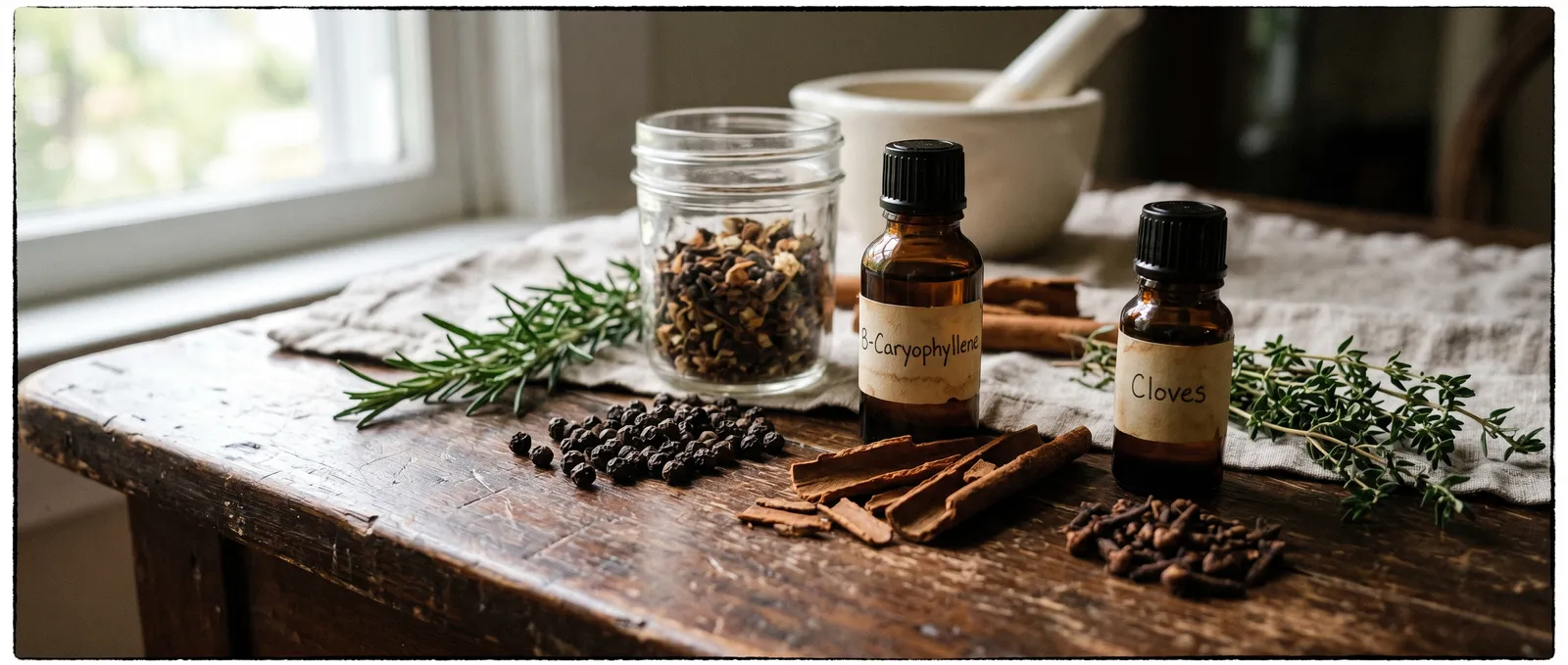
Beta-caryophyllene is a bicyclic sesquiterpene with a peppery, spicy, woody aroma found in black pepper, cloves, hops, and cannabis. It is the only common dietary terpene documented as a selective CB2 cannabinoid receptor agonist (Gertsch et al., 2008), giving it a unique pharmacological profile among cannabis terpenes.
What Is Beta-Caryophyllene?
Beta-caryophyllene (β-caryophyllene, or BCP) is a bicyclic sesquiterpene — a 15-carbon aromatic compound built from three isoprene units via the farnesyl pyrophosphate (FPP) precursor pathway. Its aroma is peppery, spicy, and woody, with a distinct clove warmth that you'll recognise immediately if you've ever cracked a peppercorn between your teeth. The compound is abundant in black pepper (Piper nigrum), clove (Syzygium aromaticum), cinnamon, hops, and rosemary, and it appears across a broad range of cannabis cultivars — particularly those with spice-forward, peppery profiles. This article covers BCP's chemistry, aroma, natural distribution, and the receptor-binding research that makes it genuinely unlike any other common terpene.
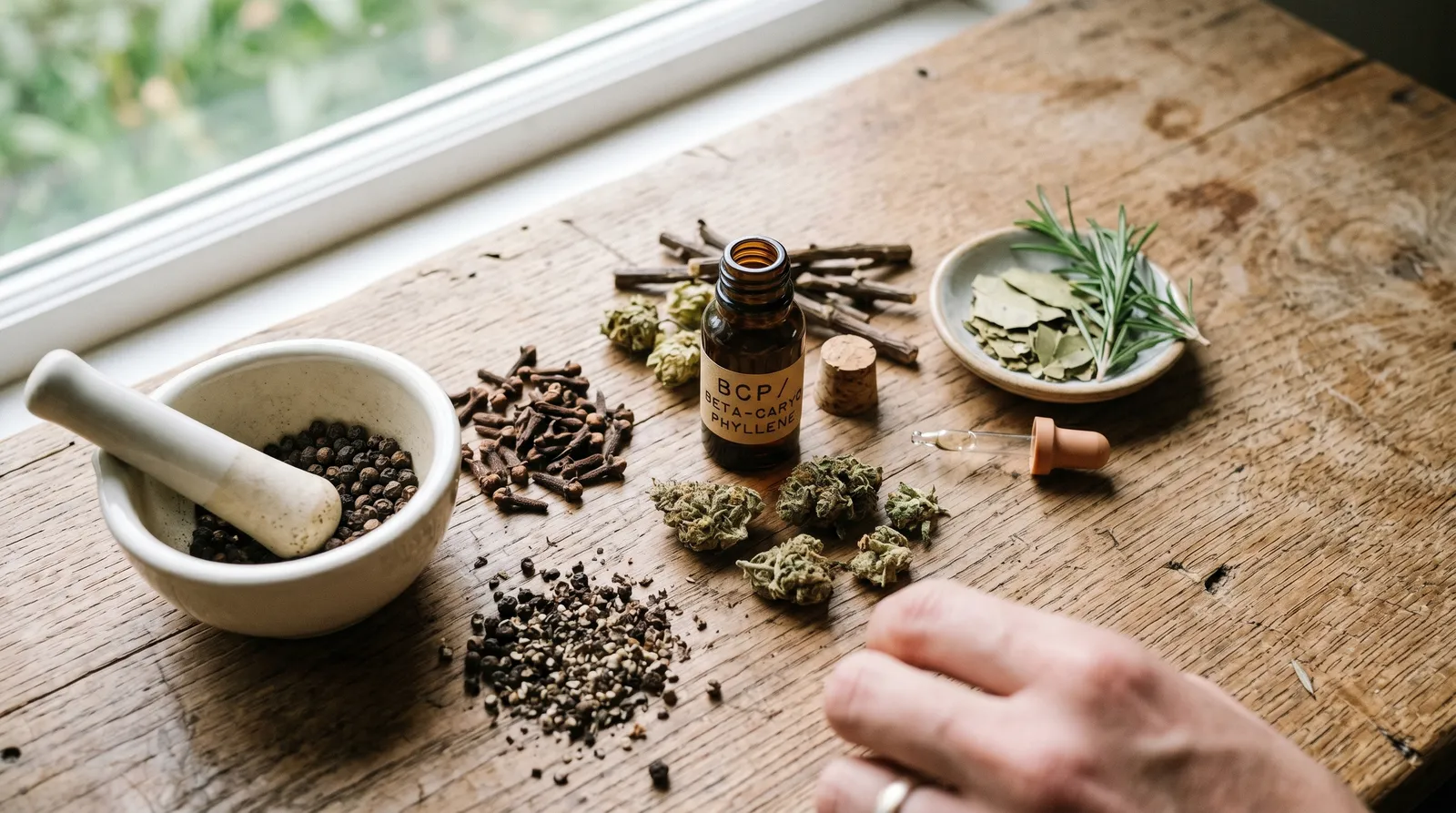
What sets beta-caryophyllene apart from the other six terpenes in this series is structural: it contains a cyclobutane ring, a strained four-membered carbon ring that is rare in nature. That structural quirk is directly relevant to its pharmacology, because it allows the molecule to dock with the CB2 cannabinoid receptor — something no other dietary terpene has been convincingly shown to do. Gertsch et al. (2008) identified BCP as a selective CB2 agonist, a finding published in the Proceedings of the National Academy of Sciences that remains the single clearest receptor-level mechanism documented for any common cannabis terpene.
Aroma Profile and Sensory Character
Beta-caryophyllene smells like a spice rack. The primary note is black pepper — sharp, dry, slightly biting — layered over a woody, resinous base with warm clove undertones. In cannabis cultivars where BCP is a dominant terpene, the nose tends toward earthy spice rather than citrus or floral sweetness. Think of the peppery bite you get from certain cultivars sometimes described as "gassy" or "diesel-adjacent" — BCP is often a significant contributor to that profile, alongside other sesquiterpenes like humulene.
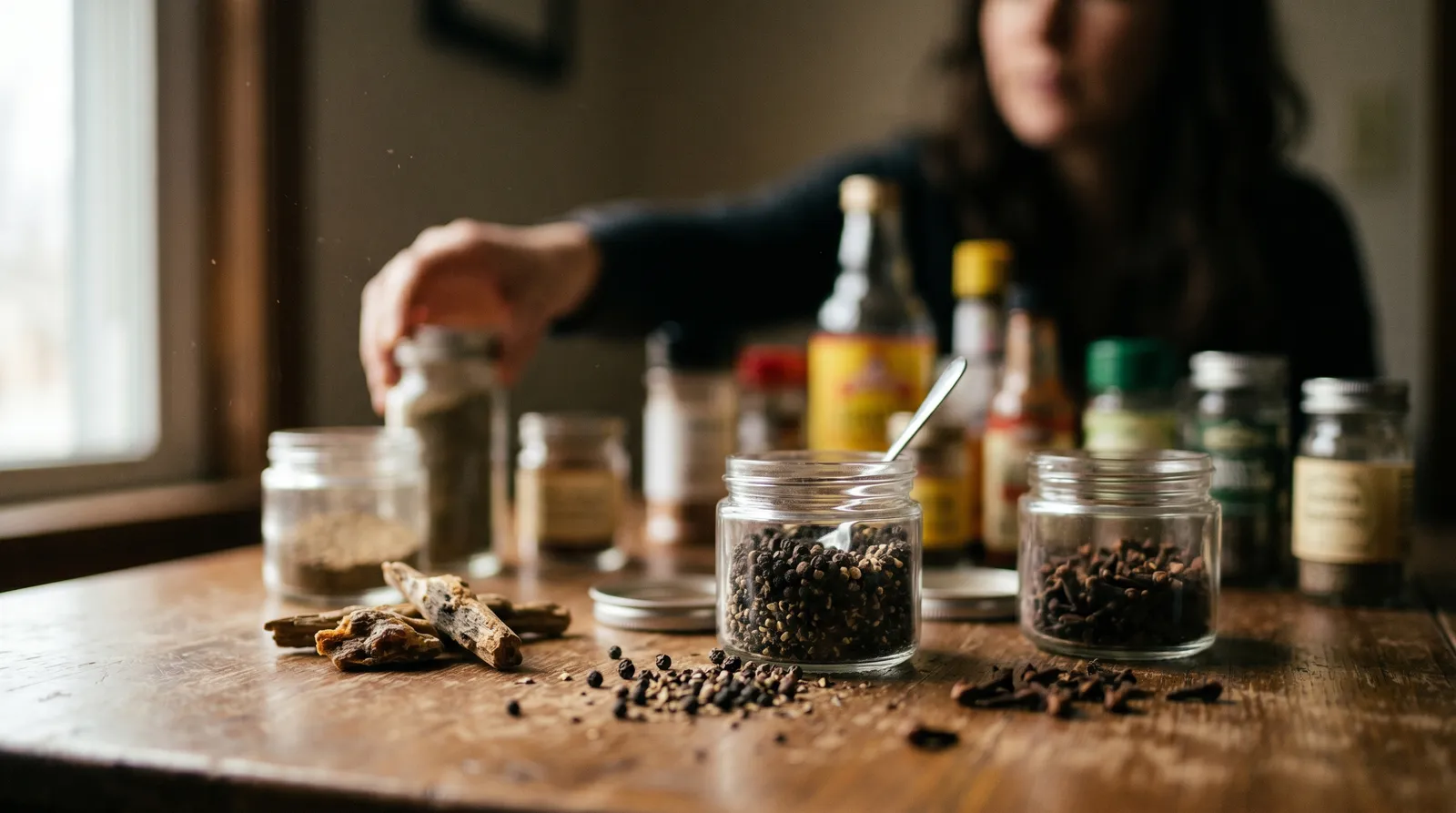
In the kitchen and in perfumery, beta-caryophyllene is everywhere. It is a major aromatic component of freshly ground black pepper, whole cloves, and cinnamon bark. Rosemary and oregano carry it too, which is partly why Mediterranean herb blends have that warm, spicy depth beneath the brighter top notes. In cannabis, BCP rarely appears alone — it typically co-occurs with humulene (its structural isomer, sharing the same molecular formula C15H24 but with a different ring system) and myrcene, creating layered aromatic profiles.
| Natural source | Typical BCP content (% essential oil) | Common name |
|---|---|---|
| Piper nigrum | 7–30% | Black pepper |
| Syzygium aromaticum | 5–12% | Clove |
| Cinnamomum verum | 3–9% | Cinnamon |
| Humulus lupulus | 3–14% | Hops |
| Rosmarinus officinalis | 1–8% | Rosemary |
| Cannabis sativa | Variable (up to ~25% of terpene fraction) | Cannabis / hemp |
Chemistry and Boiling Point
BCP's IUPAC name — (1R,4E,9S)-4,11,11-trimethyl-8-methylidenebicyclo[7.2.0]undec-4-ene — tells you it is a bicyclic molecule with both a nine-membered ring and that unusual four-membered cyclobutane ring fused together. The molecular formula is C15H24 (molecular weight 204.35 g/mol; PubChem CID 5281515). It is a sesquiterpene, meaning it is biosynthesised from the 15-carbon FPP precursor, unlike monoterpenes (myrcene, limonene, pinene, linalool) which derive from the 10-carbon GPP precursor. This larger molecular size gives sesquiterpenes higher boiling points and lower volatility than monoterpenes.

Beta-caryophyllene's boiling point sits at approximately 160 °C. For anyone using a temperature-controlled vaporiser with cannabis flower, that places BCP in a middle band — above ocimene (~50 °C) and humulene (~106 °C), roughly alongside pinene (~155 °C), but below myrcene (~167 °C), limonene (~176 °C), and linalool (~198 °C). Vaporising in the 155–175 °C range will volatilise BCP along with most monoterpenes while extracting less of the higher-boiling cannabinoids (THC boils at ~157 °C but efficient extraction typically requires 175 °C+). Pushing above 180 °C extracts more cannabinoid but sacrifices some terpene nuance — the spicy pepper note fades as BCP has already volatilised. Temperature guides for specific devices are covered in the vaporiser guides elsewhere on the wiki.
A note on isomers: alpha-caryophyllene is actually humulene — same molecular formula, different ring structure, different aroma (more hoppy, less peppery). Caryophyllene oxide is an oxidation product of BCP that forms when the molecule is exposed to air; it has a drier, more muted woody scent and is the compound that drug-detection dogs are trained to identify. When this article says "caryophyllene," it means the beta isomer specifically.
CB2 Receptor Binding — The Pharmacology
Here is where beta-caryophyllene genuinely diverges from every other terpene in this series. Gertsch et al. (2008) demonstrated in a landmark PNAS paper that BCP selectively binds the CB2 cannabinoid receptor with a binding affinity (Ki) of approximately 155 nM. It does not meaningfully bind CB1 — the receptor primarily responsible for the psychoactive effects of THC — which is why BCP does not produce intoxication.
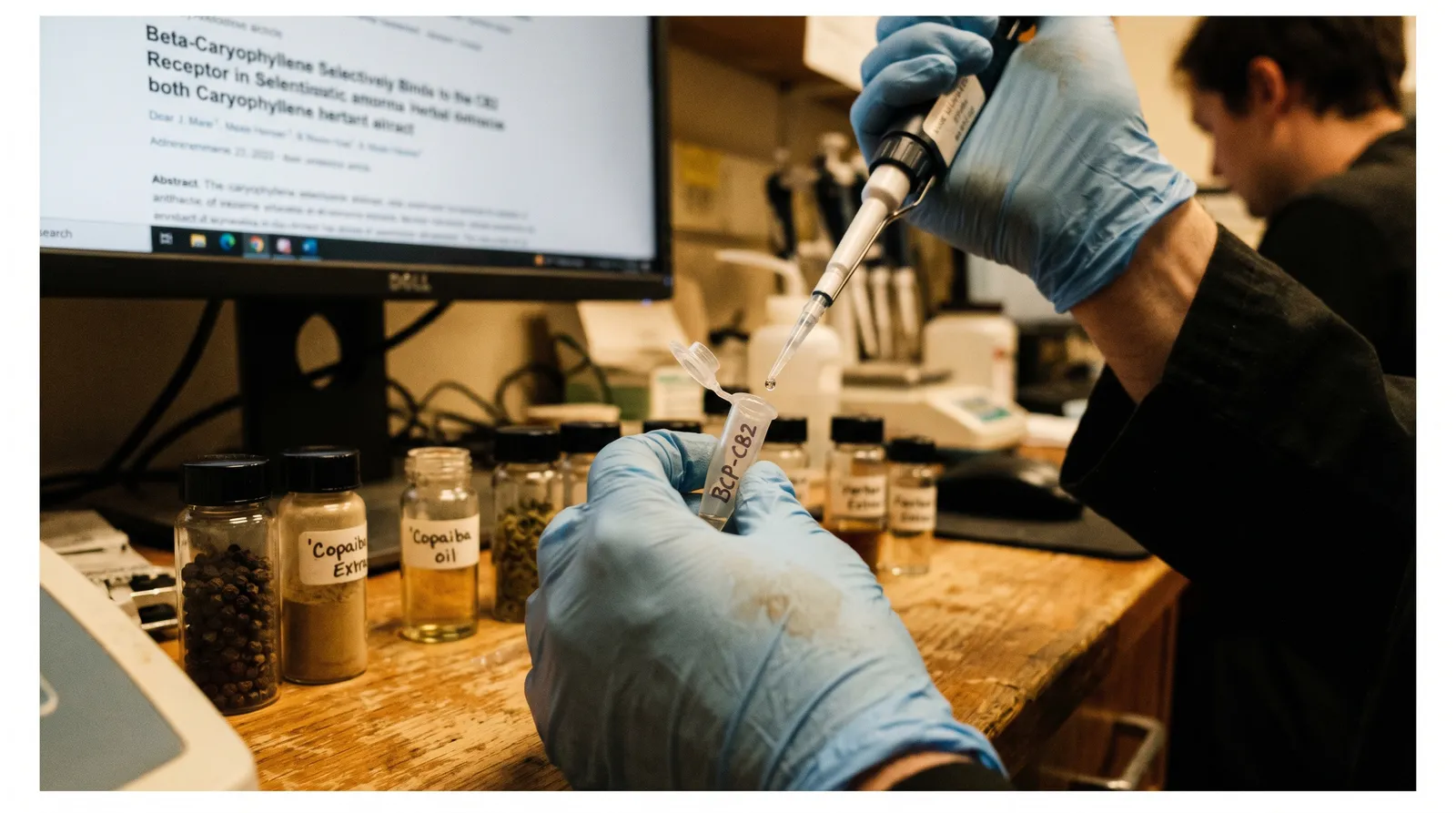
To put that in context: CB2 receptors are expressed predominantly on immune cells and in peripheral tissues, not centrally in the brain the way CB1 receptors are. CB2 activation in preclinical models has been associated with modulation of inflammatory signalling pathways (Gertsch et al., 2008; Bento et al., 2011). That is a real, documented receptor interaction — not a vague "associated with" claim. But — and this is the part that gets lost in marketing copy — a receptor binding event in a cell assay or a rodent model is not the same as a demonstrated clinical effect in humans.
| Compound | Target receptor | Binding affinity (Ki, nM) | Reference |
|---|---|---|---|
| β-Caryophyllene | CB2 (selective agonist) | ~155 | Gertsch et al. (2008) |
| CBD | CB2 (indirect / low-affinity) | >1,500 (varies by assay) | Pertwee (2008) |
| THC | CB1 + CB2 (partial agonist at both) | ~40 (CB1), ~36 (CB2) | Pertwee (2008) |
BCP's CB2 selectivity is clear and reproducible. What remains far less clear is what that means at the concentrations a person actually encounters when eating black pepper, smelling rosemary, or inhaling cannabis vapour. Preclinical research by Bento et al. (2011) reported reduced inflammatory markers in a mouse colitis model after oral BCP administration. Klauke et al. (2014) observed anxiolytic-like behaviour in mice given BCP, with effects blocked by a CB2 antagonist — suggesting the mechanism runs through CB2. These are interesting, well-conducted animal studies, but human clinical trials confirming equivalent effects at dietary or inhalation-relevant doses have not been published as of this writing.
So: beta-caryophyllene binds CB2. That is established. Preclinical research suggests downstream effects on inflammatory and stress-related pathways in animal models. That is also established. "Caryophyllene is anti-inflammatory" stated as a flat fact about human health? That jumps several steps the research hasn't taken yet.
BCP in Cannabis Cultivars
Beta-caryophyllene is one of the most consistently present terpenes across cannabis cultivars. GC-MS analyses routinely find it among the top three terpenes in a wide range of chemovars — it is not limited to one "type" the way myrcene is sometimes (inaccurately) associated exclusively with indica-leaning cultivars. Pepper-forward cultivars like certain GSC (Girl Scout Cookies), OG Kush, and Chemdawg lines often show elevated BCP, but it appears in sativa-leaning and hybrid chemovars as well.
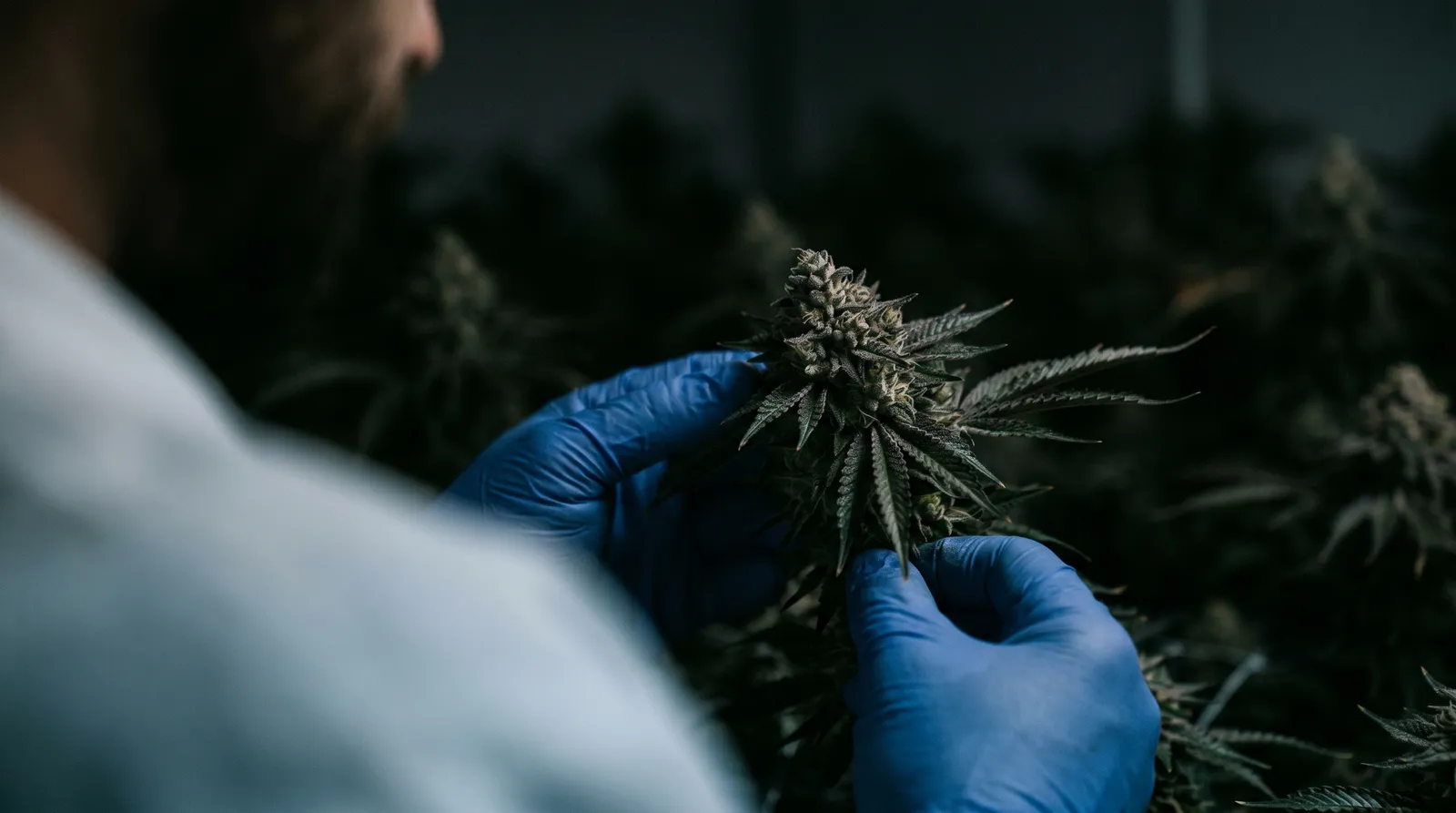
In cannabis cultivars where BCP is dominant, users frequently report a warm, spicy, slightly dry aroma with earthy depth. Sensory descriptions from cultivar surveys often note "peppery," "woody," and "hash-like" — the last likely reflecting BCP's contribution to aged cannabis resin profiles, where it persists after more volatile monoterpenes have evaporated.
Whether BCP's CB2 activity contributes meaningfully to the subjective experience of consuming whole cannabis flower is an open question. Russo (2011) proposed that terpene–cannabinoid interactions — the "entourage effect" — modulate the overall experience, and BCP's direct receptor binding makes it the most mechanistically plausible candidate for such interaction. However, Finlay et al. (2020) found that common cannabis terpenes (including BCP) did not modulate CB1 or CB2 signalling in the way the entourage hypothesis predicts when tested in standardised receptor assays at physiologically relevant concentrations. The question is unresolved, and the current evidence article in this series covers it in more detail.
Isolated BCP vs. Whole-Plant Context
A point worth making clearly: beta-caryophyllene in a cannabis cultivar at 0.1–3% of dry weight, blended with dozens of other terpenes and cannabinoids, is a very different exposure profile from isolated BCP at 95%+ purity in a terpene-fortified vape liquid or supplement capsule. The sensory observations people make about peppery cultivars ("this one feels warm," "I notice a body-focused quality") are whole-plant experiences shaped by the full chemical ensemble. Extracting BCP, concentrating it, and delivering it in isolation creates a product with its own pharmacokinetic and safety profile — one that has not been characterised in long-term inhalation studies.
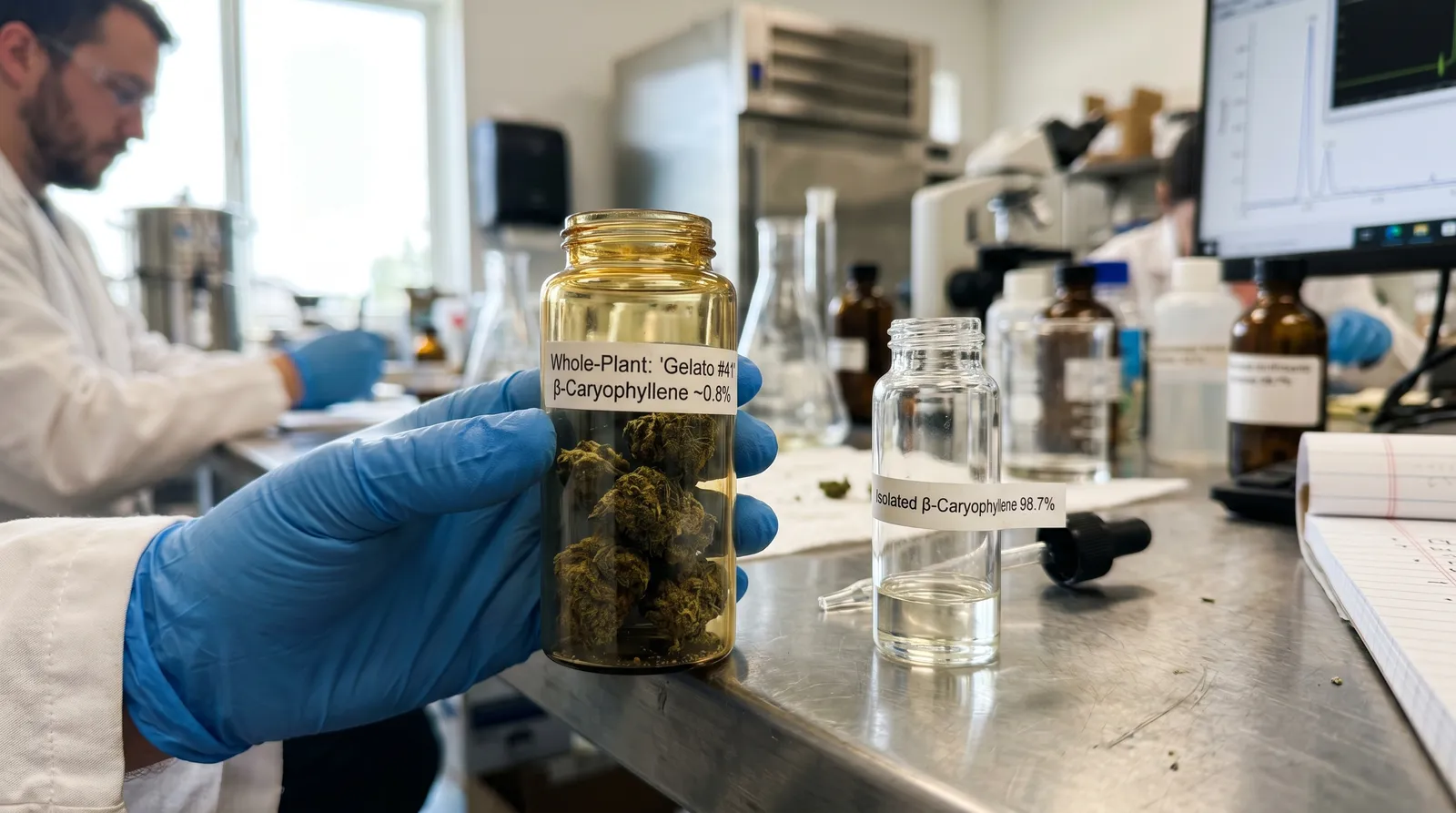
This is not a hypothetical concern. Terpene-fortified vape liquids can contain terpene concentrations far exceeding anything found in nature, and the inhalation toxicology of concentrated isolated terpenes at elevated temperatures is a genuine data gap. If you are interested in BCP specifically, eating black pepper or seasoning food with cloves delivers it in the context evolution optimised for — low concentration, oral route, alongside hundreds of other plant compounds.
References
- Bento, A.F. et al. (2011). β-Caryophyllene inhibits dextran sulfate sodium-induced colitis in mice through CB2 receptor activation and PPARγ pathway. American Journal of Pathology, 178(3), 1153–1166.
- Finlay, D.B. et al. (2020). Terpenoids from cannabis do not mediate an entourage effect by acting at cannabinoid receptors. Frontiers in Pharmacology, 11, 359.
- Gertsch, J. et al. (2008). Beta-caryophyllene is a dietary cannabinoid. Proceedings of the National Academy of Sciences, 105(26), 9099–9104.
- Klauke, A.L. et al. (2014). The cannabinoid CB2 receptor-selective phytocannabinoid beta-caryophyllene exerts analgesic effects in mouse models of inflammatory and neuropathic pain. European Neuropsychopharmacology, 24(4), 608–620.
- Pertwee, R.G. (2008). The diverse CB1 and CB2 receptor pharmacology of three plant cannabinoids. British Journal of Pharmacology, 153(2), 199–215.
- PubChem CID 5281515 — Beta-caryophyllene compound summary.
- Russo, E.B. (2011). Taming THC: potential cannabis combination and phytocannabinoid-terpenoid entourage effects. British Journal of Pharmacology, 163(7), 1344–1364.
This article describes terpene chemistry, aroma profiles, and natural sources for educational purposes. Information about preclinical research is provided for context only and does not constitute medical advice or claims of efficacy. Consult a qualified professional before using any botanical product to address a health concern.
Last updated: April 2026
Frequently Asked Questions
8 questionsWhy is beta-caryophyllene called a dietary cannabinoid?
What is the difference between alpha-caryophyllene and beta-caryophyllene?
Does beta-caryophyllene get you high?
What temperature should I vape to preserve beta-caryophyllene?
Is beta-caryophyllene safe to consume in food?
Can beta-caryophyllene reduce inflammation in humans?
Which foods and spices are highest in beta-caryophyllene?
What makes the cyclobutane ring in beta-caryophyllene unique among terpenes?
About this article


Luke Sholl has been writing about cannabis, cannabinoids, and the broader benefits of nature since 2011, and has personally grown cannabis in home grow tents for more than a decade. That first-hand cultivation experience
This wiki article was drafted with AI assistance and reviewed by Luke Sholl, External contributor since 2026. Editorial oversight by Toine Verleijsdonk.
Medical disclaimer. This content is for informational purposes only and does not constitute medical advice. Consult a qualified healthcare provider before use of any substance.
Last reviewed April 25, 2026
Related Articles
Pinene Alpha and Beta: Aroma, Chemistry & Vaporisation Guide
Pinene is a bicyclic monoterpene occurring as two isomers — α-pinene and β-pinene — and ranks as the most abundant terpene in the plant kingdom.

CBD and Recovery: What the Research Actually Shows
CBD and recovery is a research topic spanning exercise-induced muscle damage, sleep quality, and perceived soreness. As McCartney et al.
CBD Pet Dosing Vet Consultation: Prepare for Your Visit
Veterinary CBD dosing is not a scaled-down version of human dosing — dogs and cats metabolise cannabidiol through different enzymatic pathways and at…

CBD for Cats Veterinary Considerations: Feline Research, Safety and Guidance
Cats metabolise cannabinoids differently from dogs and humans, lacking key glucuronidation enzymes that affect CBD clearance. Deabold et al.
EU Novel Food Regulation CBD: Country Status, EFSA Safety & Guide
EU novel food regulation CBD is a policy framework under EU rule 2015/2283 that classifies cannabidiol extracts as a novel food, requiring safety assessment…
CBD Topical Creams Medical Grade: CE-Marked Class I Explained
CBD topical creams deliver cannabidiol directly to the skin rather than the bloodstream.
Humulene Effects and Aroma Profile | Terpene Guide
Humulene (α-humulene) is a monocyclic sesquiterpene named after Humulus lupulus — hops.
Terpene Entourage Effect: Current Evidence Reviewed
The terpene entourage effect proposes that cannabis terpenes modulate cannabinoid activity, producing different outcomes than isolated compounds alone.
CBD and Skin Conditions: What Research Shows
Cannabidiol (CBD) interacts with the endocannabinoid system expressed in human skin — including CB1 and CB2 receptors on keratinocytes, sebocytes, and…