We'll only email you about this product — no marketing.
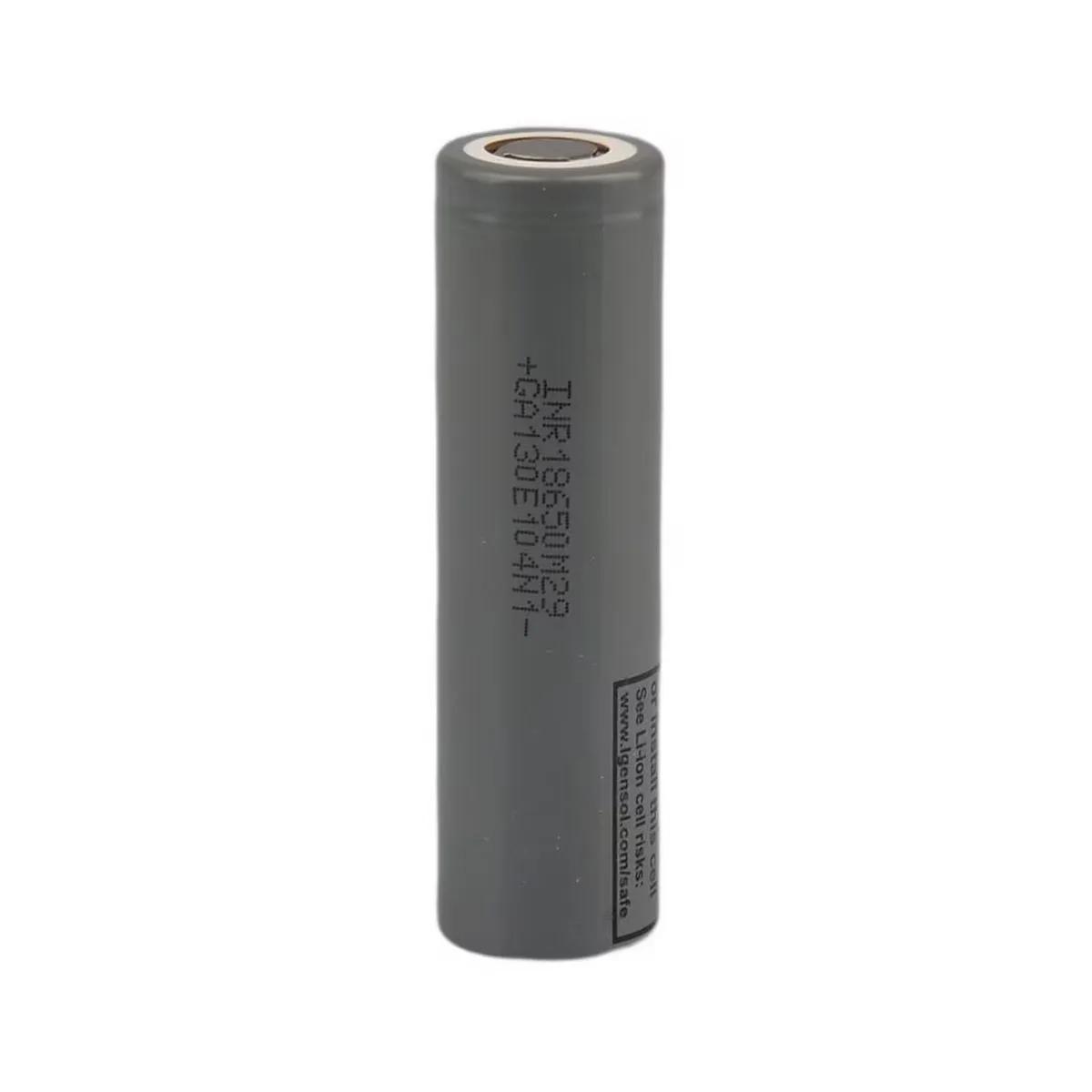
Rechargeable 18650 Battery for Vaporizers
An 18650 battery is a standardised rechargeable lithium-ion cell measuring 18mm in diameter and 65mm in length, widely used as the power source in portable vaporizers. This particular cell delivers 2850mAh of capacity — enough to keep your vaporizer running for hours between charges. It is the same battery format used across dozens of portable vapes, torches, and electronics, making it one of the most practical spares you can keep in your drawer. If your vape takes an 18650 (check your model), this is the replacement you need.
| Spec | Value |
|---|---|
| Battery type | 18650 lithium-ion (rechargeable) |
| Capacity | 2850mAh |
| Dimensions | 18mm diameter x 65mm length (standard 18650) |
| Charging | Via vaporizer USB cable or external 18650 charger |
| Confirmed compatibility | Storm vaporizer |
| SKU | VS0064 |
| Capacity comparison | Typical runtime (active vaping) | Weight |
|---|---|---|
| 2000mAh (budget cells) | 40–55 minutes | 40–44g |
| 2600mAh (mid-range cells) | 55–75 minutes | 44–46g |
| 2850mAh (this battery) | 60–90 minutes | 45–48g |
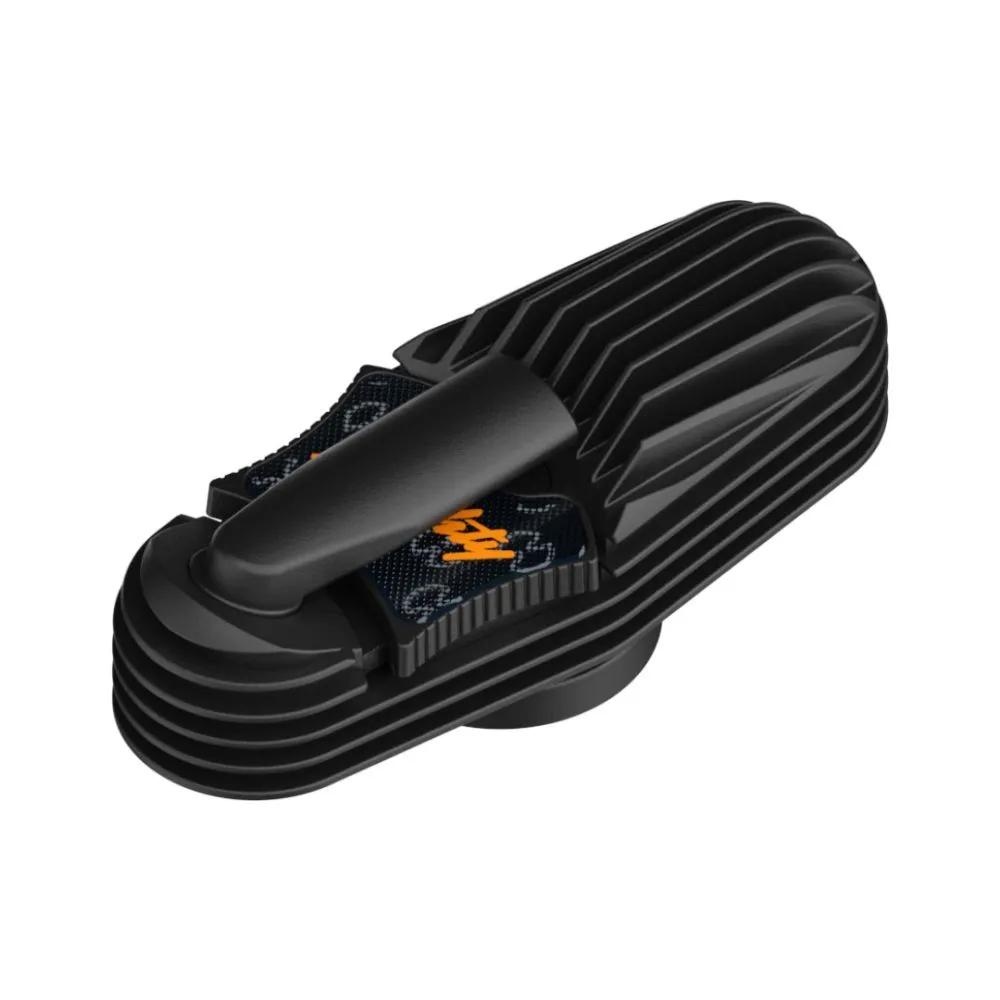
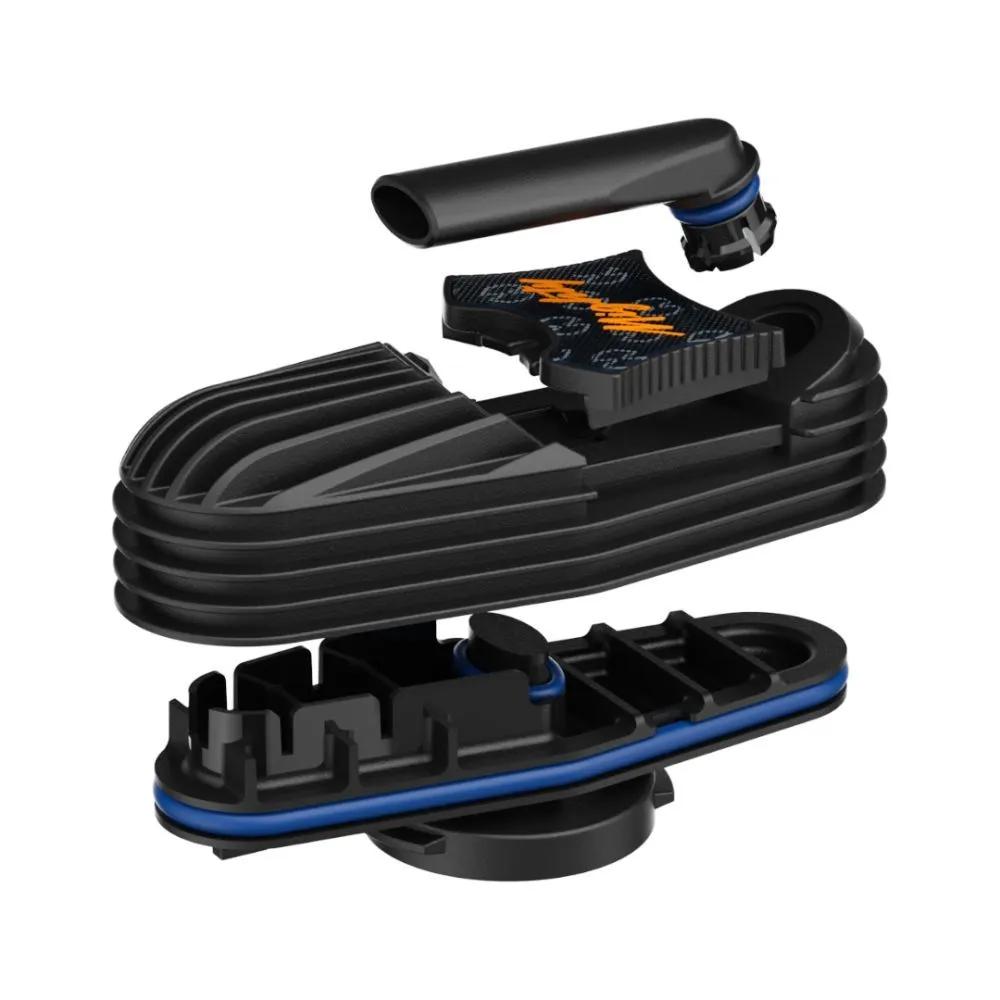
Pair this battery with an external 18650 charger so you always have a fully topped-up cell ready to swap in. Grab two batteries and a charger together and you will never be stuck waiting for a recharge again. The Storm Vaporizer itself is also available if you need a full replacement unit.
Why a Spare 18650 Battery Matters
A spare 18650 battery eliminates downtime by letting you swap a fresh cell into your vaporizer the moment your current one dies. A dead vape battery at the wrong moment is properly annoying. You are mid-session, the LED starts blinking, and now you are tethered to a USB cable for an hour or more. We have seen it happen to customers hundreds of times since we started selling vaporizers — and the fix is always the same: buy a spare 18650 and keep it charged.
The 18650 format measures 18mm across and 65mm long — that is where the name comes from. It is the workhorse cell behind most portable vaporizers, and the 2850mAh capacity on this one sits comfortably in the upper range for the format. For context, many budget 18650 cells ship at 2000–2600mAh, so you are getting noticeably more runtime per charge here. According to the European Monitoring Centre for Drugs and Drug Addiction (EMCDDA), vaporizer use has grown steadily across Europe, which has driven demand for standardised replacement cells like the 18650. Battery manufacturers generally specify a safe operating temperature range of -10 to 60°C for discharge and 0–45°C for charging, so keep it out of direct sunlight and never charge below freezing.
One honest limitation: this battery is confirmed compatible with the Storm vaporizer. If you use a different vape that takes 18650 cells, it will almost certainly work — but double-check your device manual before ordering. Not every vape accepts every 18650 equally, and some devices are fussy about cell length if a protection circuit adds a millimetre or two. Flat-top versus button-top terminals also matter — the Storm uses a button-top, and that is what this cell has.
How to Use Your 18650 Replacement Battery
Replacing an 18650 cell takes under 30 seconds: remove the old battery, insert the new one with correct polarity, and power on your vaporizer.
- Remove the depleted battery from your vaporizer. Most models have a twist-off or magnetic cap at the base — consult your vape manual if you are unsure.
- Insert the fresh 18650 cell with the positive terminal (the end with the small raised nub) facing the correct direction. Getting polarity wrong will not damage most modern vapes, but the device simply will not power on.
- Replace the cap and power on your vaporizer. You should see a full or near-full battery indicator.
- Charge the depleted cell. You can pop it back into the vape and use the device's USB charging function, or — the better option — slot it into a dedicated external 18650 charger. External chargers are gentler on the cell and typically charge faster than USB passthrough.
- Store spare batteries in a cool, dry place away from metal objects. A simple plastic battery case prevents short circuits from loose keys or coins. Manufacturers recommend storing lithium-ion cells at 40–60% charge if you will not use them for a while.